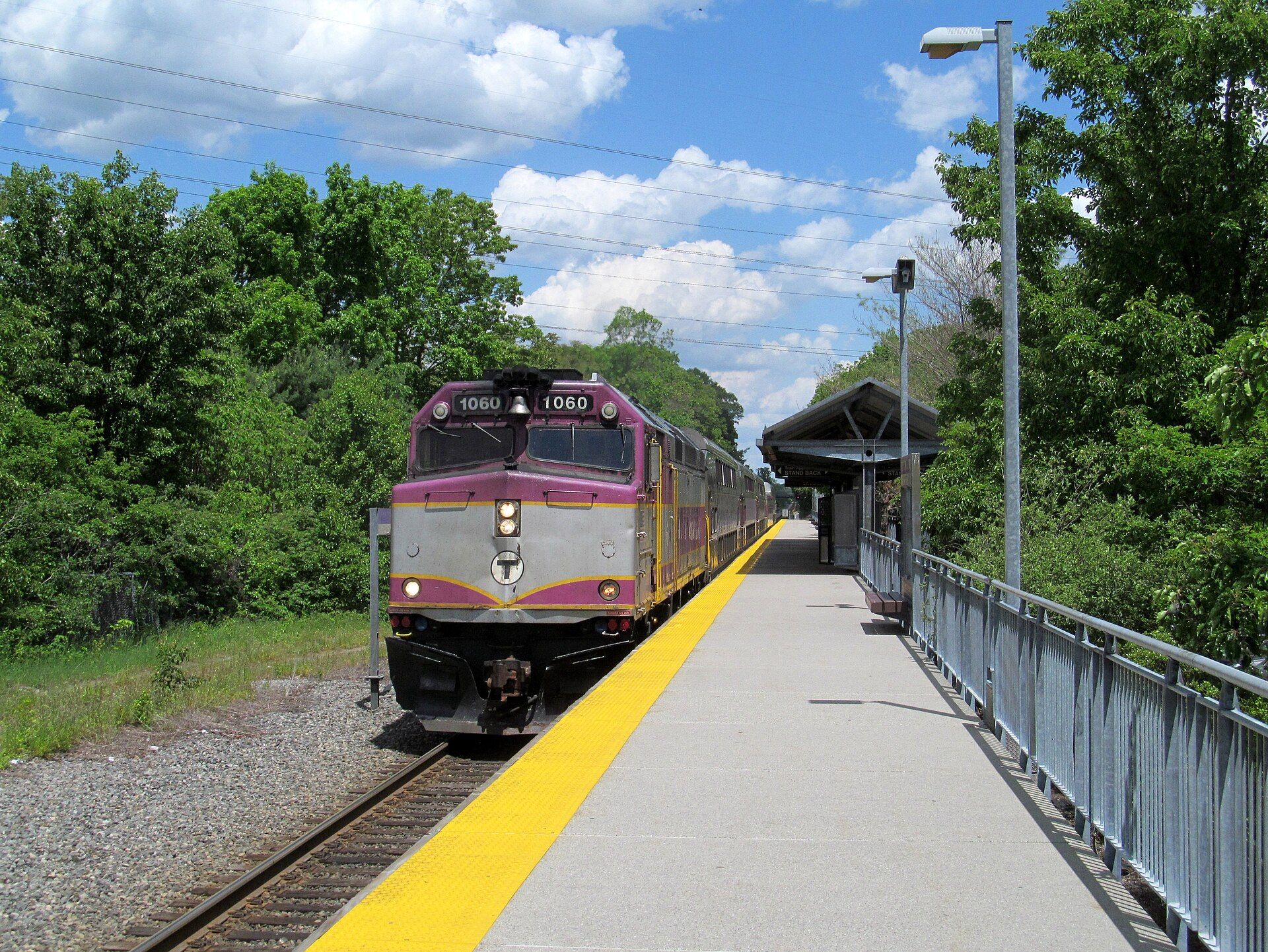
Holbrook was first settled by Europeans (mostly British colonists) in 1710 as the southern part of Old Braintree, and was officially incorporated on February 29, 1872, the last town created from the former lands of Braintree. Landmarks include Roberts School and Avon station. Holbrook is the birthplace of Edgar S. Brightman, theologian.
Every piece is drawn from Holbrook's own map data and historic archives, then printed and shipped from the USA when you order. No two towns look alike.
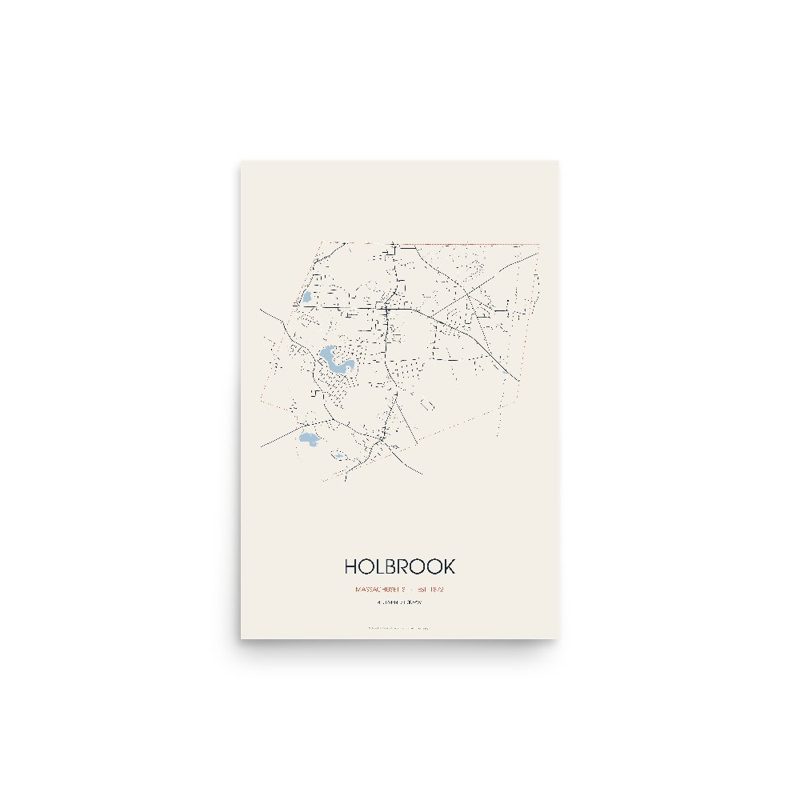
Every road in town, on archival matte paper
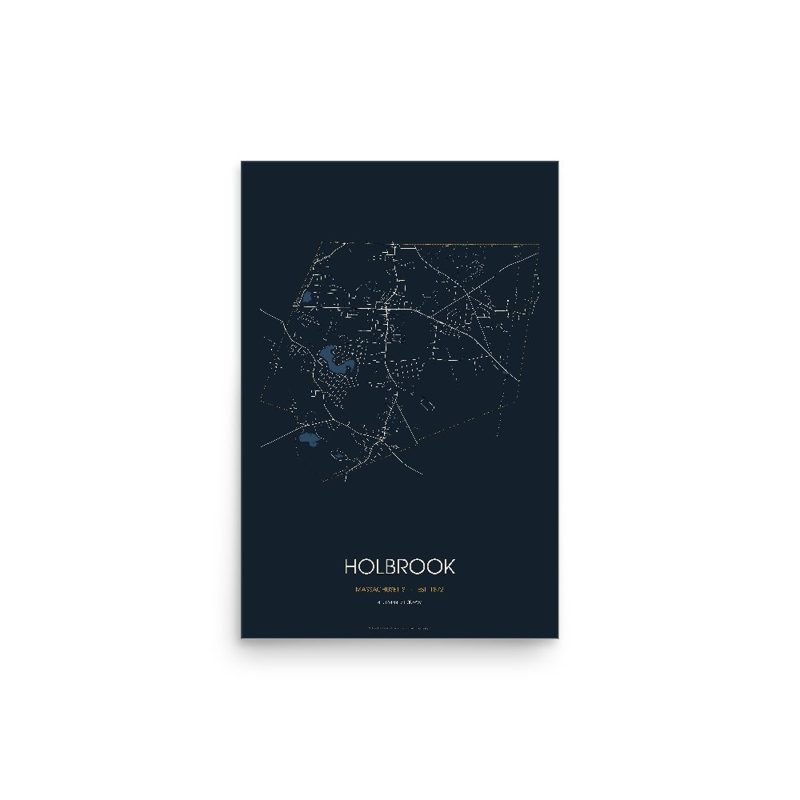
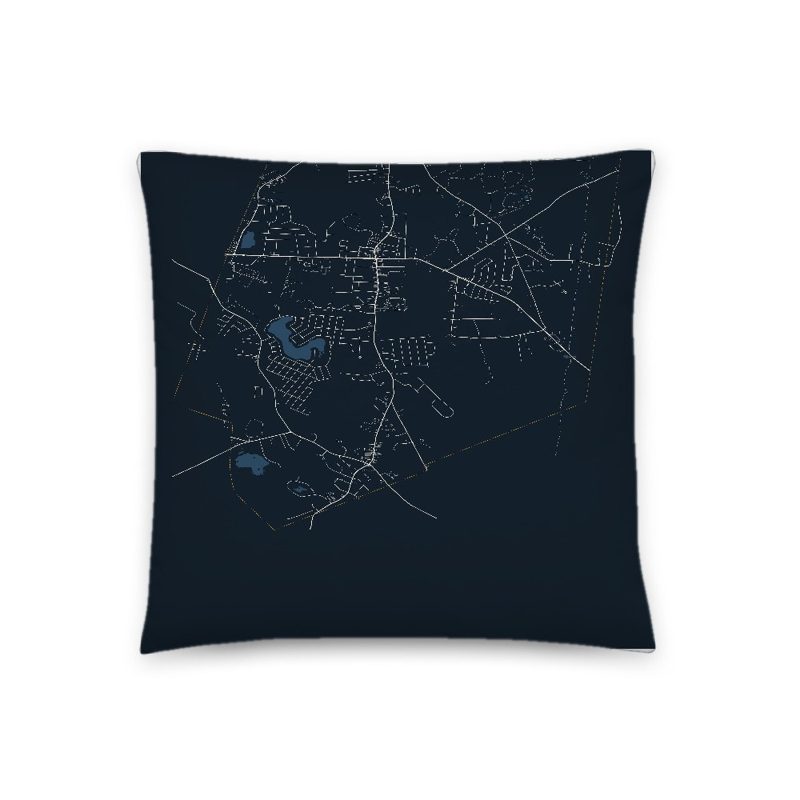
The same map, in navy and silver
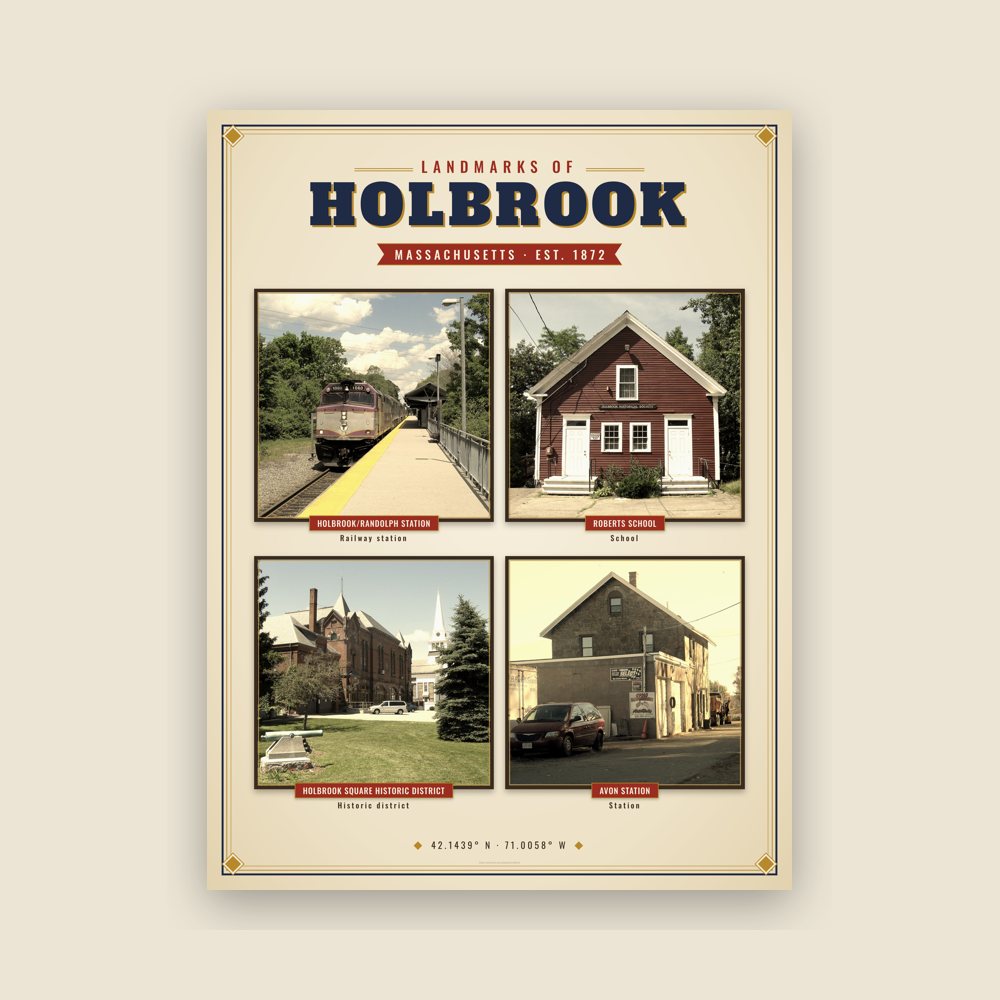
Nine local landmarks, archival matte
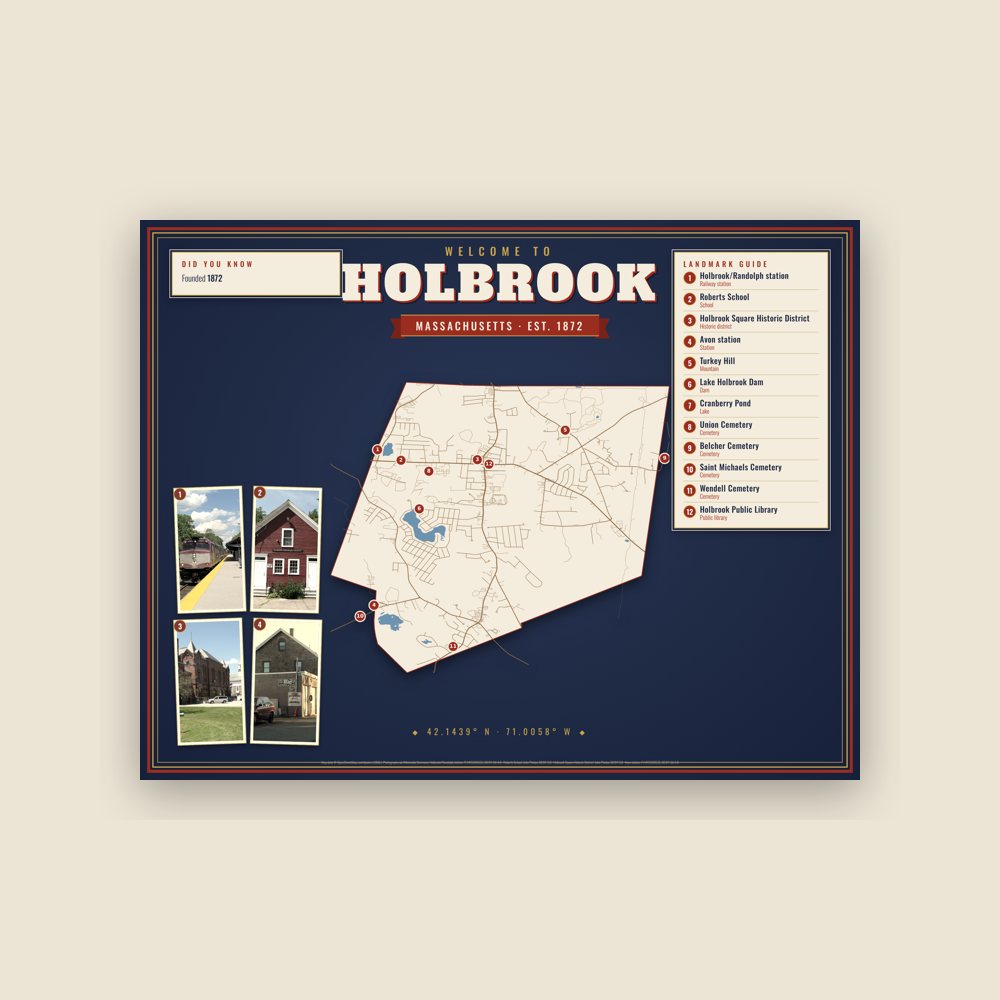
Map of local landmarks, washable fabric
Heavy-blend fleece, street map printed on the back
Soft Bella+Canvas jersey
Glossy ceramic, dishwasher safe
Ceramic keepsake, gold ribbon
Weatherproof, for the front walk
Soft-touch, zip cover
Sturdy all-over-print tote
Glossy top, cork back
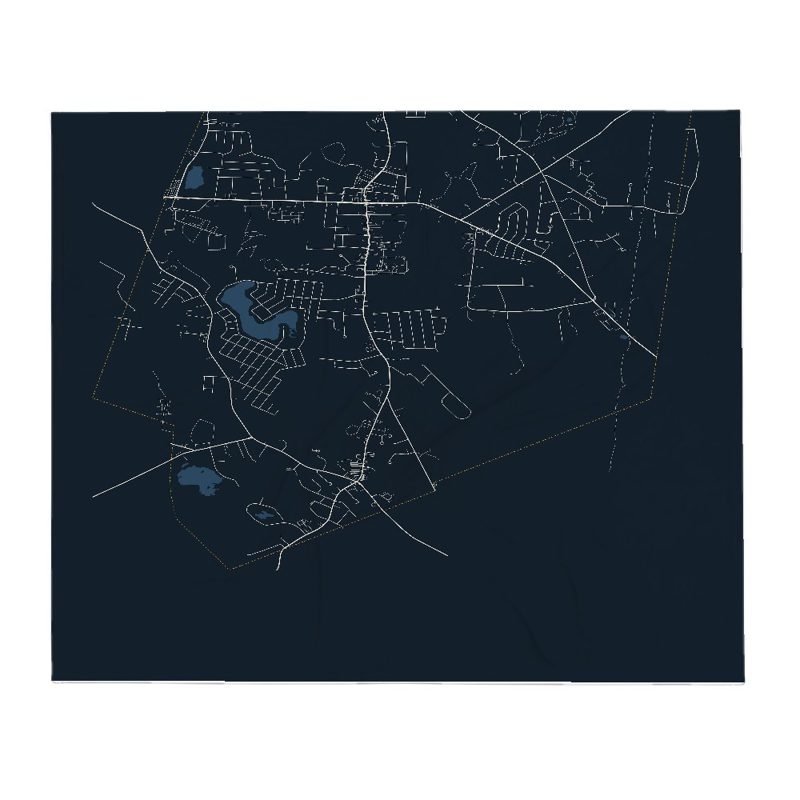
Soft fleece, 50″×60″
20 oz, double-wall stainless
Population 2010: 10,791 → 2020: 11,405
From Wikidata (CC0).
Holbrook was first settled by Europeans (mostly British colonists) in 1710 as the southern part of Old Braintree, and was officially incorporated on February 29, 1872, the last town created from the former lands of Braintree. It used to be known as East Randolph, being divided from Randolph by track from the Old Colony Railroad line.
In the 18th and 19th centuries, farming and cottage trades, particularly shoe production, dominated the economy. Slowly, the town evolved into a primarily residential community, with many residents commuting to work in Boston proper and the primary employment within the town being in service industries.
Some residents served during the Civil War, and members of the famed 54th Massachusetts Volunteer Infantry are buried in Union Cemetery. The impact of the War came not only from the residents' direct participation in the conflict, but was also from the need for production of boots for soldiers. It was during the Civil War that shoe production became a significant component of the town's economic life, and production moved decidedly from the home and into factories.
The story of Holbrook's split from Randolph begins in 1871, when pressure had been building in East Randolph for an independent town. After a little "misunderstanding" (according to Randolph brethren, the Eastern group used rather stronger language) about the placement of a cupola on top of Stetson Hall as a vent for the gas lighting, the pot boiled over, and East Randolph petitioned to be incorporated as a separate town.
The town was named for benefactor Elisha N. Holbrook, who provided the town with the funds for the town hall and library upon incorporation.
Holbrook's residents again took up arms in the First and Second World Wars. The latter had a great impact on the life of the community. After 1945, demobilization created a building boom and altered the economy and lifestyle across the United States. Holbrook experienced a housing boom and became a largely residential community, in which some service industry provides local jobs, but from which most residents commute to work in Greater Boston.
Holbrook once held the Baird and McGuire chemical plant, which in 1982 was added to the EPA National Priorities list. The site was the nation's 14th worst Superfund site when it was listed in 1982, and thus cleanup work began immediately. As of June 17, 1997, the EPA concluded primary cleanup operations at the site. Efforts included the incineration of 248,000 tons of soil, including sediment dredged from the Cochato River. Total cost was approximately $133 million, including the construction of a water treatment plant that is still in operation.
Adapted (trimmed) from the Wikipedia article Holbrook, Massachusetts, revision 1377382139 by its contributors, licensed CC BY-SA 4.0.
We share a part of every Holbrook sale with local partners, and we'd love to print from your collection. Old photographs, maps and postcards make the best keepsakes.
Partner with us