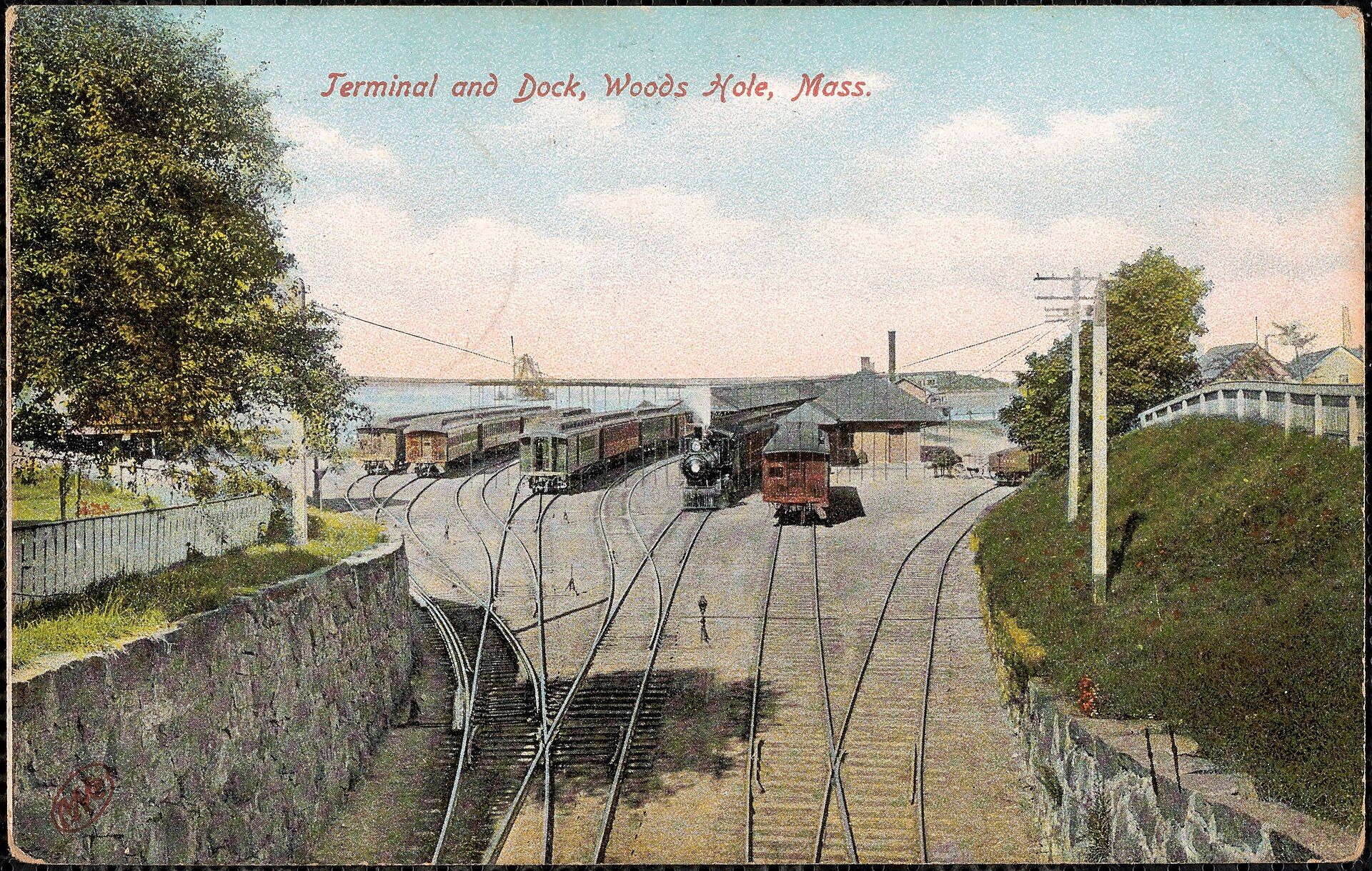
Falmouth was first settled by English colonists in 1660 and was officially incorporated in 1686. Landmarks include Cleveland East Ledge Light, Nobska Light and Woods Hole station. Falmouth is the birthplace of Casey Affleck, actor.
Every piece is drawn from Falmouth's own map data and historic archives, then printed and shipped from the USA when you order. No two towns look alike.
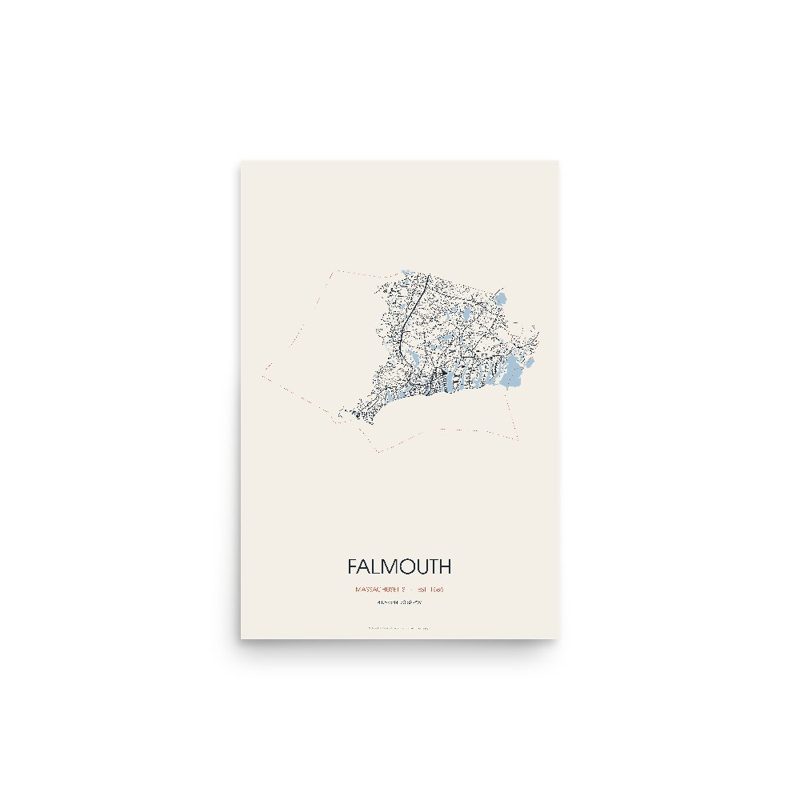
Every road in town, on archival matte paper
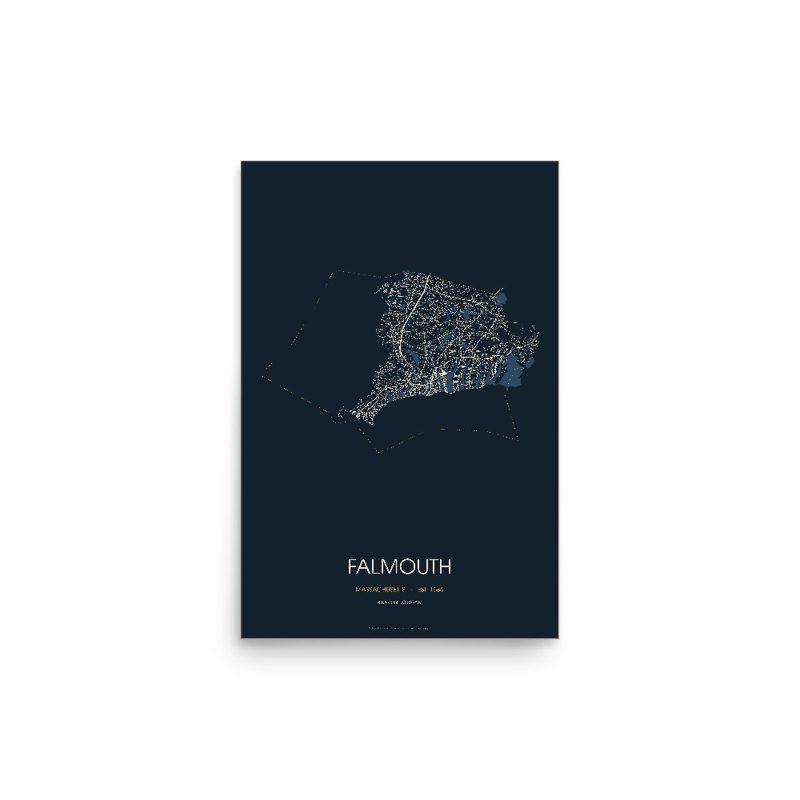
The same map, in navy and silver
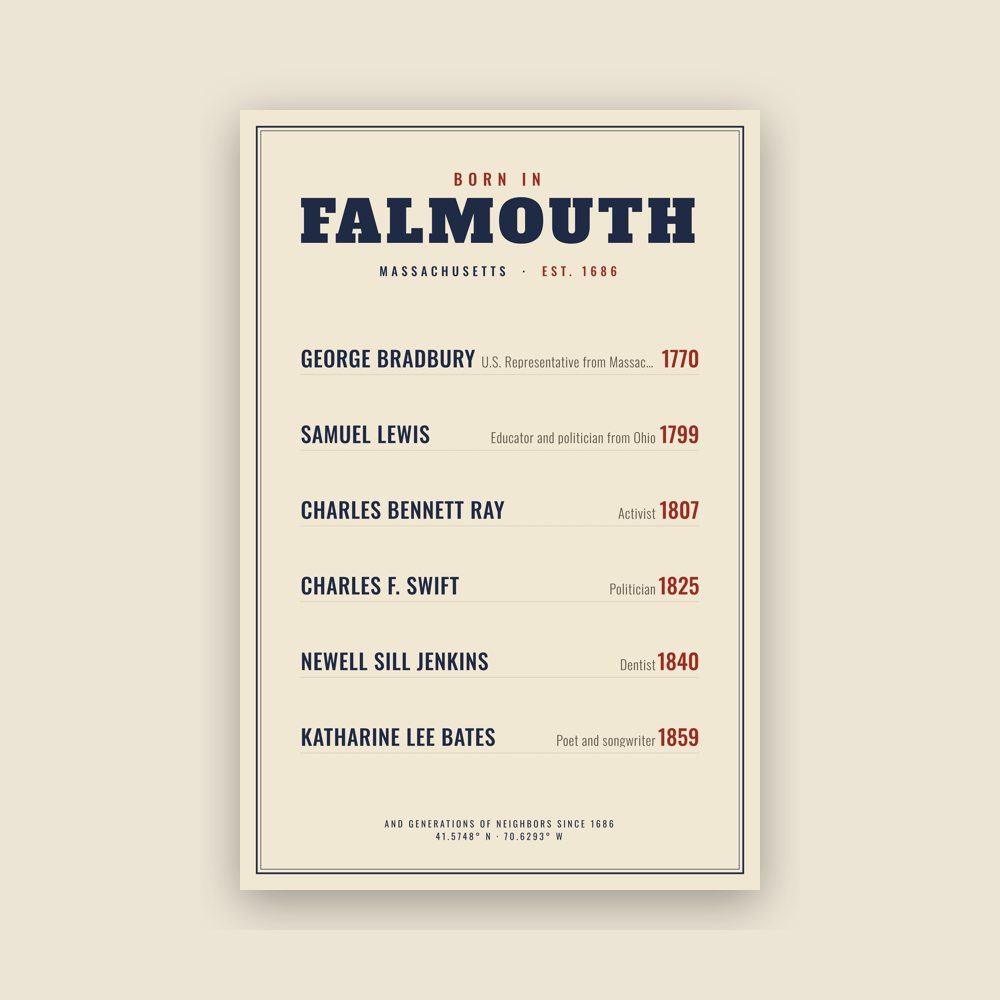
Famous natives, by birth year
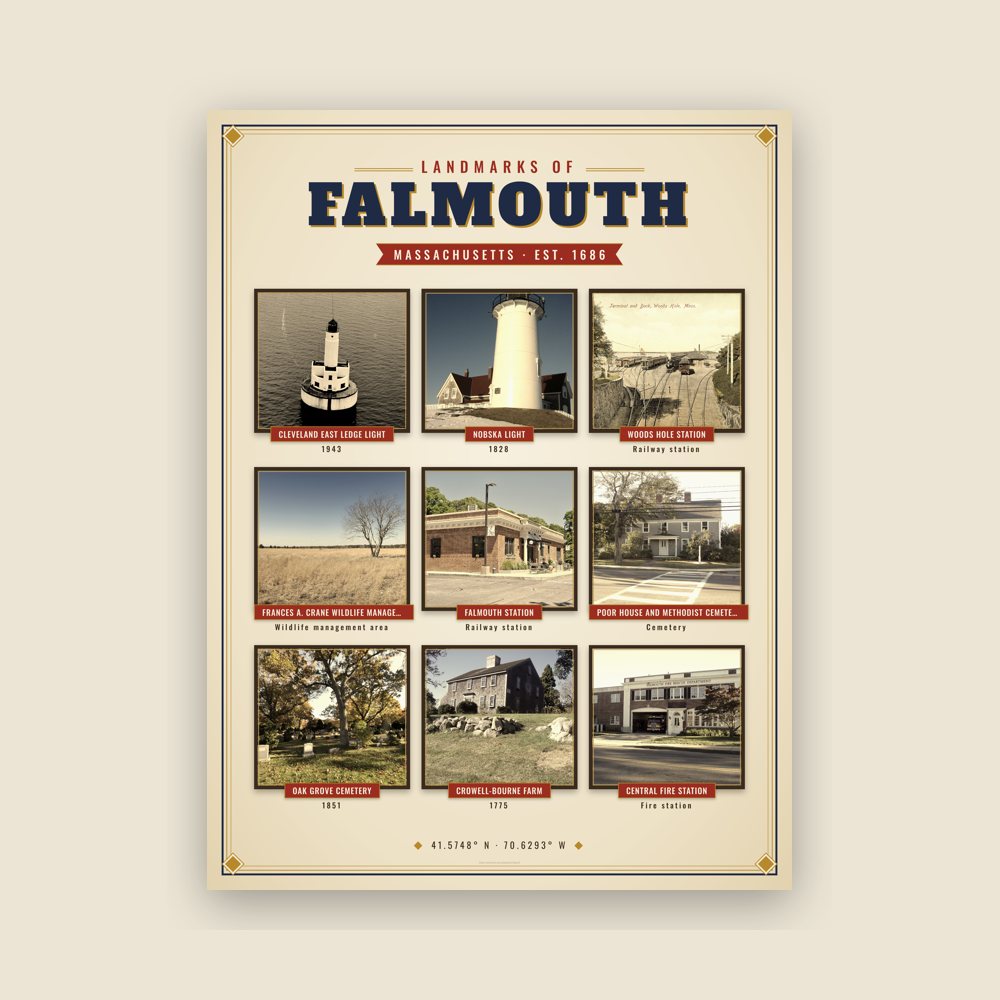
Nine local landmarks, archival matte
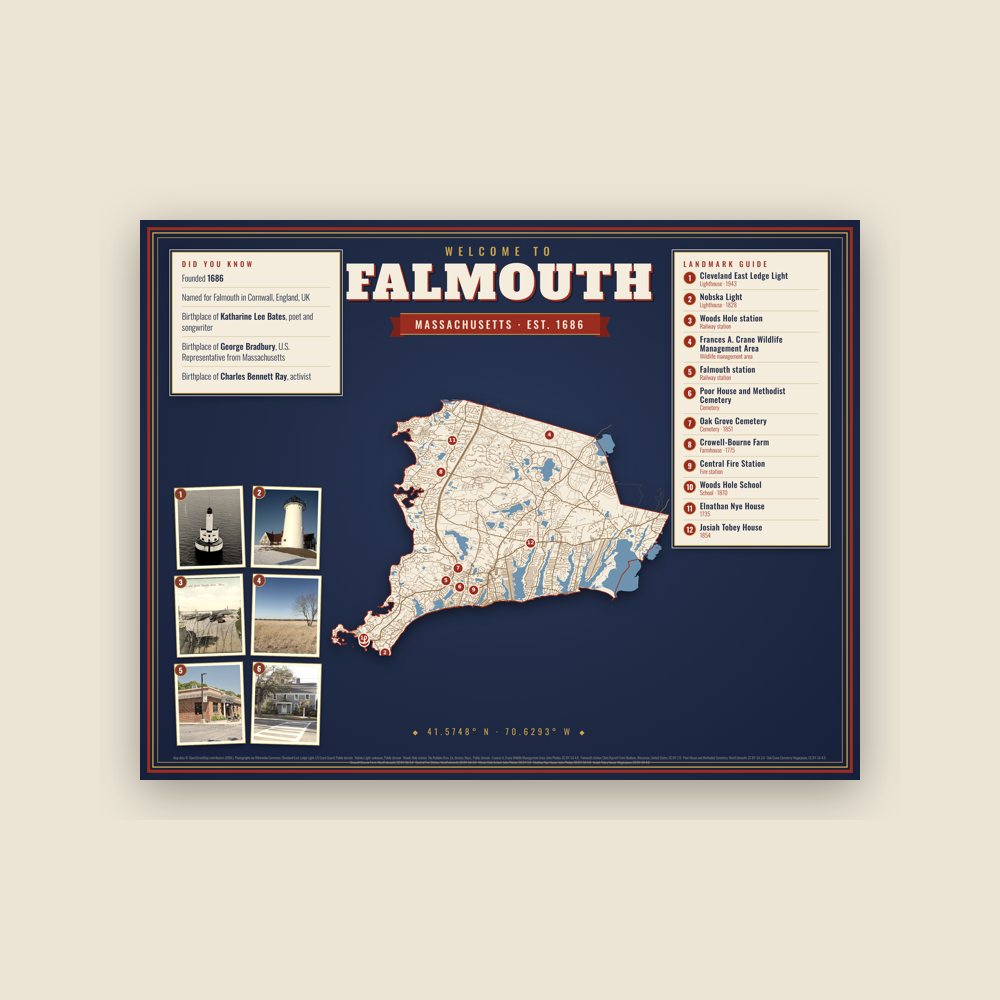
Map of local landmarks, washable fabric
Heavy-blend fleece, street map printed on the back
Soft Bella+Canvas jersey
Glossy ceramic, dishwasher safe
Ceramic keepsake, gold ribbon
Weatherproof, for the front walk
24″×16″, printed coir-look fibers, rubber back
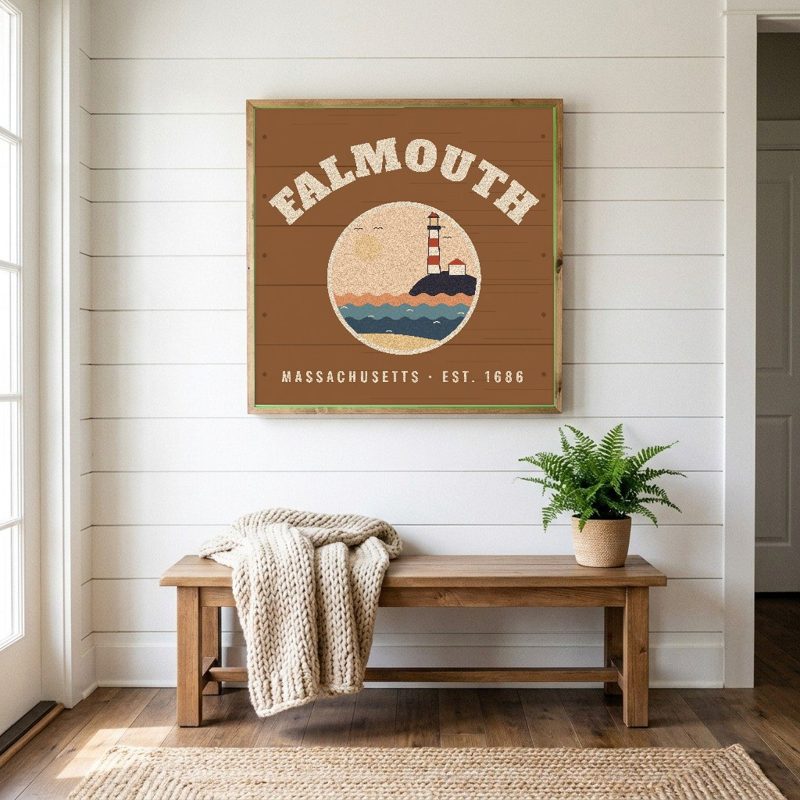
12″×12″ printed wood, ready to hang
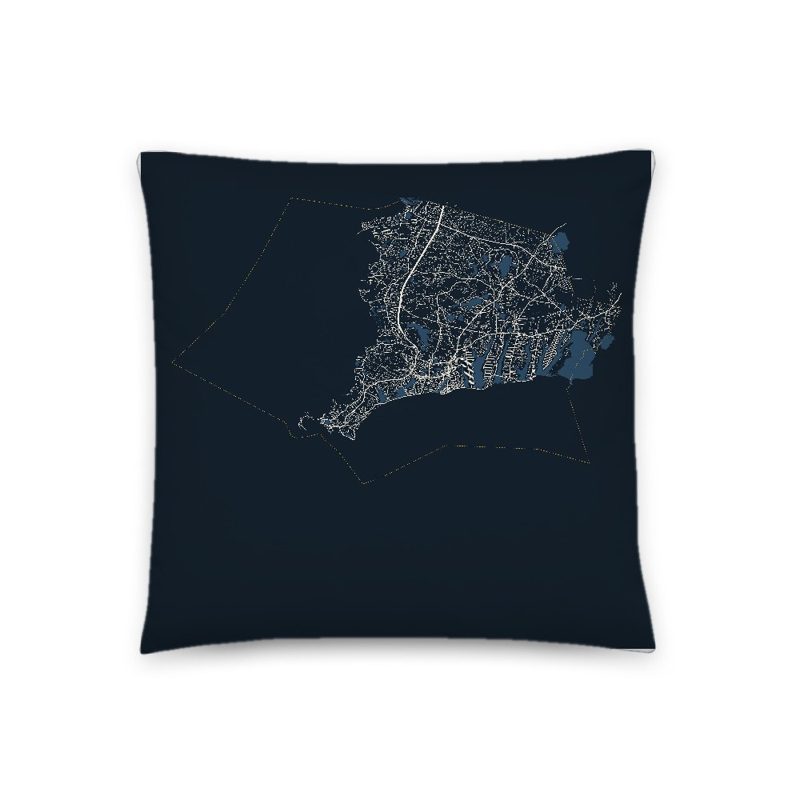
Soft-touch, zip cover
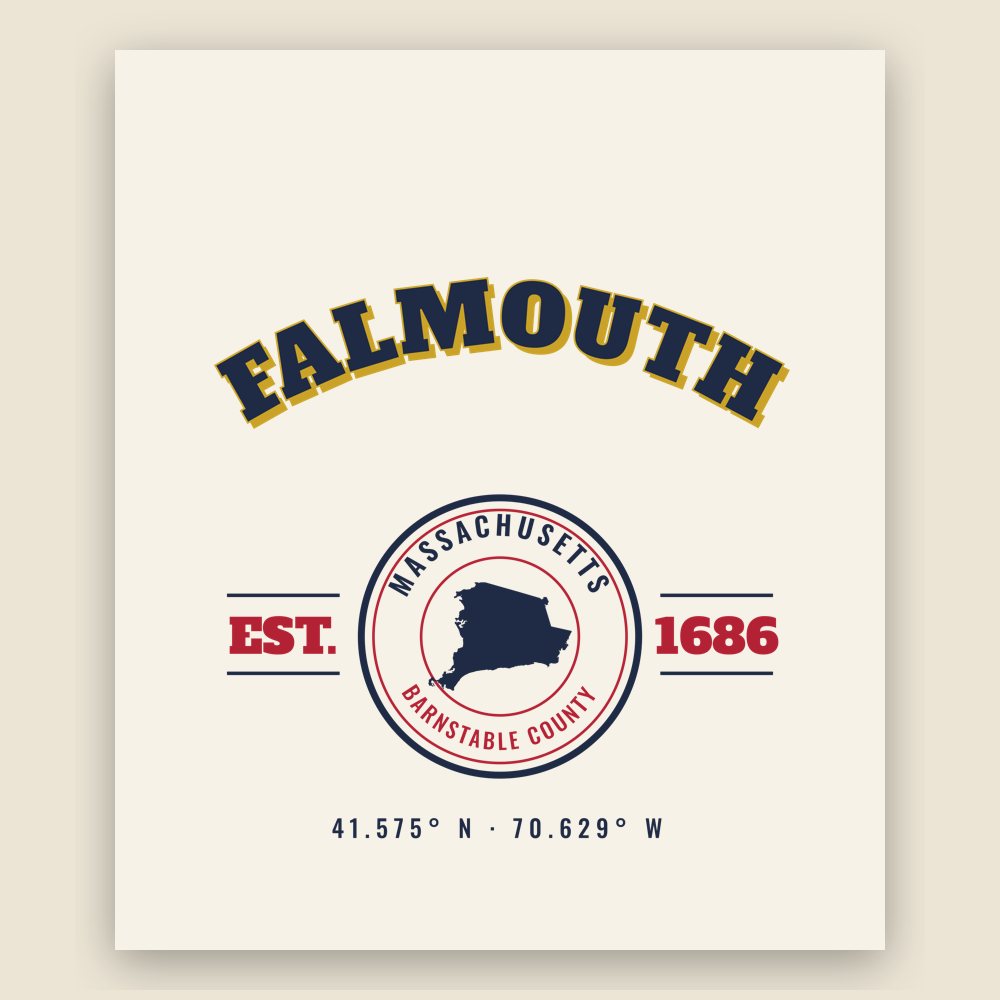
Sturdy all-over-print tote
Glossy top, cork back
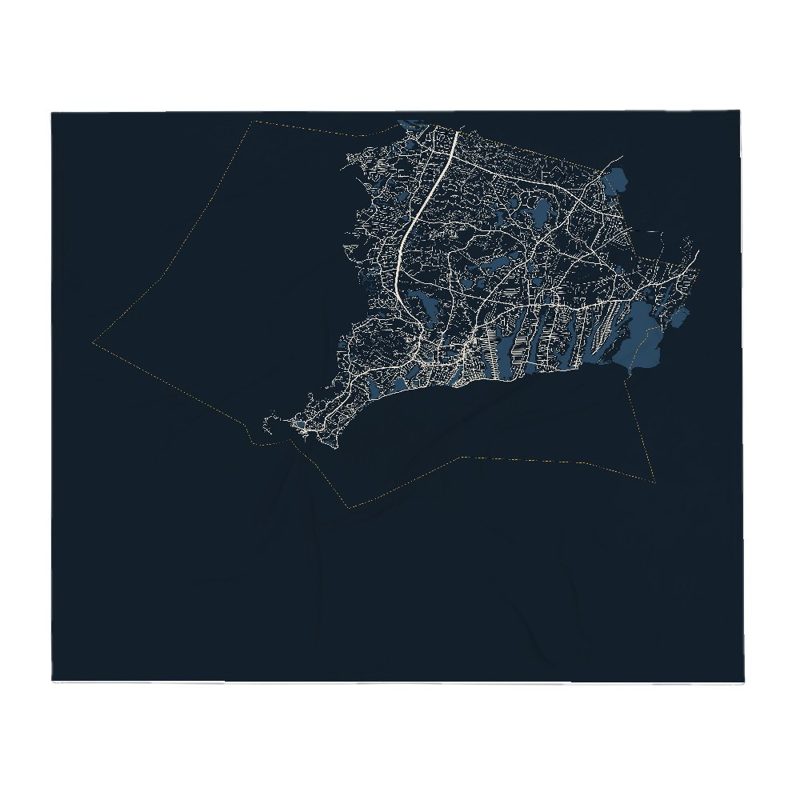
Soft fleece, 50″×60″
20 oz, double-wall stainless
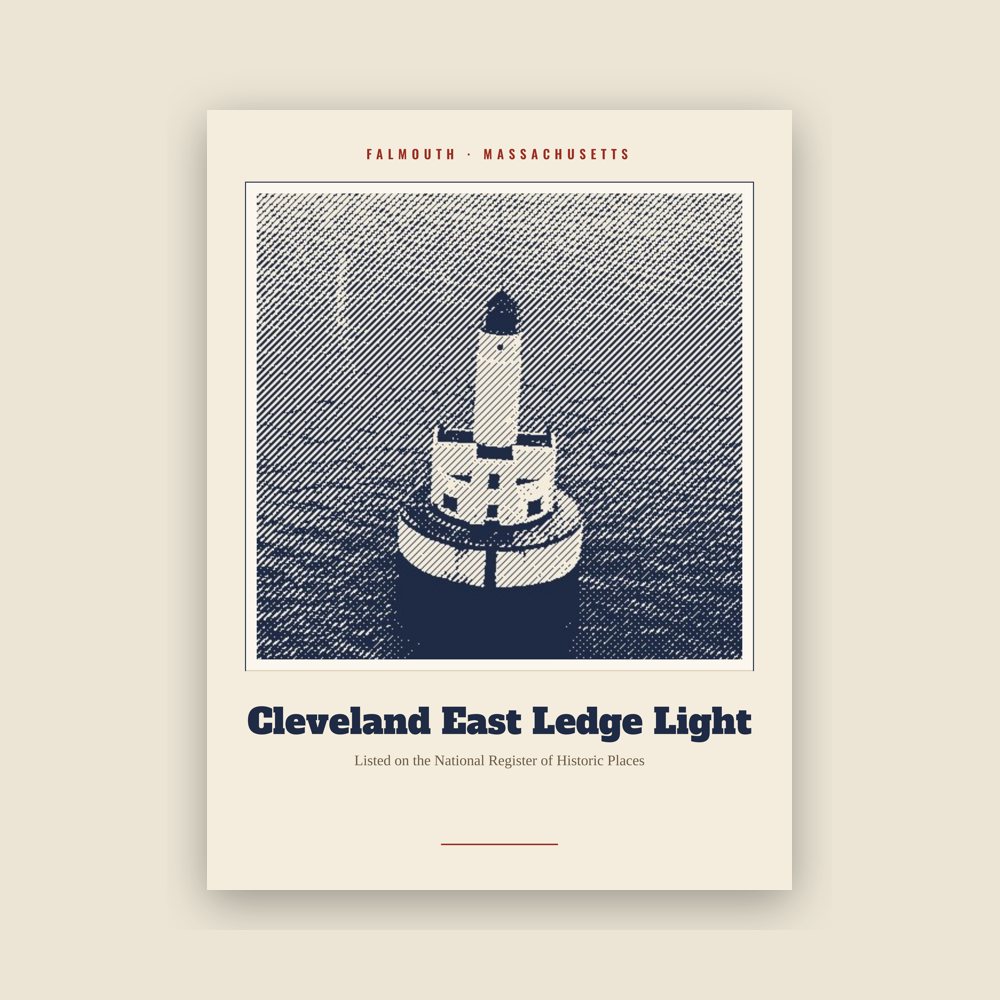
Archival matte print of a local landmark, credited to its photographer
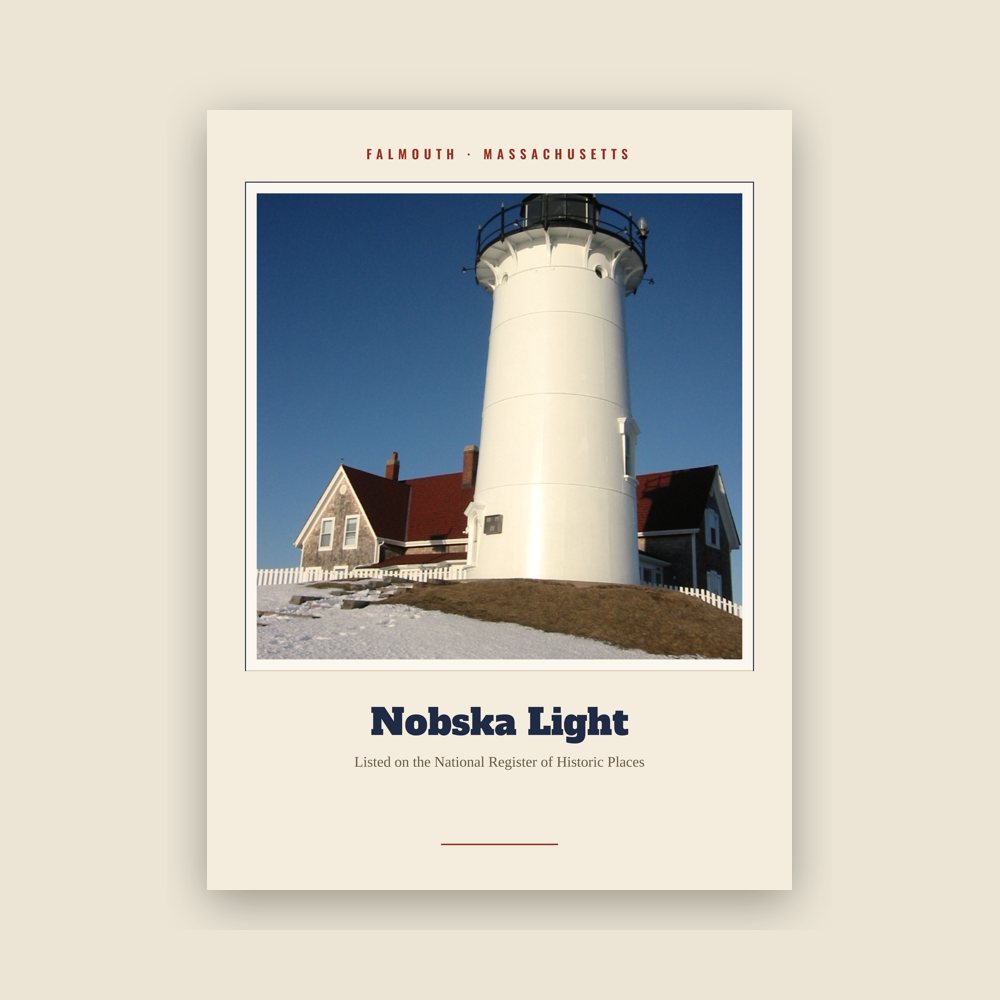
Archival matte print of a local landmark, credited to its photographer
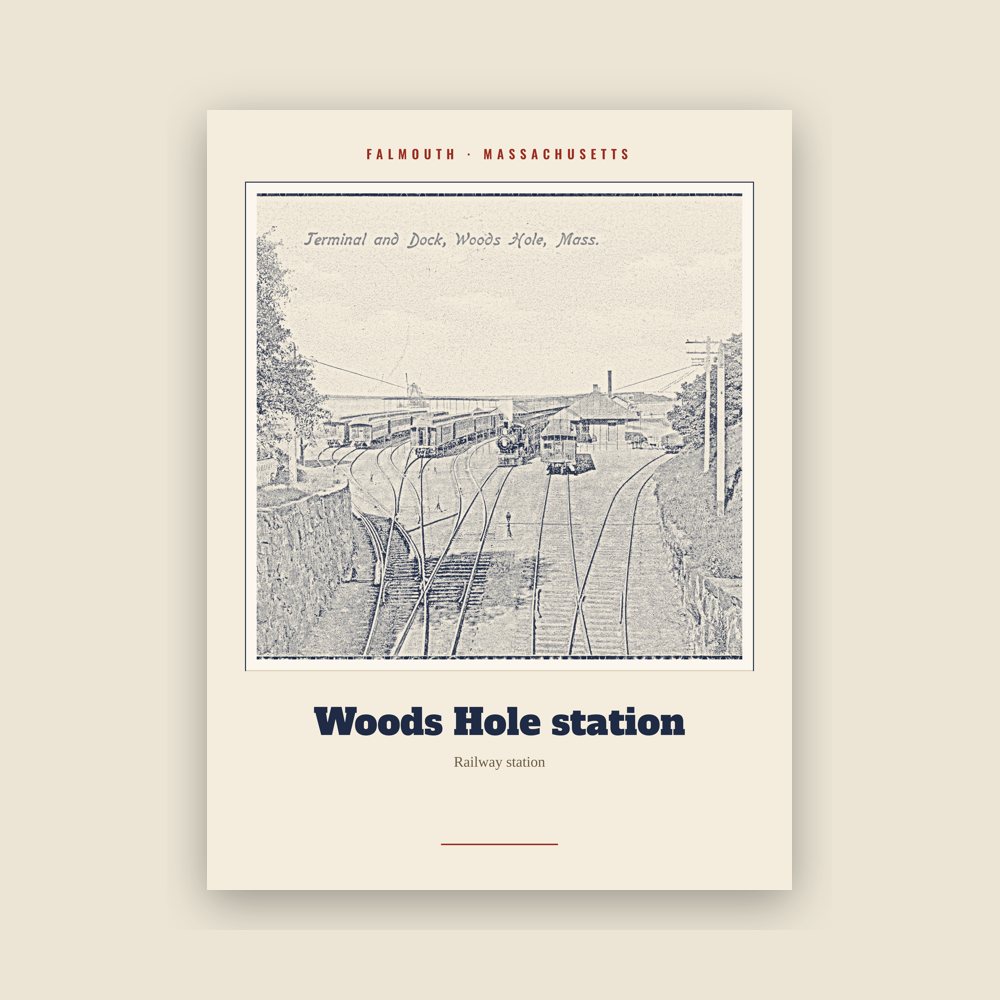
Archival matte print of a local landmark, credited to its photographer
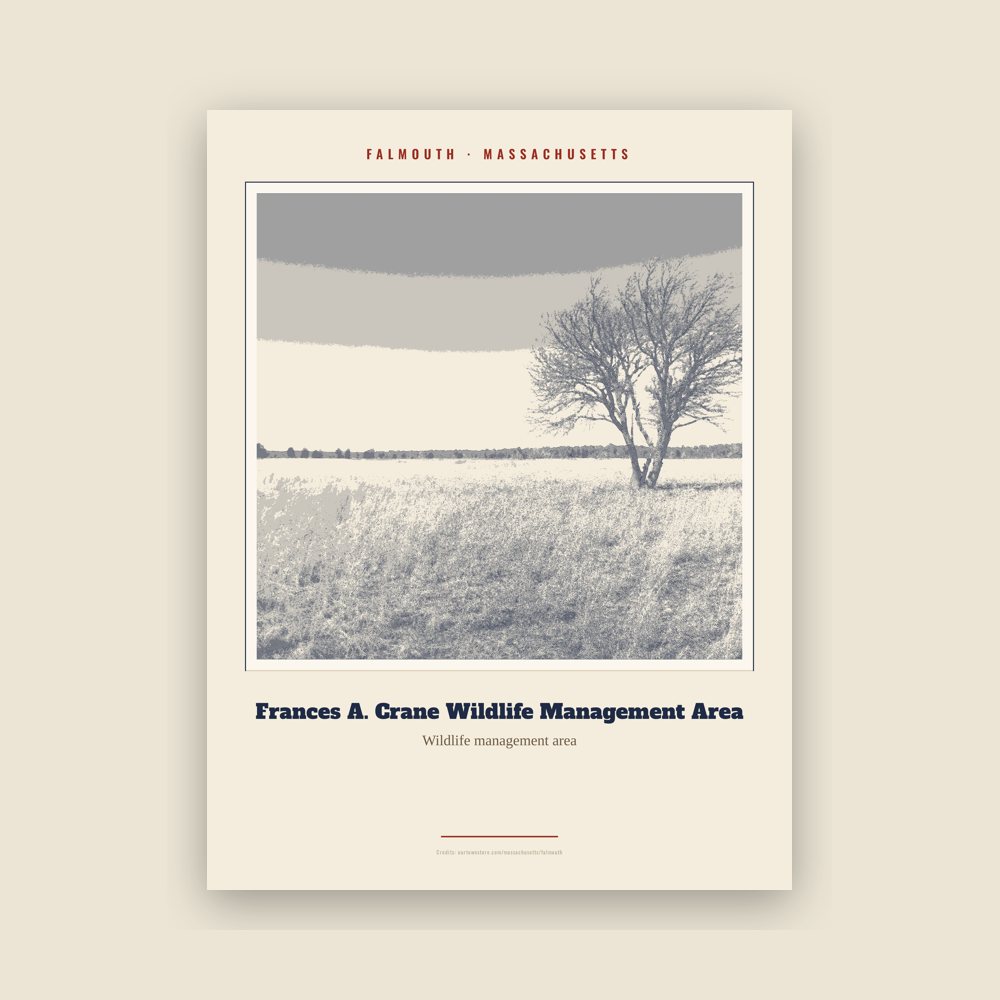
Archival matte print of a local landmark, credited to its photographer
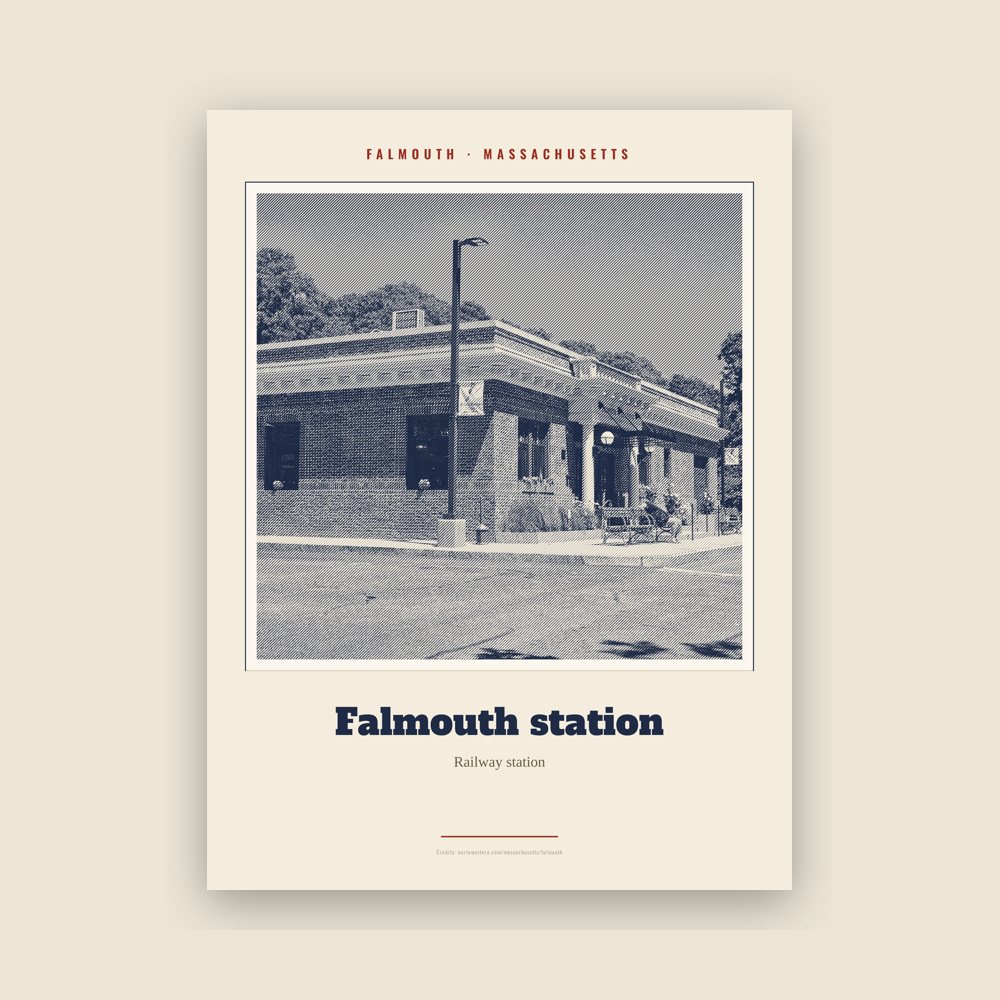
Archival matte print of a local landmark, credited to its photographer
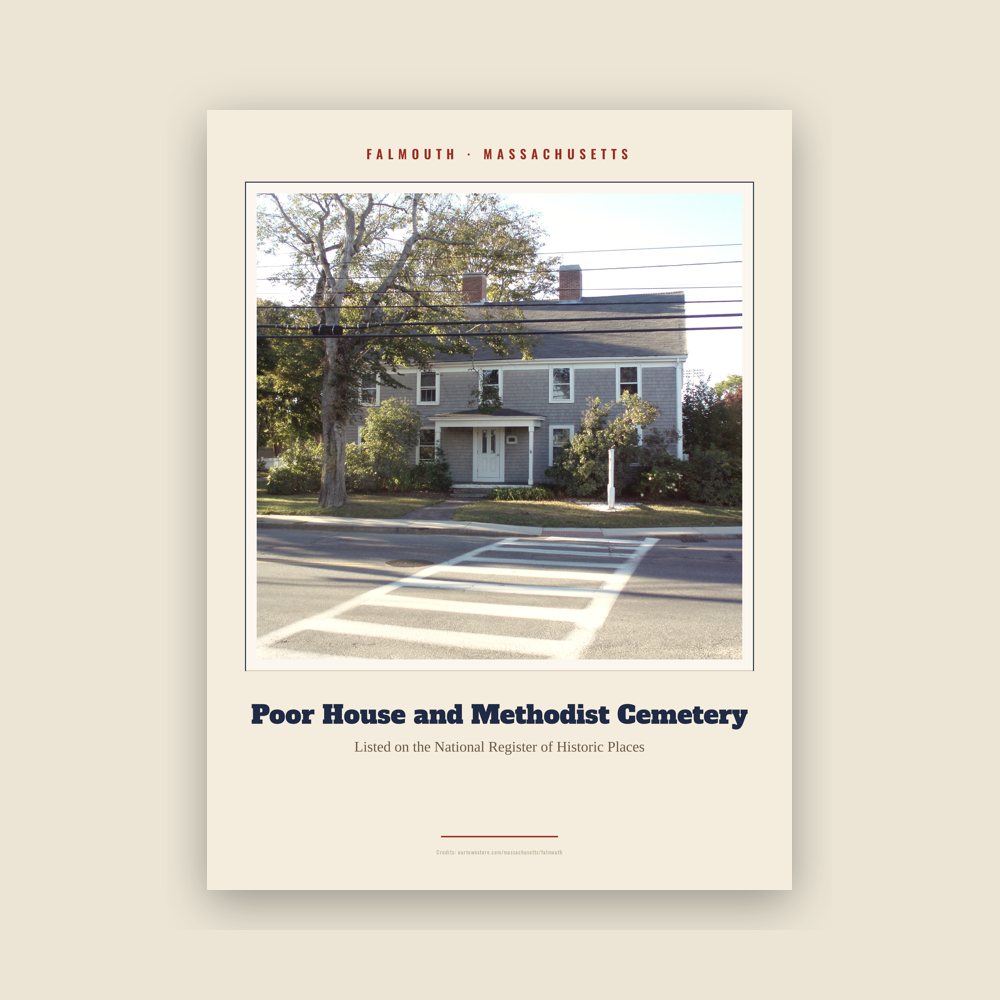
Archival matte print of a local landmark, credited to its photographer
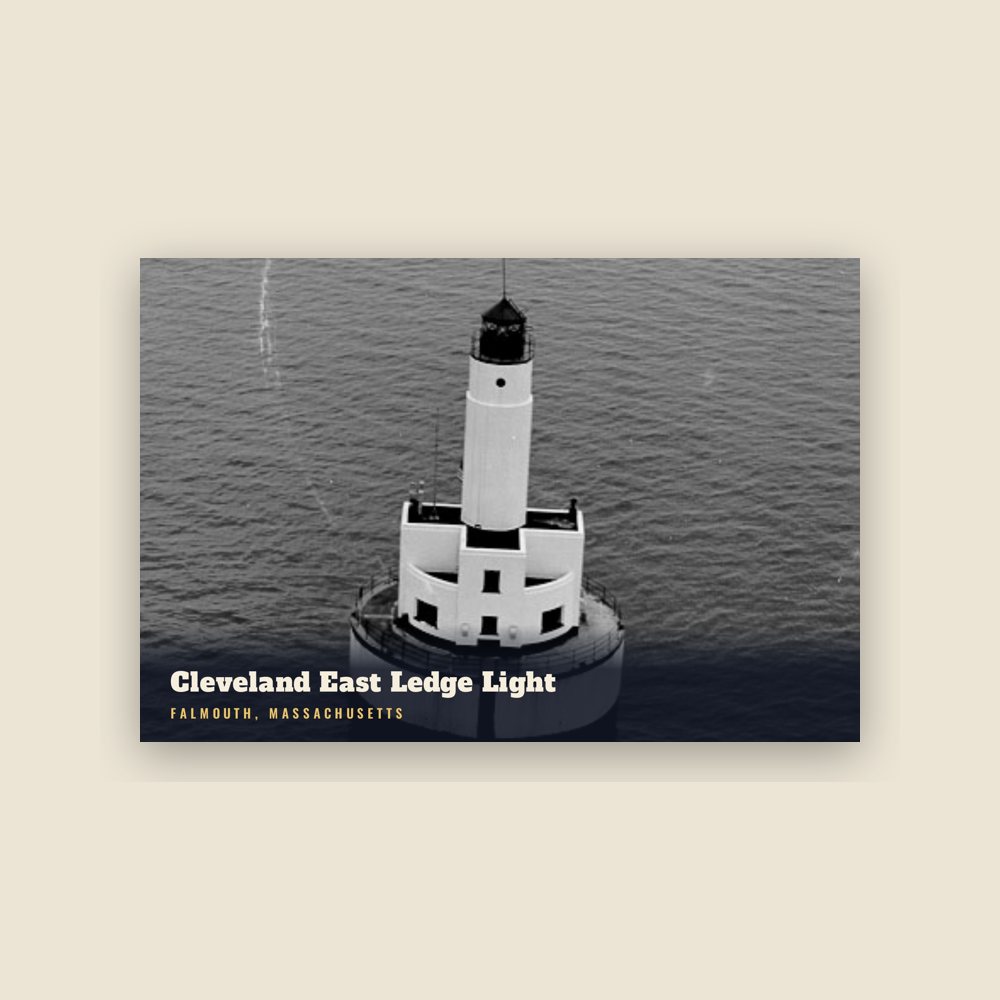
6″×4″ postcard, glossy front
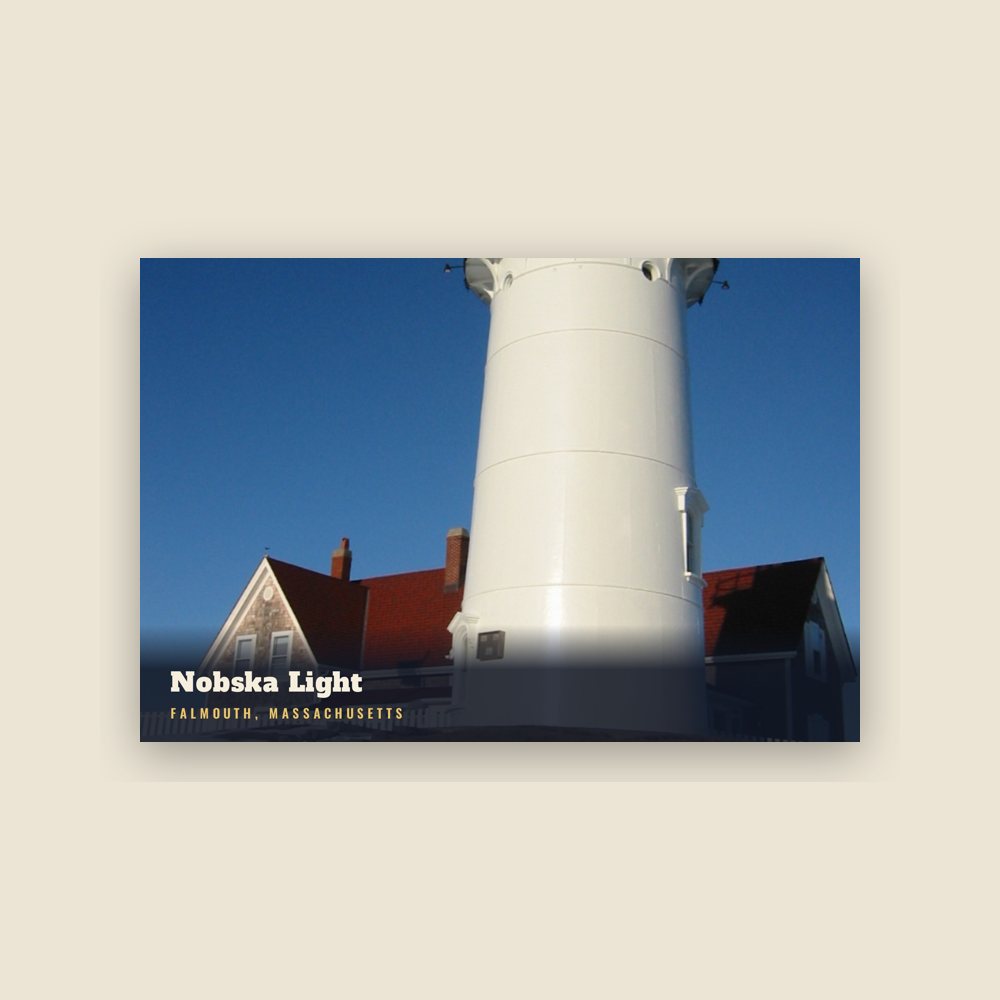
6″×4″ postcard, glossy front
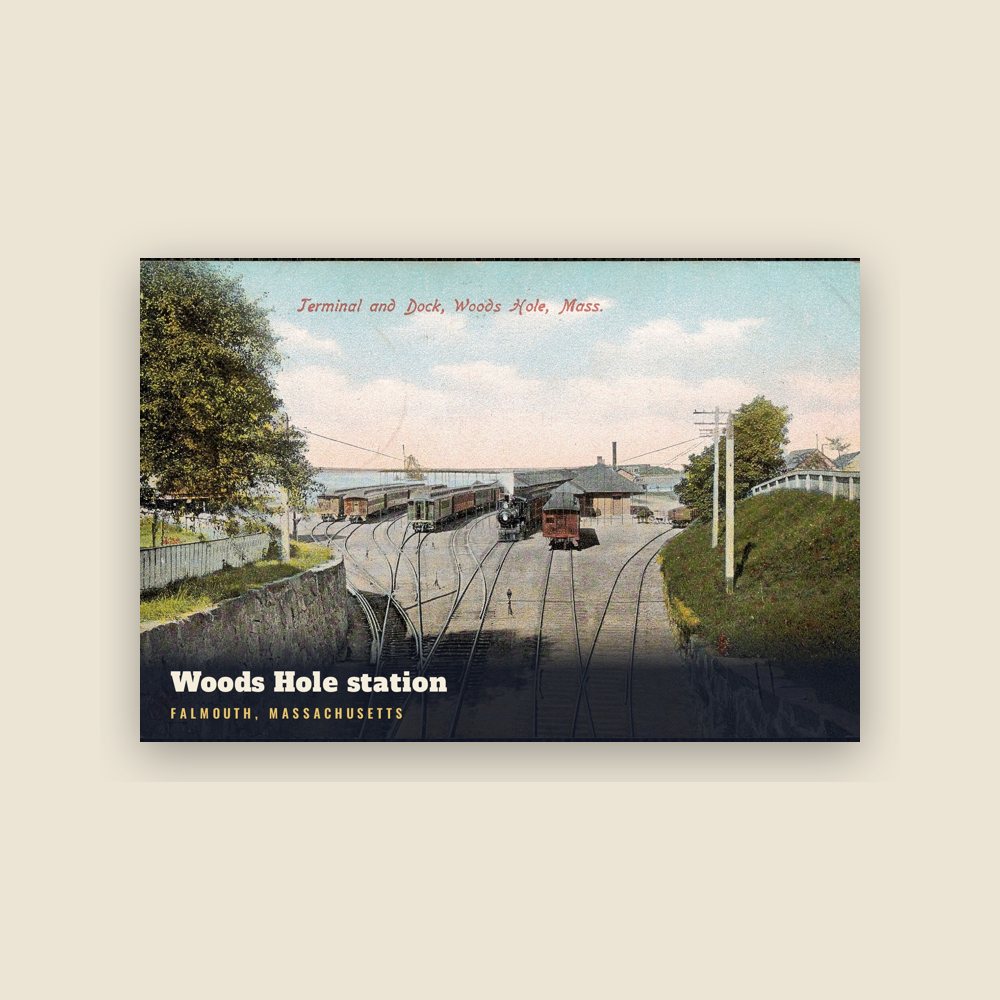
6″×4″ postcard, glossy front
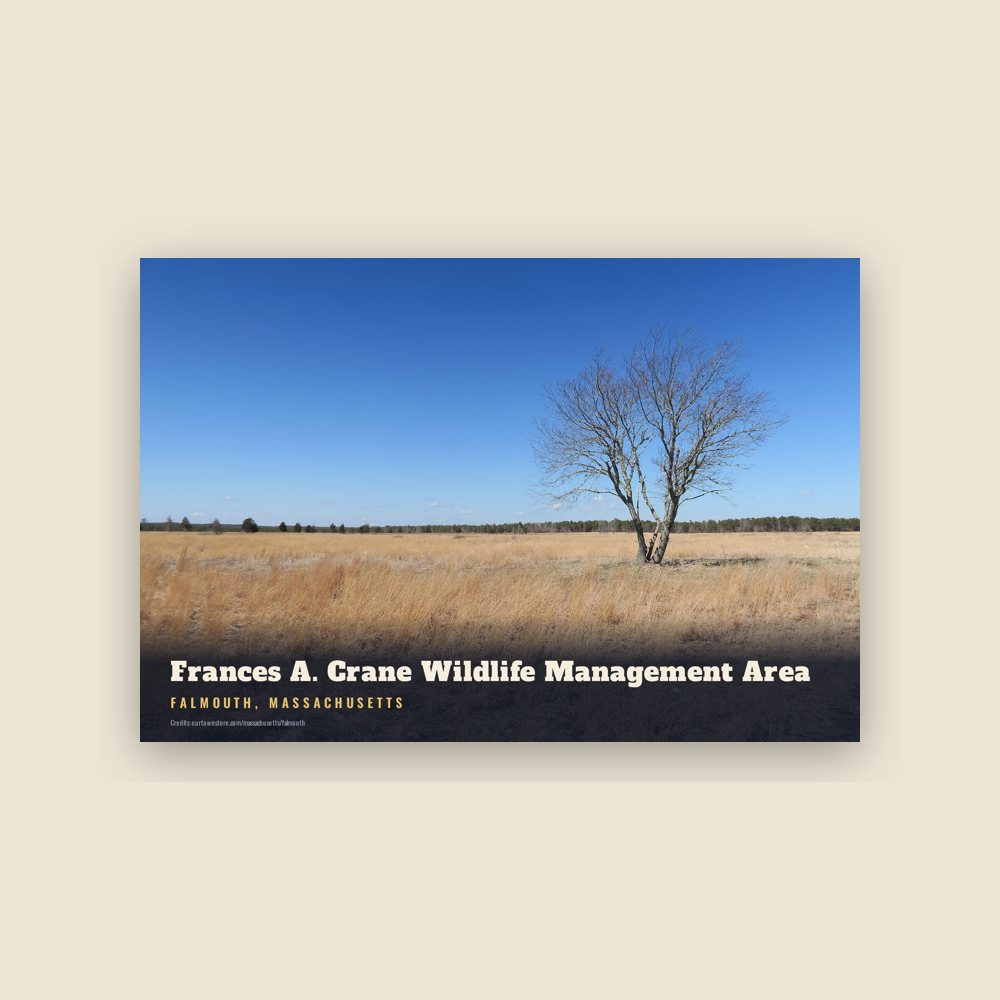
6″×4″ postcard, glossy front
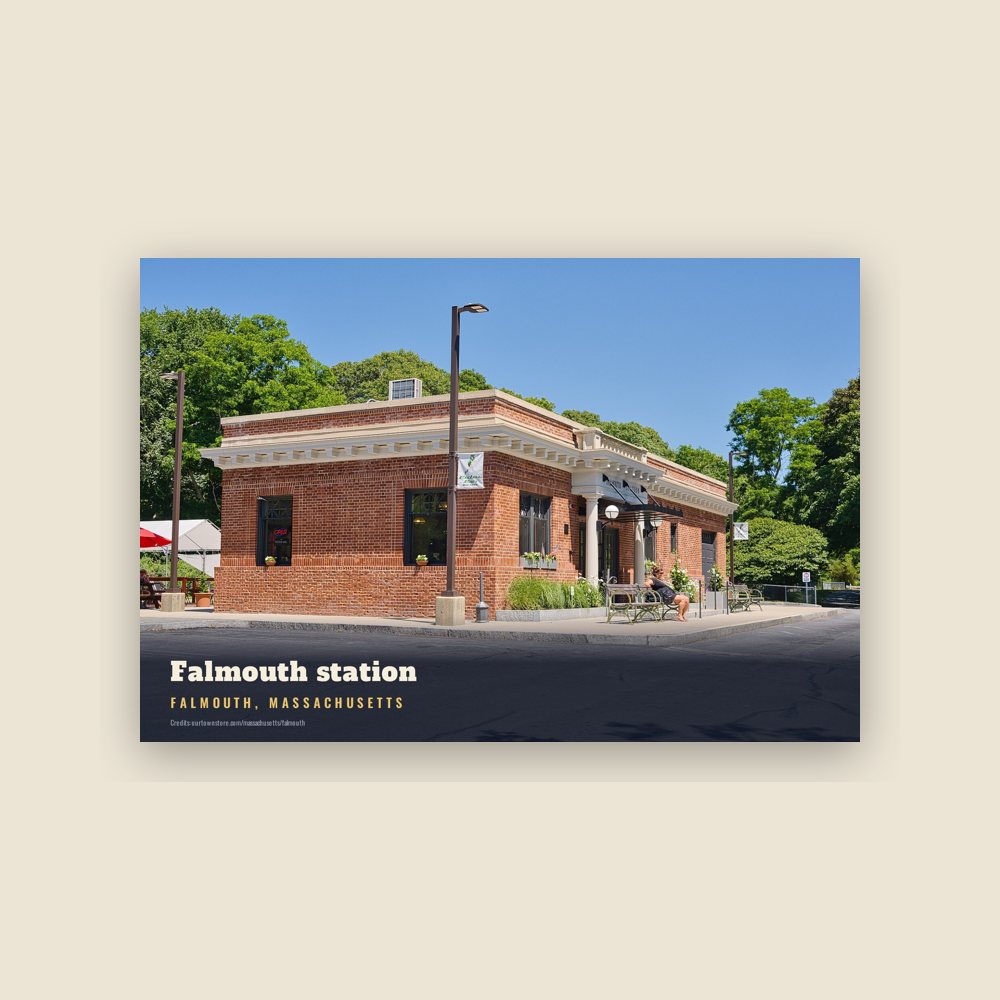
6″×4″ postcard, glossy front
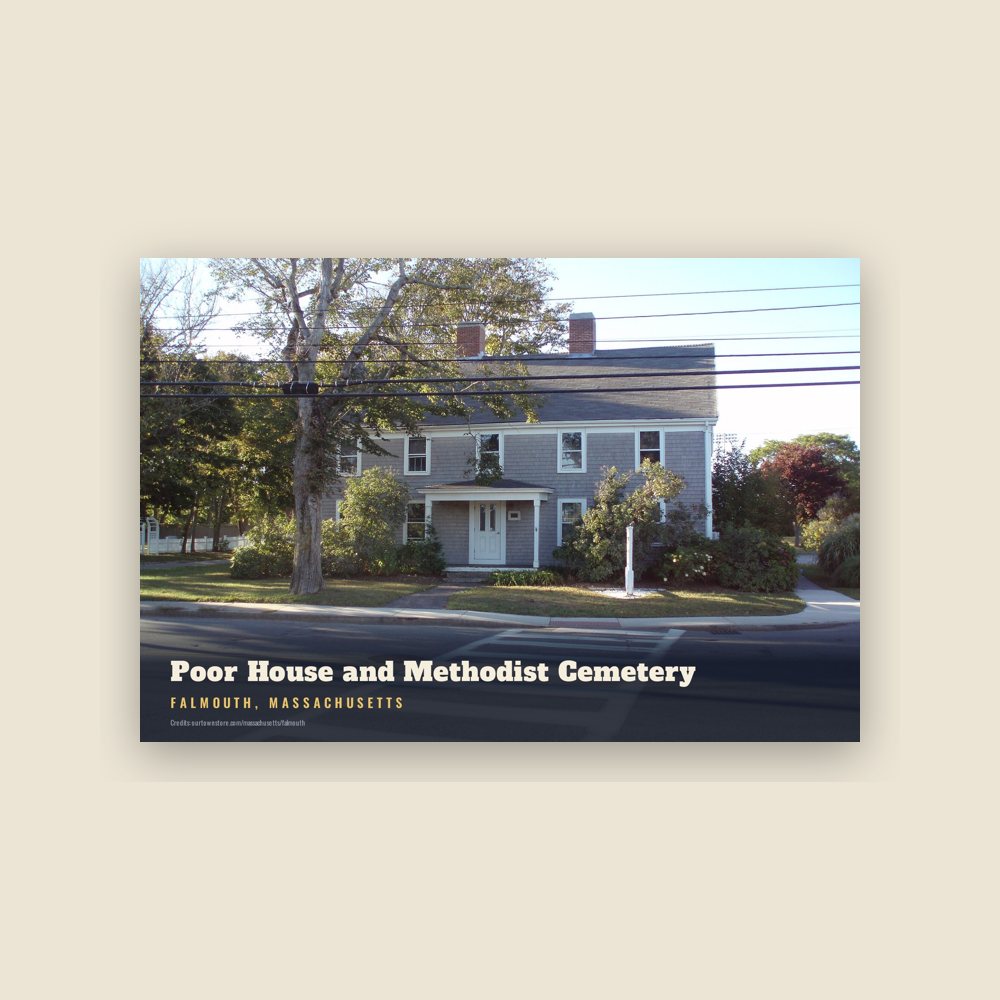
6″×4″ postcard, glossy front
Named for Falmouth (town and port on the River Fal in Cornwall, England, UK).
Population 2010: 31,531 → 2020: 32,517
From Wikidata (CC0).
Falmouth was first settled by English colonists in 1660 and was officially incorporated in 1686. Bartholomew Gosnold named the settlement after Falmouth, Cornwall, England, his home port. Early principal activities were farming, salt works, shipping, whaling, and sheep husbandry, which was very popular due to the introduction of Merino sheep and the beginnings of water-powered mills that could process the wool. In 1837, Falmouth averaged about 50 sheep per square mile.
In 1779 Woods Hole was raided by British Marines and Sailors, which led to the Town militia attacking the British, and the next morning this attack led to a five hour battle, which the Militia won by creating a fort on what is now Surf Drive Beach, fending off the British landing parties.
Falmouth also saw brief action in the War of 1812, when the area around Falmouth Heights, on its southern coast, was bombarded by several British frigates and ships of the line, and Massachusetts militia hastily entrenched themselves on the beaches to repulse a possible British landing which never came. By 1872, the train had come to Falmouth and Woods Hole, and some of the first summer homes were established. By the late 19th century, cranberries were being cultivated and strawberries were being raised for the Boston market. Large-scale dairying was tried in the early 20th century in interior regions. After the improvement in highways, and due in part to the heavy use of neighboring Camp Edwards (now part of Joint Base Cape Cod) during World War II, population growth increased significantly. Large homebuilding booms occurred in the 1970s, followed by others in the 1980s and 1990s.
In the late 1800s, after railroad service was established between Boston and Cape Cod, James Madison Beebe bought over 700 acres (280 ha) and built Highfield Hall, which is now a museum, and much of the land is preserved as Beebe Woods. In 1965, Robert Manry sailed from Falmouth aboard his 13.5-foot (4.1 m) sailboat and reached Falmouth, Great Britain, 78 days later.
Adapted (trimmed) from the Wikipedia article Falmouth, Massachusetts, revision 1377344030 by its contributors, licensed CC BY-SA 4.0.
We share a part of every Falmouth sale with local partners, and we'd love to print from your collection. Old photographs, maps and postcards make the best keepsakes.
Partner with us