A short history of Bel Air
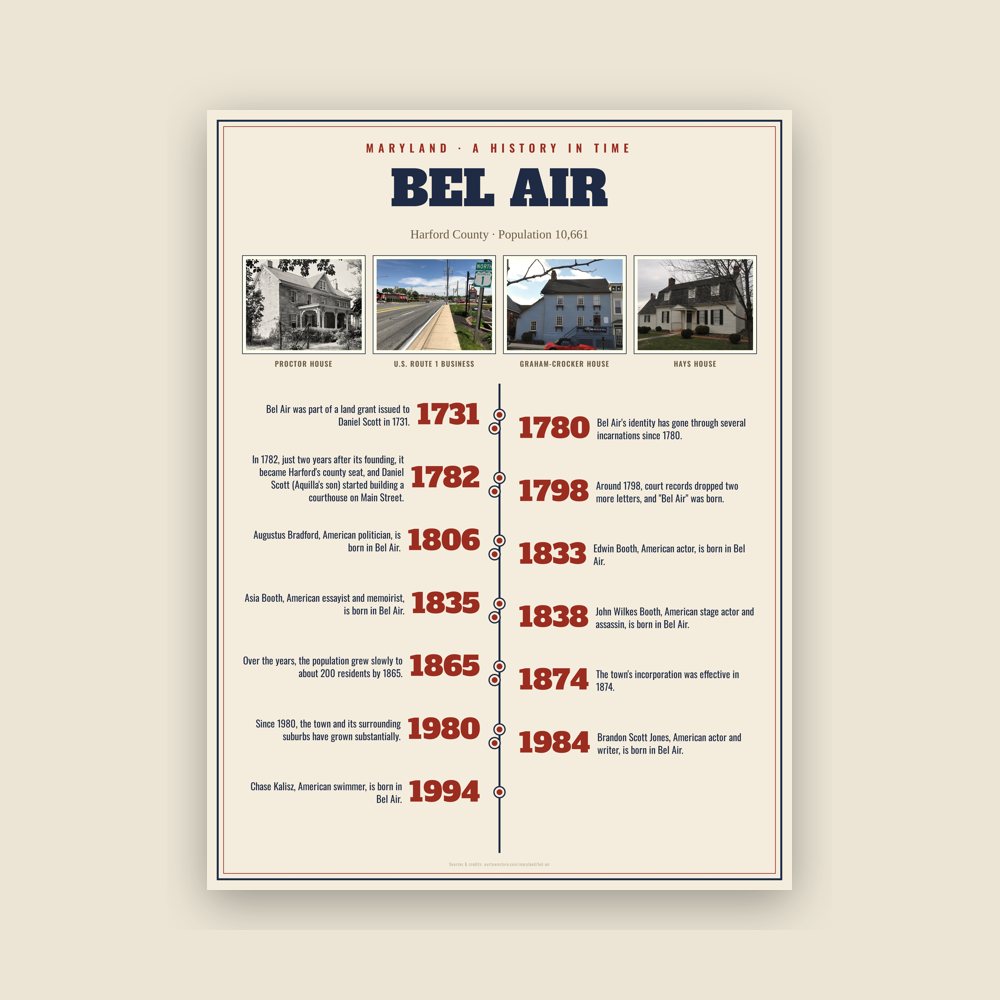
Bel Air's identity has gone through several incarnations since 1780. Aquilla Scott, who had inherited land known as "Scott's Improvement Enlarged", planned the town on a portion that he called "Scott's Old Fields". Four years later, the town had expanded as local politicians, merchants, and innkeepers purchased lots from Scott, and the county commissioners decided to change its name to the more appealing "Belle Aire". In his deeds, Scott dropped one letter, renaming the town "Bell Aire". Around 1798, court records dropped two more letters, and "Bel Air" was born.
During this period, Bel Air began to rise in prominence. In 1782, just two years after its founding, it became Harford's county seat, and Daniel Scott (Aquilla's son) started building a courthouse on Main Street. Although the town limits in the late 18th century encompassed nothing more than the two sides of Main Street, the days following the Civil War saw a building and land-development boom that remains in full swing to this day.
Bel Air was part of a land grant issued to Daniel Scott in 1731. In March 1782 "Belle Aire" was designated the county seat of Harford County. At the turn of the 20th century the "e" was dropped and the second "l" and its companion "e" gave way a few years later. The town's incorporation was effective in 1874. The town began with just 42 lots along Main Street centering on the Court House and the county jail and sheriff's house. Over the years, the population grew slowly to about 200 residents by 1865. The introduction of the canning industry, the Ma & Pa railroad and related financial businesses jump started the growth after the Civil War. Although the town experienced periods of rapid growth followed by extremely slow growth over the next century, Bel Air's role as the center of government and commerce continued to expand.
Since 1980, the town and its surrounding suburbs have grown substantially. Today, Bel Air is the center for governmental, educational, cultural, medical, and commercial institutions in the county.
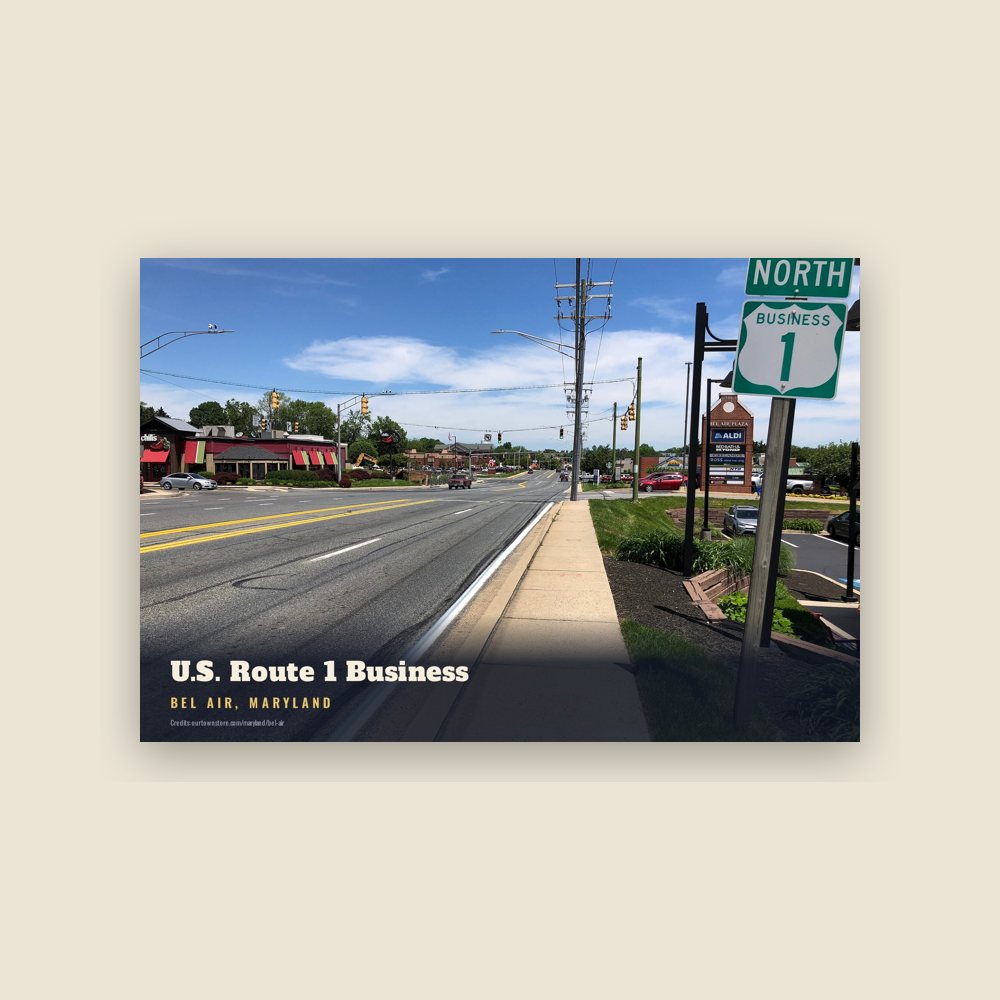
In 1970, H. Rap Brown, a member of the Black Panthers and the fourth chairman of the Student Nonviolent Coordinating Committee (SNCC), was charged with instigating a riot after a rally in Cambridge, Maryland; a change in venue brought his trial to Bel Air. Two black militants drove to Bel Air in a truck laden with plastic explosives, intending to attack the courthouse. Due to heavy security at the courthouse, the two men driving the truck fled on Route 1. The explosives subsequently detonated and killed both men. The blast left a crater in the road and blew out the windows of a nearby toll house. Brown would go on to escape the night of his trial.
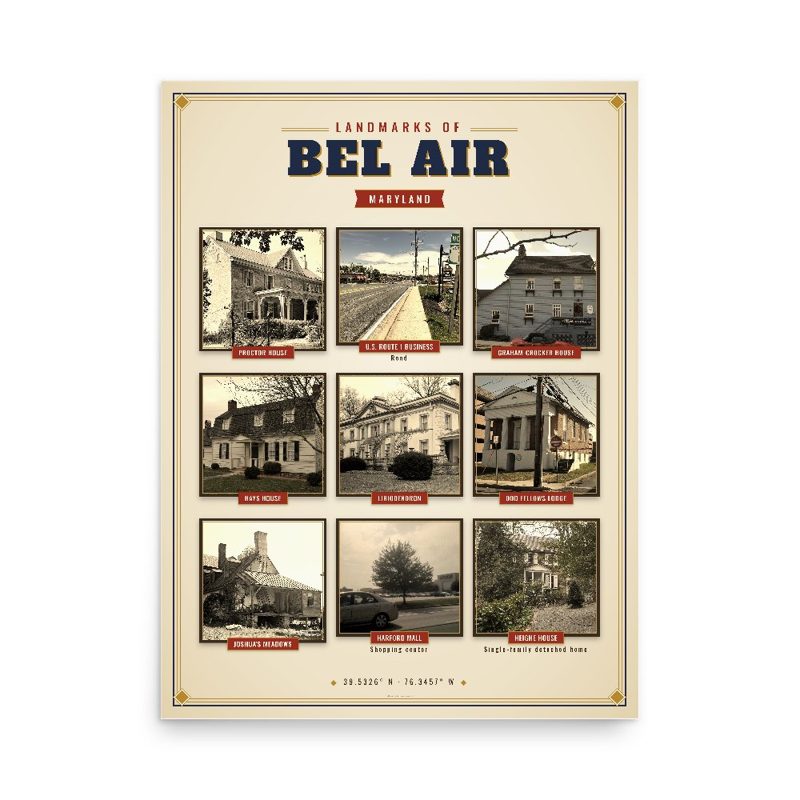
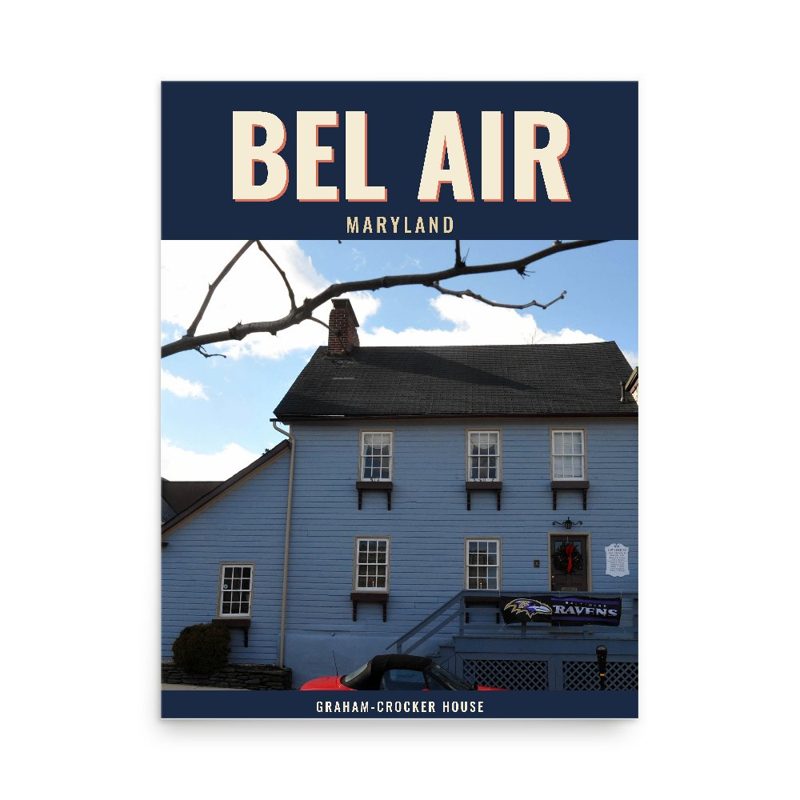
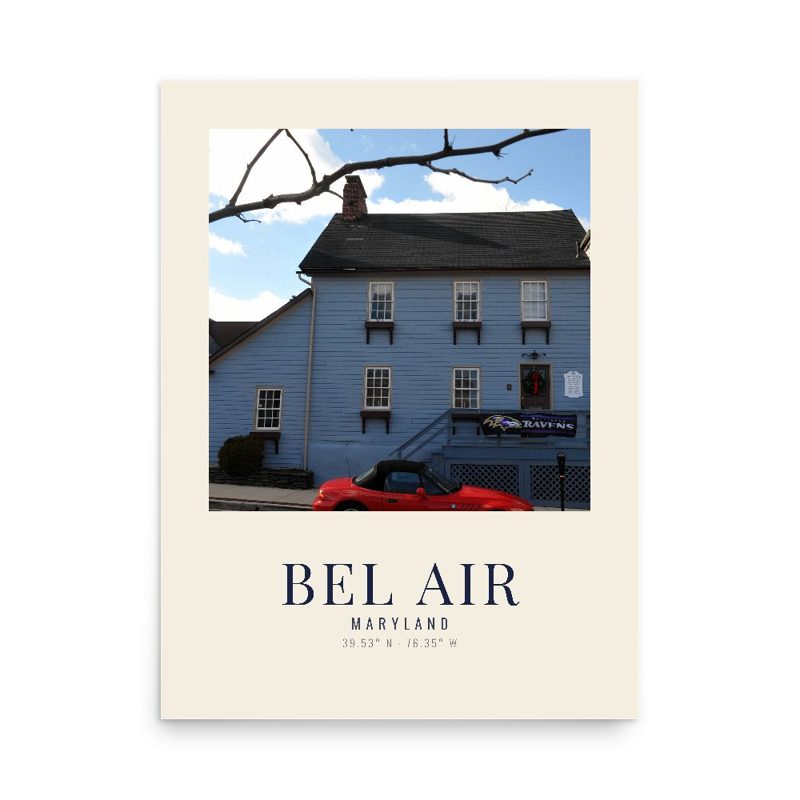
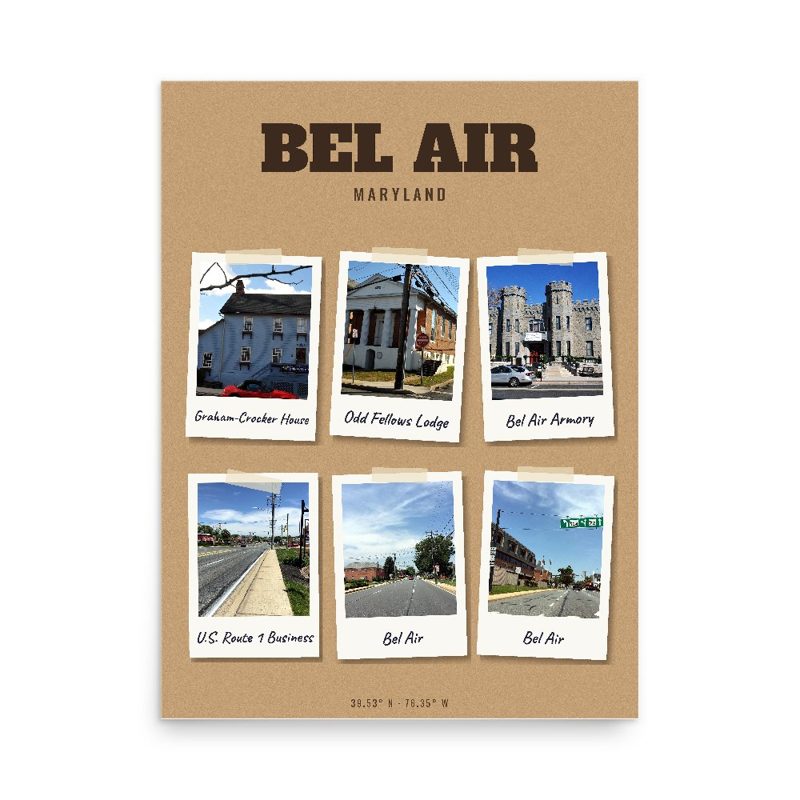
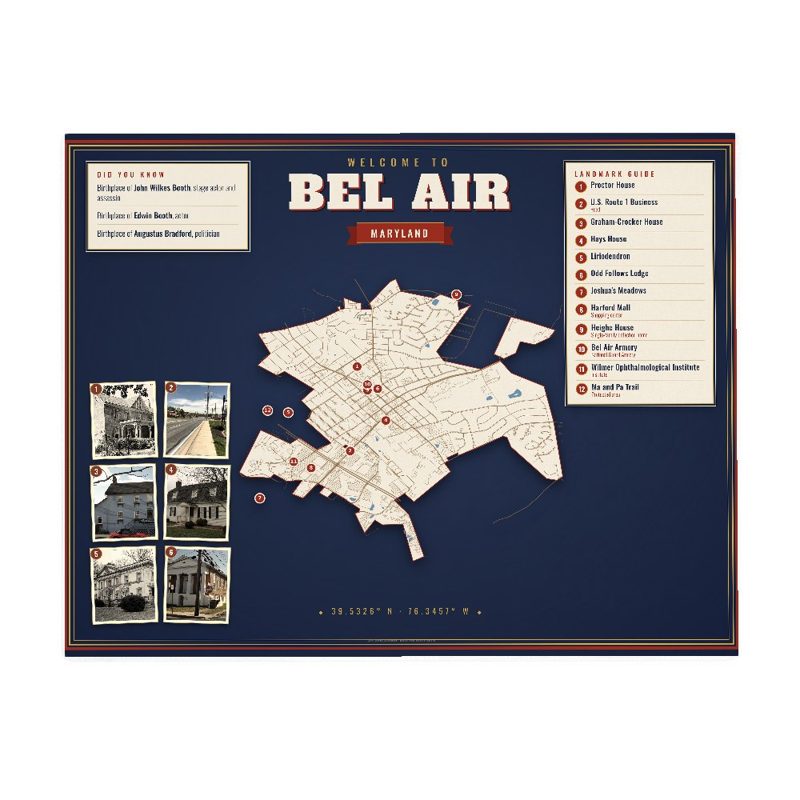
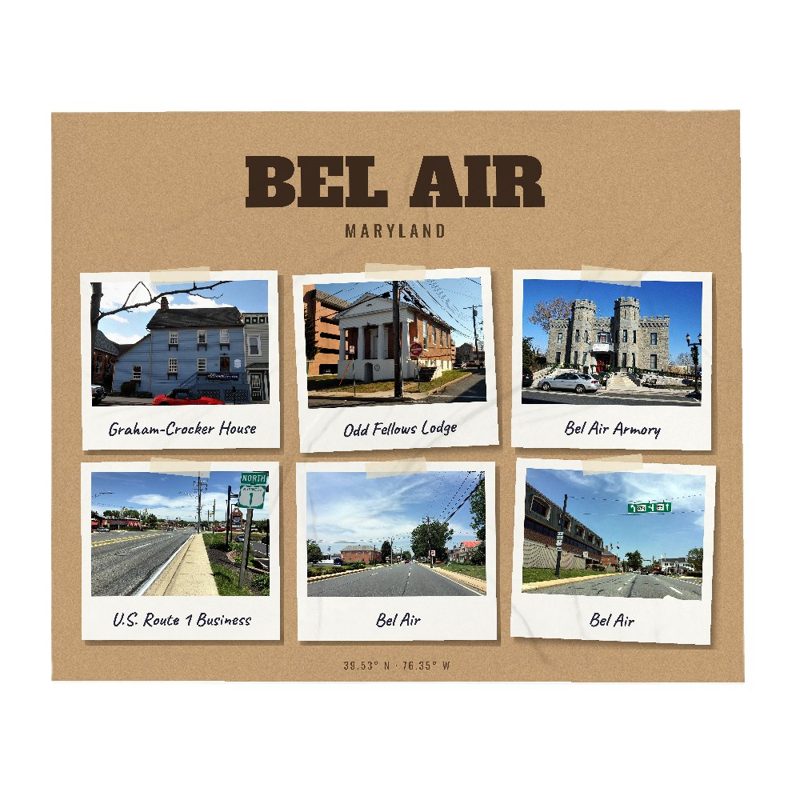
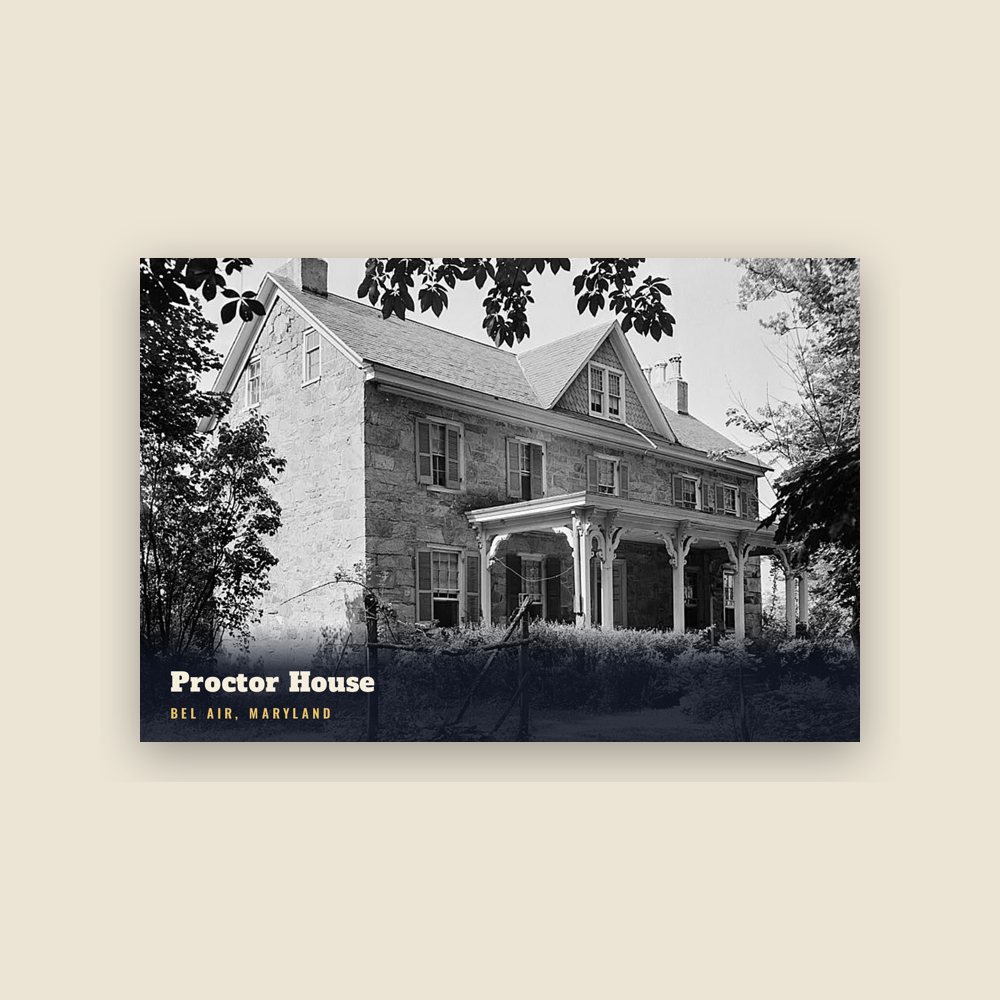
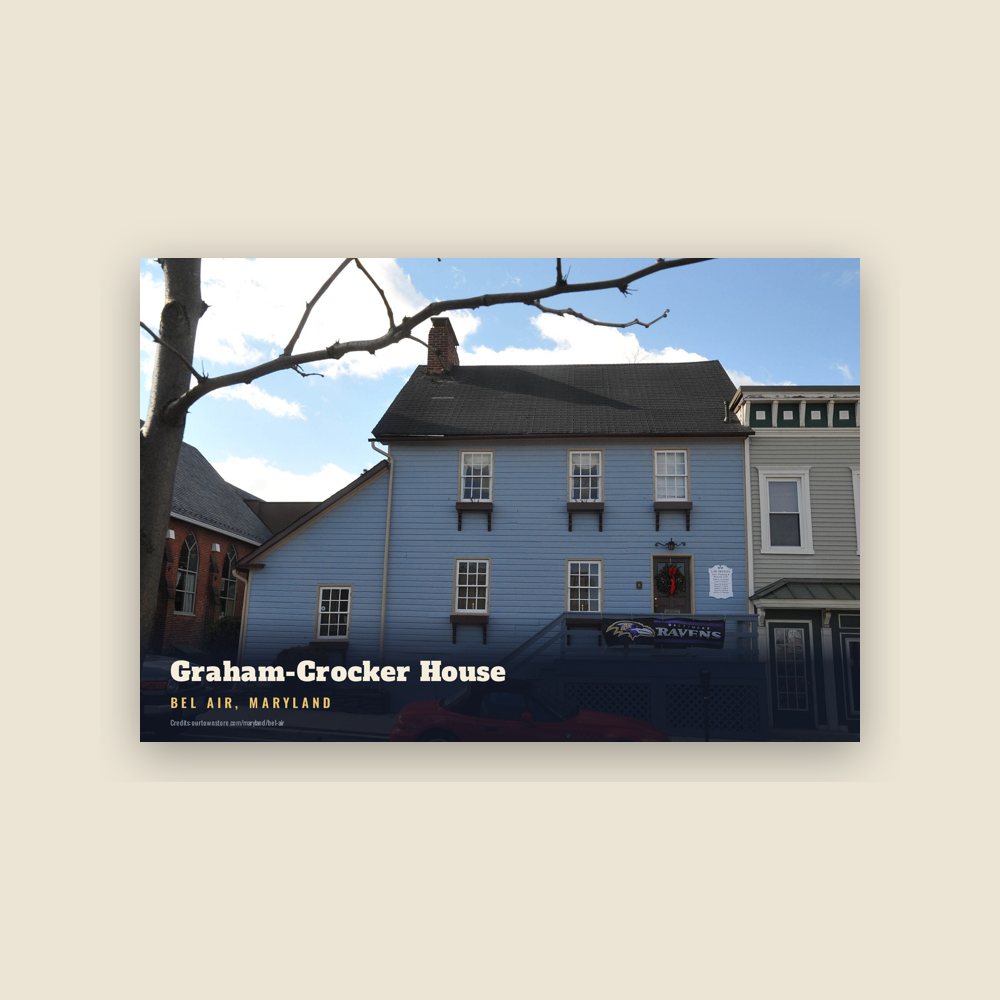
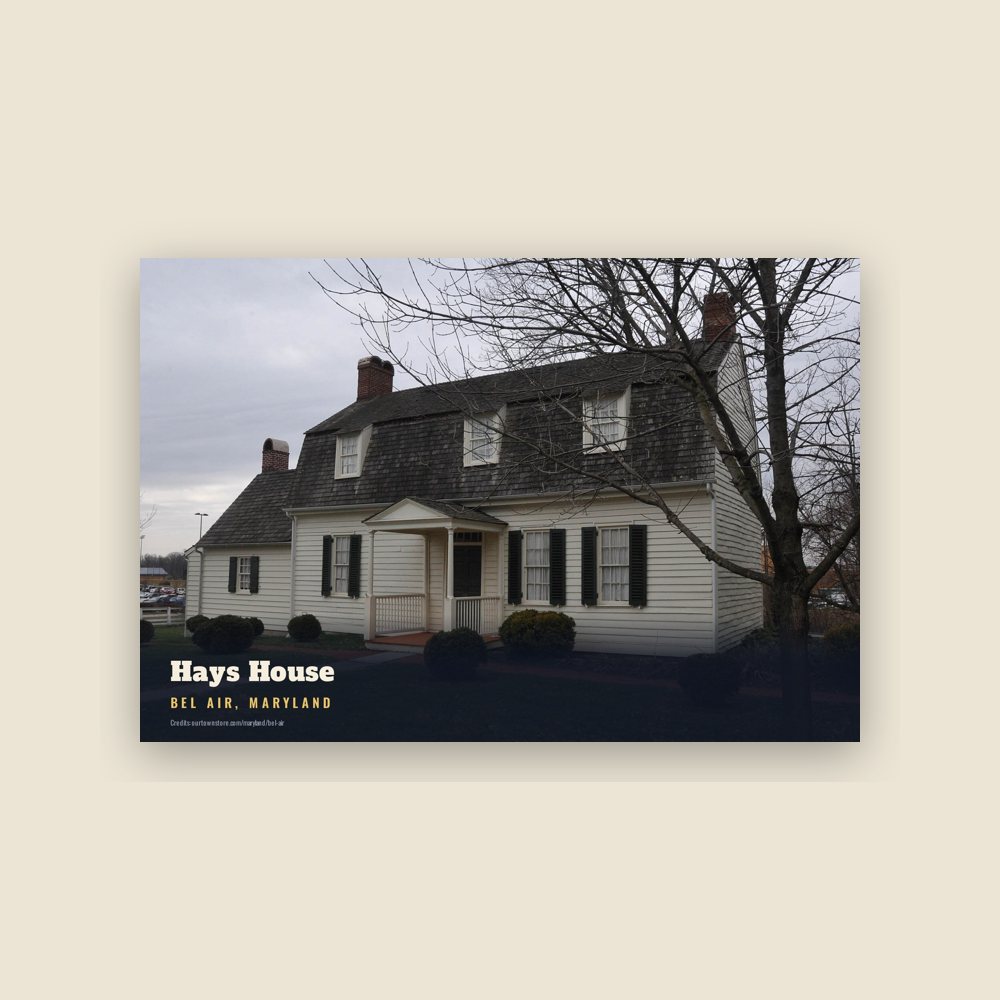
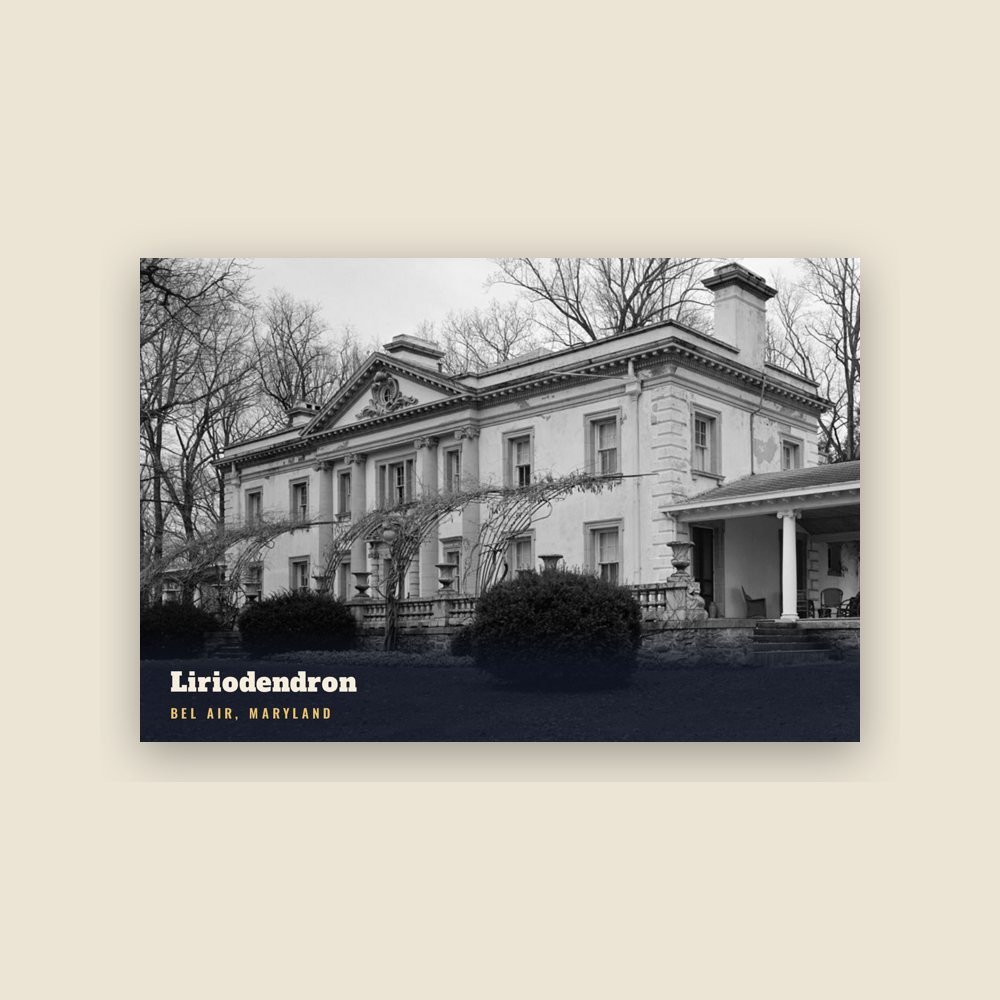
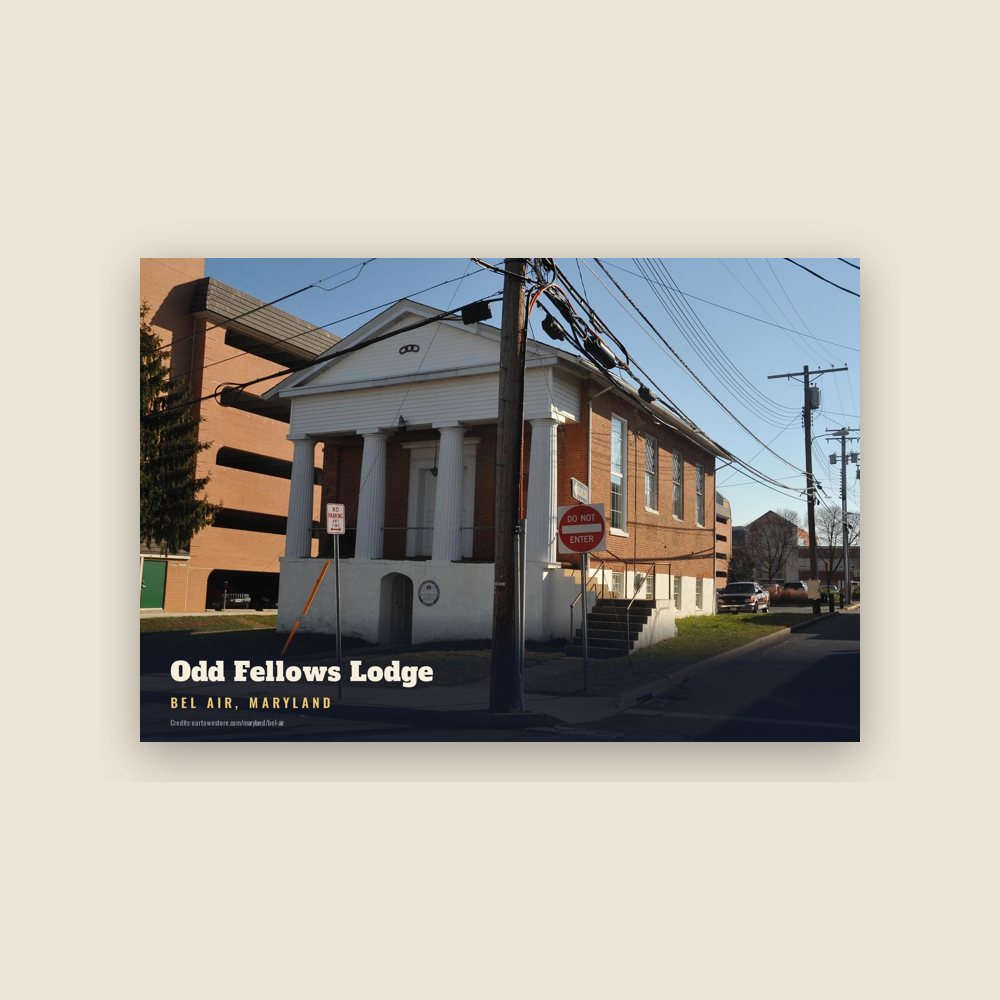
The Bel Air Armory, Bel Air Courthouse Historic District, Broom's Bloom, D. H. Springhouse, Dibb House, Graham-Crocker House, Graystone Lodge, Harford Furnace Historic District, Harford National Bank, Hays House, Hays-Heighe House, Heighe House, Joshua's Meadows, Liriodendron, Mount Adams, Norris-Stirling House, Odd Fellows Lodge, Priest Neal's Mass House and Mill Site, Proctor House, Thomas Run Church, Tudor Hall, The Vineyard, and Woodview are listed on the National Register of Historic Places.
Adapted (trimmed) from the Wikipedia article Bel Air, Maryland, revision 1385526672 by its contributors, licensed CC BY-SA 4.0.