Washington County, Maine
Street maps, historic prints and keepsakes for 42 Washington County towns.
The oldest is Machias, established 1784. The largest by population is Calais (3,079).
| Town | Established | Population |
|---|---|---|
| Addison | – | 1,148 |
| Alexander | – | 525 |
| Baileyville | – | 1,318 |
| Baring Plantation | – | 201 |
| Beals | – | 443 |
| Beddington | – | 60 |
| Calais | 1809 | 3,079 |
| Charlotte | – | 337 |
| Cherryfield | – | 1,107 |
| Columbia | – | 435 |
| Columbia Falls | 1863 | 476 |
| Cooper | – | 168 |
| Crawford | – | 93 |
| Cutler | – | 524 |
| Danforth | – | 587 |
| Deblois | – | 74 |
| Dennysville | – | 300 |
| East Machias | – | 1,326 |
| Eastport | 1798 | 1,288 |
| Grand Lake Stream | – | 125 |
| Harrington | 1797 | 962 |
| Jonesboro | – | 579 |
| Jonesport | 1832 | 1,245 |
| Lubec | 1811 | 1,237 |
| Machias | 1784 | 2,060 |
| Machiasport | 1826 | 962 |
| Marshfield | – | 528 |
| Meddybemps | – | 139 |
| Milbridge | 1848 | 1,375 |
| Northfield | – | 178 |
| Pembroke | 1832 | 788 |
| Perry | – | 802 |
| Princeton | – | 745 |
| Robbinston | – | 539 |
| Roque Bluffs | – | 296 |
| Steuben | – | 1,129 |
| Talmadge | – | 70 |
| Topsfield | – | 179 |
| Vanceboro | – | 102 |
| Wesley | – | 122 |
| Whiting | – | 482 |
| Whitneyville | – | 202 |
About these towns
Addison: The town was named after English author Joseph Addison.
Alexander: The town is named for Alexander Baring, 1st Baron Ashburton, the British negotiator of the Webster–Ashburton Treaty which ended the Aroostook War in 1838–1839.
Baileyville: Water powered sawmills and paper mills at Woodland used wooden logs and pulpwood floated down the Saint Croix River. These mills were connected to the national rail network via the Maine Central Railroad and under Georgia-Pacific operation originated or terminated over 6,000 railway carloads in 1973.
Baring Plantation: Baring Plantation is a plantation in Washington County, Maine, United States. The plantation is named for Alexander Baring, 1st Baron Ashburton, the British negotiator of the Webster–Ashburton Treaty which ended the Aroostook War in 1838–1839.
Beals: The town was named after Manwarren Beal, an early settler.
Beddington: It is the third-smallest organized town in Maine after Frye Island and Frenchboro.
Calais: This area was occupied for thousands of years by indigenous peoples. The historic Passamaquoddy, an Algonquian-speaking people of the Wabanaki Confederacy, was predominant in this area at the time of European encounter and settlement.
Charlotte: The town was named for Charlotte Holland Vance (1826–1918), the daughter of legislator William Vance.
Cherryfield: It was named for the wild cherries that once peppered the banks of the river. The town bills itself as the "Blueberry Capital of the World".
Columbia: Prior to settlement from families who originated in southern Maine, Native American settlements had existed along the Pleasant River. One is documented in Maine State records and another was present at Saco Falls.
Columbia Falls: The town began as Township 13 SD, BPP, which was joined together with Township 12 by the Massachusetts General Court on February 8, 1796, and incorporated as Columbia.
Cooper: The community was named after General John Cooper, a landowner.
Crawford: Crawford was incorporated on February 11, 1828, under the name Adams, presumably after then-incumbent President, John Q. Adams. The name was changed to Crawford only 17 days later on February 28, 1828, in honor of former Secretary of Treasury William H.
Cutler: The town was named after Joseph Cutler, an early settler, who hailed from Newburyport, Massachusetts.
Danforth: The town was named for proprietor Thomas Danforth. The town contains the villages of Danforth and Eaton. East Grand School is located in Danforth.
Deblois: The town was named after T.A. Deblois, president of the Bank of Portland.
East Machias: It is the home of Washington Academy, a private school founded in 1792.
Eastport: The native Passamaquoddy Tribe has called this area home for at least 10,000 years. Some archeologists estimate the habitation at 20,000 years.
Grand Lake Stream: Grand Lake Stream is a plantation in Washington County, Maine, United States.
Harrington: Originally called Plantation Number 5, it was one of six townships east of the Union River granted in 1762 by the Massachusetts General Court to an association of petitioners.
Jonesboro: The town was named for John Coffin Jones, a landholder.
Jonesport: Settled before the American Revolution, Jonesport was part of a grant of 48,160 acres (194.9 km2) made by the Massachusetts General Court in 1789 to John C.
Lubec: Located on a peninsula overlooking an ice-free harbor, the town was first settled about 1775. Originally part of Eastport, it was set off and incorporated on June 21, 1811, and named for Lübeck, Germany.
Machias: A fierce contest was at this time going on between France and England. Charles de la Tour, the French commander of Acadia, made a descent upon it from his seat at Port Royal, killing two of its six defenders, and carrying the others away with their merchandise.
Machiasport: In 1633, the Plymouth Company established a trading post here to conduct business with the Native Americans. But this was part of Acadia, territory which New France considered its own.
Milbridge: The town was incorporated in 1848. It contains the villages of Milbridge and Wyman.
Pembroke: Called Pennamaquan by the Passamaquoddy Indians, the area was settled about 1774 as part of Dennysville. It was set off and incorporated on February 4, 1832, by the legislature, which named it after Pembroke in Wales, a community with a history of wooden shipbuilding stretching back to the Middle Ages.
Perry: Once part of Plantation T1 TS, the area was settled in 1758 by John Frost, who built a trading post beside the St.
Princeton: The town was named after Princeton, Massachusetts.
Robbinston: Robbinston is in Washington County, the easternmost of the United States. As it was settled, the areas, or "Plantations" were numbered, and then became villages and cities.
Roque Bluffs: The town is home to Roque Bluffs State Park.
Steuben: Incorporated in 1795, it was named after Baron Friedrich Wilhelm von Steuben, the Inspector General of the U.S. Army during the Revolutionary War.
Talmadge: The town was named after landowner Benjamin Tallmadge.
Vanceboro: This line was opened by U.S. President Ulysses S. Grant and Governor General of Canada Lord Lisgar during a ceremony at the border in October 1871.
Wesley: The town was named after John Wesley, founder of the English Methodist movement.
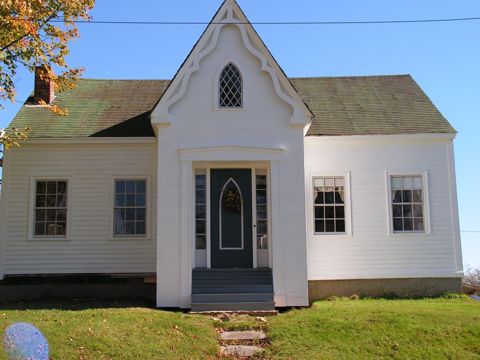 AddisonMaine
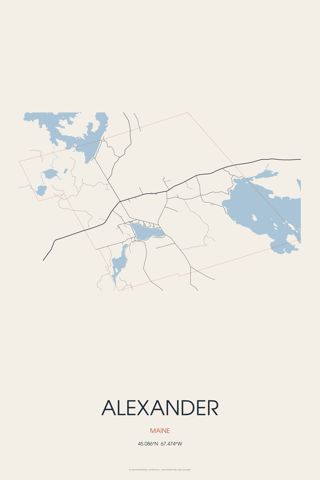 AlexanderMaine
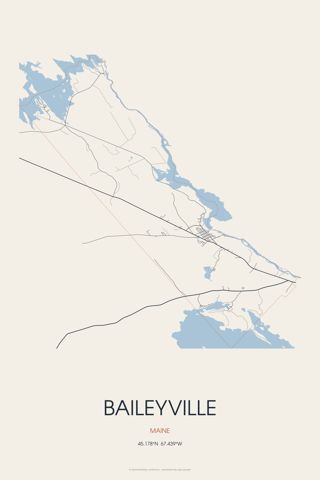 BaileyvilleMaine
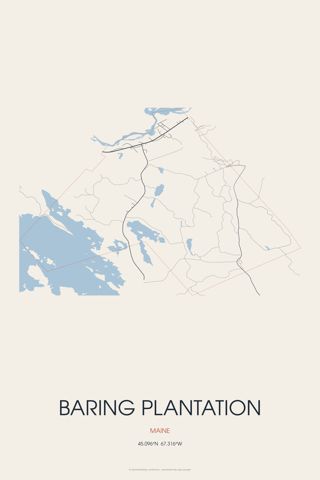 Baring PlantationMaine
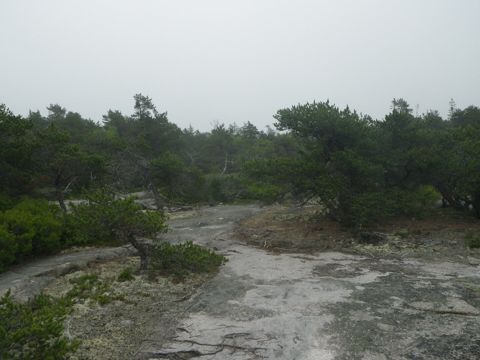 BealsMaine
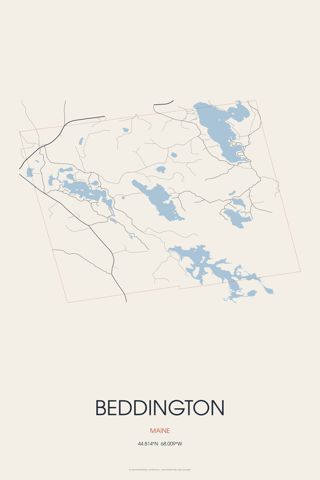 BeddingtonMaine
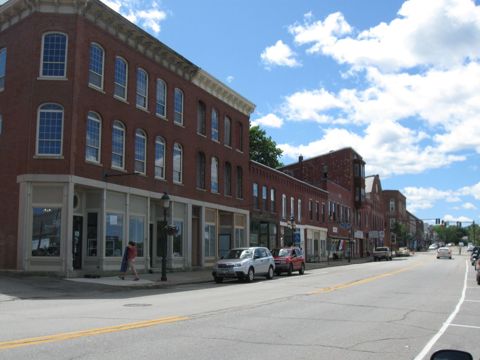 CalaisMaine · Est. 1809
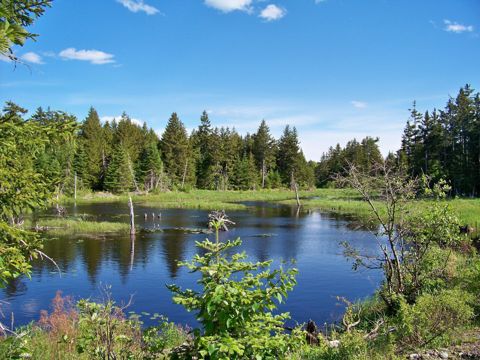 CharlotteMaine
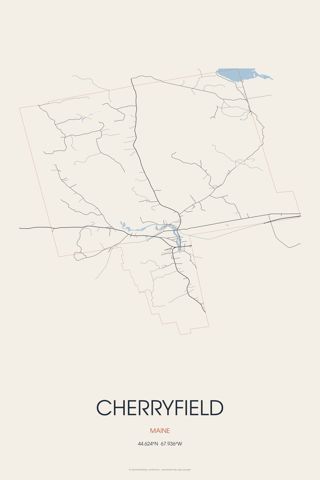 CherryfieldMaine
 ColumbiaMaine
 Columbia FallsMaine · Est. 1863
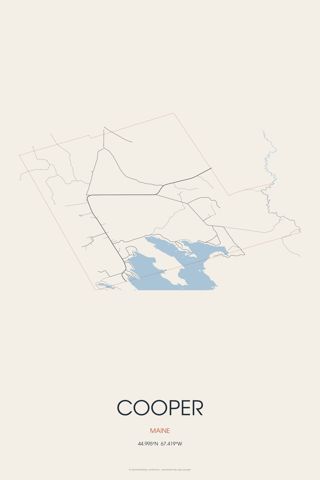 CooperMaine
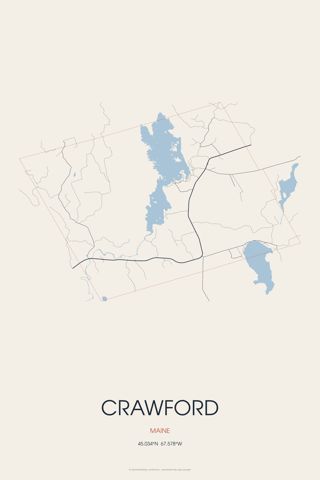 CrawfordMaine
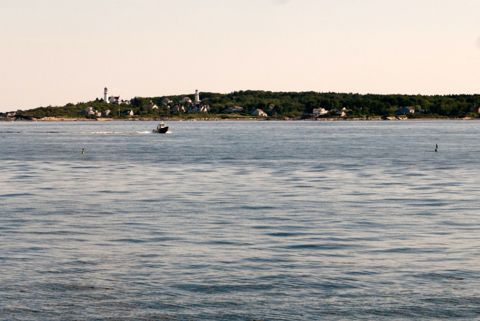 CutlerMaine
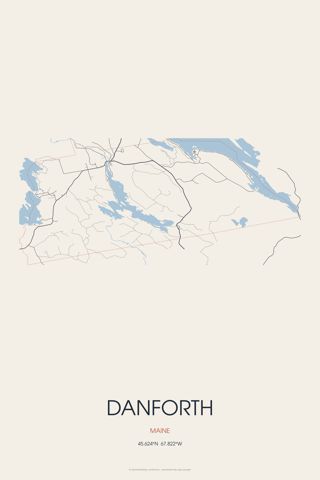 DanforthMaine
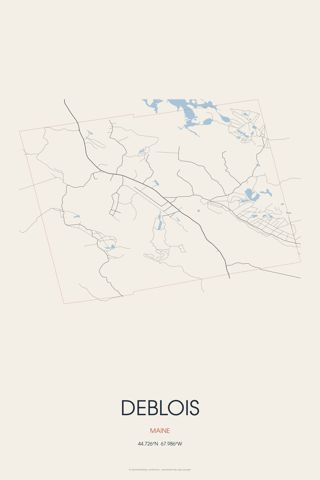 DebloisMaine
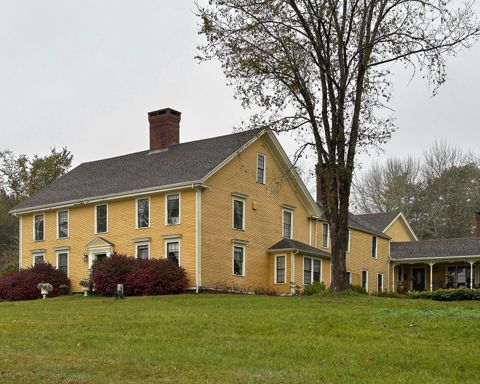 DennysvilleMaine
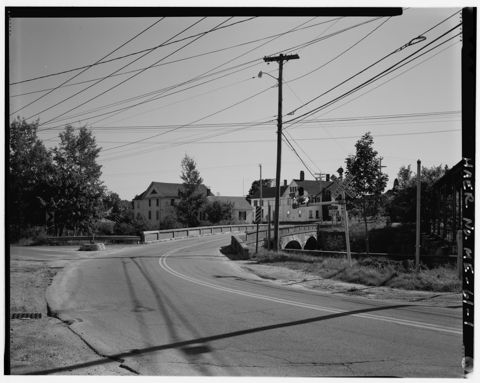 East MachiasMaine
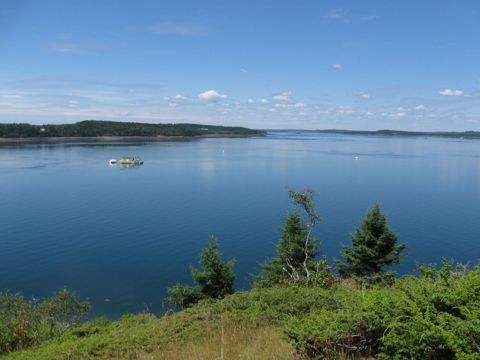 EastportMaine · Est. 1798
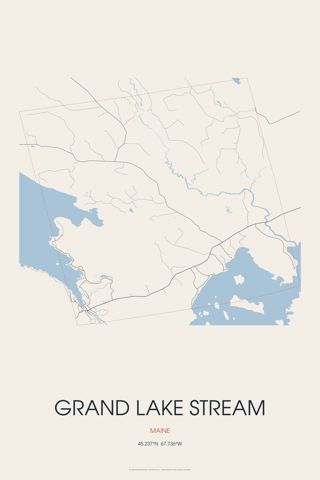 Grand Lake StreamMaine
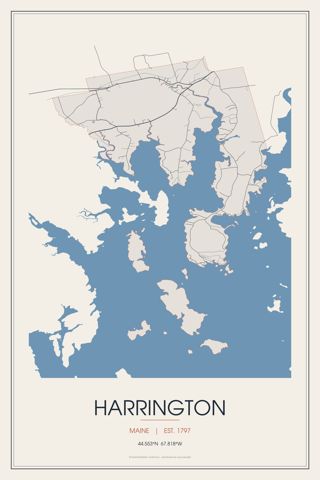 HarringtonMaine · Est. 1797
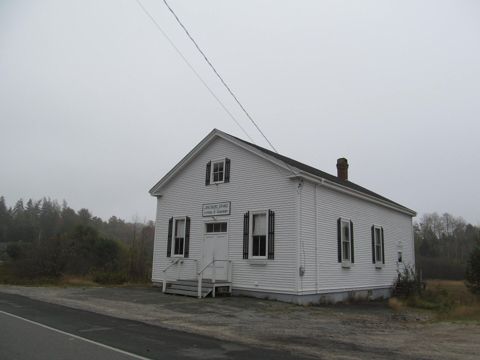 JonesboroMaine
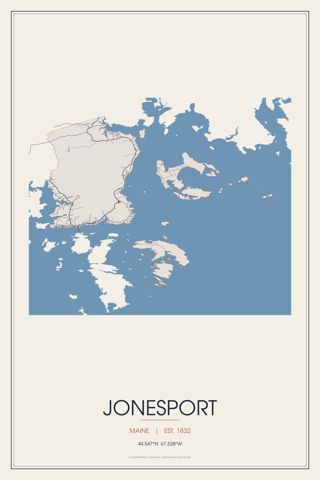 JonesportMaine · Est. 1832
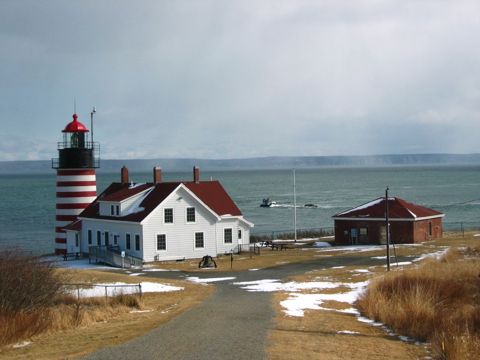 LubecMaine · Est. 1811
Founding years, populations and town notes come from each town's Wikipedia and Wikidata entries. All Maine towns.