Since 1794
A short history of Cornish
In 1665, a trading post was established by Francis Small in the vicinity of Cornish village, not far from the confluence of the Ossipee River with the Saco River. Here converged three major Abenaki paths—the Sokokis Trail (Route 5), the Ossipee Trail (Route 25) and the Pequawket Trail (Route 113), making it a central location for conducting with Native Americans the lucrative fur trade. In 1668, Small purchased from Newichawannock Chief Captain Sunday (or Wesumbe) the Ossipee Tract, encompassing the present-day towns of Cornish, Parsonsfield, Newfield, Limerick, Limington and Shapleigh (which then included Acton). The price was two large Indian blankets, two gallons of rum, two pounds of gunpowder, four tons of musket balls and twenty strings of Indian beads. Small then sold a half interest in the tract to Major Nicholas Shapleigh of Eliot.
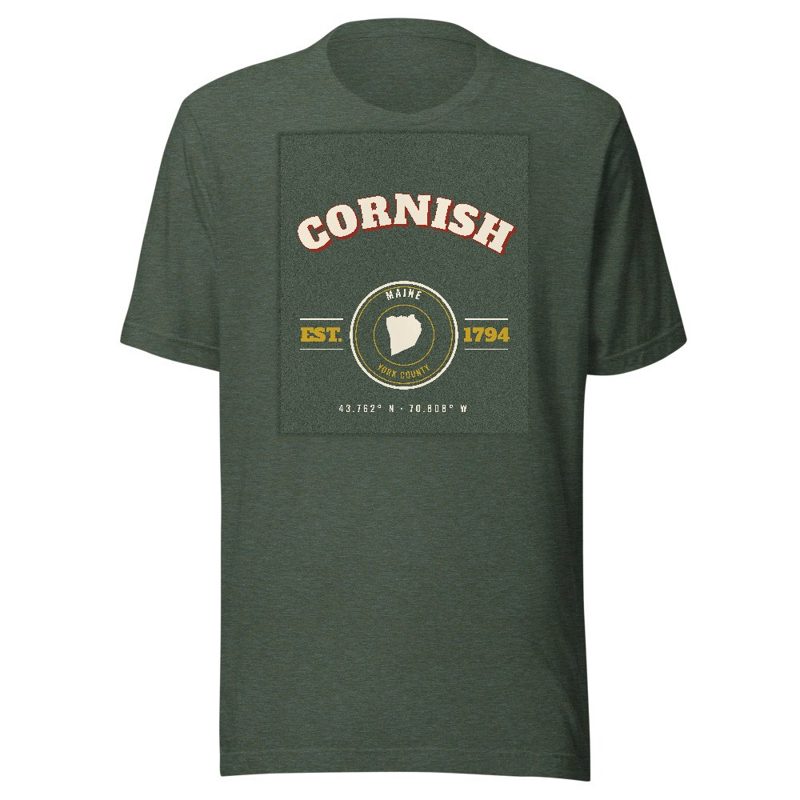
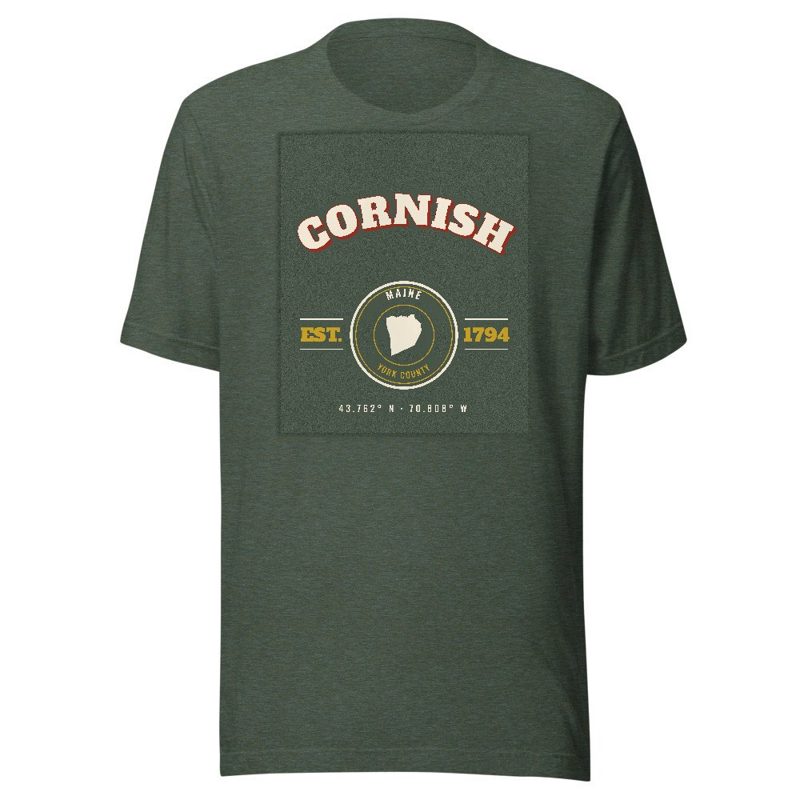
In 1770, heirs discovered the unrecorded deed, and hired attorney James Sullivan of Biddeford to pursue their claim. They won, and paid Sullivan for his services with the township he named Limerick. Small's descendants took possession of Newfield, Limington and Cornish, the latter first named Francisborough, then Francistown, after its original proprietor. Settled by Joseph Thompson in 1782, it was incorporated on February 27, 1794, as Cornish, presumably by settlers from the county of Cornwall, England. The soil was very productive for farming, producing large crops of corn and other types of grain. In 1859, the population was 1,144. The Portland and Ogdensburg Railroad ran up the Saco River valley in the early 1870s, servicing Baldwin Station across the bridge from Cornish.
Adapted (trimmed) from the Wikipedia article Cornish, Maine, revision 1375652679 by its contributors, licensed CC BY-SA 4.0.
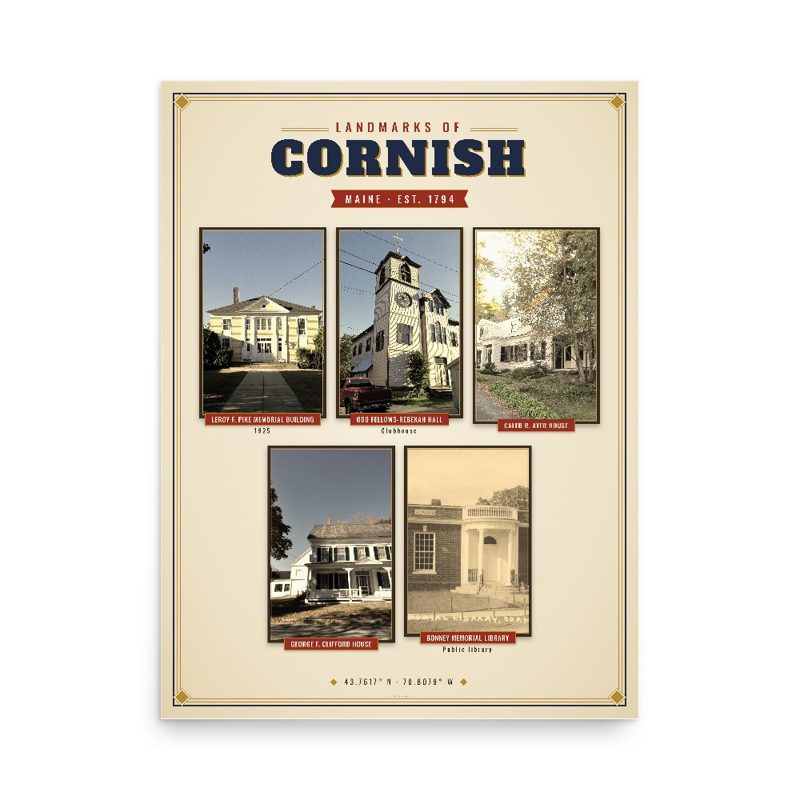
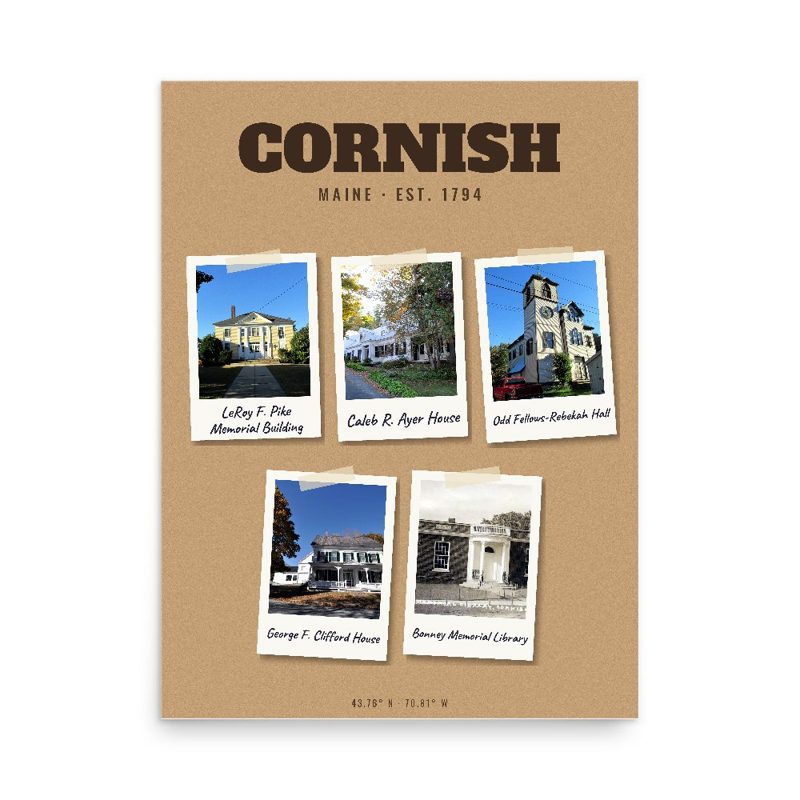
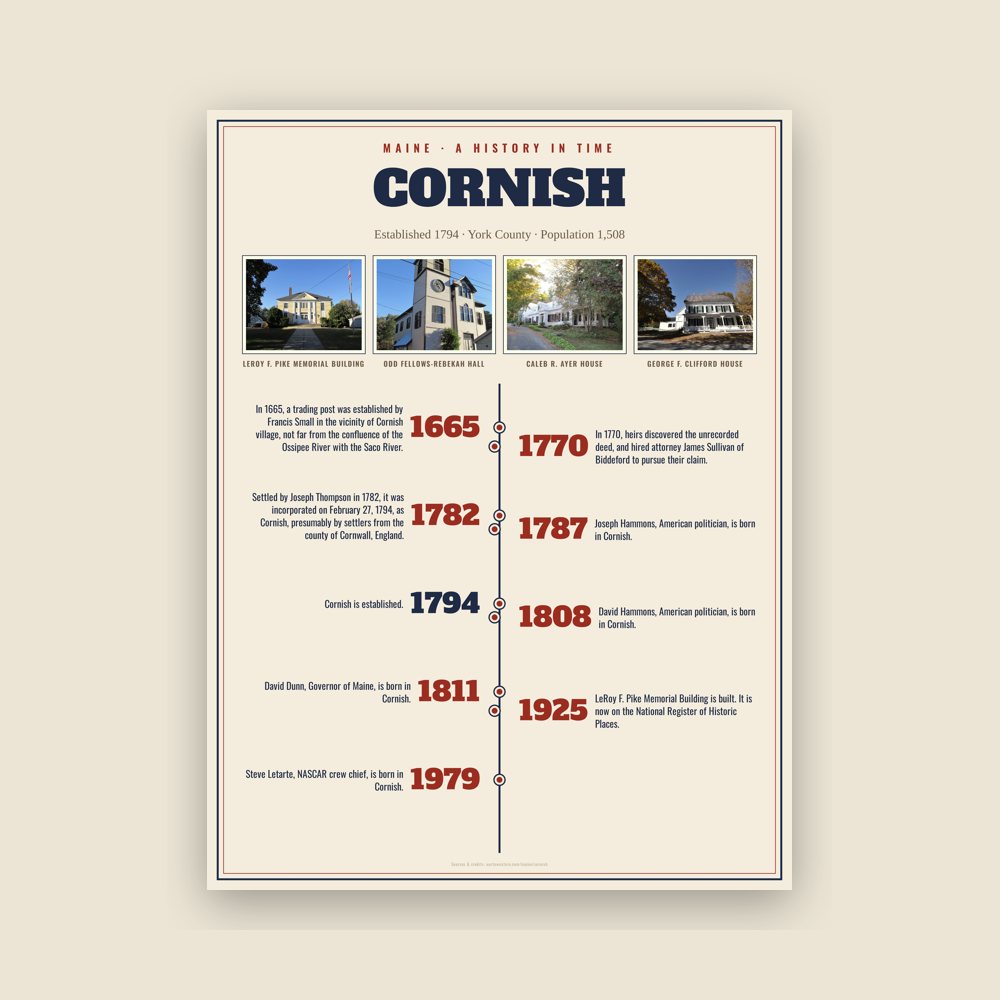
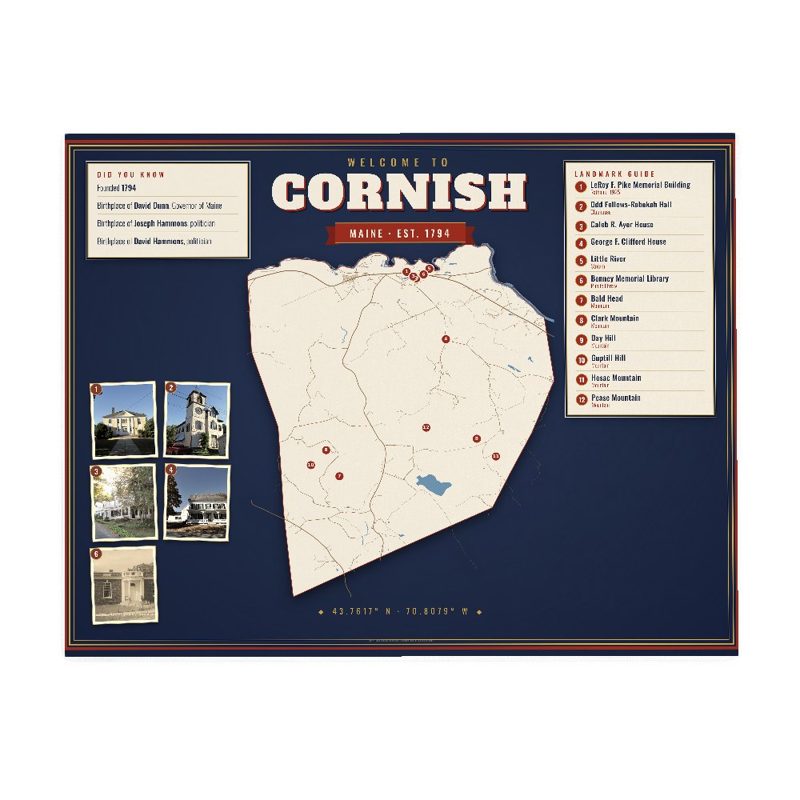







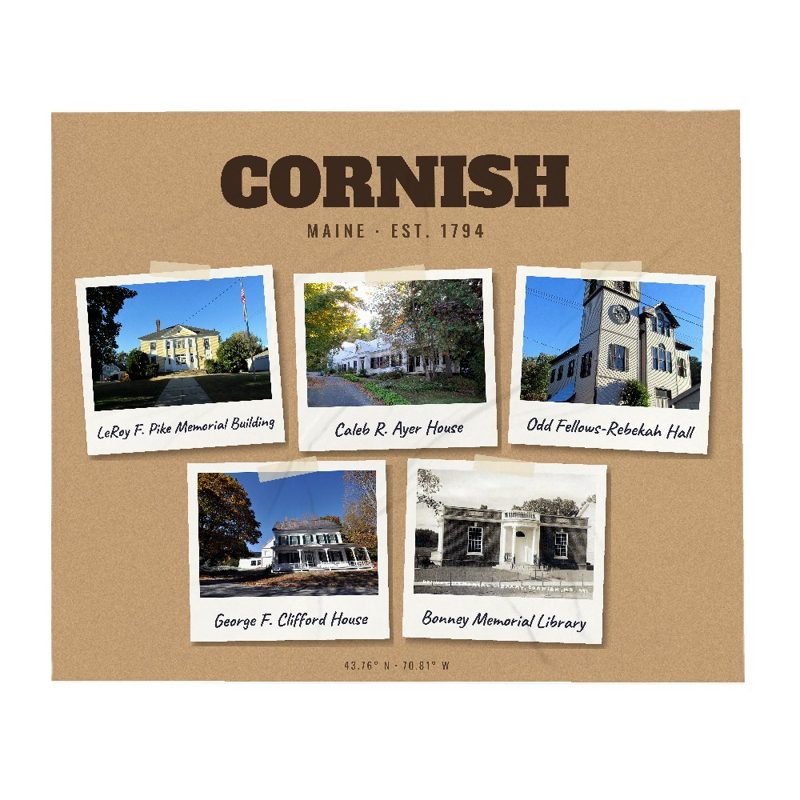
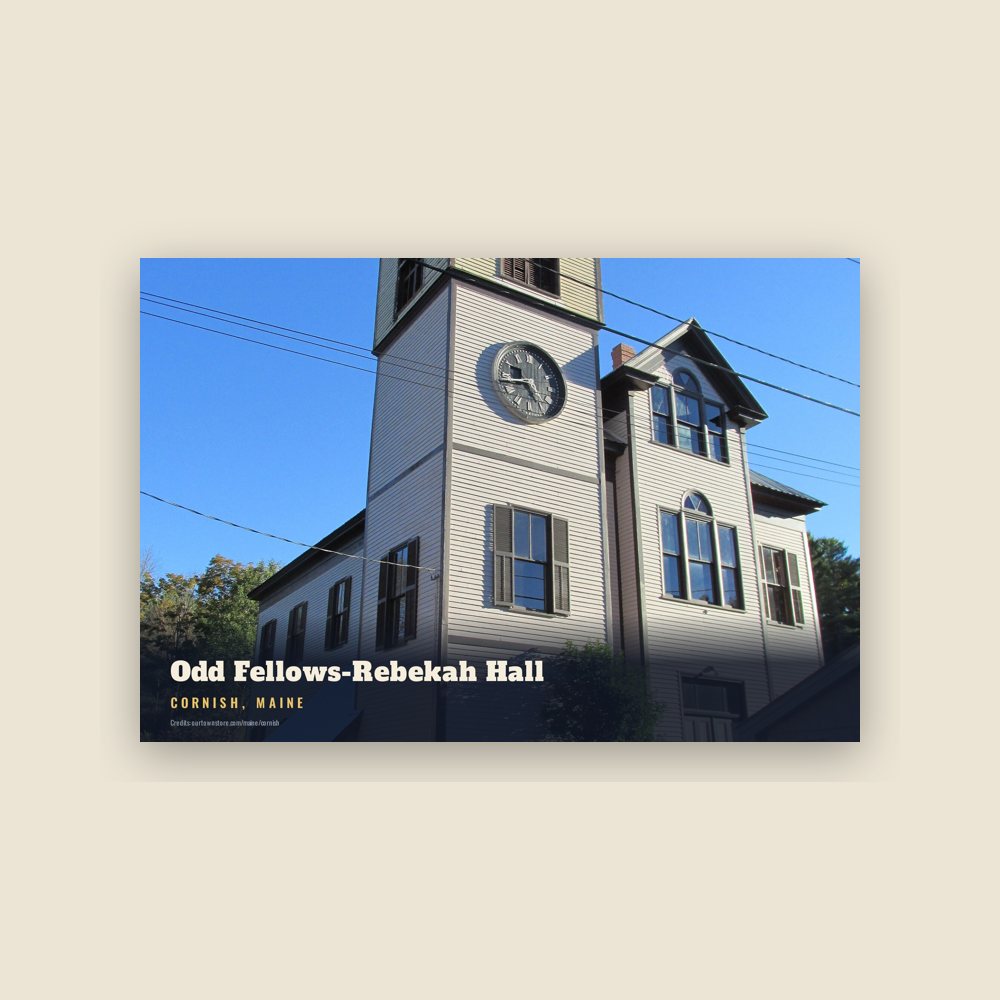

 Odd Fellows-Rebekah Hall
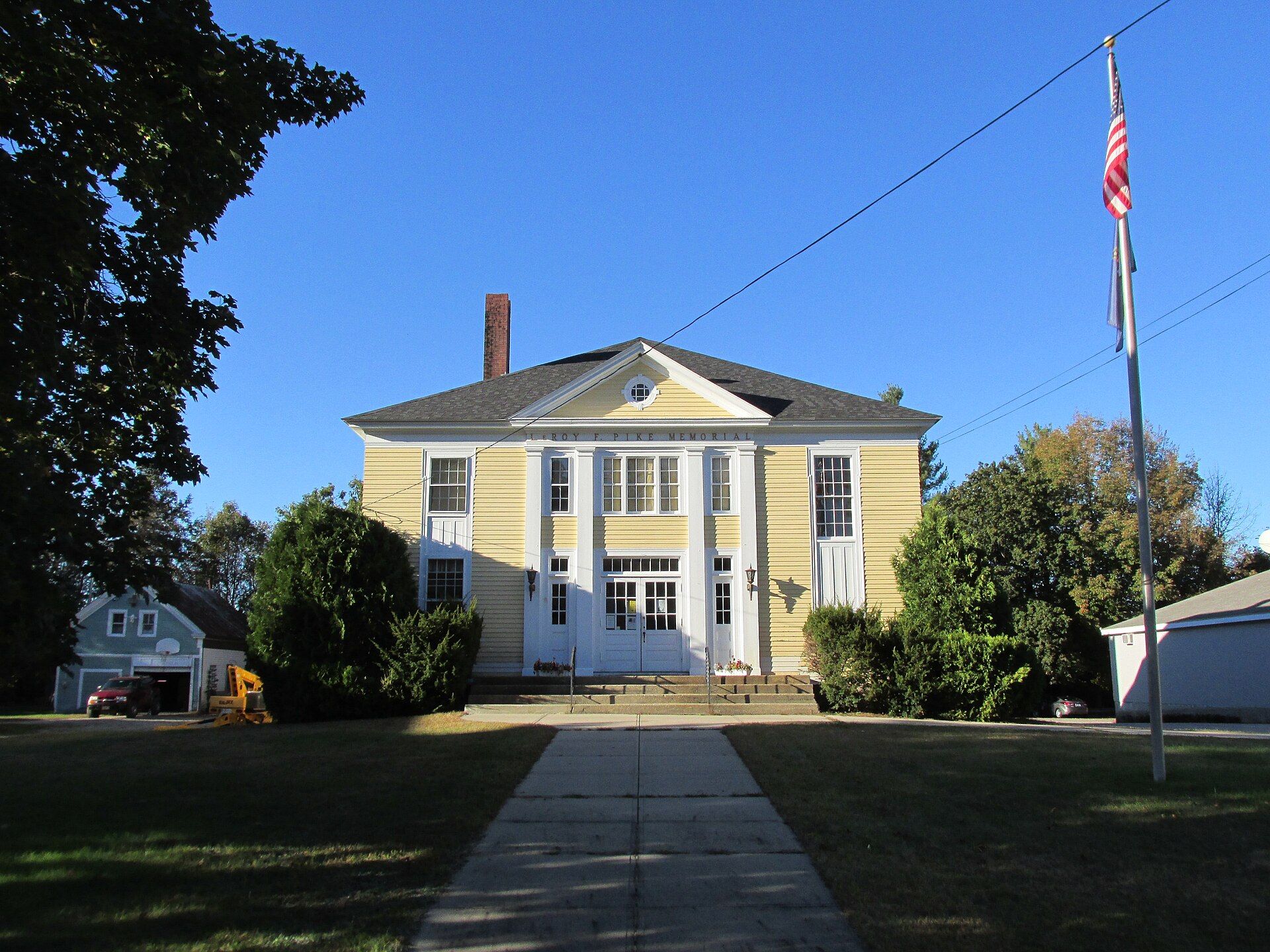
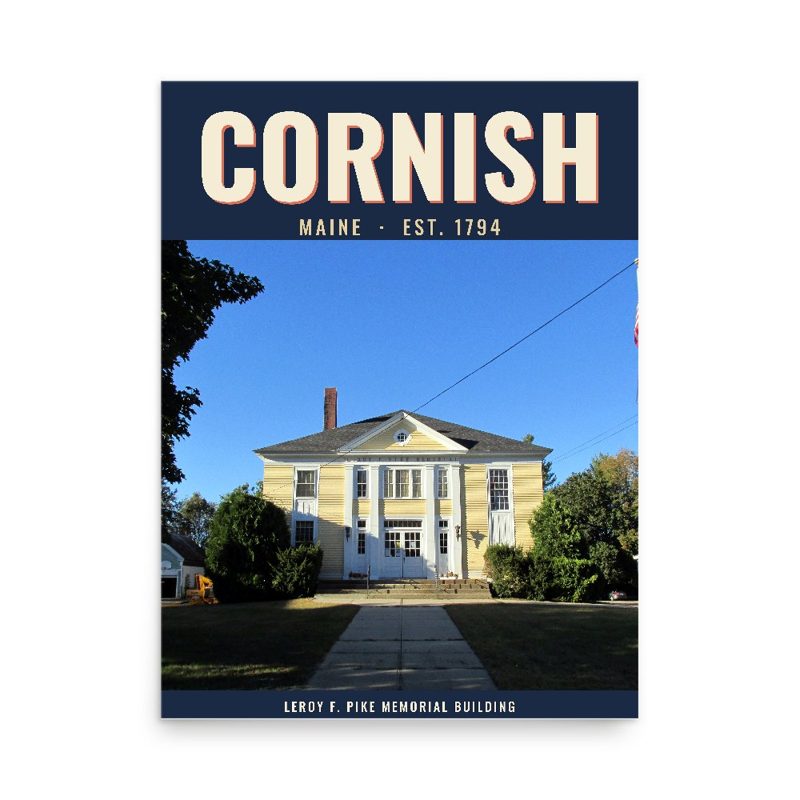
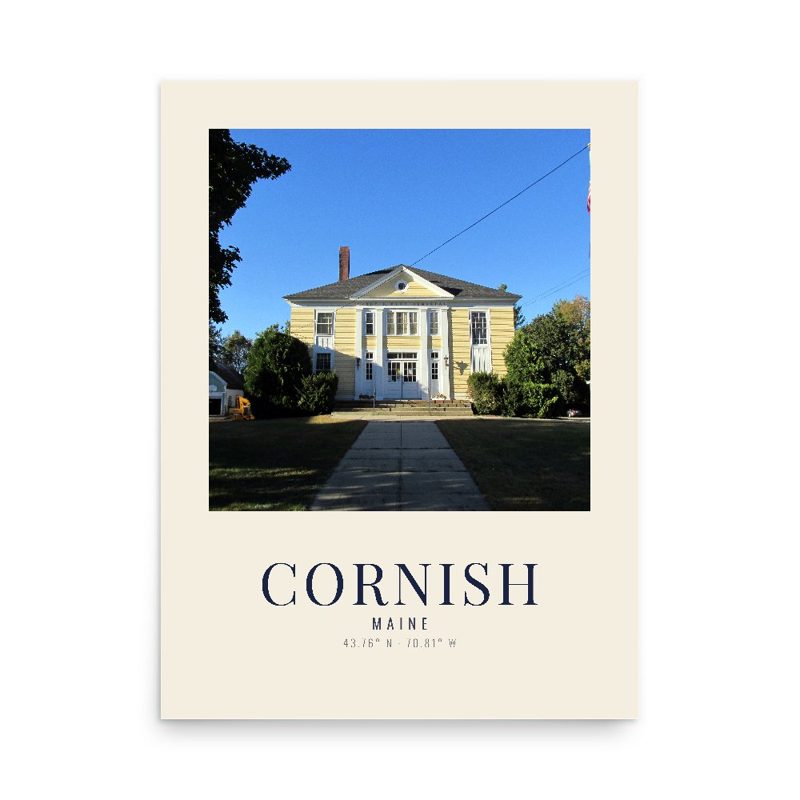
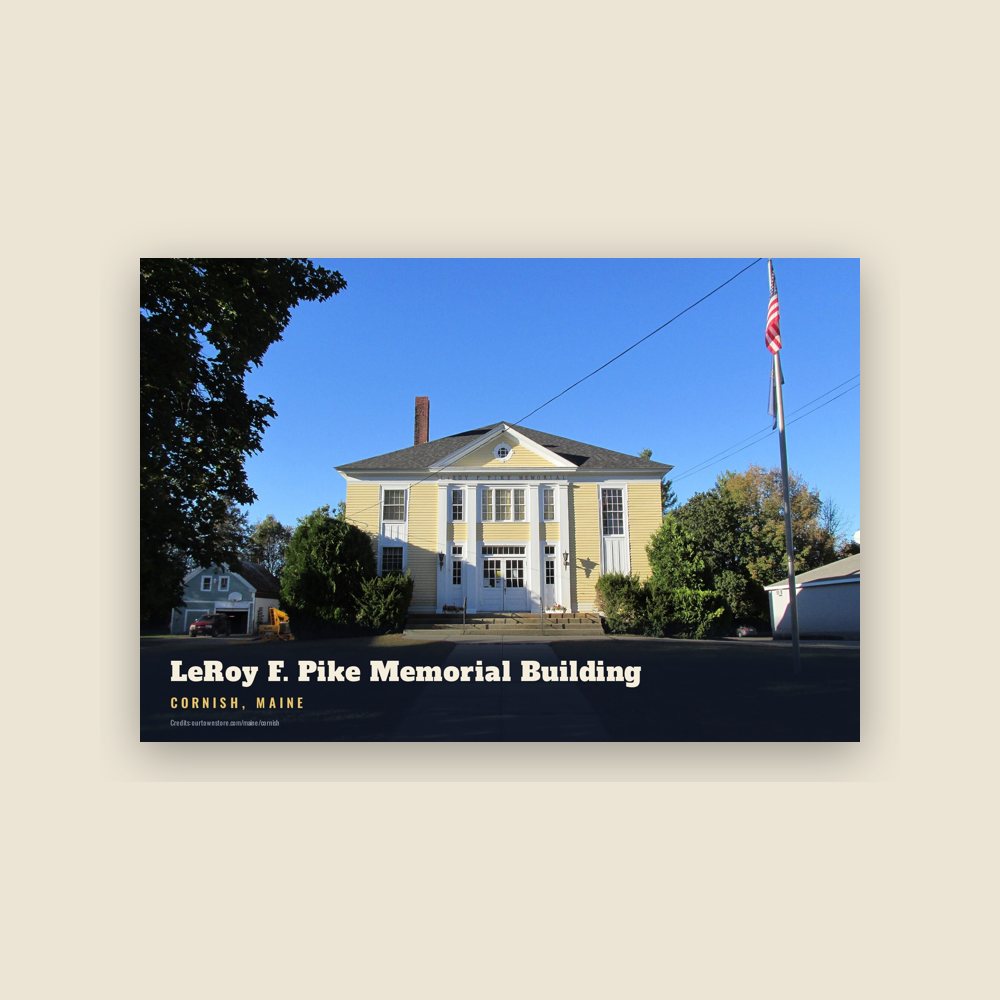
 LeRoy F. Pike Memorial Building
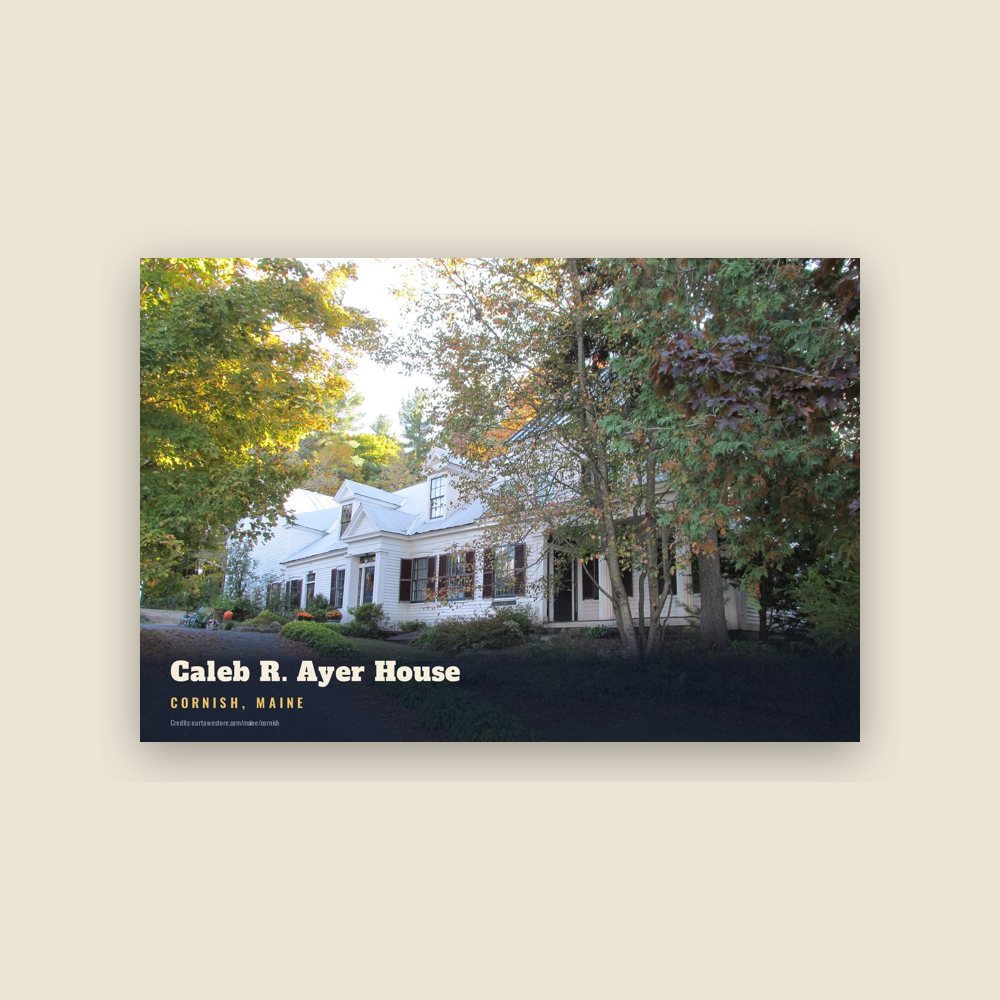
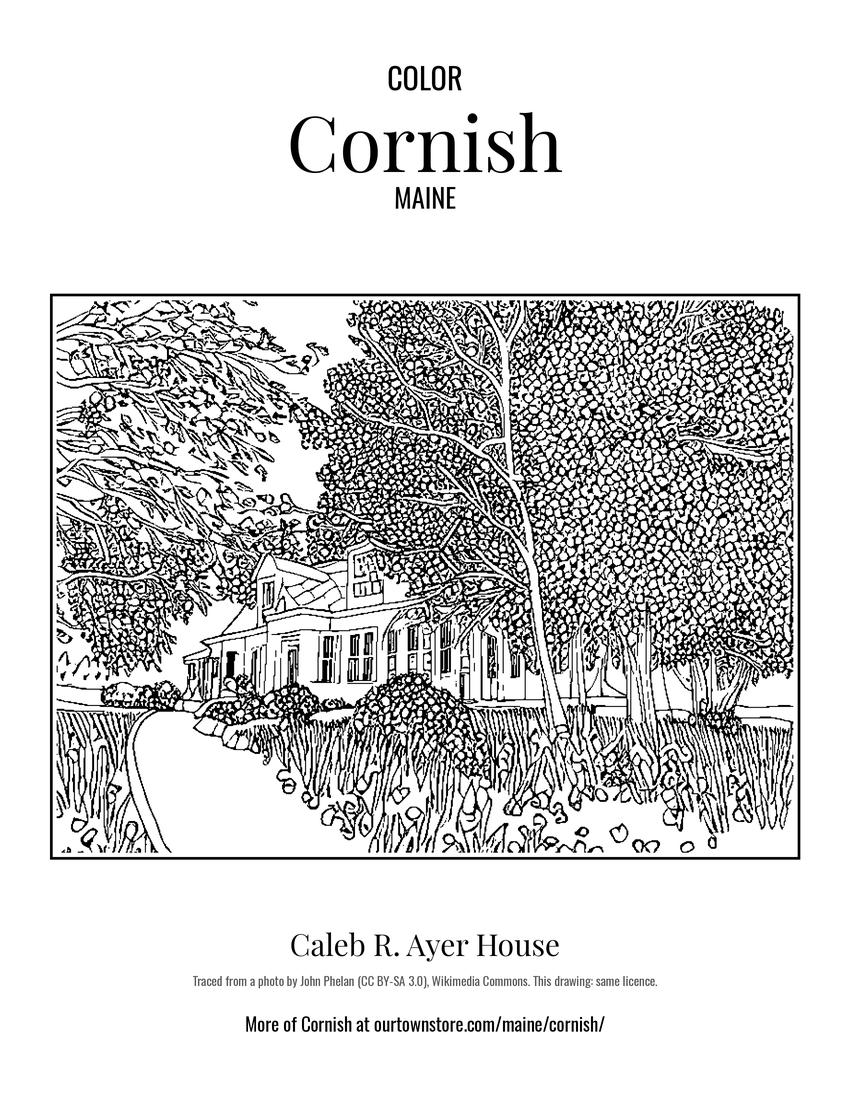 Caleb R. Ayer House
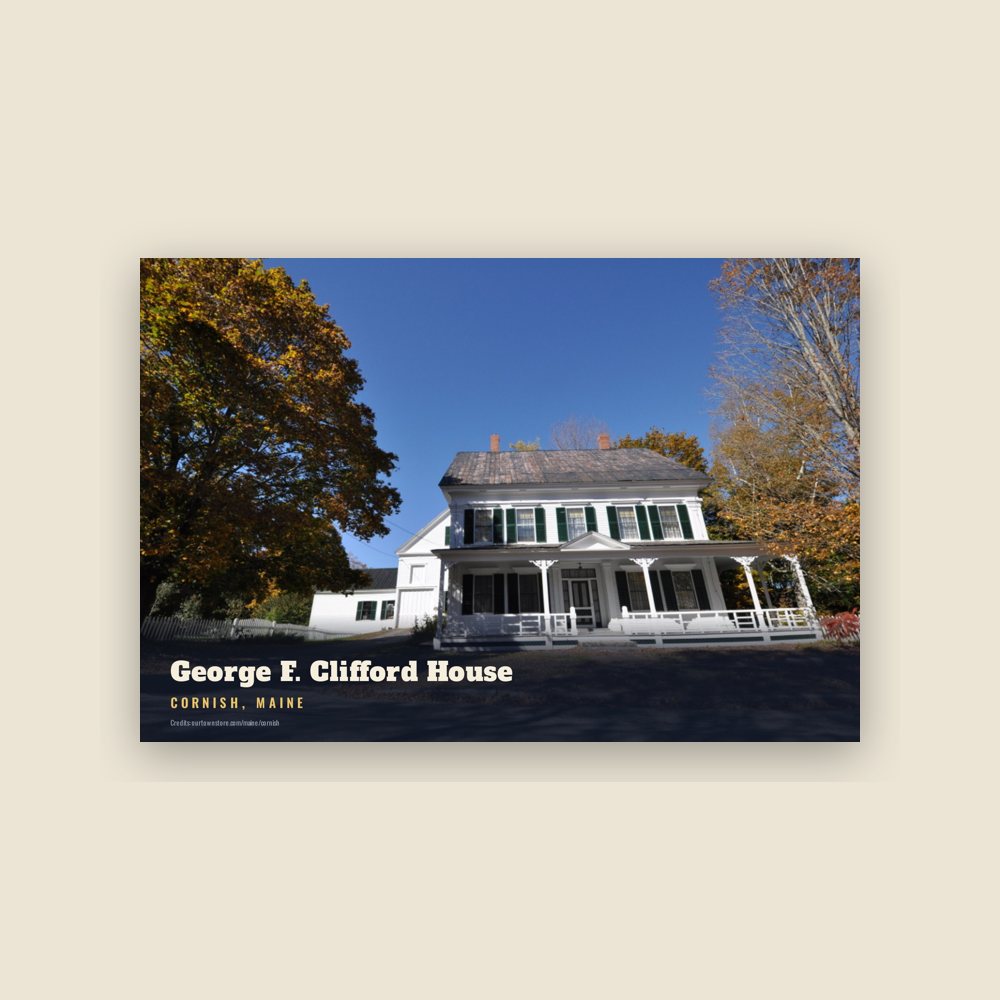
 George F. Clifford House