Since 1811
A short history of Corinth
Colin Palmer was the founder of Corinth. In 1792, he built his home on Lot 10 First Range. Tibbetts enlisted as a private in Captain Reuben Dyers' company at the age of 17 on May 26, 1777, from Gouldsboro, Maine. Tibbetts' grave, with an official grave marker of a Revolutionary War soldier, is found in the East Exeter cemetery.
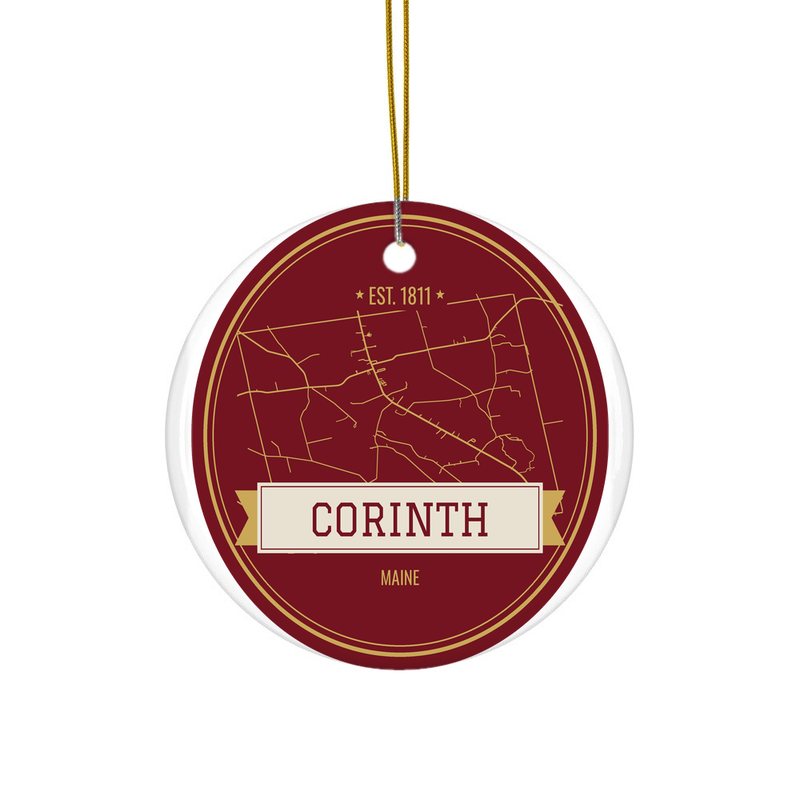
The town was settled in the late 1790s by the extended Daniel Skinner family and originally called "Ohio". There is still an "Ohio Street" in nearby Bangor, being a portion of the original road or trail connecting that town with what is now Corinth. When the town was incorporated in 1811, it changed its name to Corinth, a reference to the classical Greek city. A number of Penobscot County towns incorporated in the same period such as Milo, Etna, Carmel, and Levant (and Troy, in neighboring Waldo County) were given similarly exotic names, referencing the ancient Mediterranean world, probably in order to help attract settlers. Some of these names also have Biblical references.
By the mid-19th century, the town had three villages: East Corinth, West Corinth, and South Corinth. East Corinth emerged as the largest, and had five shops making carriages and sleighs (a local specialty) by the 1850s.
The Skinner Settlement in West Corinth is listed on the National Register of Historic Places. This early 19th century village-scape includes a general store, schoolhouse, and Methodist church. The Robeyville Covered Bridge near East Corinth is also listed on the National Register, and is one of very few such bridges to survive in Maine.
Adapted (trimmed) from the Wikipedia article Corinth, Maine, revision 1379597041 by its contributors, licensed CC BY-SA 4.0.
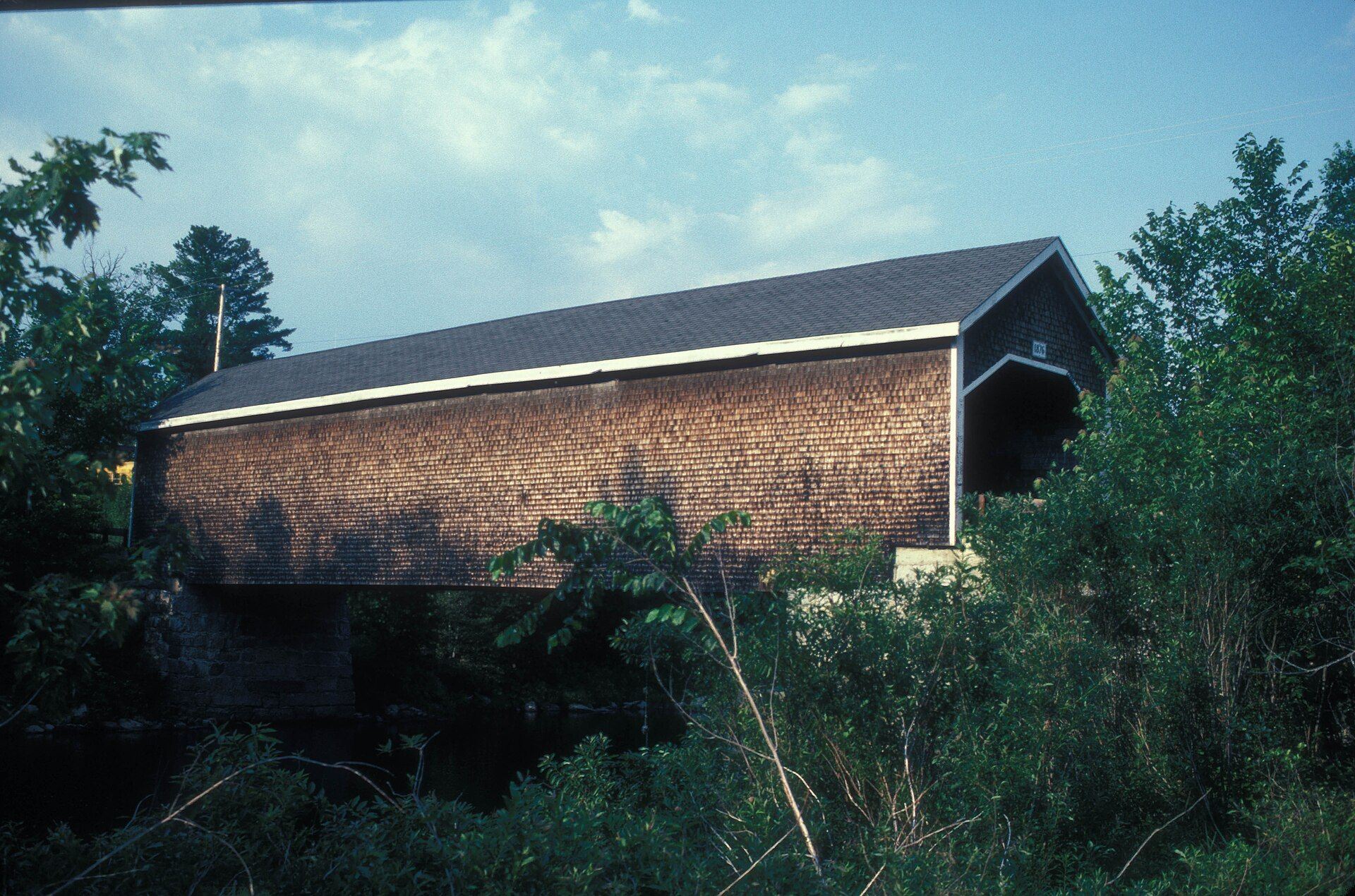
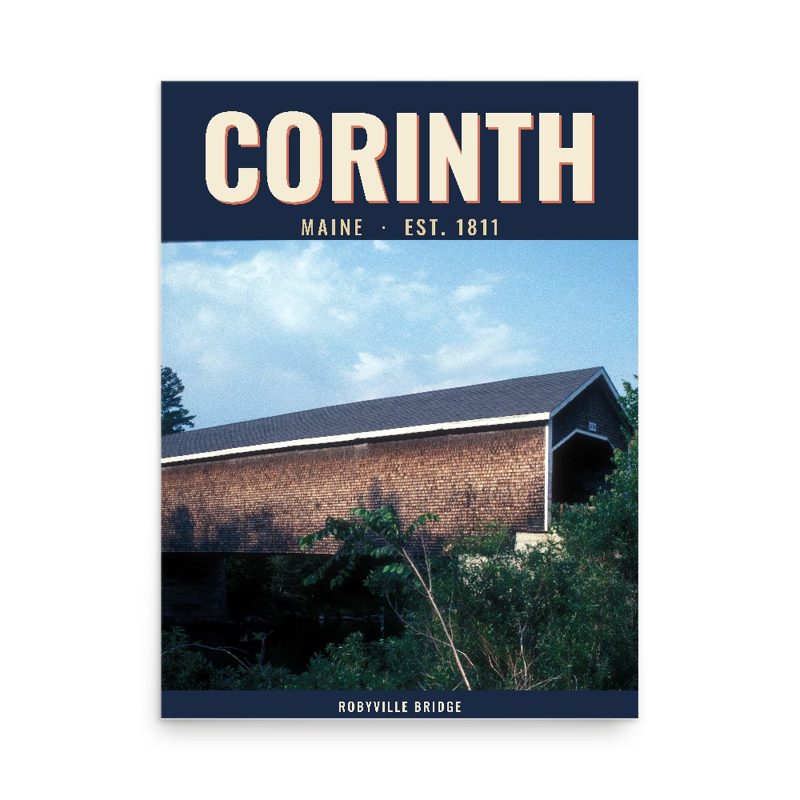
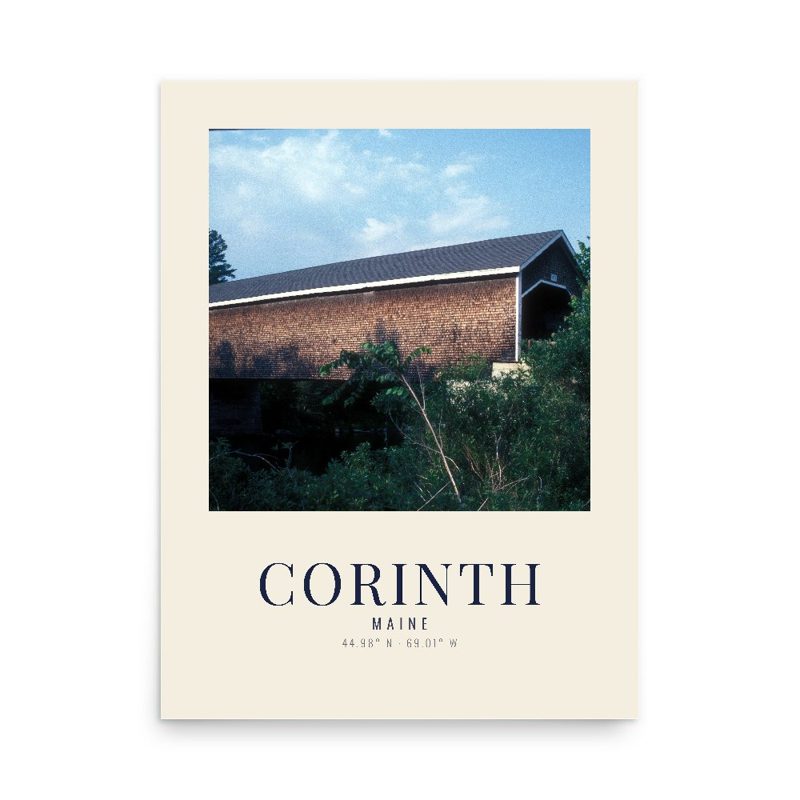
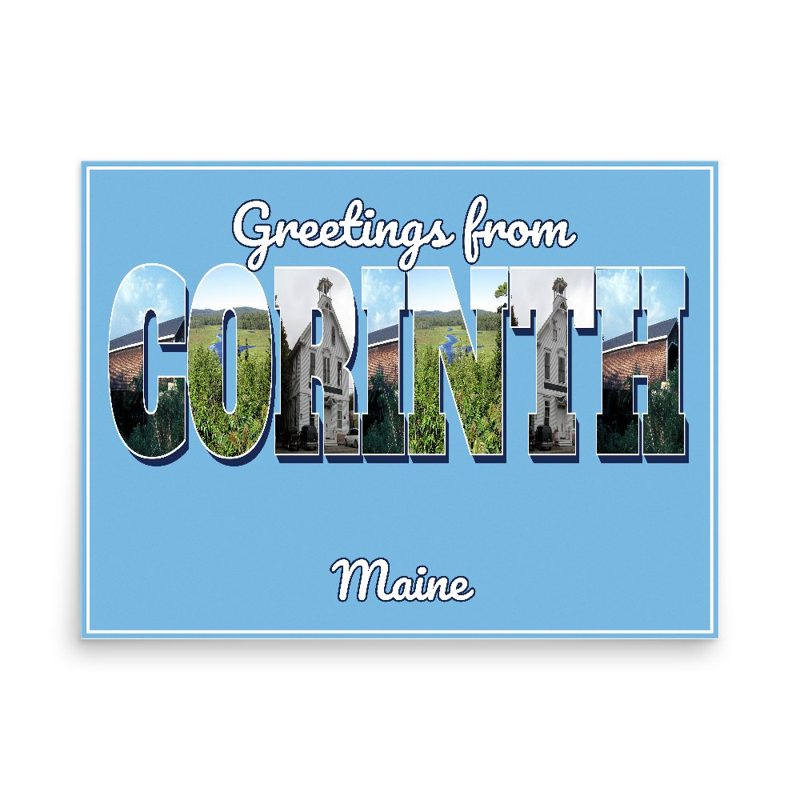
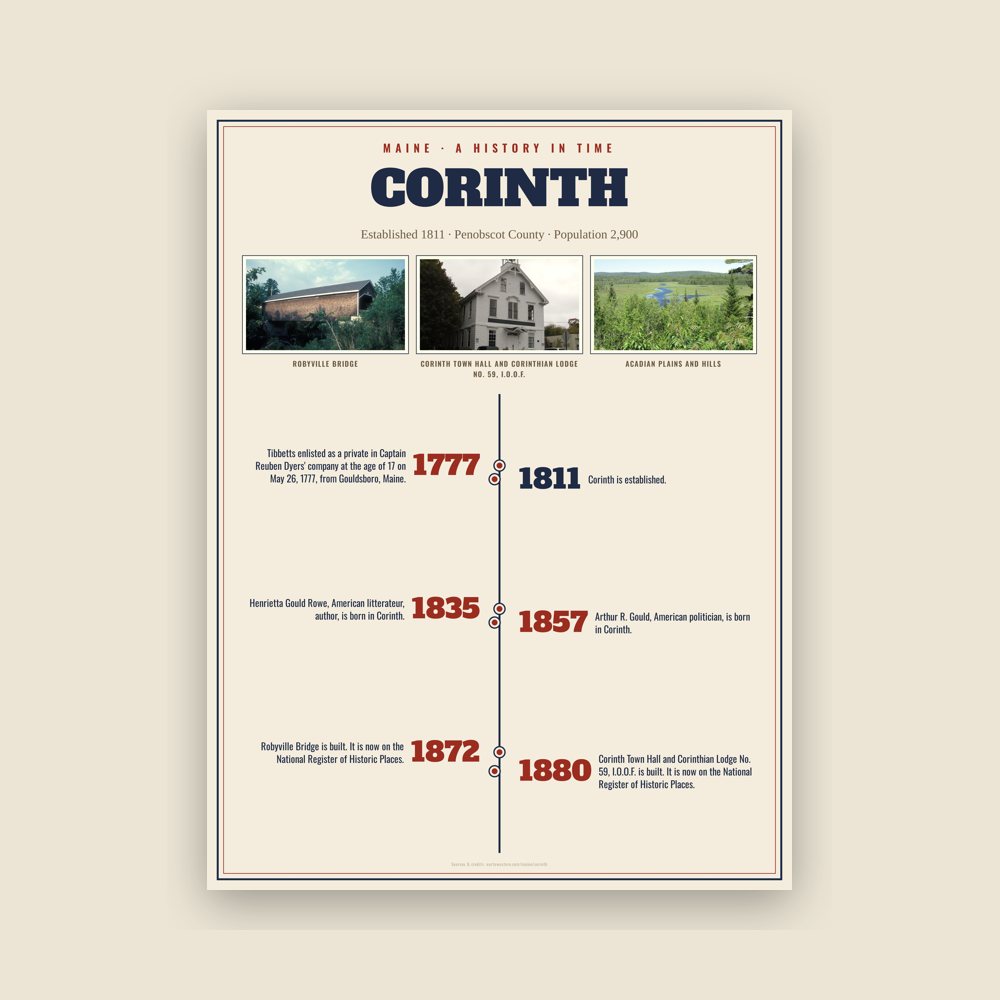
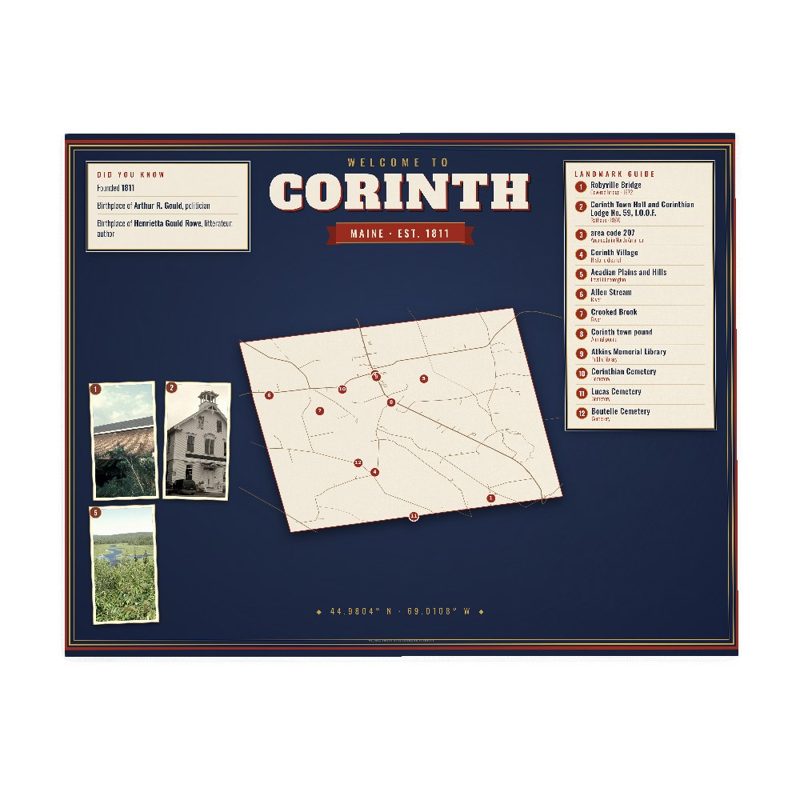


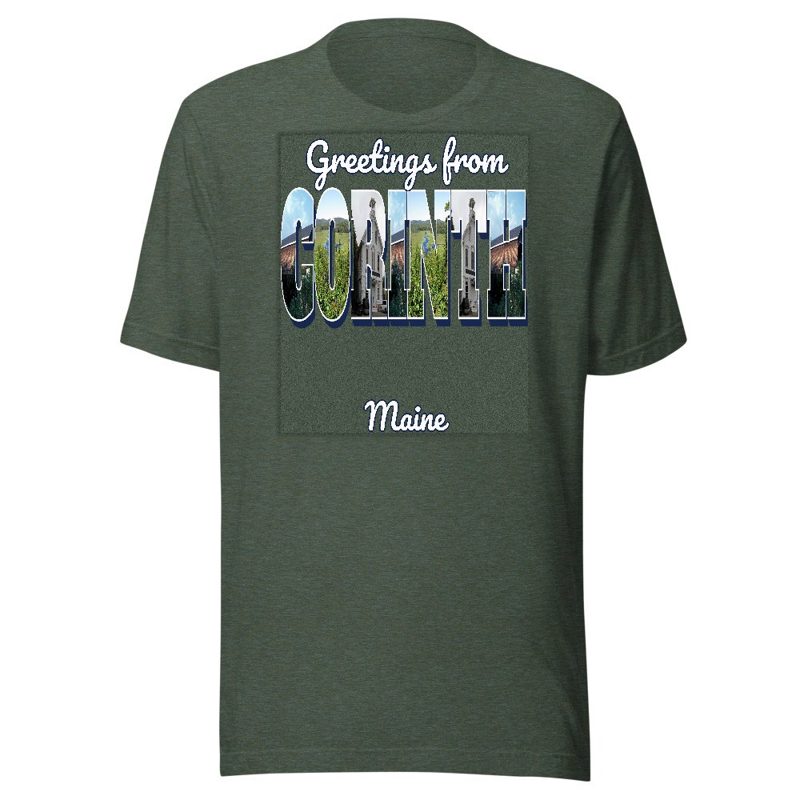


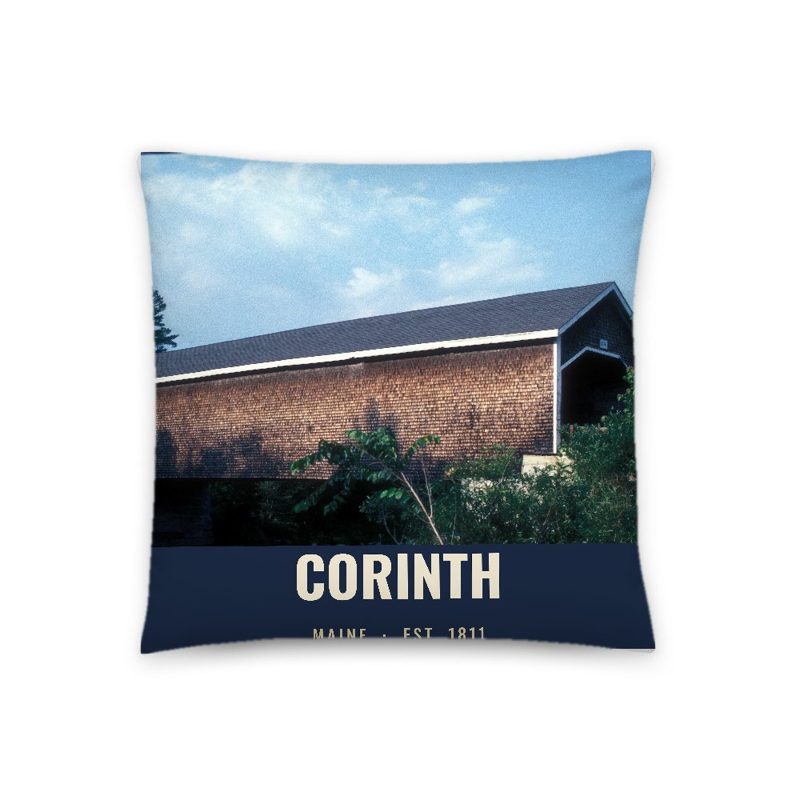


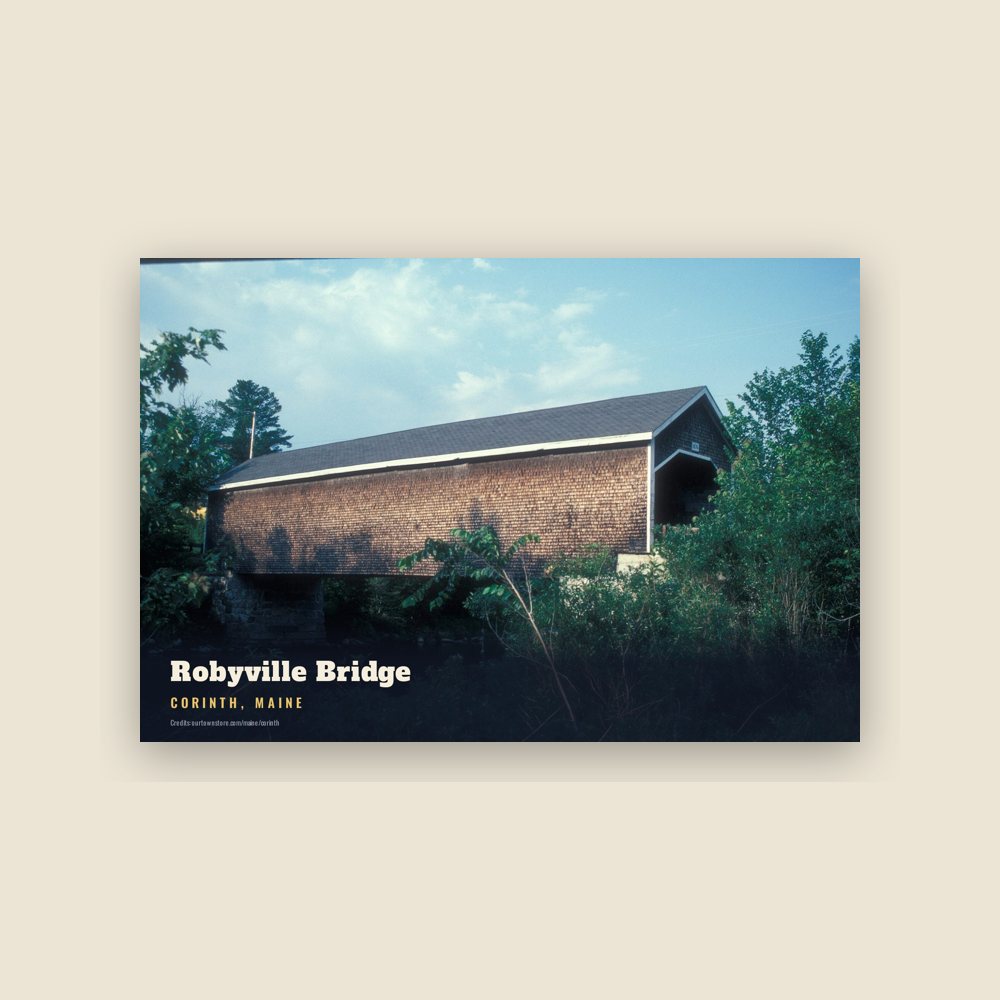
 Robyville Bridge
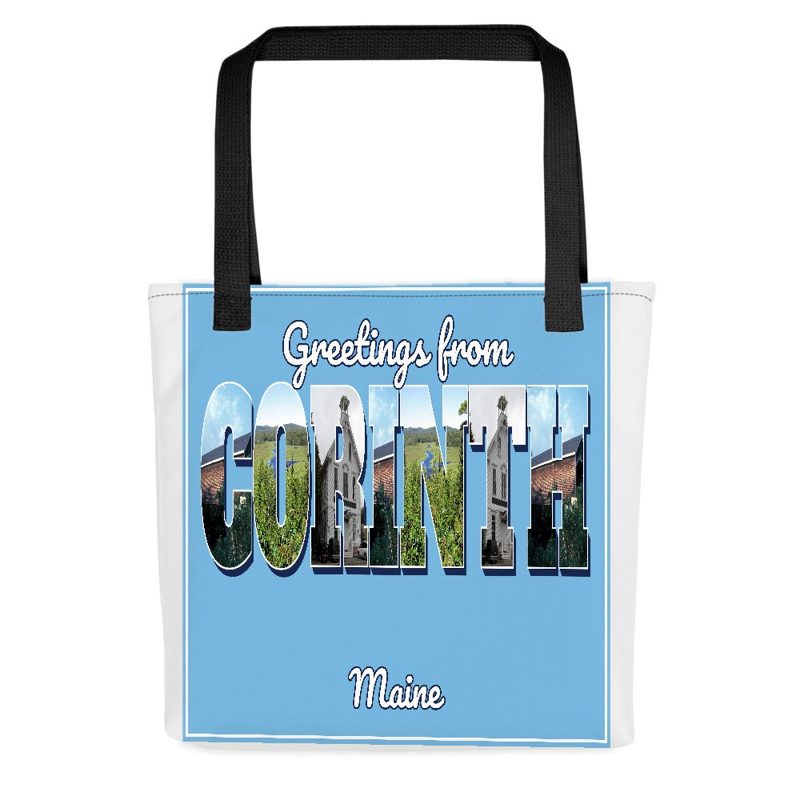
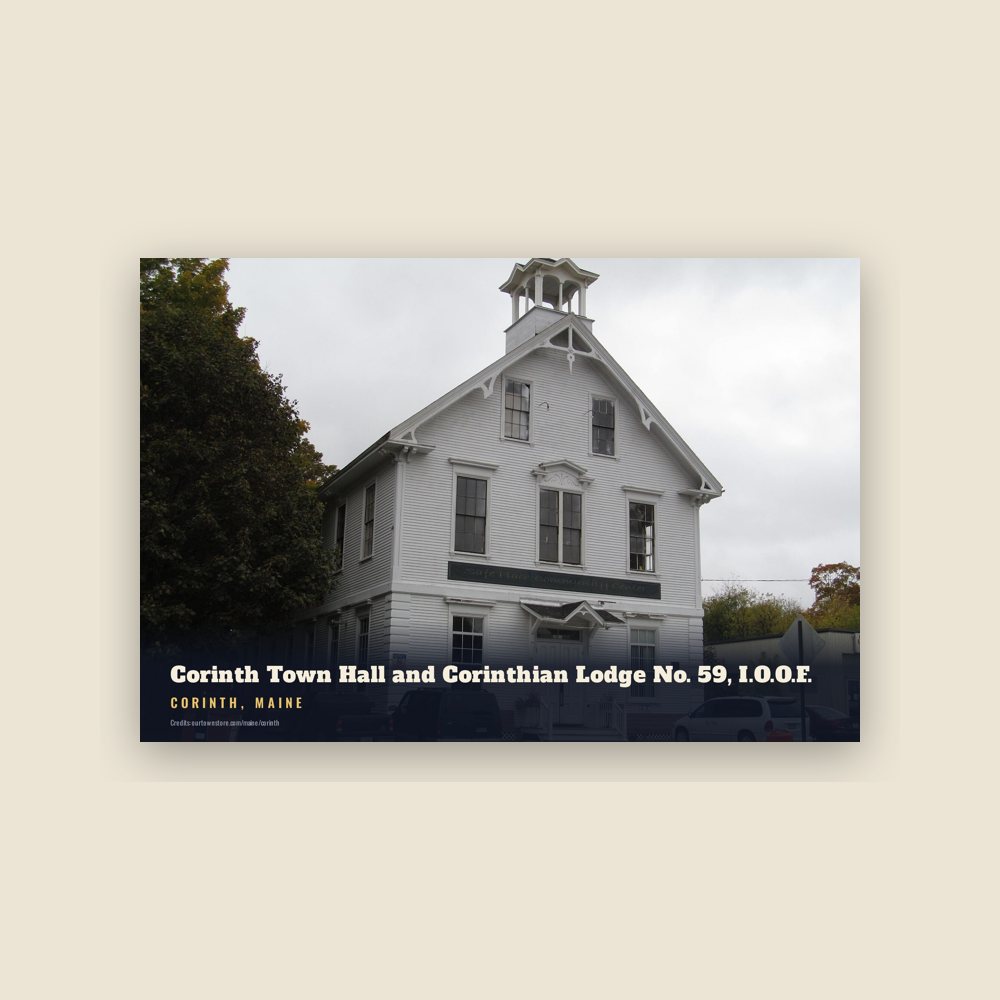
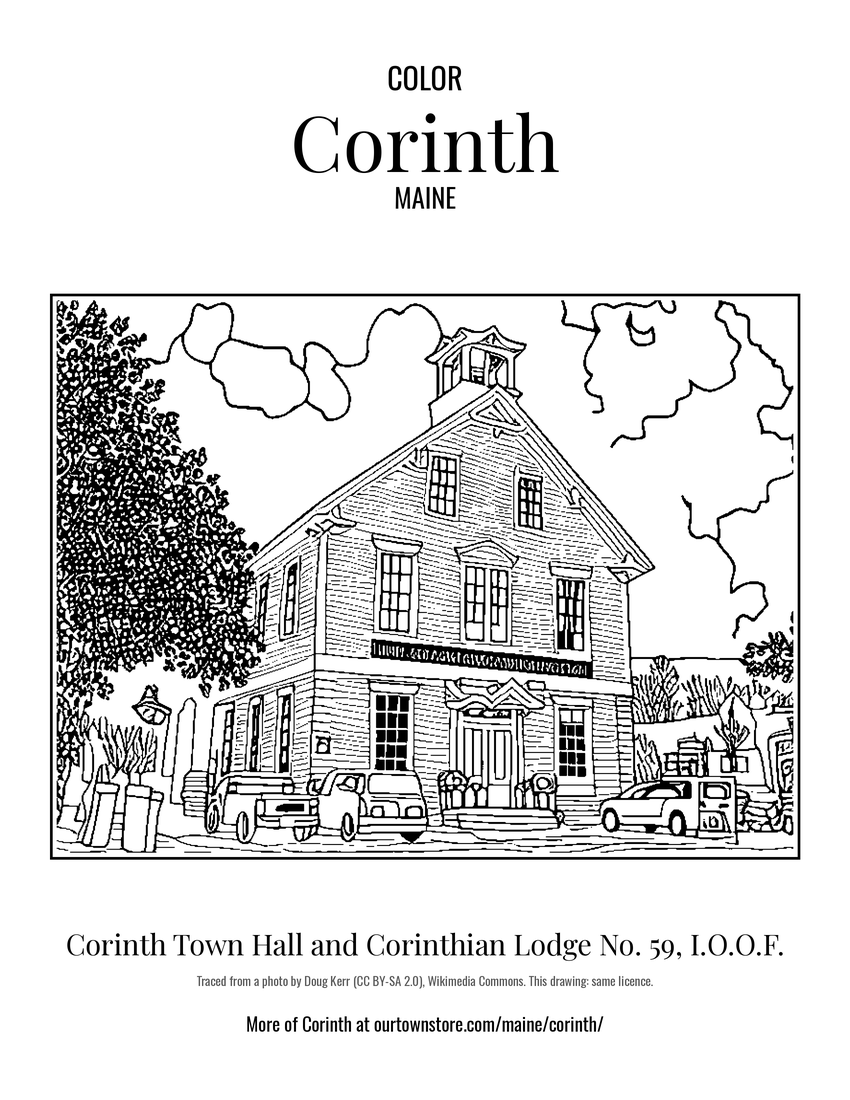 Corinth Town Hall and Corinthian Lodge No. 59, I.O.O.F.
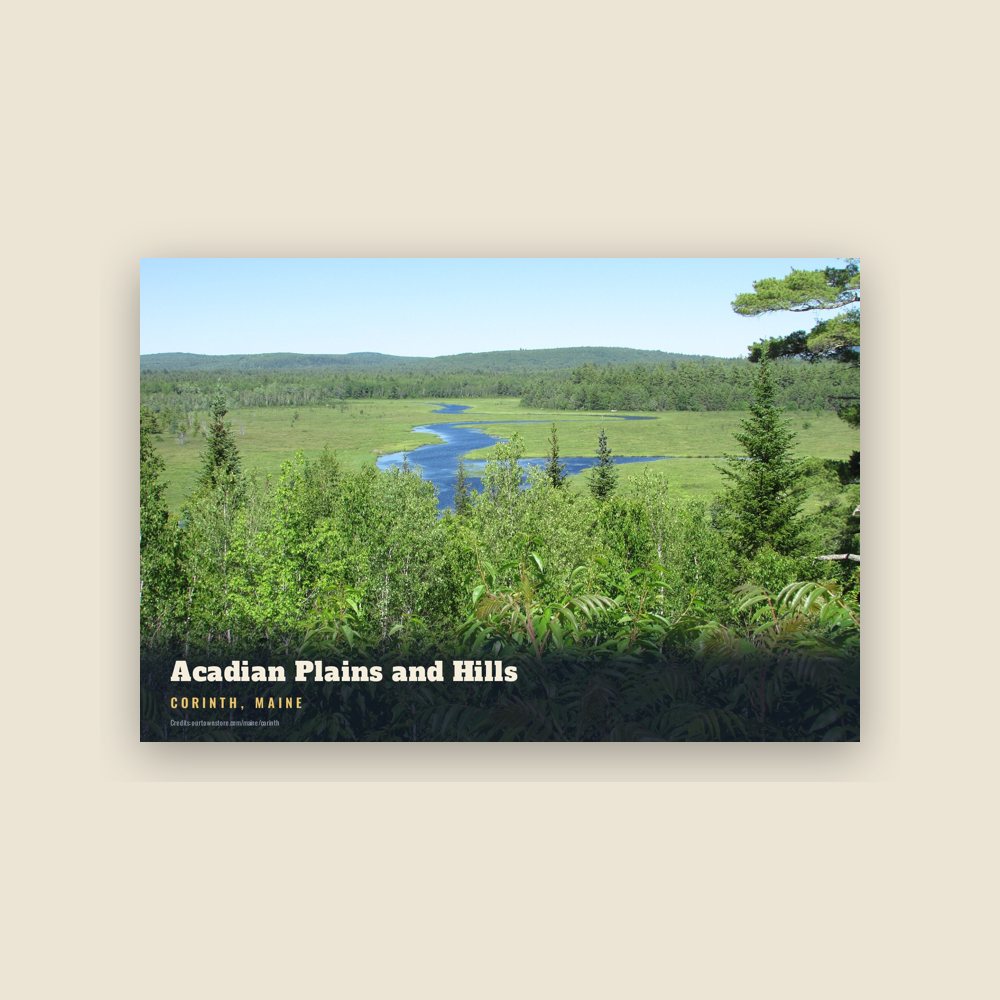
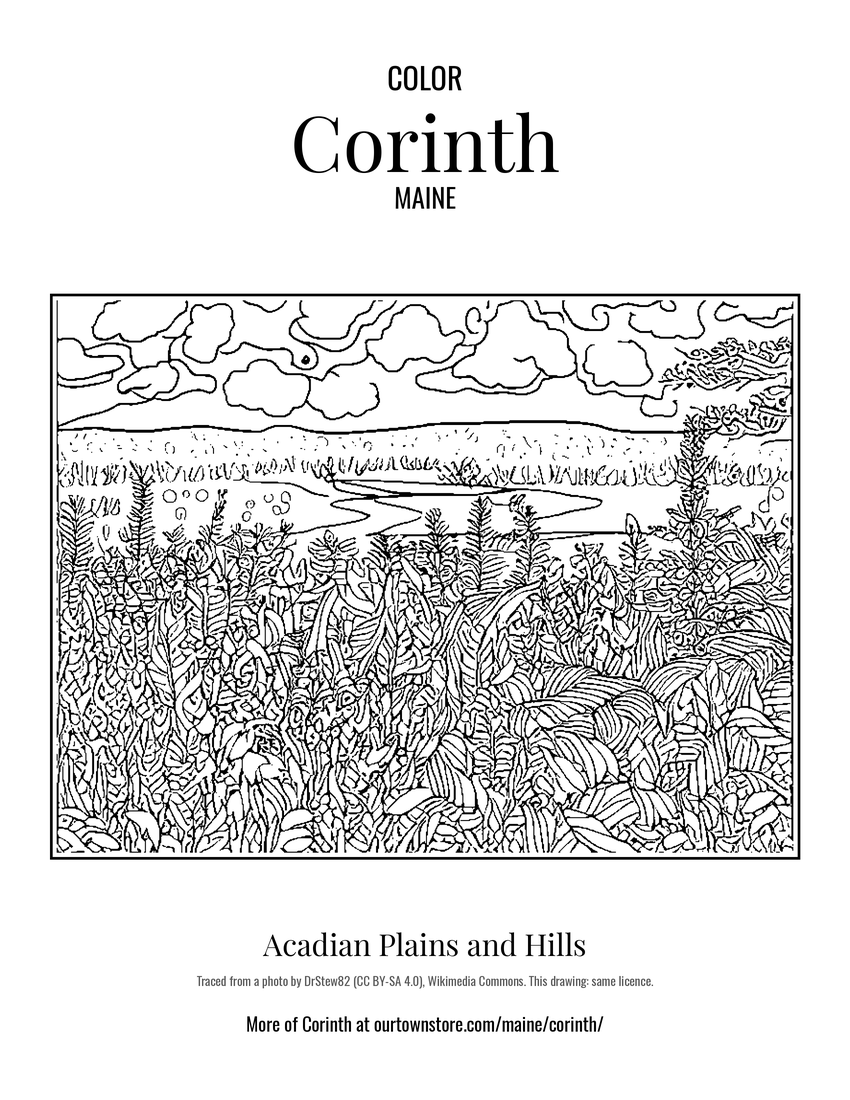 Acadian Plains and Hills