A short history of Washington
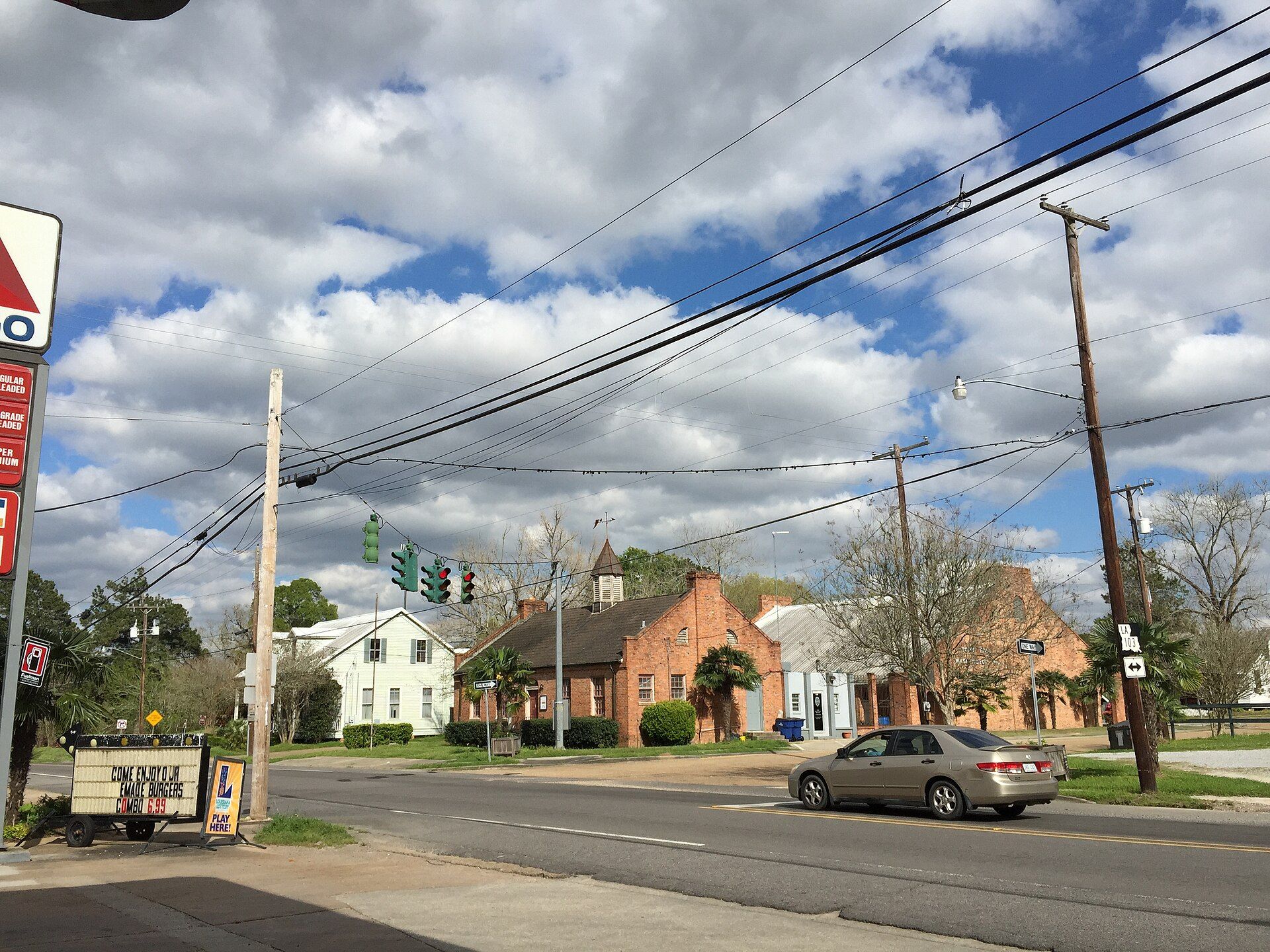
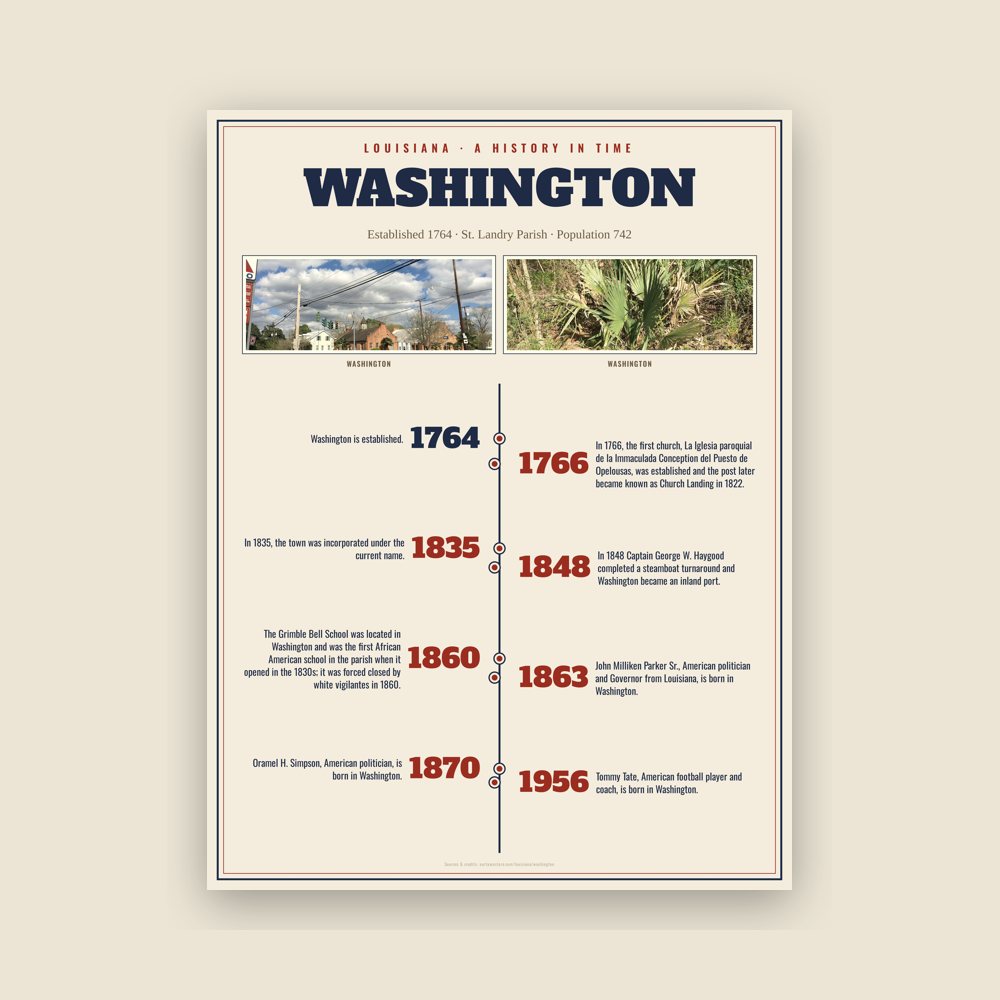
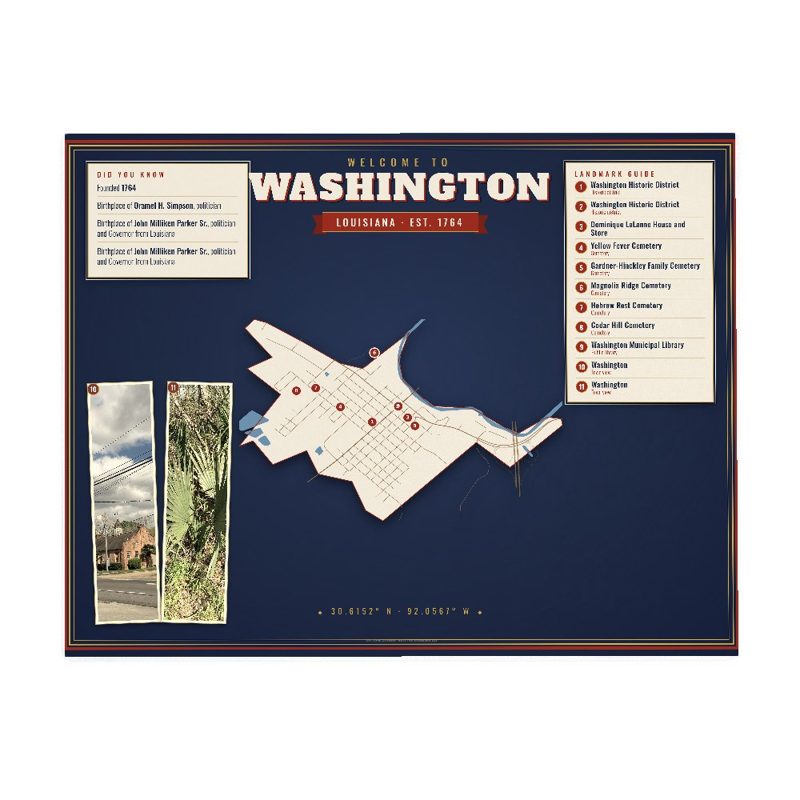
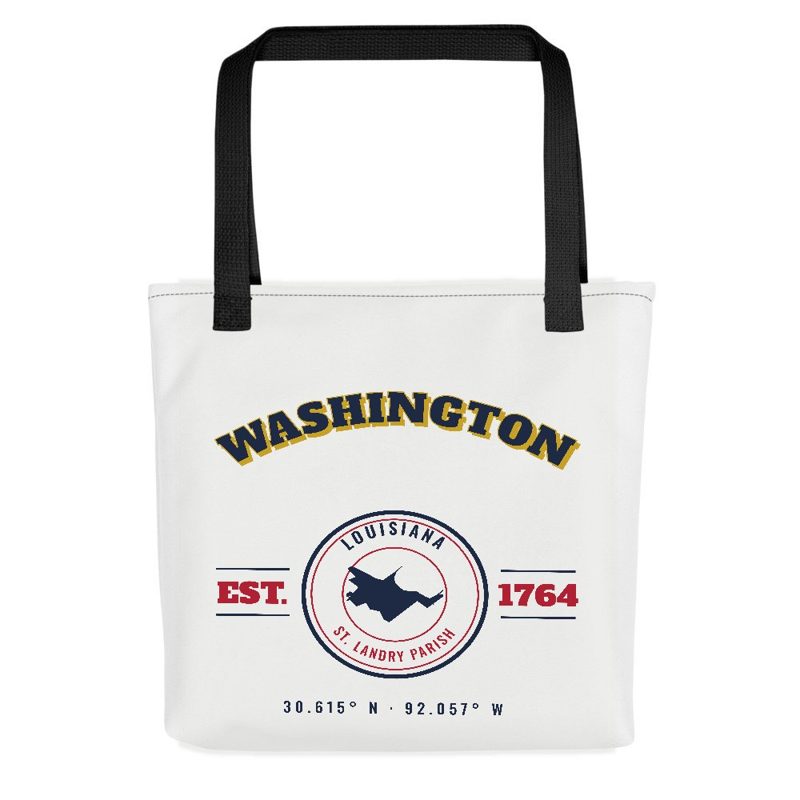
Washington was founded as the Post of Opelousas in 1764 as a French trading post. In 1766, the first church, La Iglesia paroquial de la Immaculada Conception del Puesto de Opelousas, was established and the post later became known as Church Landing in 1822. In 1835, the town was incorporated under the current name.
In the early 1800s smaller steamboats started traveling up Bayou Teche to the Opelousas River, renamed Bayou Courtableau, at Barre’s Landing (named after Alexander Charles Barré) that became Port Barre, then to Washington where there was a bottleneck as the steamboats could not turn around. In 1848 Captain George W. Haygood completed a steamboat turnaround and Washington became an inland port.
The Grimble Bell School was located in Washington and was the first African American school in the parish when it opened in the 1830s; it was forced closed by white vigilantes in 1860.
During the American Civil War, some of Union General Nathaniel P. Banks' forces occupied several towns in the region, including Washington, which was then larger than the parish seat of Opelousas. Banks' men stripped the towns of supplies of all kinds, including food, livestock, cotton, and other trade goods; the total value of the goods was estimated at more than ten million dollars.
After the war, there was extensive white resistance to the emancipation and enfranchisement of former slaves or freedmen. Some insurgents based in Opelousas formed the Seymour Knights, a unit of the Knights of the White Camellia. In the fall of 1868 before the election, white Democrats in Washington rejected African Americans who sought to join their political party, and the Seymour Knights physically drove the Blacks out of the city.
A series of events followed in which Blacks marched on Opelousas and 29 men were captured. All but two were executed without trial. White mobs then launched attacks against Blacks across the parish seat and surrounding areas, killing an estimated 50 to 200-300 African Americans, in what became known as the Opelousas Massacre.
Adapted (trimmed) from the Wikipedia article Washington, Louisiana, revision 1379598925 by its contributors, licensed CC BY-SA 4.0.