A short history of Napoleonville
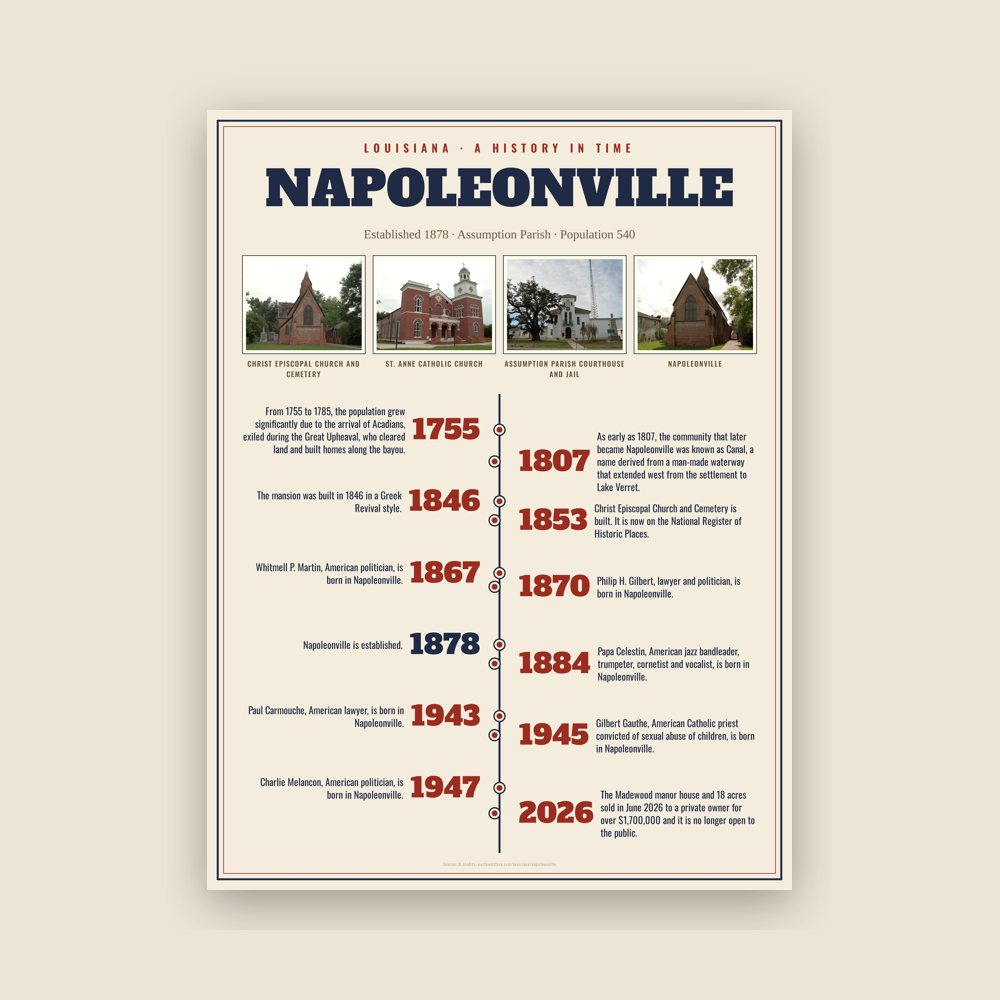
As early as 1807, the community that later became Napoleonville was known as Canal, a name derived from a man-made waterway that extended west from the settlement to Lake Verret. This canal served as an important transportation link for goods and people in the early 19th century.
The village was later named Napoleonville by a former French soldier, Pierre Charlet, who had served under Napoleon Bonaparte. Charlet immigrated to Louisiana after the Napoleonic Wars and settled in Assumption Parish; he is buried in the cemetery of Our Lady of the Assumption Catholic Church in nearby Plattenville.
The first permanent European settlements in this region were established by French and Spanish colonists (including Isleños) during the mid-18th century along Bayou Lafourche, between the present towns of Donaldsonville and Napoleonville. From 1755 to 1785, the population grew significantly due to the arrival of Acadians, exiled during the Great Upheaval, who cleared land and built homes along the bayou.
Napoleonville became the parish seat when Assumption Parish was created on March 31, 1807, from Lafourche County. The town was officially incorporated on March 11, 1878, following an act of the Louisiana Legislature.
Throughout the 19th century, Napoleonville grew as a center of commerce and culture along Bayou Lafourche. Sugarcane cultivation became the dominant economic activity in the region by the 1860s and remains important today. The town also served as a hub for French-language journalism; the Pionnier de l’Assomption newspaper, founded in 1850, later became the Pioneer of Assumption and documented local life for decades.
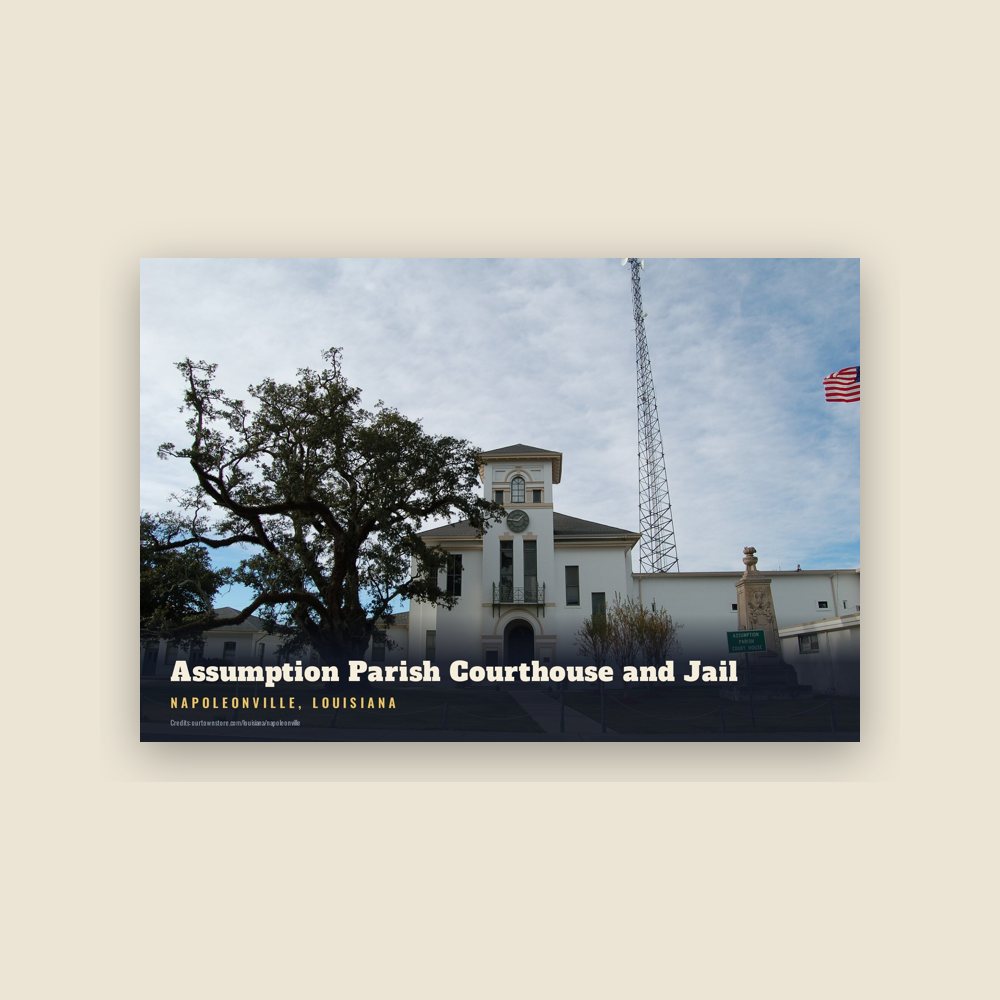
A historical marker near the Assumption Parish Courthouse notes that Napoleonville lies on an early travel route (1730–1770) used by French and Acadian settlers moving between St. James Parish and the Attakapas region near Lake Verret.
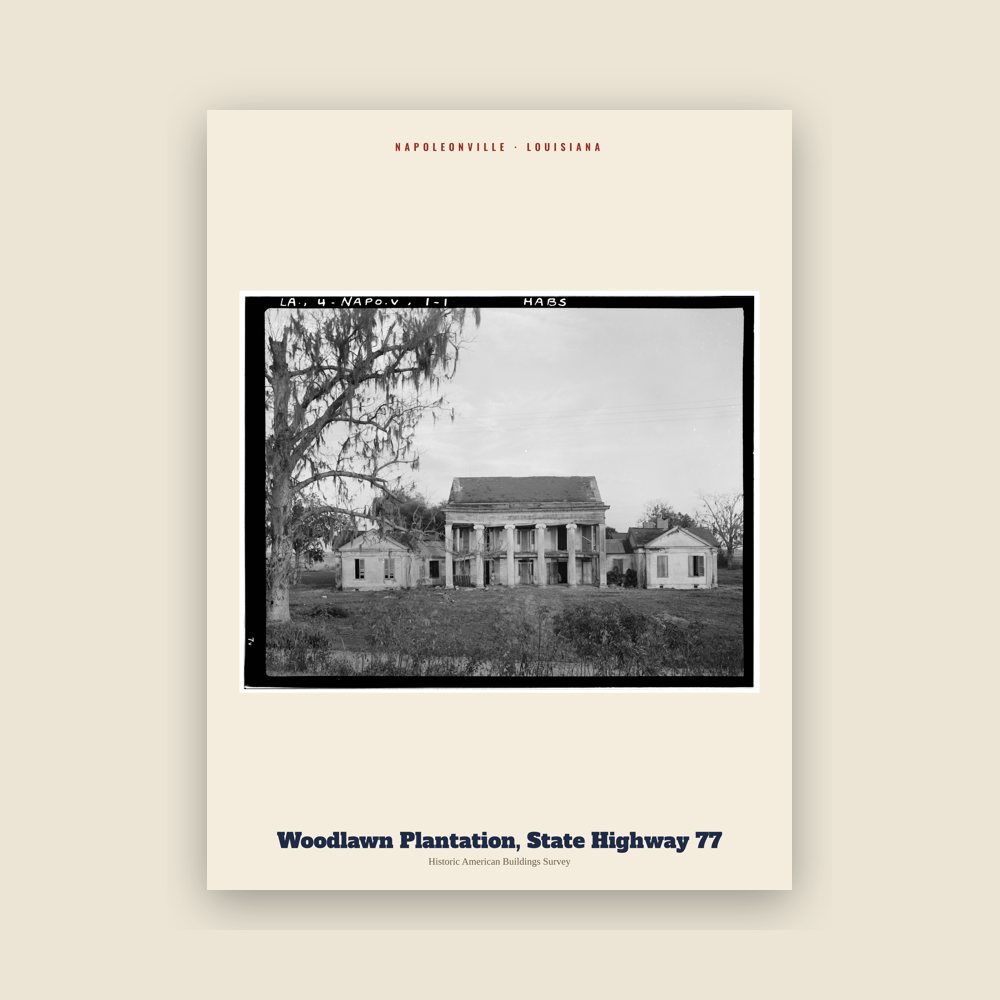
A national historic landmark in Napoleonville is the Madewood Plantation, a former sugar cane plantation. The mansion was built in 1846 in a Greek Revival style. It was the first major work of architect Henry Howard and consisted of a manor house, out buildings and 10,000 acres. It is located along the Bayou Lafourche and has been restored. At one time Madewood Plantation was open to the public and used as a bed and breakfast resort and for wedding parties. Guests claimed that the master bedroom was haunted and that the ghosts of slave children tickled their feet playfully at night. The Madewood manor house and 18 acres sold in June 2026 to a private owner for over $1,700,000 and it is no longer open to the public.
Adapted (trimmed) from the Wikipedia article Napoleonville, Louisiana, revision 1379653676 by its contributors, licensed CC BY-SA 4.0.
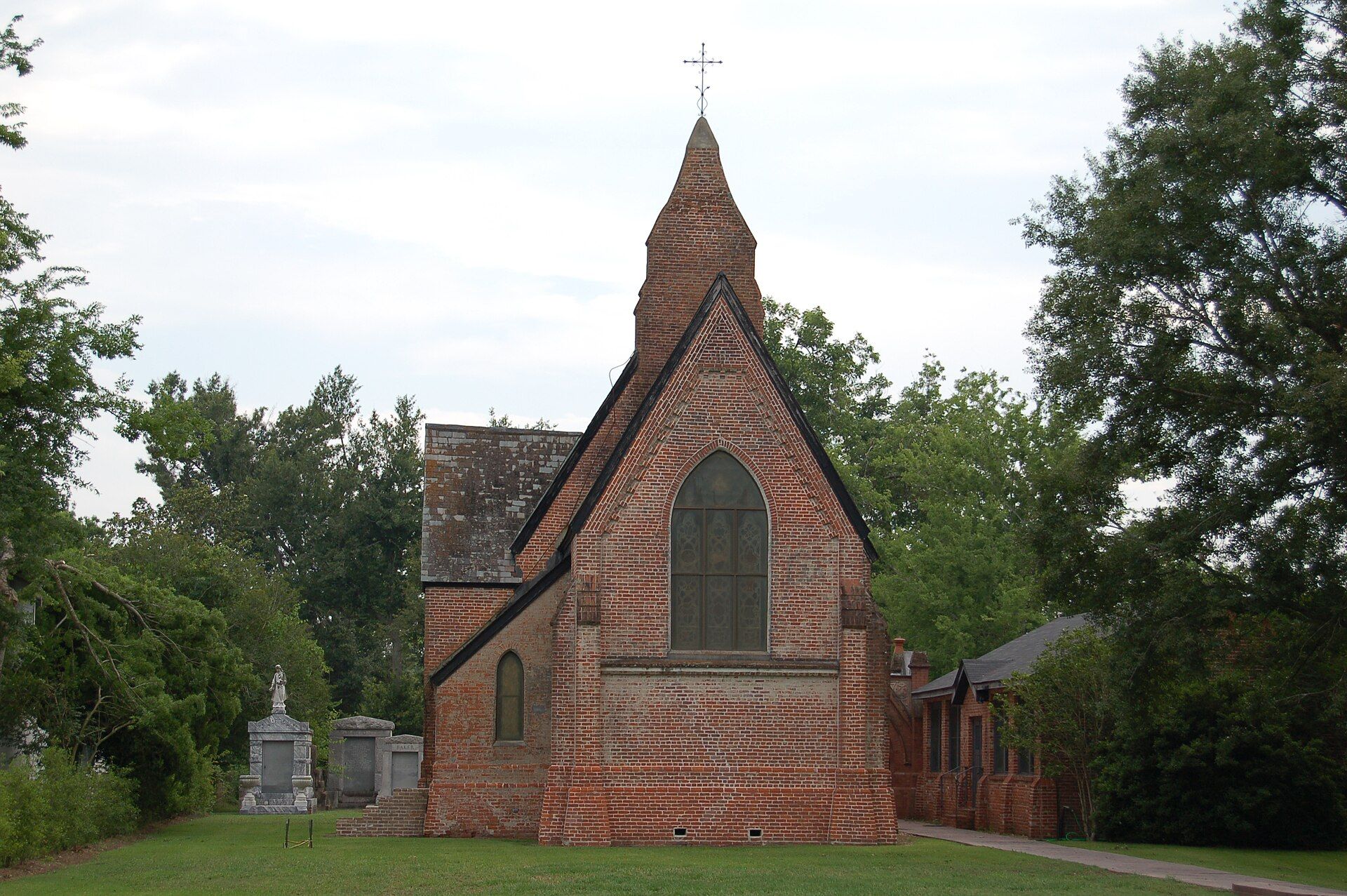
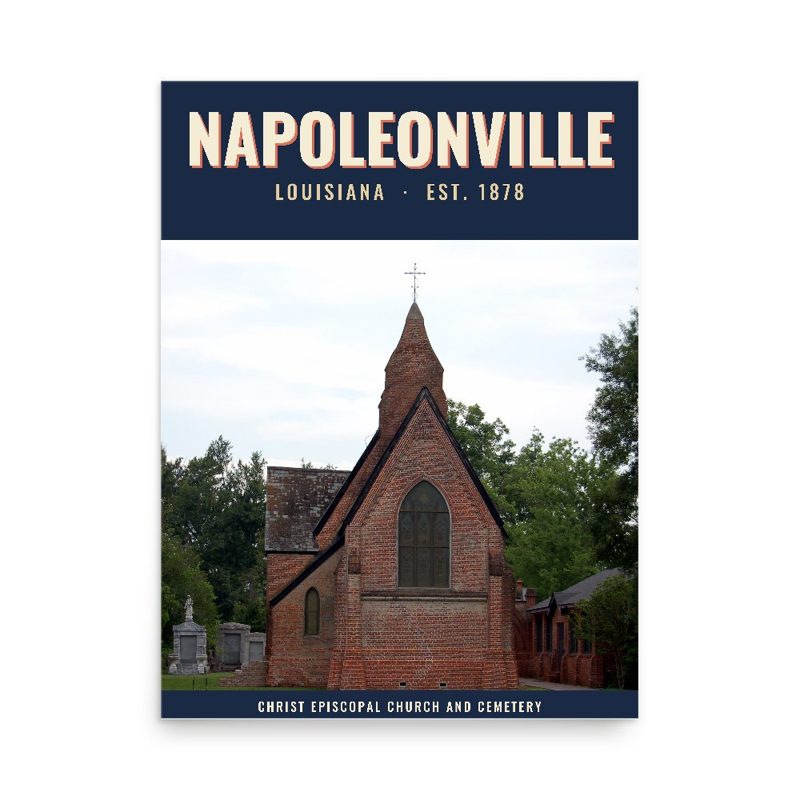
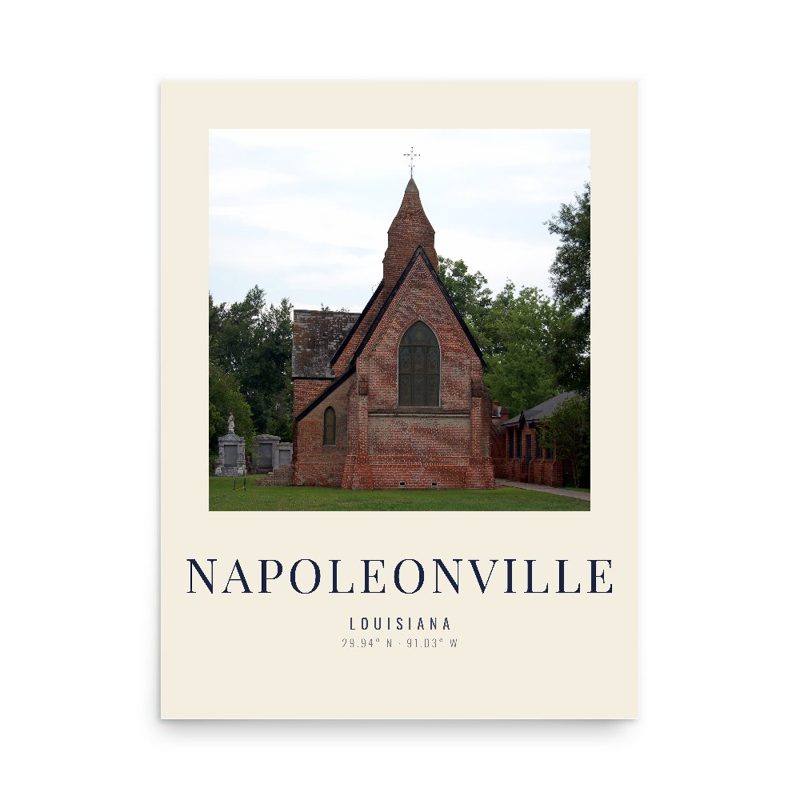
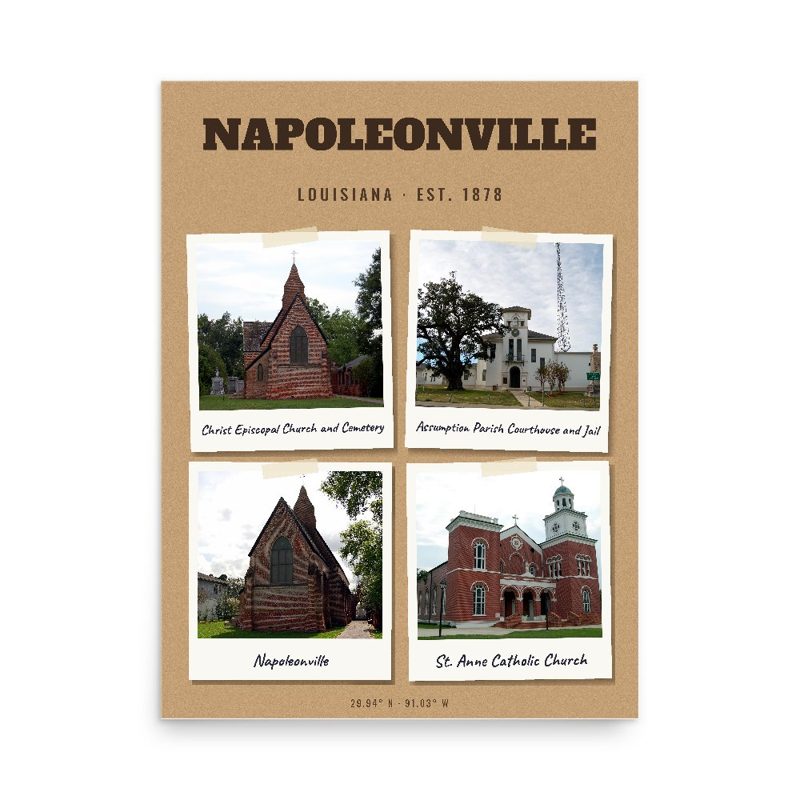
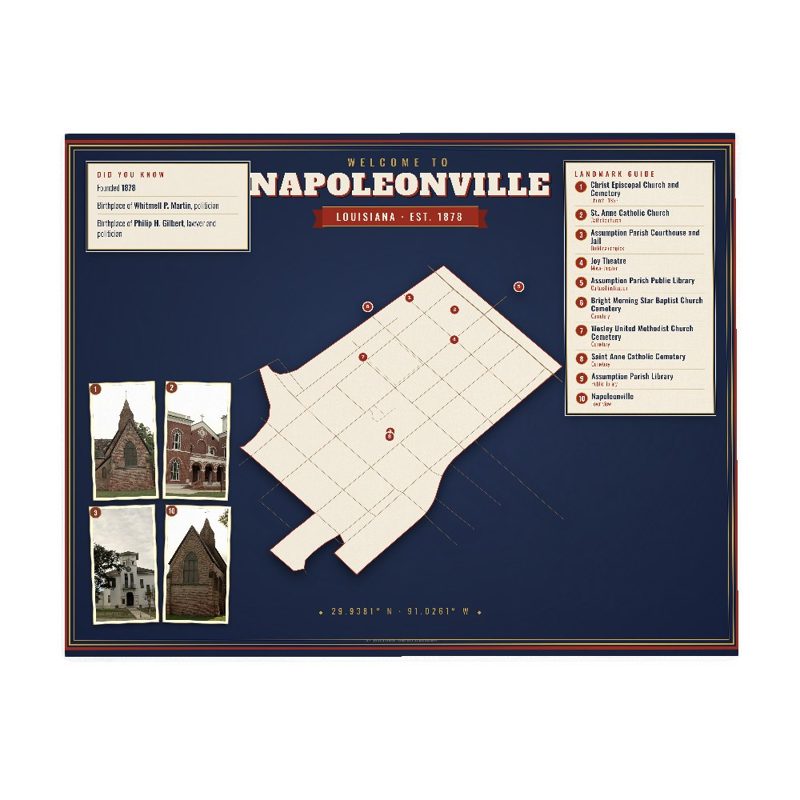


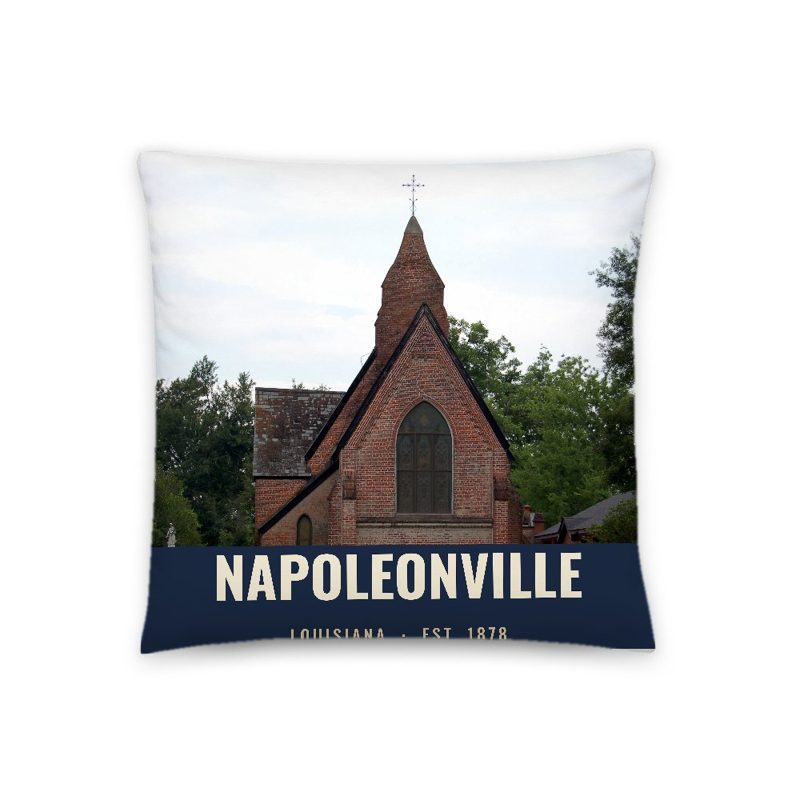
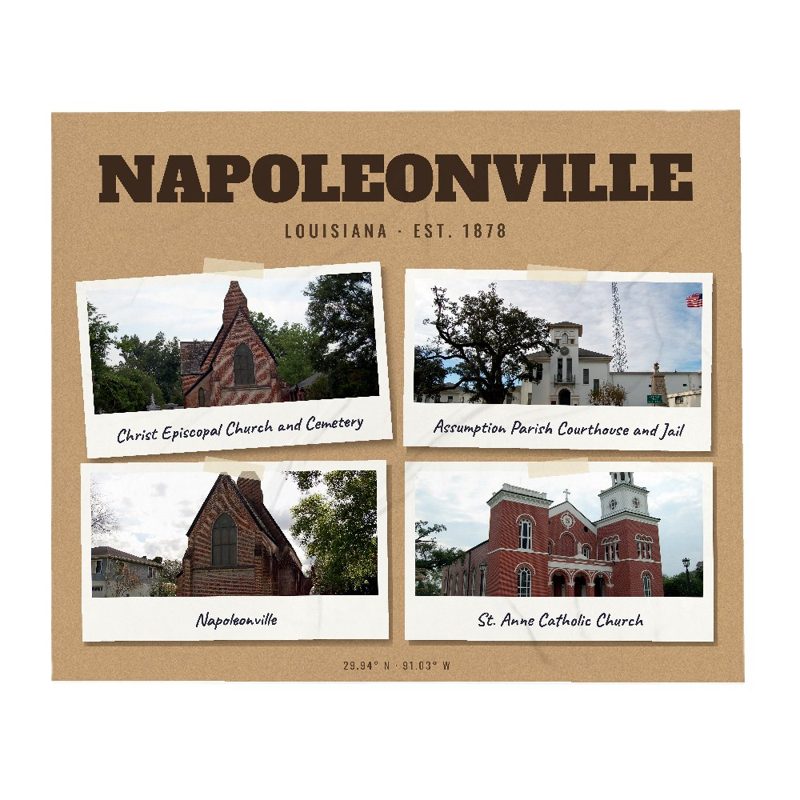
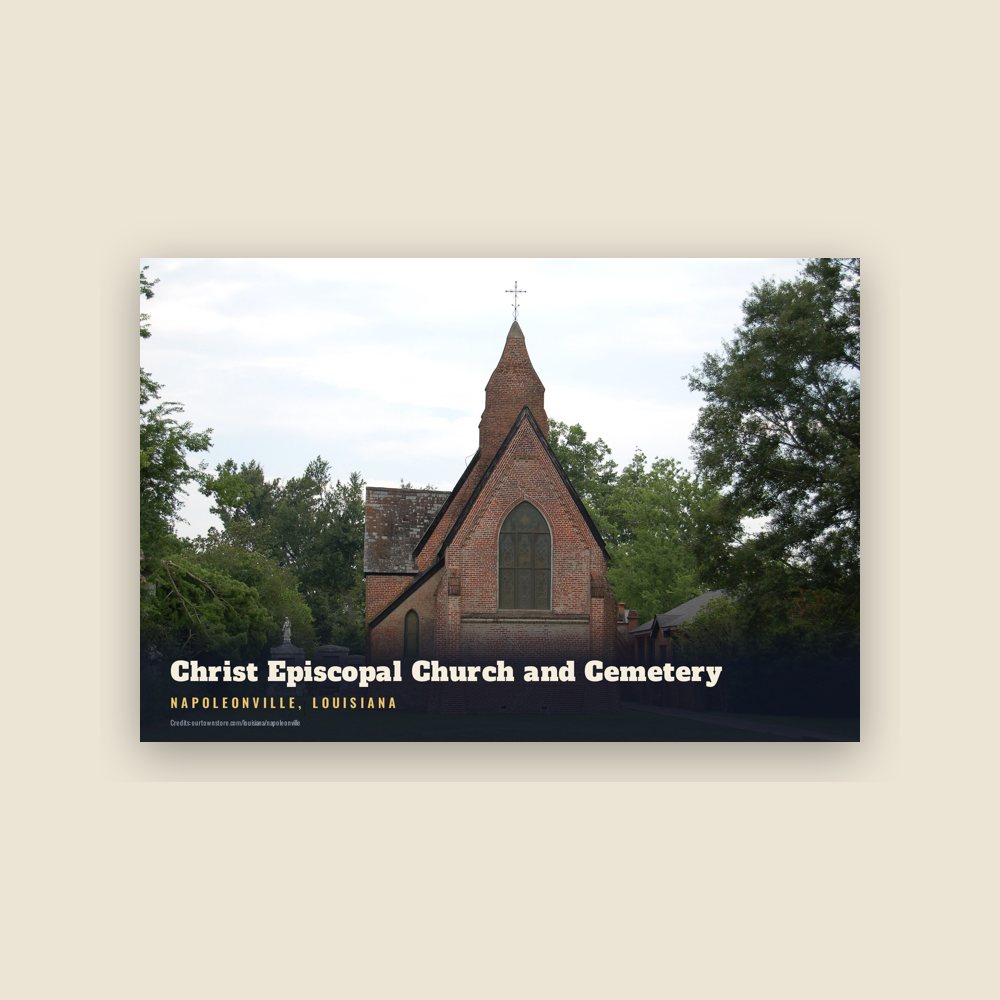
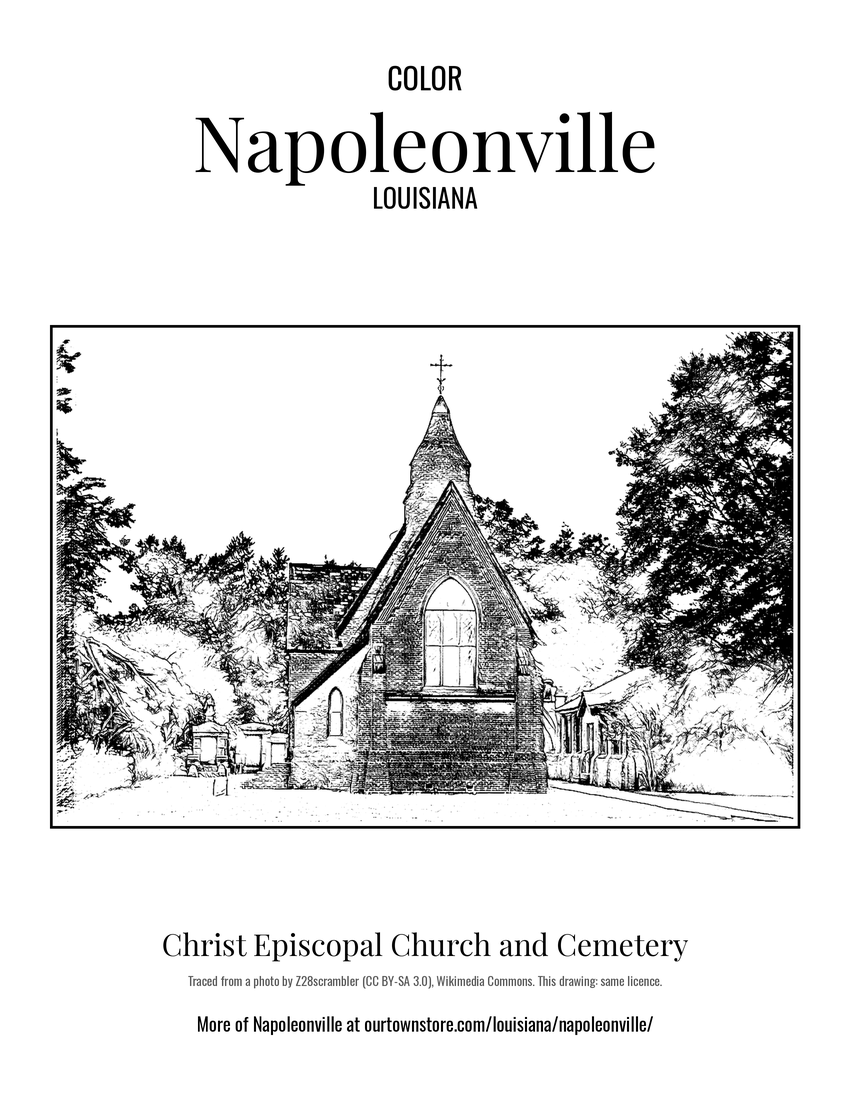 Christ Episcopal Church and Cemetery
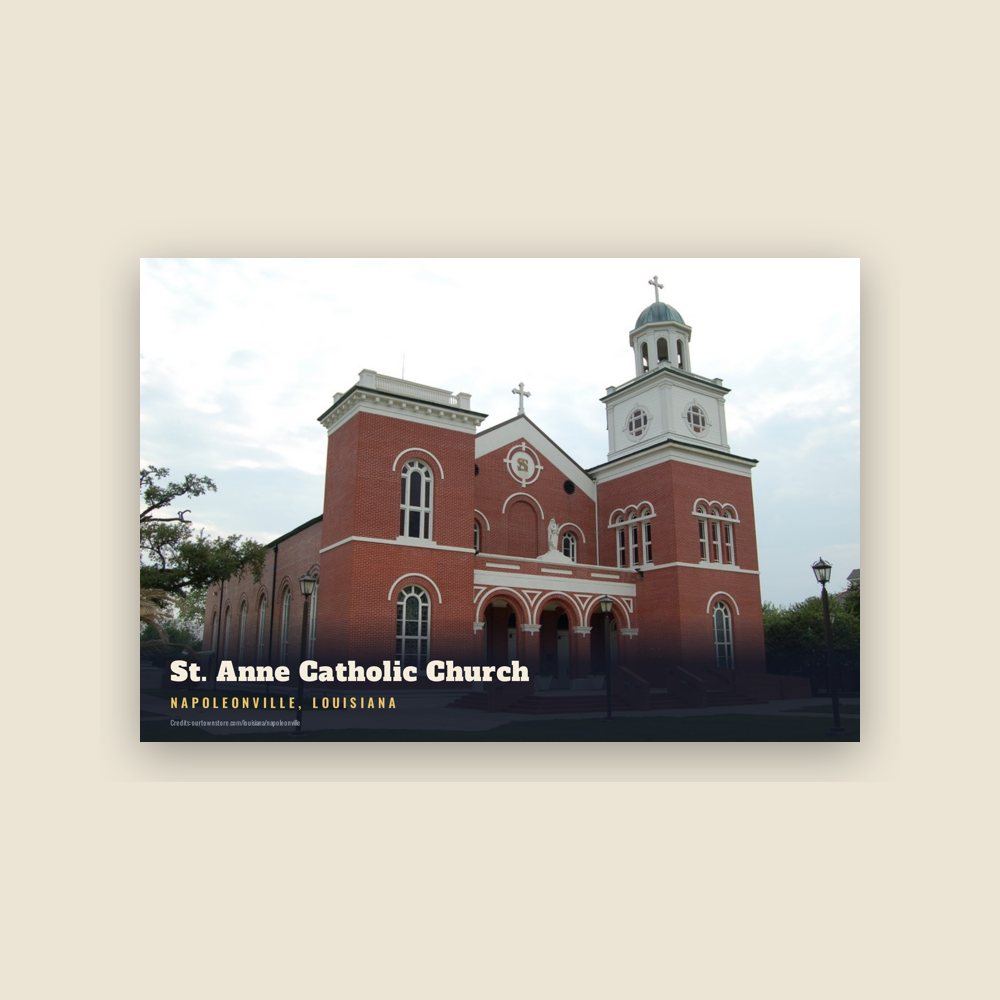
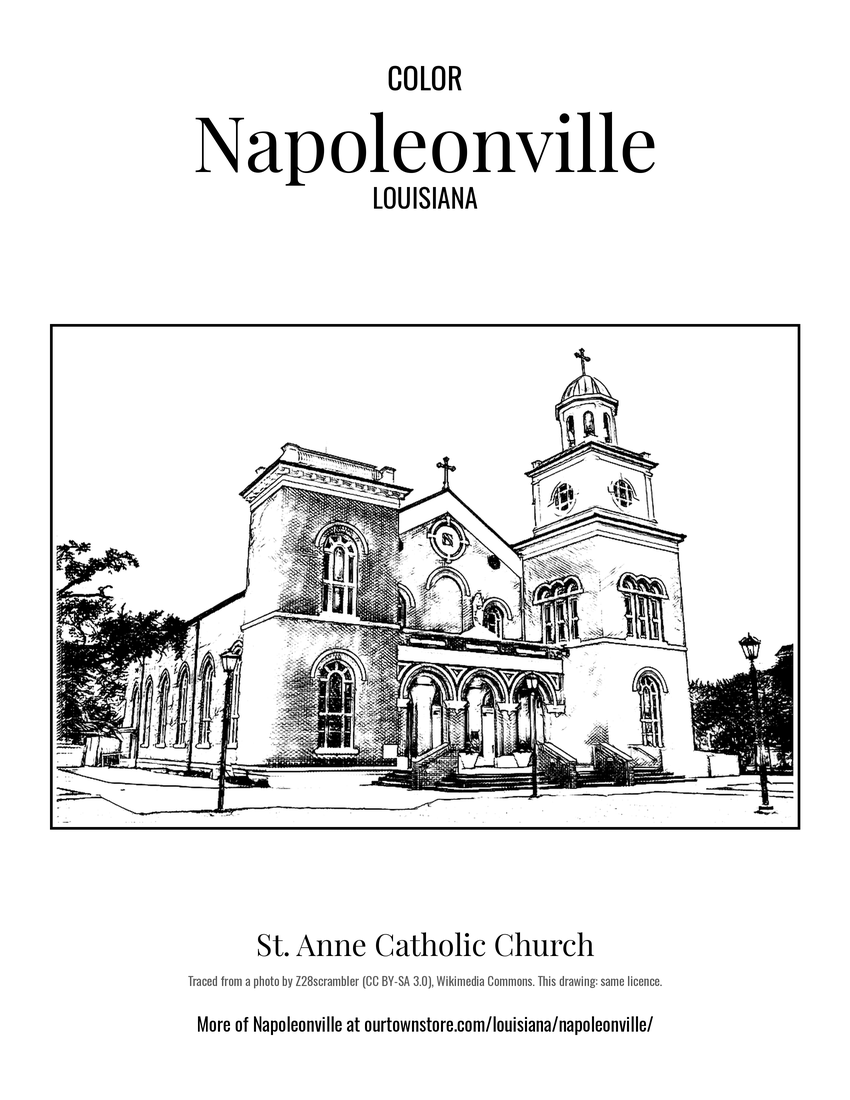 St. Anne Catholic Church
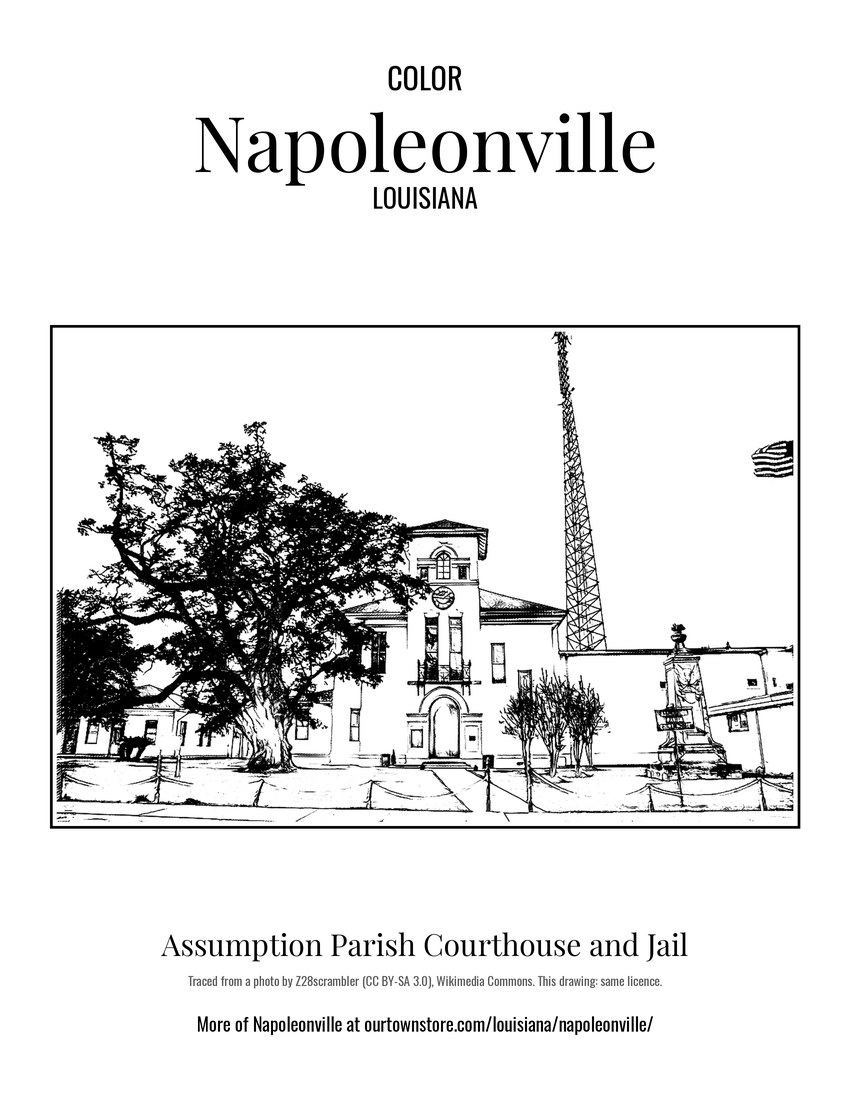 Assumption Parish Courthouse and Jail
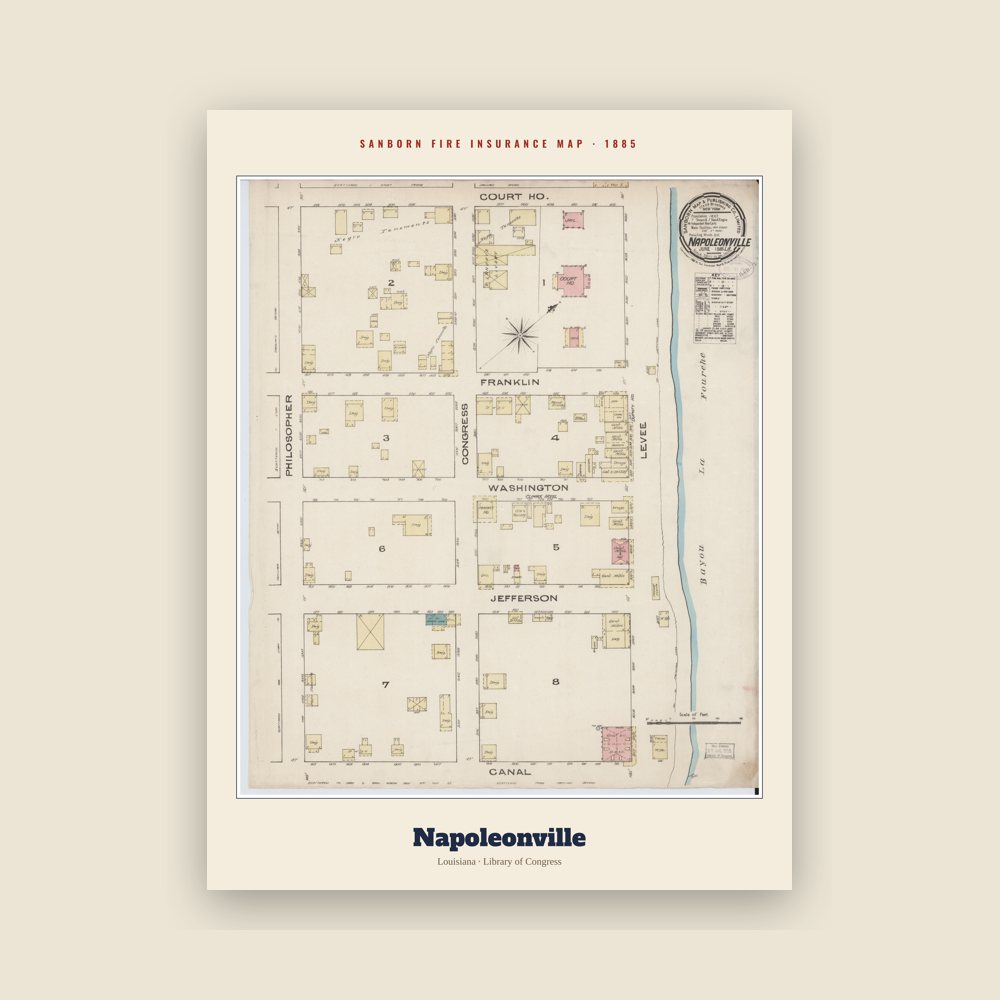
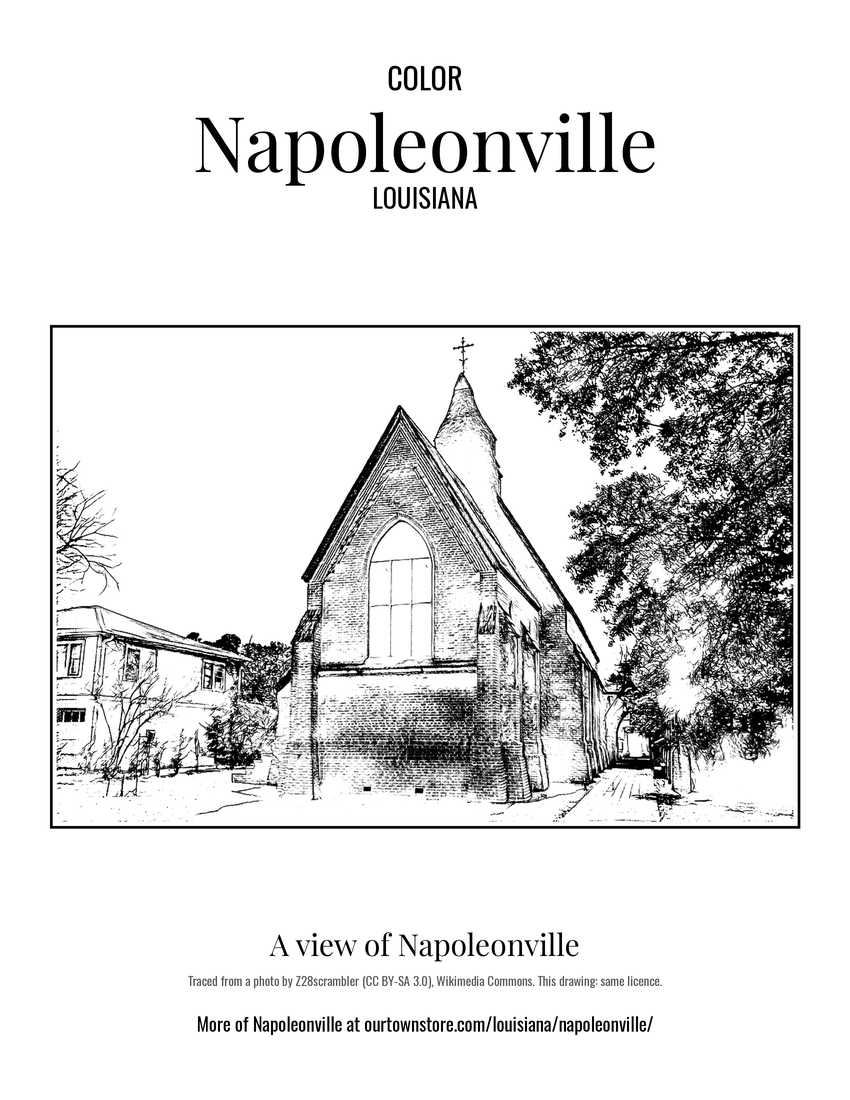 A view of Napoleonville