A short history of Livingston
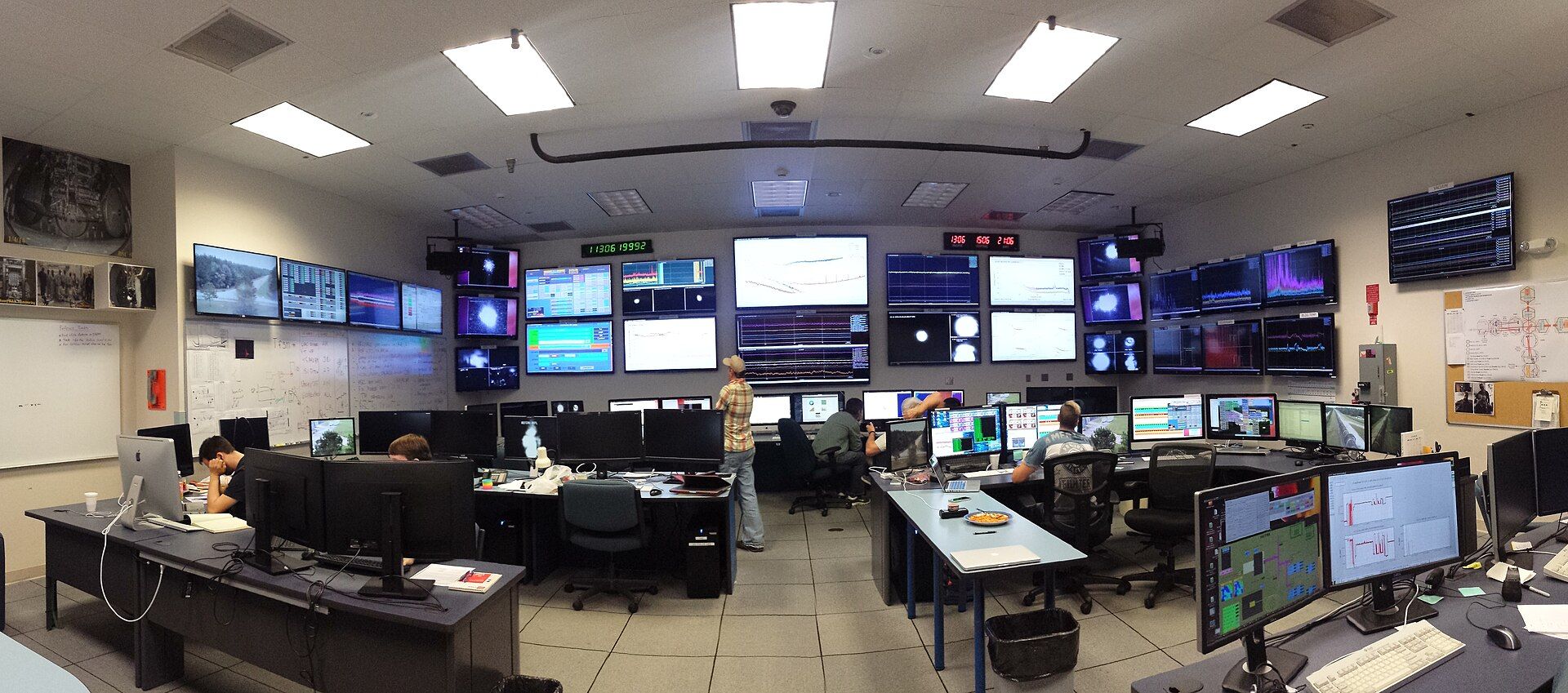
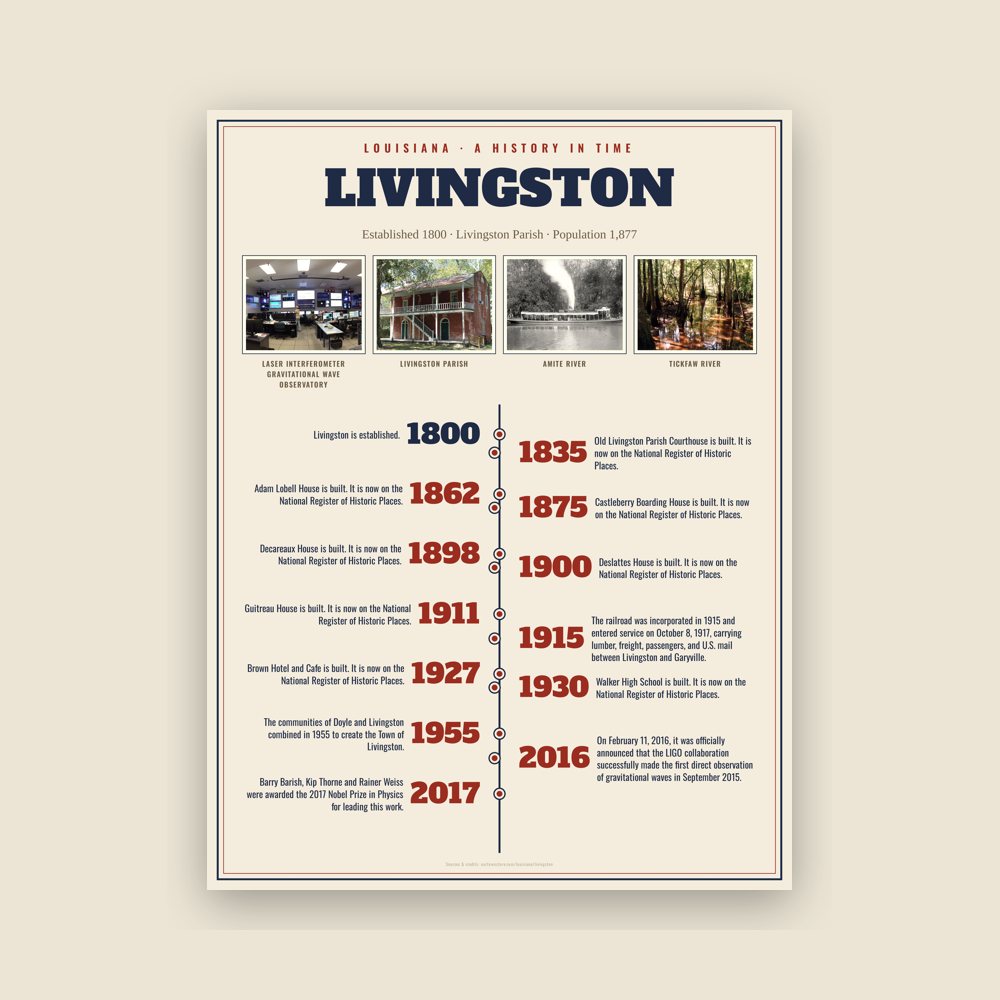
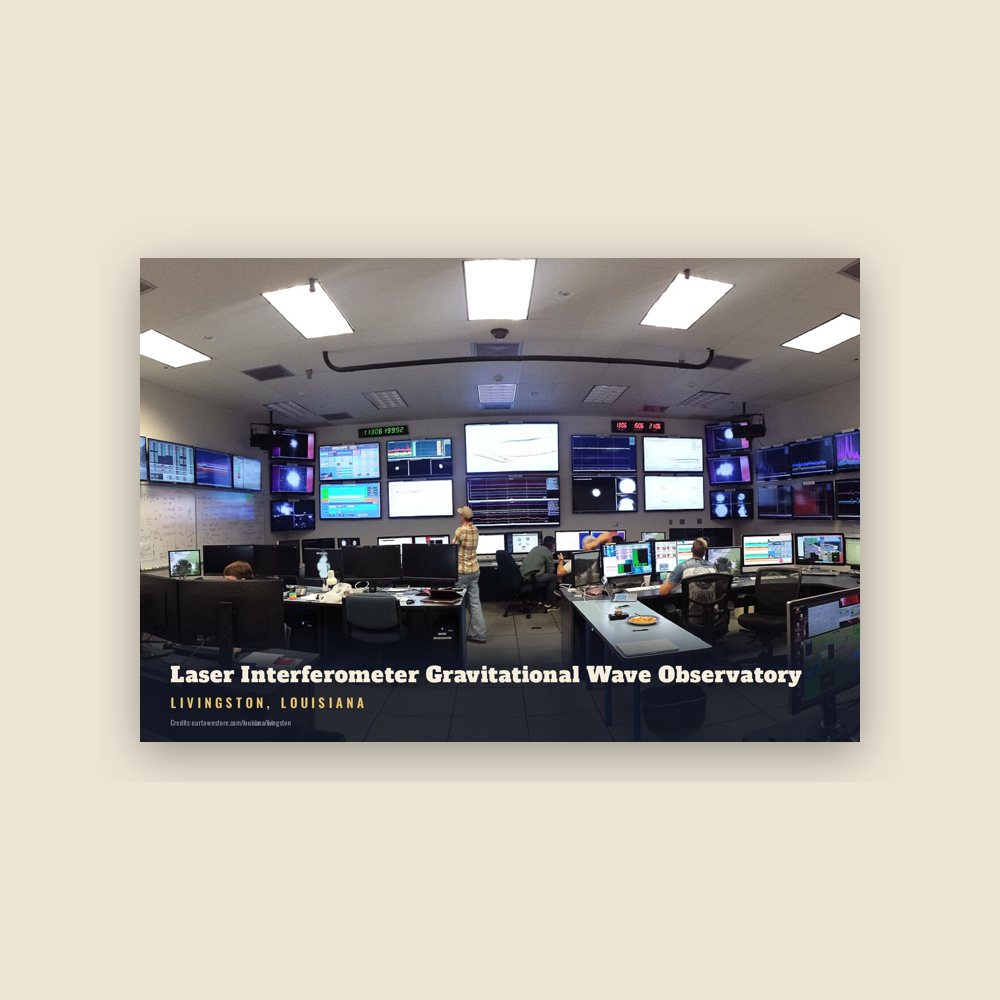
On February 11, 2016, it was officially announced that the LIGO collaboration successfully made the first direct observation of gravitational waves in September 2015. Barry Barish, Kip Thorne and Rainer Weiss were awarded the 2017 Nobel Prize in Physics for leading this work.
The communities of Doyle and Livingston combined in 1955 to create the Town of Livingston. Doyle was established northeast of present-day Livingston in the late 1800's, located on Hog Branch, off present-day North Doyle Road but moved when the railroad was built from Baton Rouge to Hammond, and the community was re-located in 1901 by the McDonald family.
Livingston originated as a company town established by the Lyon Lumber Company during its expansion into the pine forests of Livingston Parish following the conversion of its Garyville mill from cypress to pine production in 1915. To support these new operations, the company extended its logging railroad northward and established Livingston as the northern terminus of the Garyville Northern Railroad. The railroad was incorporated in 1915 and entered service on October 8, 1917, carrying lumber, freight, passengers, and U.S. mail between Livingston and Garyville.
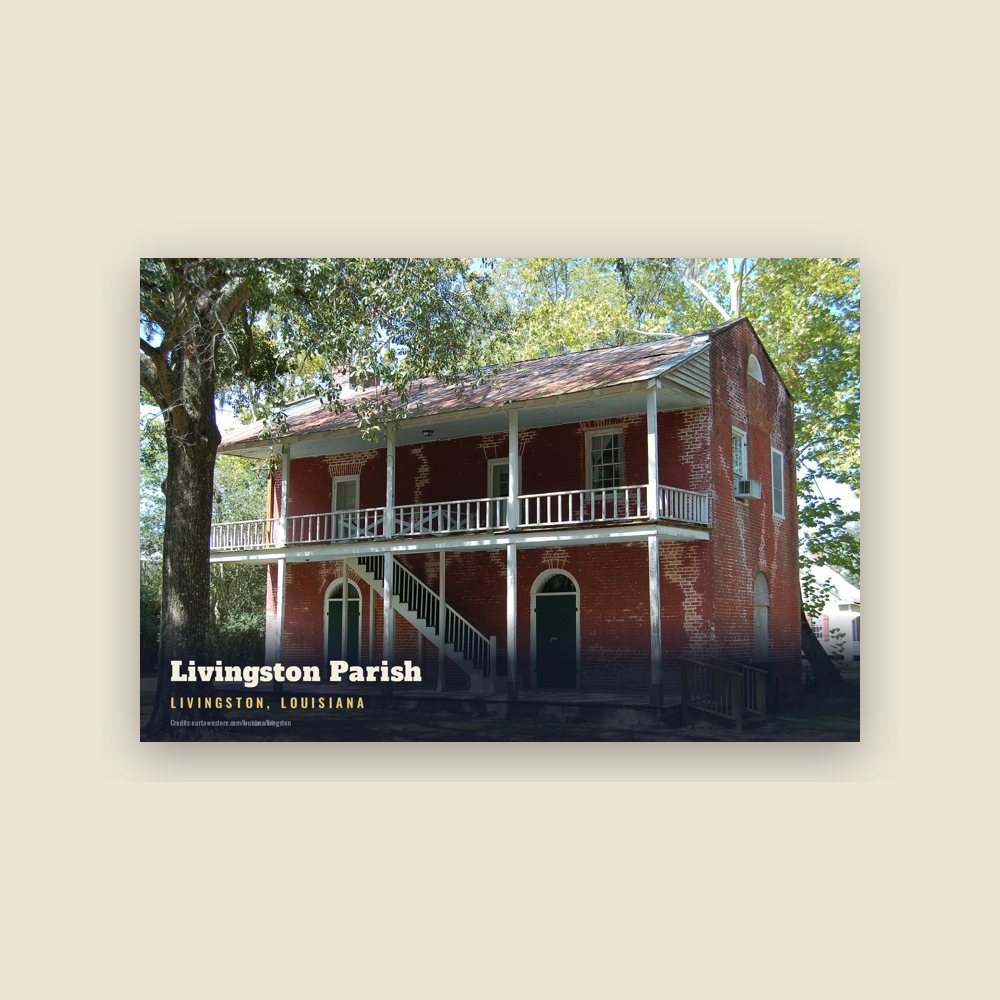
When Livingston was first established, there was a house on every lot, a boardwalk in front of every home, and water wells drilled on each corner so every home would have access to running water. Today, the Catholic Church and less than a dozen homes built by the Lyons Lumber Company are all that is left of the era. During its heyday, there were about 200 homes, and a town square where the present Old Courthouse sits today. All the businesses faced the town square, with all those lots measuring 25 ft wide except the corner lots which were 33 ft. Big Store #2 was on the northwest corner where the present day County Agents office is located and a hotel on the southwest corner where the Old First Baptist Church Parsonage is located. There was a sweet shop, hotel, butcher shop, grocery, barber shop, and other businesses located around the square. There was a black settlement on the opposite side of the Garyville Northern Railroad where the present day Post Office is today with hundreds of workers living there (No records of how many shanty shacks were located there.) and a wheel house to turn the train around where the present day Louisiana Dept of Highway has a maintenance warehouse. There was a huge flow well located there to refill the steam engines. It flowed all the time until sometime in the 1960s, the town, parish or the state capped it off.
When the Lyons Lumber Company sold out in the early 1930s, they sold everything; even the Catholic church in Livingston was sold. Julis Smith, Doctor Tomm, and Mr Tidwell purchased all the holdings, donating the Catholic Church back to the people of Livingston. Mr Stebins, who was the manager of the Lyons Lumber Company Mill at the time, purchased the Town of Garyville, the timber mill, as well as the Garyville Northern Railroad. At some point during the beginning of WW II after America entered the war, he pulled up all the metal rails and sold them for scrap metal and paid off his debt on everything he purchased. Today, the Garyville Northern as the old time locals call it, is now the road bed for Hwy 63 South; however, the road only runs between the Town of Livingston and the community of Verdun; it no longer goes all the way to the Mississippi River where the Town of Garyville is located.
When the Lyons Lumber Company sold out in Livingston, most of the workers moved away. Some had purchased homes, but most were just renting. Most of the homes were torn down because the value of the cypress lumber was worth more than the home itself. Over the past 100-plus years, we have lost most of the buildings built by the Lyons Lumber Company; however, the Town has survived and is growing.
Adapted (trimmed) from the Wikipedia article Livingston, Louisiana, revision 1379128043 by its contributors, licensed CC BY-SA 4.0.
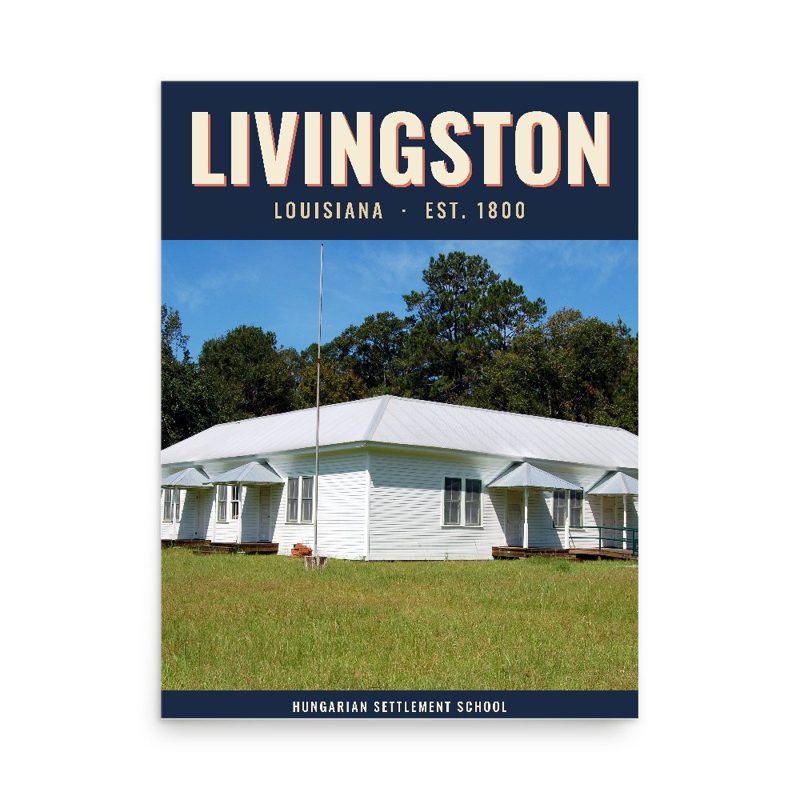
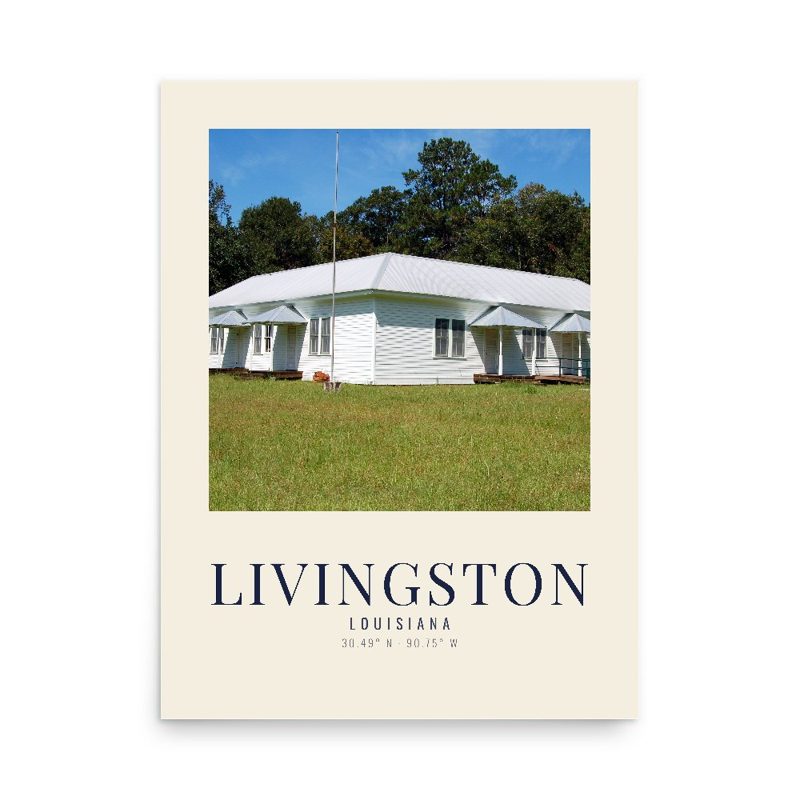
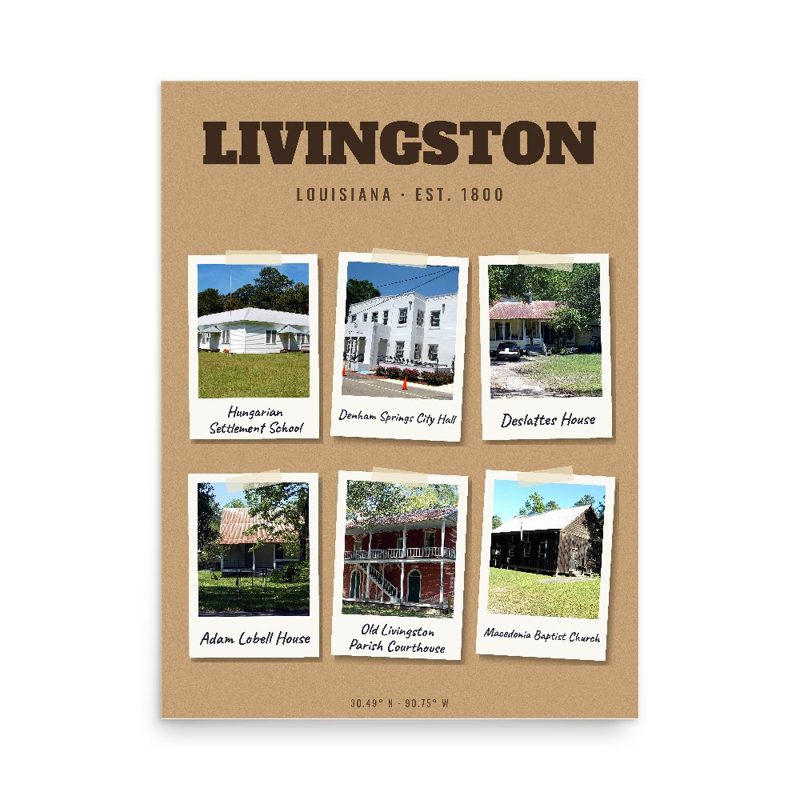
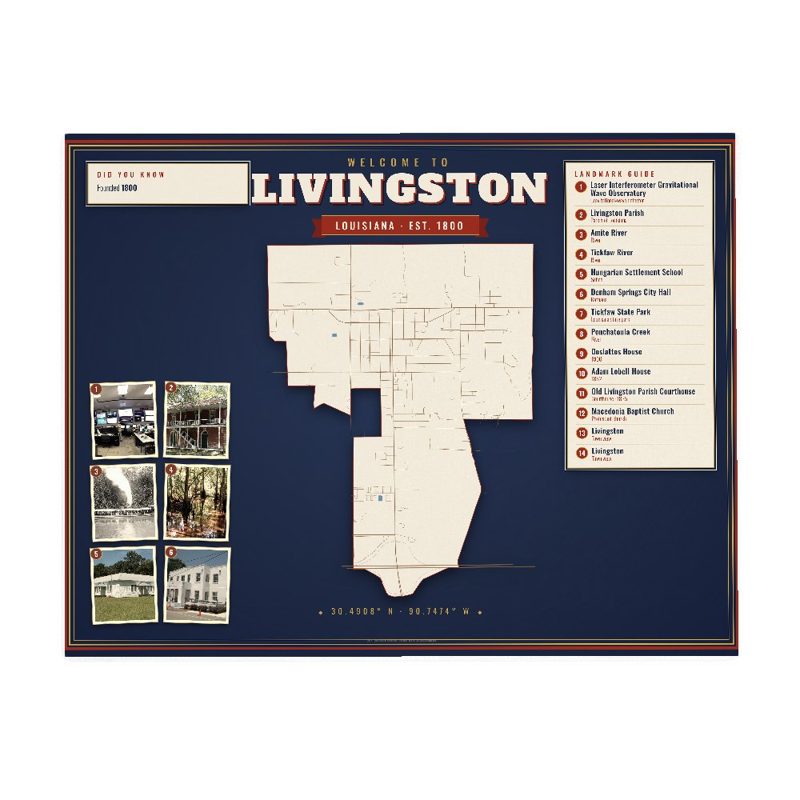


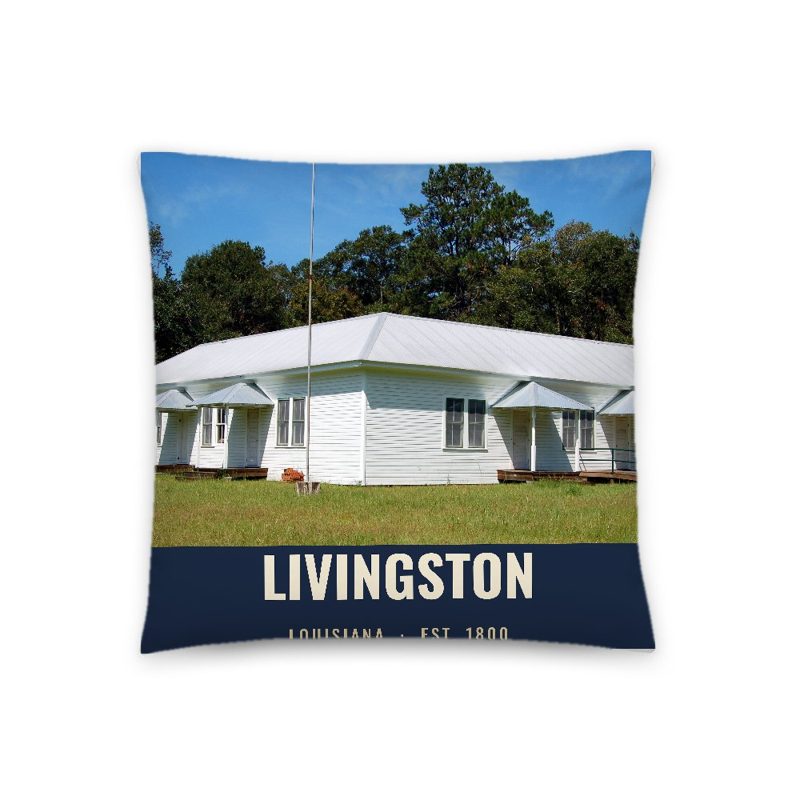


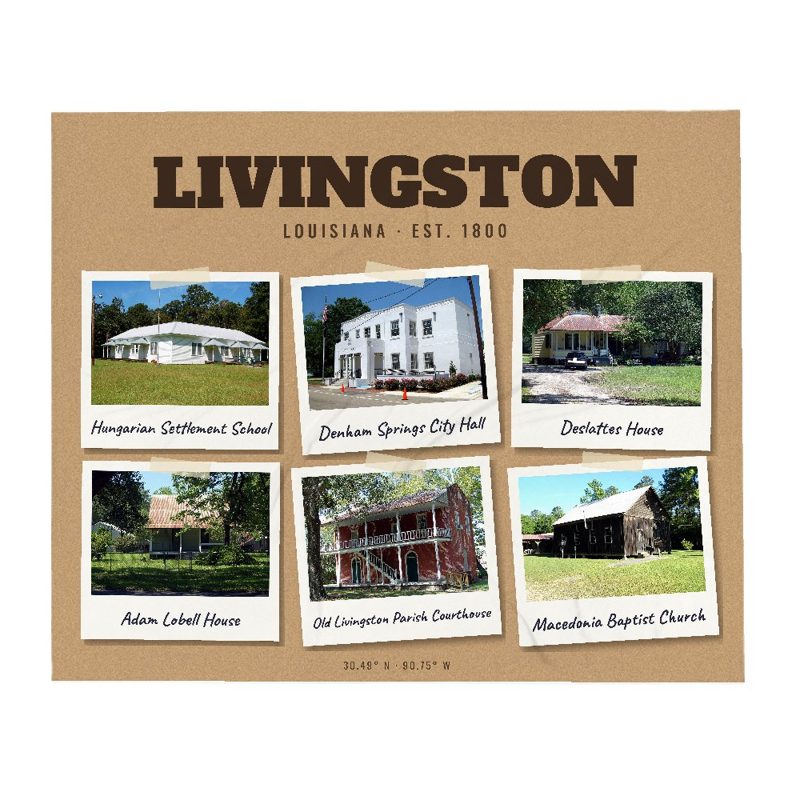
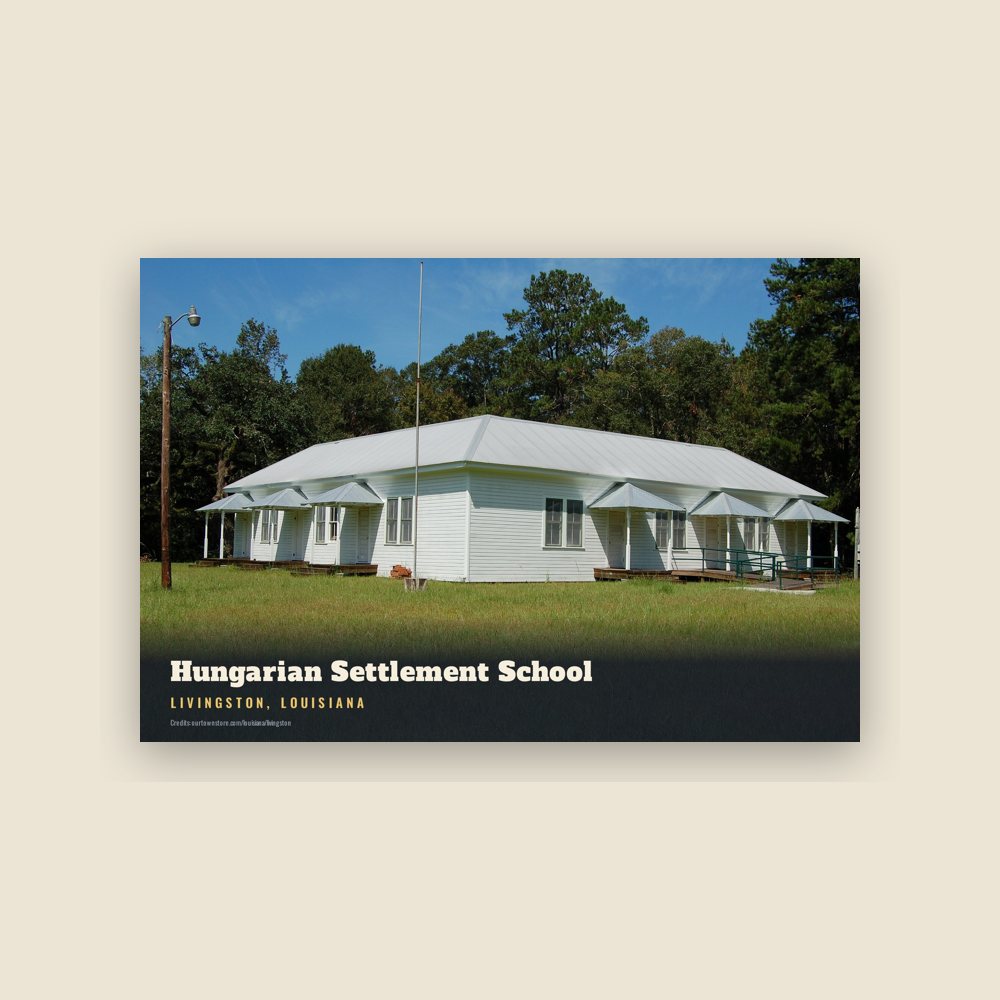
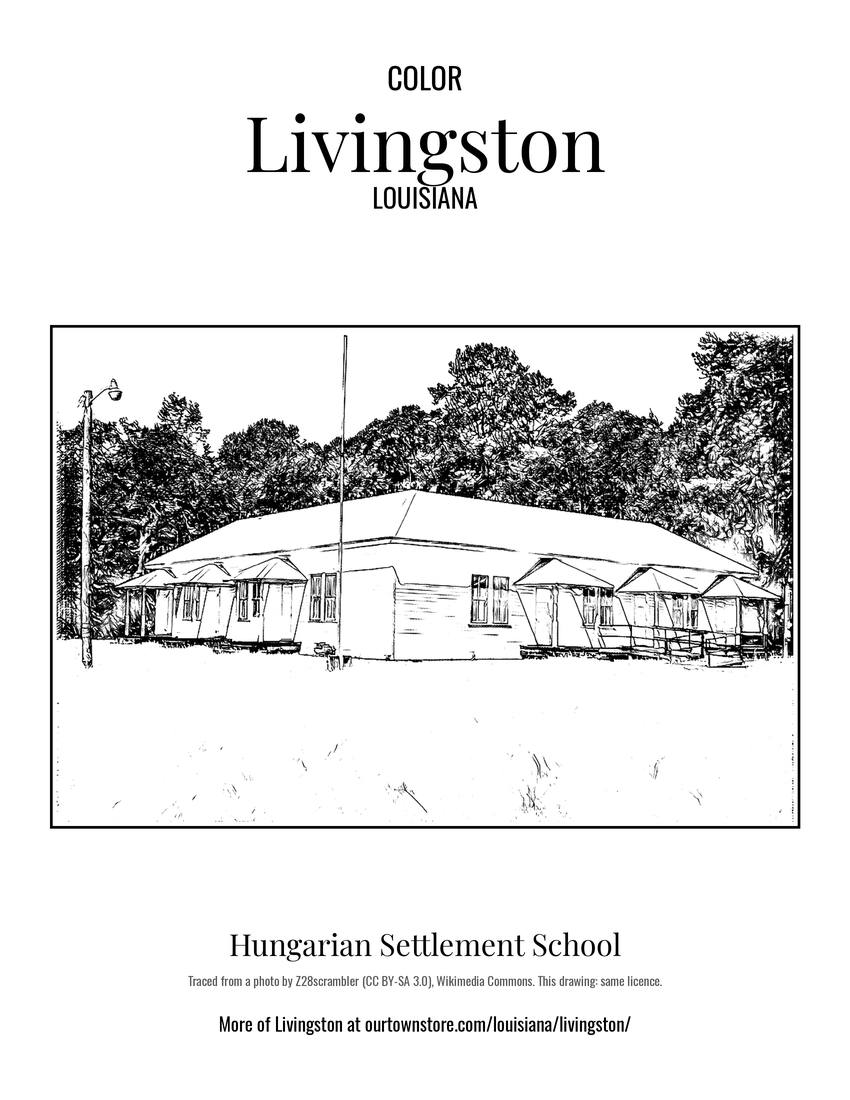 Hungarian Settlement School
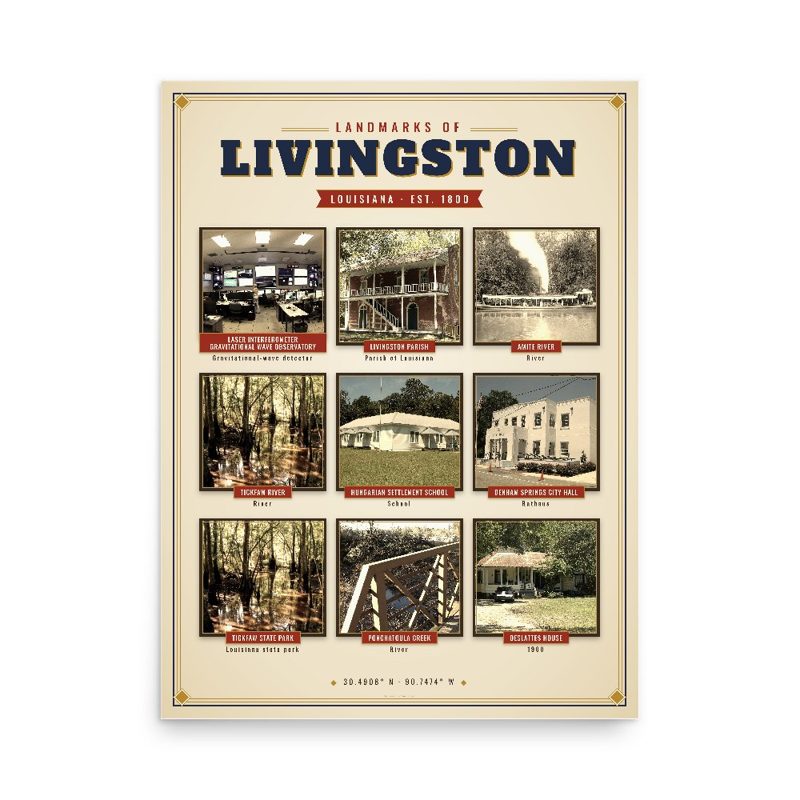
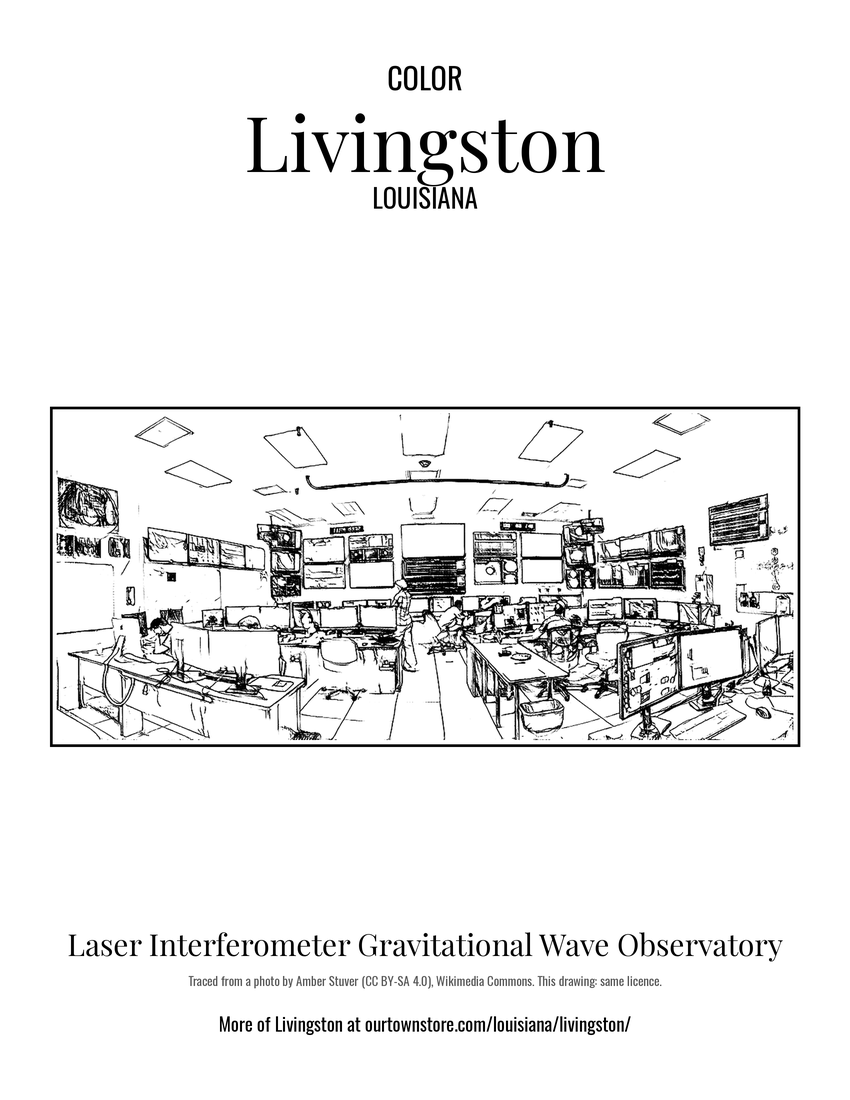 Laser Interferometer Gravitational Wave Observatory
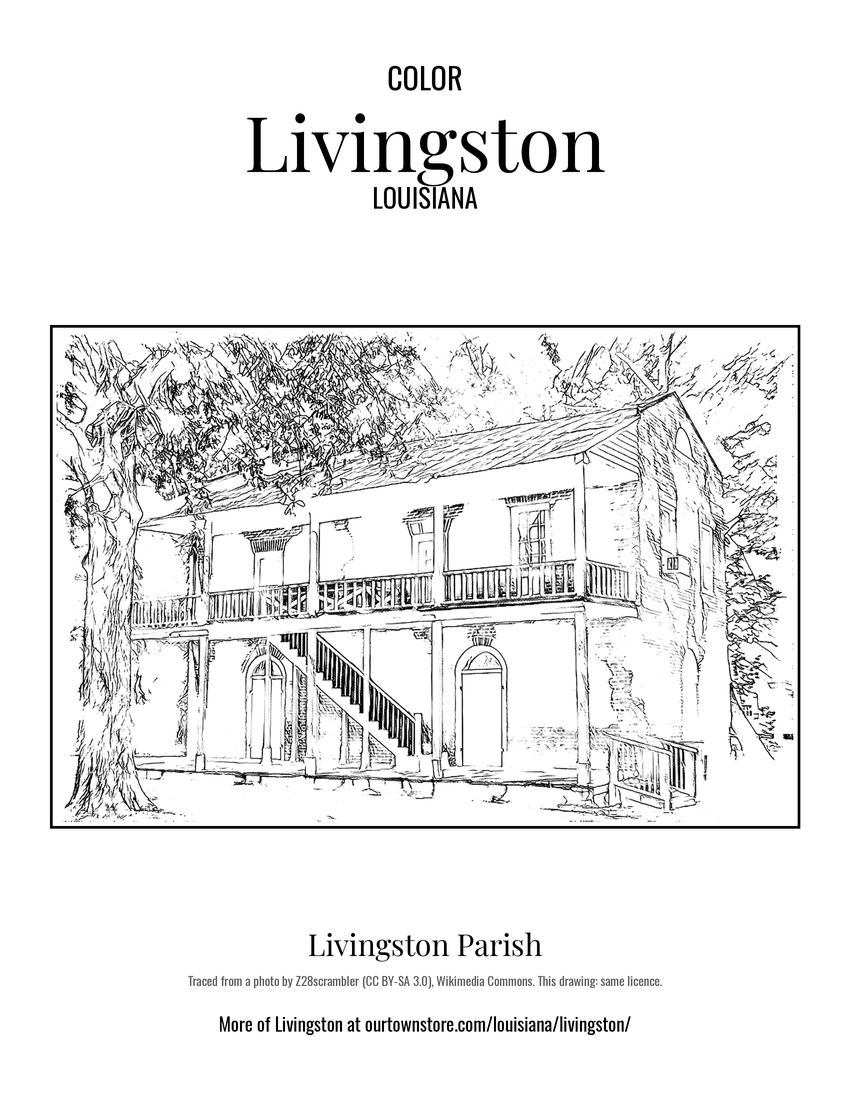 Livingston Parish
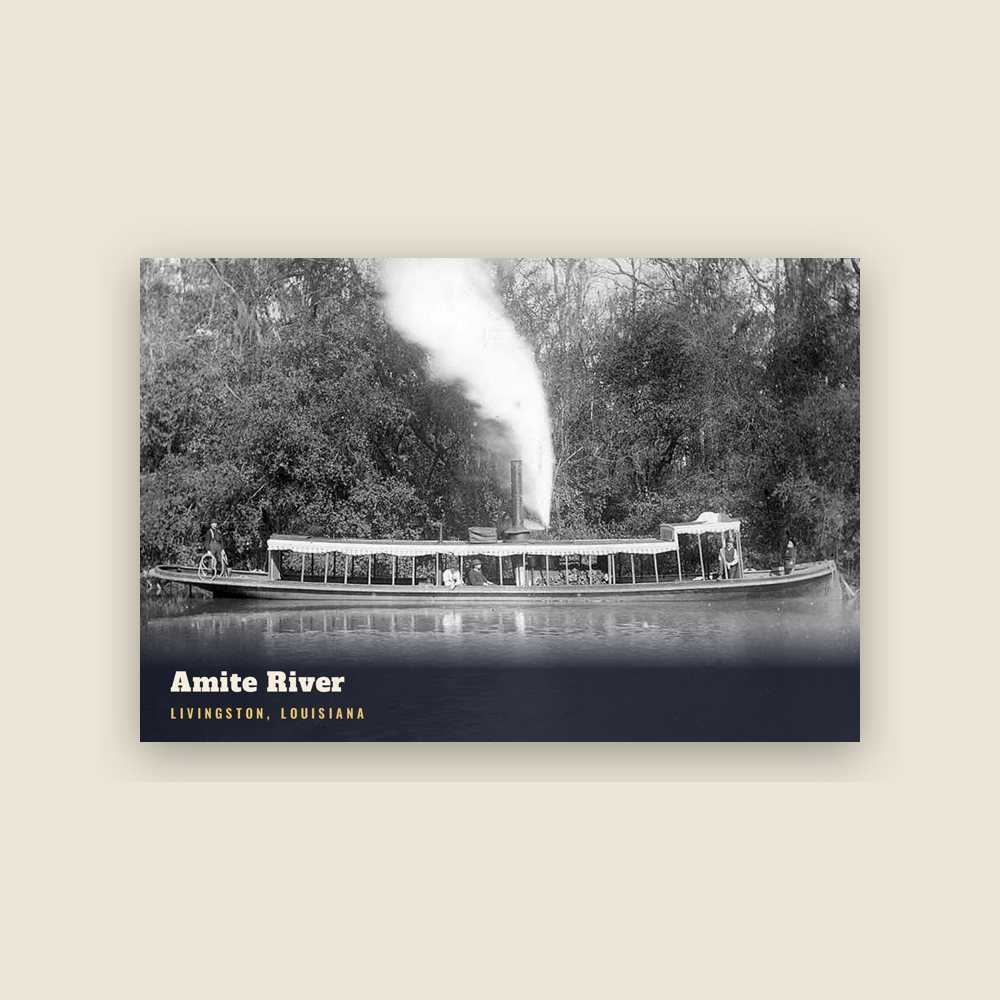
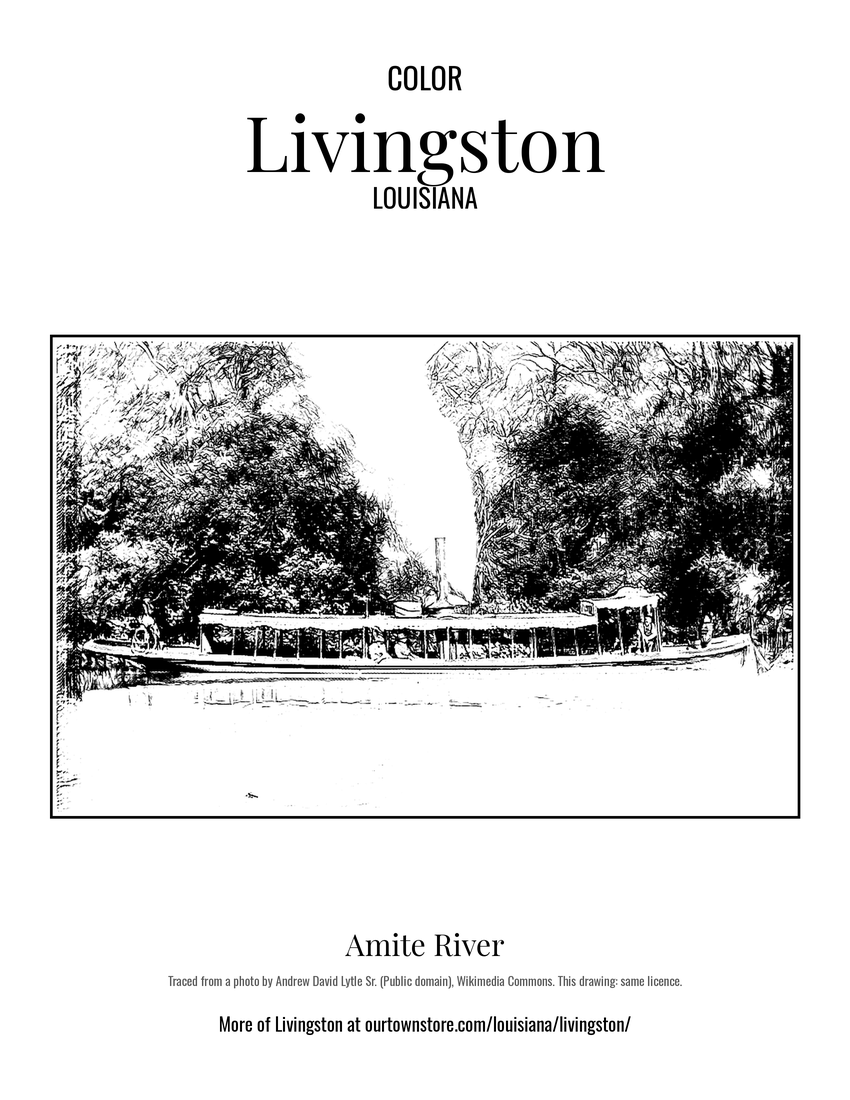 Amite River