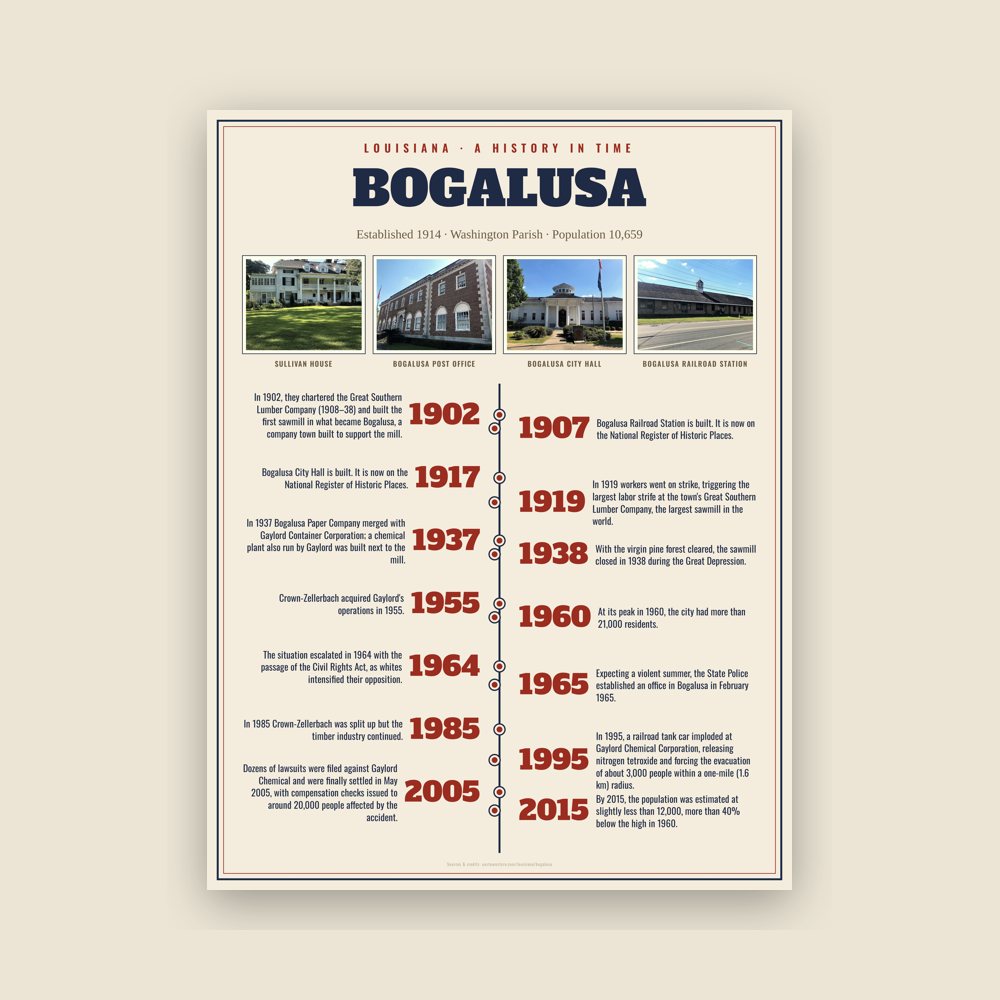
Incorporated in 1914, Bogalusa is one of the youngest towns in Louisiana. It was founded by Frank Henry Goodyear and Charles Waterhouse Goodyear, lumber barons of Buffalo, New York. In the early 1900s, the brothers bought hundreds of thousands of acres of virgin Longleaf pine forests in southeastern Louisiana and southwestern Mississippi for the timber and further their strategy to build railroad spurs to bring the wood to market. In 1902, they chartered the Great Southern Lumber Company (1908–38) and built the first sawmill in what became Bogalusa, a company town built to support the mill. The sawmill was the largest in the world at the time. The Goodyear interests built the city of Bogalusa to house workers and supervisors, and associated infrastructure. They also built the Great Northern New Orleans Railroad to New Orleans to transport their lumber and products to market.
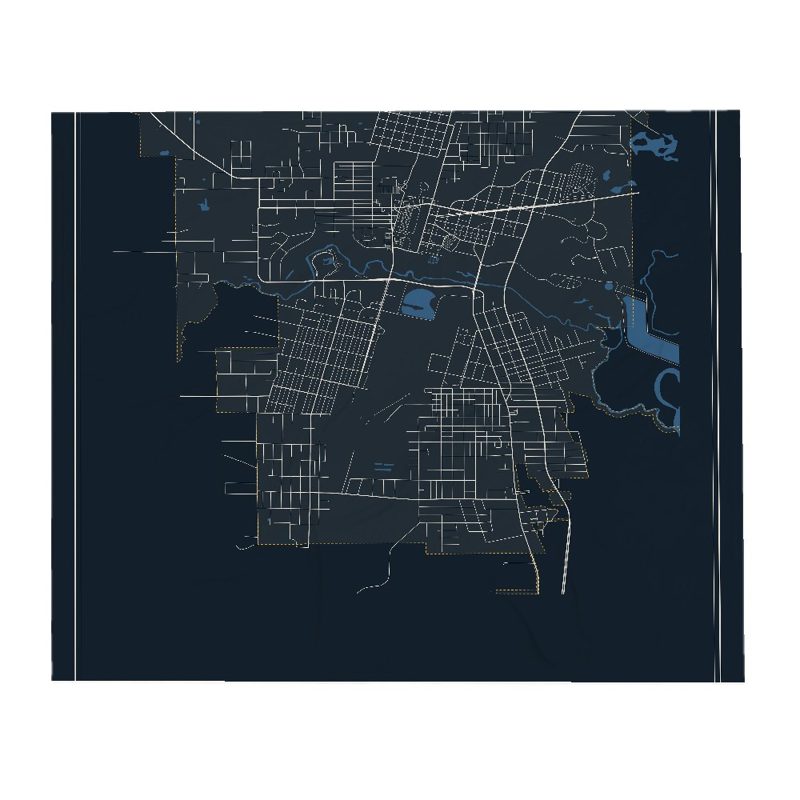
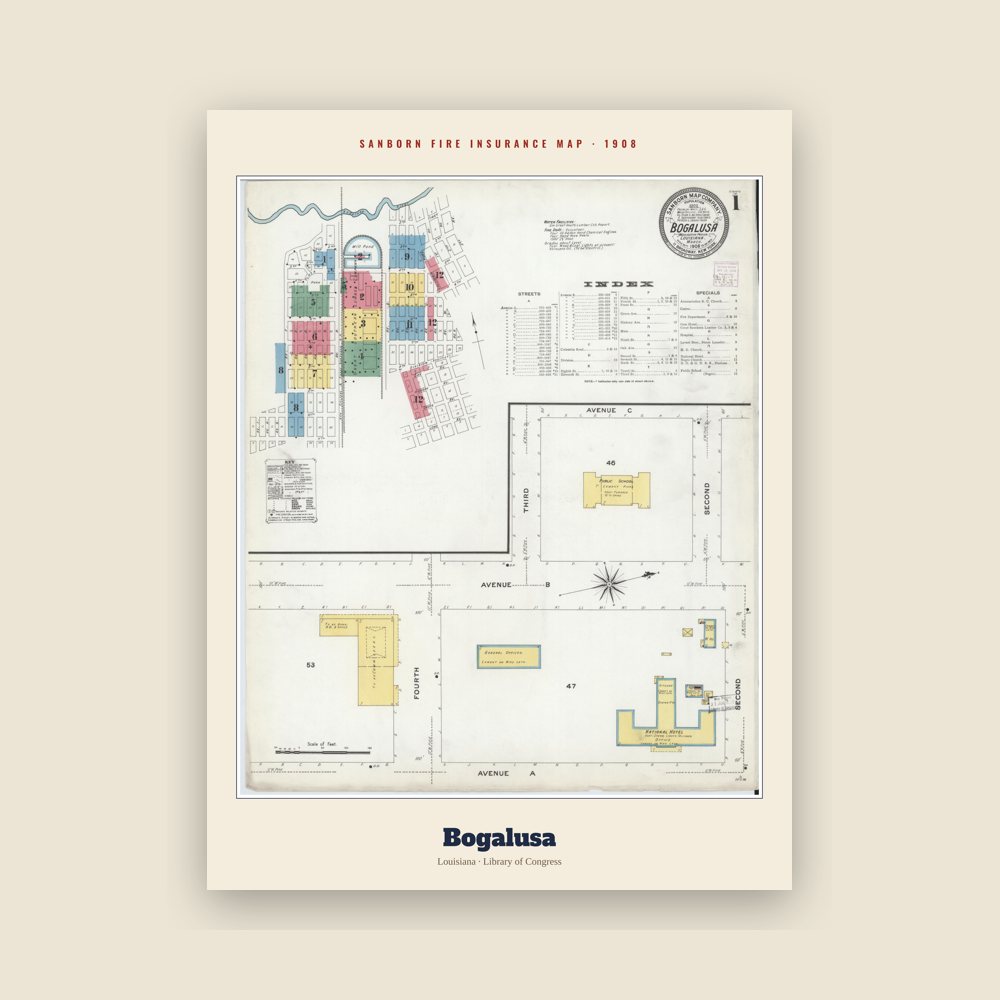
The city, designed by architect Rathbone DeBuys of New Orleans and built from the ground up in less than a year, had several hotels, schools, a hospital, a YMCA and YWCA, churches of all faiths, and houses for the mill workers. The town was laid out with the "Mill Town" on the south side and "Commercial Town" on the north side, altogether there were four quadrants with racially segregated neighborhoods defined by the railroad running north–south and Bogue Lusa Creek running east–west. It was called the "Magic City" in praise of its rapid construction. The manager of Great Southern Lumber Company was William H. Sullivan. As sawmill manager, he acted as town boss when the city was built. After Bogalusa was incorporated as a city on July 4, 1914, Sullivan was elected as mayor by white voters (blacks had been disenfranchised), and repeatedly re-elected, serving until his death on June 26, 1929.
The Great Southern Lumber Company's sprawling sawmill produced up to a million board feet (2400 m3) of lumber each day. With the virgin pine forest cleared, the sawmill closed in 1938 during the Great Depression. An attempt to keep the sawmill open with California redwood proved too costly, and the mill was closed. It was replaced by the Bogalusa Paper Company (a subsidiary of Great Southern). In 1937 Bogalusa Paper Company merged with Gaylord Container Corporation; a chemical plant also run by Gaylord was built next to the mill. Crown-Zellerbach acquired Gaylord's operations in 1955. The paper mill and chemical operations continued to anchor the city's economy.
At its peak in 1960, the city had more than 21,000 residents. In 1985 Crown-Zellerbach was split up but the timber industry continued.
Read the full history
Racial conflicts
In 1919 workers went on strike, triggering the largest labor strife at the town's Great Southern Lumber Company, the largest sawmill in the world. Company owners supported a white militia group and brought in Black strikebreakers, increasing racial tension. Events culminated in the Bogalusa sawmill killings which saw four union men killed. On August 31, 1919, Black veteran Lucius McCarty was accused of assaulting a white woman and a mob of some 1,500 people seized McCarty and shot him more than 1,000 times. The mob then dragged his corpse behind a car through the black neighborhoods before burning his body in a bonfire.
Civil rights era
Industrial workers of both races arrived in the company town for employment from the early 20th century onwards. Following their return from World War II, African-American veterans faced significant challenges due to racial discrimination and violence in Louisiana and the broader South. They contended with the enduring legacy of Jim Crow laws, state-enforced segregation, and systemic disenfranchisement and political exclusion, issues that had persisted since the turn of the 20th century.
During the civil rights era, African-American employees at Crown Zellerbach in Bogalusa campaigned for equal employment opportunities, including access to all job positions and advancements into supervisory roles. This push for equality met resistance from white coworkers. Additionally, the African-American community advocated for the integration of public facilities in Bogalusa, particularly following the enactment of the Civil Rights Act of 1964, facing opposition from segments of the local population.
The struggle against racial discrimination extended beyond black workers challenging the industrial class system. Local Ku Klux Klan members exerted their influence by intimidating civil rights activists. The situation escalated in 1964 with the passage of the Civil Rights Act, as whites intensified their opposition. Lou Major, publisher of Bogalusa Daily News, became a notable target, experiencing a cross burning in his yard by the Klan, a stark manifestation of the Klan's efforts to silence advocates for equality and justice.
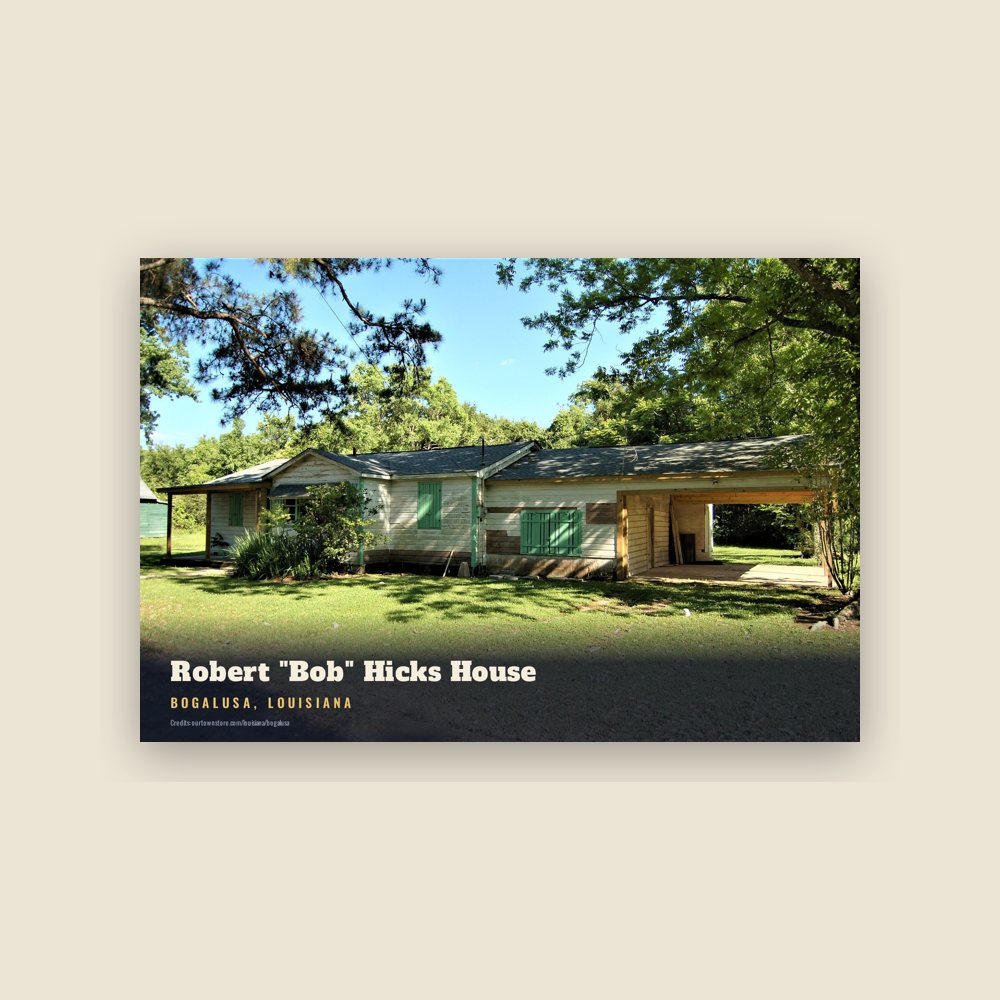
Determined to fight for their rights, Bob Hicks, Charles Sims, A.Z. Young, and others had taken leadership of the (all-black) Bogalusa Civic and Voters' League. On February 21, 1965, with the help of three activists from the Deacons for Defense and Justice based in Jonesboro, Louisiana, they founded the first affiliated chapter of that African-American self-defense organization. Other leaders of the Deacons were Bert Wyre, Aurilus “Reeves” Perkins, Sam Bonds, Fletcher Anderson, and others. They mobilized many war veterans within the black community to provide armed security to civil rights activists and their families. Expecting a violent summer, the State Police established an office in Bogalusa in February 1965.
...the community came to embrace the militant rhetoric of the Jonesboro Deacons. Many violent conflicts ensued under this ideology and culminated in a climactic summer in 1965. Consequently, the black workers’ militancy threatened not only the power of the middle class blacks, but also the political and economic hegemony of the white power structure in Bogalusa. Except for a few noteworthy courtroom "victories" versus Crown-Zellerbach, threatening the power structure was virtually the struggle's only effect as the white power structure subsumed the militancy and rhetoric of the revolutionary Bogalusans."
Two of the most notable murders of African Americans that took place in Bogalusa during the civil rights era were Oneal Moore, who was killed in 1965, the first black deputy sheriff hired for the Washington Parish Sheriff's Office, and Clarence Triggs, who was killed in 1966.
1970 to present
With changes in the lumber industry, through the late 20th century, after 1960, a steady decline in industrial operations, jobs, and associated population of the town occurred. By 2015, the population was estimated at slightly less than 12,000, more than 40% below the high in 1960. These conditions have made it more difficult for remaining residents.
In 1995, a railroad tank car imploded at Gaylord Chemical Corporation, releasing nitrogen tetroxide and forcing the evacuation of about 3,000 people within a one-mile (1.6 km) radius. Residents say "the sky turned orange" as a result. Emergency rooms filled with about 4,000 people who complained of burning eyes, skin, and lungs. Dozens of lawsuits were filed against Gaylord Chemical and were finally settled in May 2005, with compensation checks issued to around 20,000 people affected by the accident.
On August 29, 2005, Hurricane Katrina hit the city with winds of about 110 mph (175 km/h), downing numerous trees and power lines. Many buildings in Bogalusa were damaged from falling trees, and several were destroyed. Most of the houses, businesses, and other buildings suffered roof damage from the storm's ferocious winds. Some outlying areas of the city were without power for more than a month.

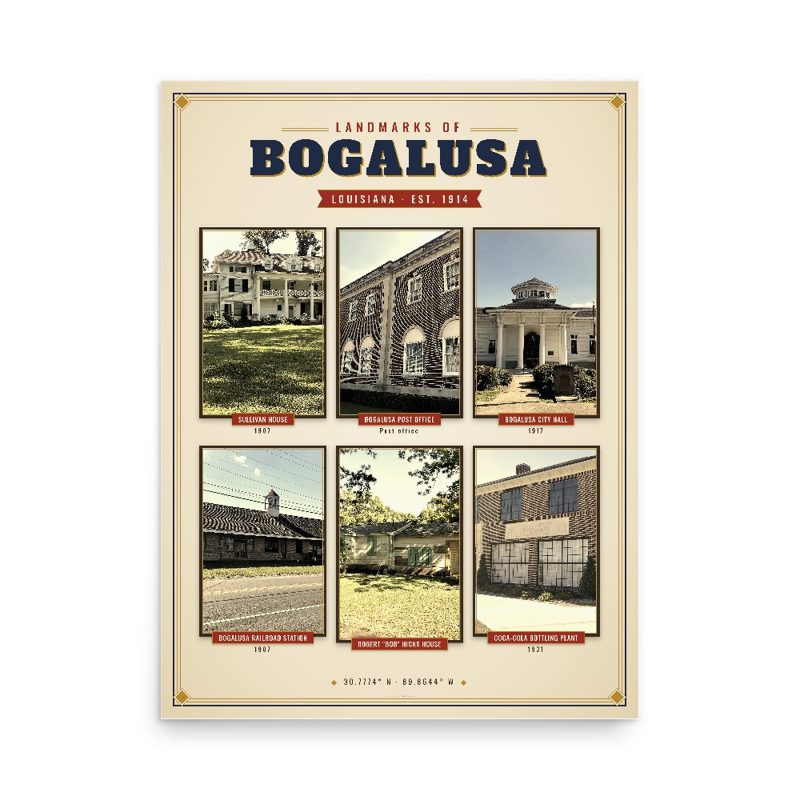
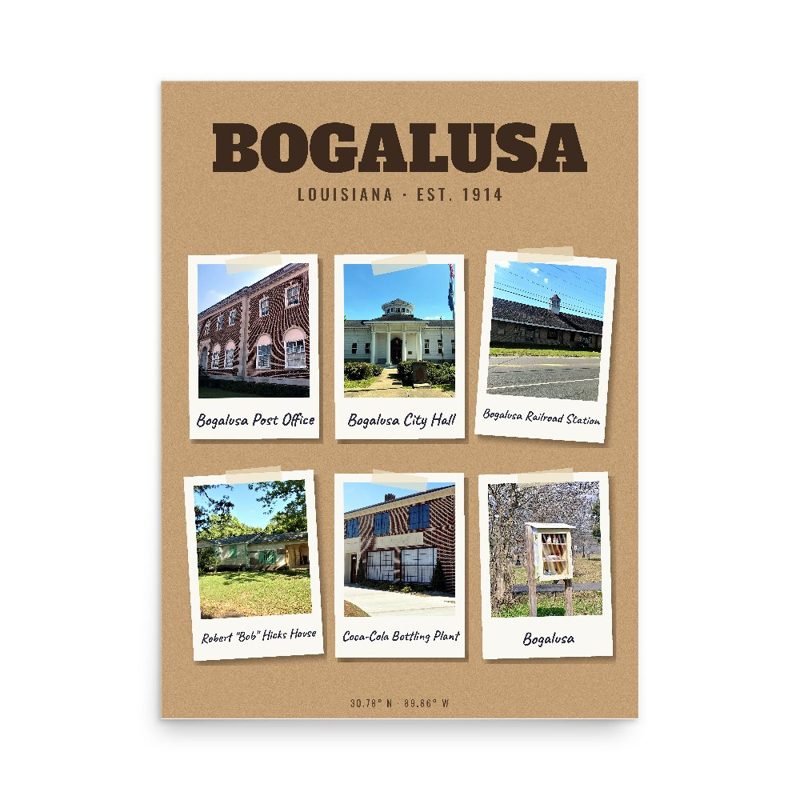
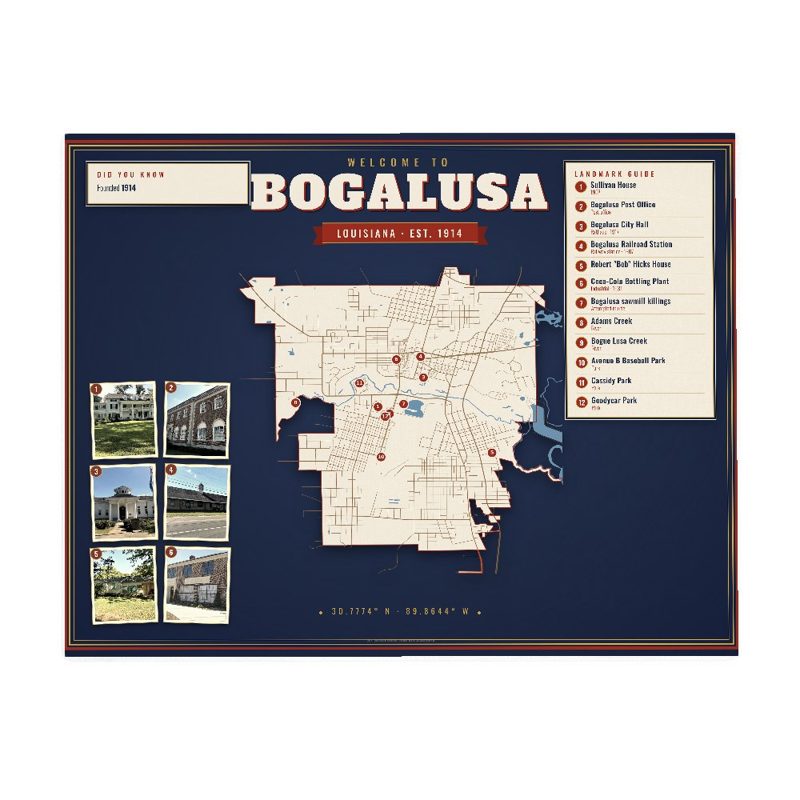




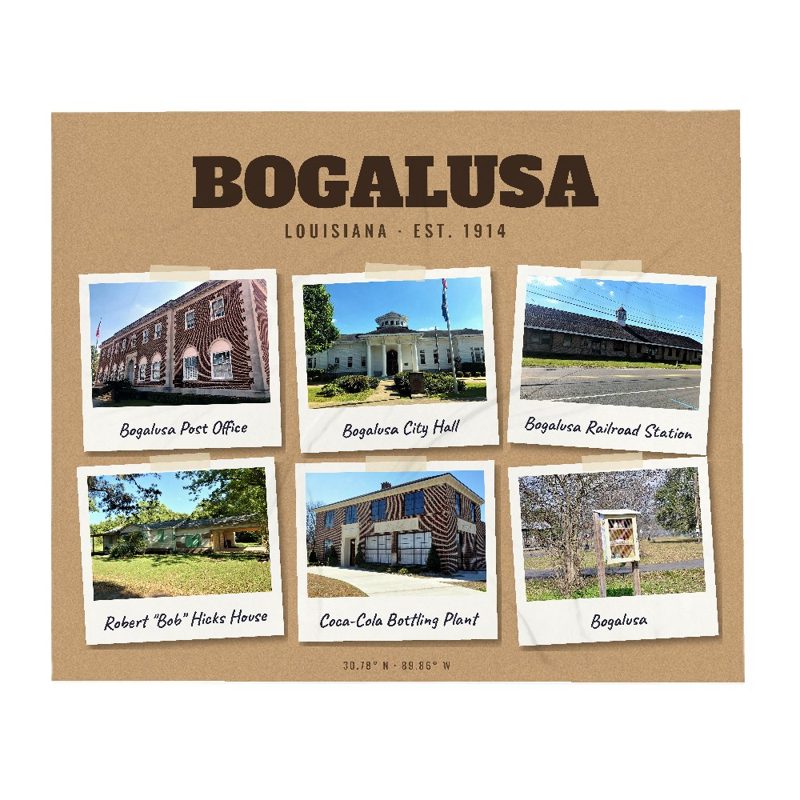
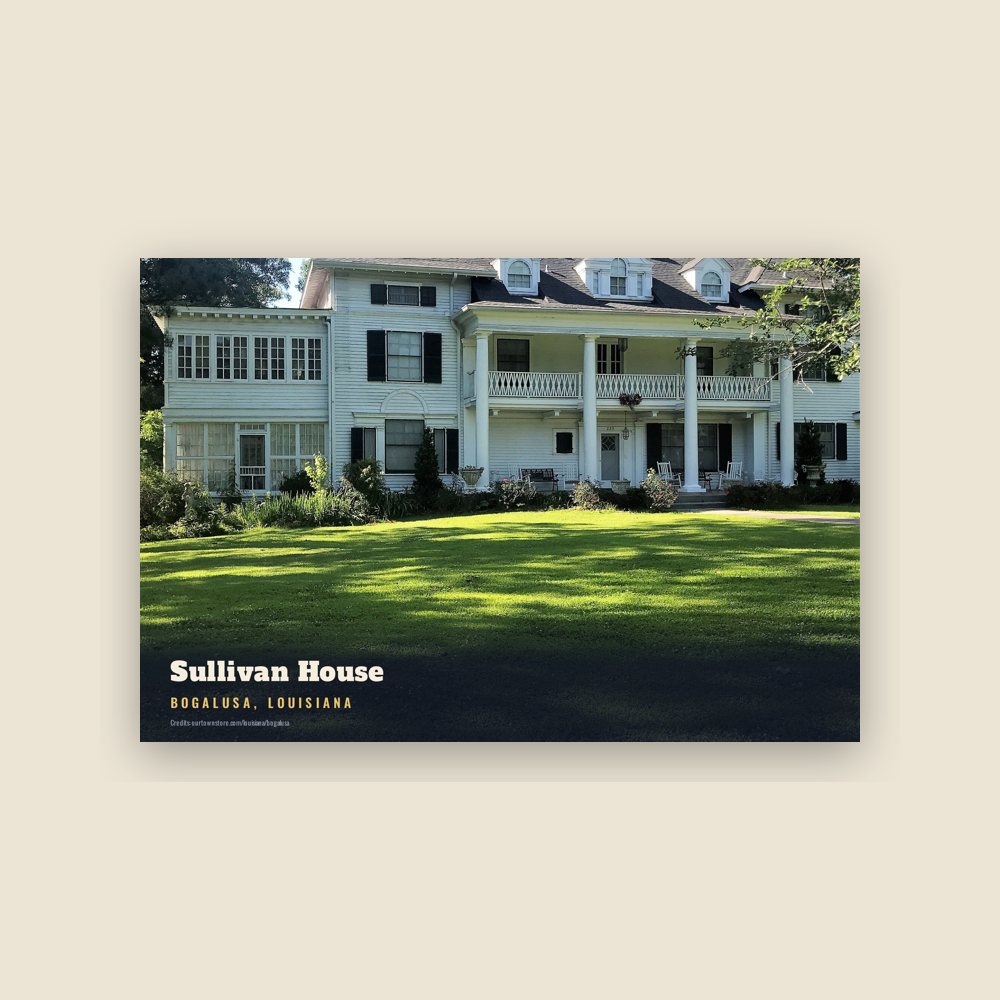
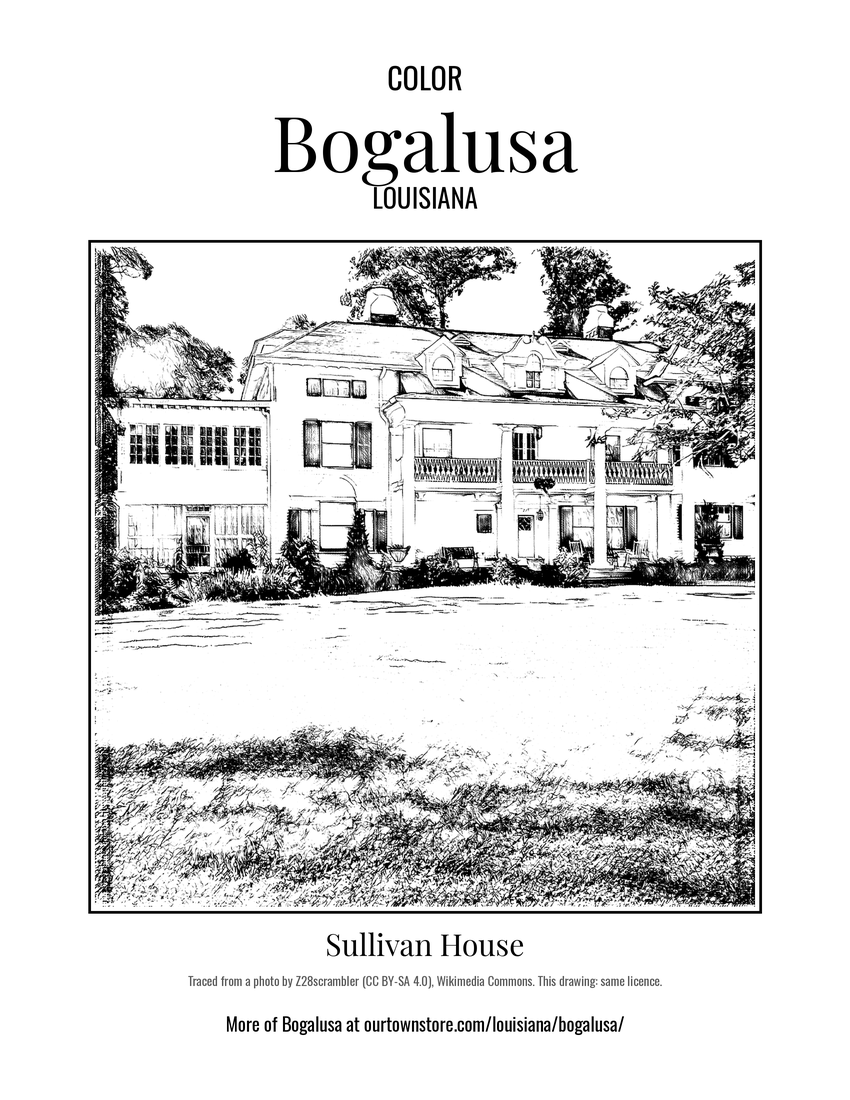 Sullivan House
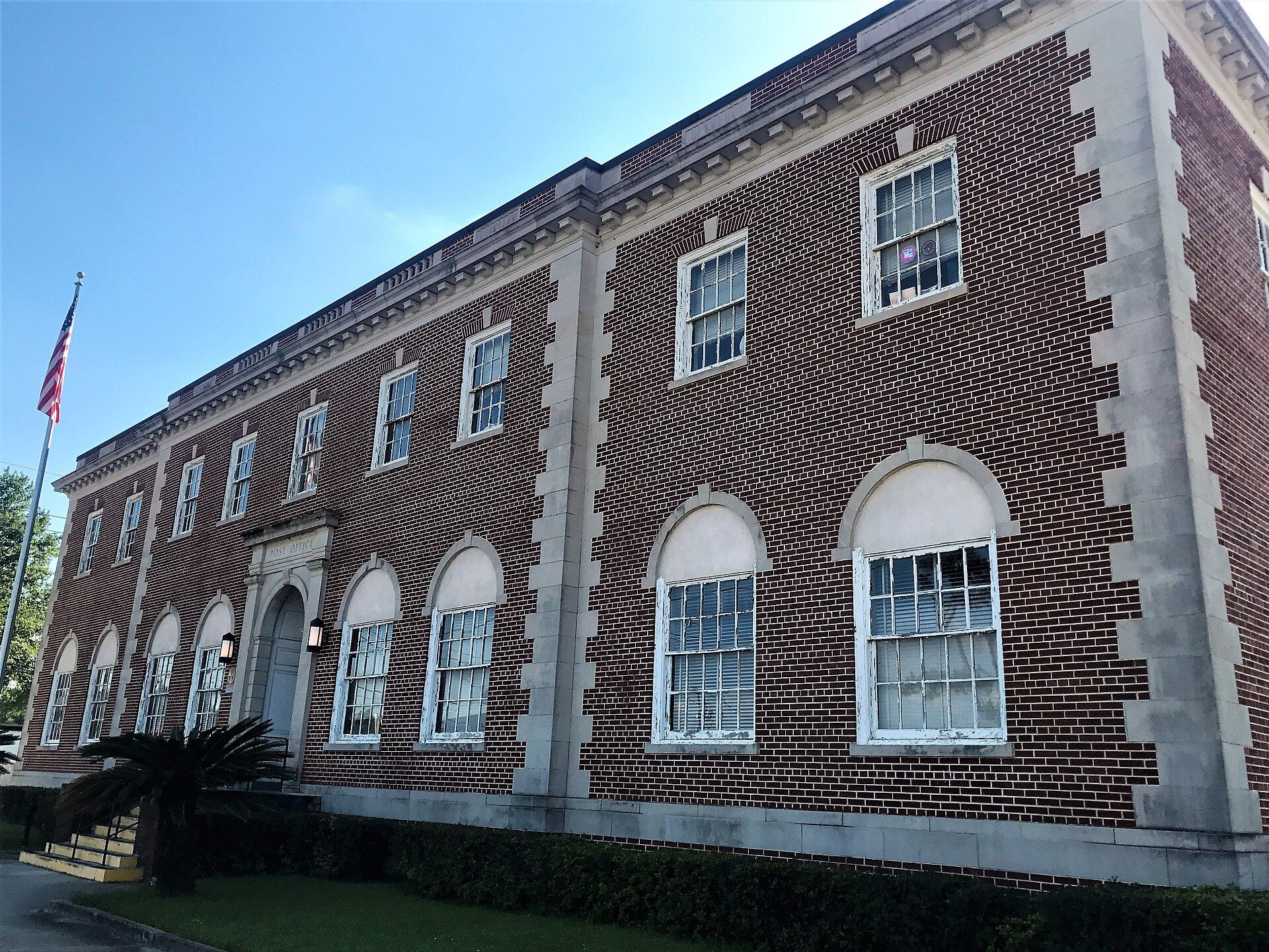
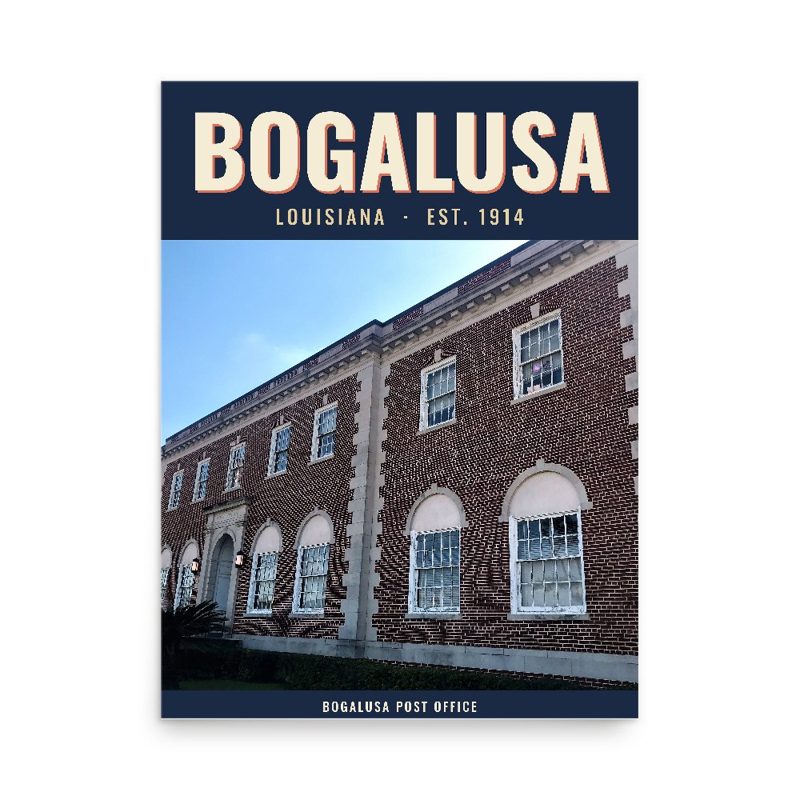
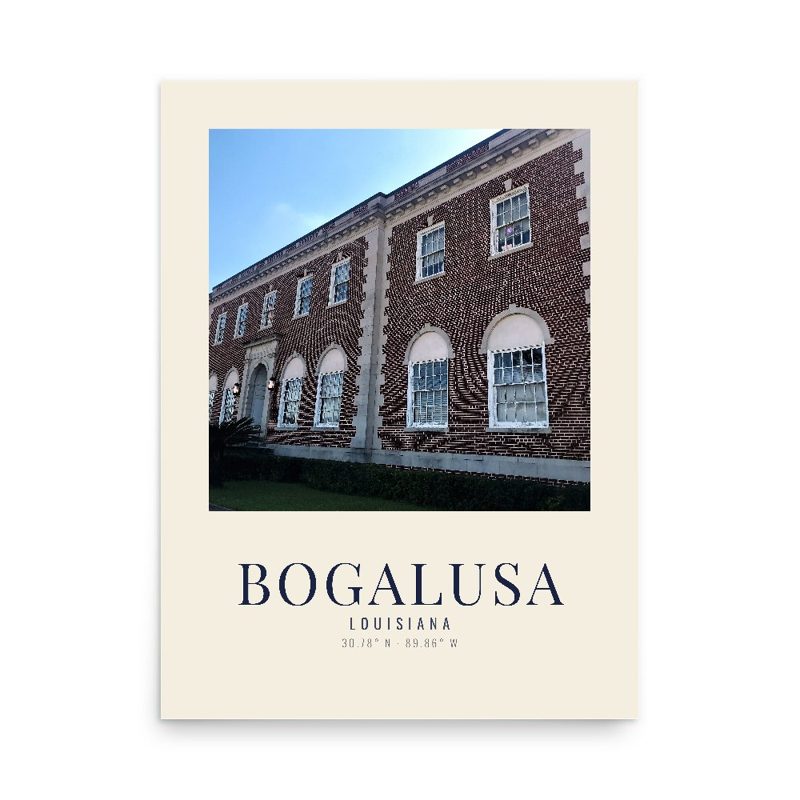
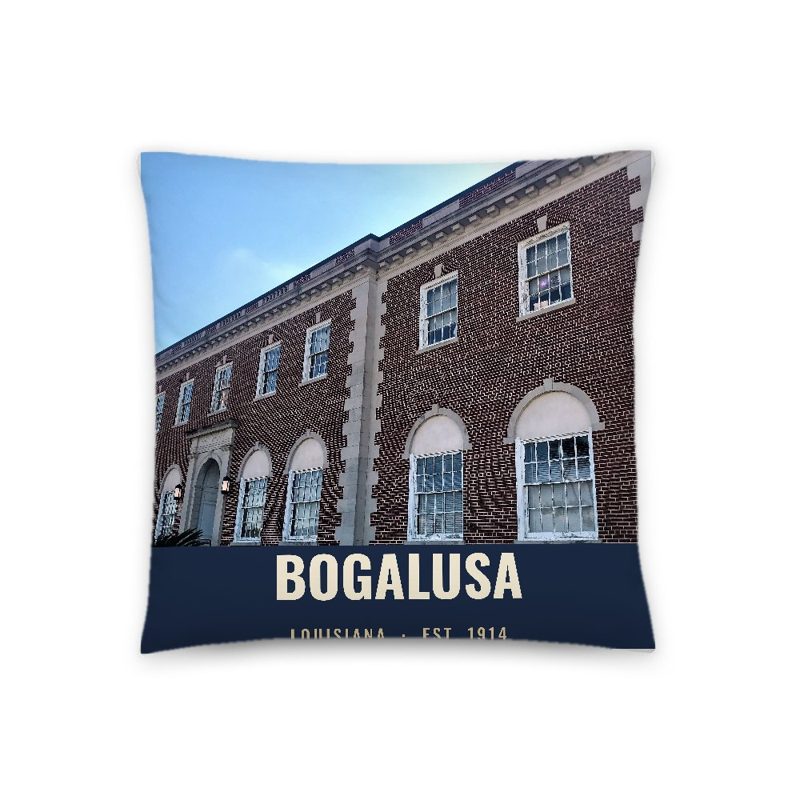
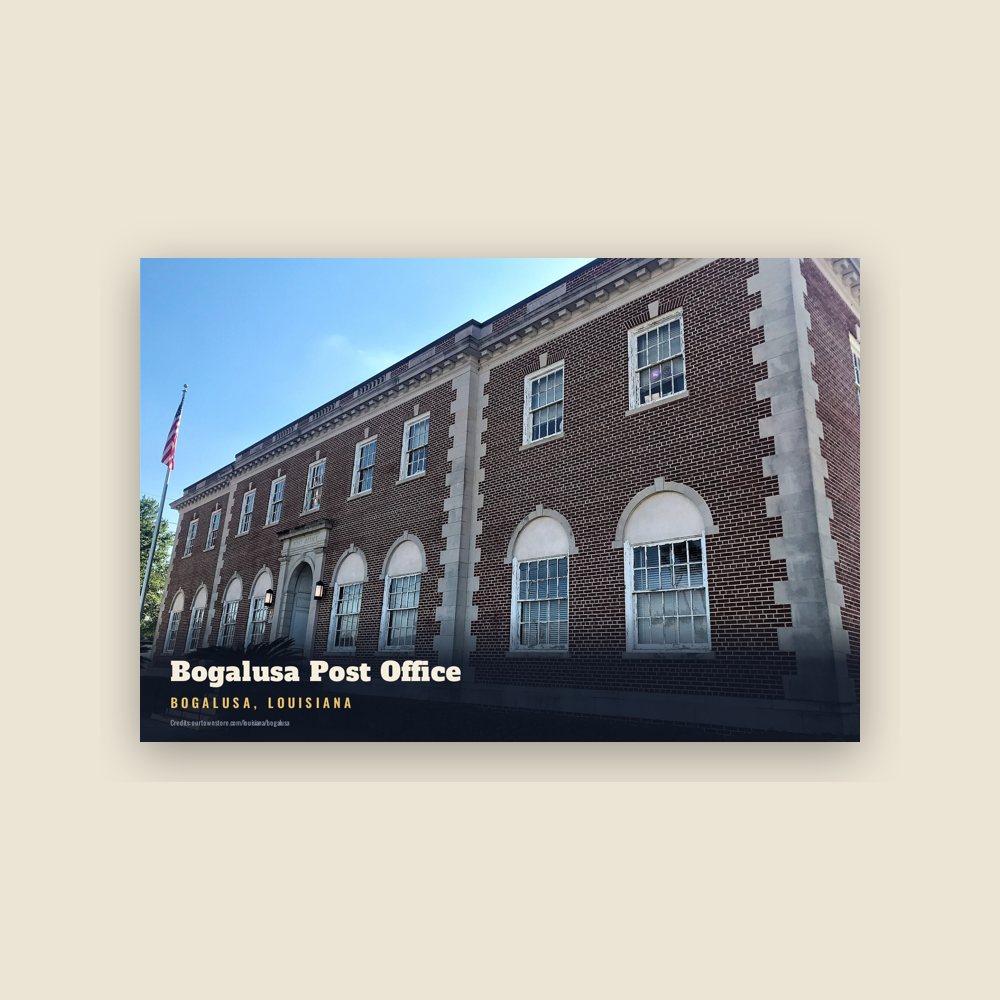
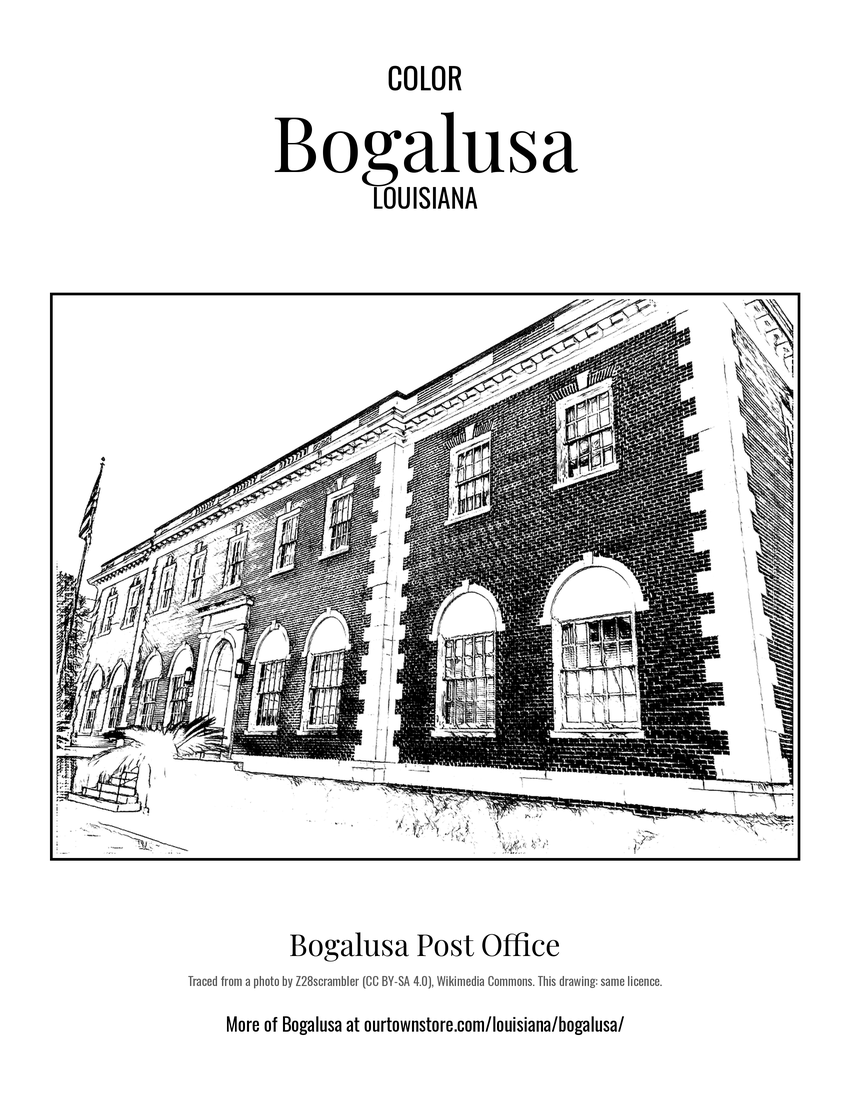 Bogalusa Post Office
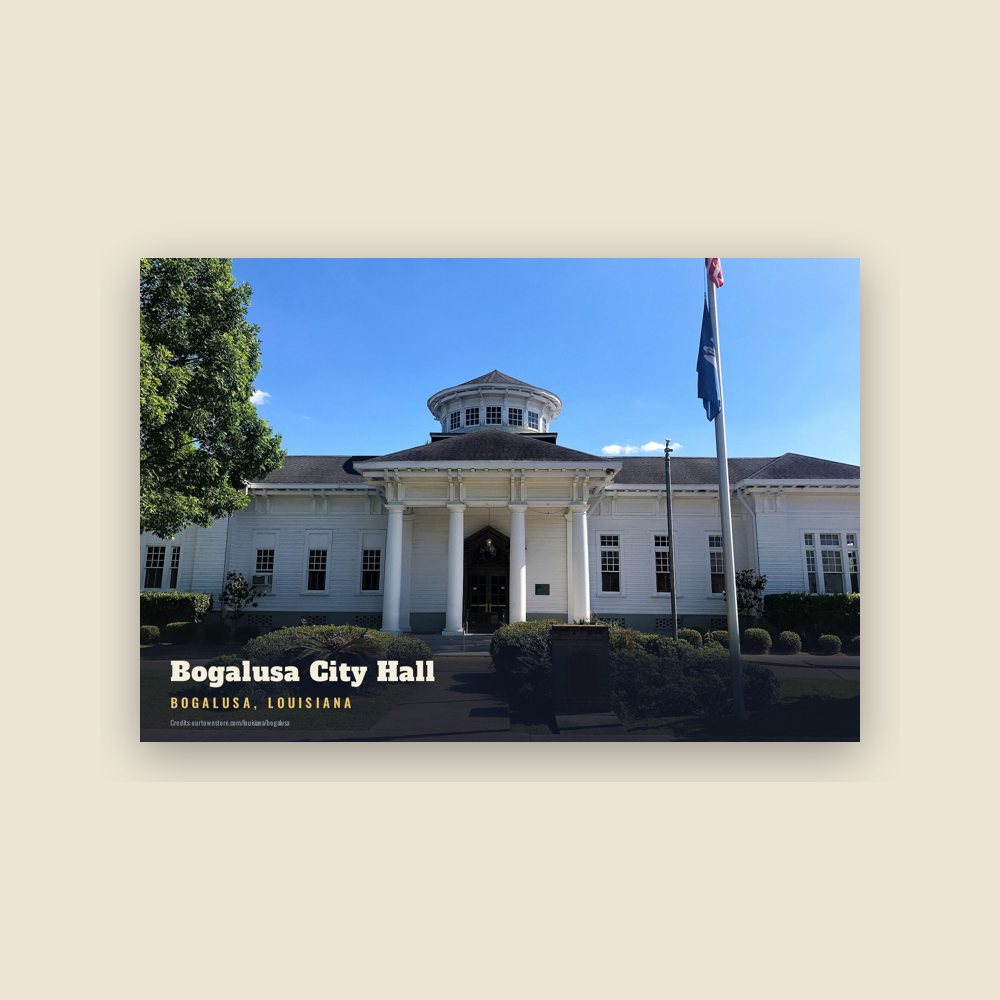
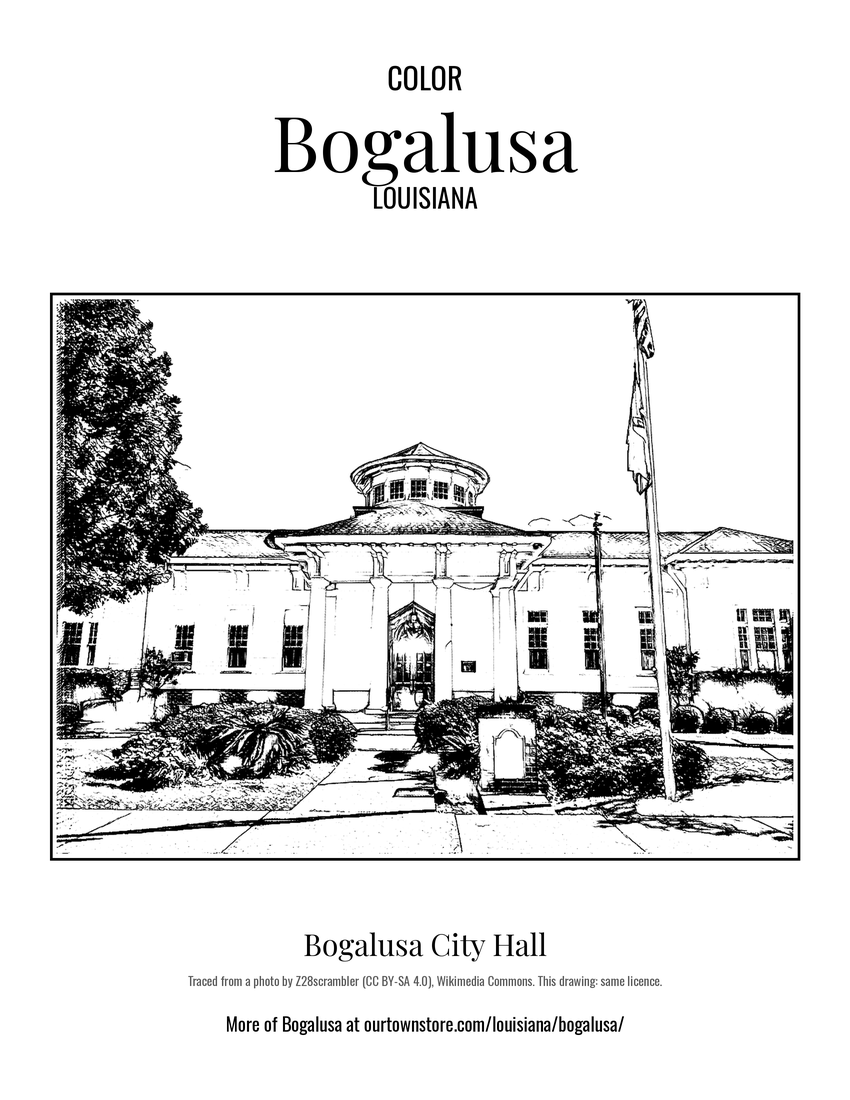 Bogalusa City Hall
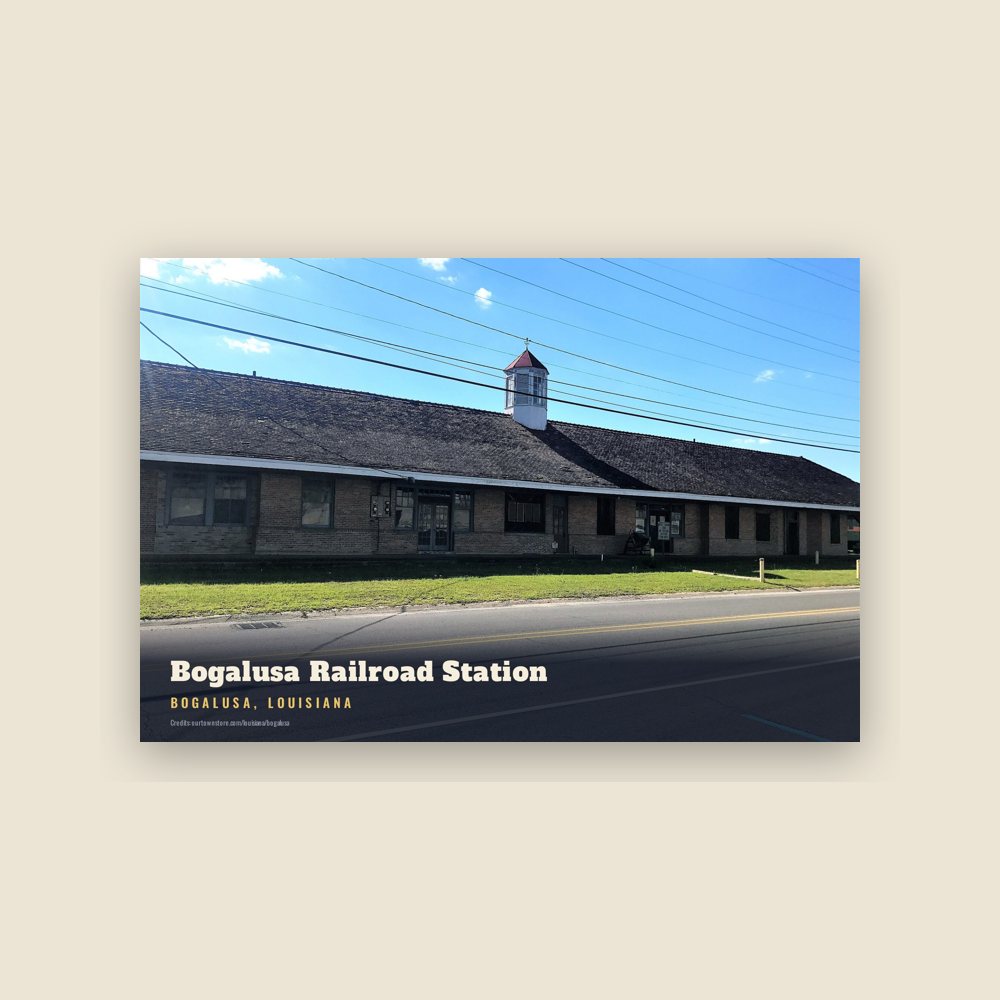
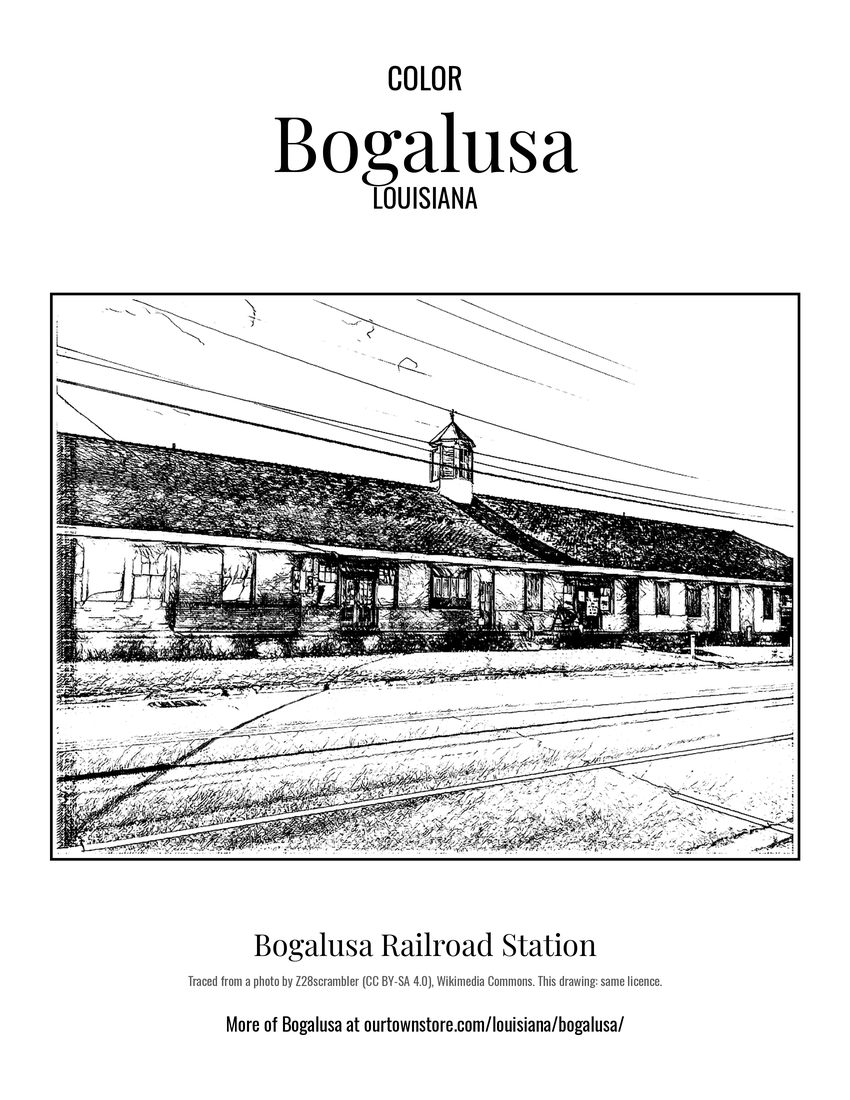 Bogalusa Railroad Station