Human habitation in the Baton Rouge area has been dated to 12000–6500 BC, based on evidence found along the Mississippi, Comite, and Amite rivers. Earthwork mounds were built by hunter-gatherer societies in the Middle Archaic period, from roughly the fourth millennium BC. The speakers of the Proto-Muskogean language divided into its descendant languages by about 1000 BC; and a cultural boundary between either side of Mobile Bay and the Black Warrior River began to appear between about 1200 BC and 500 BC—a period called the Middle "Gulf Formational Stage". The Eastern Muskogean language began to diversify internally in the first half of the first millennium AD.
The early Muskogean societies were the bearers of the Mississippian culture, which formed around 800 AD and extended in a vast network across the Mississippi and Ohio valleys, with numerous chiefdoms in the Southeast, as well. By the time the Spanish made their first forays inland from the shores of the Gulf of Mexico in the early 16th century, by some evidence many political centers of the Mississippians were already in decline, or abandoned. At the time, this region appeared to have been occupied by a collection of moderately sized native chiefdoms, interspersed with autonomous villages and tribal groups. Other evidence indicates these Mississippian settlements were thriving at the time of the first Spanish contact. Later Spanish expeditions encountered the remains of groups who had lost many people and been disrupted in the aftermath of infectious diseases, chronic among Europeans, unknowingly introduced by the first expedition.
Read the full history
Colonial period
From there [Manchacq] we went five leagues higher and found very high banks called écorts in that region, and in savage called Istrouma which means red stick [bâton rouge], as at this place there is a post painted red that the savages have sunk there to mark the land line between the two nations, namely: the land of the Bayagoulas which they were leaving and the land of another nation—thirty leagues upstream from the baton rouge—named the Oumas.The red pole was presumably at Scott's Bluff, on what is now the campus of Southern University. It was reportedly a 30-foot-high (9.1 m) painted pole adorned with fish bones.
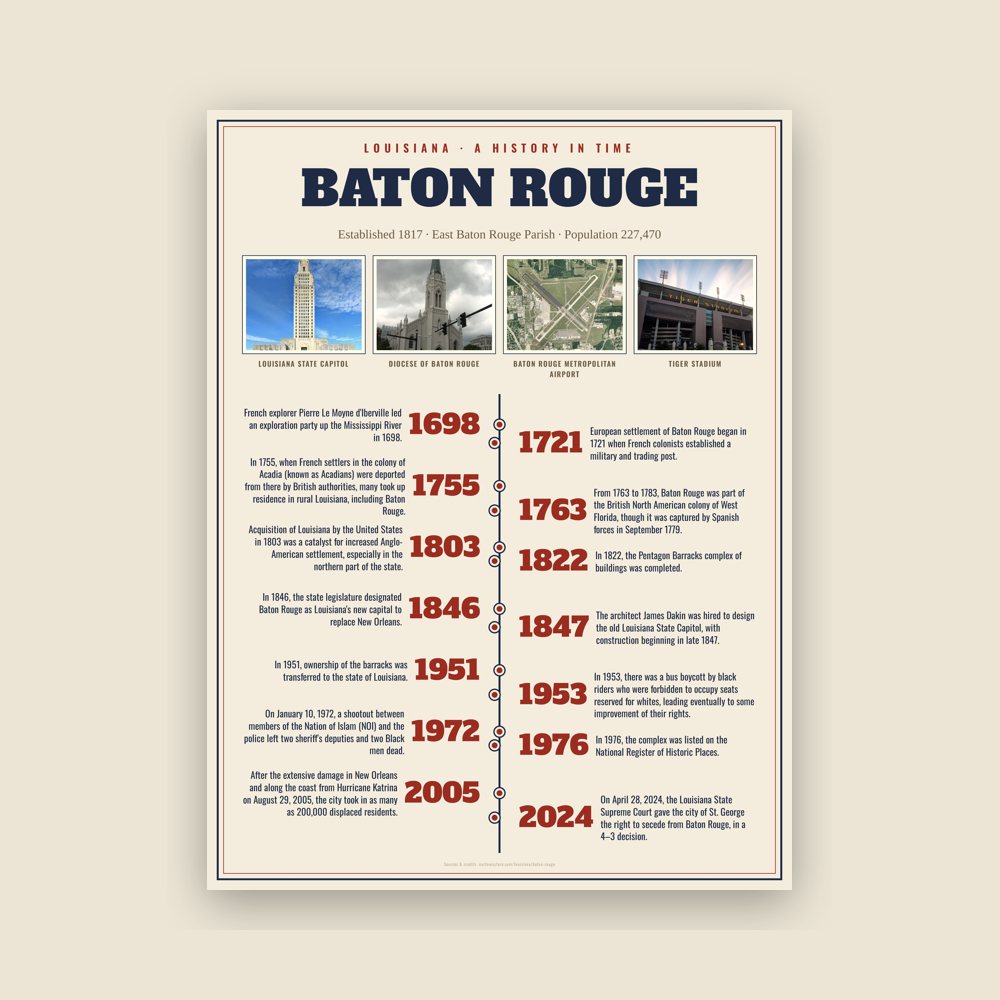
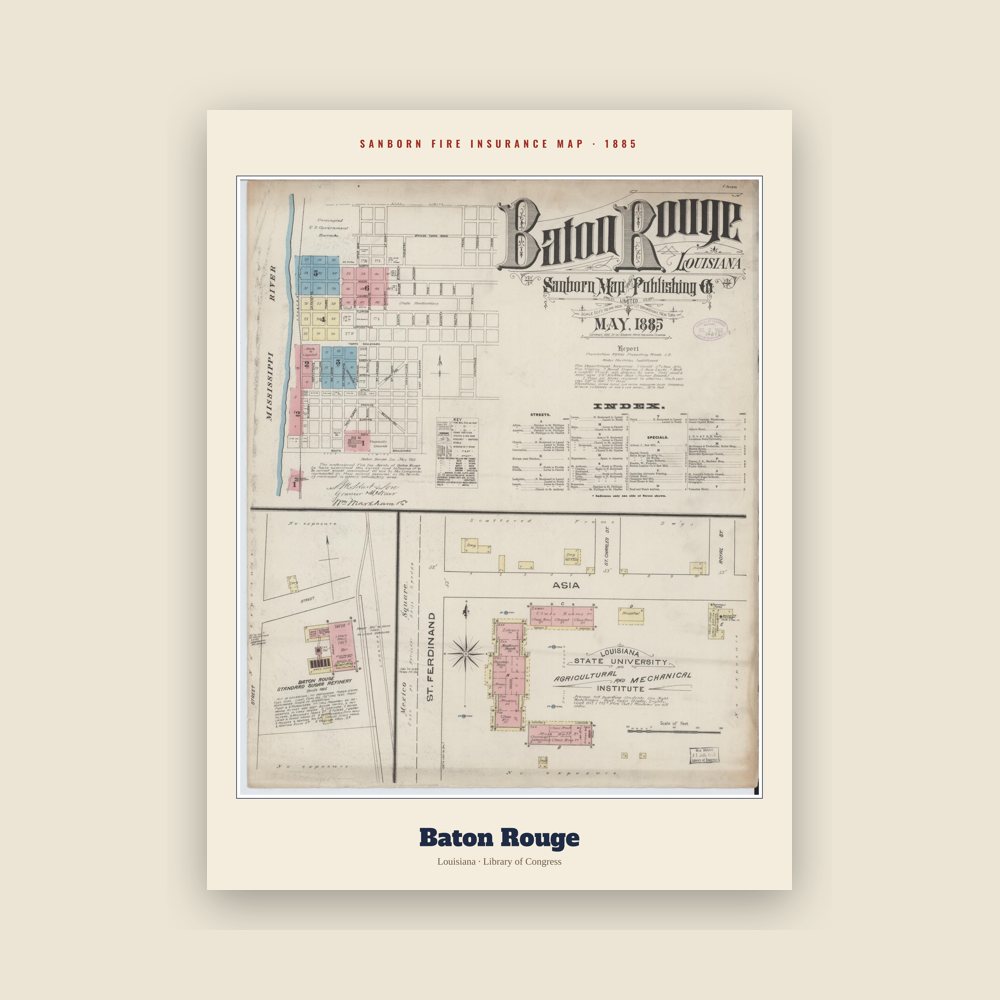
European settlement of Baton Rouge began in 1721 when French colonists established a military and trading post. Since then, Baton Rouge has been governed by France, Britain, Spain, Louisiana, the Republic of West Florida, the United States, the Confederate States, and the United States again. In 1755, when French settlers in the colony of Acadia (known as Acadians) were deported from there by British authorities, many took up residence in rural Louisiana, including Baton Rouge. Popularly known as Cajuns they maintained a distinct culture for centuries. From 1763 to 1783, Baton Rouge was part of the British North American colony of West Florida, though it was captured by Spanish forces in September 1779. During the first half of the 19th century, Baton Rouge grew steadily as the result of steamboat trade and transportation.
Incorporation and growth
Baton Rouge was incorporated in 1817. In 1822, the Pentagon Barracks complex of buildings was completed. The site was used by Spanish, French, and British authorities and was occupied by both the Confederate States Army and United States Army. It was also part of the short-lived Republic of West Florida. In 1951, ownership of the barracks was transferred to the state of Louisiana. In 1976, the complex was listed on the National Register of Historic Places.
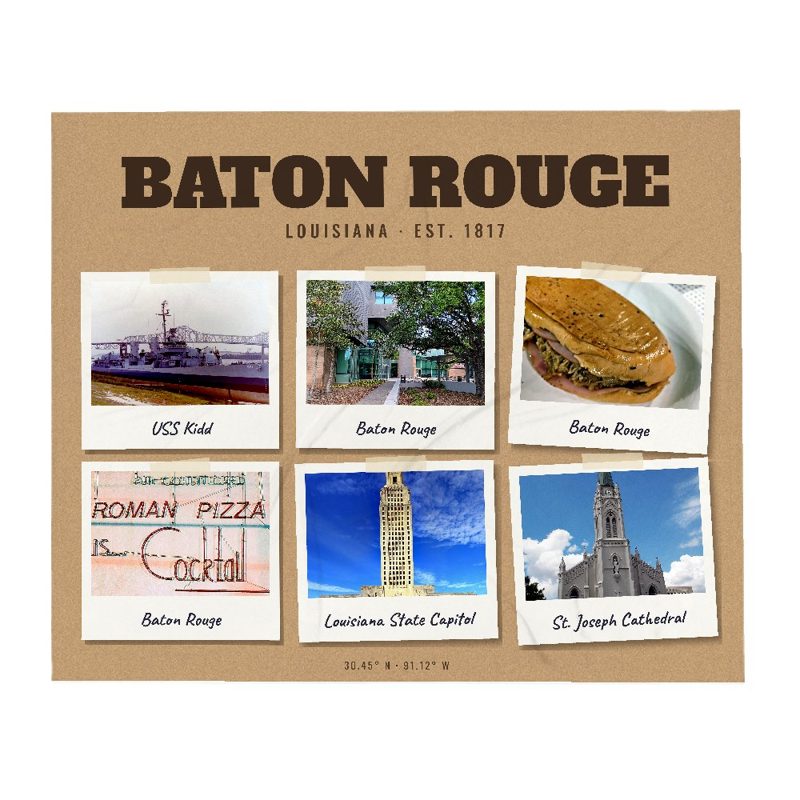
Acquisition of Louisiana by the United States in 1803 was a catalyst for increased Anglo-American settlement, especially in the northern part of the state. In 1846, the state legislature designated Baton Rouge as Louisiana's new capital to replace New Orleans. The architect James Dakin was hired to design the old Louisiana State Capitol, with construction beginning in late 1847.
Rather than mimic the United States Capitol, as many other states had done, he designed a capitol in Neo-Gothic style, complete with turrets and crenellations, and stained glass; it overlooks the Mississippi. It has been described as the "most distinguished example of Gothic Revival" architecture in the state and has been designated as a National Historic Landmark.
By the outbreak of the American Civil War, the population of Baton Rouge was nearly 5,500. The war nearly halted economic progress, except for businesses associated with supplying the Union Army occupation of the city, which began in the spring of 1862 and lasted for the duration of the war. The Confederates at first consolidated their forces elsewhere, during which time the state government moved to Opelousas and later Shreveport. In the summer of 1862, about 2,600 Confederate troops under generals John C. Breckinridge (the former Vice President of the United States) and Daniel Ruggles attempted to recapture Baton Rouge.
After the war, New Orleans temporarily served as the seat of the Reconstruction era state government. When the Bourbon Democrats regained power in 1882, after considerable intimidation and voter suppression of black Republicans, they returned the state government to Baton Rouge, where it has since remained. In his 1893 guidebook, Karl Baedeker described Baton Rouge as "the Capital of Louisiana, a quaint old place with 10,378 inhabitants, on a bluff above the Mississippi".
In the 1950s and 1960s, the petrochemical industry boomed in Baton Rouge, stimulating the city's expansion beyond its original center. The changing market in the oil business has produced fluctuations in the industry, affecting employment in the city and area. In 1953, there was a bus boycott by black riders who were forbidden to occupy seats reserved for whites, leading eventually to some improvement of their rights.
On January 10, 1972, a shootout between members of the Nation of Islam (NOI) and the police left two sheriff's deputies and two Black men dead. Thirty-one people were injured, including 14 police. Governor John McKeithen then ordered 700 Louisiana National Guard to patrol the city. Baton Rouge Mayor-President Woodrow Wilson "W. W." Dumas subsequently imposed an evening to early-morning curfew. On January 14, the curfew was lifted.
A building boom began in the city in the 1990s and continued into the 2000s, during which Baton Rouge became one of the fastest-growing cities in the Southern United States in terms of technology. Metropolitan Baton Rouge was ranked as one of the fastest-growing metropolitan areas in the U.S. (with a population under 1 million), with 602,894 in 2000 and 802,484 people as of the 2010 U.S. census. After the extensive damage in New Orleans and along the coast from Hurricane Katrina on August 29, 2005, the city took in as many as 200,000 displaced residents.
In 2010, Baton Rouge started a market push to become a test city for Google's new super high speed fiber optic line known as GeauxFiBR.
In July 2016, the Greater Baton Rouge metropolitan area was heavily affected by the shooting of Alton Sterling. His death led to multiple protests and the shooting of police officers. President Barack Obama also made remarks on the shooting of Alton Sterling. By February 2021, Sterling's family was given a $4.5 million settlement to settle a wrongful death lawsuit. In August 2016, the city and metropolitan area were severely flooded.
During the runoff for District 3 of the Louisiana Public Service Commission in December 2022, many Baton Rougeans helped elect Davante Lewis—the first openly LGBT politician to the state government.
On April 28, 2024, the Louisiana State Supreme Court gave the city of St. George the right to secede from Baton Rouge, in a 4–3 decision.
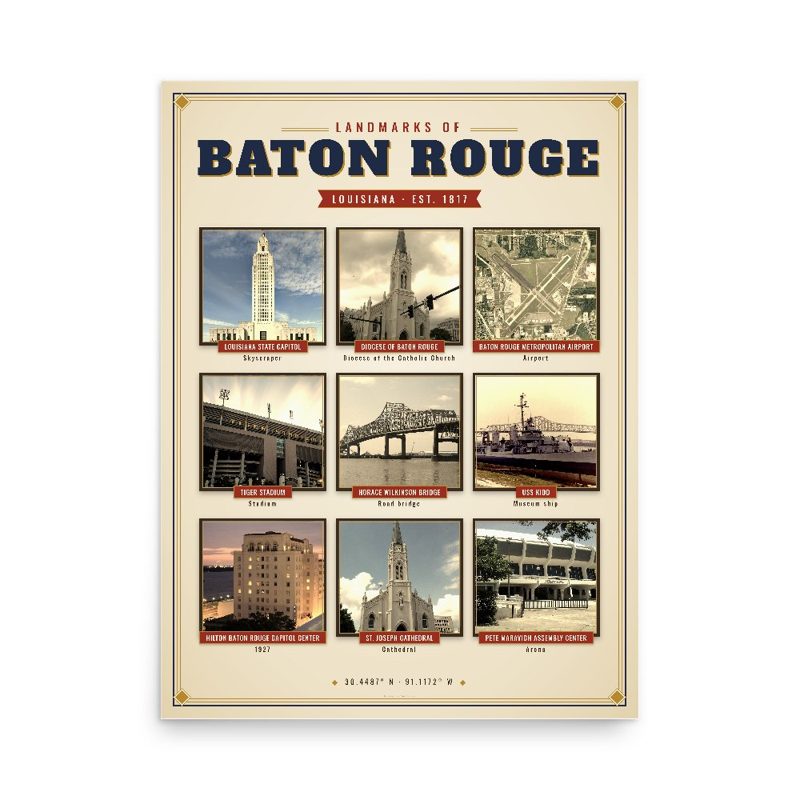
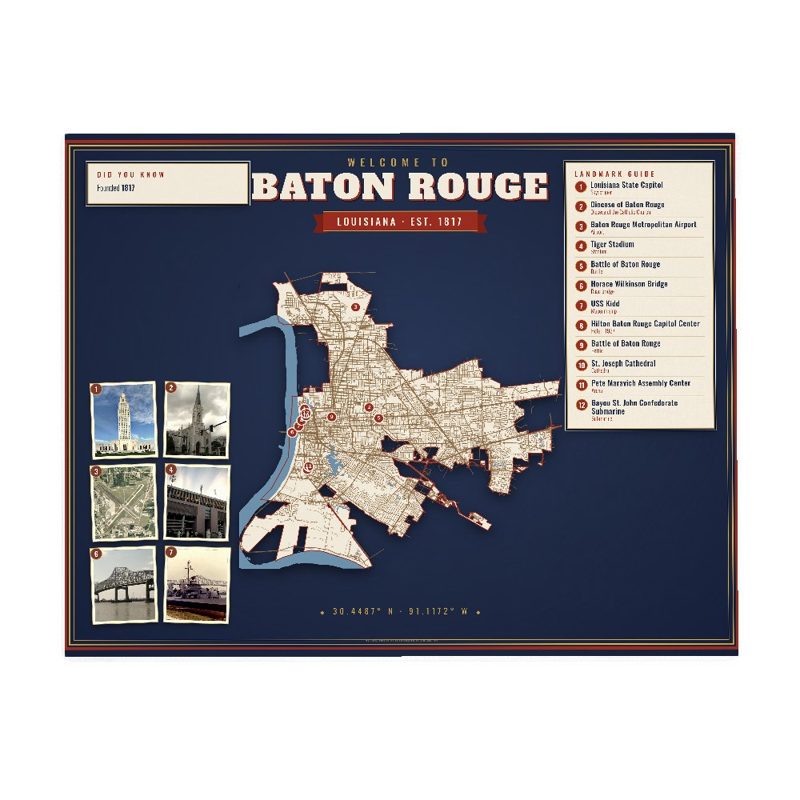







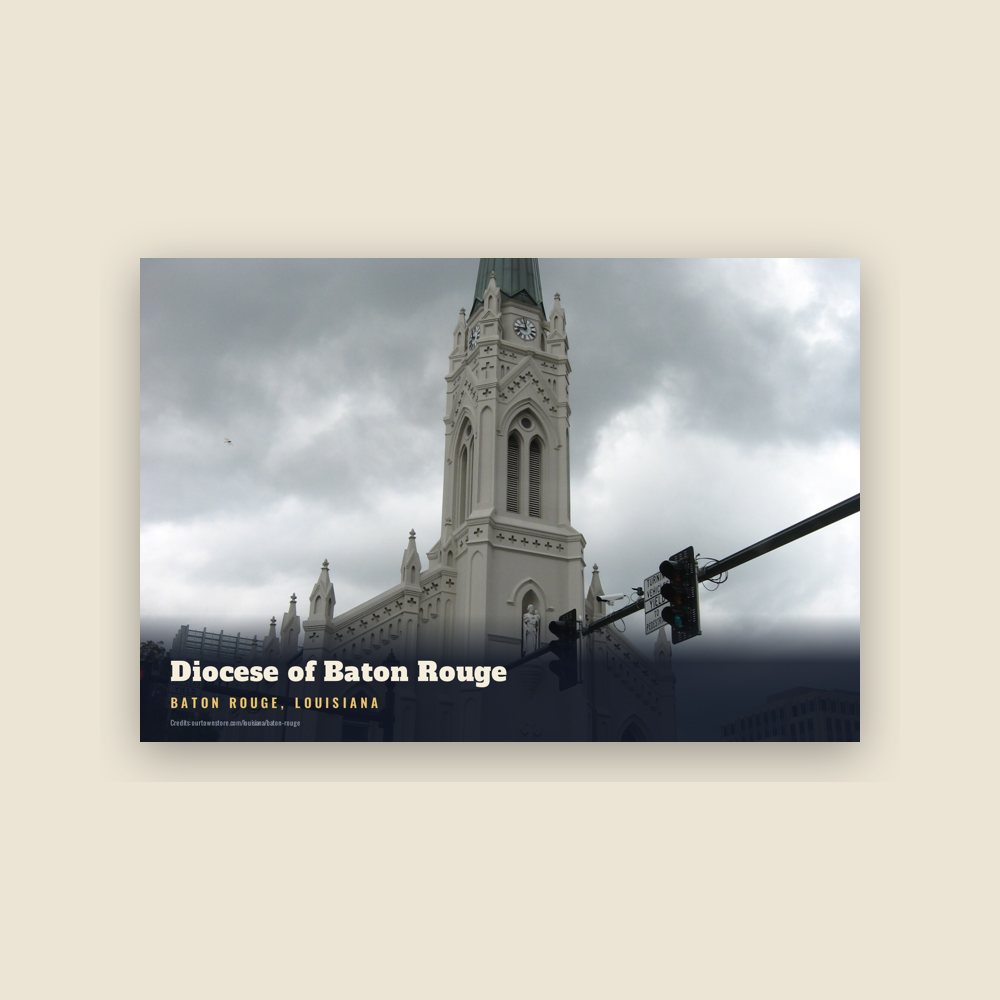



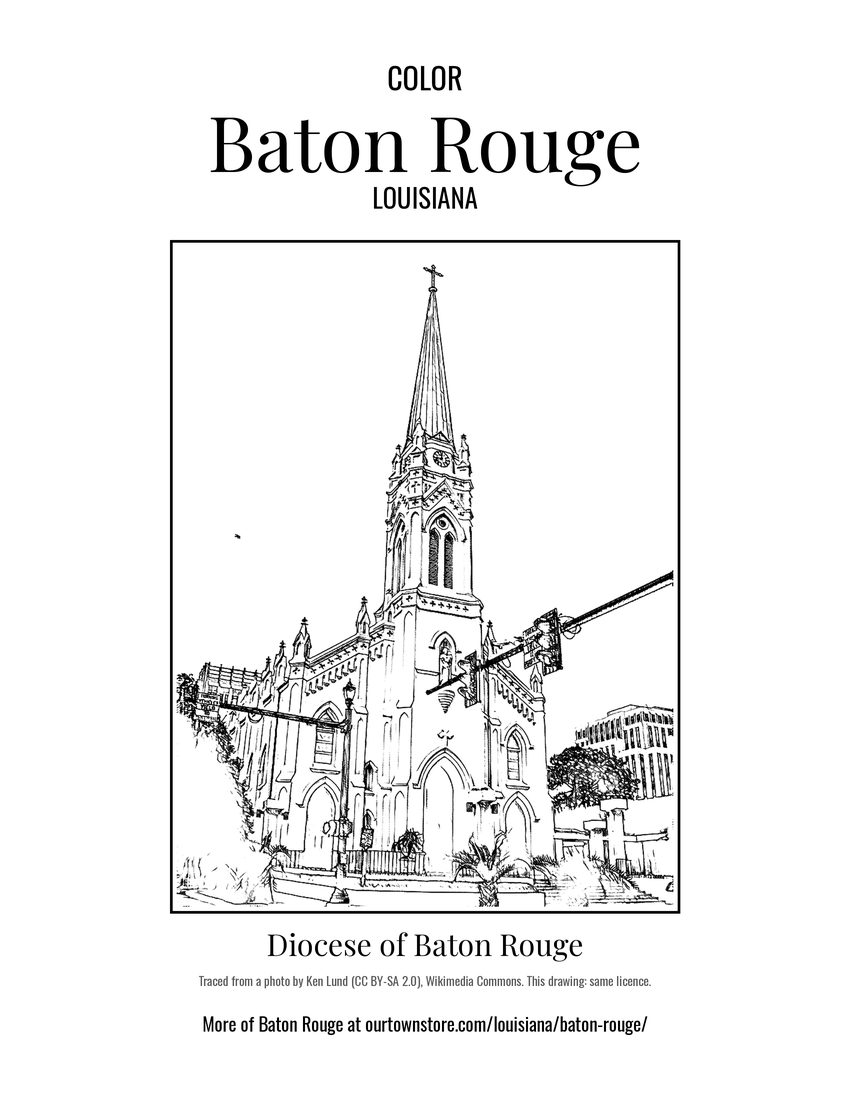 Diocese of Baton Rouge
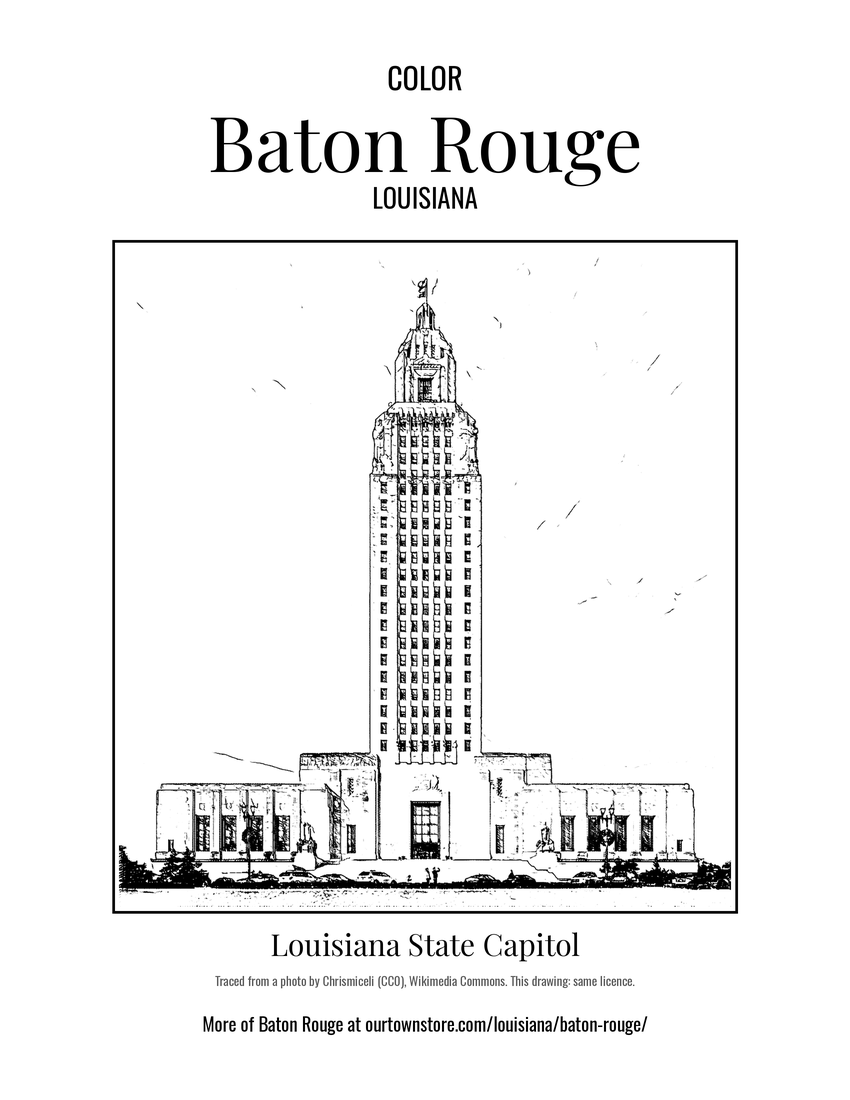 Louisiana State Capitol
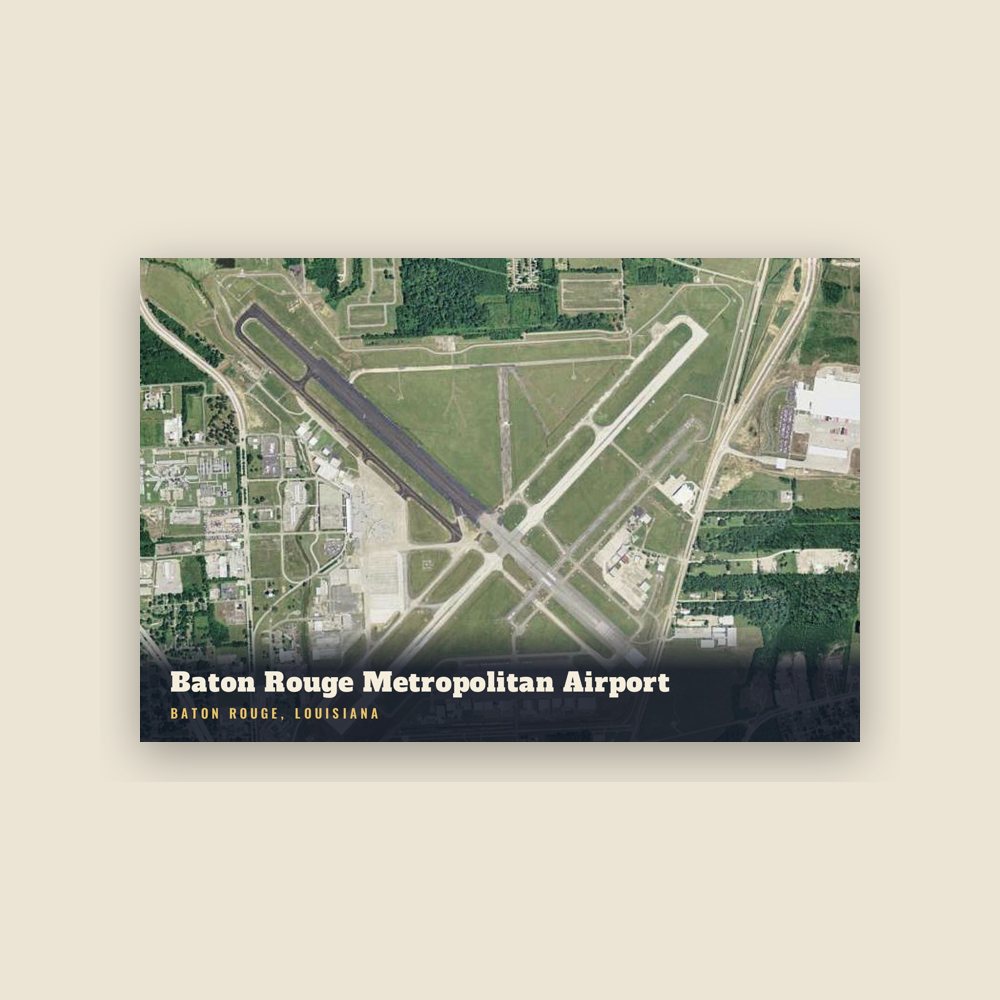
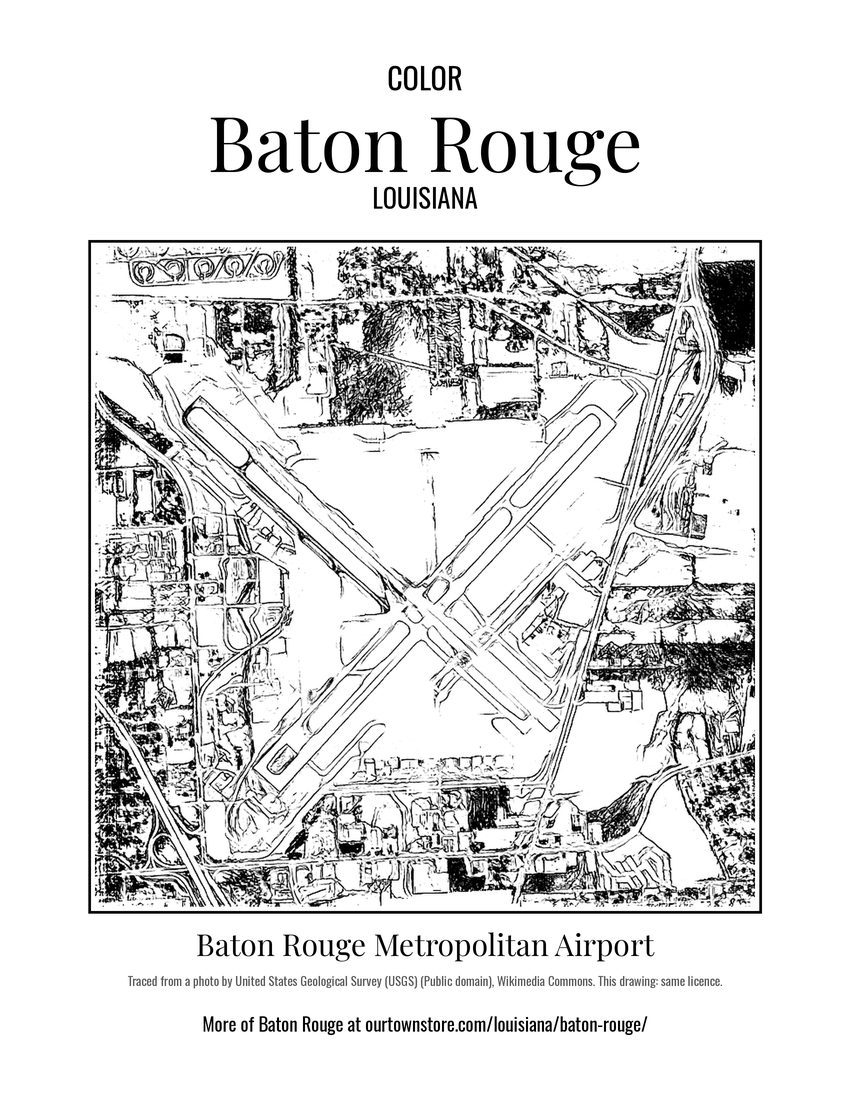 Baton Rouge Metropolitan Airport
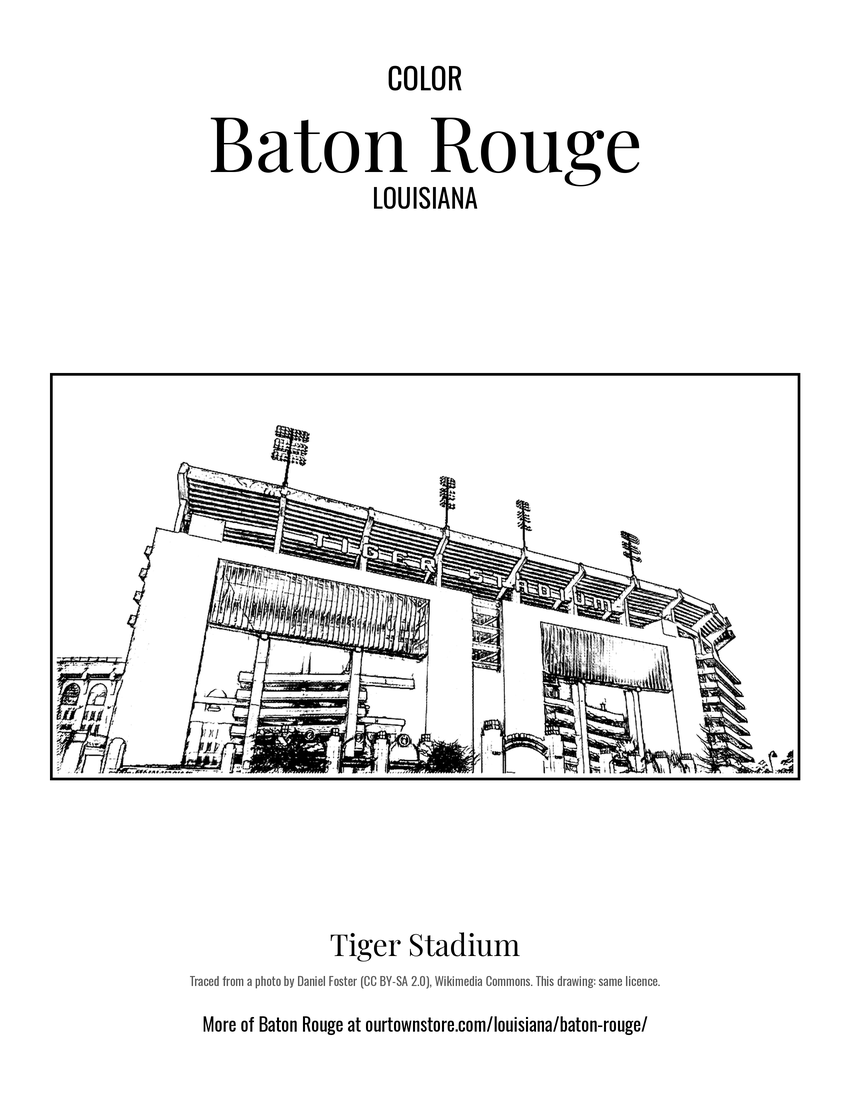 Tiger Stadium