A short history of Ellsworth
19th century
Once called "The Wickedest Cattletown in Kansas", the city is named for Fort Ellsworth, which was built in 1864. Due to speculation on imminent railroad construction, the population of Ellsworth boomed to over two thousand by the time it was incorporated in 1867. It has since been said, "Abilene, the first, Dodge City, the last, but Ellsworth the wickedest".
Ellsworth was a bustling cattle town during the late 1860s, when the Kansas Pacific Railroad had a stop and stockyards there. Cattle were driven up from Texas to this point, and then shipped to major markets. Often cowboys had the run of the town. In 1875 Kansas Pacific closed its cattle pens, moving to another location. The cattle trade dwindled to almost nothing by the mid-1880s.
During the late 1860s into the 1870s, Ellsworth was known for being one of the "wickedest" cattle towns, the scene of numerous killings following shootouts between drunken cowboys. The town sported numerous saloons, brothels and gambling halls, with prostitution being rampant. Wild Bill Hickok ran for Ellsworth County Sheriff in 1868, but was defeated by veteran Union Army soldier E. W. Kingsbury. Kingsbury was an effective lawman, but relied on local marshals to patrol the town, as he also had to police the county. Violence in Ellsworth was commonplace among the cowboys and people associated with them. Ellsworth marshal Will Semans was shot and killed on September 26, 1869, while attempting to disarm a rowdy man in a dance hall.
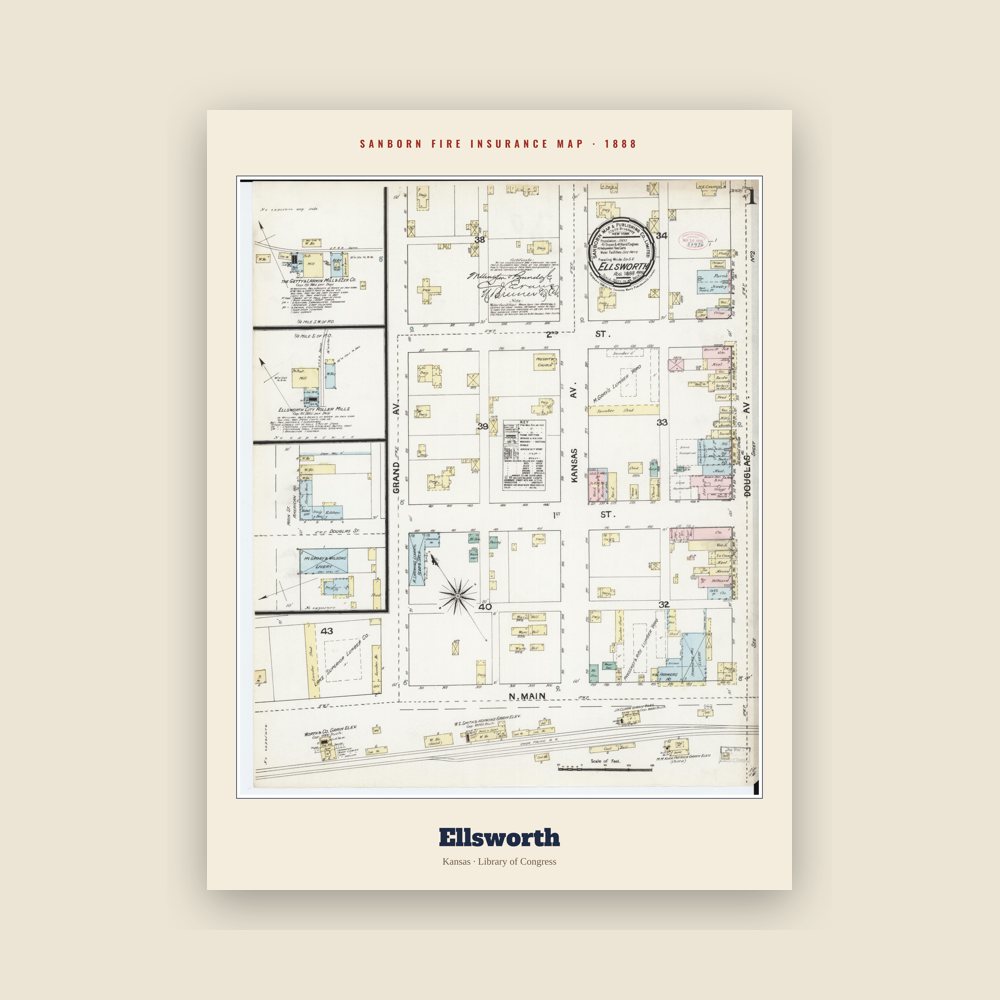
For a time during this period, two small-time outlaws known only as Craig and Johnson began bullying people around the community, often committing armed robbery. After Semans' murder, they operated openly. Before long, citizens formed a vigilance squad and captured both men, hanging them in a lynching near the Smoky Hill River. Chauncey Whitney, a deputy to Kingsbury, took over following Sheriff Kingsbury's departure. Whitney quickly gained a reputation as being both tough and respectable, and was well liked. The scale of business is shown by construction of the Drovers Cottage in 1872. It could accommodate 175 guests, and stable 50 carriages and 100 horses.
Lawman Wyatt Earp claimed to have served in Ellsworth for a short time. He also later claimed to have arrested gunman Ben Thompson there. But Thompson was arrested by Deputy Ed Hogue after his brother Billy Thompson accidentally shot and killed Ellsworth County Sheriff Chauncey Whitney in 1873. Billy Thompson fled, fearing that he would be lynched for the death of the popular sheriff. Thompson was eventually captured and put on trial, but was acquitted in the shooting. Sheriff Whitney, a friend to both Thompsons, had told bystanders before his death that the shooting was an accident.
By the late 1870s the crime rate had dropped dramatically, as fewer cowboys came through after Kansas Pacific closed its stockyard here. Cattle drives were directed to other market cities, such as Dodge City. Ellsworth suffered economically.
In 1888, the Kansas Midland Railway Company built between Wichita and Ellsworth. The line was purchased in 1900 by the St. Louis-San Francisco Railway (the "Frisco"). The Frisco operated the line for many years, but it has since been abandoned.
Read the full history
21st century
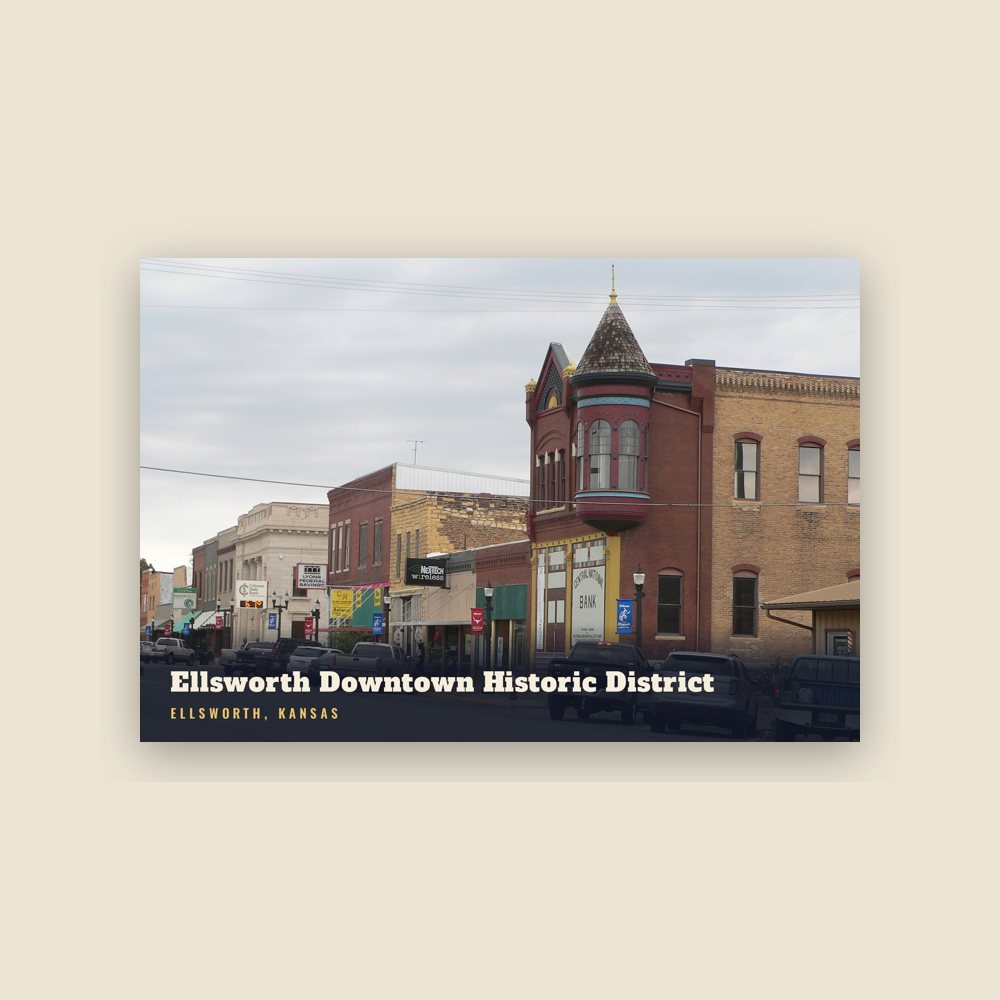
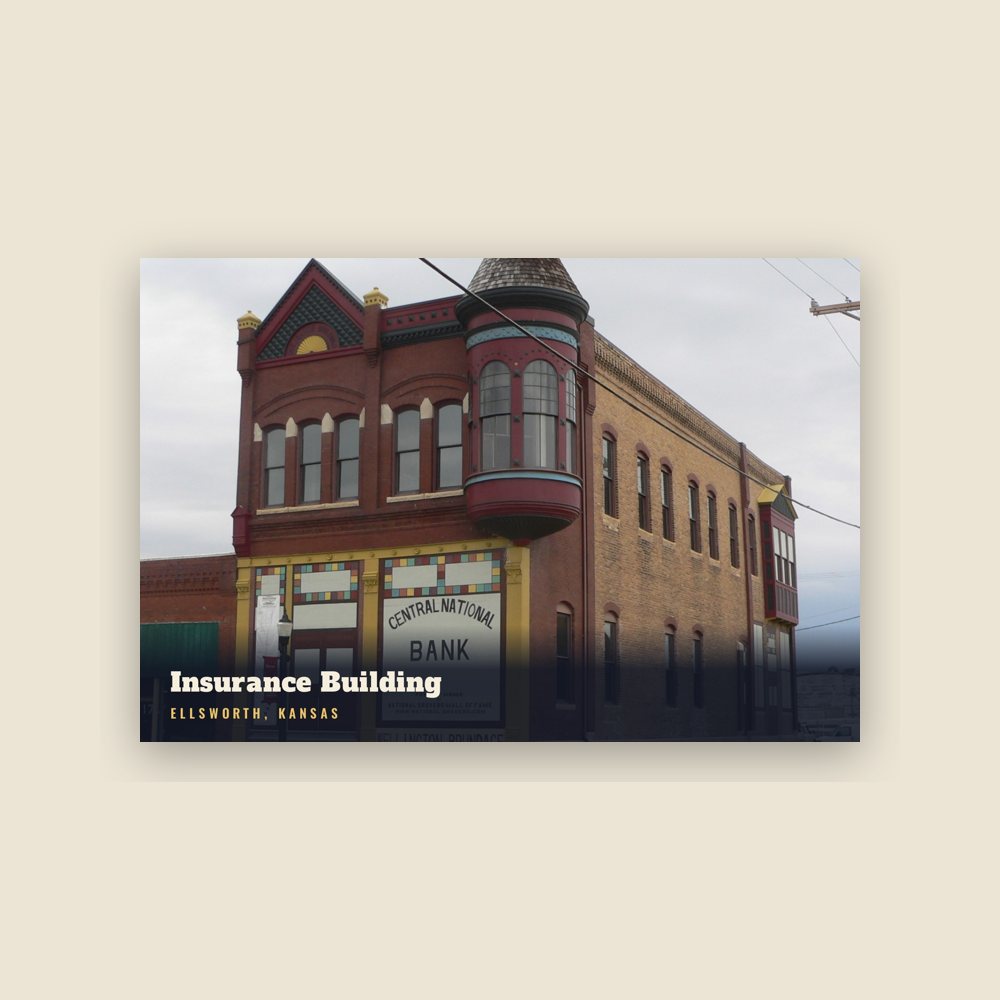
Ellsworth has been developing heritage tourism related to its unique 19th-century history. The city and activists have plans to restore Ellsworth's Signature Insurance Building for use as the National Drovers Hall of Fame. Funds for the project are being raised party from an annual cattle drive down Main Street and Douglas Avenue; it is one of the few in the United States that is historically accurate.
Adapted (trimmed) from the Wikipedia article Ellsworth, Kansas, revision 1379808519 by its contributors, licensed CC BY-SA 4.0.
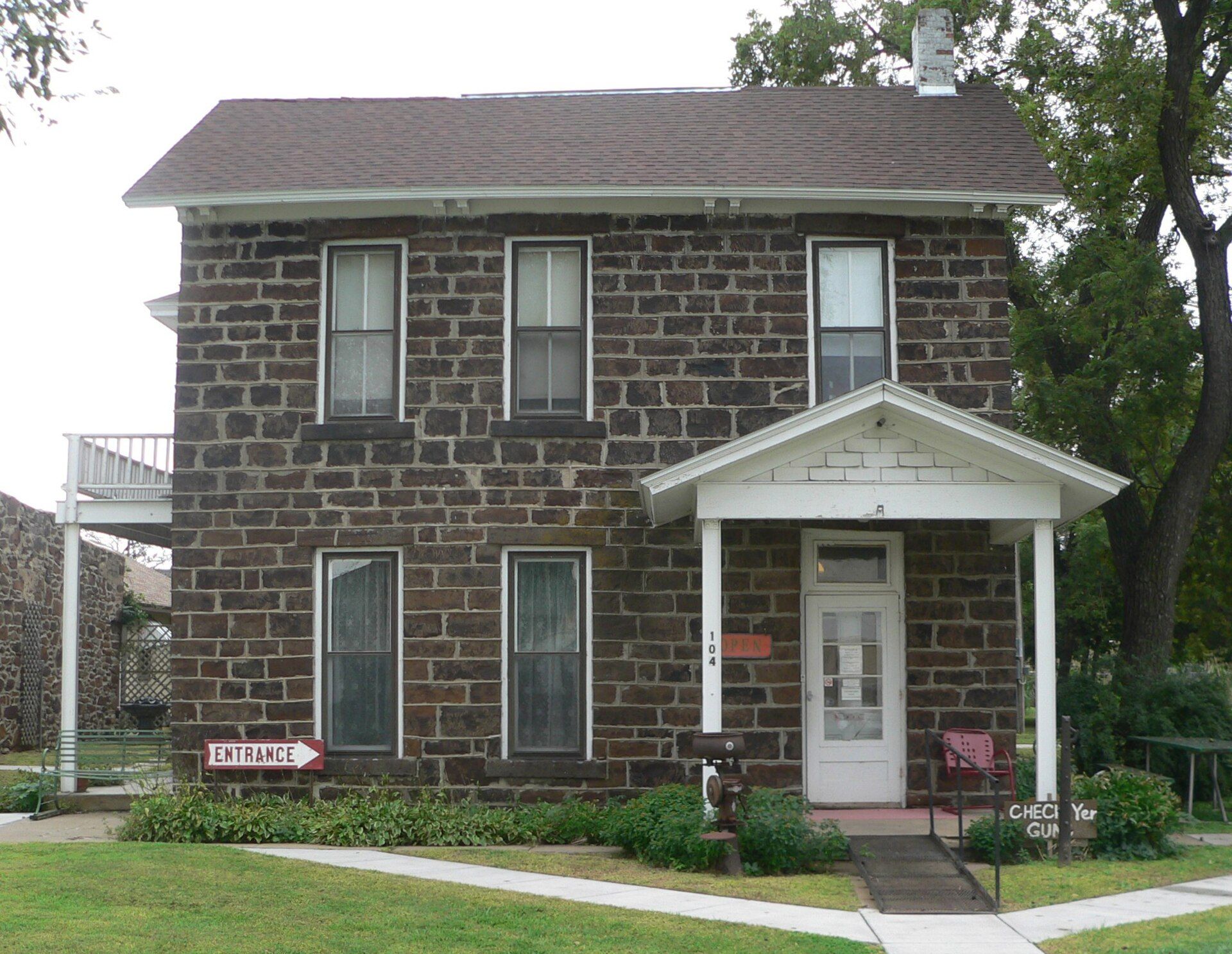
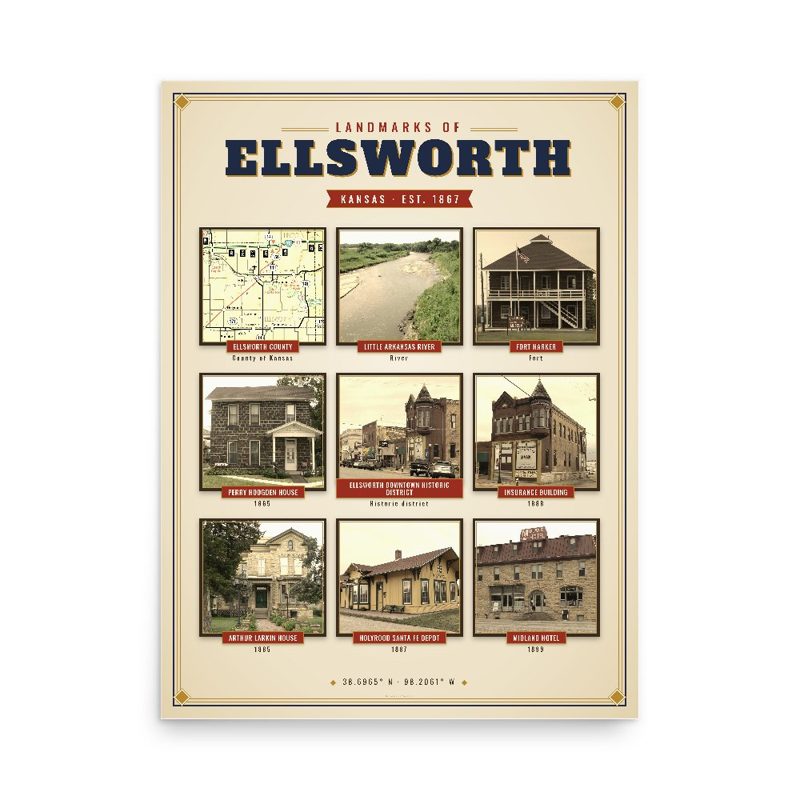
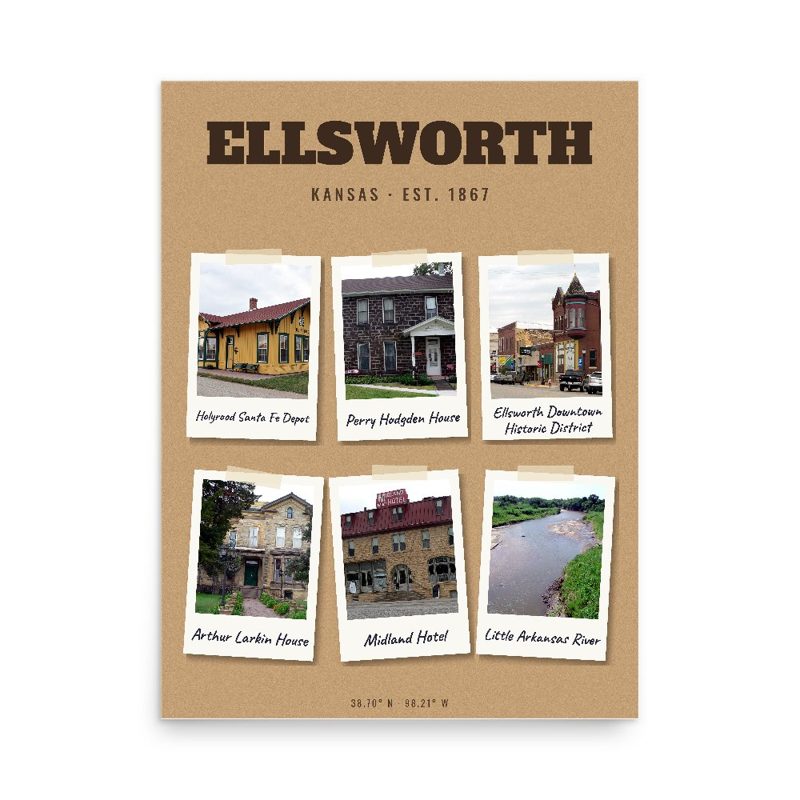
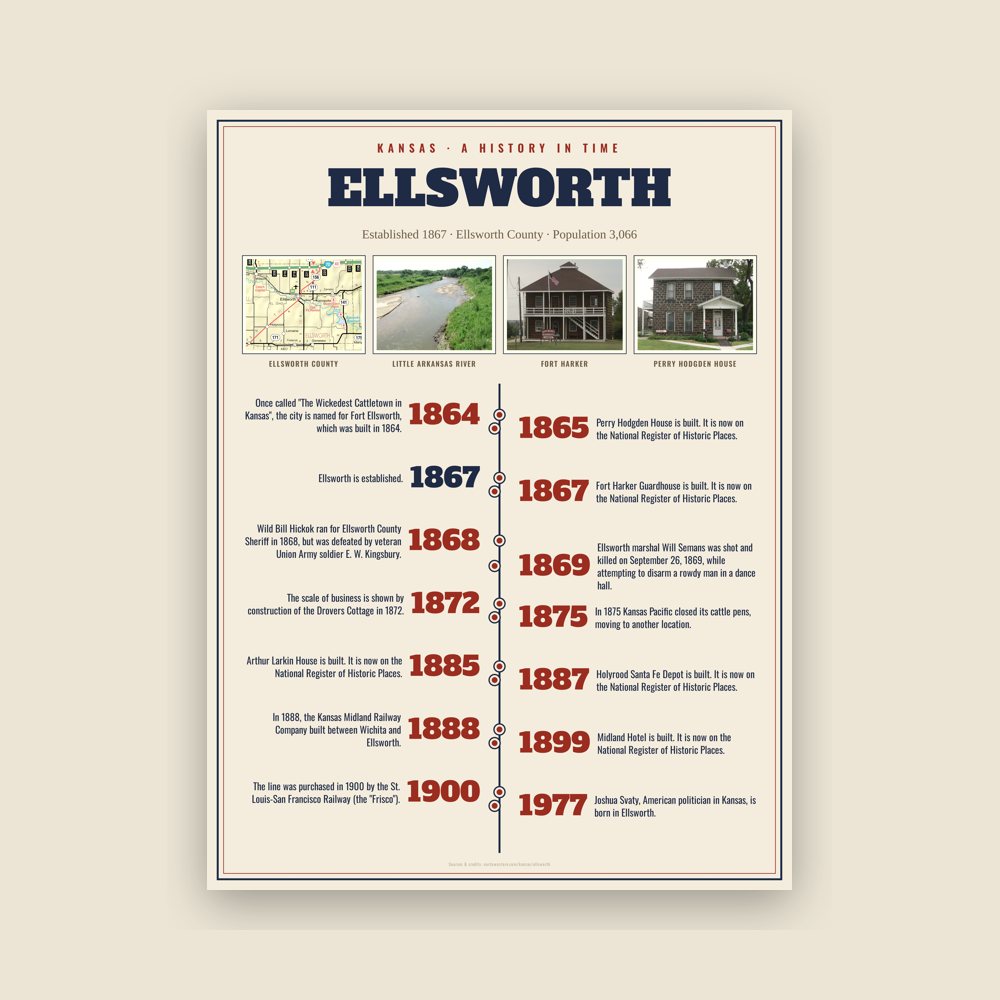
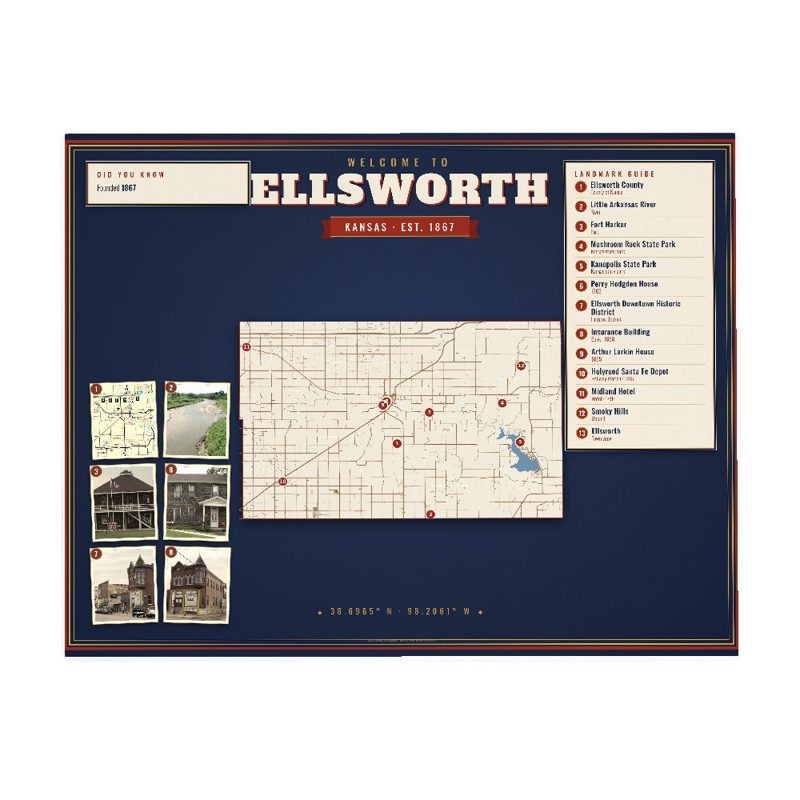
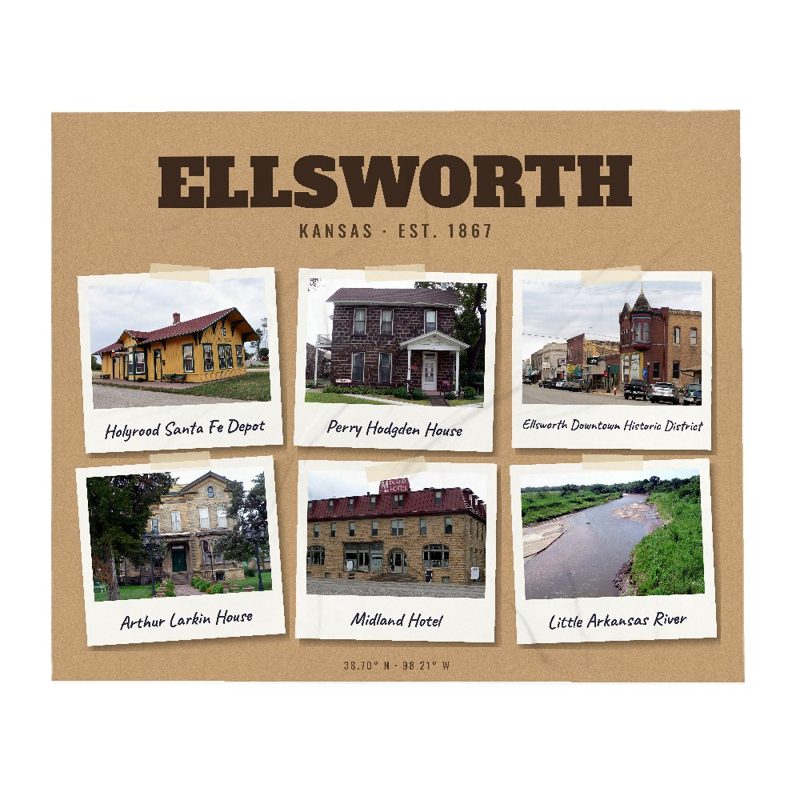
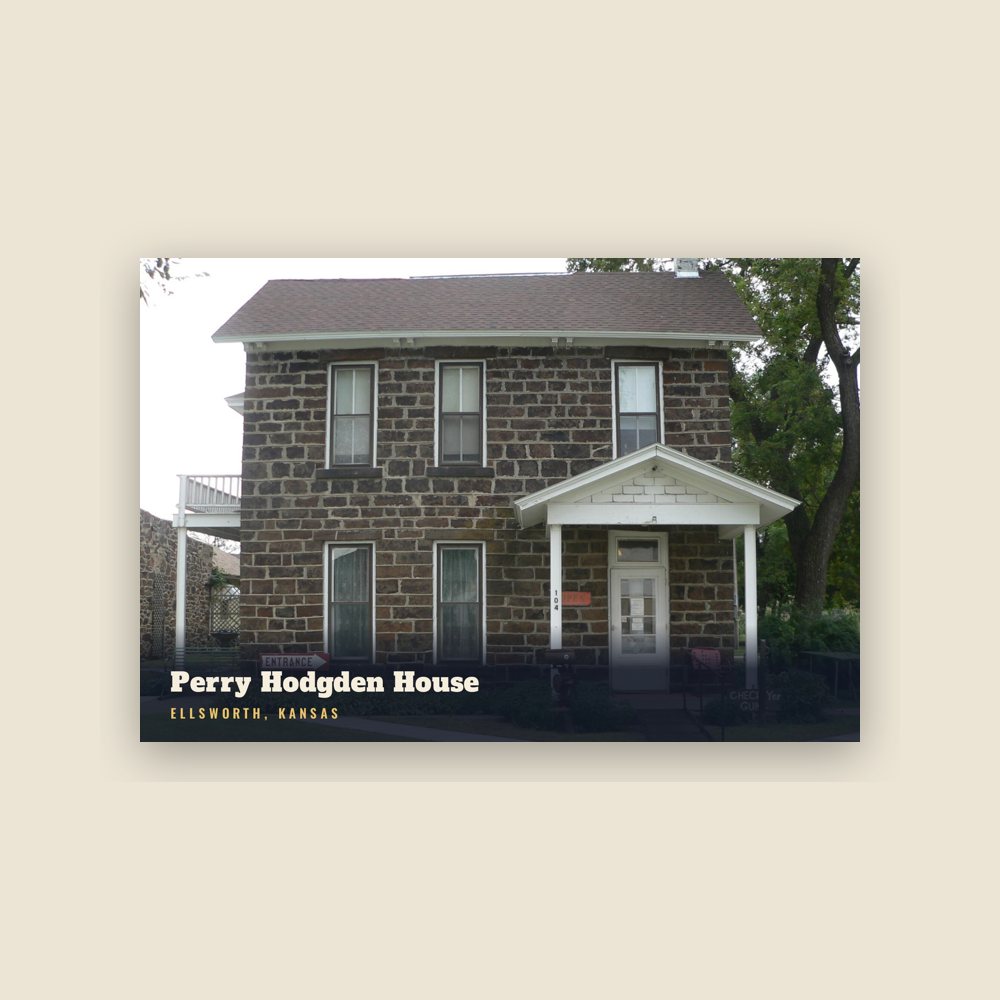
 Perry Hodgden House
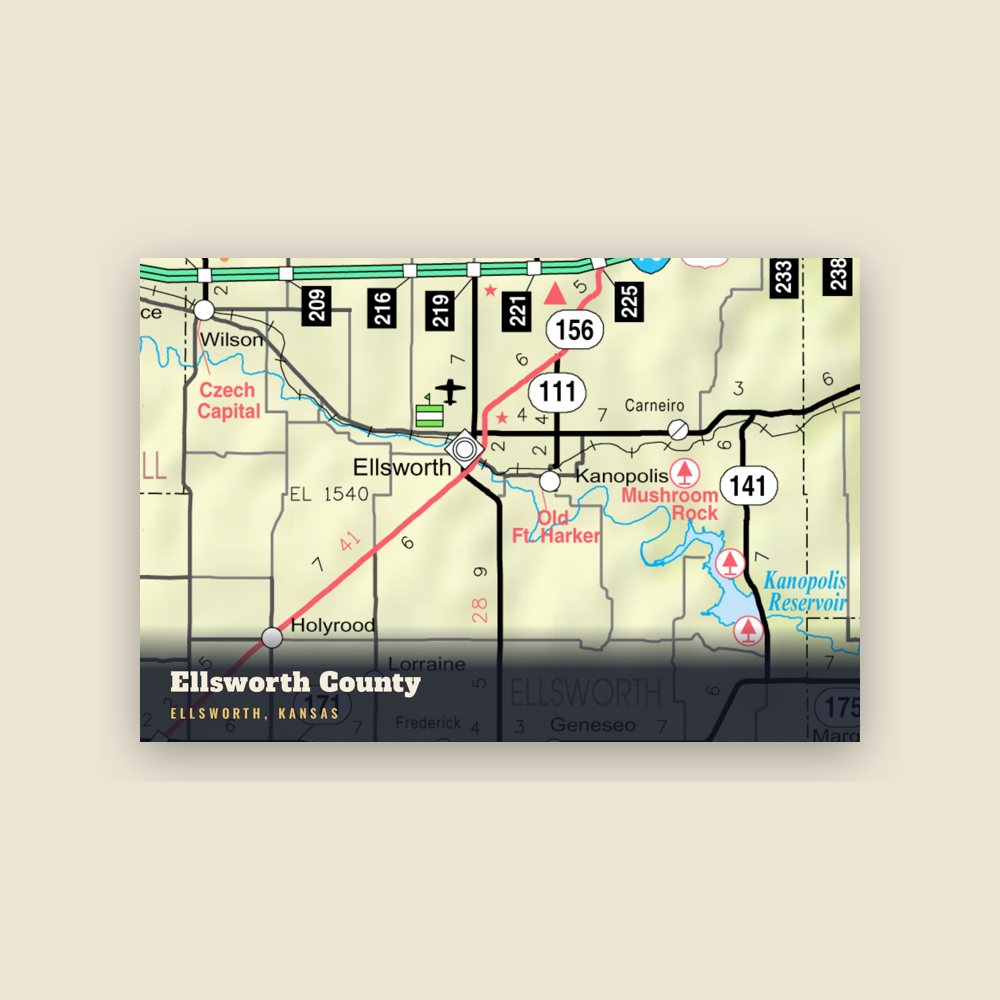
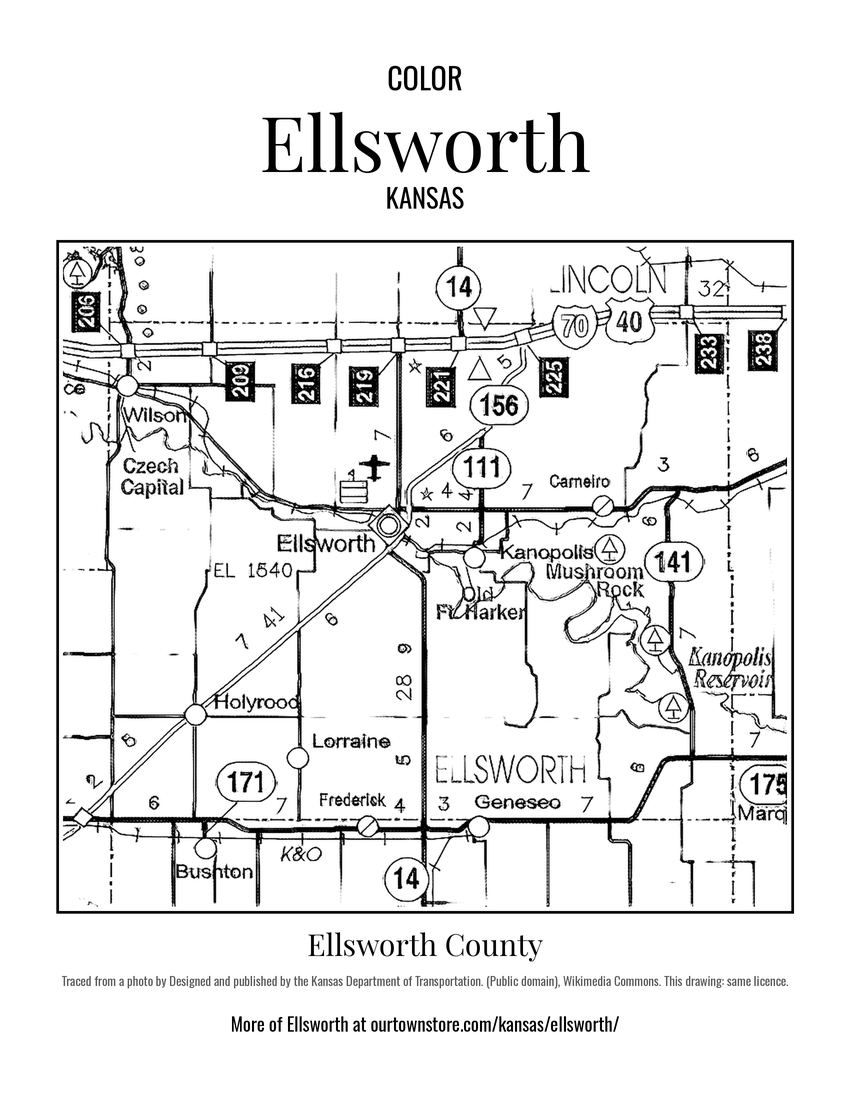 Ellsworth County
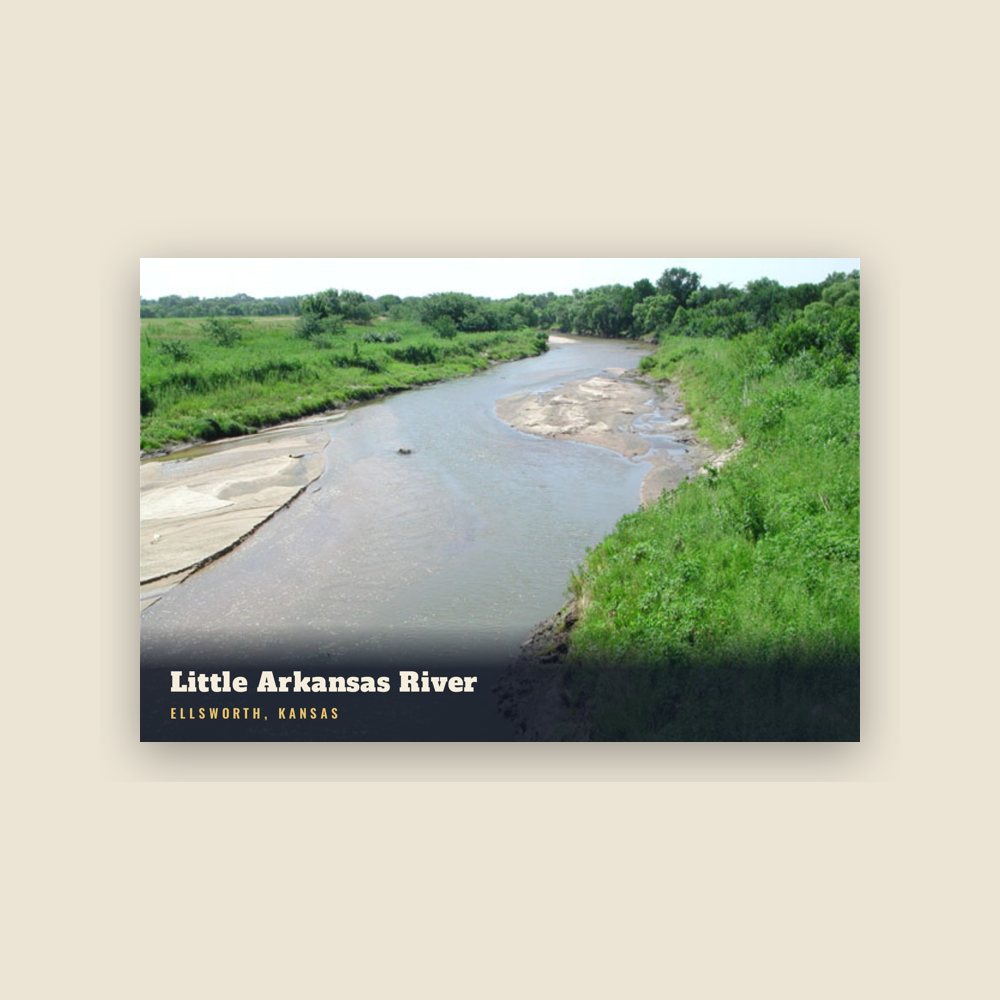
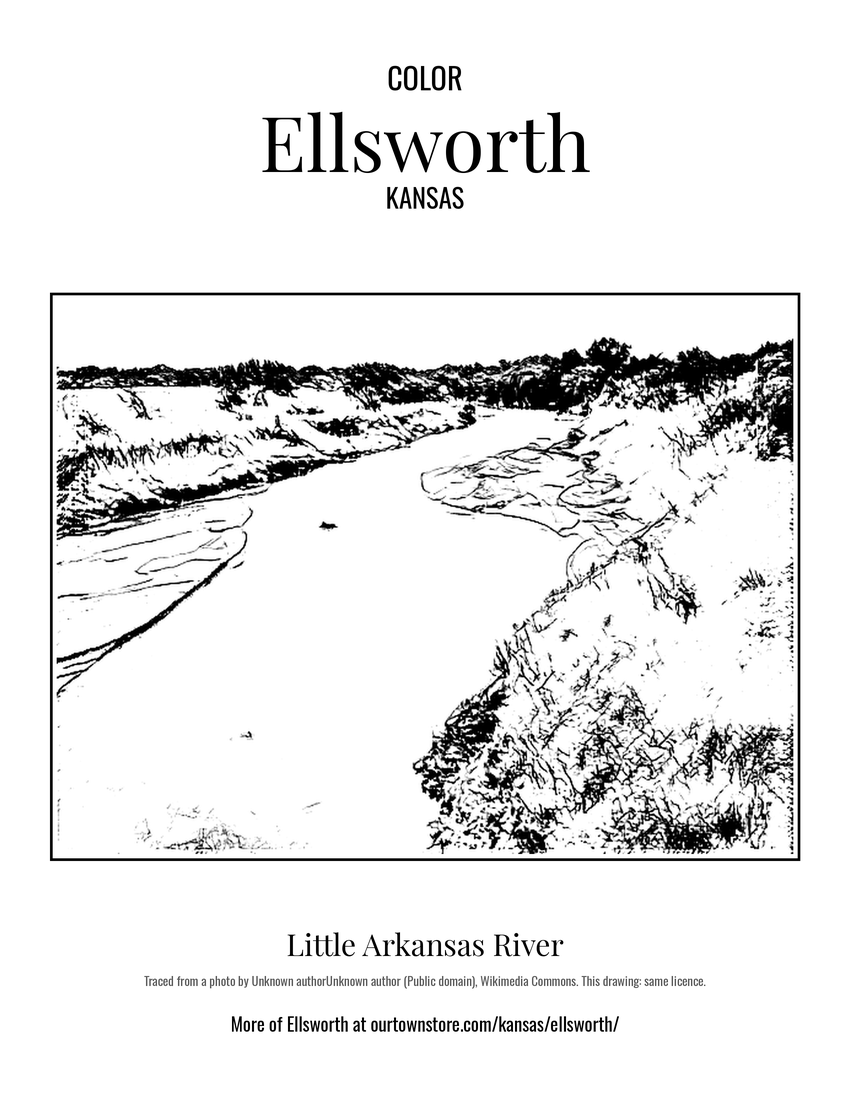 Little Arkansas River
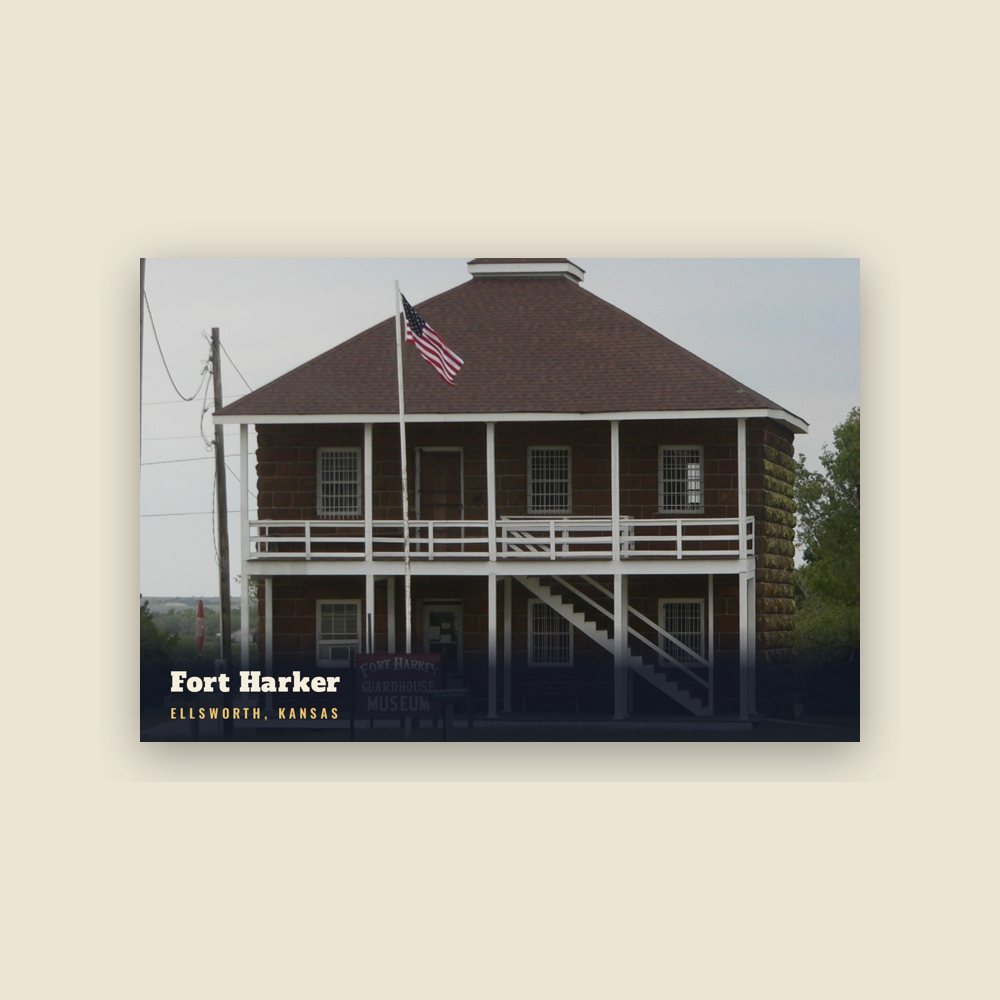
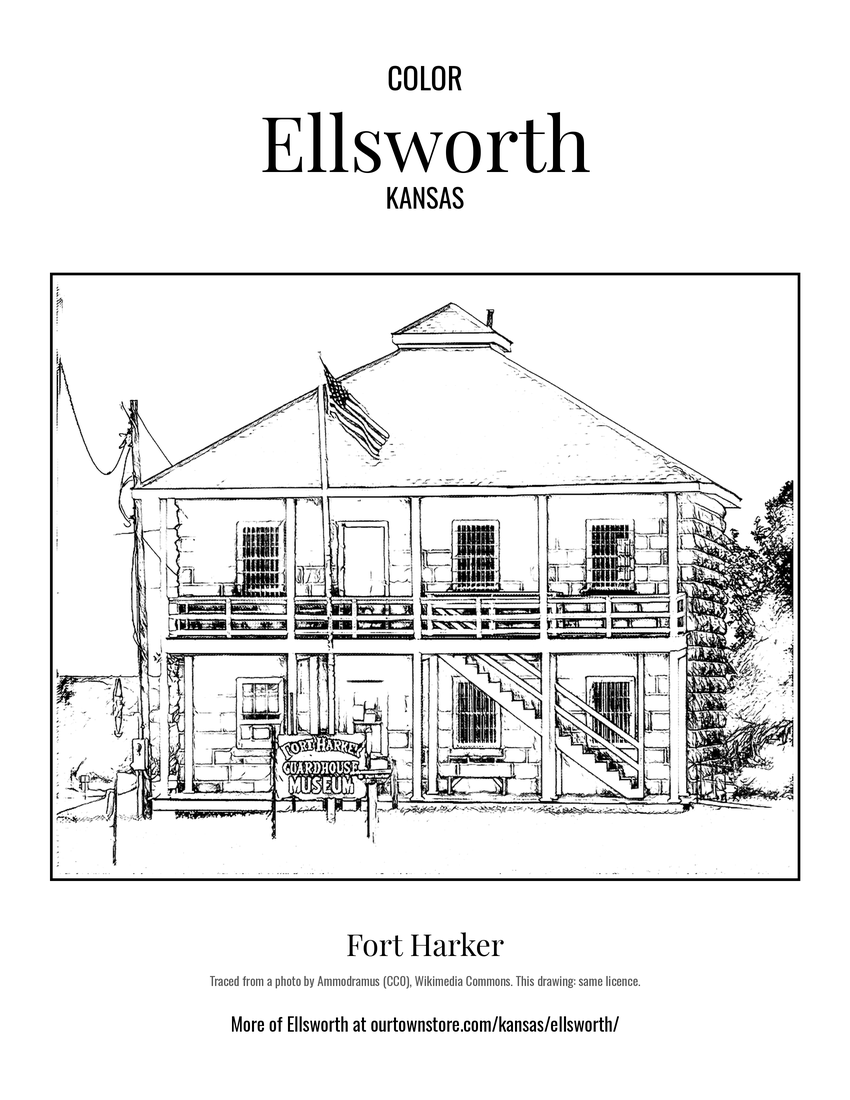 Fort Harker