A short history of Montrose
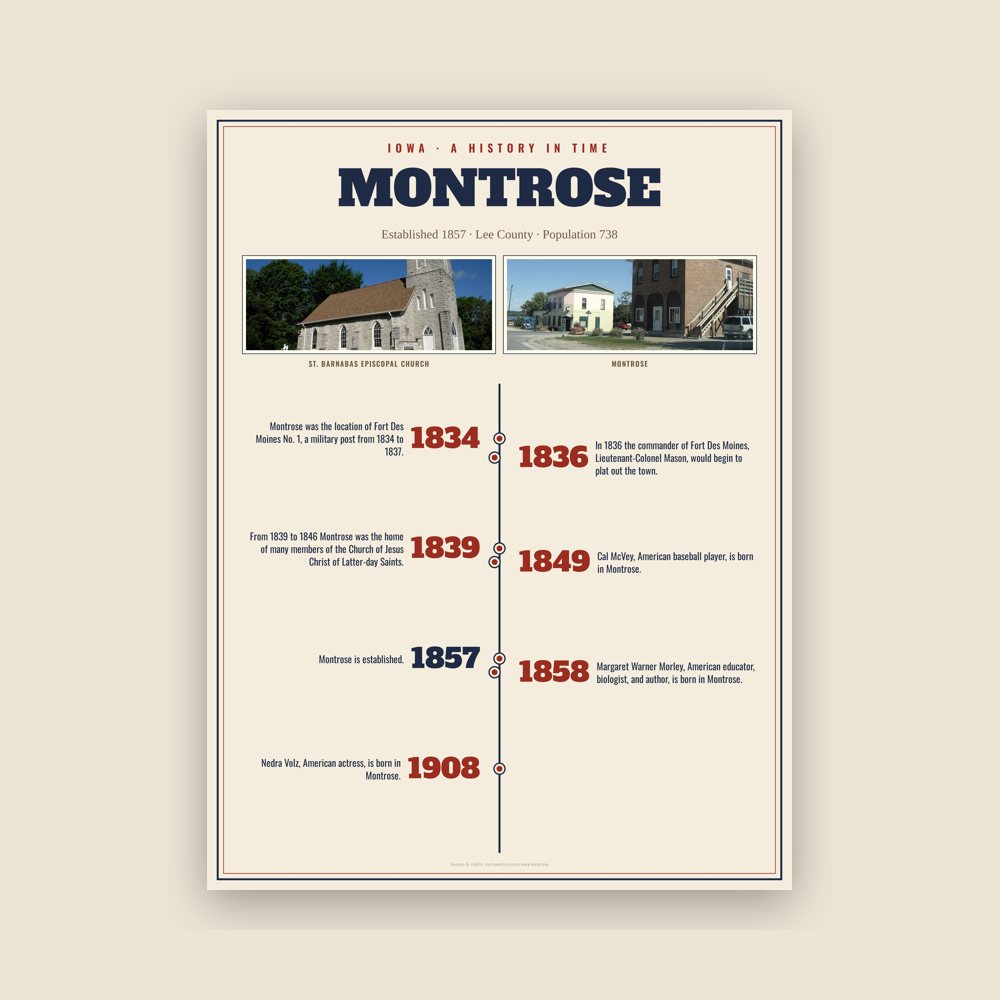
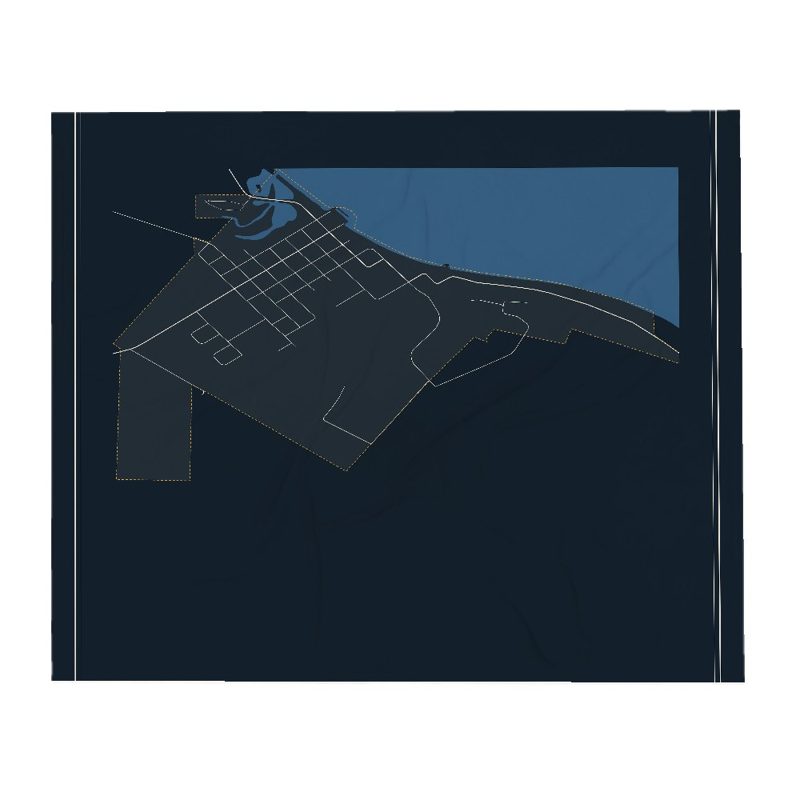
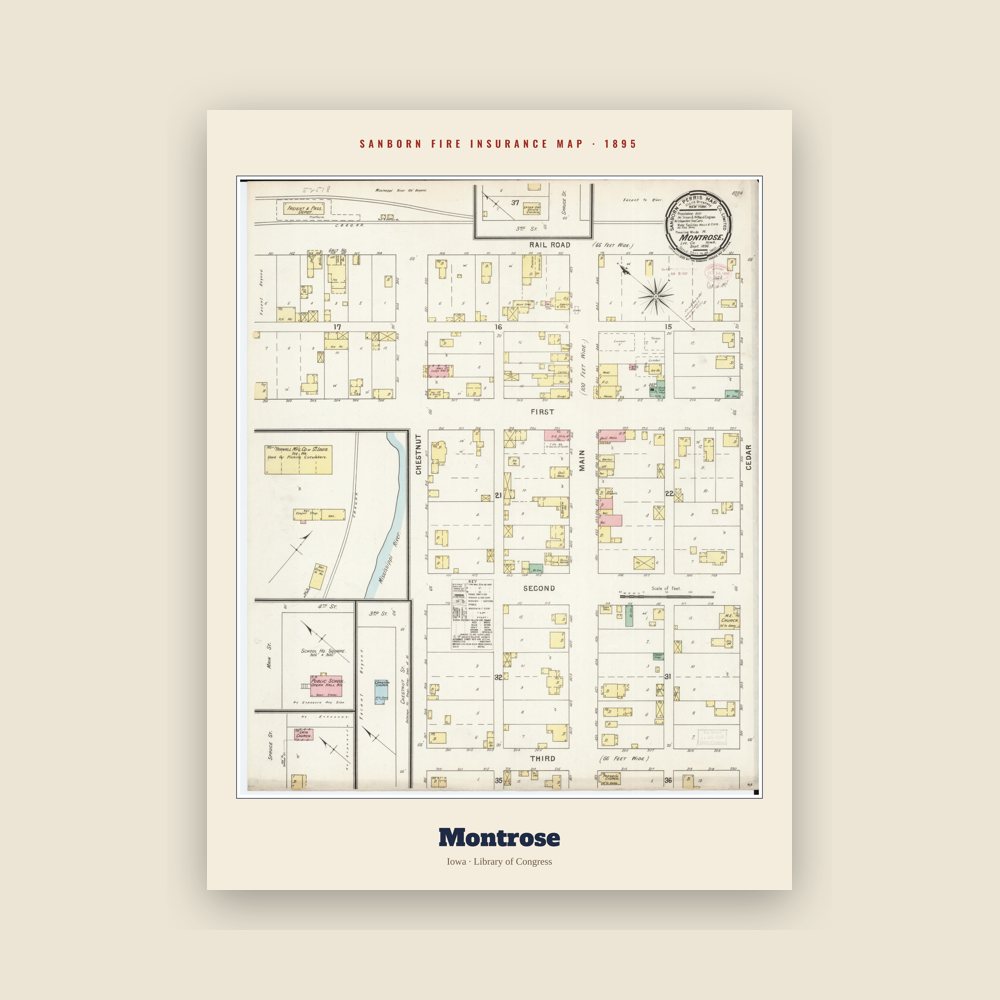
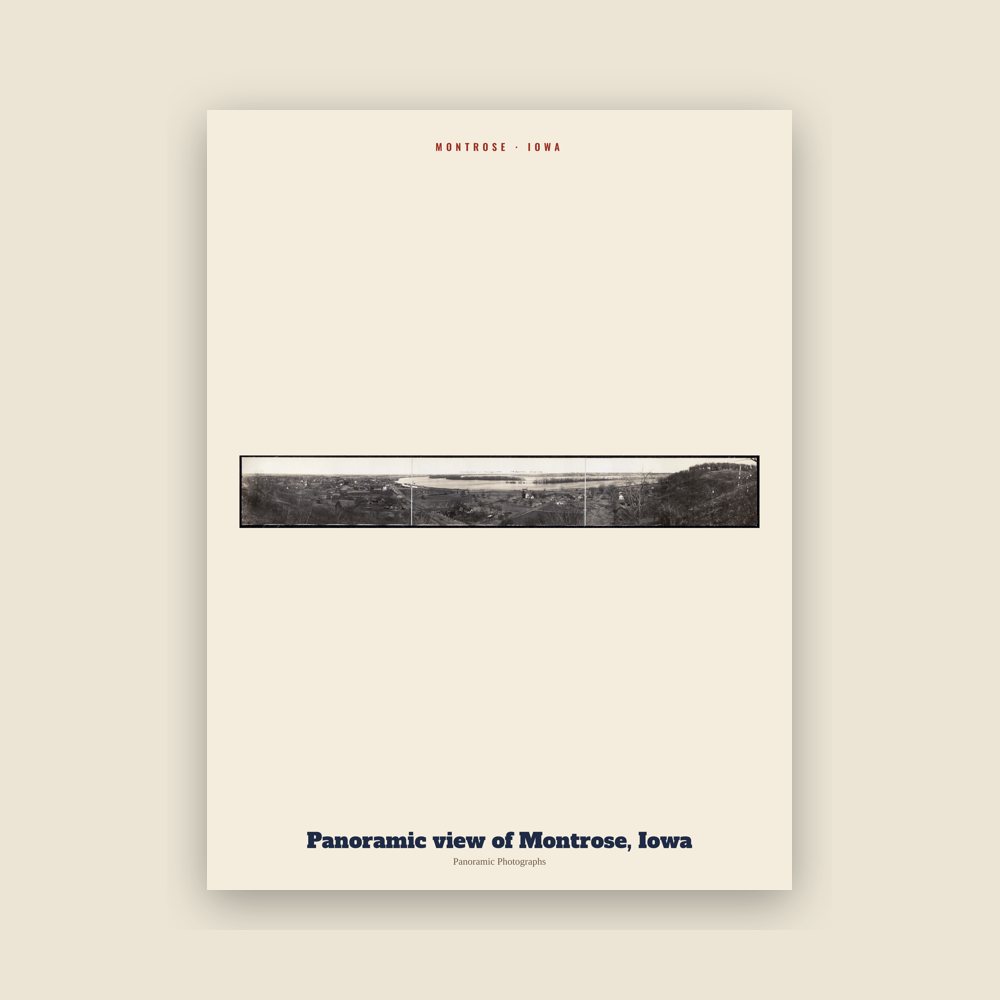
The area around Montrose has been occupied continuously since at least the 1780s, when Quashquame's village was established nearby. The area was strategically important because it is at the head of the Des Moines Rapids, a major impediment to river traffic that caused large boats to land in this area and transfer freight overland to avoid the rapids. Montrose was the location of Fort Des Moines No. 1, a military post from 1834 to 1837. In 1836 the commander of Fort Des Moines, Lieutenant-Colonel Mason, would begin to plat out the town. Later that year David W. Kilbourne would finish laying out the town, and would name it Montrose. From 1839 to 1846 Montrose was the home of many members of the Church of Jesus Christ of Latter-day Saints. This was primarily significant in 1839 when many people lived in an abandoned barracks at Montrose that served as a good short term residence while homes were being built in nearby Nauvoo, Illinois. Among Montrose's residents at this time were Brigham Young, Wilford Woodruff and Erastus Snow. Despite legends that the streets of Montrose were aligned to allow a direct view of the Nauvoo Temple across the Mississippi River in Illinois, the streets actually align with the 1834 layout of Fort Des Moines.
Montrose was incorporated in 1857, with Doctor J. Anderson elected the first mayor in June. Montrose became an important river town until the construction of a canal near Keokuk ended the lightering business.
Adapted (trimmed) from the Wikipedia article Montrose, Iowa, revision 1377769853 by its contributors, licensed CC BY-SA 4.0.

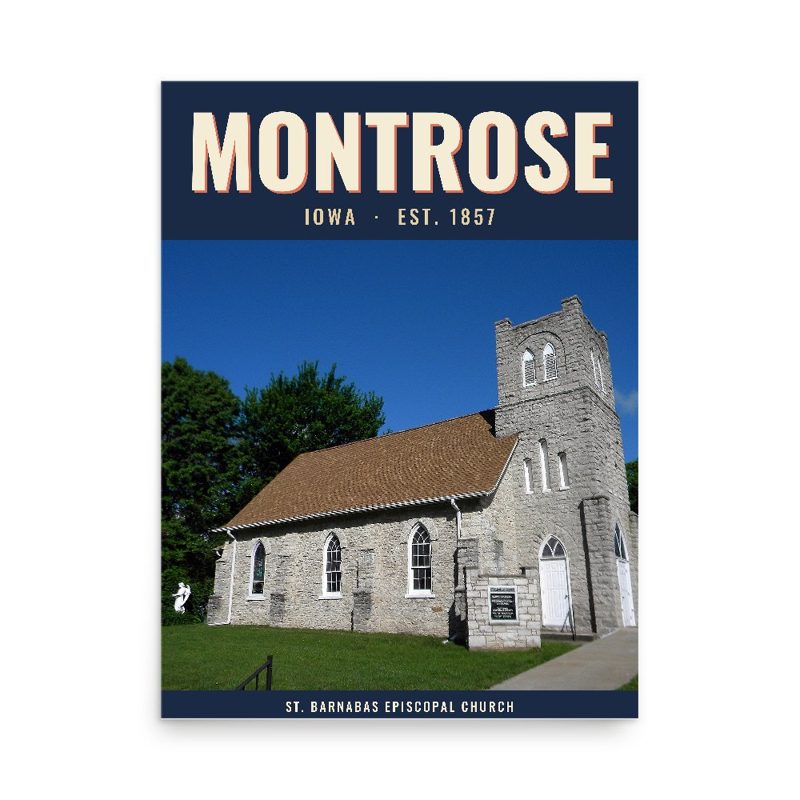
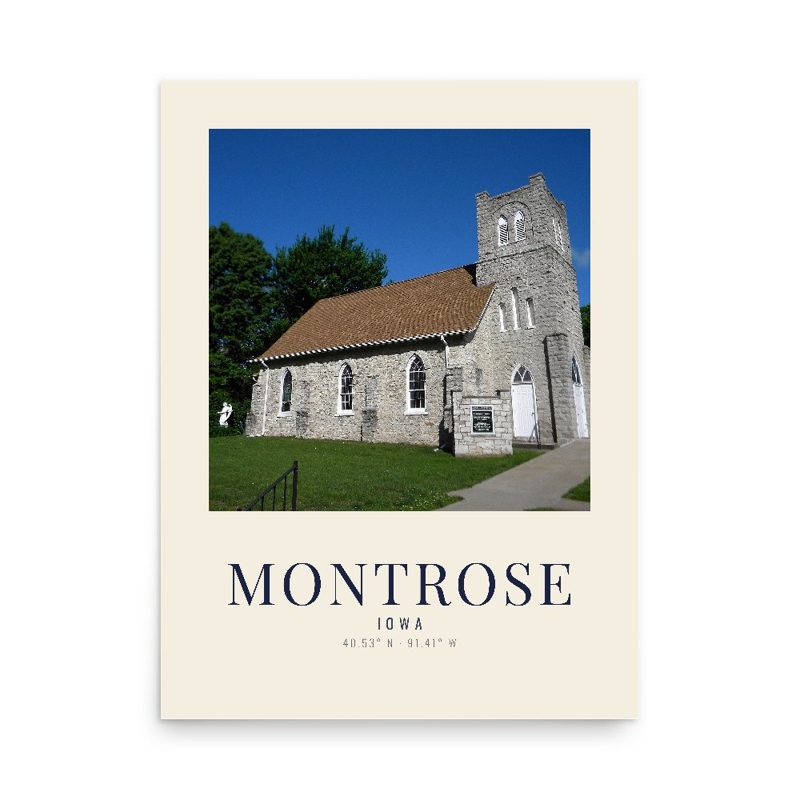
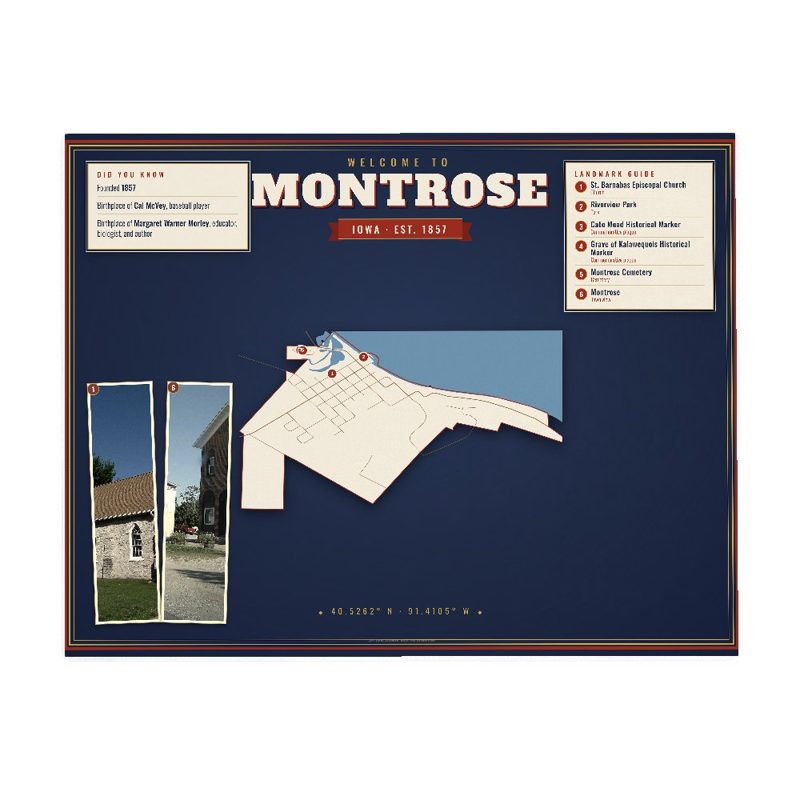


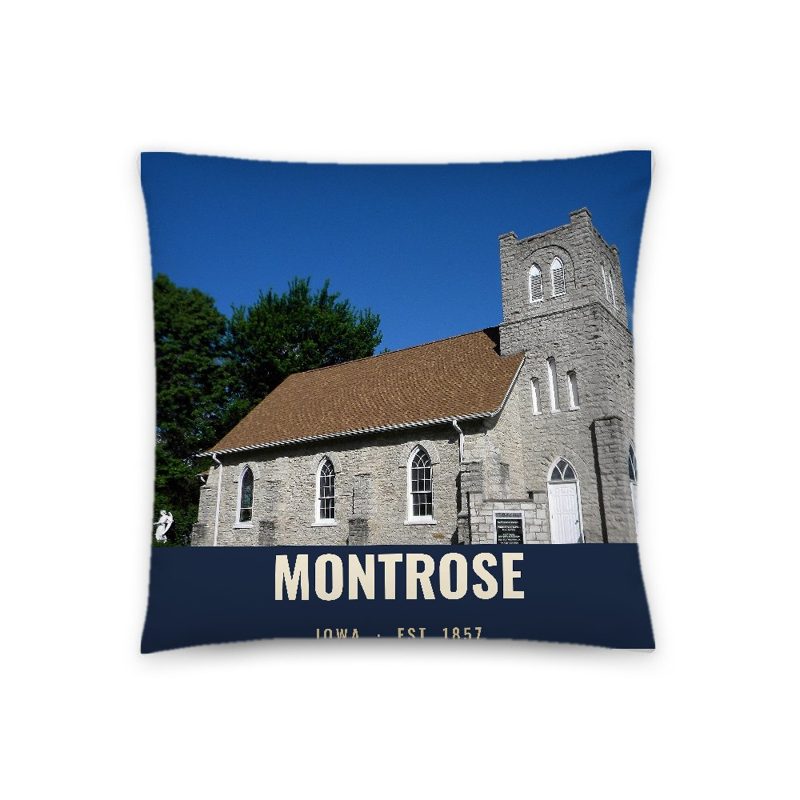
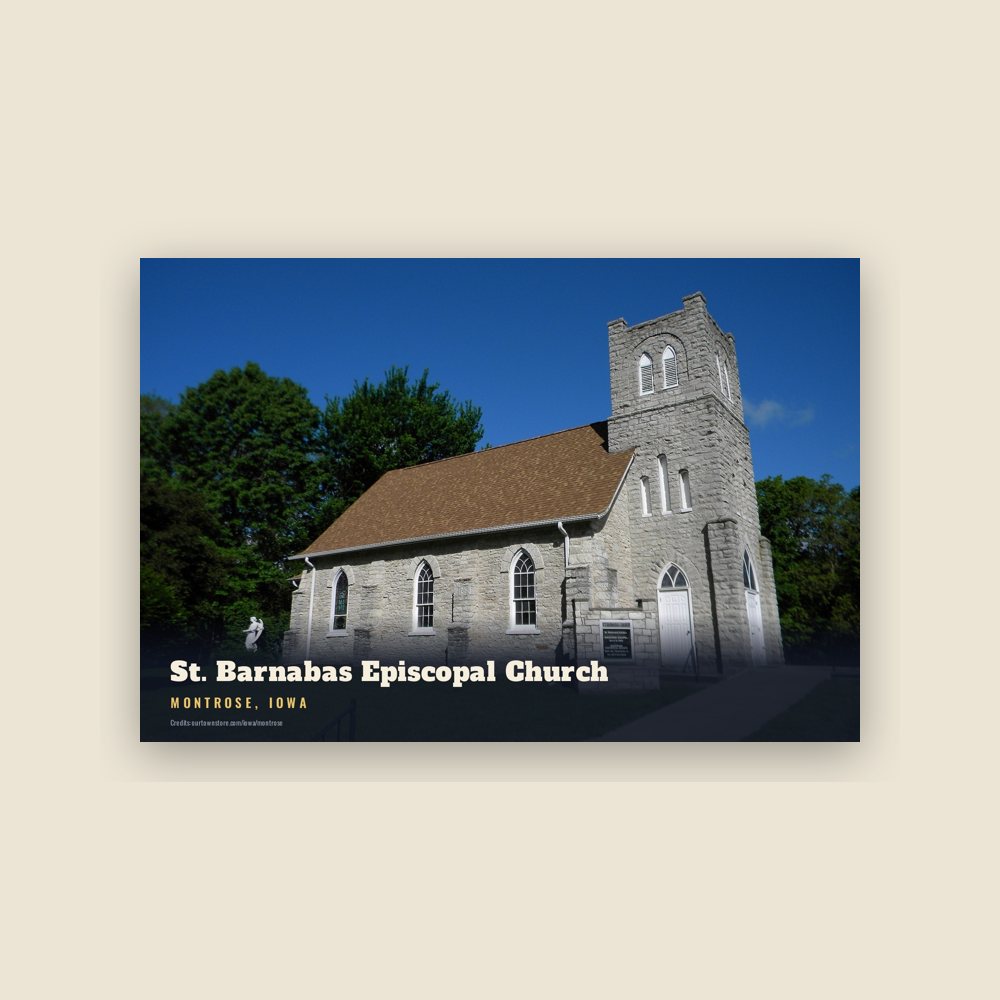
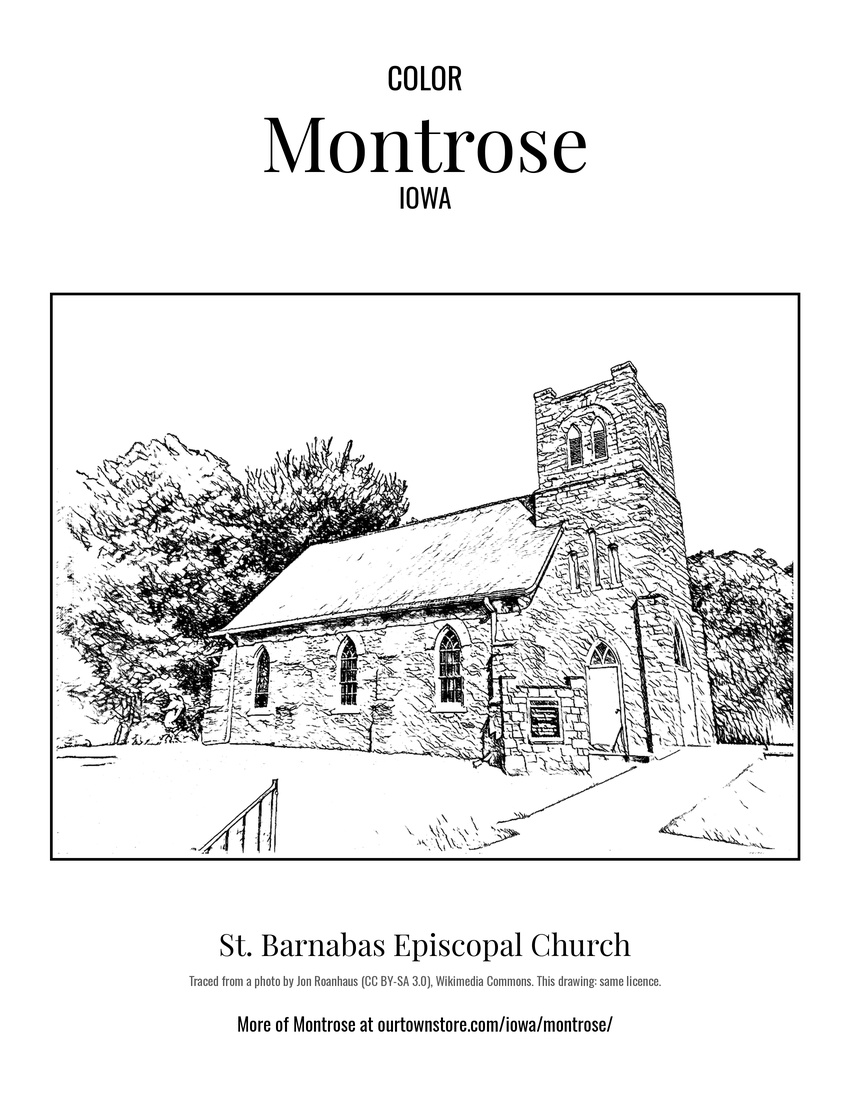 St. Barnabas Episcopal Church
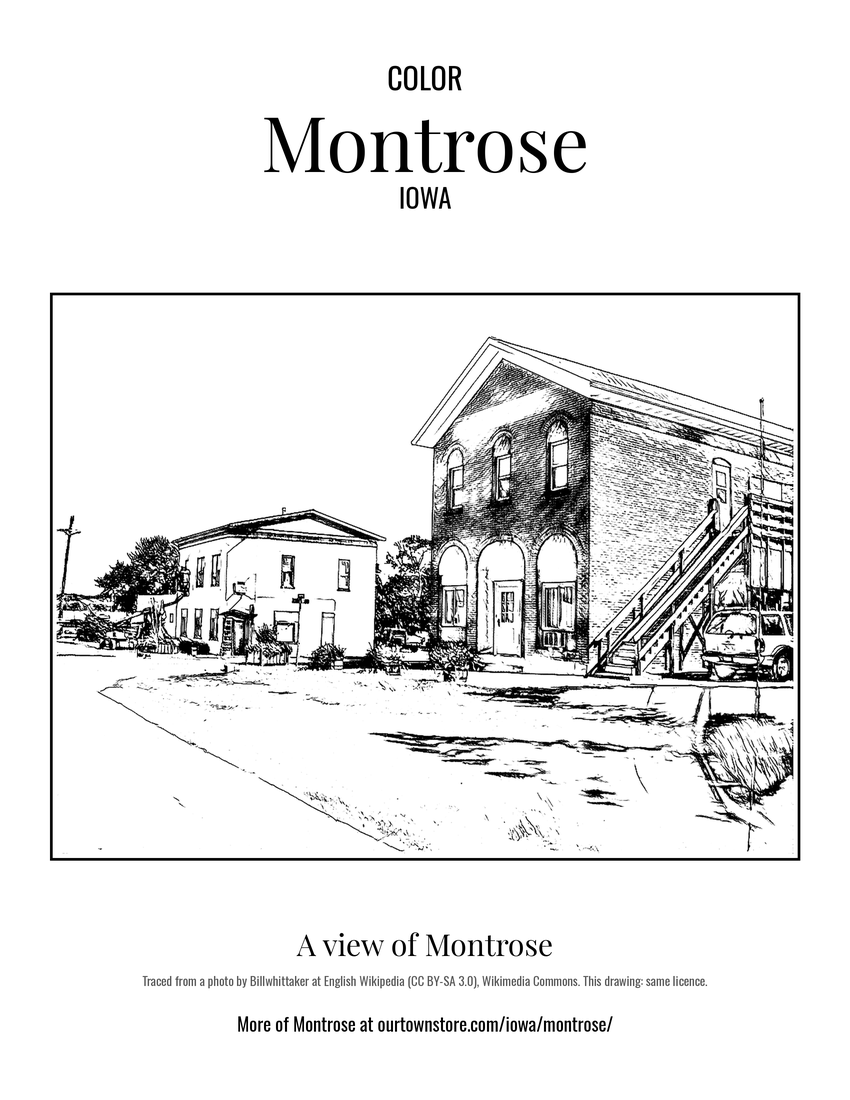 A view of Montrose