A short history of Dubuque
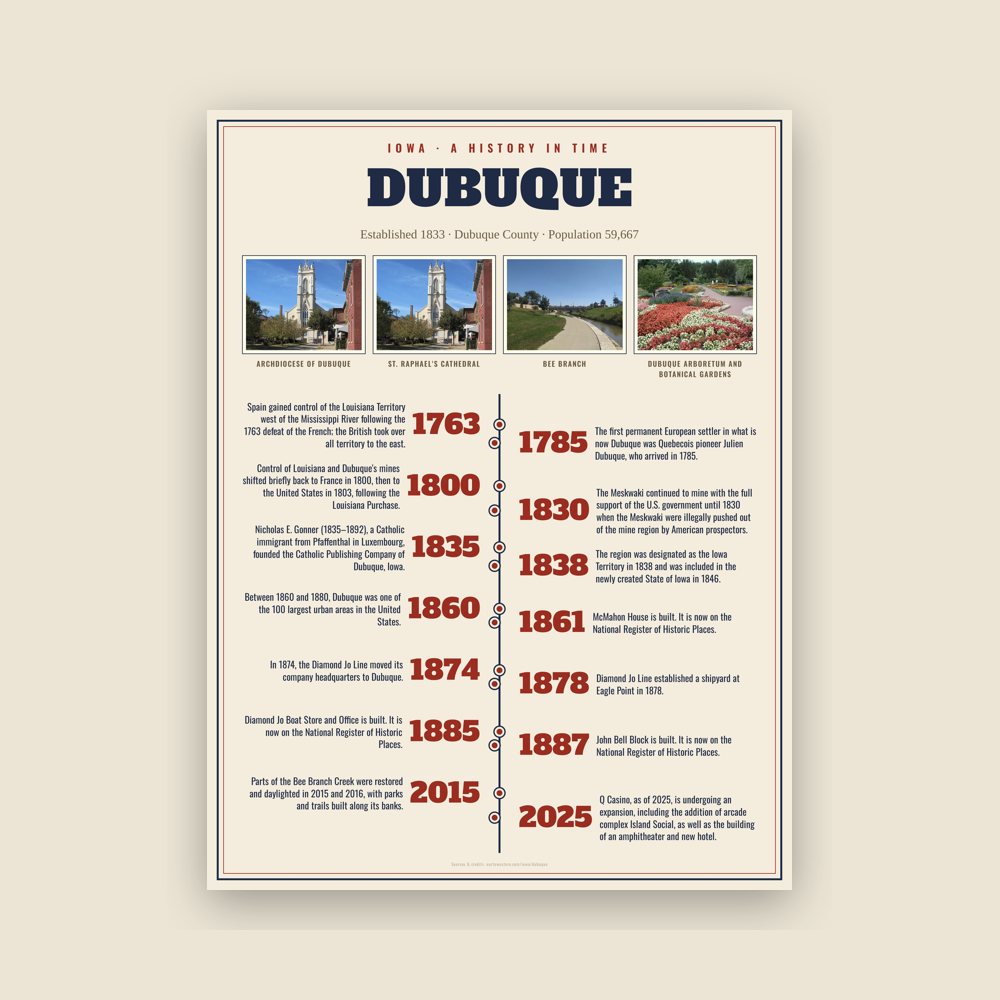
Spain gained control of the Louisiana Territory west of the Mississippi River following the 1763 defeat of the French; the British took over all territory to the east. The first permanent European settler in what is now Dubuque was Quebecois pioneer Julien Dubuque, who arrived in 1785. In 1788, he received permission from the Spanish government and the local Meskwaki people to mine the area's rich lead deposits. Control of Louisiana and Dubuque's mines shifted briefly back to France in 1800, then to the United States in 1803, following the Louisiana Purchase. The Meskwaki continued to mine with the full support of the U.S. government until 1830 when the Meskwaki were illegally pushed out of the mine region by American prospectors.
The city of Dubuque was named after Julien Dubuque, who settled at the southern end of a large flat plain adjacent to the Mississippi River. The city was officially chartered in 1833 as part of the unorganized territory of the U.S., and is the oldest city in Iowa. The region was designated as the Iowa Territory in 1838 and was included in the newly created State of Iowa in 1846. After the lead resources were exhausted, the city became home to numerous industries. Dubuque became a center for the timber industry because of its proximity to forests in Minnesota and Wisconsin, and was later dominated by various mill working businesses. Also important were boat building, brewing, and later, the railroad industry. In 1874, the Diamond Jo Line moved its company headquarters to Dubuque. Diamond Jo Line established a shipyard at Eagle Point in 1878. Just two years later, the company was the largest employer in Dubuque, putting 78 people to work, 75 of whom worked at the shipyard earning their collective $800–$1,000 per week in wages.
Between 1860 and 1880, Dubuque was one of the 100 largest urban areas in the United States. Iowa's first church was built by Methodists in 1833.
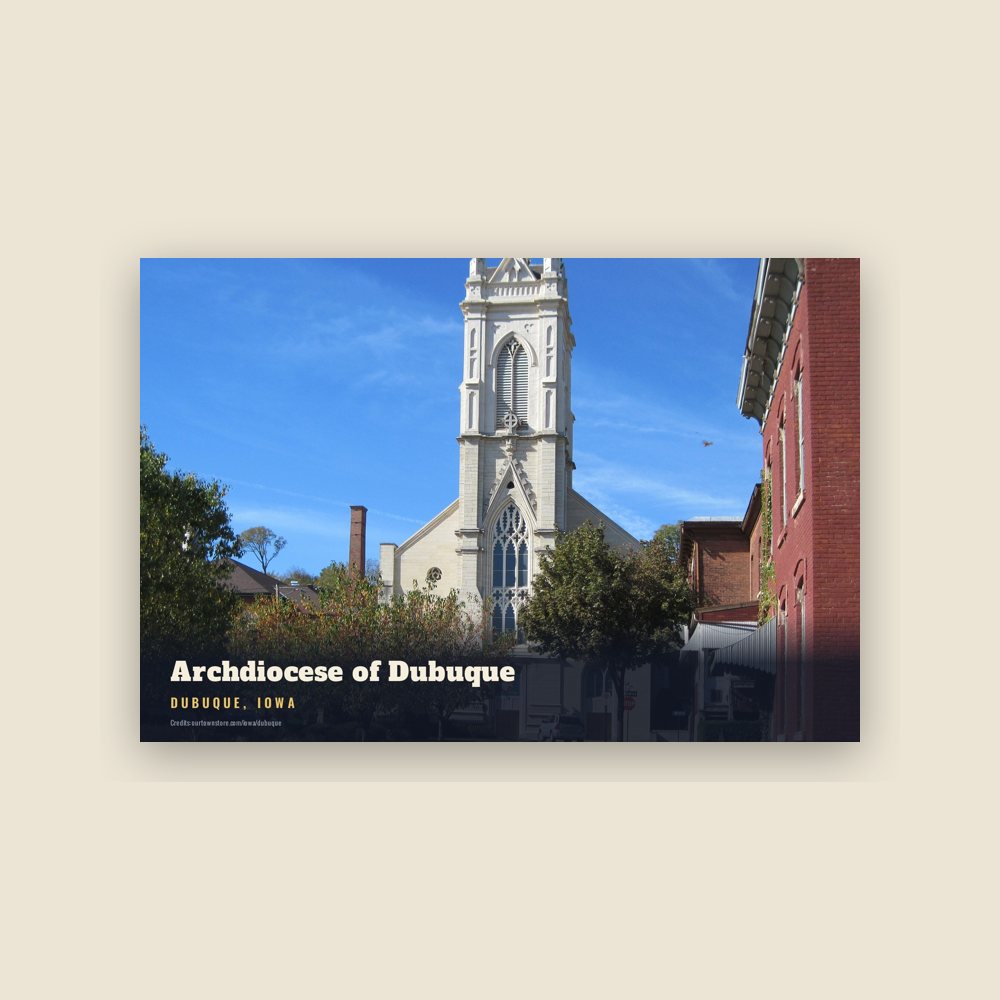
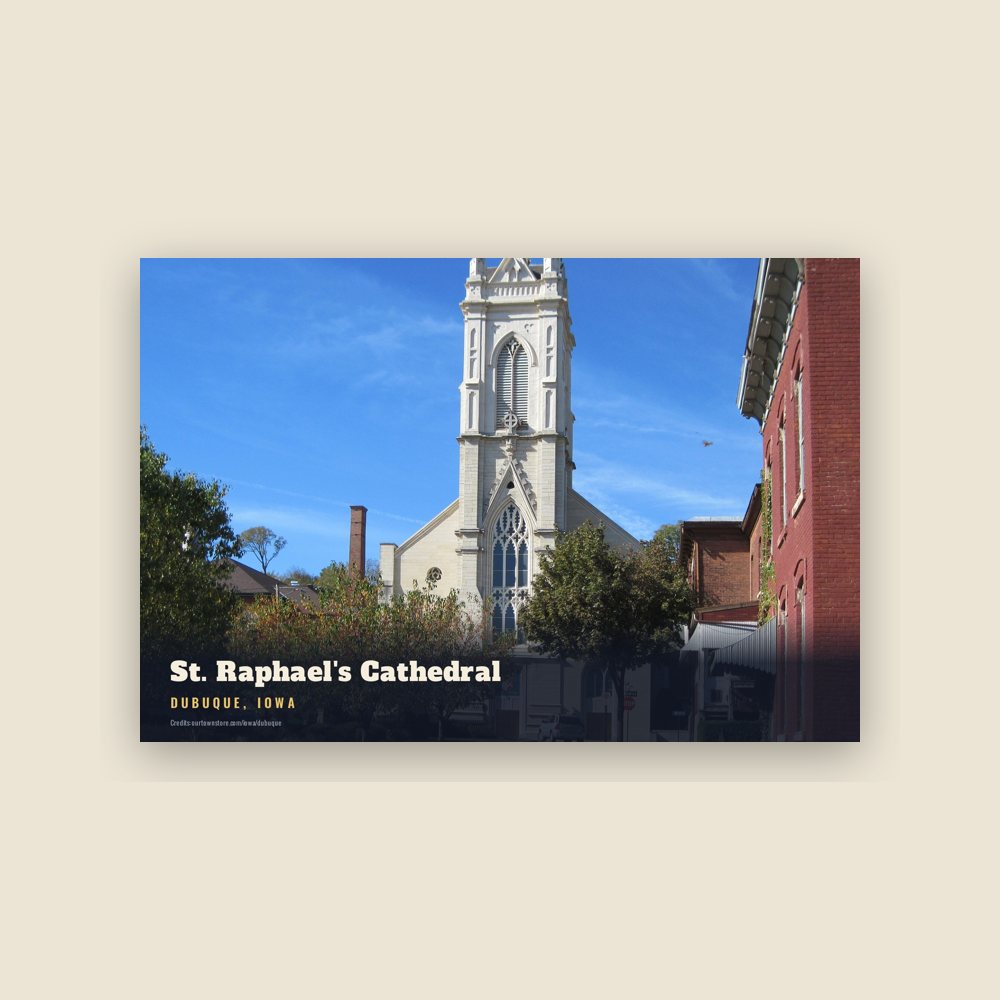
Beginning in the mid-19th century and into the early 20th century, thousands of impoverished German, Luxembourgish and Irish Catholic immigrants came to the city to work in the manufacturing centers. The city's large Roman Catholic congregations led to its designation as the seat of the newly established Archdiocese of Dubuque. Numerous convents, abbeys, and other religious institutions were built. The ethnic German and Irish descendants maintain a strong Catholic presence in the city. Nicholas E. Gonner (1835–1892), a Catholic immigrant from Pfaffenthal in Luxembourg, founded the Catholic Publishing Company of Dubuque, Iowa. His son Nicholas E. Gonner Jr. (1870–1922) took over in 1892, editing two German-language weeklies, an English-language weekly, and the Daily Tribune, the only Catholic daily newspaper ever published in the United States.
Early in the 20th century, Dubuque was one of several sites of a brass era automobile company, Adams-Farwell; like most others, it folded. Subsequently, Dubuque grew significantly, and industrial activity remained its economic mainstay until the 1980s.
A series of changes in manufacturing and the onset of the Farm Crisis in the 1980s led to a large decline in the sector and the city's economy as a whole. In the 1990s, the economy diversified rapidly, shifting away from heavy industry. Tourism, technology, and publishing are now among the largest and fastest-growing businesses. Dubuque attracts over 2 million tourists annually.
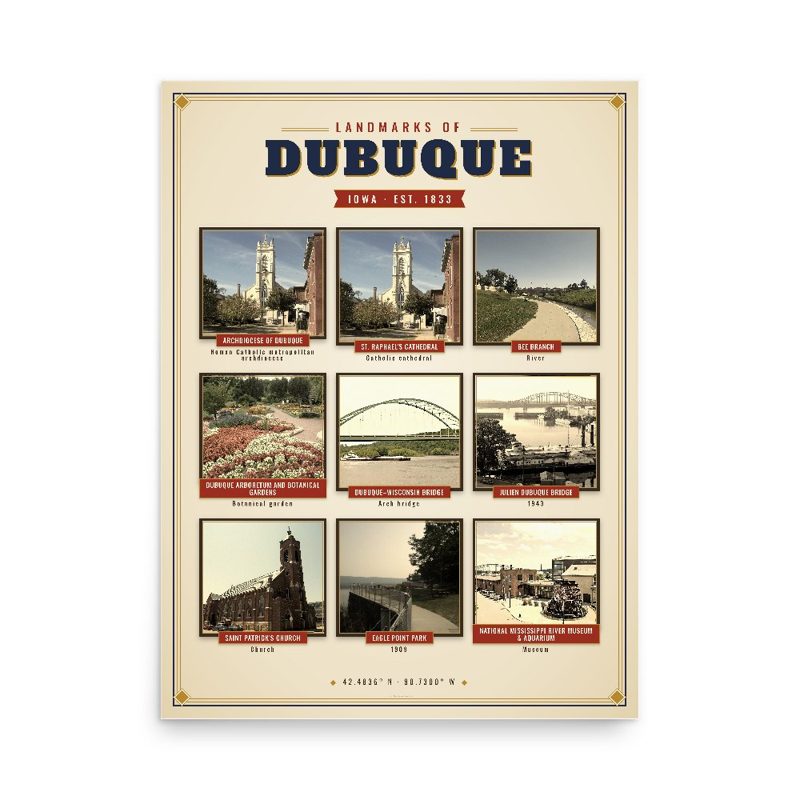
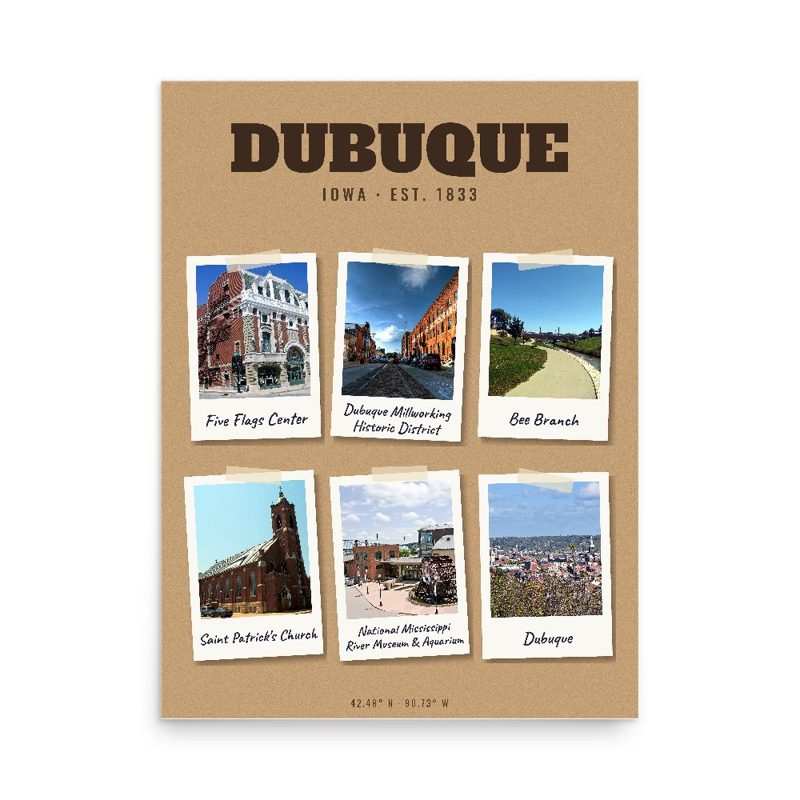
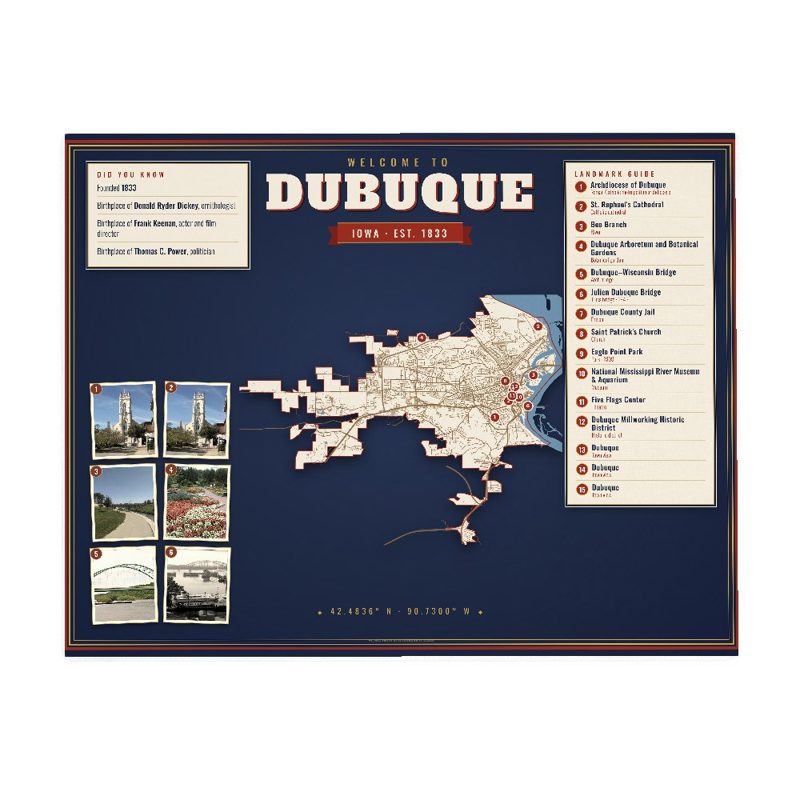
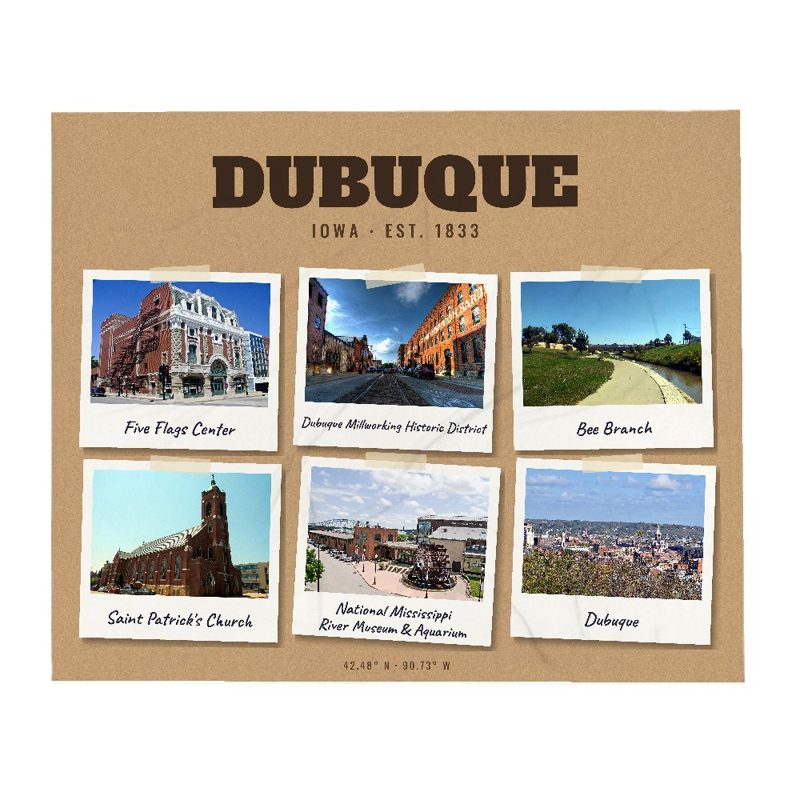
At the start of the 21st century, the city focused its efforts on revitalizing the Port of Dubuque, which now includes the National Mississippi River Museum and Aquarium, Grand Harbor Resort and Waterpark, Grand River Event Center, Diamond Jo Dubuque casino, the nearly-mile long Mississippi Riverwalk, and Stone Cliff Winery, which is housed in the former Dubuque Star Brewery building.
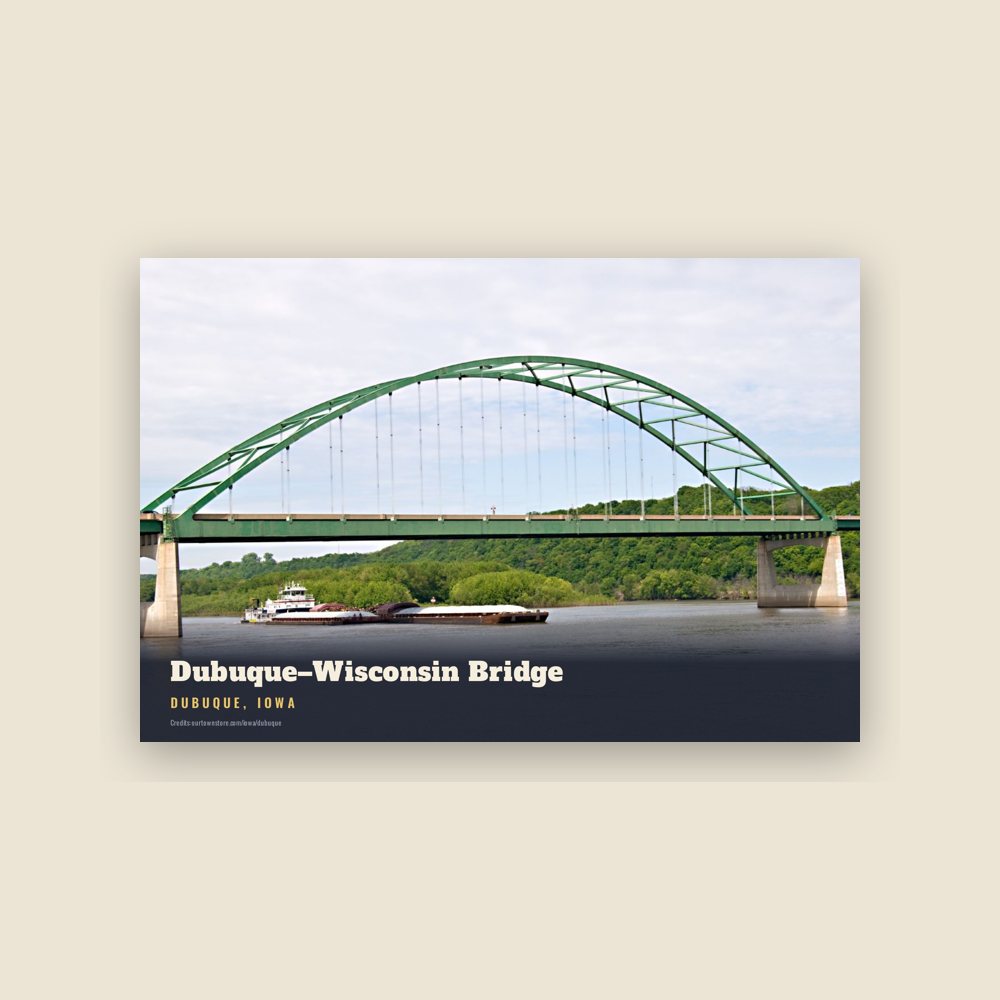
Also revitalized in recent years is Chaplain Schmitt Island, located near the Dubuque-Wisconsin Bridge. Q Casino, as of 2025, is undergoing an expansion, including the addition of arcade complex Island Social, as well as the building of an amphitheater and new hotel.
In the early-to-mid 2010s, a large portion of the Dubuque Millworking Historic District was renovated. It is now home to several restaurants, stores, offices and apartments, as well as a monthly summertime night market.
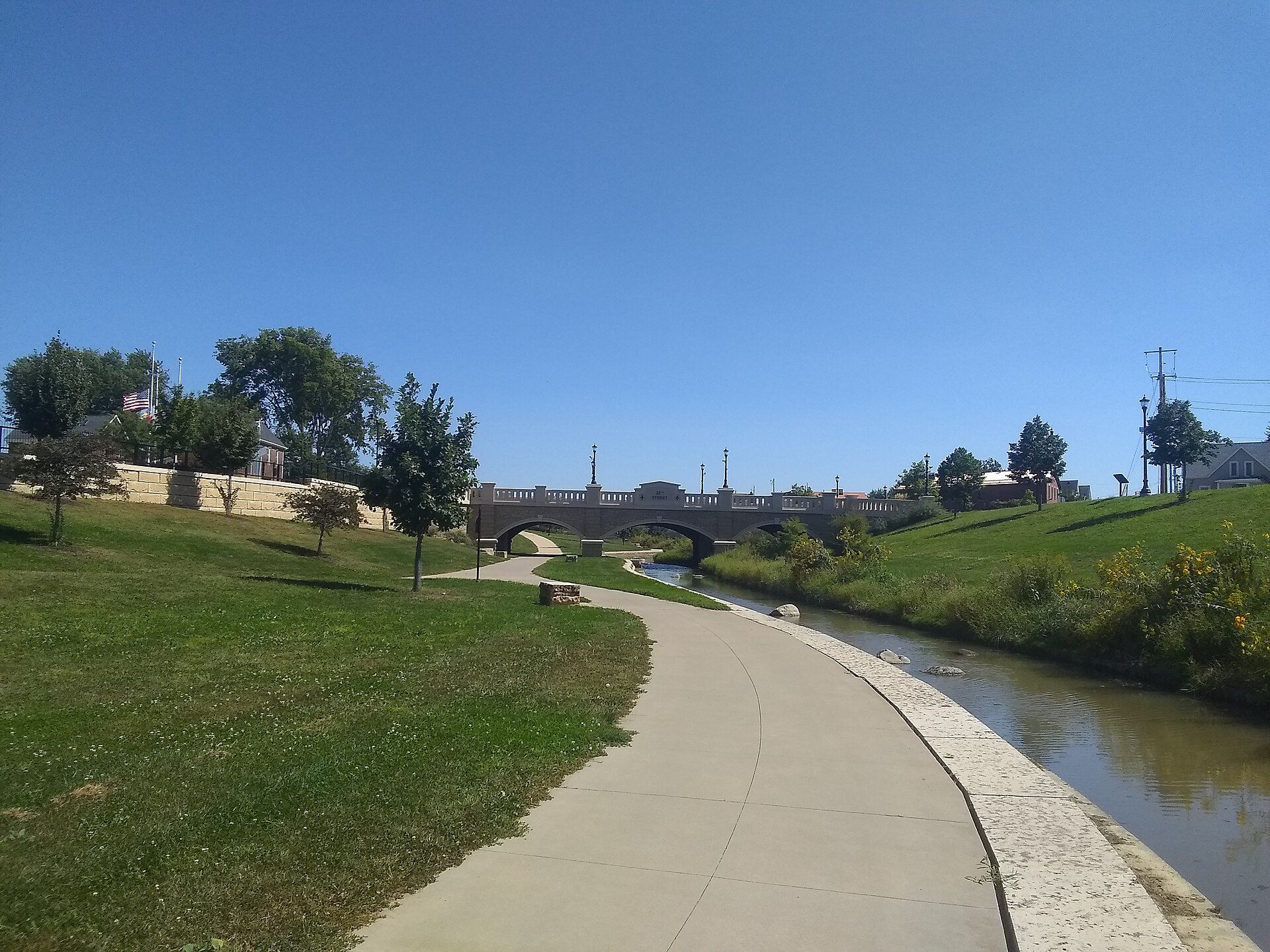
For much of the 21st century, the city has worked to minimize flooding in low-lying and downslope areas, such as in the North End. Parts of the Bee Branch Creek were restored and daylighted in 2015 and 2016, with parks and trails built along its banks. Efforts to curb flash flooding in other parts of town, such as the Valley View neighborhood, continue into the 2020s.
Adapted (trimmed) from the Wikipedia article Dubuque, Iowa, revision 1375924120 by its contributors, licensed CC BY-SA 4.0.