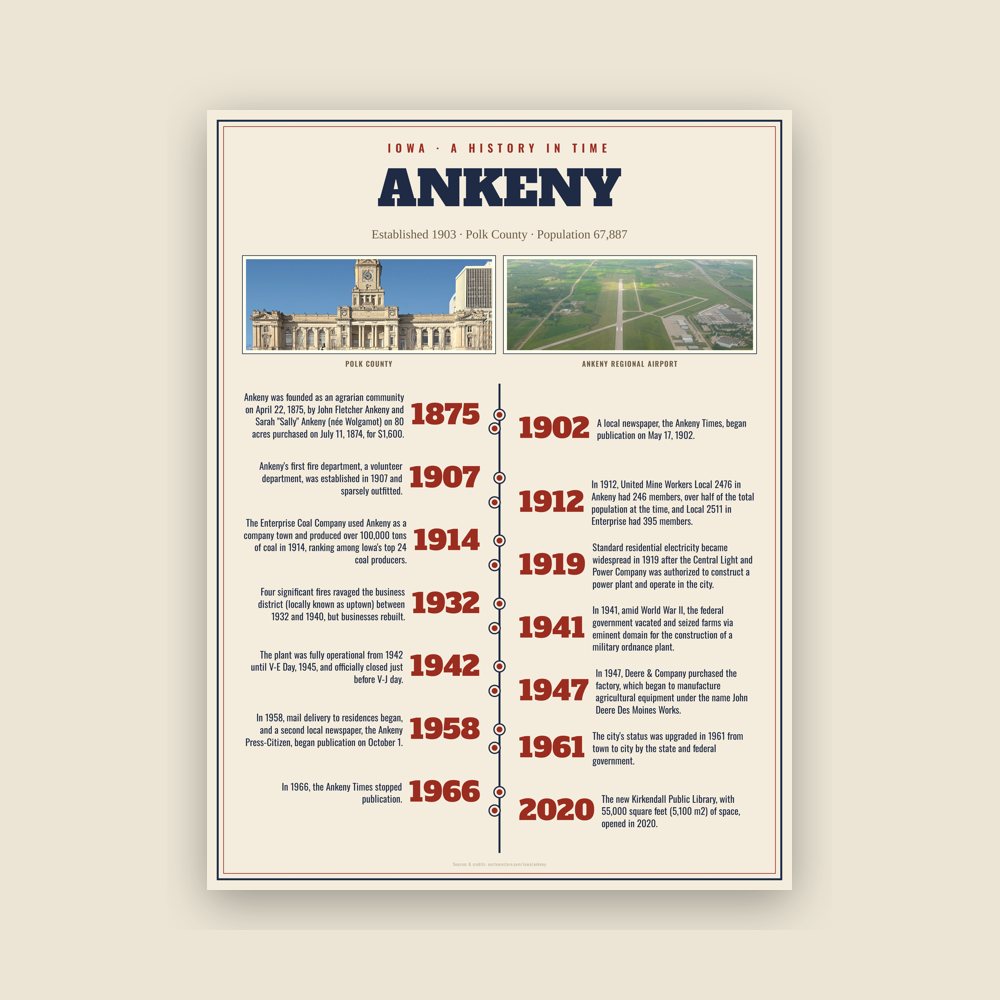
Ankeny was founded as an agrarian community on April 22, 1875, by John Fletcher Ankeny and Sarah "Sally" Ankeny (née Wolgamot) on 80 acres purchased on July 11, 1874, for $1,600. The town, a single square mile, was formally incorporated on February 28, 1903.
In 1881, the town of Ankeny consisted of seven houses, a Methodist Church, a depot, a combination store/post office, livery stable, a blacksmith shop, rooming house, machine shop, and a school. There was no delivery of mail in the area at this time, and newspapers arrived in town on the train every Friday.
The railroad was eventually laid from Des Moines to Ames via Ankeny. It was completed in 1874 and passenger service was established on July 11, 1880. In the 19th century, the city's industry was primarily agriculture—specifically sorghum and swine production. Sorghum was processed at a nearby mill, while swine were driven to the market in Keokuk.
Read the full history
20th century
A local newspaper, the Ankeny Times, began publication on May 17, 1902. Utilities continued to develop with telephone service in 1903 and sparse electricity in 1907. Standard residential electricity became widespread in 1919 after the Central Light and Power Company was authorized to construct a power plant and operate in the city.
Ankeny's first fire department, a volunteer department, was established in 1907 and sparsely outfitted. Four significant fires ravaged the business district (locally known as uptown) between 1932 and 1940, but businesses rebuilt.
In the early 20th century, coal mining became significant as many companies opened shafts and mines near the city. The Enterprise Coal Company used Ankeny as a company town and produced over 100,000 tons of coal in 1914, ranking among Iowa's top 24 coal producers. In 1912, United Mine Workers Local 2476 in Ankeny had 246 members, over half of the total population at the time, and Local 2511 in Enterprise had 395 members.
World War II and postwar
Before the 1930s, most of Ankeny's land was used for agriculture. Then manufacturing became increasingly significant. In 1941, amid World War II, the federal government vacated and seized farms via eminent domain for the construction of a military ordnance plant. The plant was fully operational from 1942 until V-E Day, 1945, and officially closed just before V-J day.
In 1947, Deere & Company purchased the factory, which began to manufacture agricultural equipment under the name John Deere Des Moines Works. Iowa State University bought the rest of the land surrounding the plant for agricultural research.
In 1958, mail delivery to residences began, and a second local newspaper, the Ankeny Press-Citizen, began publication on October 1. The city's status was upgraded in 1961 from town to city by the state and federal government. In 1966, the Ankeny Times stopped publication.
Later 20th century
In 1967, Des Moines Area Community College purchased 240 acres on the southeast of the Iowa State University plot. Construction began in 1968 on a new main campus, Ankeny Campus. Construction on main facilities continued through the 1970s. Also in 1967, Faith Baptist Bible College and Theological Seminary was established in Ankeny. The college was formerly based in Omaha, Nebraska, and known as Omaha Bible Institute (OBI) and Omaha Baptist Bible College (OBBC).
An F4 tornado struck Ankeny in June 1974, along with Des Moines, Pleasant Hill, Runnells, Boundurant, and Carlisle. It killed two people and injured 50.
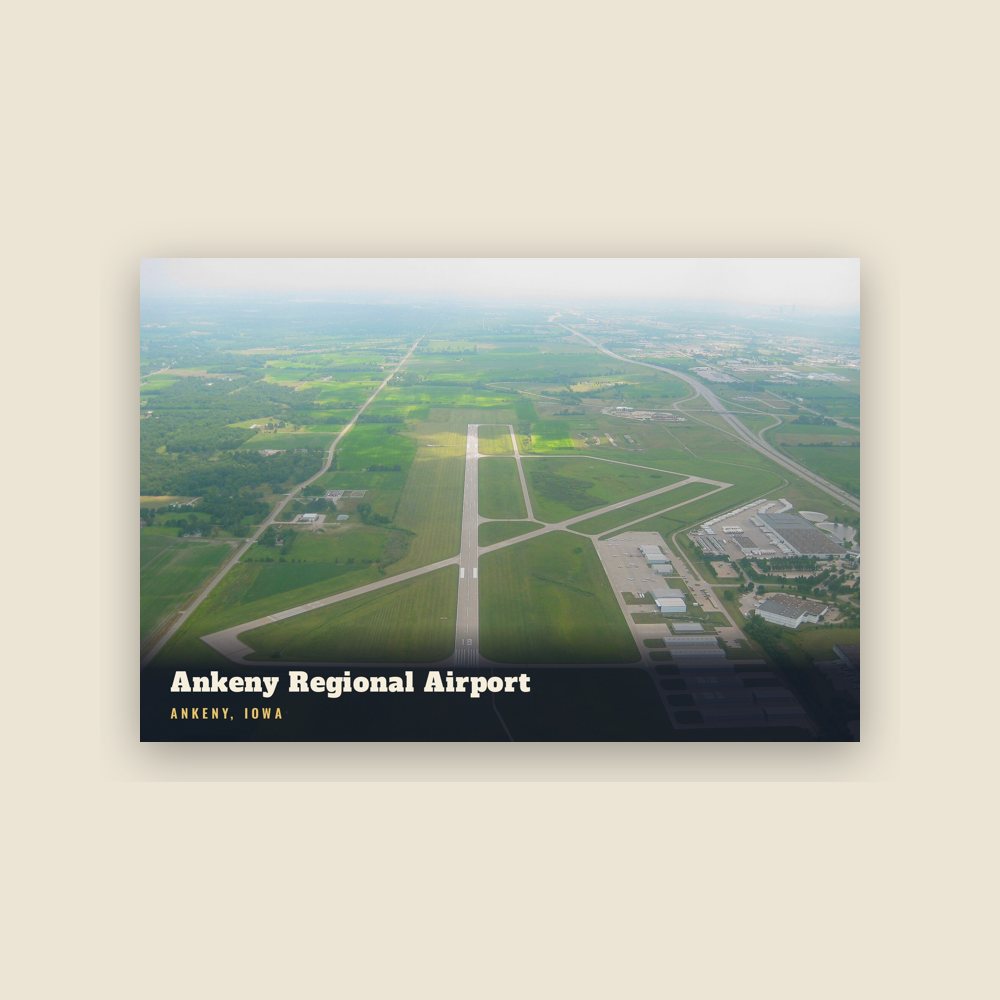
In 1989, public and private interests began planning for a local airport in northeast Polk County. Ankeny Regional Airport, the result of the project, opened in 1994. The first flight was a Cessna 182 Skylane.
21st century
In 2003, changes in Iowa state law allowed Iowa State University to sell off its research plot near Ankeny, which it did to the city in June 2005 for $23.6 million. In 2004, the city government had requested proposals for a new district called Prairie Trail to be created on the plot. In September 2005, the city sold the land to Dennis Albaugh, whose company submitted the chosen proposal for the same price. The city agreed to invest up to $20 million in basic infrastructure for the district, which Albaugh's company agreed to match and enter into a Civic Trust Fund to be used for public facilities.
In 2008, Ankeny was recognized as one of the top ten towns for families by Family Circle. In 2009, it ranked 62nd on Money magazine's list of the top 100 places to live.
In 2017, an $8.5 million bond referendum to create a new, modern library passed. The project, with a budget of $25 million, broke ground in 2018. The old Kirkendall Public Library had been used since 1996 and had 26,000 square feet (2,400 m2). The new Kirkendall Public Library, with 55,000 square feet (5,100 m2) of space, opened in 2020.
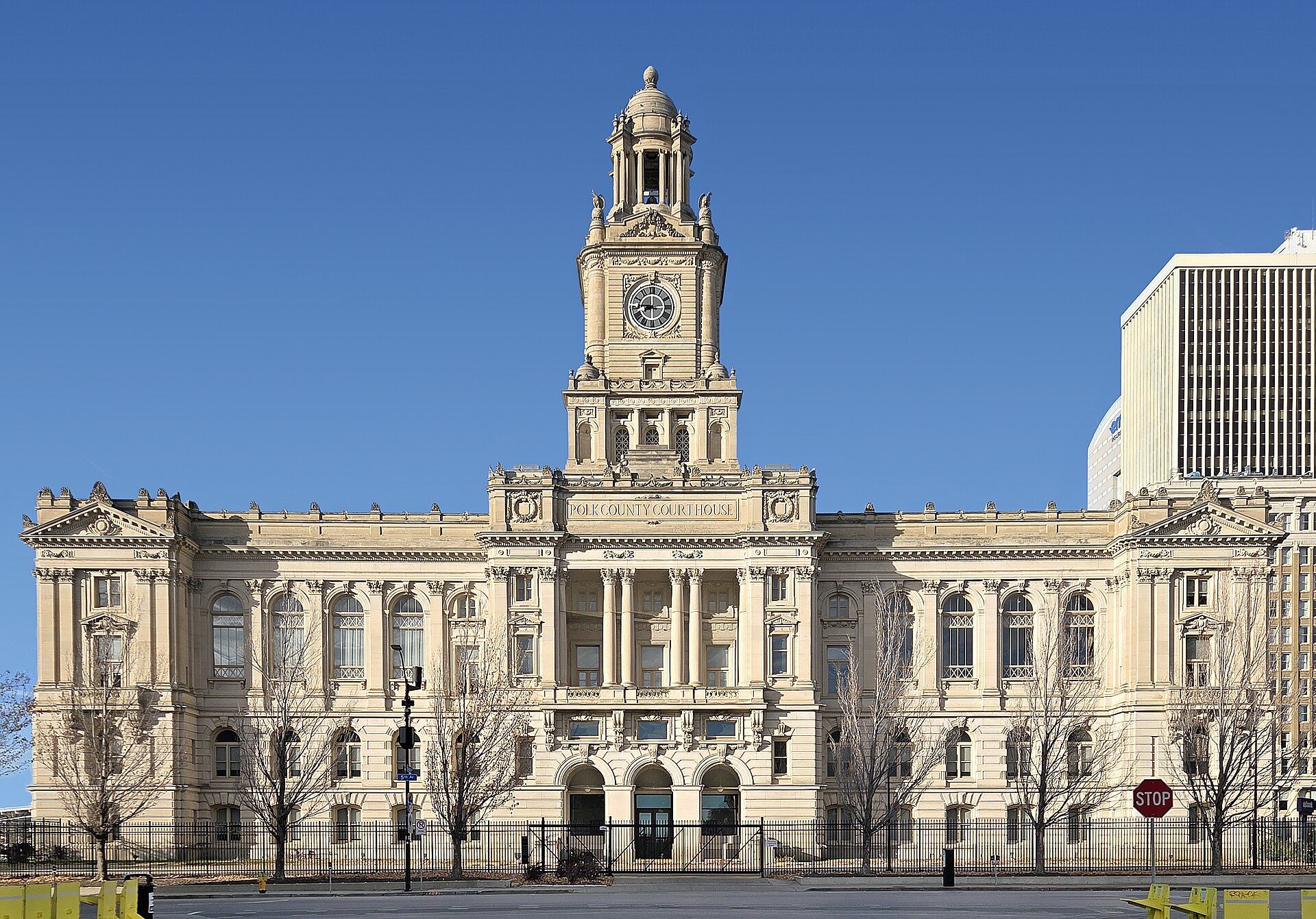




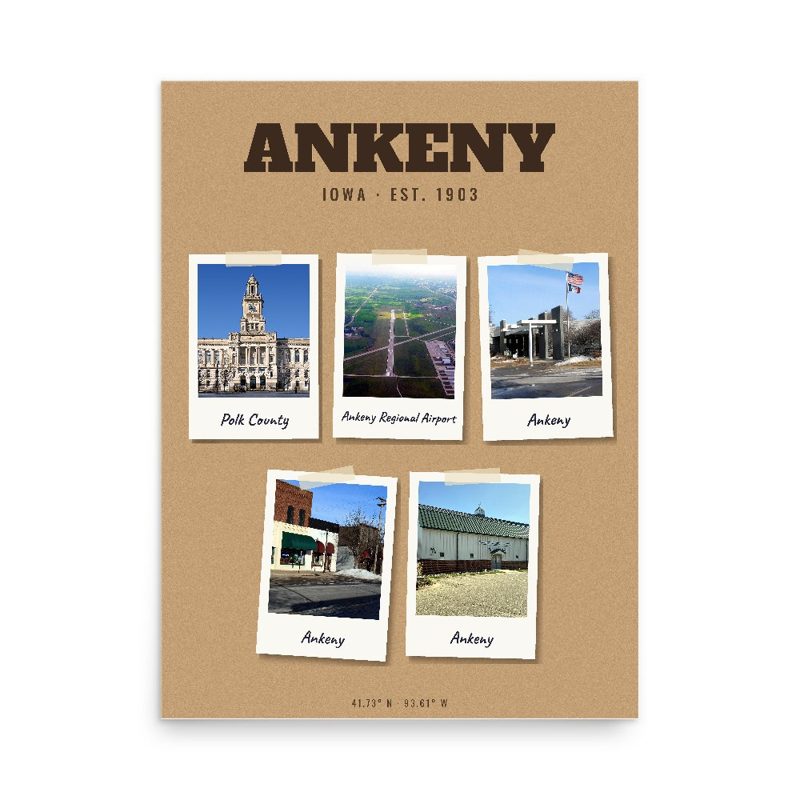
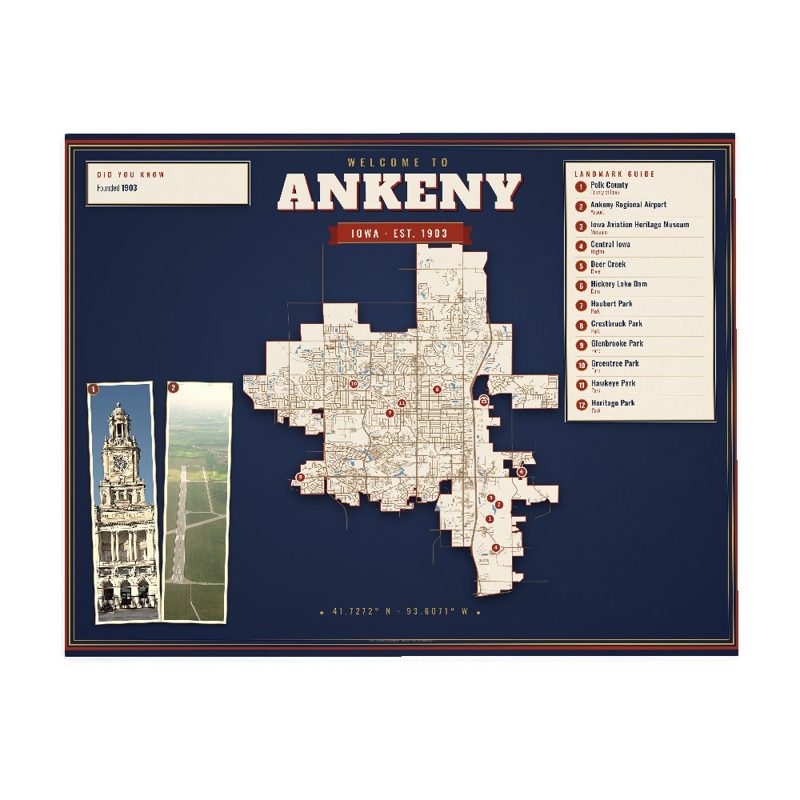













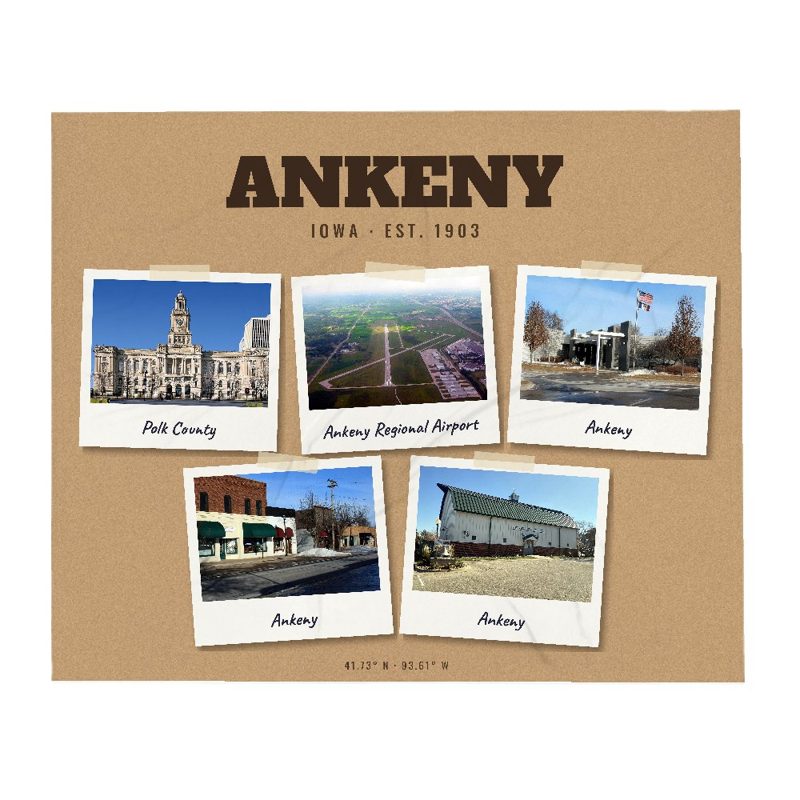

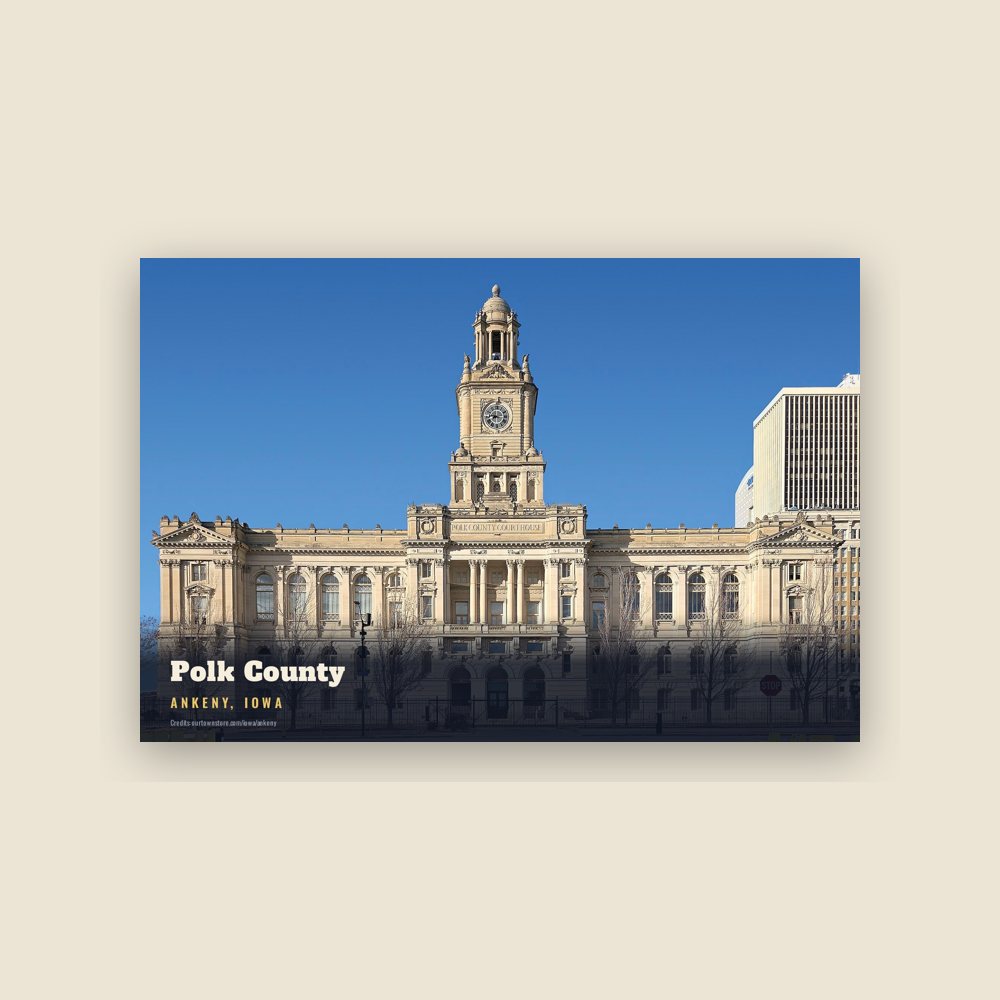
 Polk County
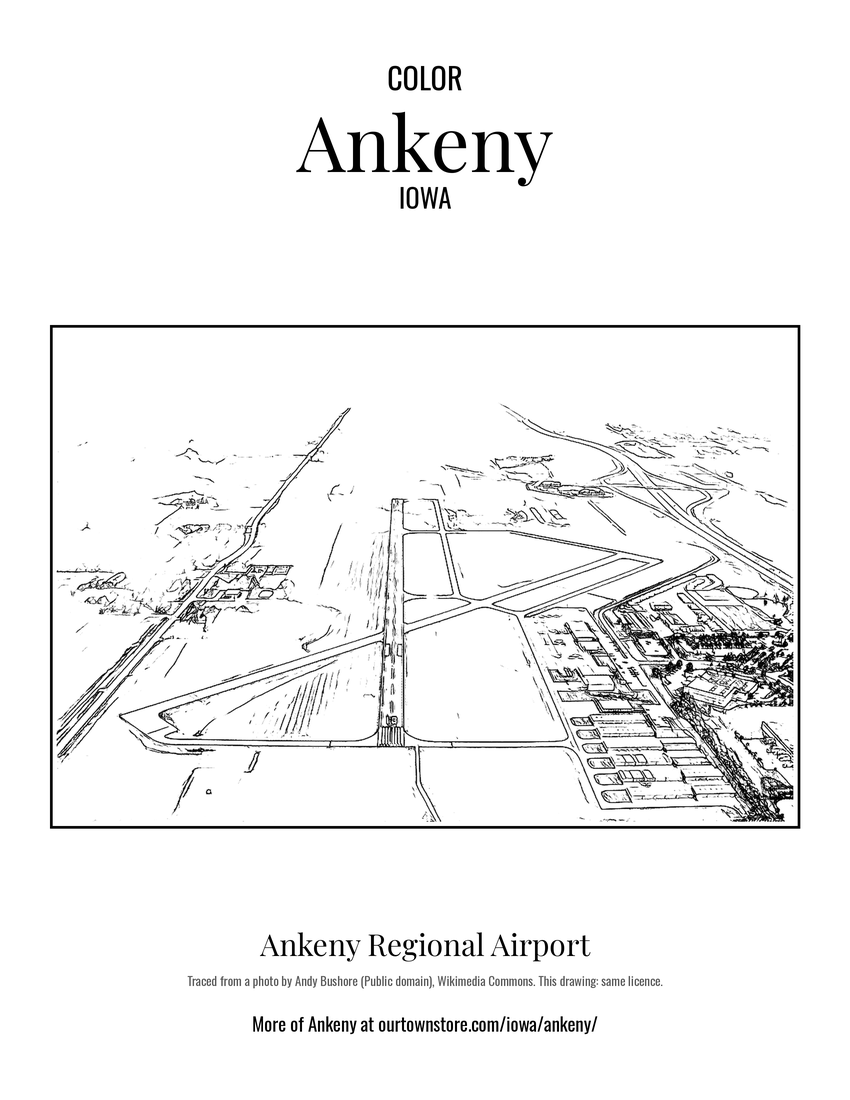 Ankeny Regional Airport
 A view of Ankeny
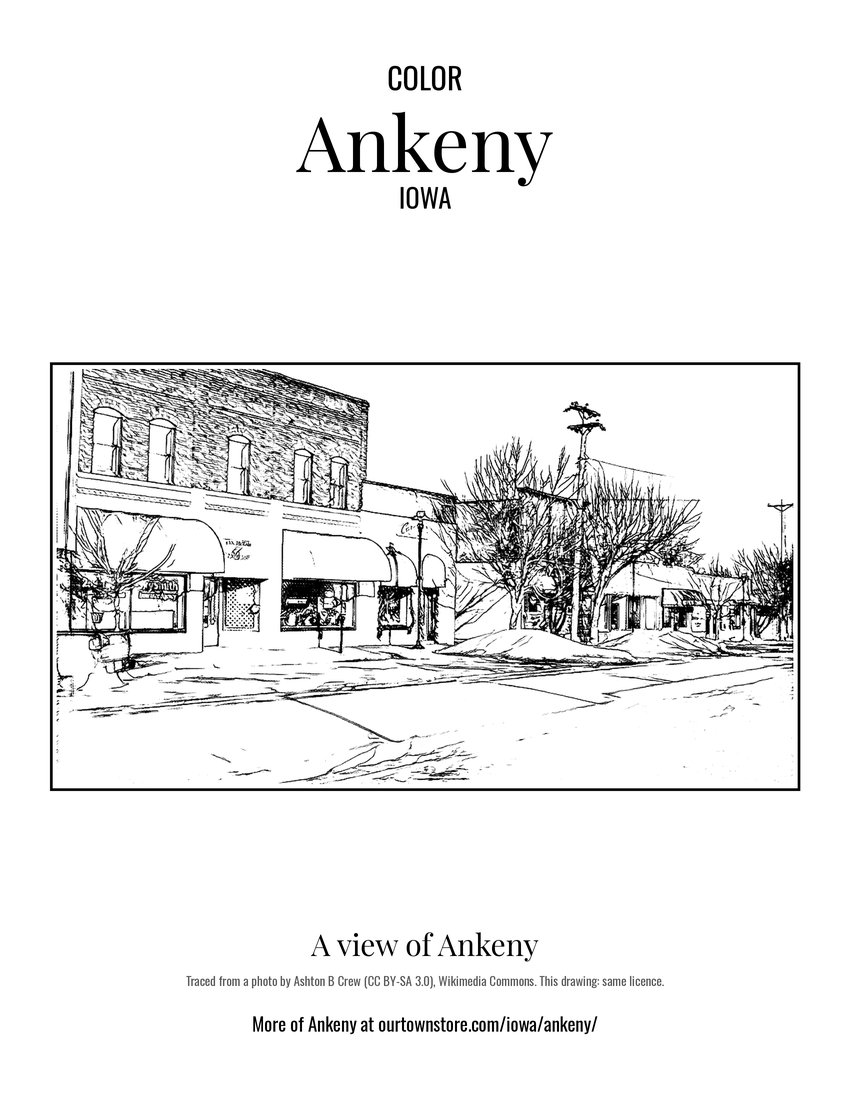 A view of Ankeny