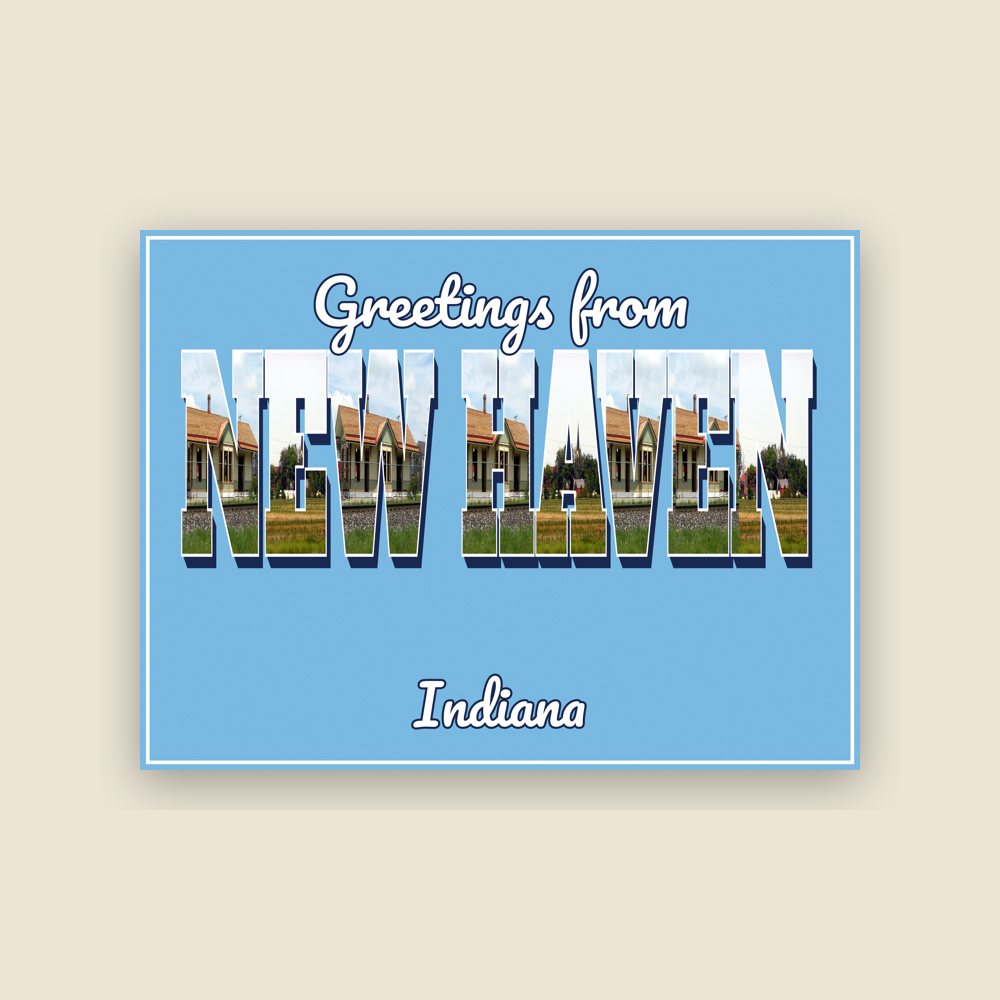
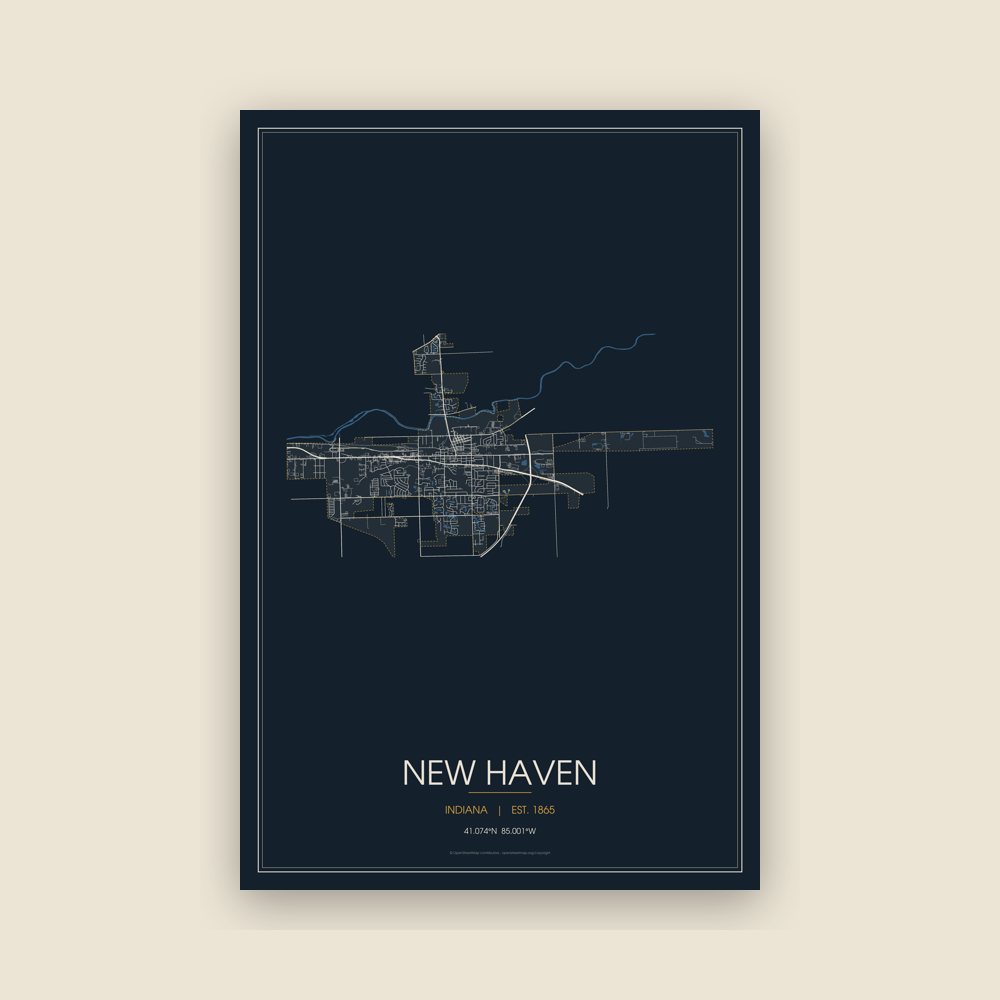
Since 1865
A short history of New Haven
New Haven was platted in 1839 by Henry Burgess, who named it after New Haven, Connecticut. It was incorporated as a town under Indiana law in 1865. It became incorporated as a city in 1963. Several homes built by the Burgess family remain in New Haven. A Burgess home on Summit Street is the oldest brick structure in Jefferson Township. Henry Burgess' son-in-law, E.W. Green built a large frame Greek Revival house on the hill above what is now Schnelker Park and the former New Haven Elementary School building. Another Burgess structure remains at the corner of Summit and Eben Streets. In the 1850s the Swiss Amish arrived in the region, and what makes them distinct is that they speak an Alsatian German Language.
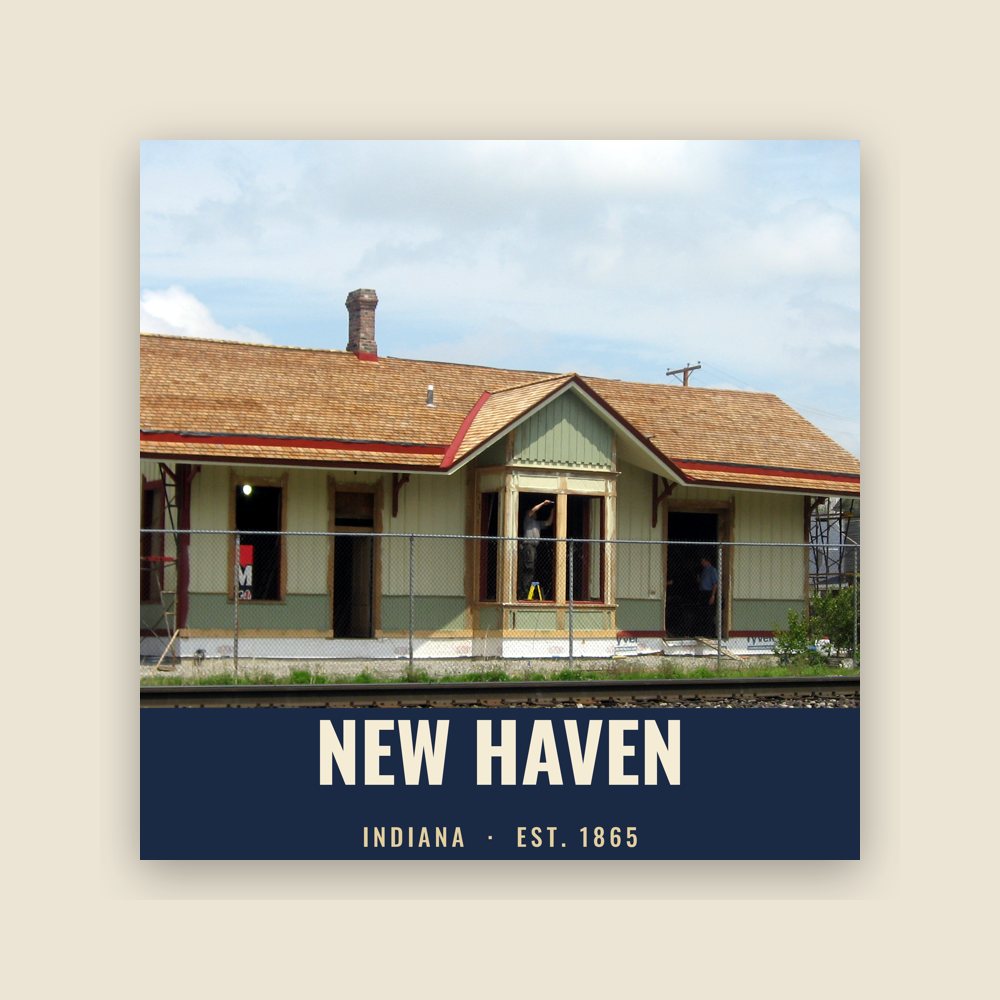
The Fort Wayne Railroad Historical Society operates east of New Haven on Edgerton Road. The society has restored Nickel Plate 765 built by the Lima Locomotive Works of Lima, Ohio and restored the Craigville Depot, which are housed at the New Haven site.
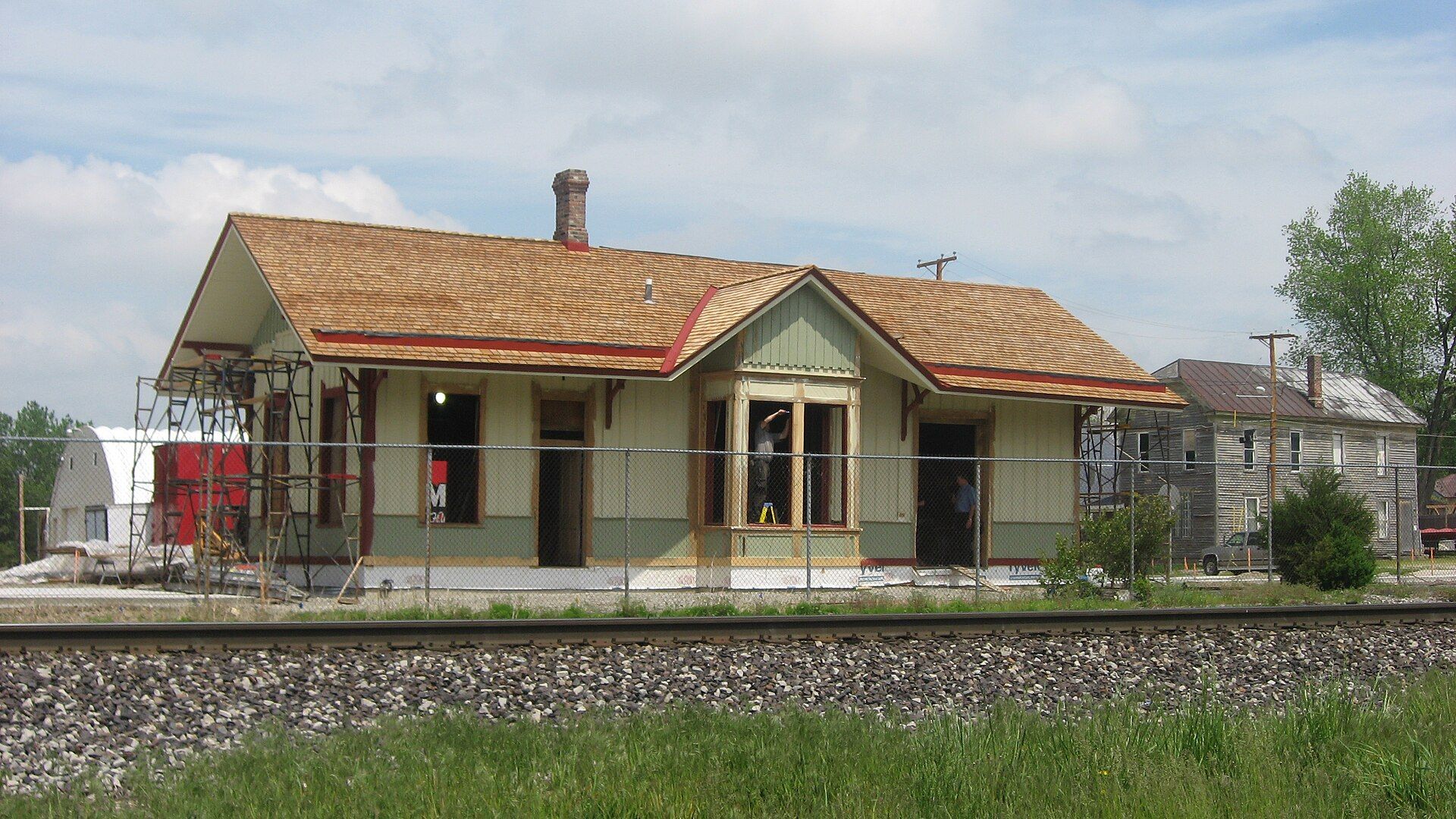
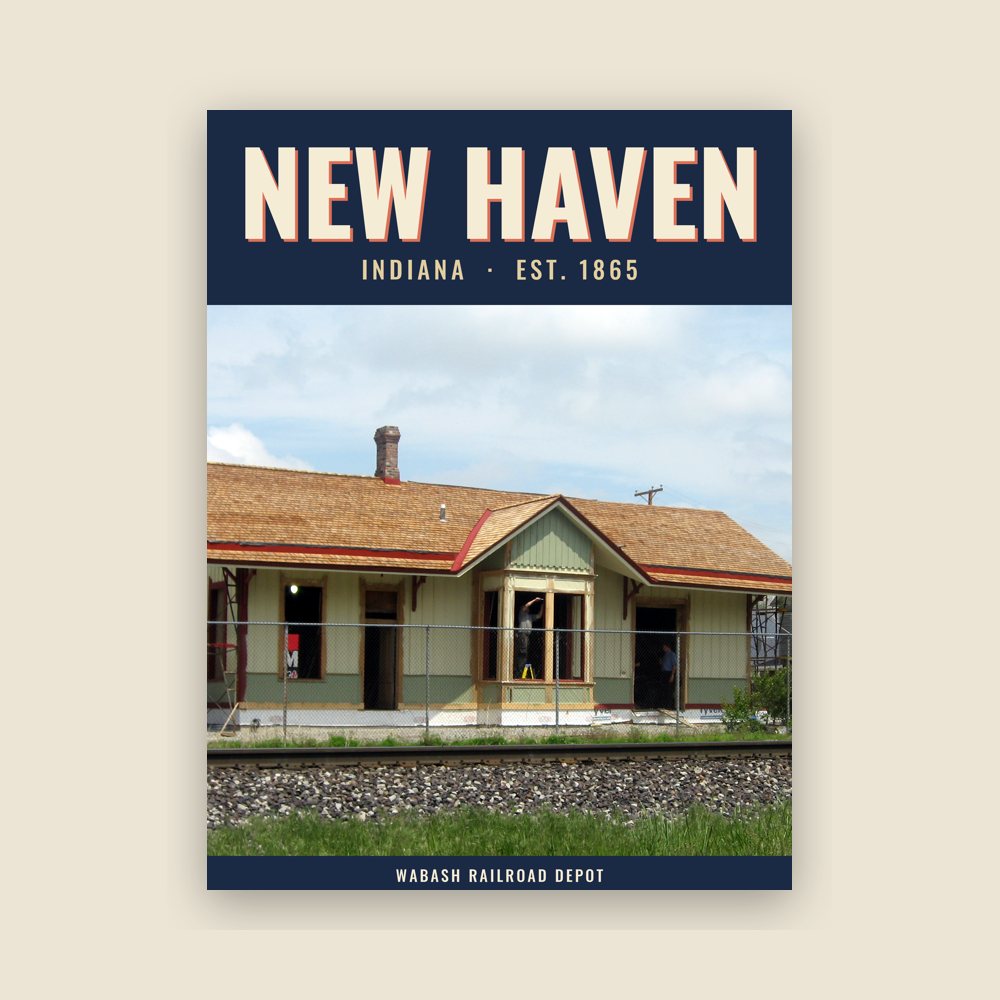
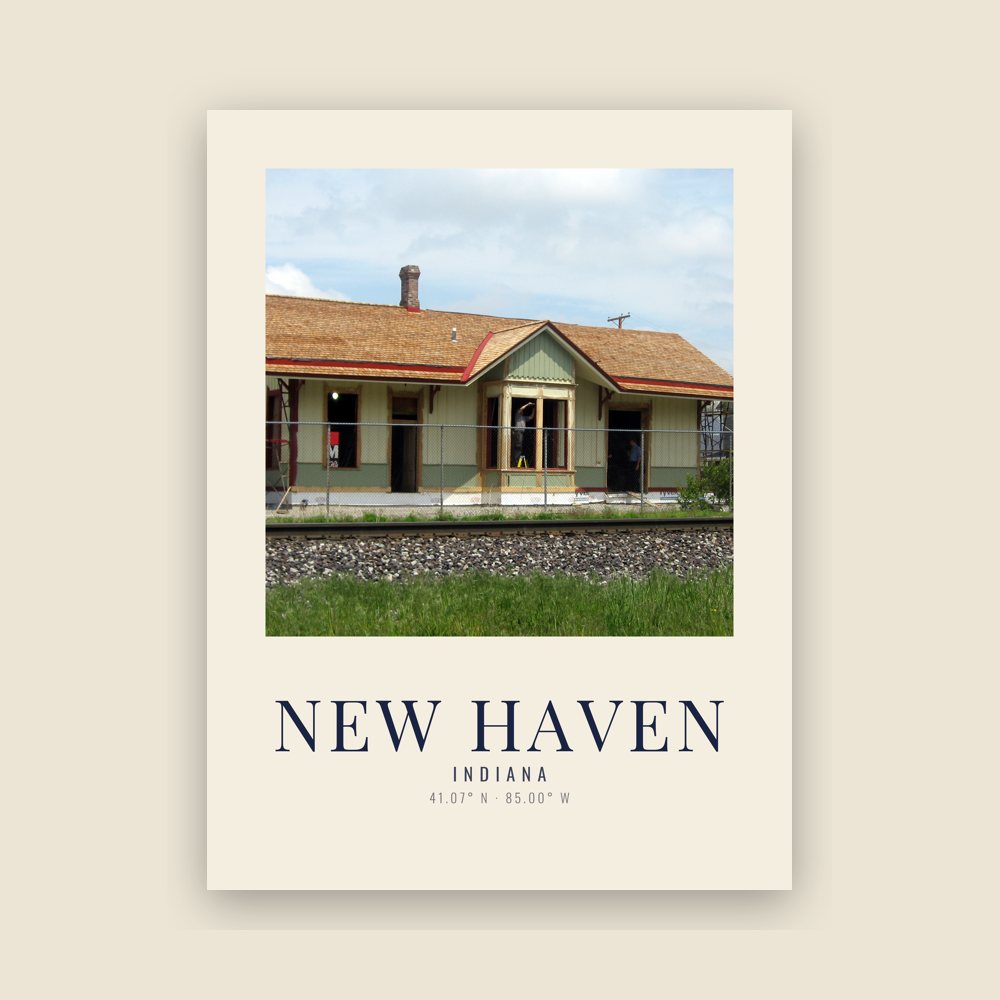
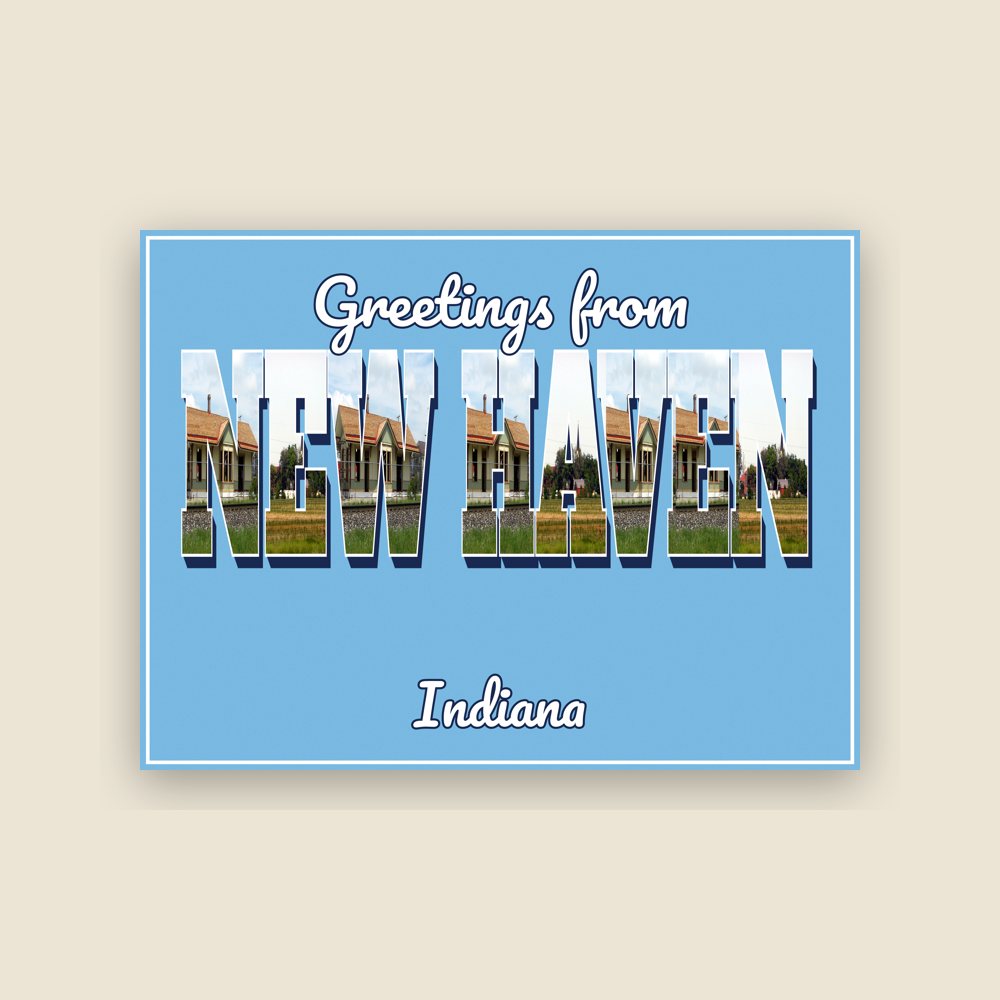
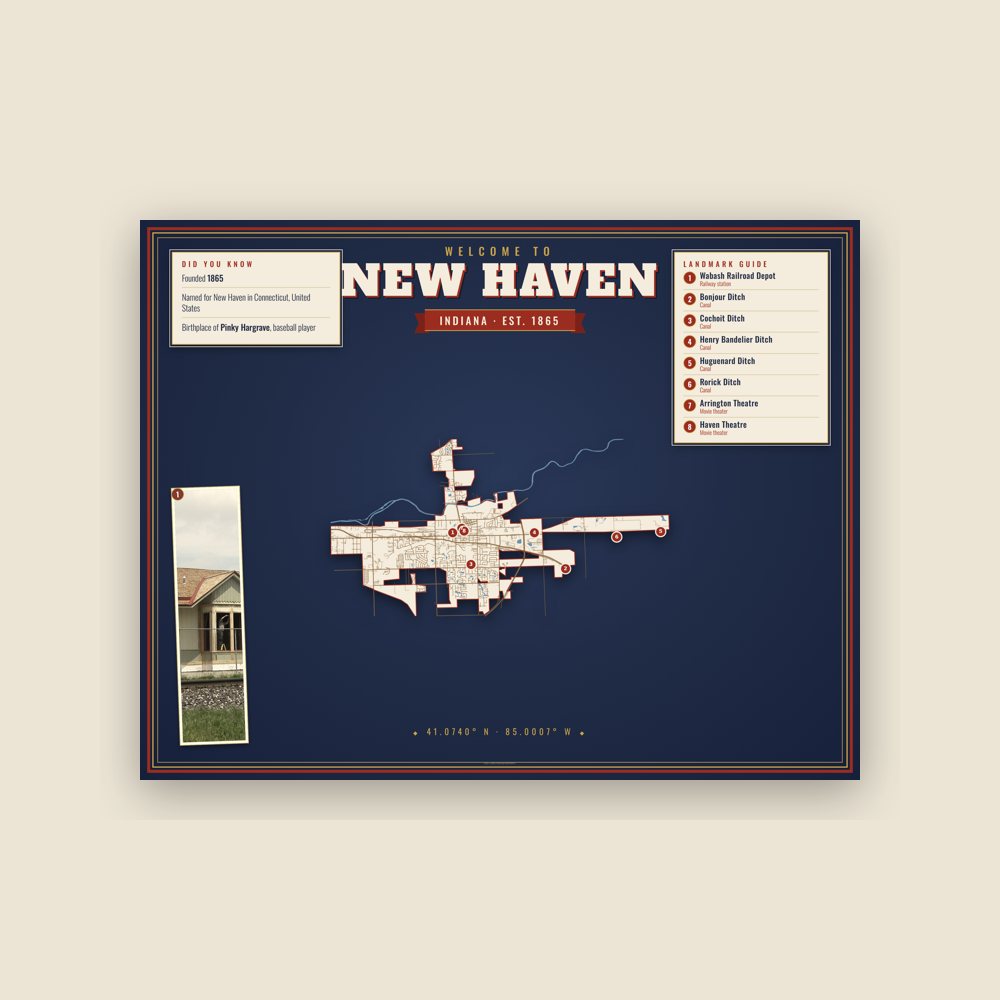
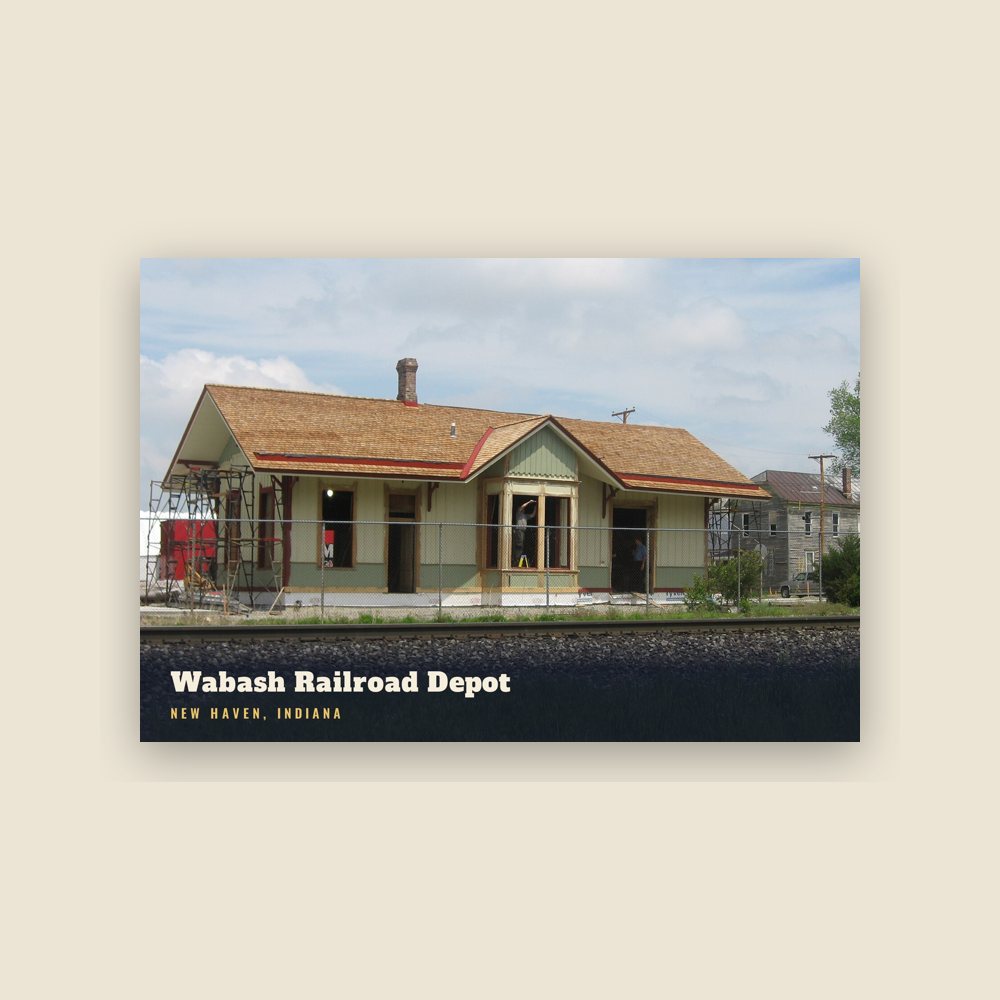
The French settlement of Besançon, a historic settlement in New Haven, is on the eastern edge of the town along the Lincoln Highway. Saint Louis Catholic Church at Besançon is now on the National Register of Historic Places. Also listed is the Wabash Railroad Depot.
New Haven was the home of a weekly newspaper, Allen County Times, until the summer of 2002. The paper served New Haven, Leo-Cedarville, Grabill, Harlan, Woodburn, Hoagland, and Monroeville.
Adapted (trimmed) from the Wikipedia article New Haven, Indiana, revision 1373396322 by its contributors, licensed CC BY-SA 4.0.