Cart 0
MAIN ENTRANCE GATE ON EKIN AVENUE.  VIEW TO NORTHWEST. - New Albany National Cemetery, 1943 Ekin Avenue, New Albany, Indiana, Historic American Buildings Survey photograph

NEW ALBANY

Indiana
Shop the collection
The New Albany Collection

Made for New Albany. Printed to order.

New Albany, Indiana gifts and souvenirs: 41 designs made from New Albany's own map, landmarks and history, from $10 to $99. Printed to order and shipped free in the USA.

PopularPrice
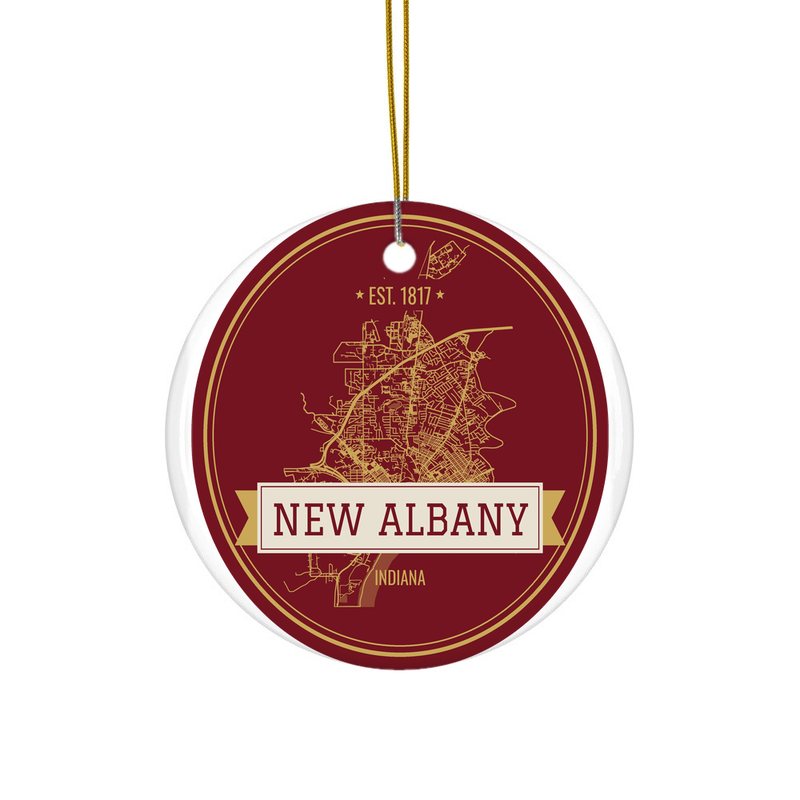
New Albany Hometown Ornament$23
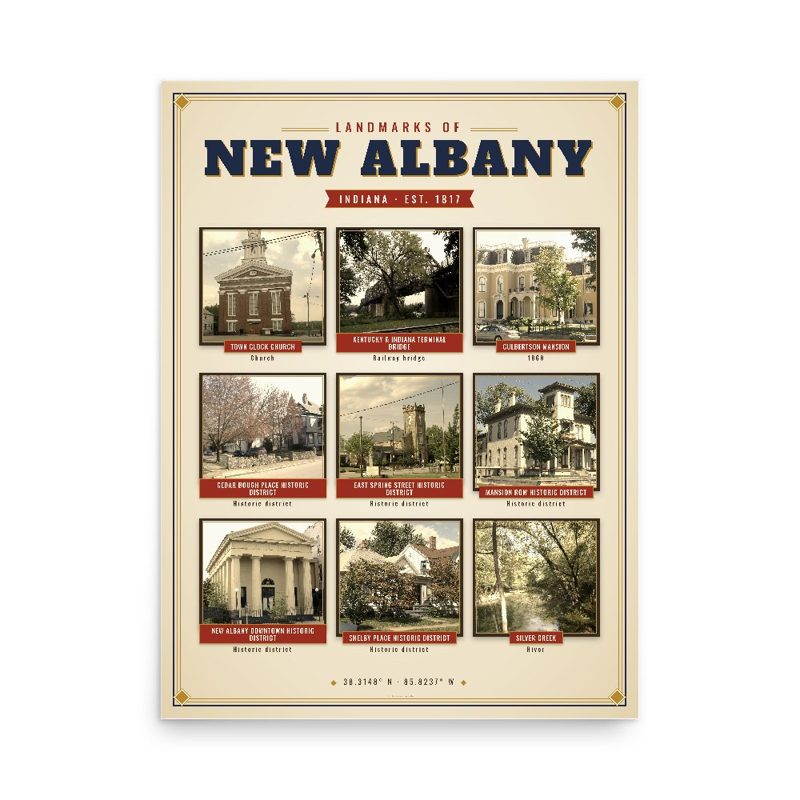
New Albany Landmarks Photo Posterfrom $40
New Albany Vintage Travel Posterfrom $40
New Albany Varsity Crewneckfrom $57
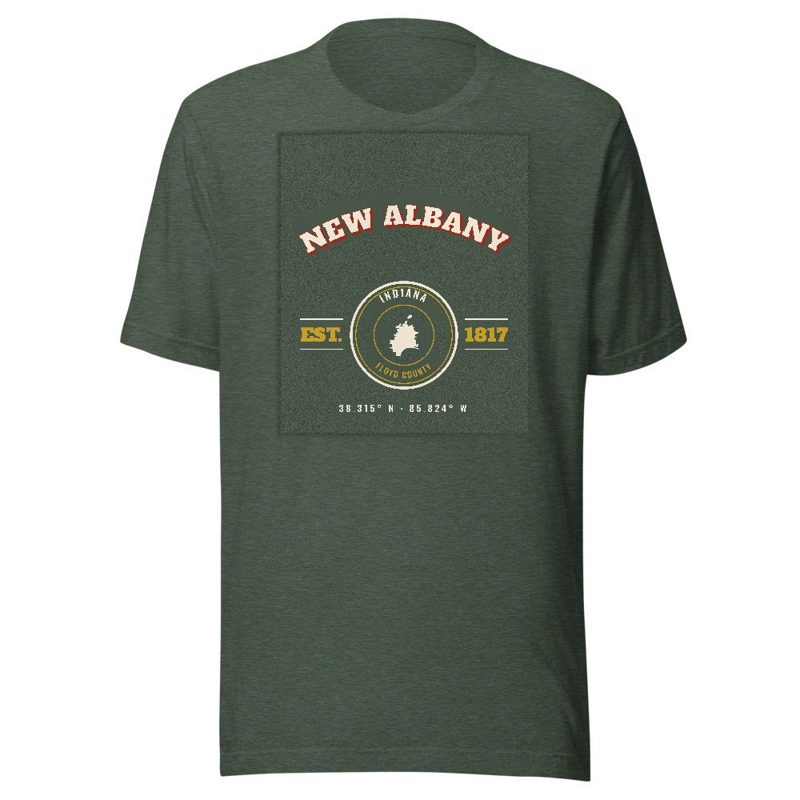
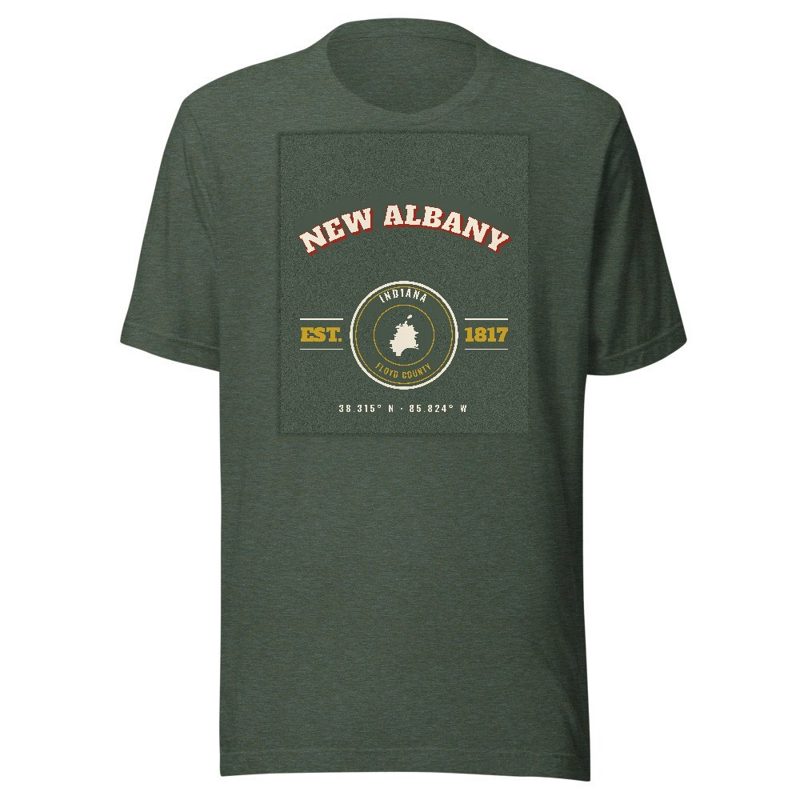
New Albany Est. Teefrom $33
New Albany Town Line Mugfrom $26
New Albany Hometown Ornament

New Albany Hometown Ornament

Ceramic keepsake, gold ribbon

$23
New Albany Landmarks Photo Poster

New Albany Landmarks Photo Poster

Nine local landmarks, archival matte

from $40
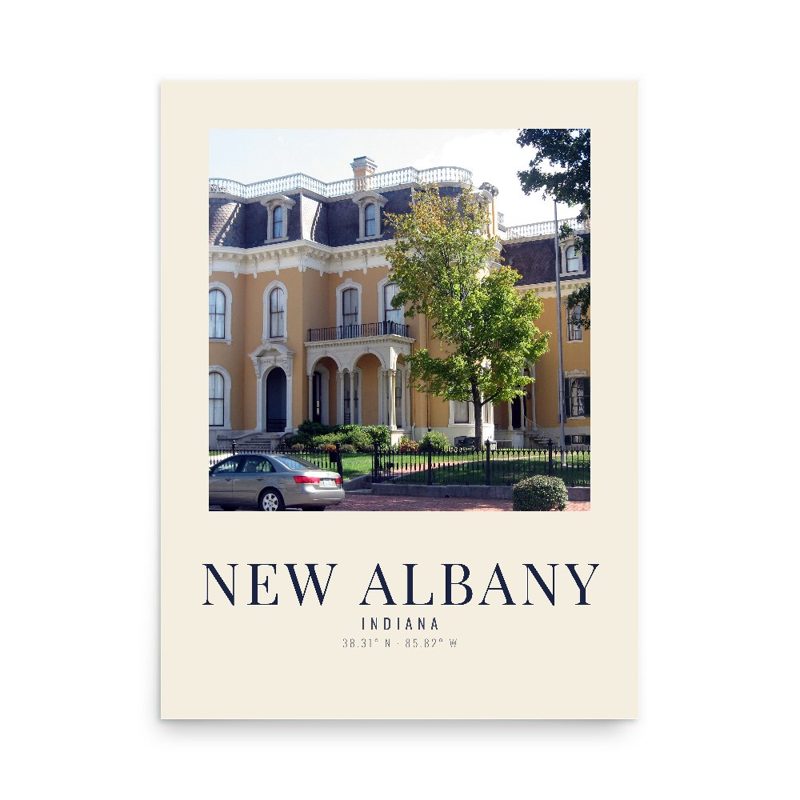
New Albany Vintage Travel Poster

New Albany Vintage Travel Poster

Its landmark photo in a classic travel-poster layout

from $40
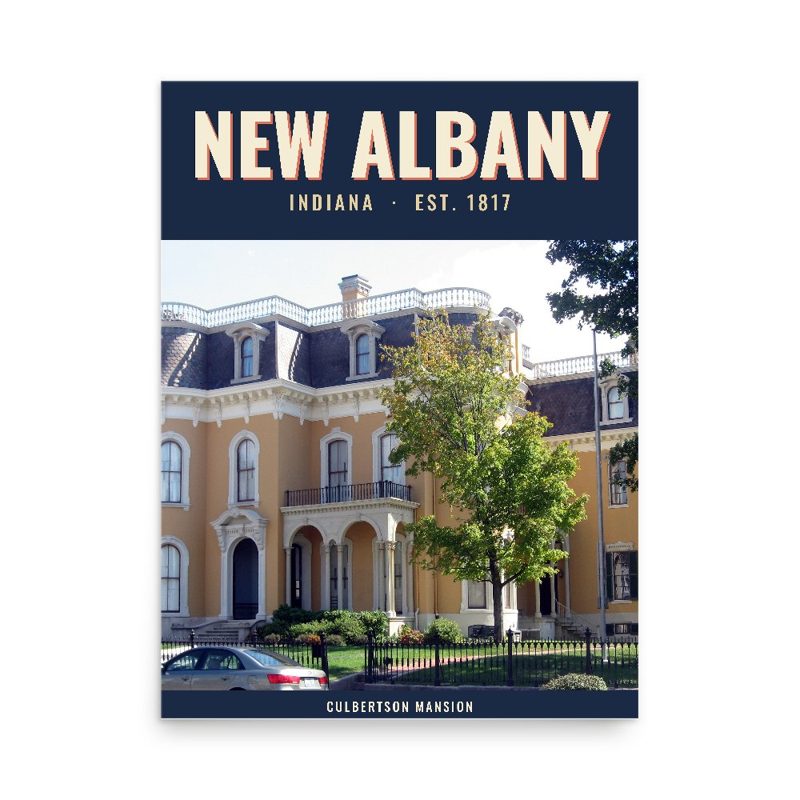
New Albany Photo Art Print

New Albany Photo Art Print

A local landmark photo as a gallery print

from $40
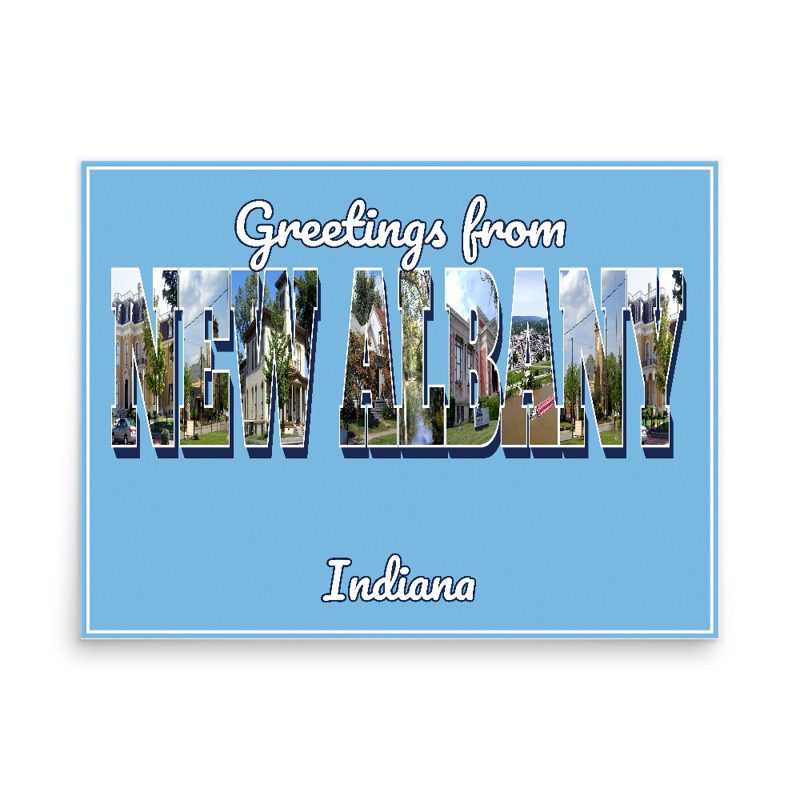
New Albany “Greetings From” Poster

New Albany “Greetings From” Poster

Classic large-letter postcard art, filled with local photos

from $40
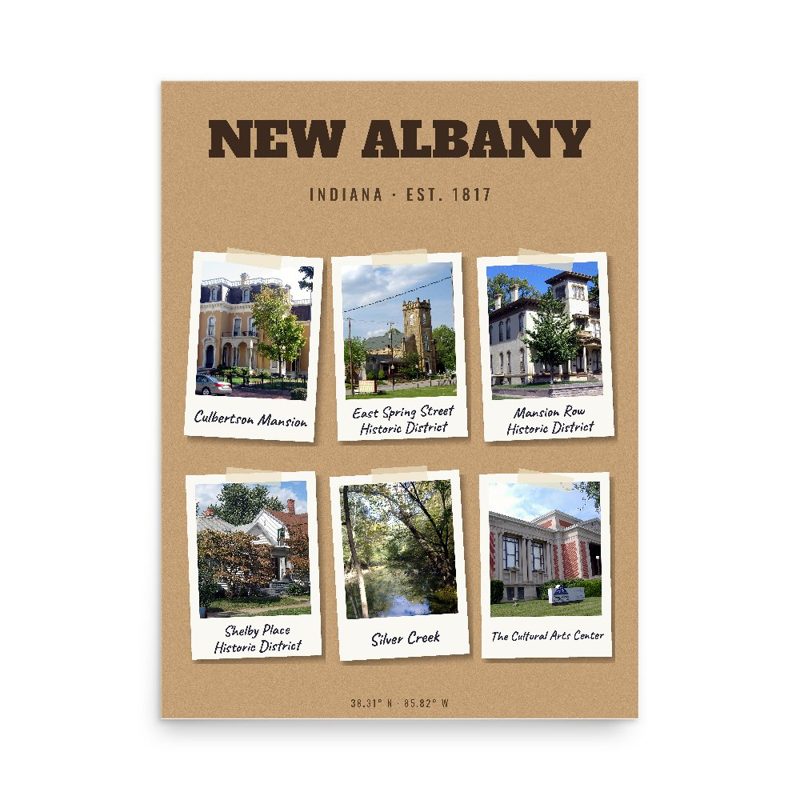
New Albany Snapshot Collage Poster

New Albany Snapshot Collage Poster

Six local landmarks as instant photos on kraft paper

from $40
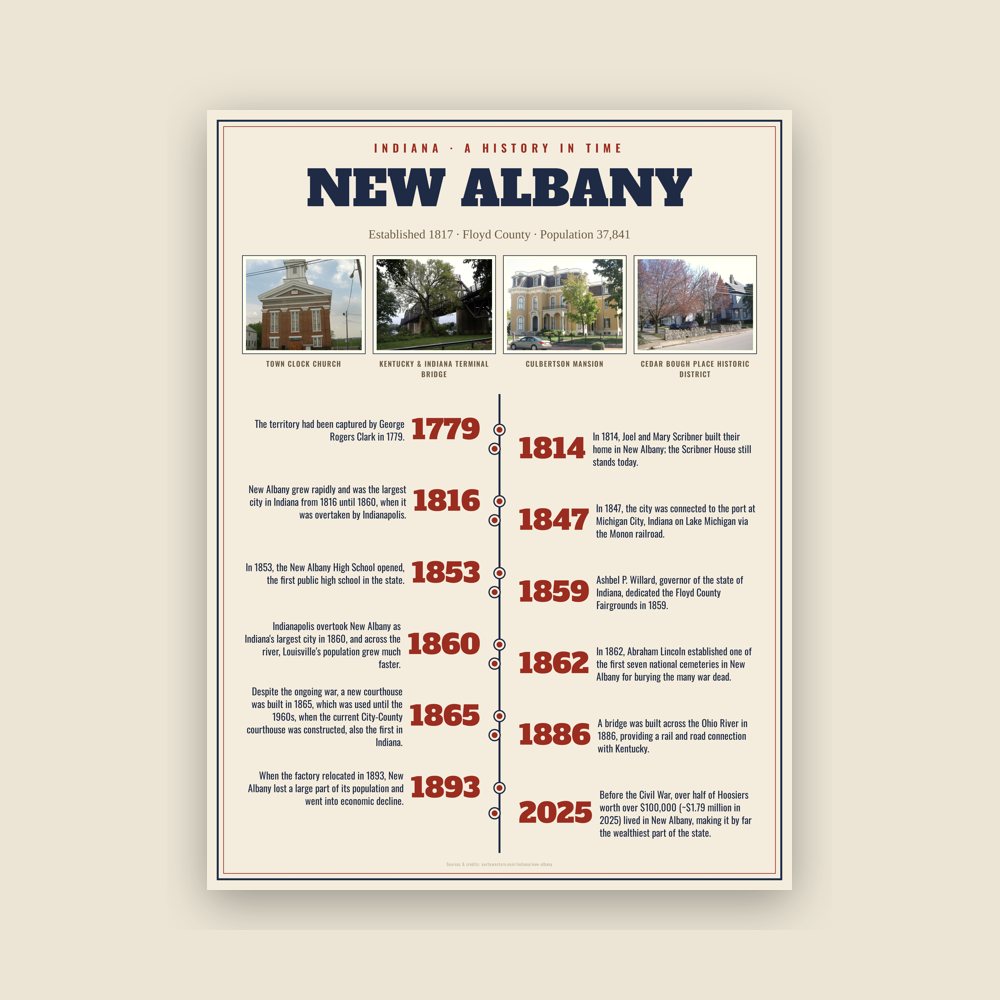
New Albany History Timeline Poster

New Albany History Timeline Poster

The town's story in dates, from its own records, for home or classroom

from $44
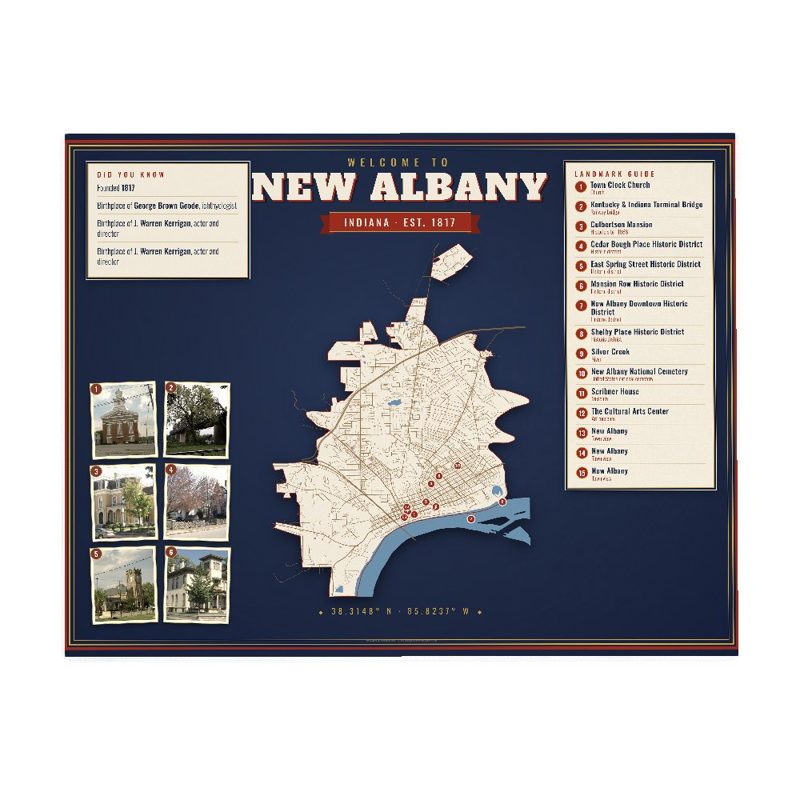
New Albany Map Placemat

New Albany Map Placemat

Map of local landmarks, washable fabric

$31
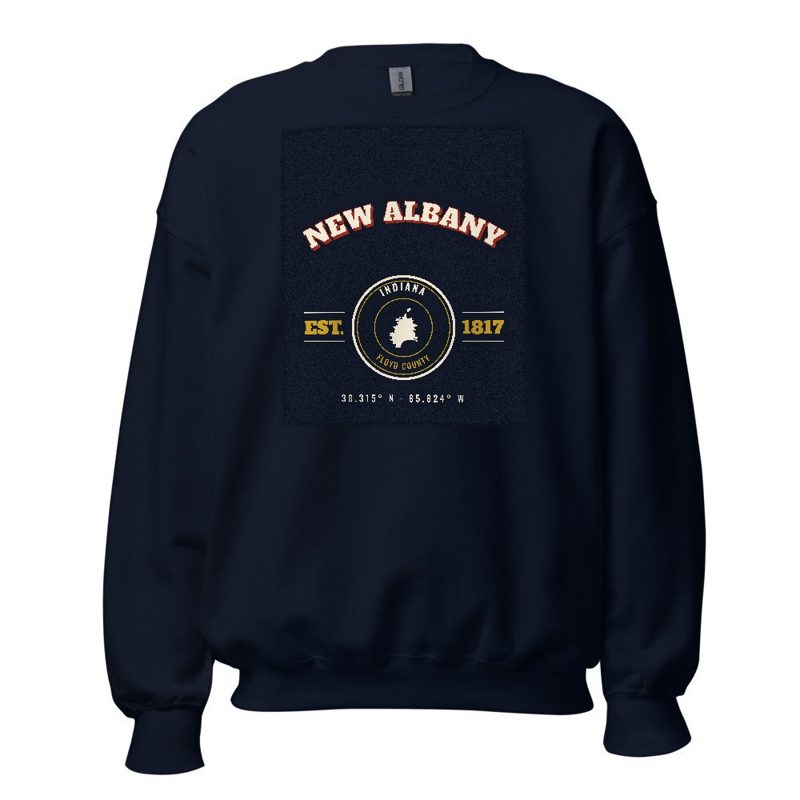
New Albany Varsity Crewneck

New Albany Varsity Crewneck

Heavy-blend fleece, street map printed on the back

from $57
New Albany Est. Tee

New Albany Est. Tee

Soft Bella+Canvas jersey

from $33
New Albany Est. Youth Tee

New Albany Est. Youth Tee

Kids' Bella+Canvas jersey, youth sizes

$30
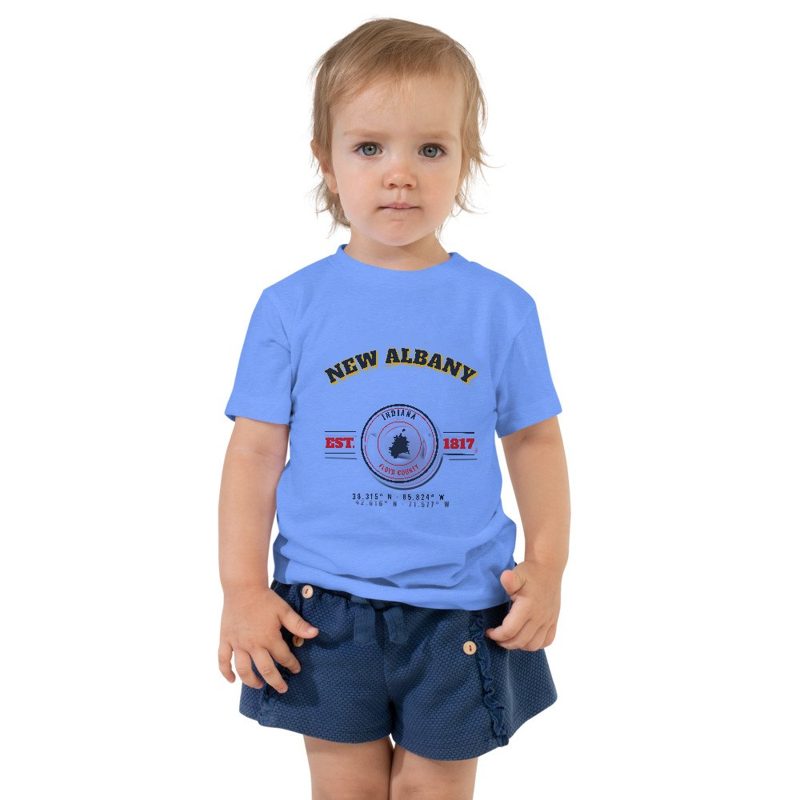
New Albany Est. Toddler Tee

New Albany Est. Toddler Tee

Bella+Canvas toddler jersey

$29
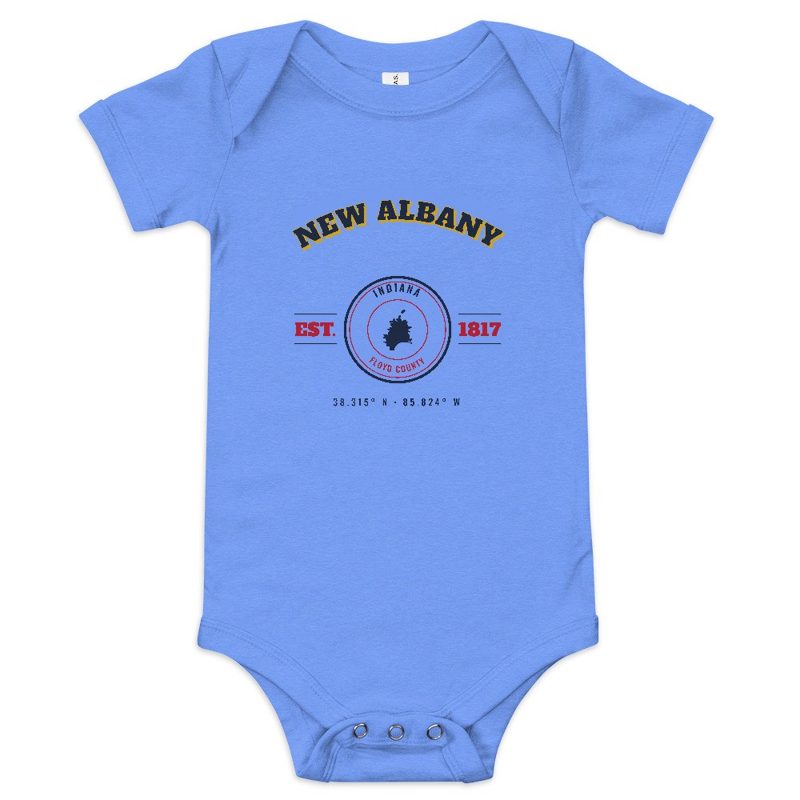
New Albany Est. Baby One Piece

New Albany Est. Baby One Piece

Bella+Canvas baby bodysuit

$30
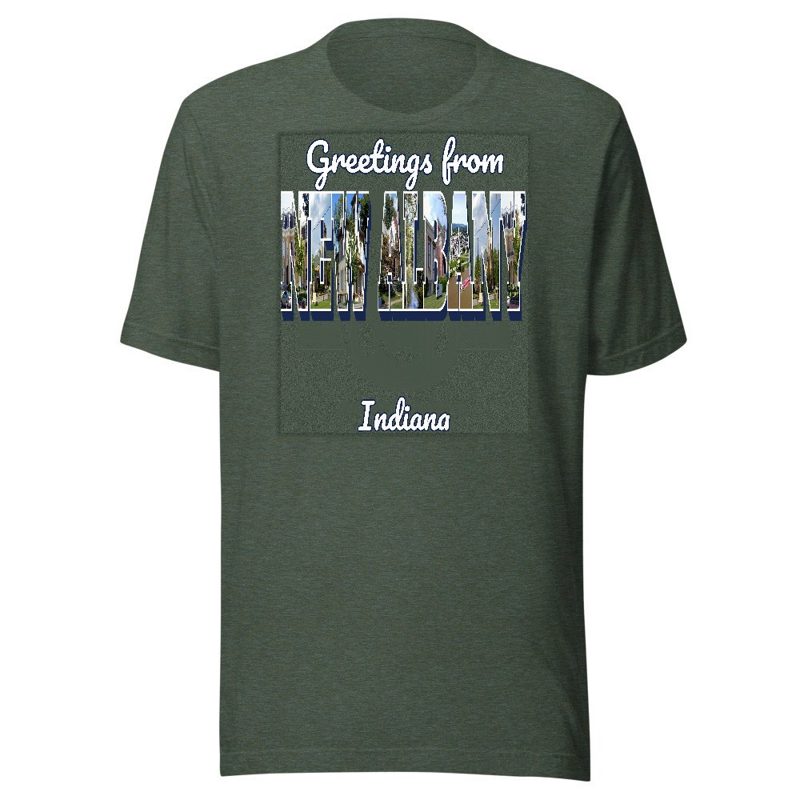
New Albany “Greetings From” Tee

New Albany “Greetings From” Tee

Large-letter postcard art filled with local photos

from $35
New Albany Town Line Mug

New Albany Town Line Mug

Glossy ceramic, dishwasher safe

from $26
New Albany “Greetings From” Mug

New Albany “Greetings From” Mug

Large-letter postcard art filled with local photos, 11 oz ceramic

from $29
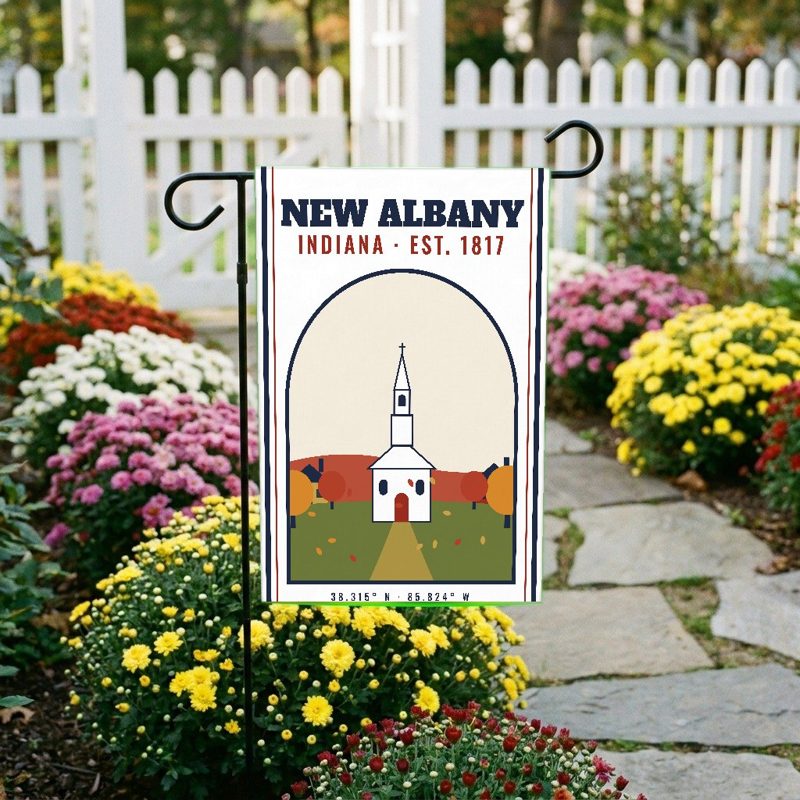
New Albany Garden Flag

New Albany Garden Flag

Weatherproof, for the front walk

$31
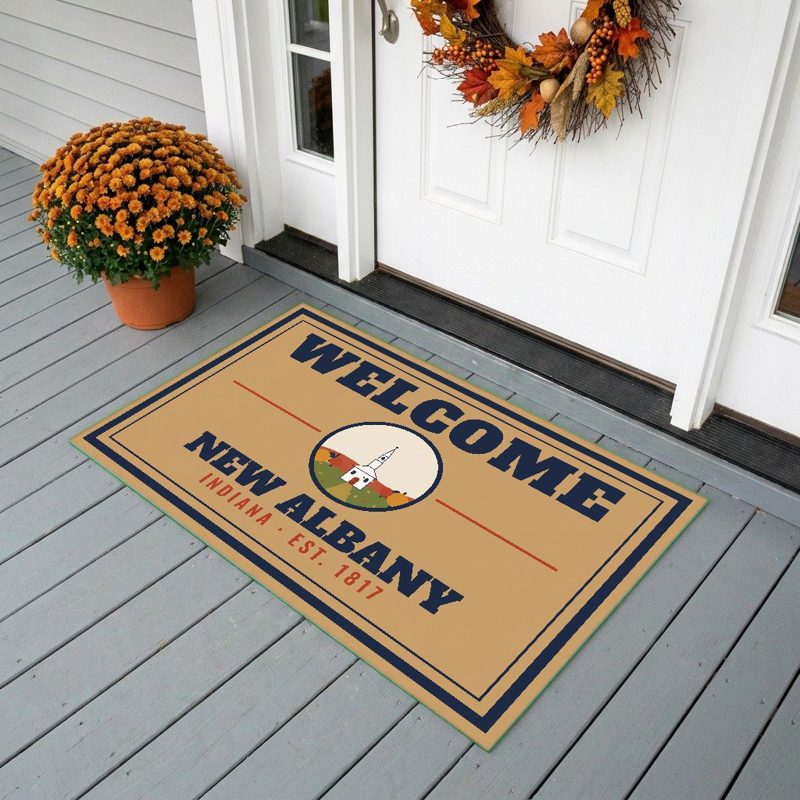
New Albany Welcome Doormat

New Albany Welcome Doormat

24″×16″, printed coir-look fibers, rubber back

$66
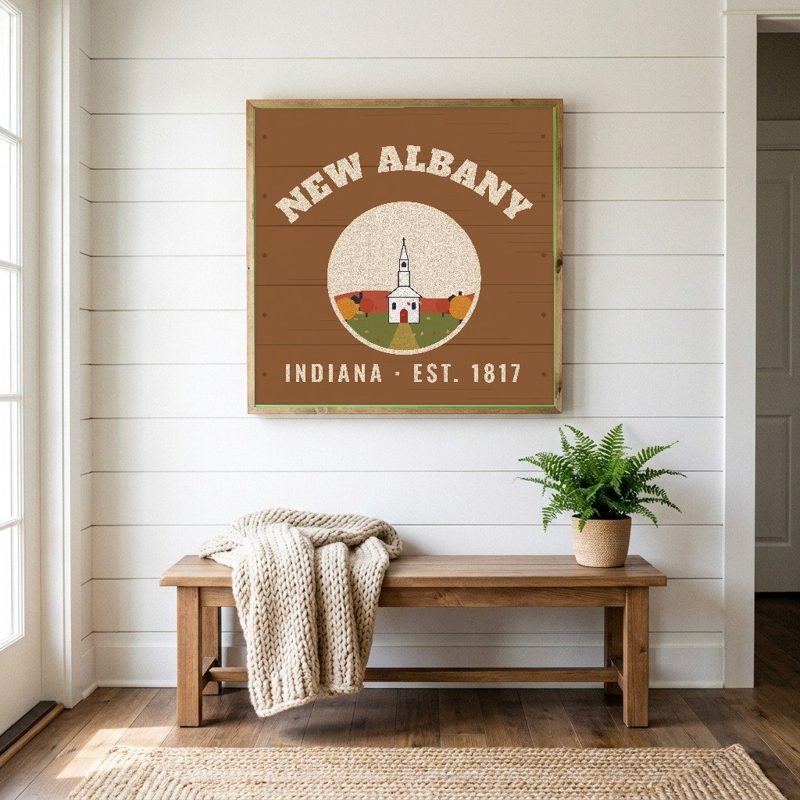
New Albany Hometown Wood Sign

New Albany Hometown Wood Sign

12″×12″ printed wood, ready to hang

$48
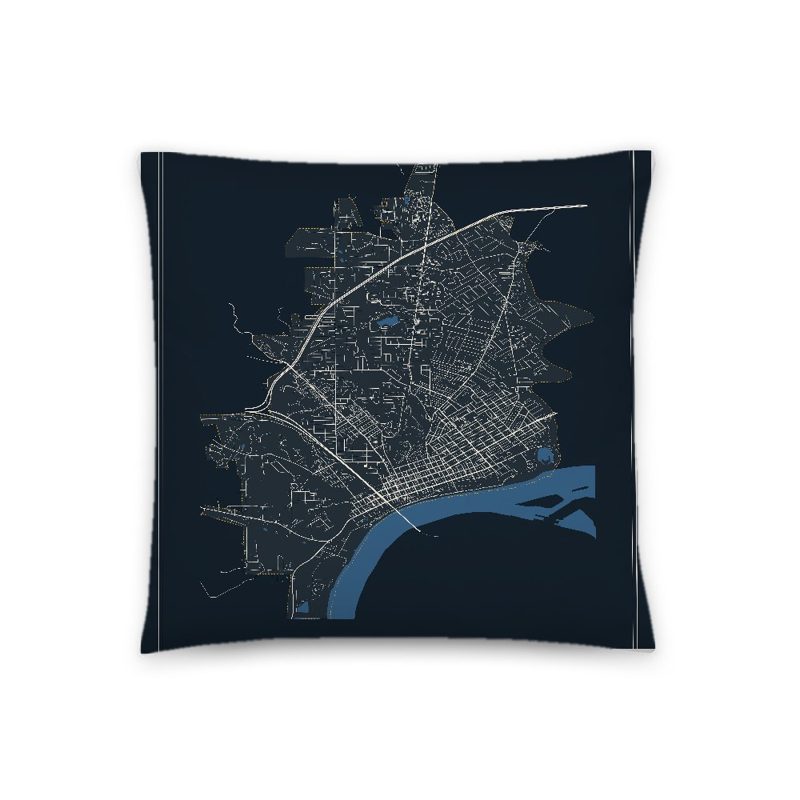
New Albany Map Throw Pillow

New Albany Map Throw Pillow

Soft-touch, zip cover

$47
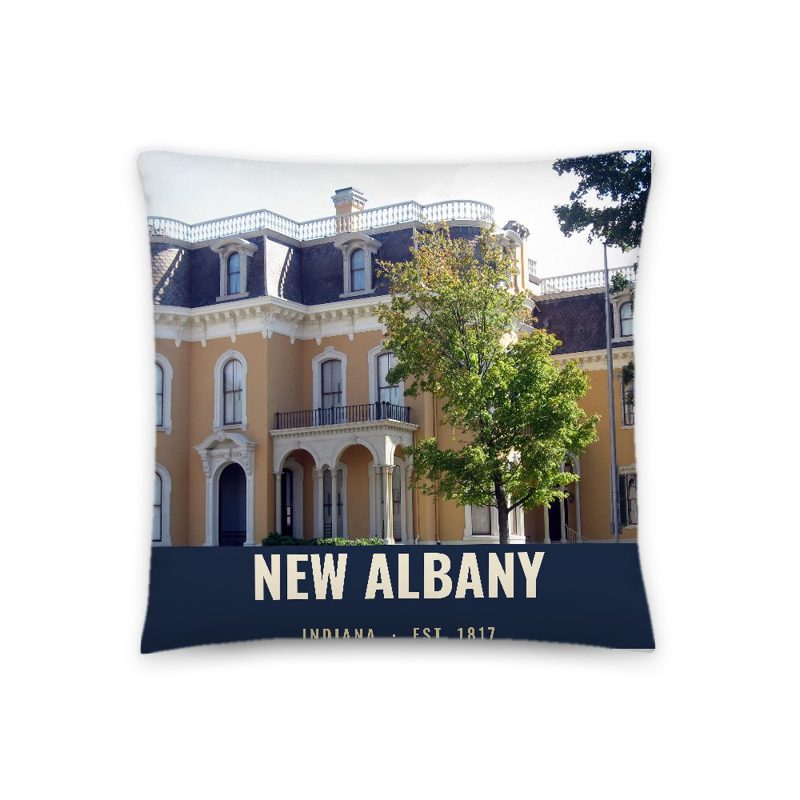
New Albany Landmark Photo Pillow

New Albany Landmark Photo Pillow

A local landmark photo with the town name, 18″×18″

$49
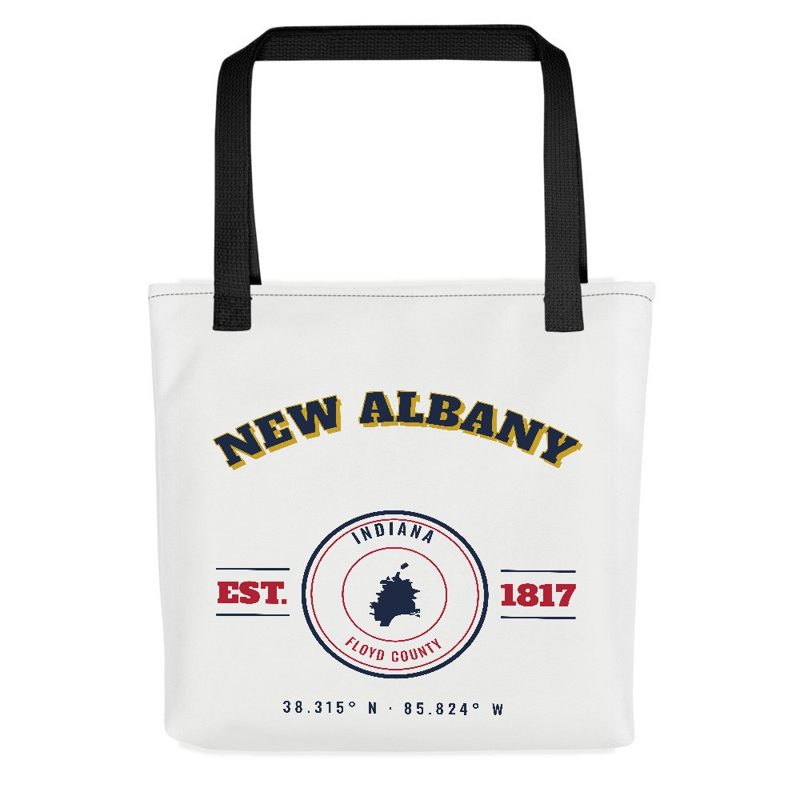
New Albany Market Tote

New Albany Market Tote

Sturdy all-over-print tote

$37
New Albany “Greetings From” Tote

New Albany “Greetings From” Tote

Large-letter postcard art on a sturdy tote

$37
New Albany “Greetings From” Trucker Cap

New Albany “Greetings From” Trucker Cap

Foam-front trucker, printed (not embroidered) with local photos

$33
New Albany Cork Coaster

New Albany Cork Coaster

Glossy top, cork back

$16
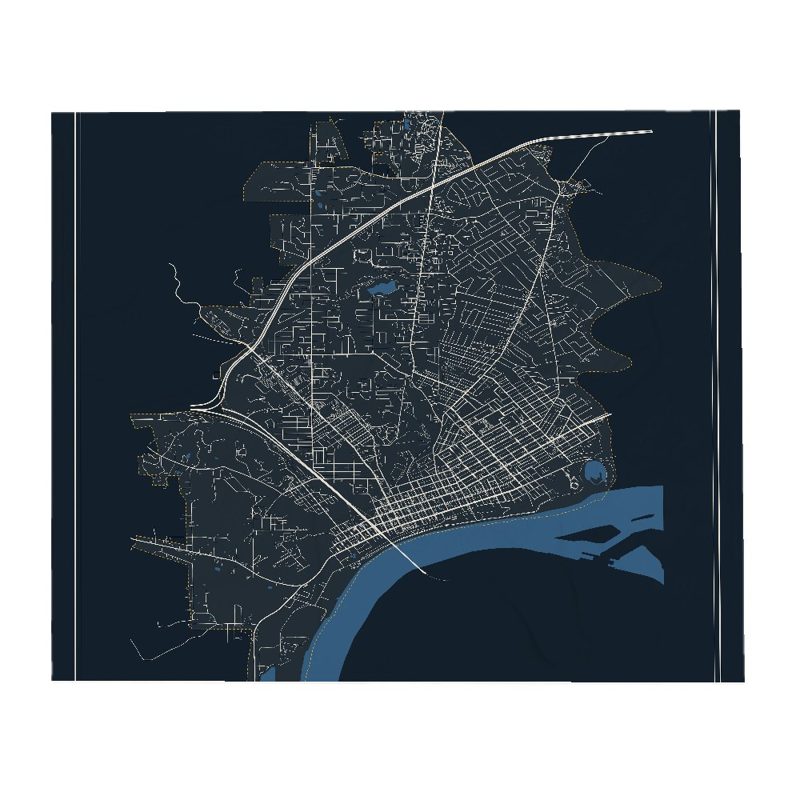
New Albany Street Map Throw Blanket

New Albany Street Map Throw Blanket

Soft fleece, 50″×60″

from $72
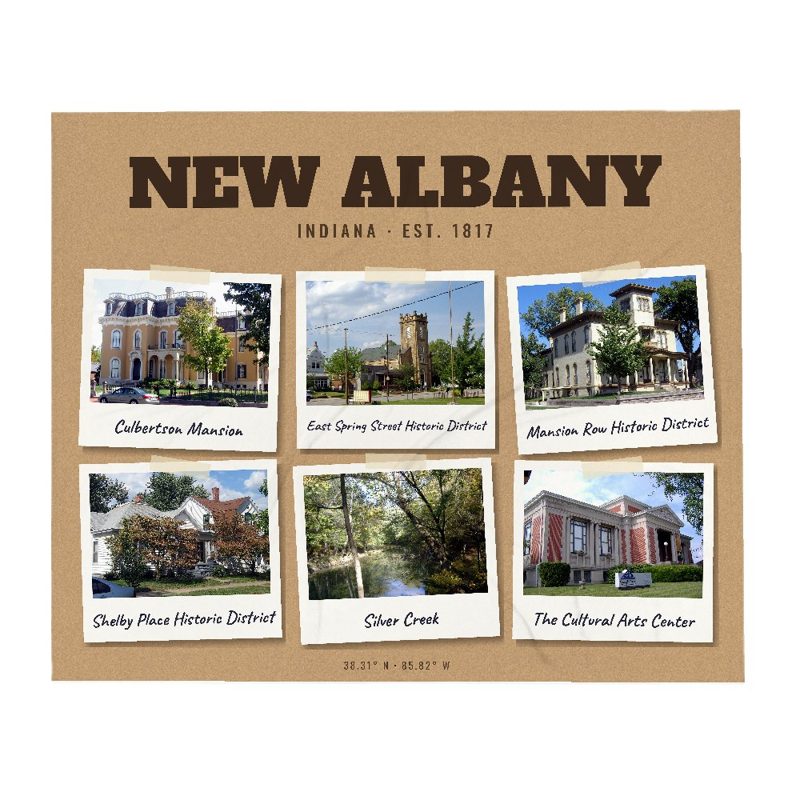
New Albany Snapshot Collage Blanket

New Albany Snapshot Collage Blanket

Six local landmarks as instant photos, soft fleece 50″×60″

from $76
New Albany Est. Tumbler

New Albany Est. Tumbler

20 oz, double-wall stainless

$51
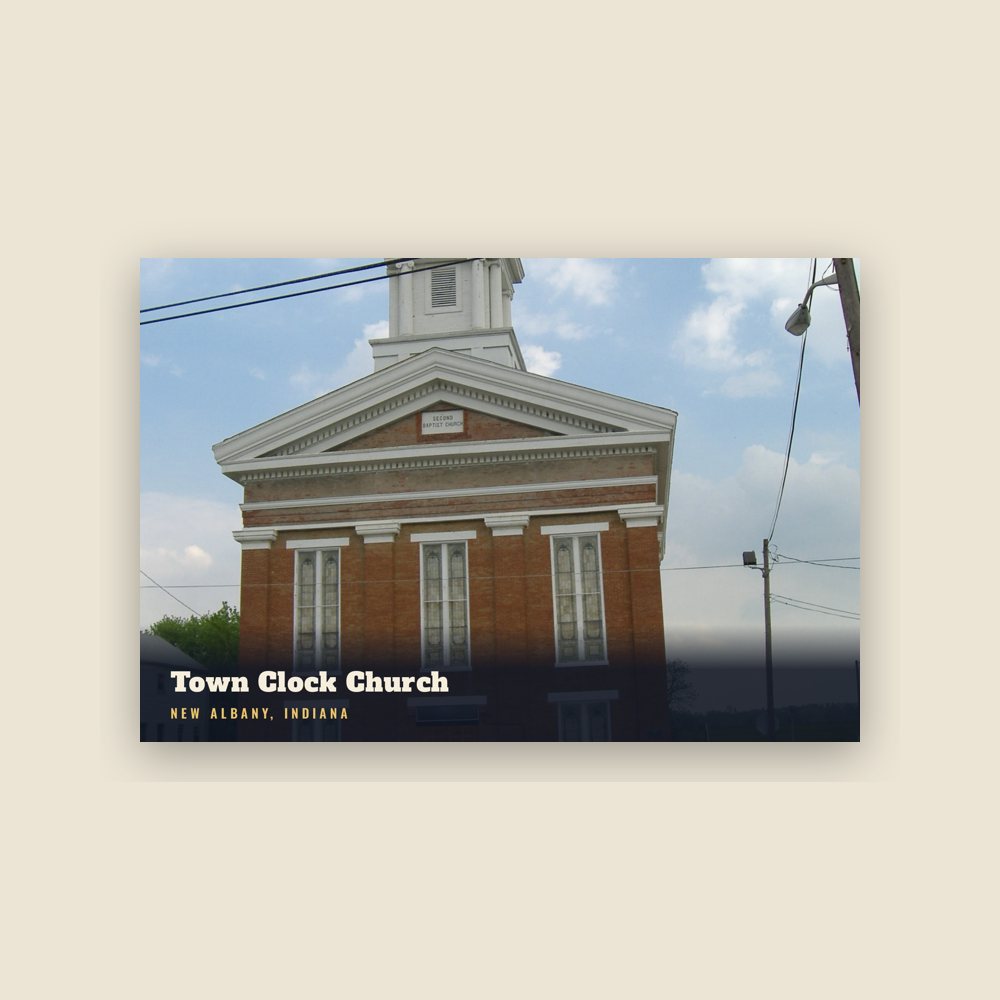
New Albany Town Clock Church Postcard

New Albany Town Clock Church Postcard

6″×4″ postcard, glossy front

$10
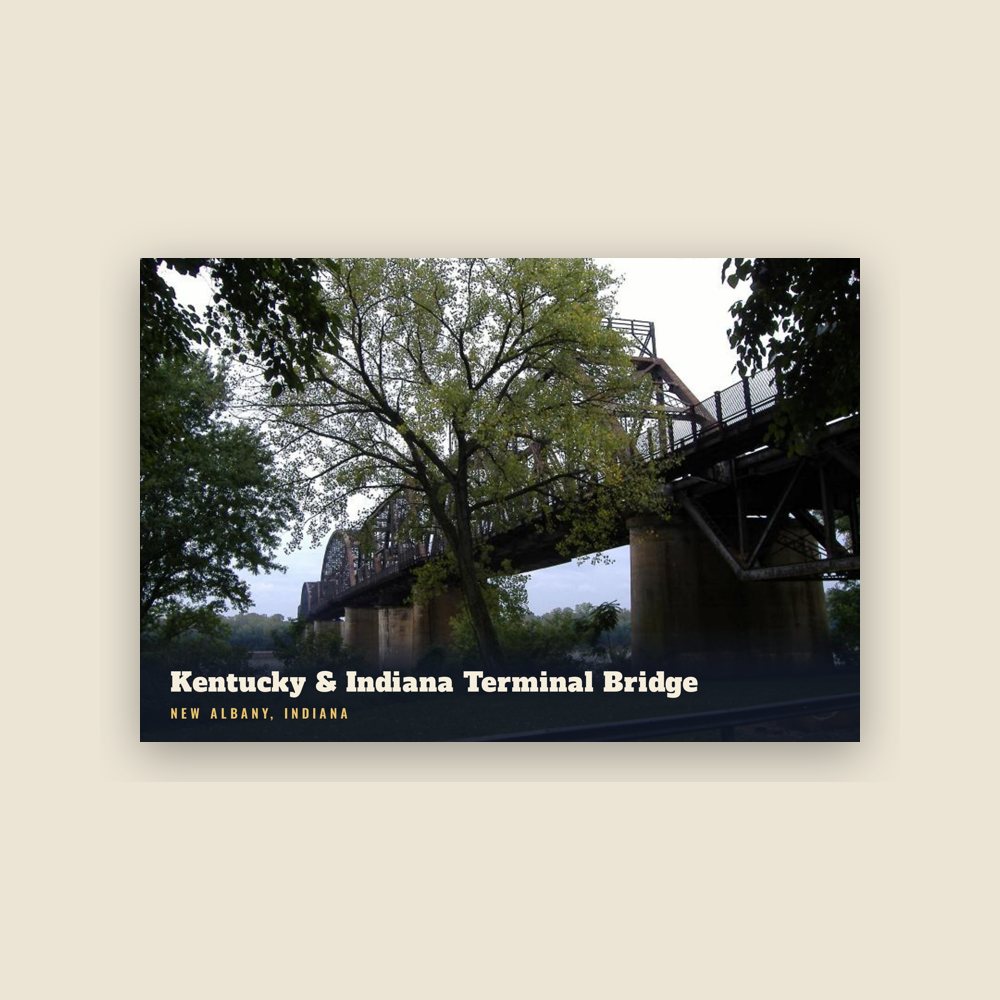
New Albany Kentucky & Indiana Terminal Bridge Postcard

New Albany Kentucky & Indiana Terminal Bridge Postcard

6″×4″ postcard, glossy front

$10
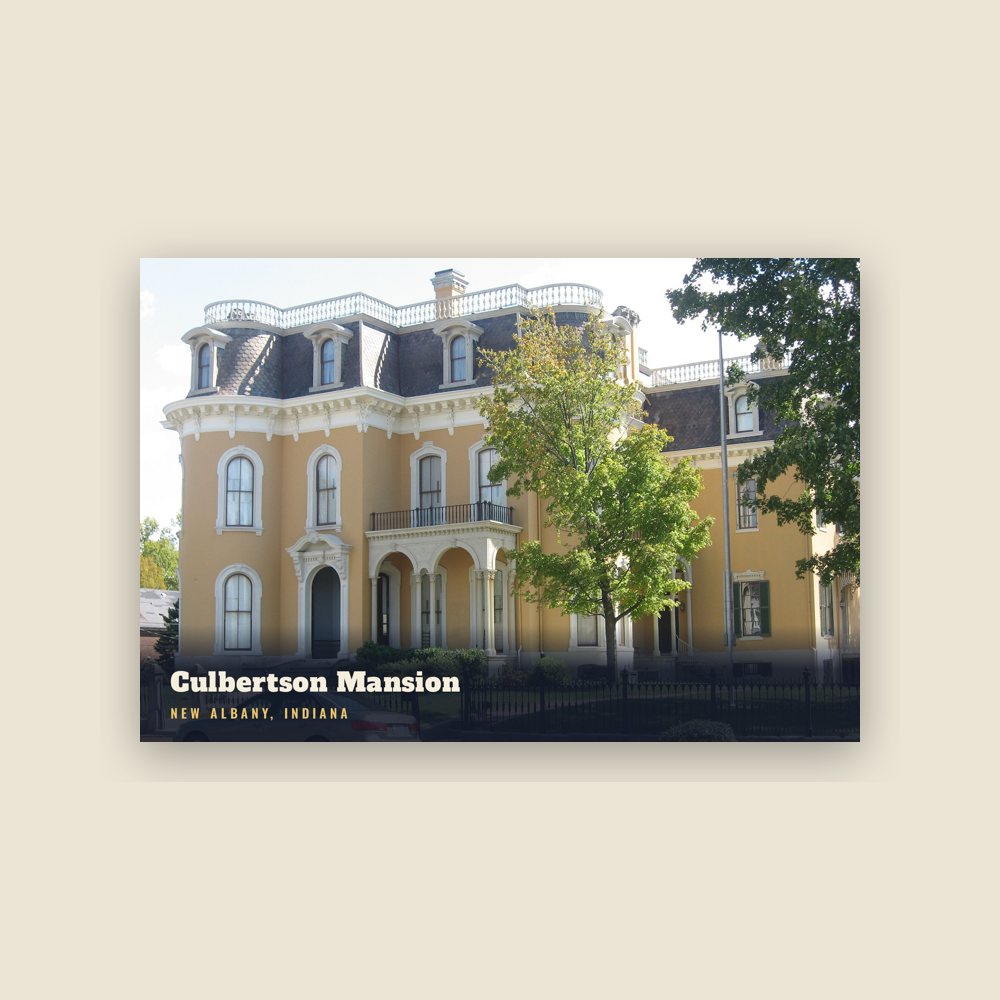
New Albany Culbertson Mansion Postcard

New Albany Culbertson Mansion Postcard

6″×4″ postcard, glossy front

$10
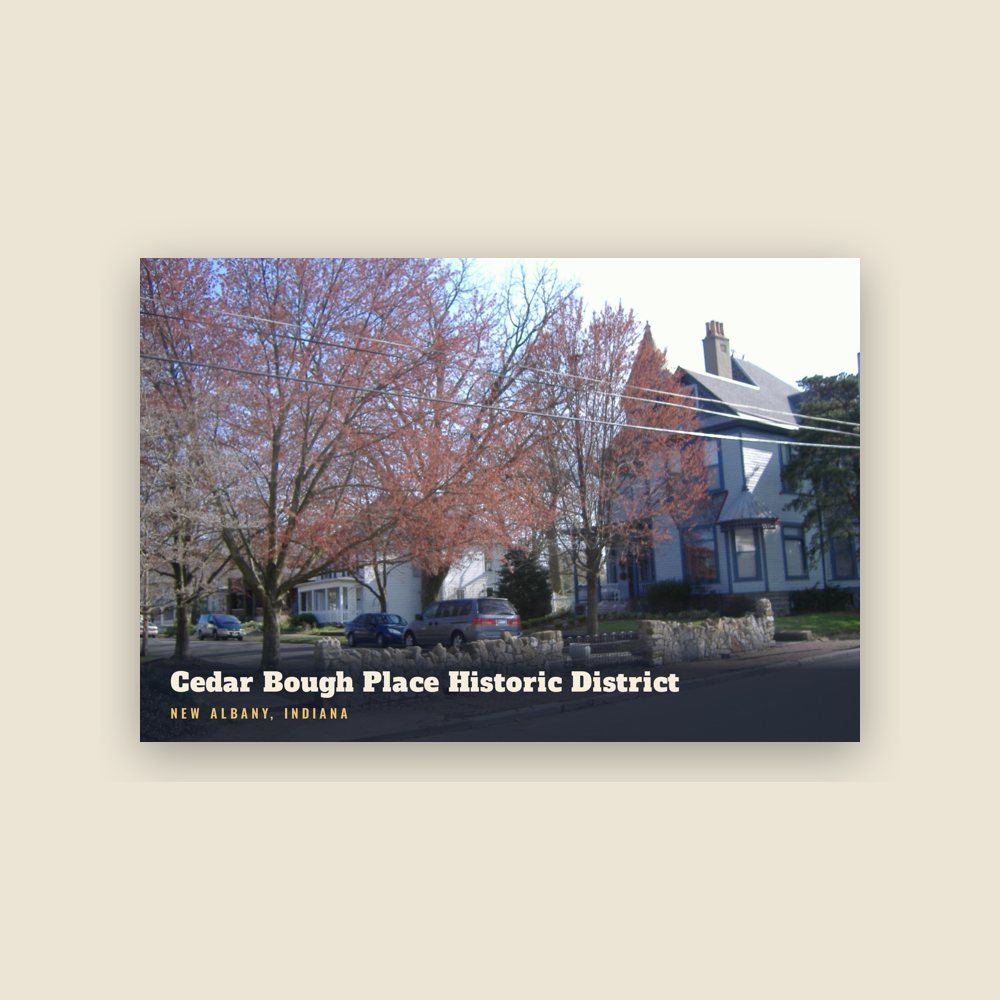
New Albany Cedar Bough Place Historic District Postcard

New Albany Cedar Bough Place Historic District Postcard

6″×4″ postcard, glossy front

$10
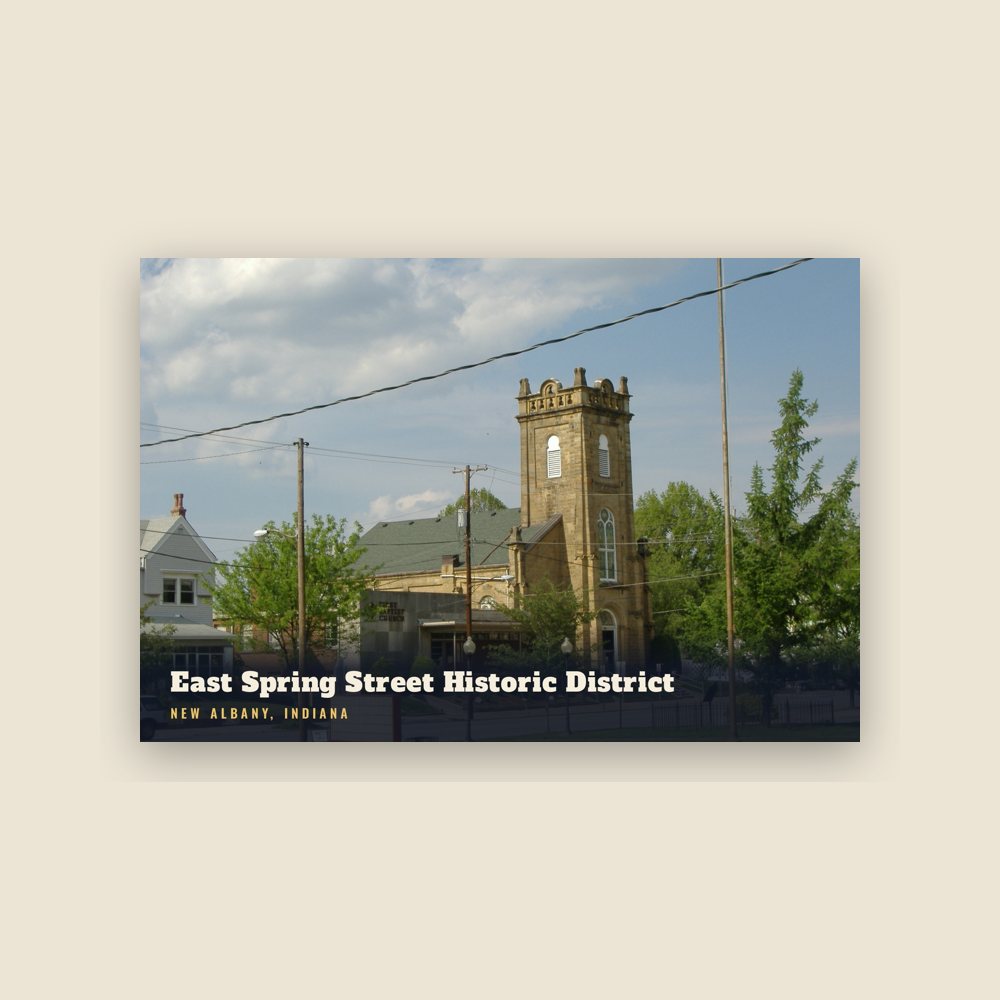
New Albany East Spring Street Historic District Postcard

New Albany East Spring Street Historic District Postcard

6″×4″ postcard, glossy front

$10
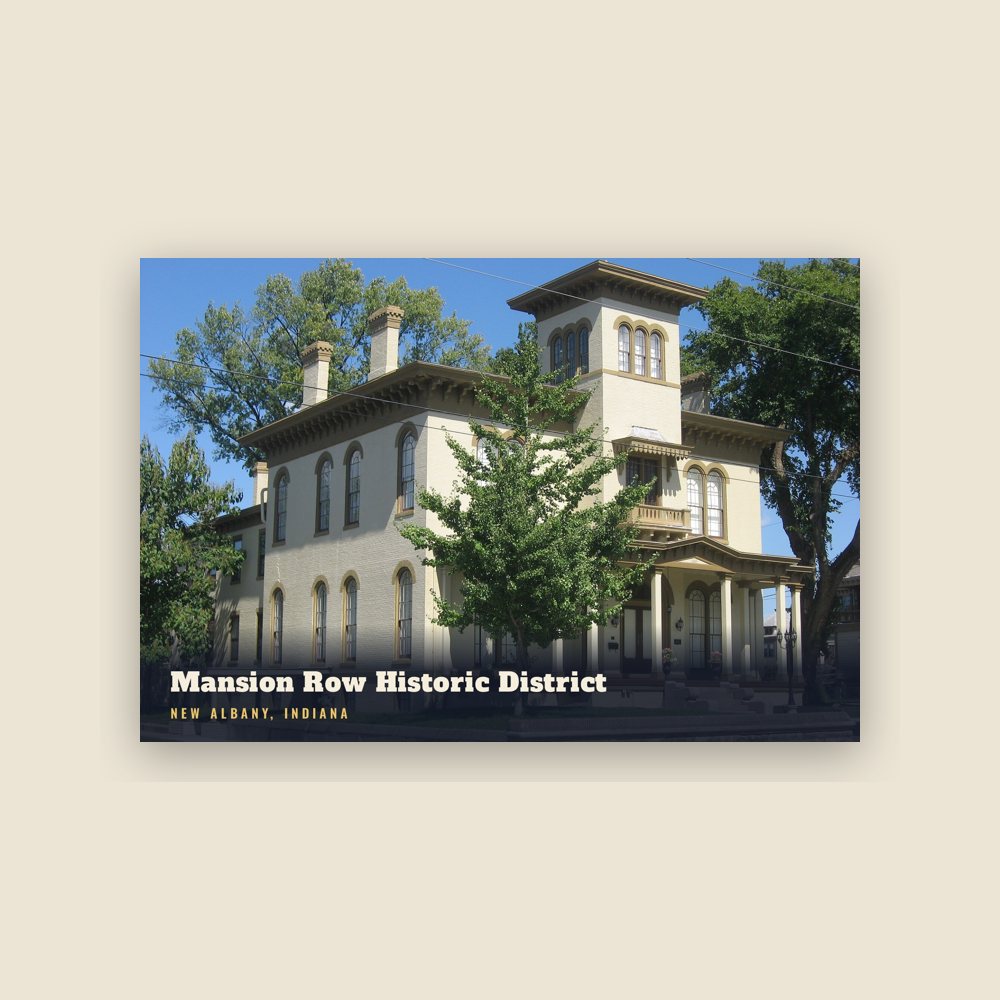
New Albany Mansion Row Historic District Postcard

New Albany Mansion Row Historic District Postcard

6″×4″ postcard, glossy front

$10
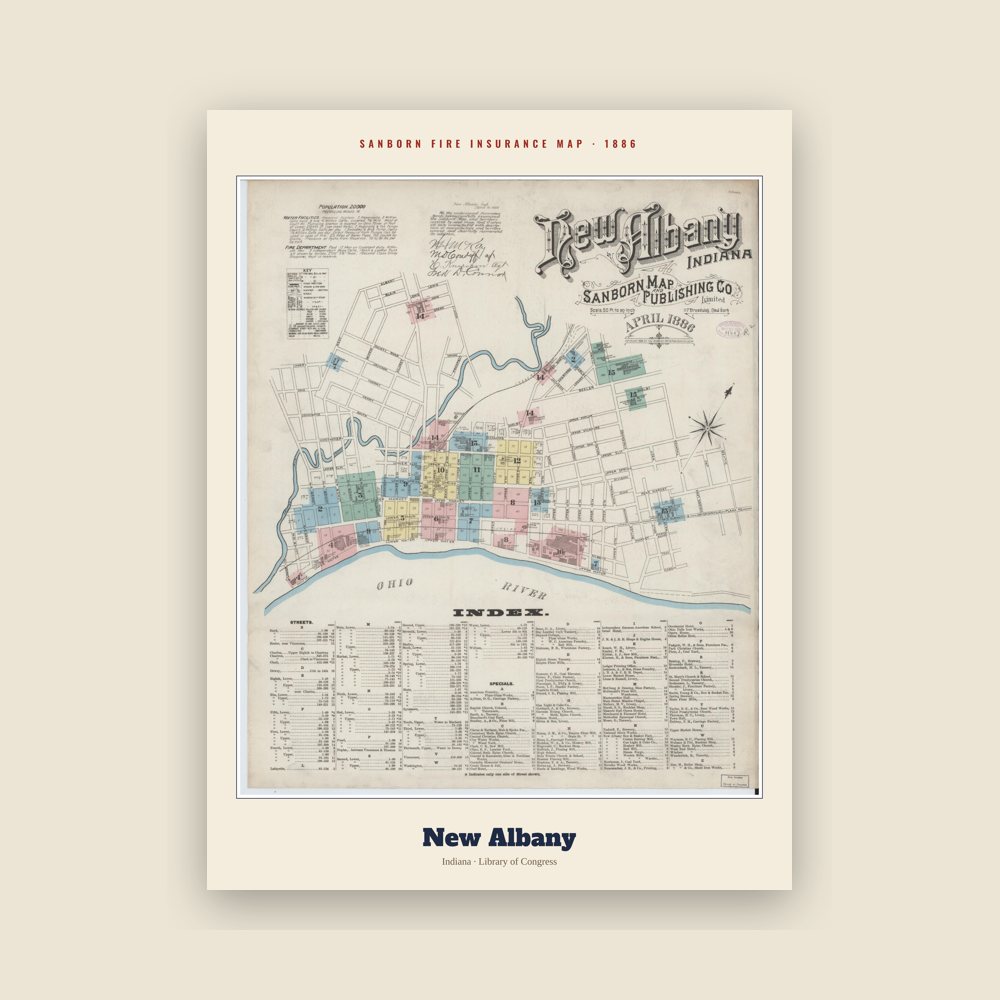
New Albany Sanborn Map Print

New Albany Sanborn Map Print

The town's earliest Sanborn fire-insurance map, drawn building by building and hand-coloured, from the Library of Congress

from $44
New Albany MAIN ENTRANCE GATE ON EKIN AVENUE.  VIEW TO NORTHWEST. - New Albany National Cemetery, 1943 Ekin Avenue Archive Print

New Albany MAIN ENTRANCE GATE ON EKIN AVENUE. VIEW TO NORTHWEST. - New Albany National Cemetery, 1943 Ekin Avenue Archive Print

From the Library of Congress collections: a historic survey drawing or photograph of the town

from $44
New Albany MAIN ENTRANCE GATE ON EKIN AVENUE, WITH SERVICE BUILDING IN RIGHT BACKGROUND.  VIEW TO NORTH. - New Albany National Cemetery, 1943 Ekin Avenue Archive Print

New Albany MAIN ENTRANCE GATE ON EKIN AVENUE, WITH SERVICE BUILDING IN RIGHT BACKGROUND. VIEW TO NORTH. - New Albany National Cemetery, 1943 Ekin Avenue Archive Print

From the Library of Congress collections: a historic survey drawing or photograph of the town

from $44
New Albany AXIAL ROAD THROUGH CEMETERY, LOOKING TOWARD MAIN ENTRANCE GATE.  VIEW TO SOUTHEAST. - New Albany National Cemetery, 1943 Ekin Avenue Archive Print

New Albany AXIAL ROAD THROUGH CEMETERY, LOOKING TOWARD MAIN ENTRANCE GATE. VIEW TO SOUTHEAST. - New Albany National Cemetery, 1943 Ekin Avenue Archive Print

From the Library of Congress collections: a historic survey drawing or photograph of the town

from $44
New Albany AXIAL ROAD THROUGH CEMETERY, LOOKING TOWARD FLAGPOLE.  VIEW TO NORTHWEST. - New Albany National Cemetery, 1943 Ekin Avenue Archive Print

New Albany AXIAL ROAD THROUGH CEMETERY, LOOKING TOWARD FLAGPOLE. VIEW TO NORTHWEST. - New Albany National Cemetery, 1943 Ekin Avenue Archive Print

From the Library of Congress collections: a historic survey drawing or photograph of the town

from $44
New Albany FLAGPOLE, WITH COMMITTAL SHELTER BEHIND.  VIEW TO NORTHWEST. - New Albany National Cemetery, 1943 Ekin Avenue Archive Print

New Albany FLAGPOLE, WITH COMMITTAL SHELTER BEHIND. VIEW TO NORTHWEST. - New Albany National Cemetery, 1943 Ekin Avenue Archive Print

From the Library of Congress collections: a historic survey drawing or photograph of the town

from $44
New Albany COMMITTAL SHELTER, WITH ROSTRUM IN CENTER BACKGROUND.  VIEW TO NORTHWEST. - New Albany National Cemetery, 1943 Ekin Avenue Archive Print

New Albany COMMITTAL SHELTER, WITH ROSTRUM IN CENTER BACKGROUND. VIEW TO NORTHWEST. - New Albany National Cemetery, 1943 Ekin Avenue Archive Print

From the Library of Congress collections: a historic survey drawing or photograph of the town

from $44

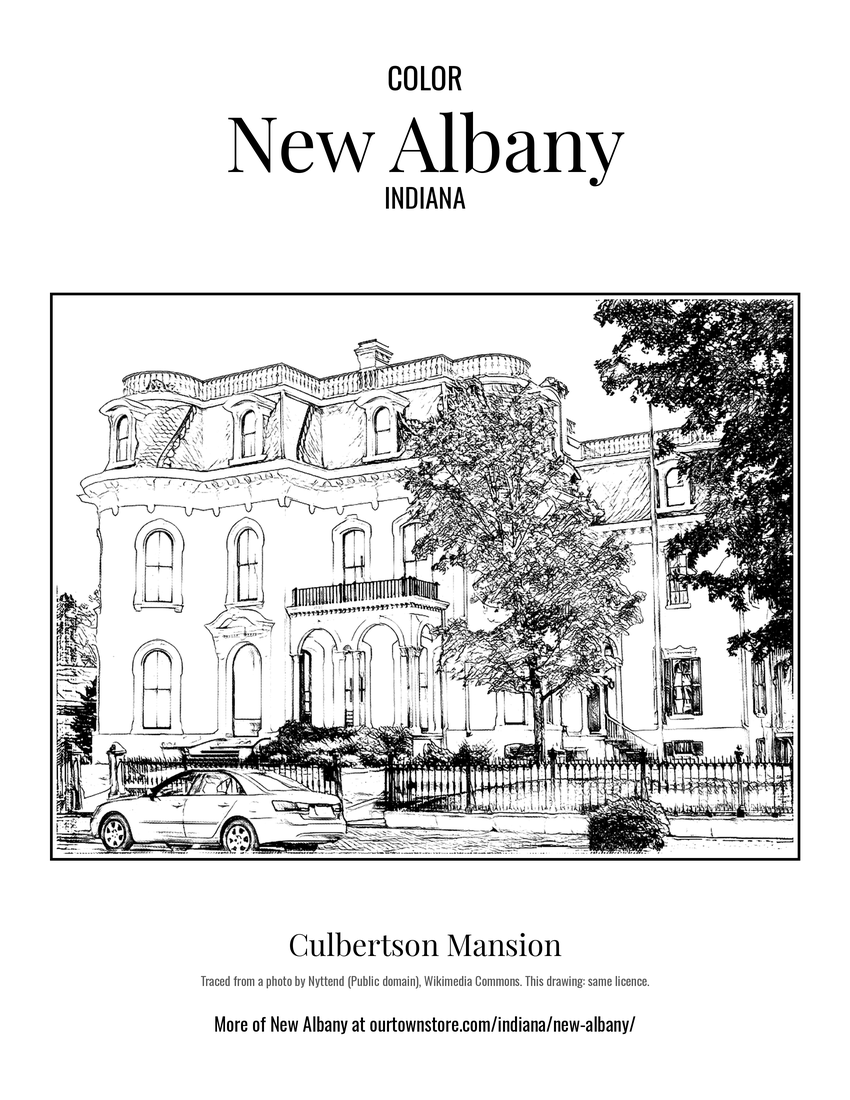
The mayor of New Albany is Jeff Gahan, a Democrat; he was re-elected in 2023. Landmarks include Town Clock Church, Kentucky & Indiana Terminal Bridge and Culbertson Mansion. New Albany is the birthplace of George Brown Goode, ichthyologist.

Hometown roll

Born in New Albany

On the National Register

Historic places

Population 2010: 36,372 → 2020: 37,841

From Wikidata (CC0).

A short history of New Albany

Early history

The land of New Albany was officially granted to the United States after the American Revolutionary War. The territory had been captured by George Rogers Clark in 1779. For his services Clark was awarded large tracts of land in Southern Indiana including most of Floyd County. After the war, Clark sold and distributed some of his land to his fellow soldiers. The area of New Albany ended up in the possession of Col. John Paul.

New Albany was founded in July 1813 when three brothers from New York —Joel, Abner, and Nathaniel Scribner—arrived at the Falls of the Ohio and named the site after the city of Albany, New York. They purchased the land from Col. John Paul. New Albany was platted by John Graham on land owned by the Scribner brothers. In 1814, Joel and Mary Scribner built their home in New Albany; the Scribner House still stands today.

New Albany was incorporated as a town in 1817 as part of Clark County. In 1819, three years after Indiana was admitted as a state, New Albany became the seat of government for newly established Floyd County. A courthouse was finally built in 1824.

New Albany grew rapidly and was the largest city in Indiana from 1816 until 1860, when it was overtaken by Indianapolis. Before the Civil War, over half of Hoosiers worth over $100,000 (~$1.79 million in 2025) lived in New Albany, making it by far the wealthiest part of the state. The steamboat industry was the engine of the city's economy during the mid-19th century. Fueled by abundant forests for lumber, at least a half-dozen shipbuilders were in operation and turned out a multitude of steamboats and packet boats, including the Robert E. Lee, Eliza Battle, the Eclipse, and the A.A. Shotwell. Shipbuilding was accompanied by a wide range of ancillary business including machine shops, foundries, cabinet and furniture factories, and silversmith shops. Its second-largest business was the American Plate Glass Works.

In 1847, the city was connected to the port at Michigan City, Indiana on Lake Michigan via the Monon railroad. In 1853, the New Albany High School opened, the first public high school in the state. The original school was built at the corner of West First Street and Spring Street. New Albany would also be the first in the state to create a consolidated school district several years later.

Ashbel P. Willard, governor of the state of Indiana, dedicated the Floyd County Fairgrounds in 1859. That year, the Indiana State Fair was held in New Albany. During the Civil War, the fairgrounds were converted to become Camp Noble and used as a muster point for the area's regiments.

Read the full history

Civil War

During the American Civil War, New Albany served as both a supply center for Union troops and as a medical care center for wounded soldiers. Up to 1,500 wounded soldiers were treated in New Albany during the war, and many non-medical buildings were converted into makeshift hospitals.

In 1862, Abraham Lincoln established one of the first seven national cemeteries in New Albany for burying the many war dead. Despite the ongoing war, a new courthouse was built in 1865, which was used until the 1960s, when the current City-County courthouse was constructed, also the first in Indiana.

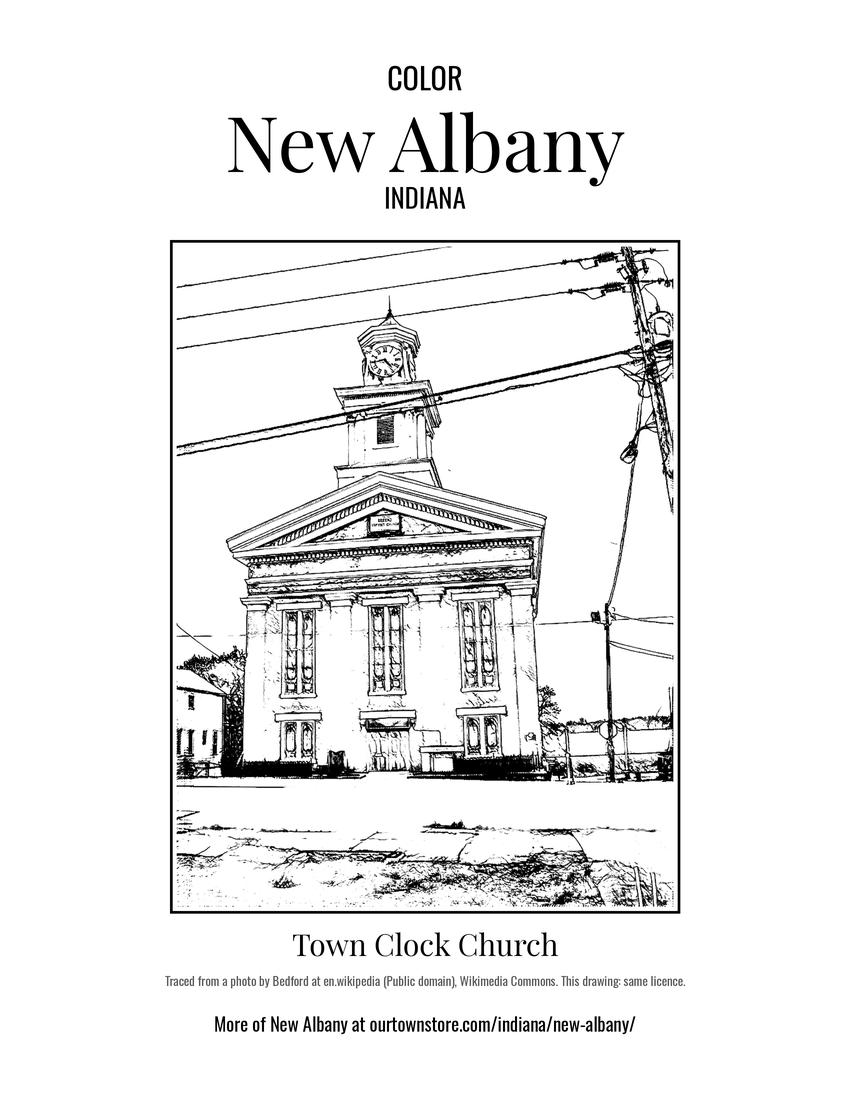
The Town Clock Church, now the Second Baptist Church, was used as the New Albany stop in the Underground Railroad. The original steeple was destroyed by a lightning strike in 1915, and a new replica steeple was not completed until 101 years later in 2016.

During the Civil War, New Albany businesses were boycotted by Confederates because it was in a Union state and by the North because it was considered too friendly to the South. Indianapolis overtook New Albany as Indiana's largest city in 1860, and across the river, Louisville's population grew much faster. New Albany never regained its original stature. The once robust steamboat industry ended by 1870, with the last steamboat built in New Albany named, appropriately, the Robert E. Lee.

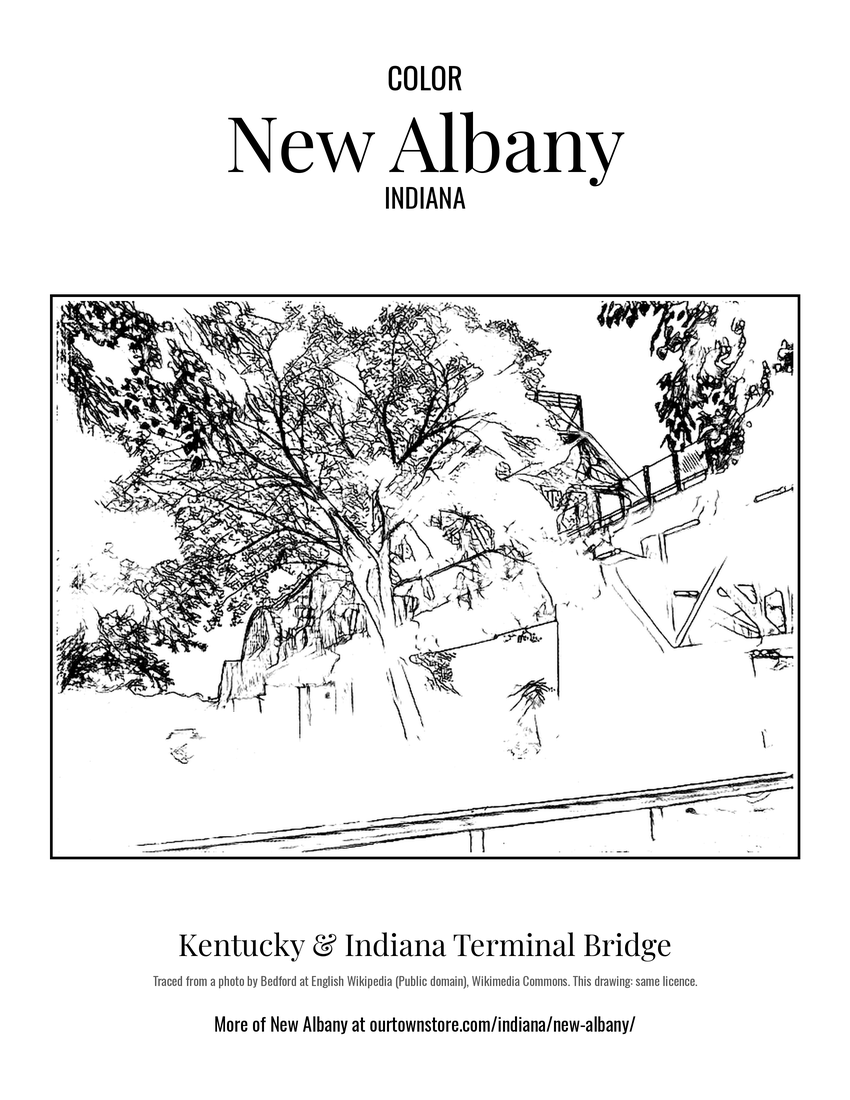
During the second half of the 19th century, New Albany experienced an industrial boom despite the collapse of the steamboat industry. The advent of railroads created economic opportunity for the city as a pork packing and locomotive repair center. A bridge was built across the Ohio River in 1886, providing a rail and road connection with Kentucky. American Plate Glass Works opened in 1865 and employed as many as 2,000 workers. When the factory relocated in 1893, New Albany lost a large part of its population and went into economic decline.

20th century

In the early 20th century, New Albany became a center of plywood and veneer manufacturing, and its largest employer was the New Albany Veneering Company. By 1920, New Albany was the largest producer of plywood and veneer in the world, with other producers including Indiana Veneer Panel Company and Hoosier Panel Company.

Interstate 64 was built through New Albany in 1961 and led to the construction of the Sherman Minton Bridge. The project cost $14.8 million. The bridge was named for U.S. Senator and later U.S. Supreme Court Justice Sherman Minton, who was a native of nearby Georgetown and practiced law in New Albany. The bridge was named the "most beautiful long-span bridge of 1961" by the American Institute of Steel Construction.

Education innovation

Charles A. Prosser lived in New Albany for much of his life. Charles Allen Prosser School of Technology was named in honor of his accomplishments as the "father of vocational education."

In the mid and late 20th century, New Albany became an innovator in using electronic media in education. New Albany High School, a public school, started WNAS-FM in 1949, which is the nation's oldest continuously operating high school radio station. In the late 1960s, Slate Run Elementary School started WSRS, a non-licensed student-produced closed-circuit television service for its classrooms, one of the nation's first in an elementary school.

Adapted (trimmed) from the Wikipedia article New Albany, Indiana, revision 1373446811 by its contributors, licensed CC BY-SA 4.0.

For local organizations

Are you with a New Albany historical society?

We share a part of every New Albany sale with local partners, and we'd love to print from your collection. Old photographs, maps and postcards make the best keepsakes.
Partner with us
Custom orders

Want something New Albany we don't make yet?

A favorite landmark, your street, a school or team, an anniversary gift, a different product. Tell us and we'll get back to you by email.

Free printables

Color New Albany

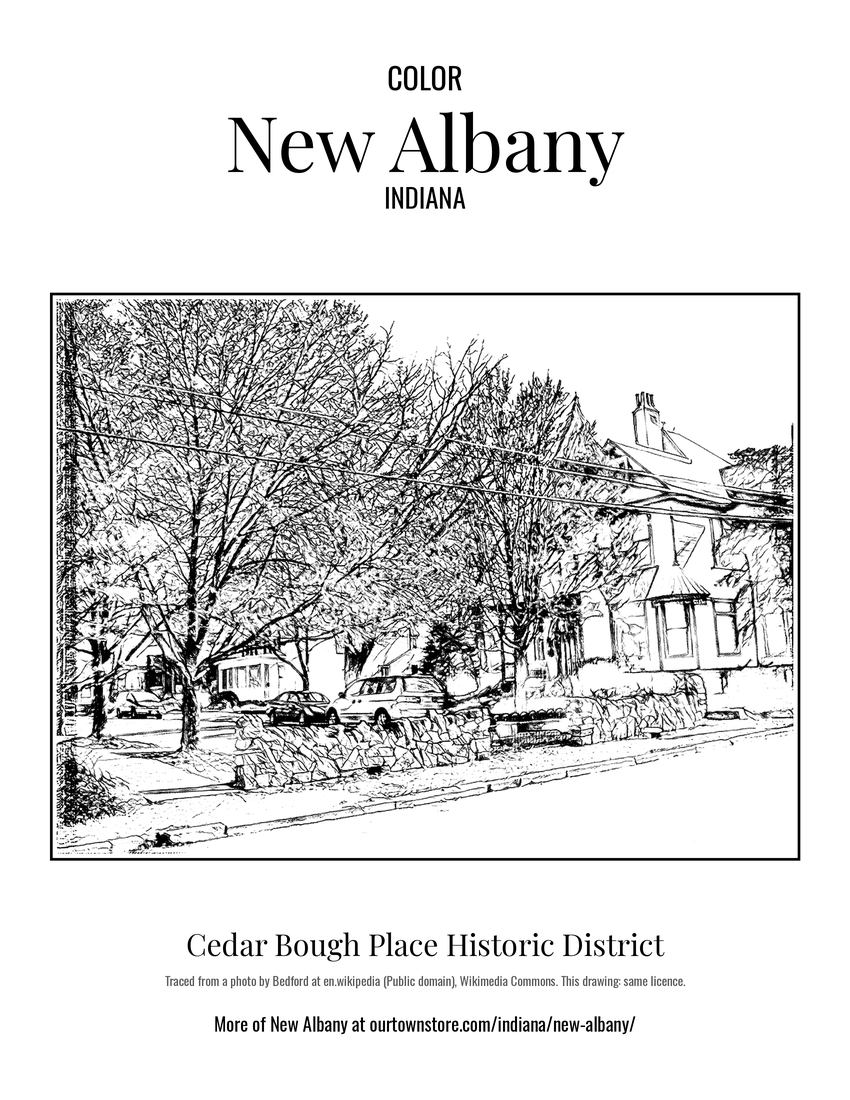
14 free coloring pages of New Albany, each traced from a photo of a local landmark. Print them at home, at school or for story hour.

Nearby

Neighboring towns

Sources

New Albany's population was 37,841 in the 2020 U.S. Census, up from 36,372 in 2010.