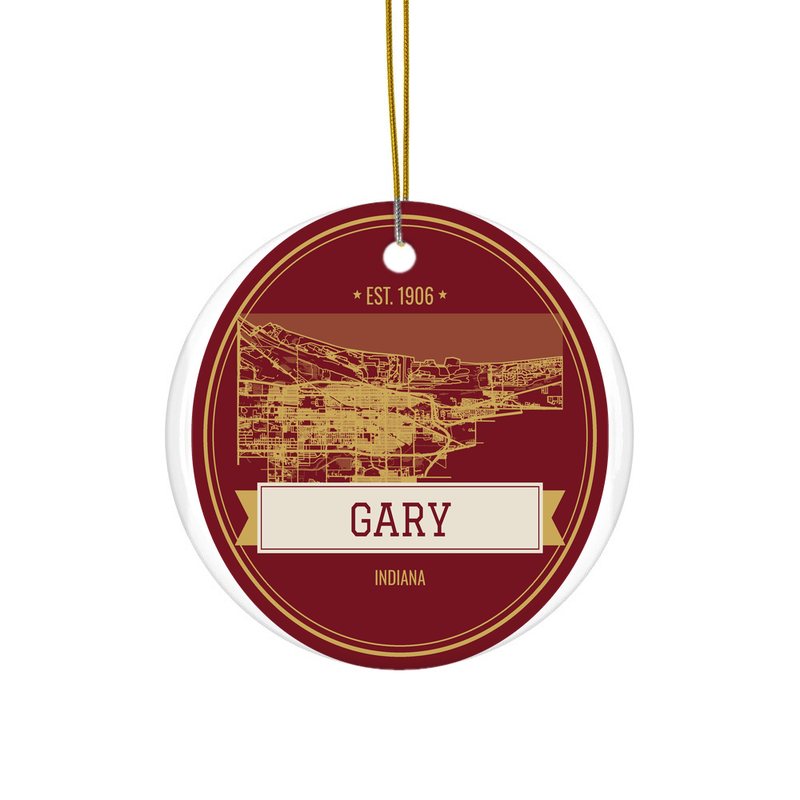
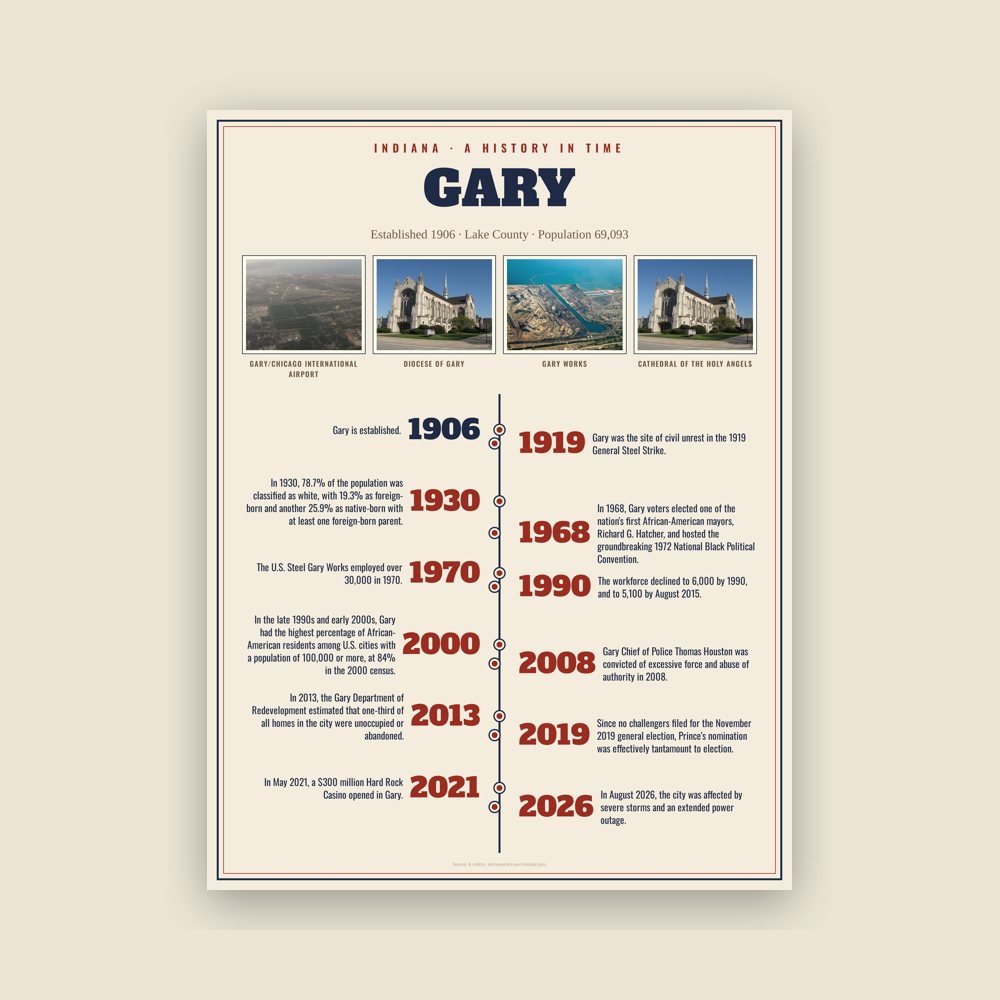
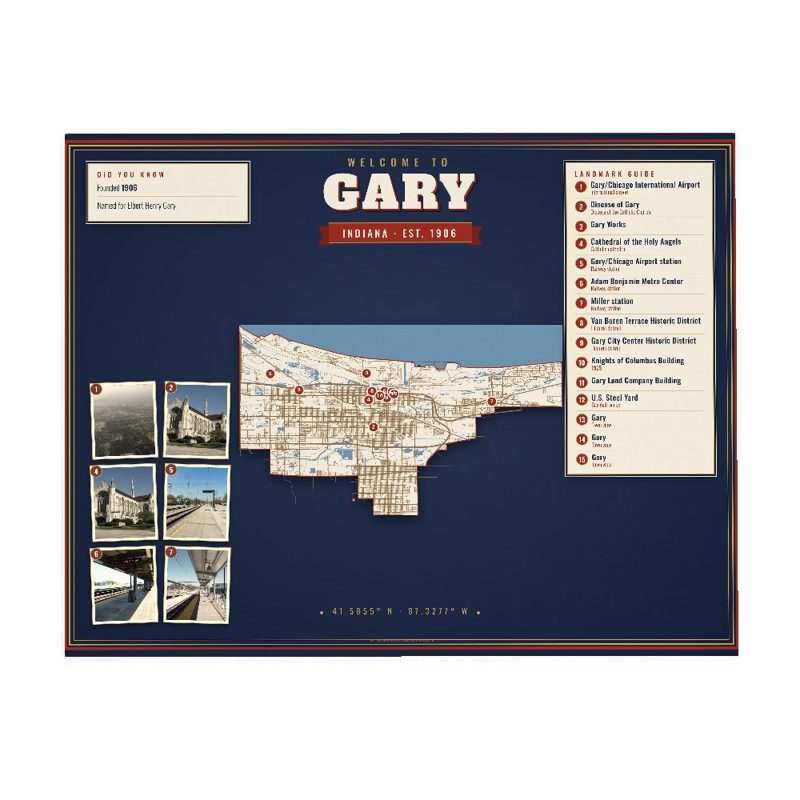
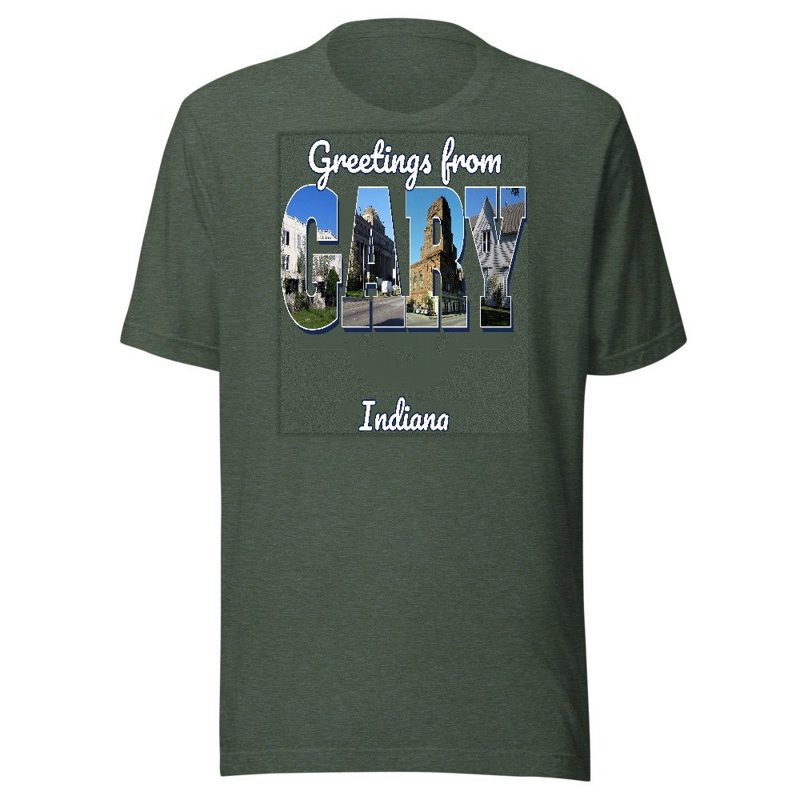
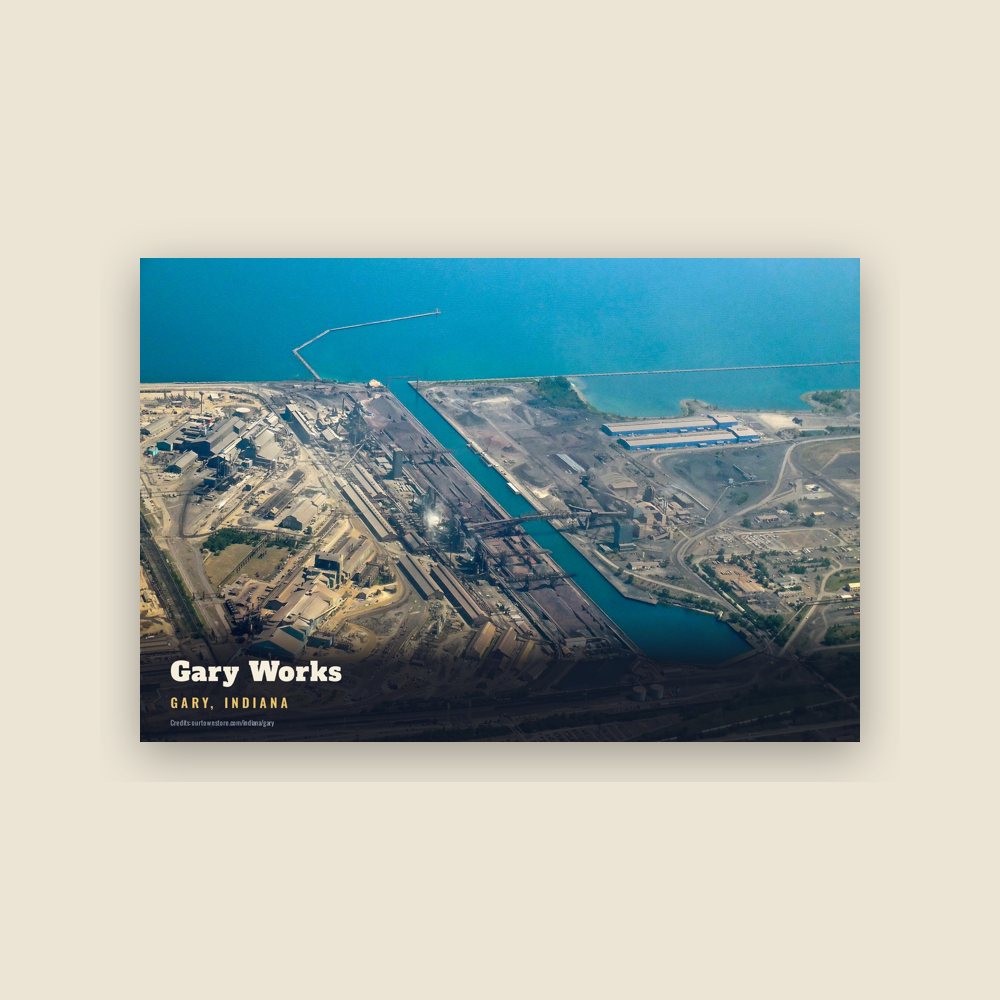
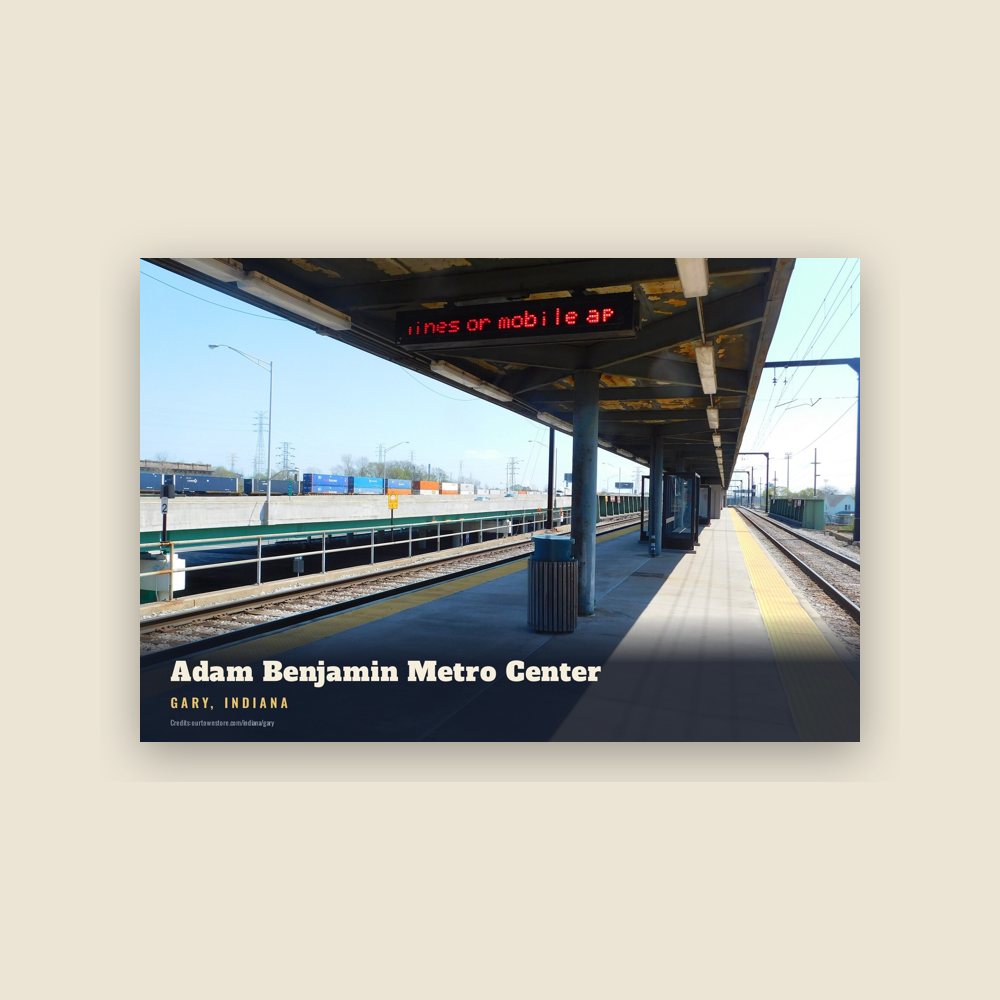
Gary, Indiana, was founded in 1906 by the U.S. Steel corporation as the home for its new plant, Gary Works. The city was named after lawyer Elbert Henry Gary, who was the founding chairman of the United States Steel Corporation.
Gary was the site of civil unrest in the 1919 General Steel Strike. On October 4, 1919, a riot broke out on Broadway, the main north–south street through downtown Gary, between steel workers and strike breakers brought in from outside. Indiana governor James P. Goodrich declared martial law three days later. Shortly after that, over 4,000 federal troops under the command of Major General Leonard Wood arrived to restore order.
The steel industry's jobs provided Gary with rapid growth and a diverse population within the first 26 years of its founding. In the 1920 United States census, 29.7% of Gary's population was classified as foreign-born, mostly from eastern European countries, with another 30.8% native-born with at least one foreign-born parent. By the 1930 United States census, the first census in which Gary's population exceeded 100,000, the city was the fifth largest in Indiana and comparable in size to South Bend, Fort Wayne, and Evansville.
In 1930, 78.7% of the population was classified as white, with 19.3% as foreign-born and another 25.9% as native-born with at least one foreign-born parent. In addition to white internal migrants, Gary had attracted numerous African-American migrants from the South in the Great Migration, and 17.8% of the population was classified as black. Some 3.5% were classified as Mexican, now likely to be identified as Hispanic, as they included citizens and immigrants of other Spanish-speaking ethnicities.
Read the full history
Post-World War II
Gary's fortunes have risen and fallen with those of the steel industry. The growth of the steel industry brought prosperity to the community, and industrial workers gained middle-class standards of living. Broadway was known as a commercial center for the region. Department stores and architecturally significant movie houses were built in the downtown and Glen Park neighborhoods.
In the 1960s, as manufacturing jobs moved out of the United States, Gary entered a period of decline. This also occurred in many other American urban centers that were reliant on one particular industry. Gary's decline was brought on by reduced employment in the steel industry overall, which caused U.S. Steel to lay off many workers from the Gary area.
The U.S. Steel Gary Works employed over 30,000 in 1970. The workforce declined to 6,000 by 1990, and to 5,100 by August 2015. Attempts to shore up the city's economy with major construction projects, such as a Holiday Inn hotel and the Genesis Convention Center, failed to reverse the decline.
Racial changes
A rapid racial change occurred in Gary during the late 20th century. Political power reflected Gary's racial demographics: the Black and Hispanic share of the city's population increased from 21% in 1930 to 39% in 1960, and to 53% in 1970. Black and Hispanic people primarily lived in the Midtown section just south of downtown. In the 1950 Census, 97% of Gary's black population lived in this neighborhood.
In 1968, Gary voters elected one of the nation's first African-American mayors, Richard G. Hatcher, and hosted the groundbreaking 1972 National Black Political Convention.
In the late 1990s and early 2000s, Gary had the highest percentage of African-American residents among U.S. cities with a population of 100,000 or more, at 84% in the 2000 census.
Gary's population has fallen well below 100,000 residents. In 2013, the Gary Department of Redevelopment estimated that one-third of all homes in the city were unoccupied or abandoned.
U.S. Steel
U.S. Steel continues to be a major steel producer but has a small fraction of its previous workforce. The plant and allied facilities employed over 30,000 people in the early 1970s, but only 6,000 in 1990 and 2,246 in 2023.
While Gary has been unable to establish or replace the manufacturing base, it has worked to diversify. Two casinos opened along the Gary lakeshore in the 1990s, to create an entertainment destination. Their success was adversely affected by the eleven-year closure of the Cline Avenue Bridge, an important means of access to the area. It reopened in 2020 as a privately managed entity.
21st century
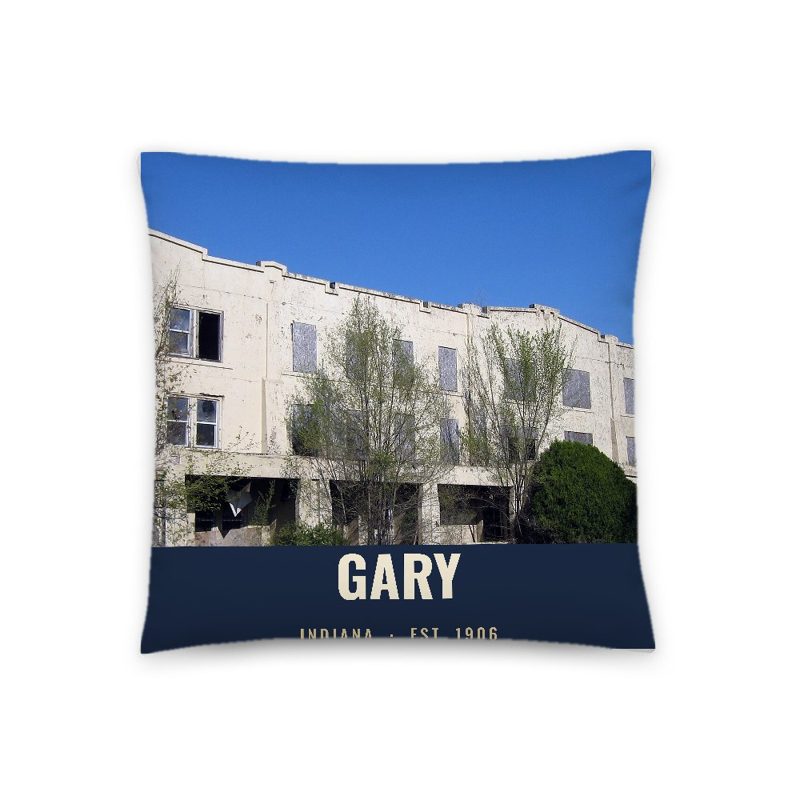
Gary has closed 21 public schools. While some school buildings have been reused, most remain unused since closing, and have been subjected to vandalism. As of 2014, Gary was considering closing additional schools in response to budget deficits.
Gary Chief of Police Thomas Houston was convicted of excessive force and abuse of authority in 2008. He died in 2010 while serving a three-year, five-month federal prison sentence.
In April 2011, 75-year-old mayor Rudolph M. Clay announced that he would suspend his campaign for reelection as he was being treated for prostate cancer. He endorsed rival Karen Freeman-Wilson, who won the Democratic mayoral primary in May 2011. Freeman-Wilson won election with 87 percent of the vote and her term began in January 2012; she is the first woman elected mayor in the city's history. She was reelected in 2015.
Mayor Freeman-Wilson was defeated in her bid for a third term in the 2019 Democratic primary by Lake County Assessor Jerome Prince. Since no challengers filed for the November 2019 general election, Prince's nomination was effectively tantamount to election. He succeeded Freeman-Wilson in January 2020.
In May 2021, a $300 million Hard Rock Casino opened in Gary. Branded as Hard Rock Casino Northern Indiana, the location includes memorabilia from the local entertainment family, the Jackson 5, and a 1,950-seat Hard Rock Live performance hall.
In August 2026, the city was affected by severe storms and an extended power outage. An estimated 375,000 customers of local utility company NiSource lost service, with approximately 30,000 still without power 12 days later.