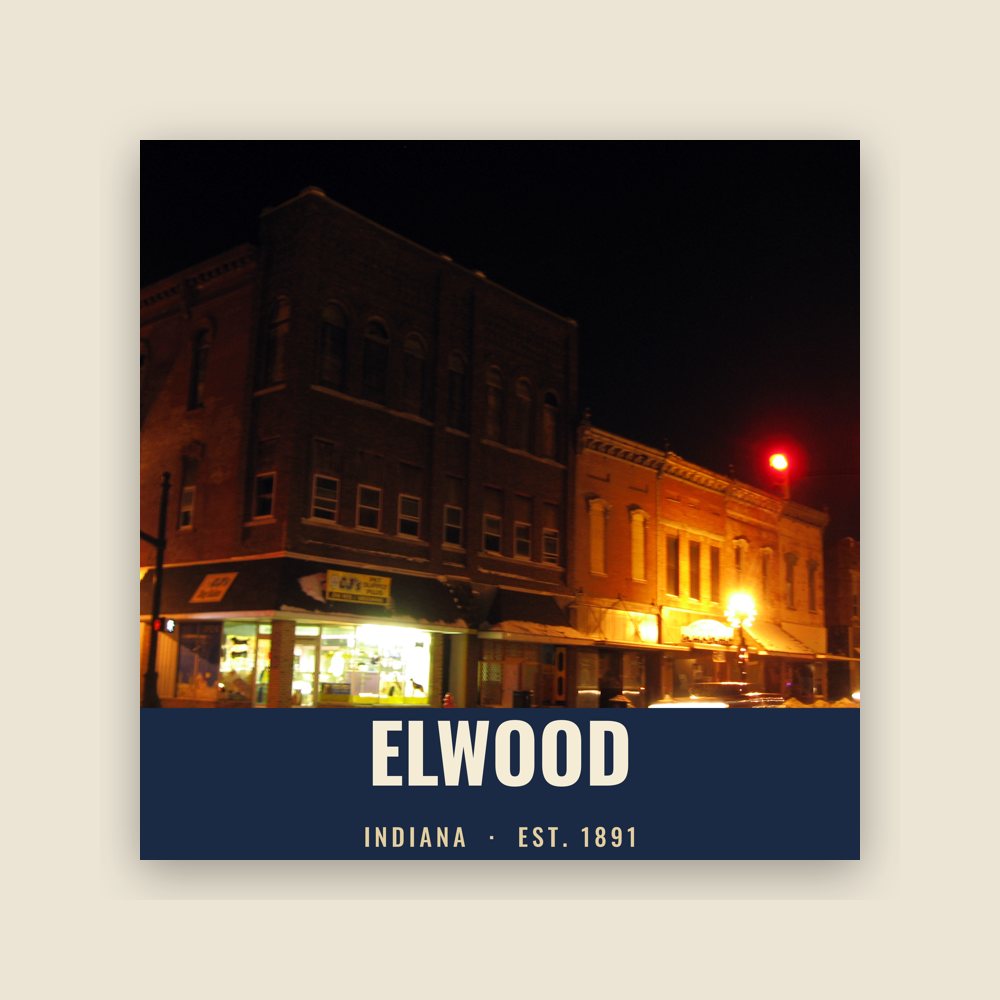
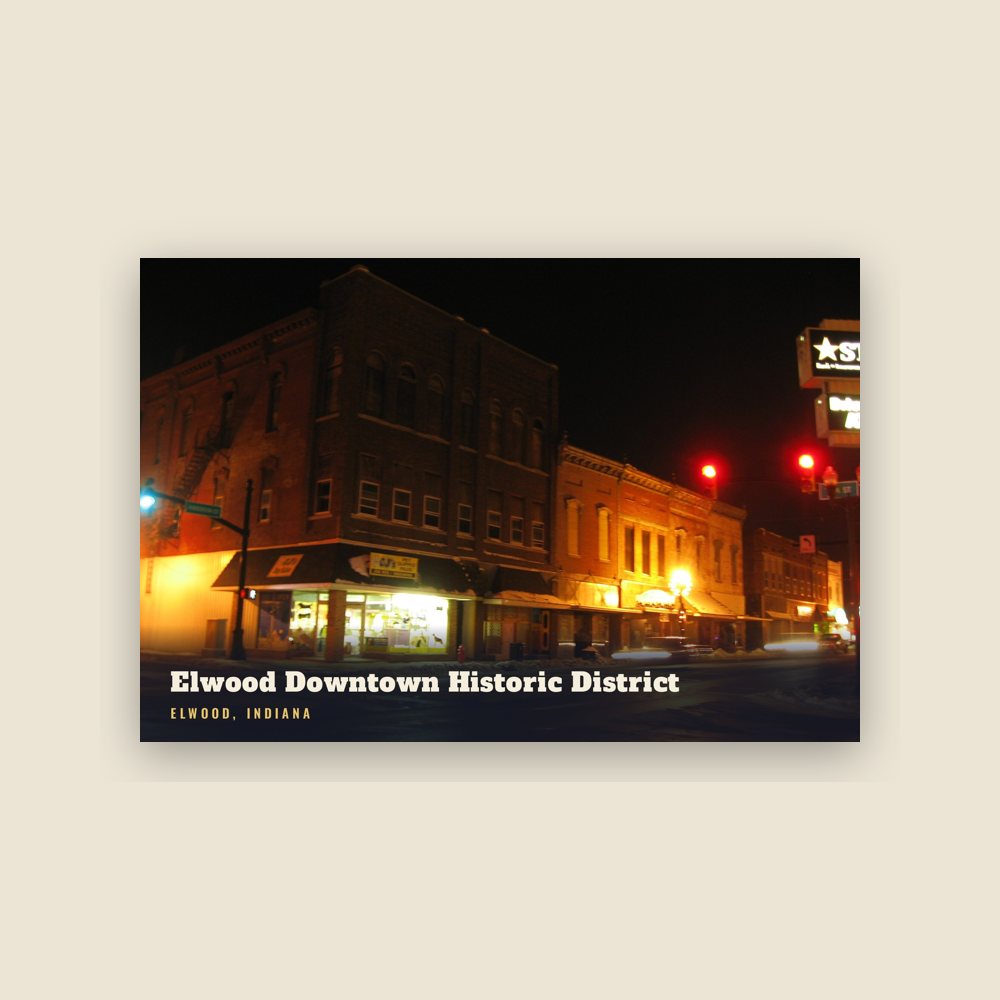
Since 1891
A short history of Elwood
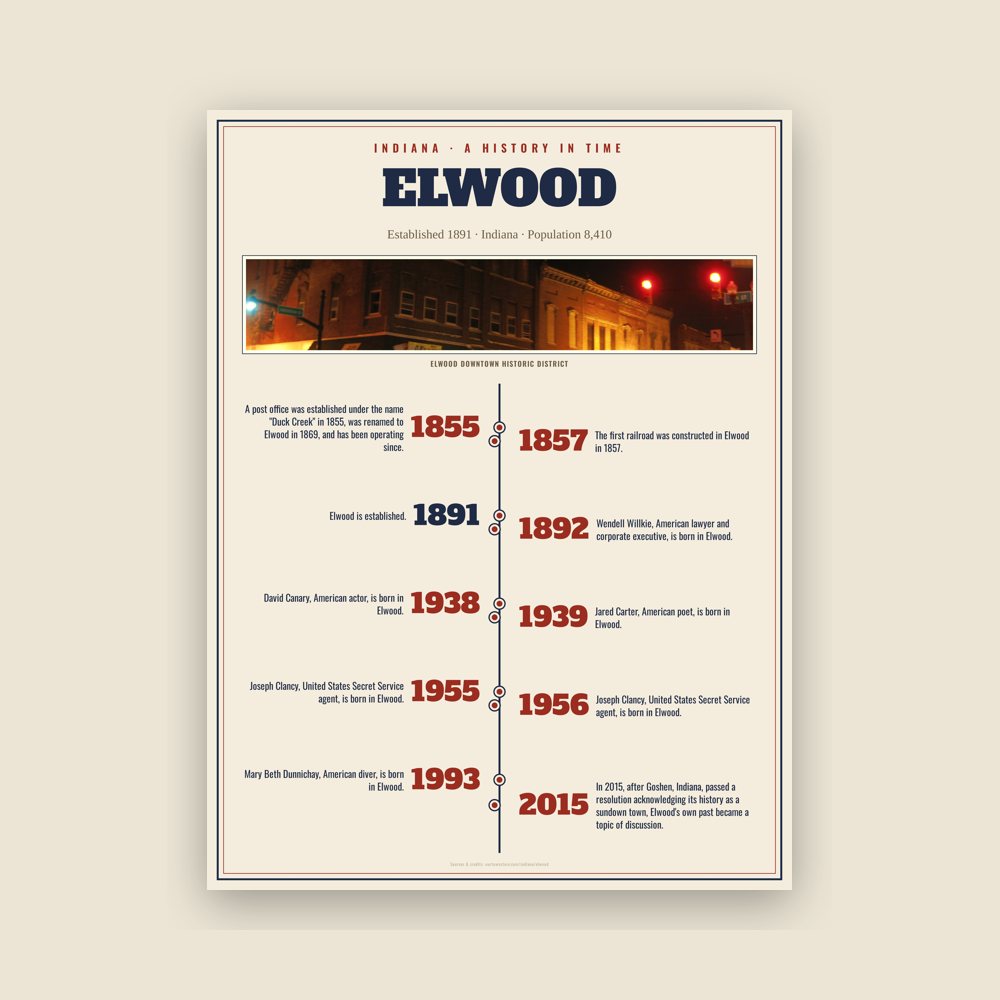
A post office was established under the name "Duck Creek" in 1855, was renamed to Elwood in 1869, and has been operating since. The first railroad was constructed in Elwood in 1857.
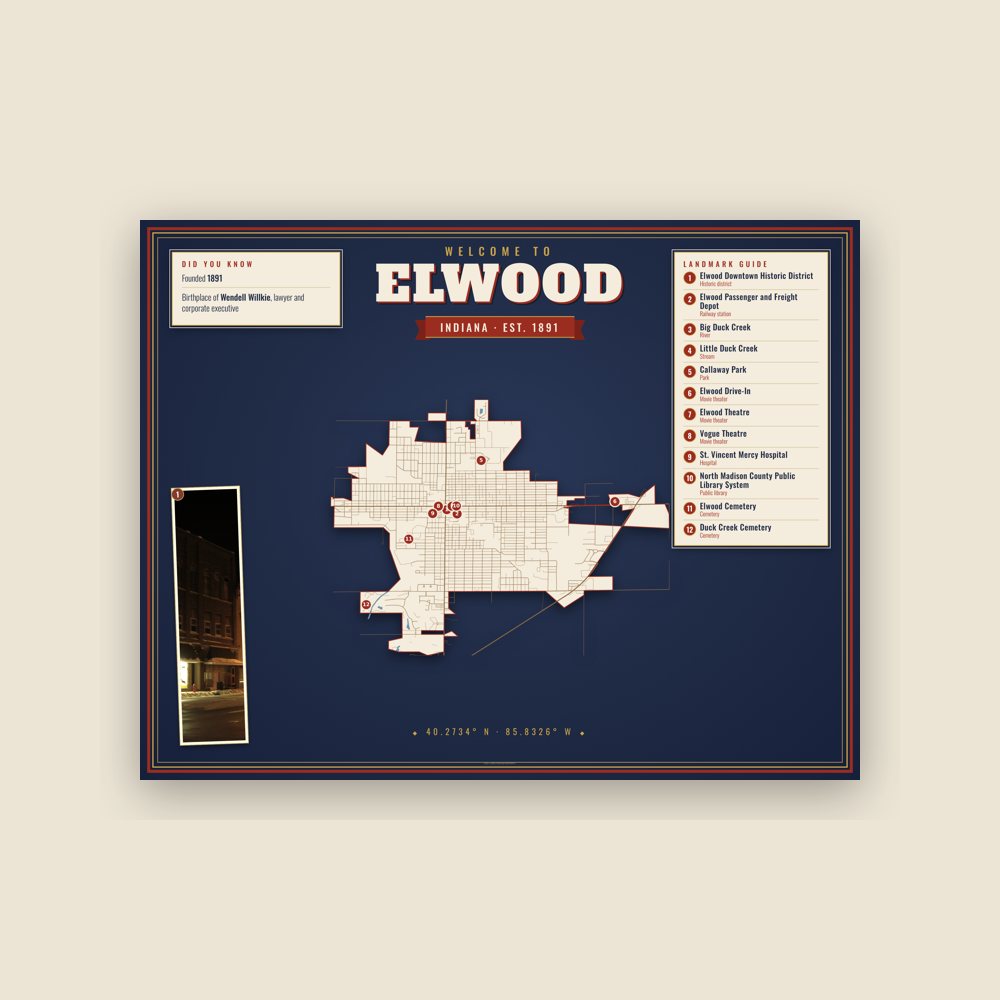
On August 17, 1940, the Republican National Committee held a formal notification ceremony to recognize Elwood-born Wendell Willkie as its nominee for President of the United States to run against Franklin Roosevelt. Held at Callaway Park on the outskirts of town, the ceremony drew 150,000 people for what would become the largest political rally in American history at the time. People came in 60,000 automobiles, 63 special trains, 300 Pullmans, and 1,200 buses. The Indiana University band led a parade in which 249 other bands also marched in the procession. When Willkie stepped onto the platform, the crowd cheered him for ten minutes before he could begin his speech. However, oppressive heat and Willkie's underwhelming, flat speech left many disappointed by the end of the day.
Read the full history
Sundown town
By the 1880s, Elwood had become a sundown town, prohibiting Black people from residing within the town. In 1897, when a number of Black families attempted to settle in the town and were driven out, The Evening Times in Washington, D.C., reported that for more than two decades Black people had not been "permitted to remain any length of time." This prohibition remained in place for most of the 20th century.
At the rally for Wendell Willkie, noted above, which drew around 150,000 people to the city, some prominent Black reporters, such as Marse Callaway of Baltimore, were allowed to briefly stay in a hotel downtown, but others were unable to stay the night due to the community's sundown status. Other Black people were discouraged from attempting to attend the rally at all due to the sundown signs posted at the city limits. These signs and policies remained in place for decades afterwards.
By the late twentieth century sundown policies were less strictly enforced, although as recently as 2002 law enforcement in nearby Marion considered Elwood to still be unwelcoming of Black people. In 2015, after Goshen, Indiana, passed a resolution acknowledging its history as a sundown town, Elwood's own past became a topic of discussion. The mayor of Elwood stated that while he had had no knowledge of the racially exclusionary policies of Elwood's past, he would address them if they were part of Elwood's "lingering reputation".
Adapted (trimmed) from the Wikipedia article Elwood, Indiana, revision 1377188062 by its contributors, licensed CC BY-SA 4.0.