A short history of Culver
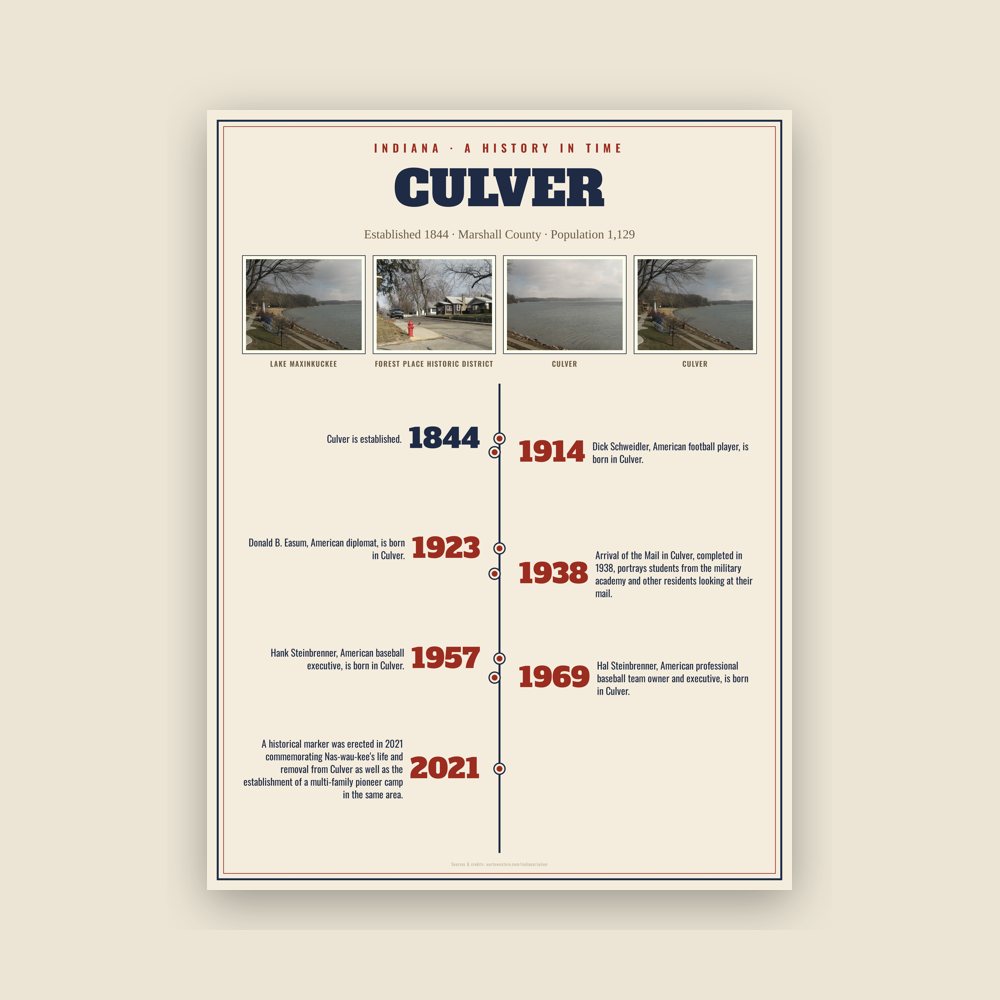
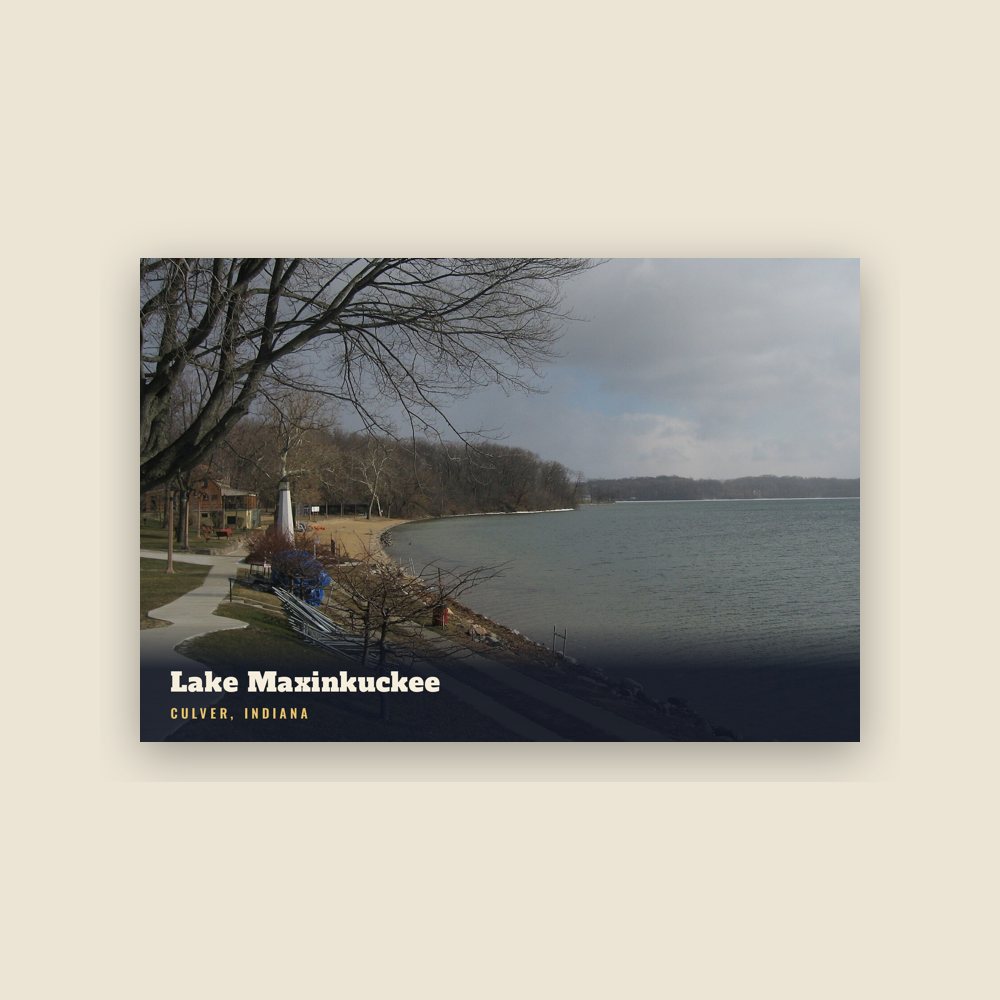
The Potawatomi tribe had a recorded settlement in the area during the 18th century. In 1783, the Potawatomi tribe was one of more than thirty tribes at the Grand Council of the Western Alliance who sought to establish the Ohio River as the boundary between Native land and the encroaching United States. These negotiations were ultimately unsuccessful, leading to the removal of the Potawatomi via the Trail of Death in 1838. The chief at the time, known as Nas-wau-kee, lived on a reservation near Lake Maxinkuckee.The time leading up to their removal was chronicled and illustrated by artist George Winter. A historical marker was erected in 2021 commemorating Nas-wau-kee's life and removal from Culver as well as the establishment of a multi-family pioneer camp in the same area.
Culver was laid out as Union Town in 1844. It was later renamed for Henry Harrison Culver, who in 1894 founded the Culver Military Academy—today a college preparatory boarding school known as the Culver Academies.
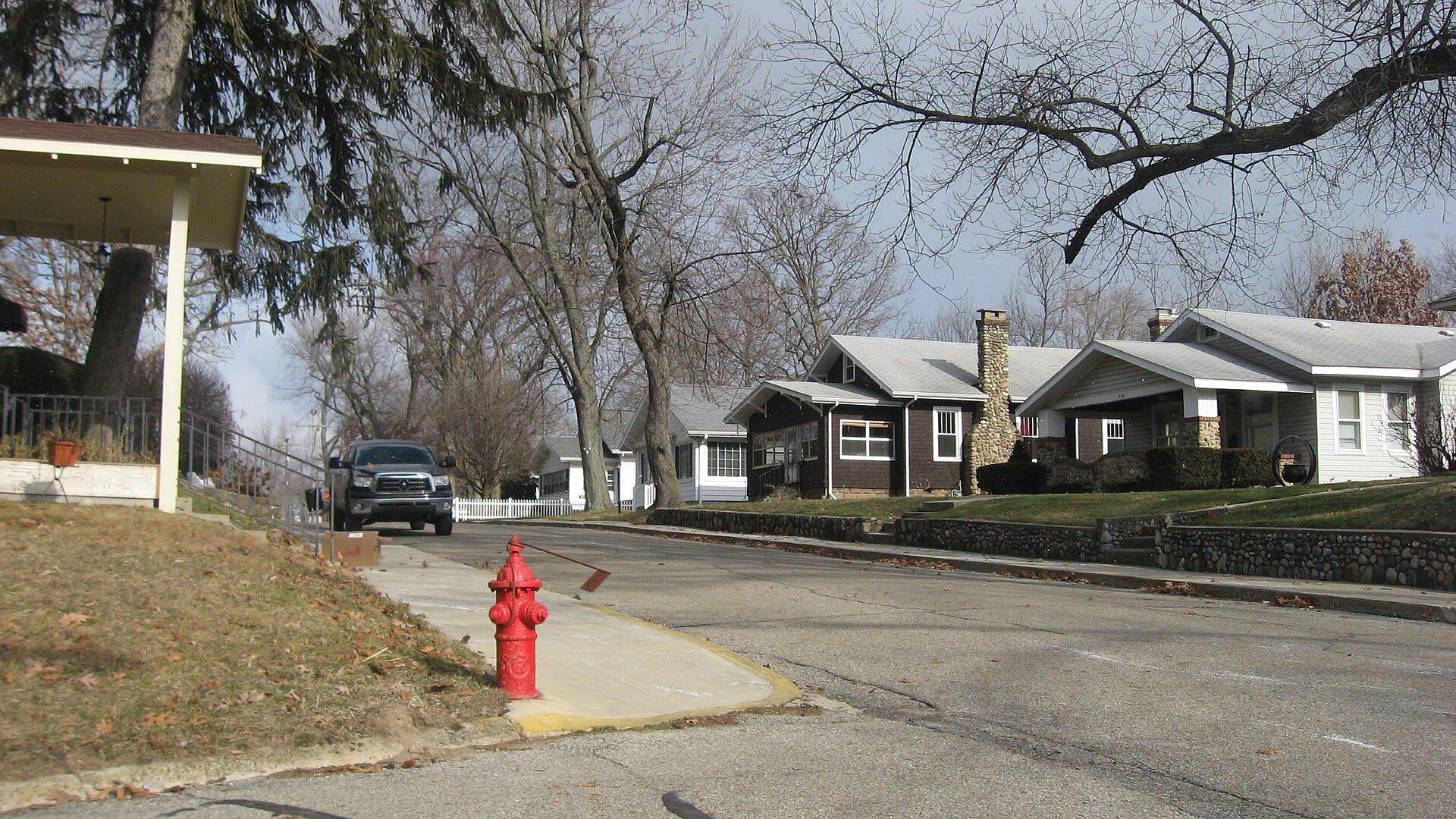
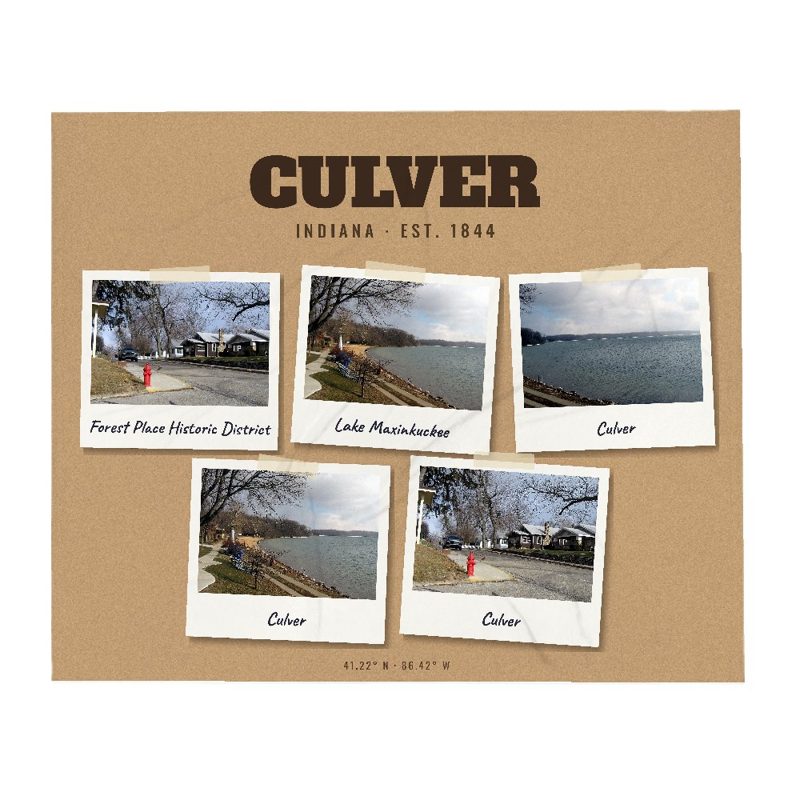
The Culver Commercial Historic District and Forest Place Historic District are listed on the National Register of Historic Places. One of the buildings covered in the National Register is the post office, which contains a mural completed by Jessie Hull Mayer as part of the Section of Painting and Sculpture′s projects, later called the Section of Fine Arts, of the Treasury Department. Arrival of the Mail in Culver, completed in 1938, portrays students from the military academy and other residents looking at their mail.
Adapted (trimmed) from the Wikipedia article Culver, Indiana, revision 1375655676 by its contributors, licensed CC BY-SA 4.0.