Since 1874
A short history of Carmel
In the 1820s, the government put the lands in the area on sale, leading many farmers to settle on the west bank of White River. The original settlers were predominantly Quakers.
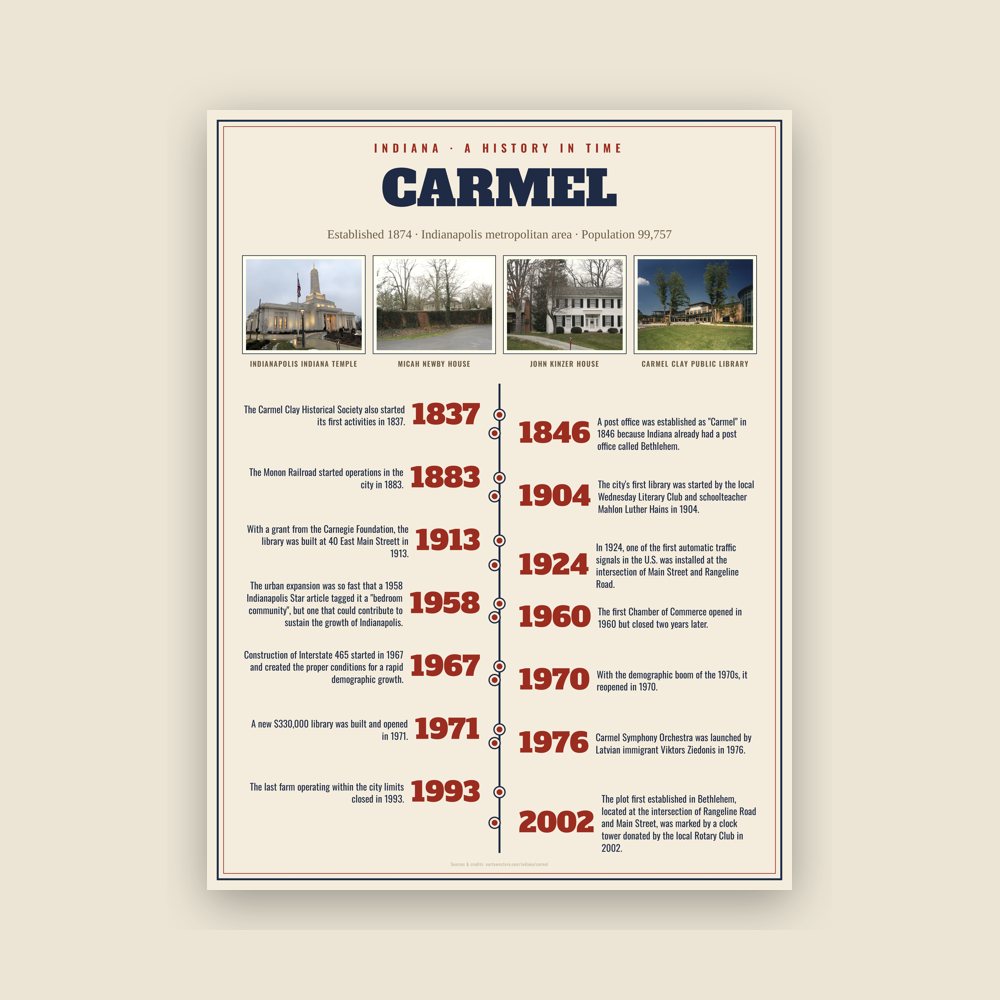
Carmel was originally called "Bethlehem". It was platted and recorded in 1837 by Daniel Warren, Alexander Mills, John Phelps, and Seth Green, who donated their adjoining properties of equal size to create the town. The donated parcels were situated along the Indianapolis-Peru Road (now Westfield Boulevard). The Carmel Clay Historical Society also started its first activities in 1837.
The plot first established in Bethlehem, located at the intersection of Rangeline Road and Main Street, was marked by a clock tower donated by the local Rotary Club in 2002.
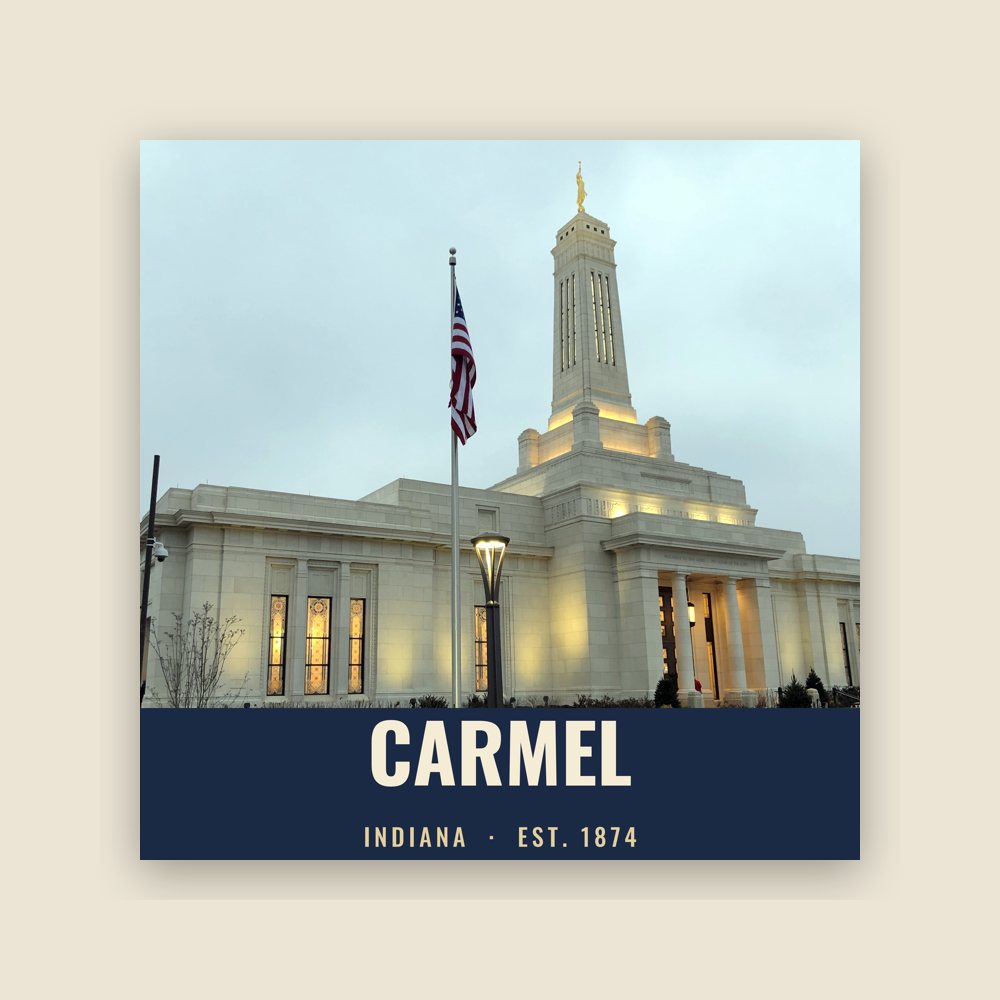
A post office was established as "Carmel" in 1846 because Indiana already had a post office called Bethlehem. The name Carmel is a reference to 1 Samuel 25:2 mentioning the biblical settlement Carmel. The town of Bethlehem was renamed "Carmel" and incorporated in 1874.
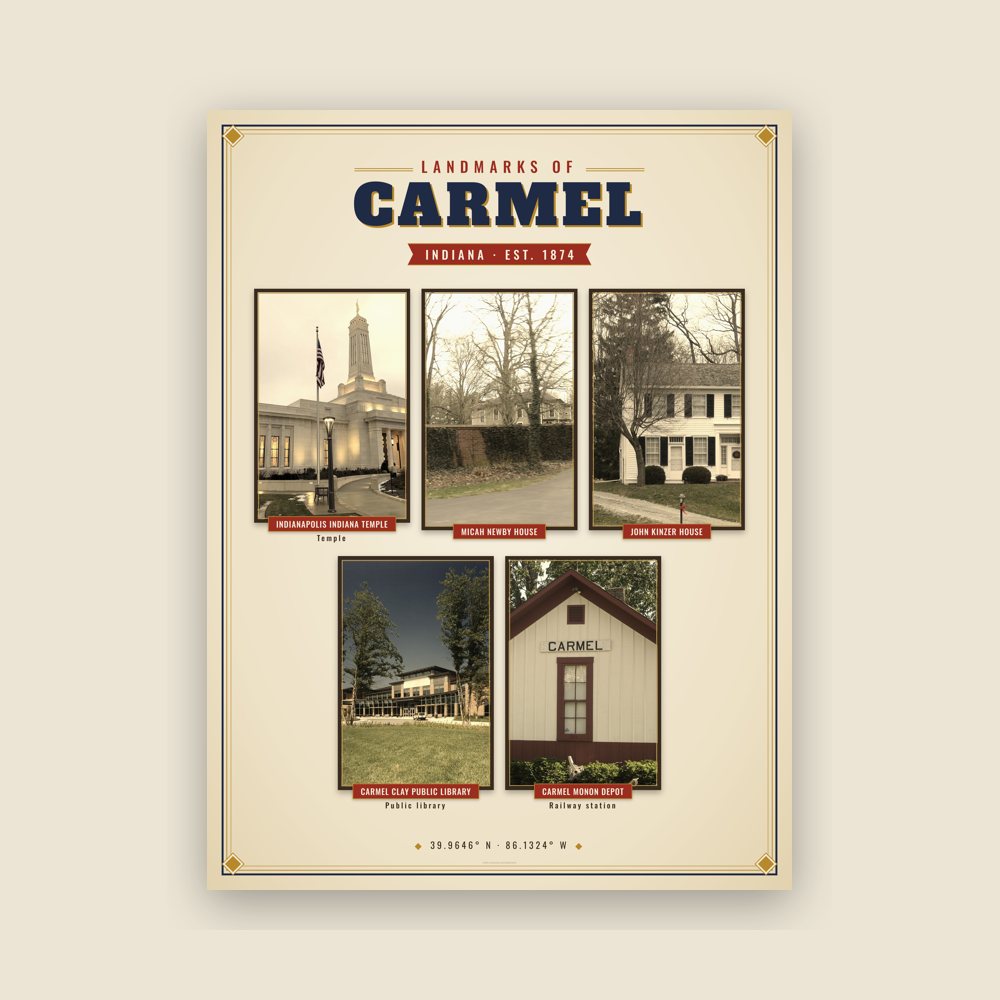
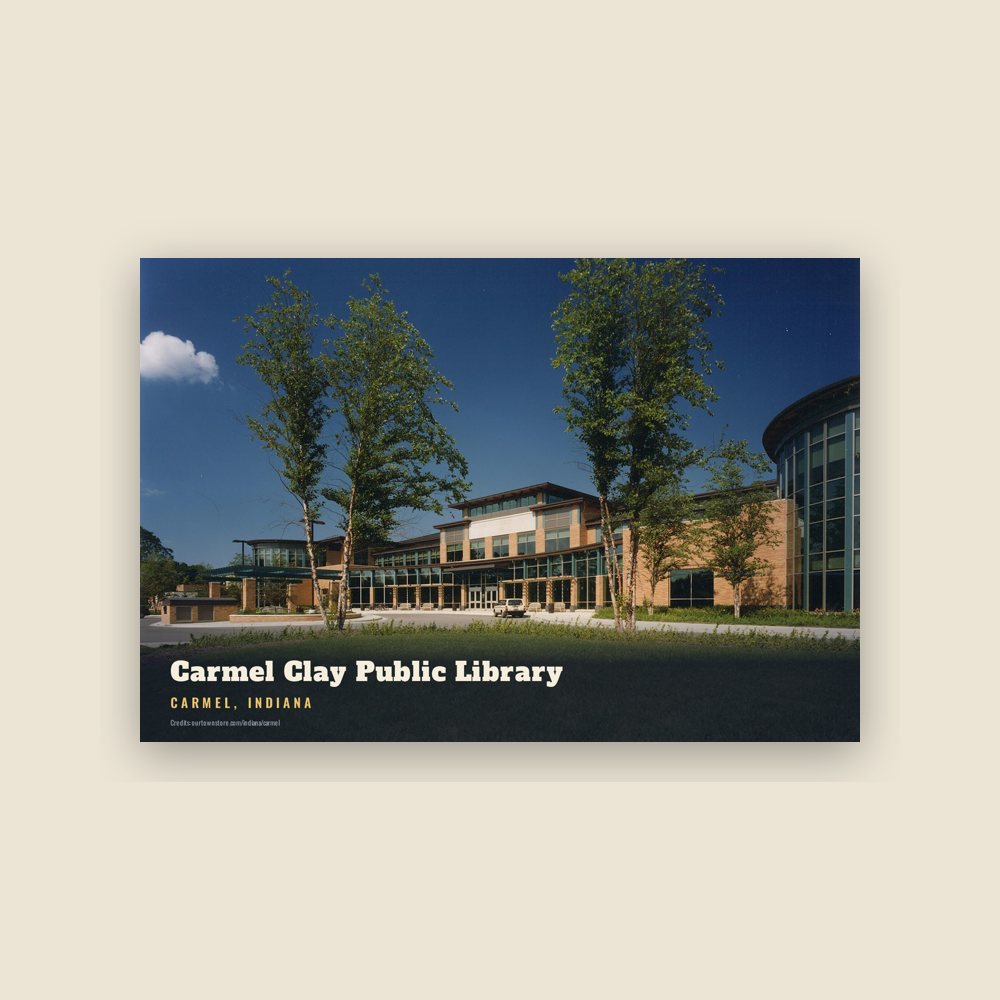
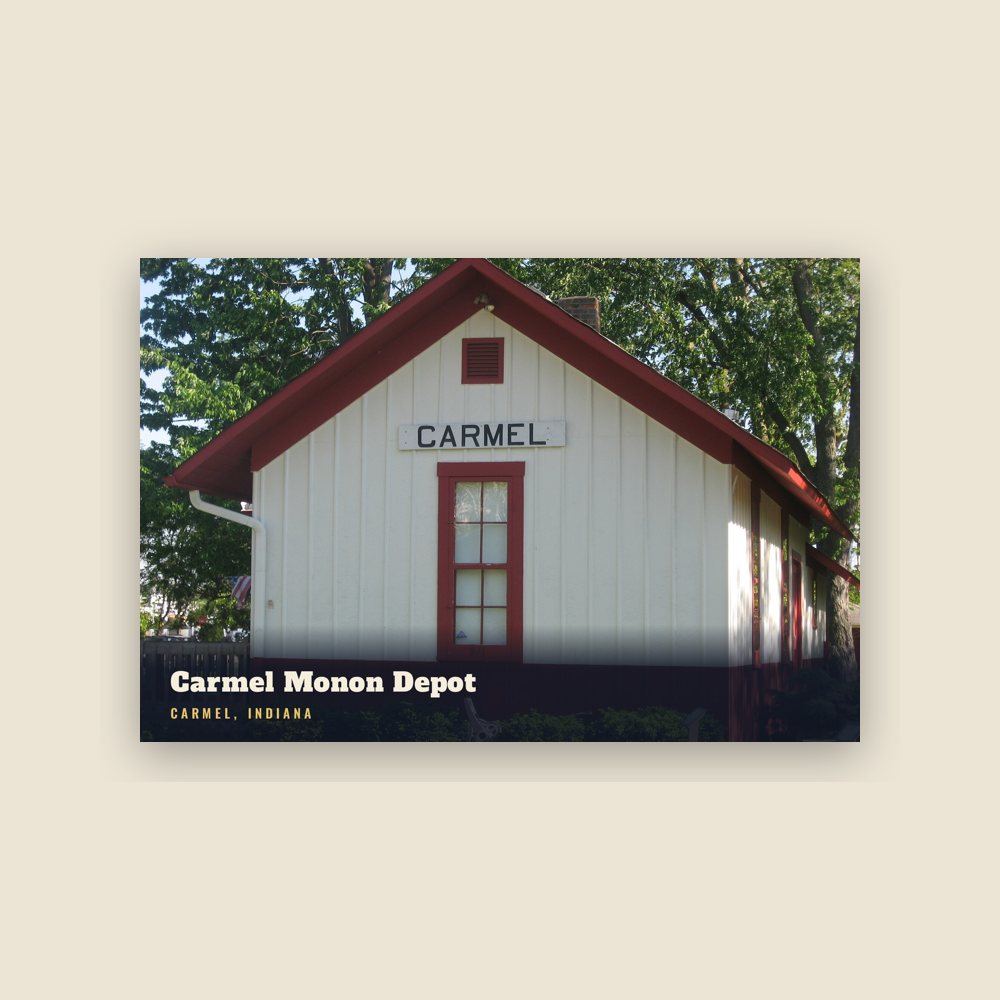
The Monon Railroad started operations in the city in 1883. Electricity and telephone lines arrived during the first decade of the 20th century. The city's first library was started by the local Wednesday Literary Club and schoolteacher Mahlon Luther Hains in 1904. With a grant from the Carnegie Foundation, the library was built at 40 East Main Streett in 1913. During the first half of the 20th century, the city was the host on and off of the Carmel Horse Show. The town's only bank closed in 1930.
In 1924, one of the first automatic traffic signals in the U.S. was installed at the intersection of Main Street and Rangeline Road. The signal was the invention of Leslie Haines and is currently in the old train station on the Monon Trail.
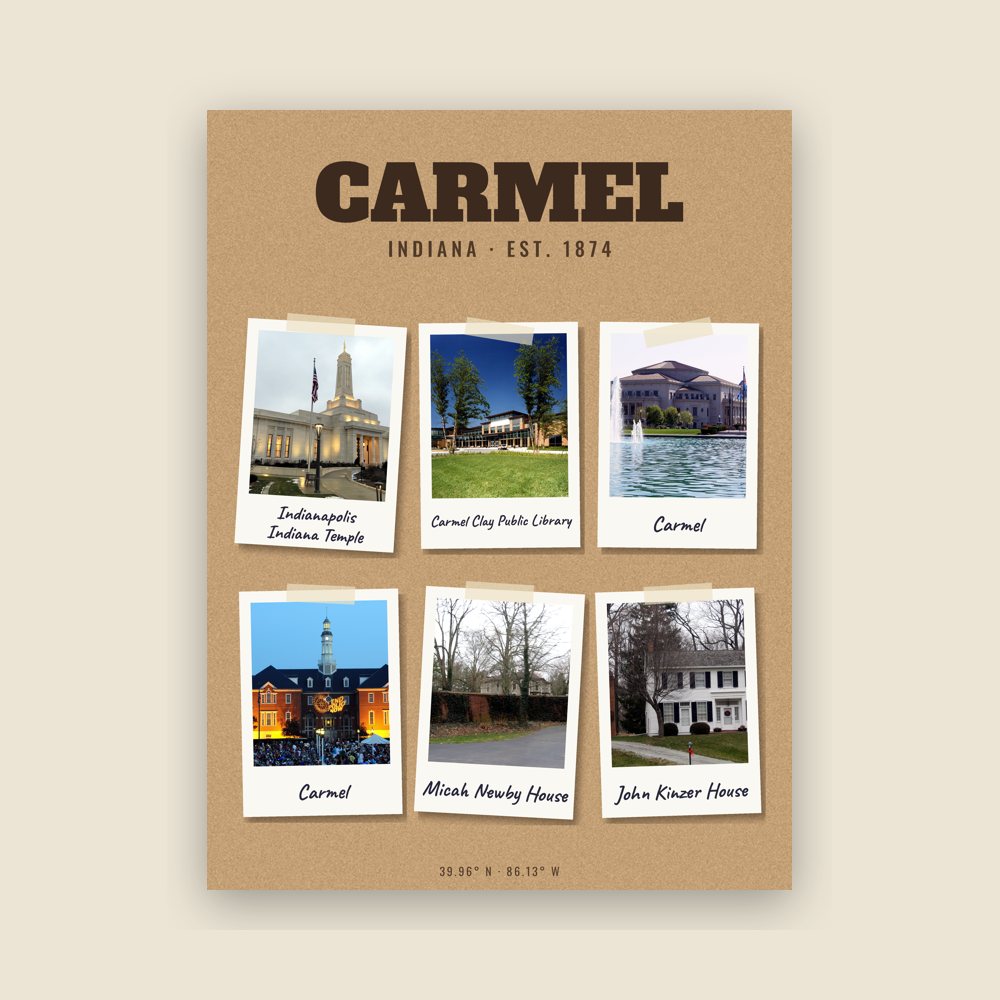
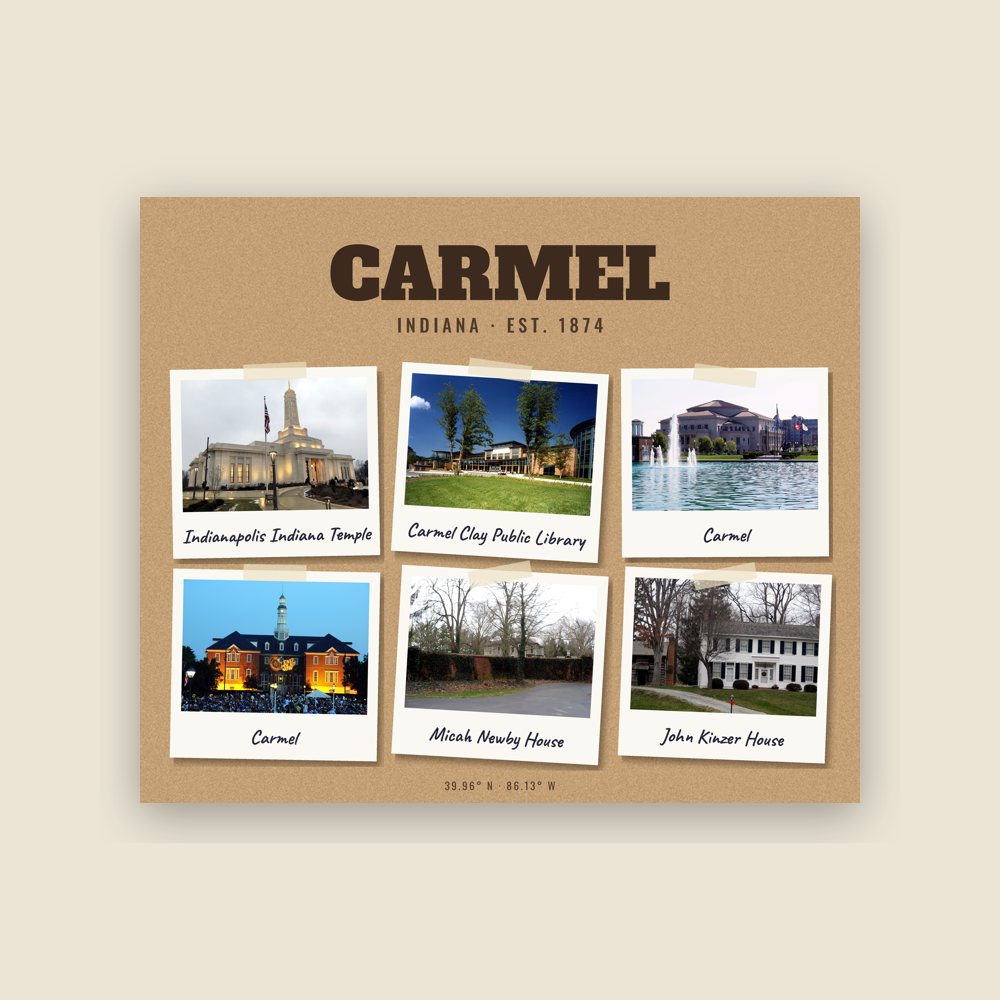
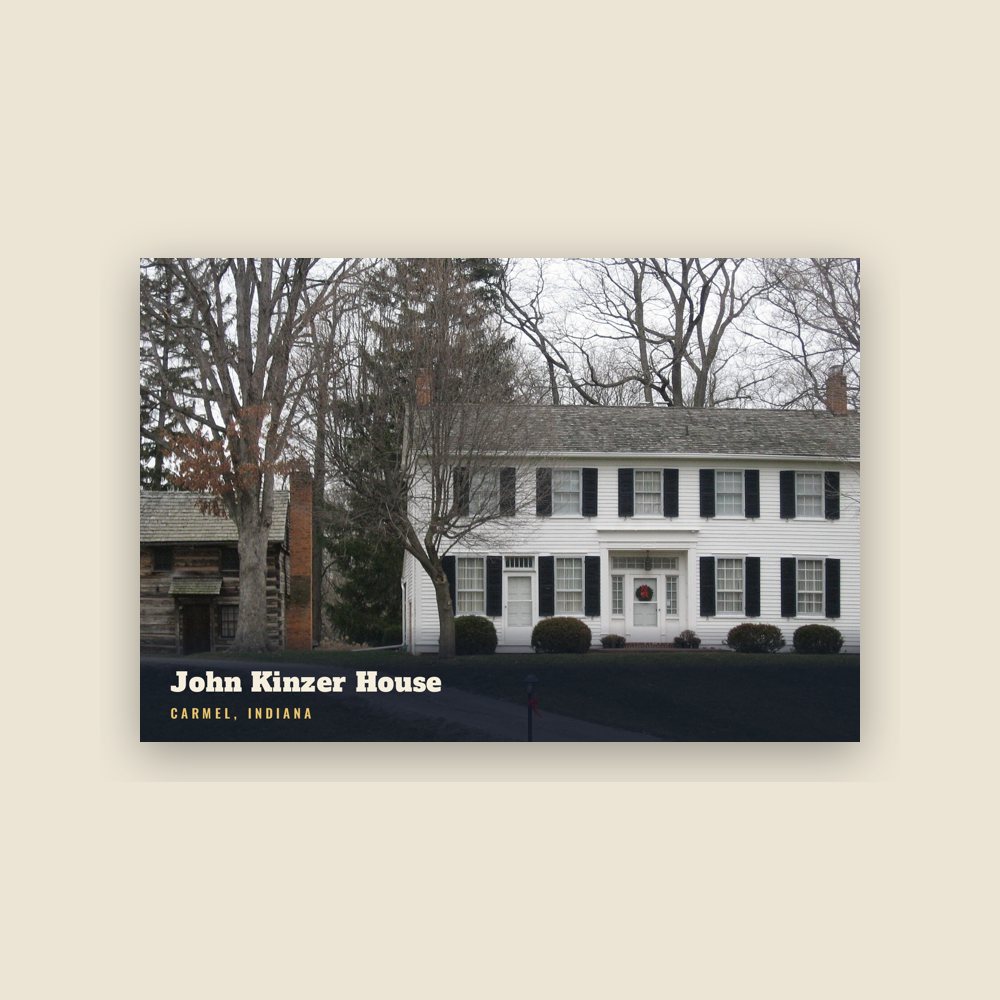
The Carmel Monon Depot, John Kinzer House, and Thornhurst Addition are listed on the National Register of Historic Places.
During the 1950s and 1960s, the city anticipated a demographic boom and built large new public schools, leading to the creation of the Carmel Clay School District in 1964 (and the Carmel Clay Educational Foundation in 1967). Six churches were built during the 1950s. The urban expansion was so fast that a 1958 Indianapolis Star article tagged it a "bedroom community", but one that could contribute to sustain the growth of Indianapolis. Construction of Interstate 465 started in 1967 and created the proper conditions for a rapid demographic growth. A new $330,000 library was built and opened in 1971.
The first Chamber of Commerce opened in 1960 but closed two years later. With the demographic boom of the 1970s, it reopened in 1970. Carmel Symphony Orchestra was launched by Latvian immigrant Viktors Ziedonis in 1976. That same year, Carmel was incorporated as a city. By the end of the 20th century, Carmel was one of Indiana's fastest growing cities. Suburban districts quickly replaced agricultural lands. The last farm operating within the city limits closed in 1993.
Adapted (trimmed) from the Wikipedia article Carmel, Indiana, revision 1383711147 by its contributors, licensed CC BY-SA 4.0.