A short history of Western Springs
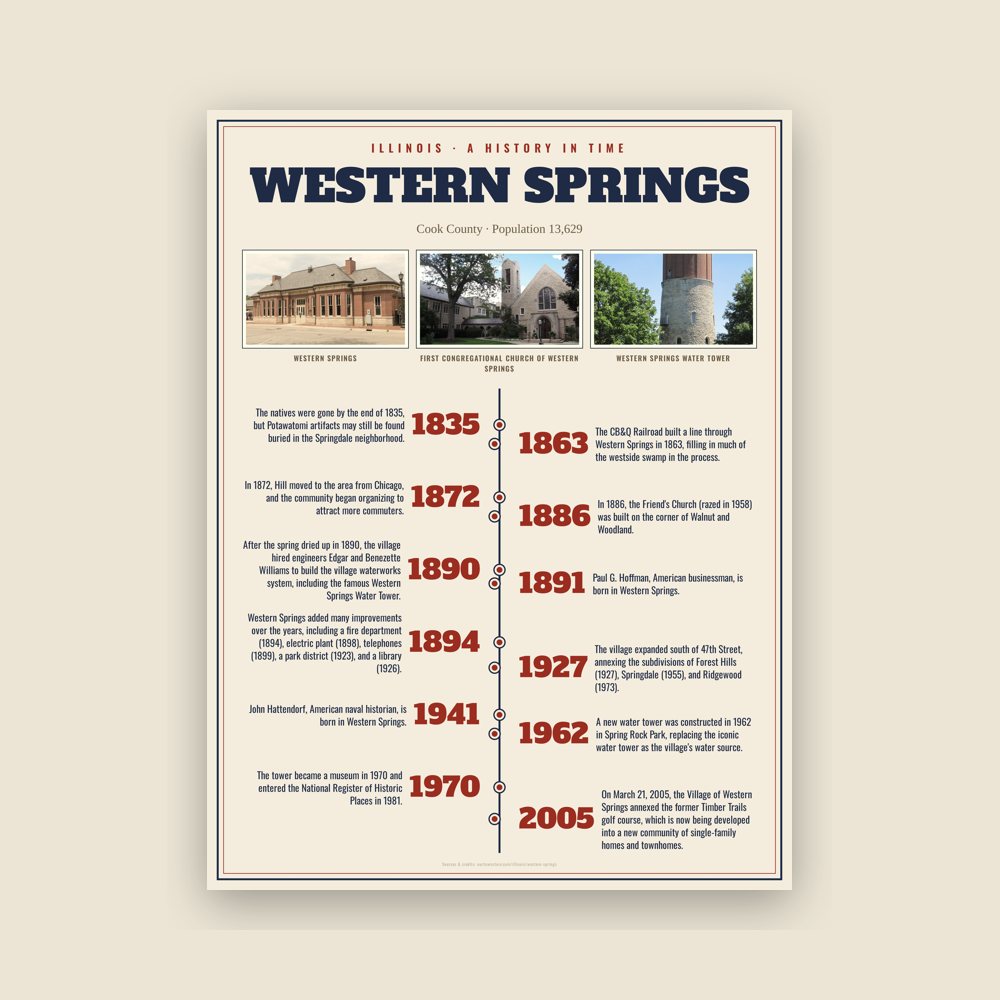
Around the turn of the 18th century, nomadic Potawatomi Native Americans settled in the Western Springs area. Whether they built a village is unclear, but evidence of temporary campsites has been found near Flagg Creek in Forest Hills. The natives were gone by the end of 1835, but Potawatomi artifacts may still be found buried in the Springdale neighborhood. The last Cook County campground of the Potawatomi was within what is now the Timber Trails subdivision.
The first known settler in the area near Western Springs was Elijah Wentworth. By 1834, after the Black Hawk War, farmer Joseph Vial had moved from New York and built a cabin along what is now Plainfield Road, a former Native American trail in the south of Western Springs. This cabin served as a stagecoach station, hotel, general store, and post office for the entire area.
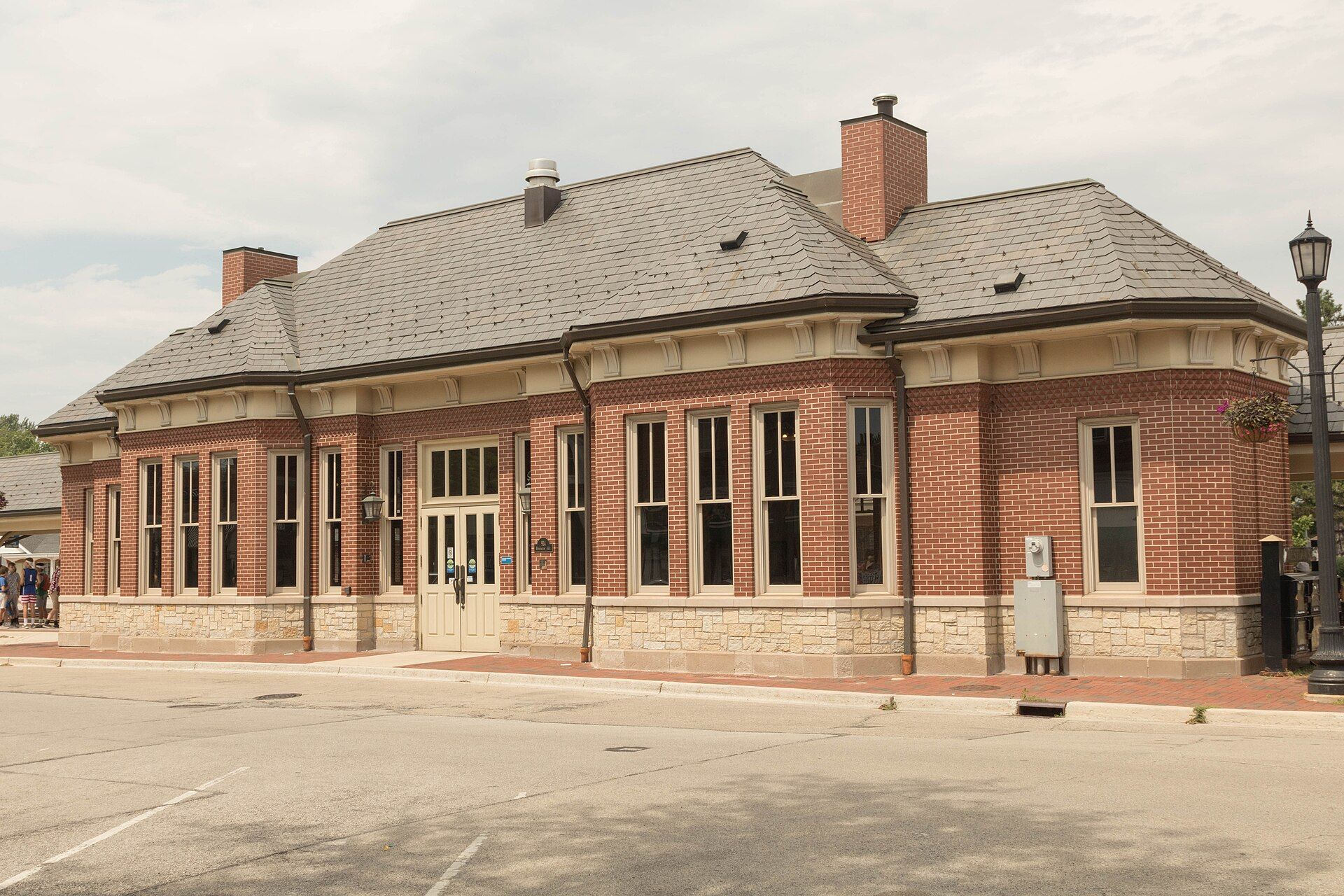
The CB&Q Railroad built a line through Western Springs in 1863, filling in much of the westside swamp in the process. In 1870, the Western Springs Land Association, consisting of promoter Thomas Clarkson Hill, William Page and two sons of Phillip F. W. Peck, bought the three tracts that make up the area for $105,000. In 1872, Hill moved to the area from Chicago, and the community began organizing to attract more commuters. Residents built a wooden schoolhouse (1872) and a post office (1873).
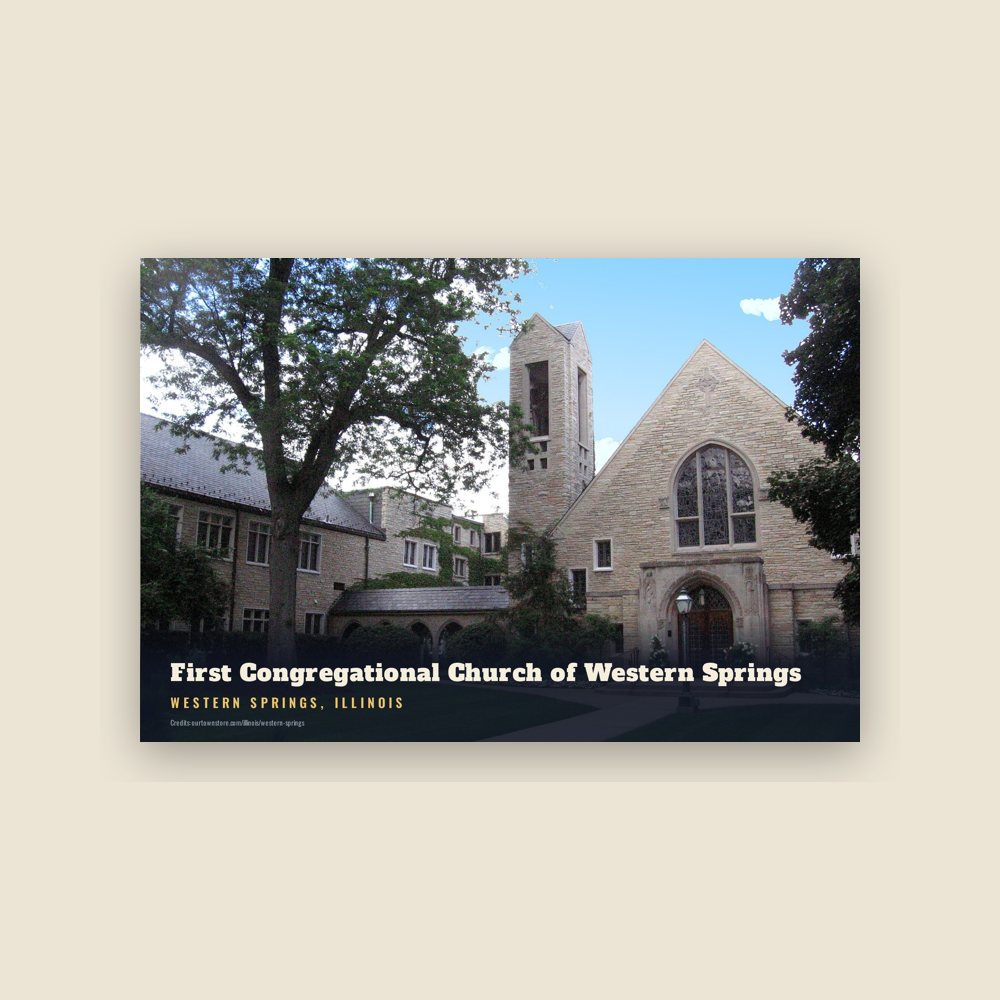
In 1885, the Grand Avenue School replaced the wooden schoolhouse, and the office of village marshal was created as a combination policeman, dogcatcher, and groundskeeper. In 1886, the Friend's Church (razed in 1958) was built on the corner of Walnut and Woodland. That same year, Western Springs incorporated as a village by a public vote of 34 to 25. The voting townspeople elected a prominent Quaker developer, T. C. Hill, as the town's first president.
A large number of early residents were Quakers, and deeds often prohibited the sale of alcohol. (Until recently, the village itself had not permitted the sale of alcoholic beverages but currently a number of establishments do sell such.) Over time, with increased commuter settlement, Western Springs came to look less and less Quaker.
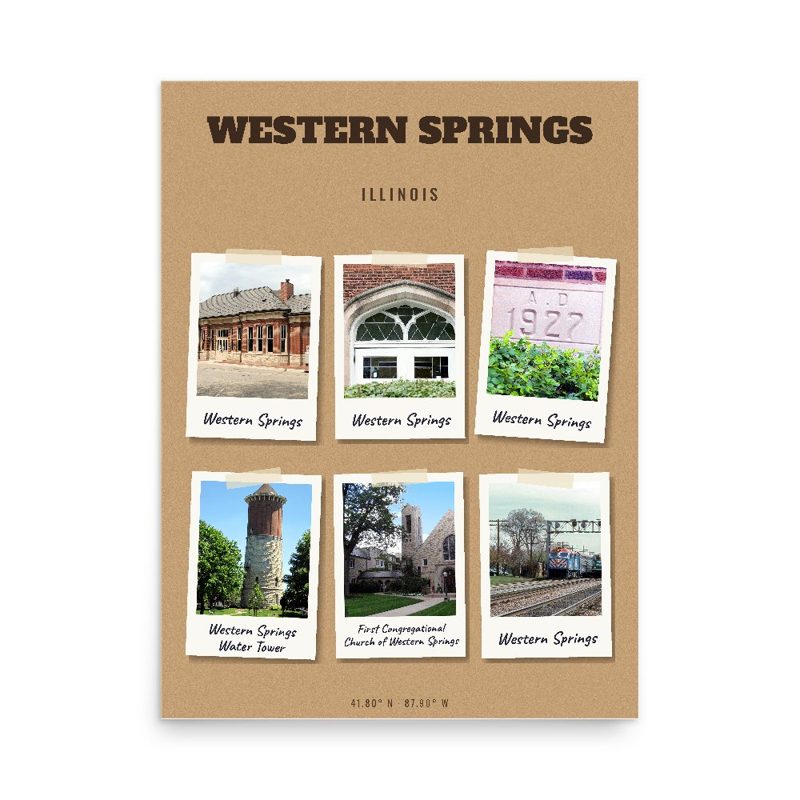
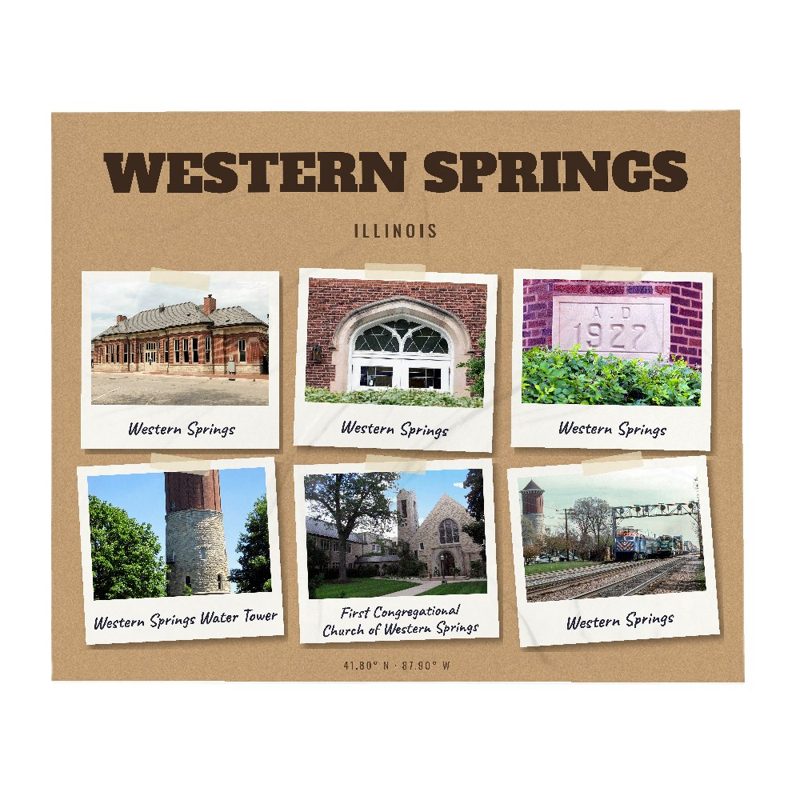
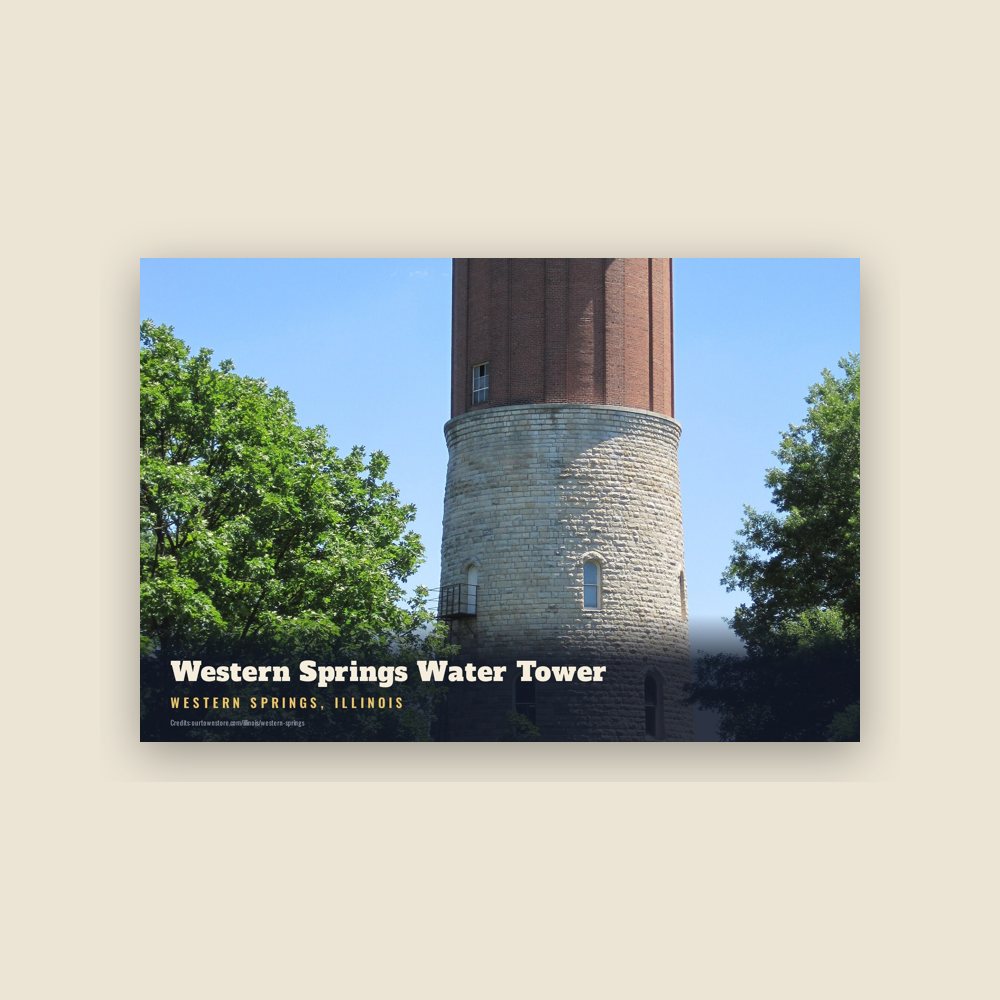
After the spring dried up in 1890, the village hired engineers Edgar and Benezette Williams to build the village waterworks system, including the famous Western Springs Water Tower. Constructed using Naperville stone, the tower stands 112 feet (34 m) high. A new water tower was constructed in 1962 in Spring Rock Park, replacing the iconic water tower as the village's water source. The tower became a museum in 1970 and entered the National Register of Historic Places in 1981. A fire in 1991 from a lightning strike caused extensive damage to the roof and interior, but the museum reopened in 1993 following restoration efforts The water tower is seen by residents as a symbol of the town.
Western Springs added many improvements over the years, including a fire department (1894), electric plant (1898), telephones (1899), a park district (1923), and a library (1926). The village expanded south of 47th Street, annexing the subdivisions of Forest Hills (1927), Springdale (1955), and Ridgewood (1973).
On July 26, 1962, one of the first international satellite calls, using the new Telstar satellite, was placed between representatives of Western Springs and its sister city Rugeley, England.
On March 21, 2005, the Village of Western Springs annexed the former Timber Trails golf course, which is now being developed into a new community of single-family homes and townhomes. The annexation of the property added 105.9 acres (0.429 km2) to the village. The plans for this development were controversial, with some residents citing concerns over the number of trees to be cut down and fears about possible environmental contamination due to pesticides from the former golf course as reasons for their opposition to the development.
Adapted (trimmed) from the Wikipedia article Western Springs, Illinois, revision 1383985241 by its contributors, licensed CC BY-SA 4.0.