Virden sits atop a large seam of coal. Landmarks include Battle of Virden. Virden is the birthplace of Edward Alsworth Ross, sociologist.
- CountySangamon County
- Population3,231 (2020 U.S. Census)
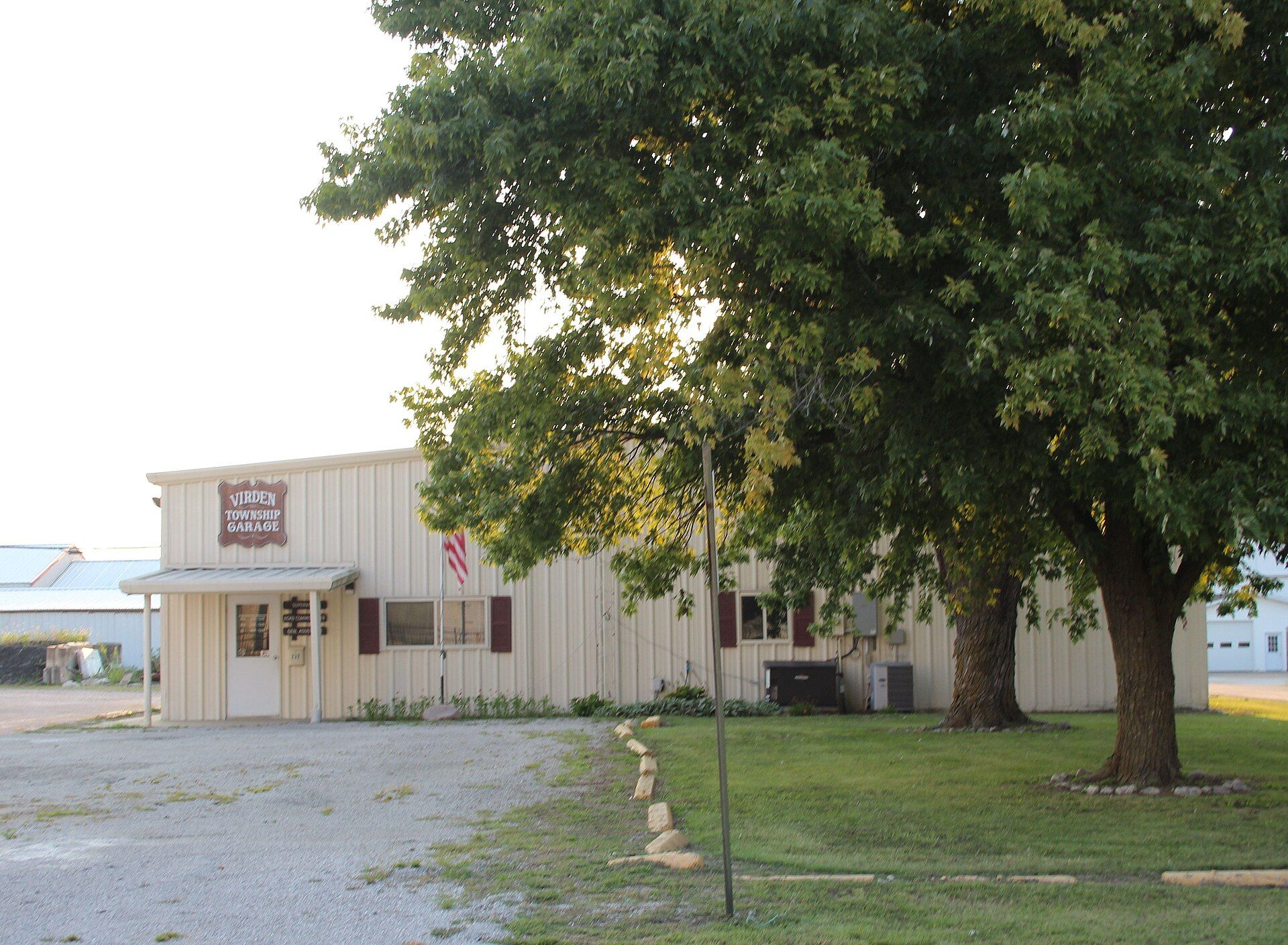
Virden, Illinois gifts and souvenirs: 18 designs made from Virden's own map, landmarks and history, from $16 to $95. Printed to order and shipped free in the USA.
| Popular | Price |
|---|---|
| Virden Hometown Ornament | $23 |
| Virden Vintage Travel Poster | from $40 |
| Virden Varsity Crewneck | from $57 |
| Virden Est. Tee | from $33 |
| Virden Town Line Mug | from $26 |
| Virden Market Tote | $37 |

Ceramic keepsake, gold ribbon

Its landmark photo in a classic travel-poster layout

A local landmark photo as a gallery print
Heavy-blend fleece, street map printed on the back

Soft Bella+Canvas jersey

Kids' Bella+Canvas jersey, youth sizes

Bella+Canvas toddler jersey
Bella+Canvas baby bodysuit

Glossy ceramic, dishwasher safe

Weatherproof, for the front walk
24″×16″, printed coir-look fibers, rubber back
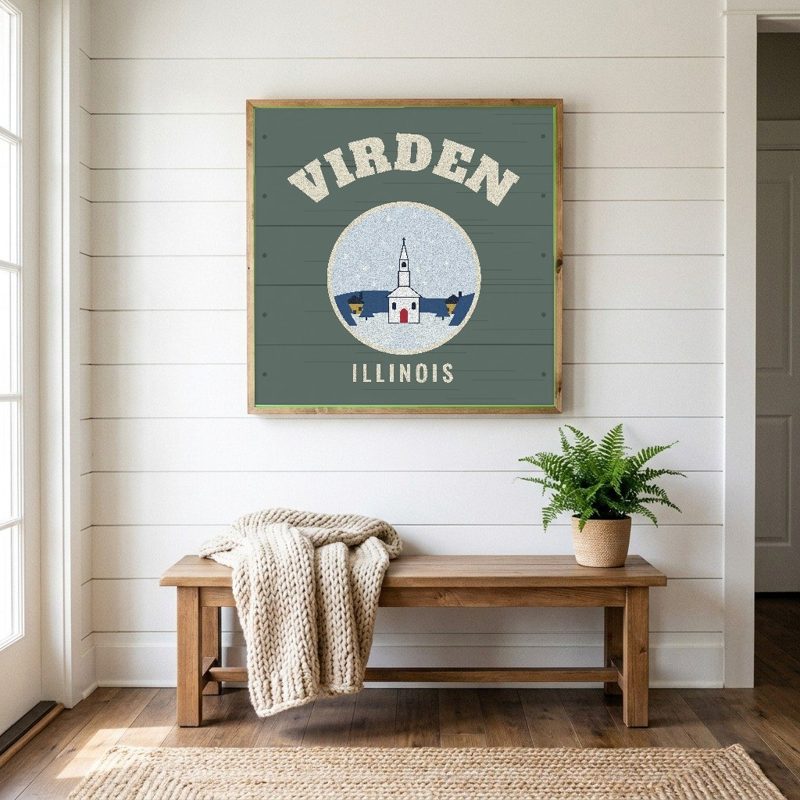
12″×12″ printed wood, ready to hang
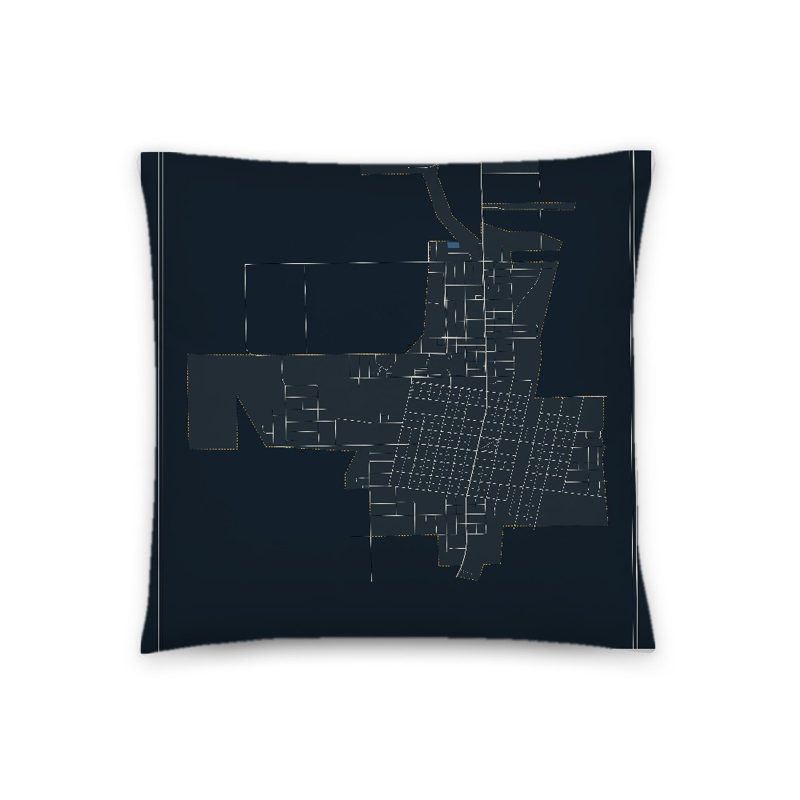
Soft-touch, zip cover

A local landmark photo with the town name, 18″×18″

Sturdy all-over-print tote

Glossy top, cork back
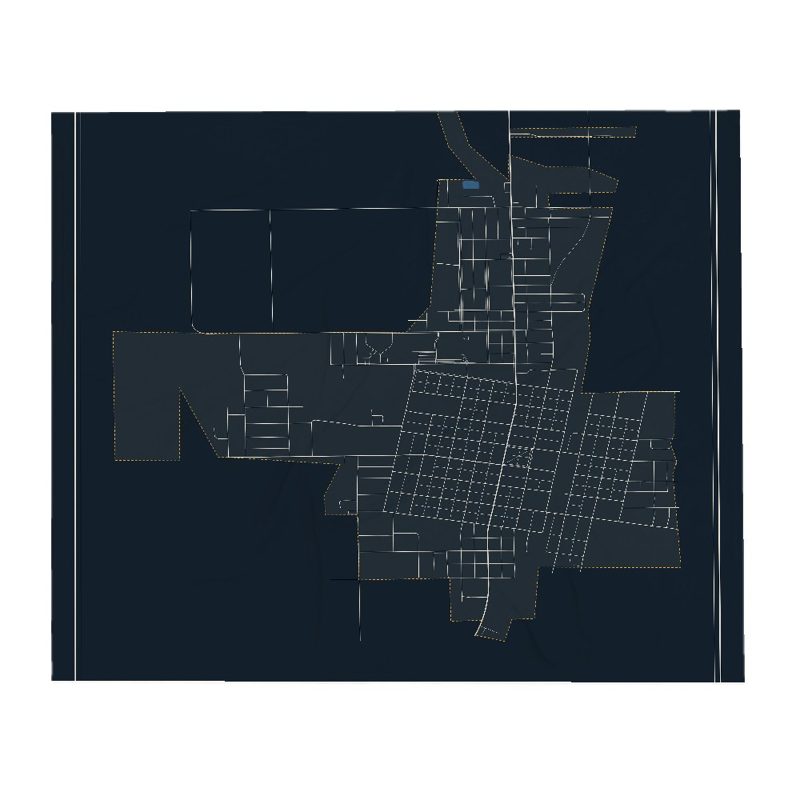
Soft fleece, 50″×60″

20 oz, double-wall stainless
Virden sits atop a large seam of coal. Landmarks include Battle of Virden. Virden is the birthplace of Edward Alsworth Ross, sociologist.
Population 2010: 3,425 → 2020: 3,231
From Wikidata (CC0).
Virden sits atop a large seam of coal. After the 1850s, when the Chicago and Alton Railroad was completed, it became possible to mine Virden coal and ship it long distances for a profit. Throughout the second half of the 1800s, Virden prospered and grew as a coal-mining town.
A bitter coal strike broke out in 1898. The Chicago-Virden Coal Company, fearing loss of key business in Chicago, refused to allow its Virden mines to be unionized, nor would it pay the nonunionized miners union-scale wages. Instead, the coal company built a timber stockade around its mine head, adjoining the railroad tracks, and hired African Americans from Southern states as coal miners. The Chicago-Virden Company knew that African Americans, who were attempting to escape Jim Crow labor conditions, would not request union-scale wages. Instead, the company promised to pay their new workers by the ton. The new miners were promised only 30 cents per ton of coal mined.
The appearance of the African-American miners infuriated the strikers. They were motivated by racism, by labor solidarity, and by the desire to create decent lives for their own families. Some of the striking coal miners were themselves African-American, and black coal miners who were union members in good standing were apparently accepted by their unionized white comrades. However, this acceptance did not extend to strikebreakers.
On October 12, 1898, a northbound train, loaded with potential strikebreaking miners, pulled into Virden and stopped on the tracks just outside the minehead stockade. The mine manager and train operator, knowing there would be trouble, had reinforced the train with a troop of security guards, armed with Winchester rifles. It soon became clear that the security guards had been either ordered, or allowed, to shoot to kill. As the strikers attempted to surround the train, the guards opened fire.
As a gun battle broke out in and around the strikebreakers' train, there were dead and wounded on both sides. Of the thirteen dead, six were security guards. Furthermore, had the strikers won the battle, their intentions toward the Alabama strikebreakers were not friendly. After twenty minutes of firing on both sides, the train's engineer accepted defeat and the engine and part of the train pulled away from the minehead and continued northward to Springfield.
A monument in the Virden town square commemorates the coal strike of 1898 and the battle of October 12 that was its bitter end. The monument contains a large bronze bas-relief that includes the names of those killed, and a copy of a mendacious recruiting handbill distributed by the Chicago-Virden Company in Birmingham, Alabama, to recruit the African-American miners. The body of the bas-relief is made of symbolic representations of the Chicago & Alton tracks and the assault on the strikers. The guards are shown pointing their Winchesters at the strikers and their families. Atop the bas-relief is a bronze portrait of Mary Harris Jones ("Mother Jones"), who is buried in nearby Mount Olive.
Adapted (trimmed) from the Wikipedia article Virden, Illinois, revision 1379640161 by its contributors, licensed CC BY-SA 4.0.
We share a part of every Virden sale with local partners, and we'd love to print from your collection. Old photographs, maps and postcards make the best keepsakes.
Partner with usA favorite landmark, your street, a school or team, an anniversary gift, a different product. Tell us and we'll get back to you by email.
Virden's population was 3,231 in the 2020 U.S. Census, down from 3,425 in 2010.