A short history of Tinley Park
19th century
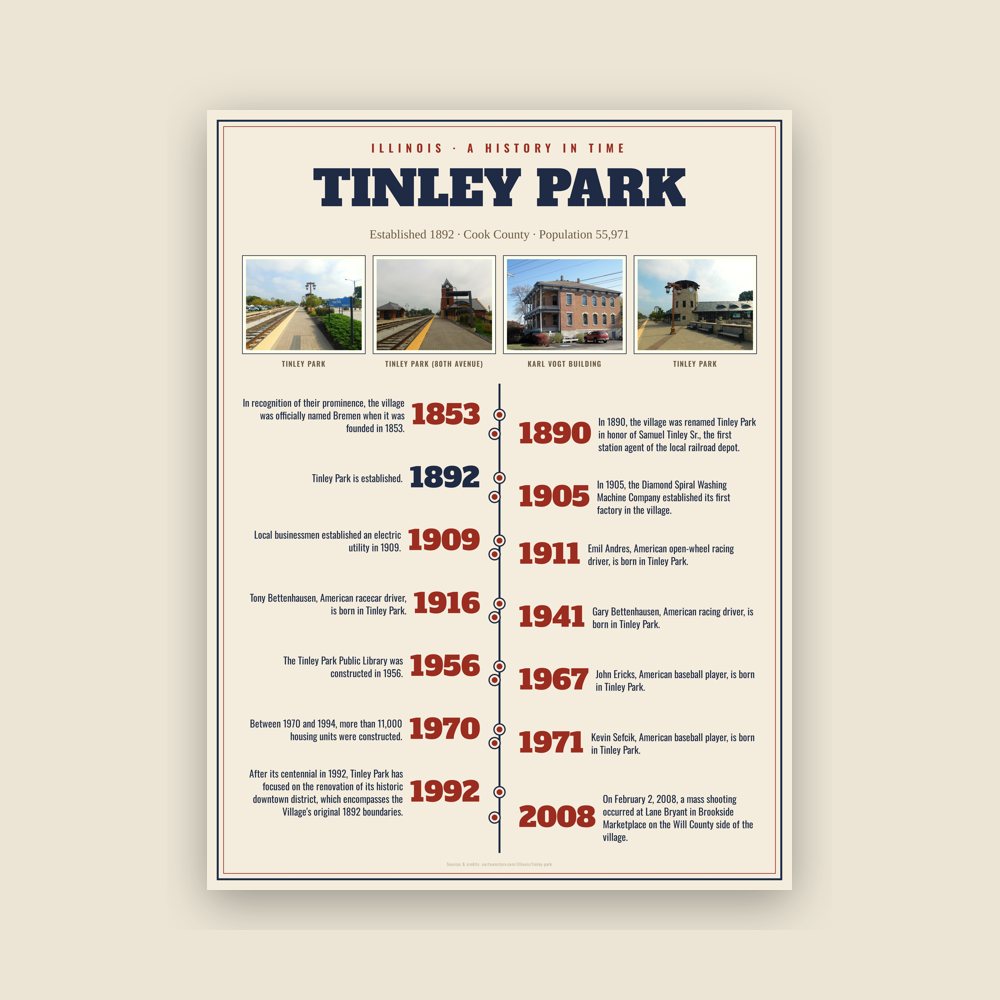
Modern settlement of the area now known as Tinley Park began in the 1820s as emigrants from Europe and the eastern United States arrived. By the 1840s, a significant population of German Americans had established themselves in the region. In recognition of their prominence, the village was officially named Bremen when it was founded in 1853. Other early settler groups included Irish, English, Scottish, Canadian immigrants.
In the late 19th century, the expansion of the American railroad network had a transformative effect on the area. Bremen was situated along the Chicago, Rock Island and Pacific Railroad, which played a pivotal role in the community's development. In 1890, the village was renamed Tinley Park in honor of Samuel Tinley Sr., the first station agent of the local railroad depot. The village was formally incorporated on June 27, 1892, when local residents voted 34–24 in favor of incorporation. Henry Vogt was elected as Tinley Park’s first mayor.
Read the full history
20th century to present
The arrival of the railroad spurred industrial and commercial growth in Tinley Park. In 1905, the Diamond Spiral Washing Machine Company established its first factory in the village. Local businessmen established an electric utility in 1909. A cola bottling plant also operated in Tinley Park until the 1950s. During this period, inventor John Rauhoff developed ironite, a waterproofing additive for cement, later used in the construction of the Hoover Dam. The Tinley Park Public Library was constructed in 1956. In the latter half of the 20th century, Tinley Park experienced rapid suburban expansion, particularly to the west and south of the original village center. Between 1970 and 1994, more than 11,000 housing units were constructed.
After its centennial in 1992, Tinley Park has focused on the renovation of its historic downtown district, which encompasses the Village's original 1892 boundaries. In this district, landowners are encouraged to maintain the sites' historic edifices or to create new, but "historically-friendly", facades for otherwise modern buildings built in the last 30 years. Downtown renovation projects have included the opening of a park near the Oak Park Avenue Metra train station, as well as the recent South Street Project, a multimillion-dollar project that will create more than 220 apartments and 40,000 square feet (4,000 m2) of commercial retail space.
Since its opening in 1990, the Credit Union 1 Amphitheatre (originally World Music Theater, among other names) has been a major outdoor music venue in the Chicago area, accommodating around 28,000 people per event. The amphitheater, which has hosted numerous musicians and festivals over its 30+ years in operation, features an overhead-covered seated section with open sides, and a large, sloping grass lawn area at the back.
On February 2, 2008, a mass shooting occurred at Lane Bryant in Brookside Marketplace on the Will County side of the village. The store closed after the shooting. The shooter has never been caught.
Adapted (trimmed) from the Wikipedia article Tinley Park, Illinois, revision 1376969238 by its contributors, licensed CC BY-SA 4.0.
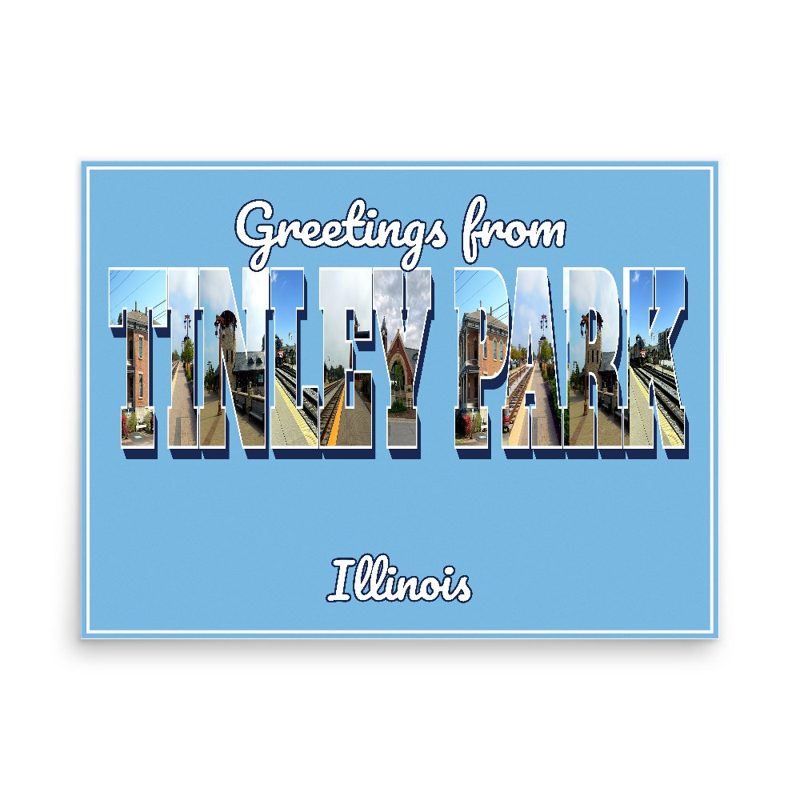
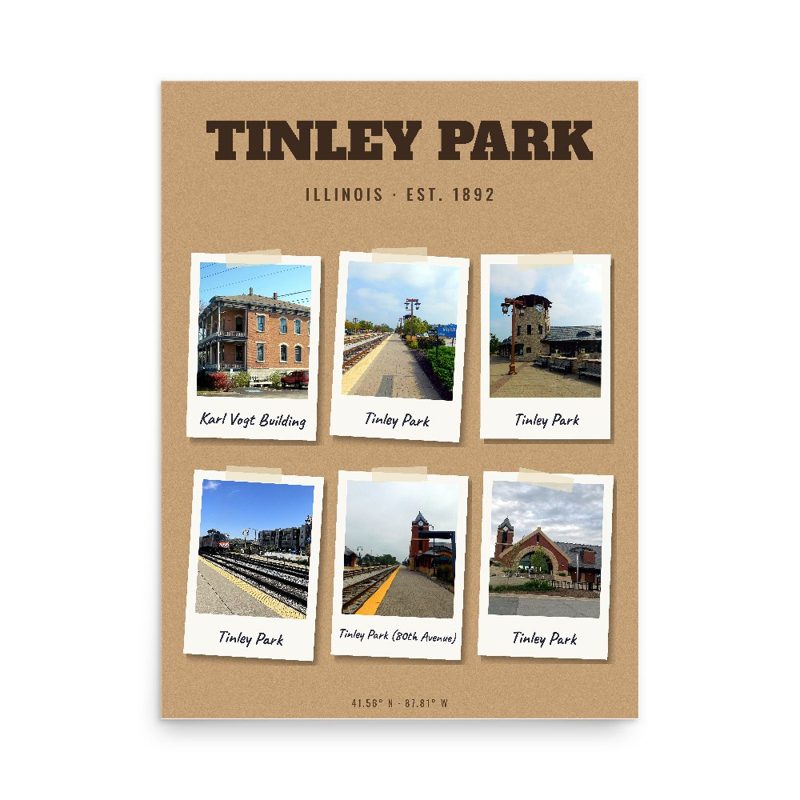
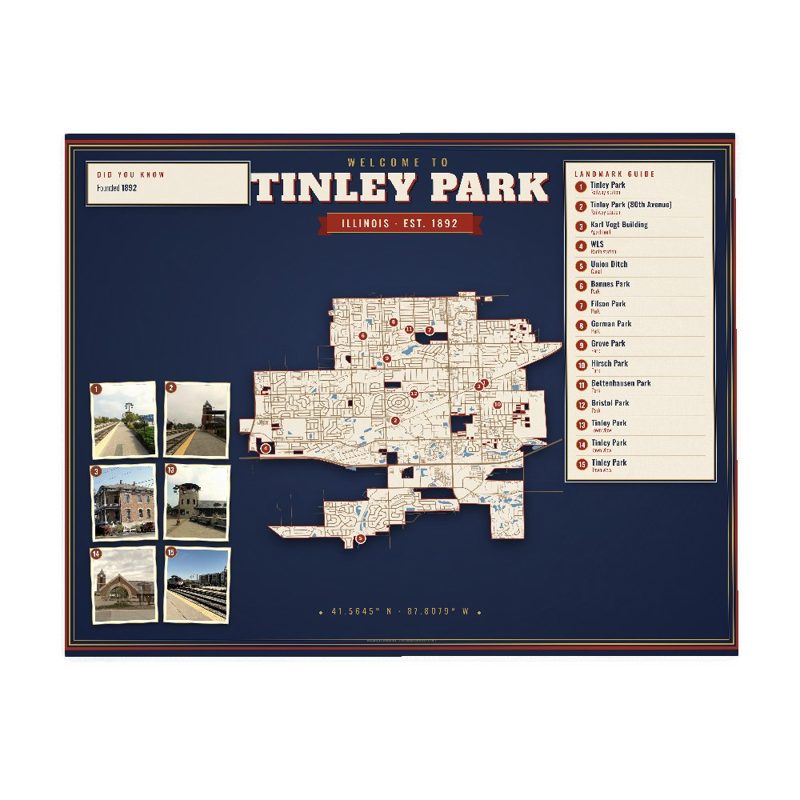







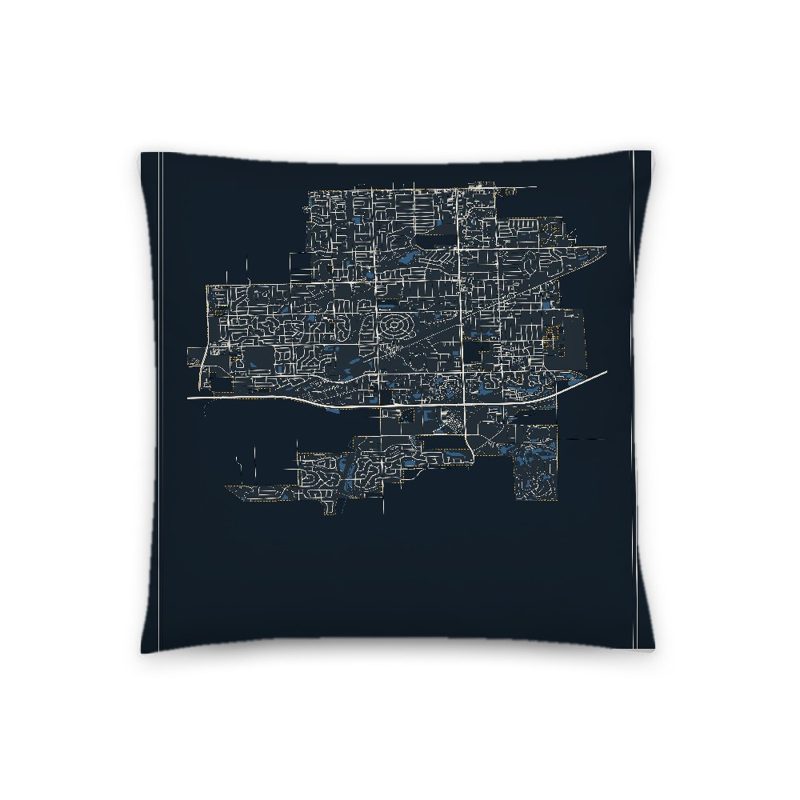
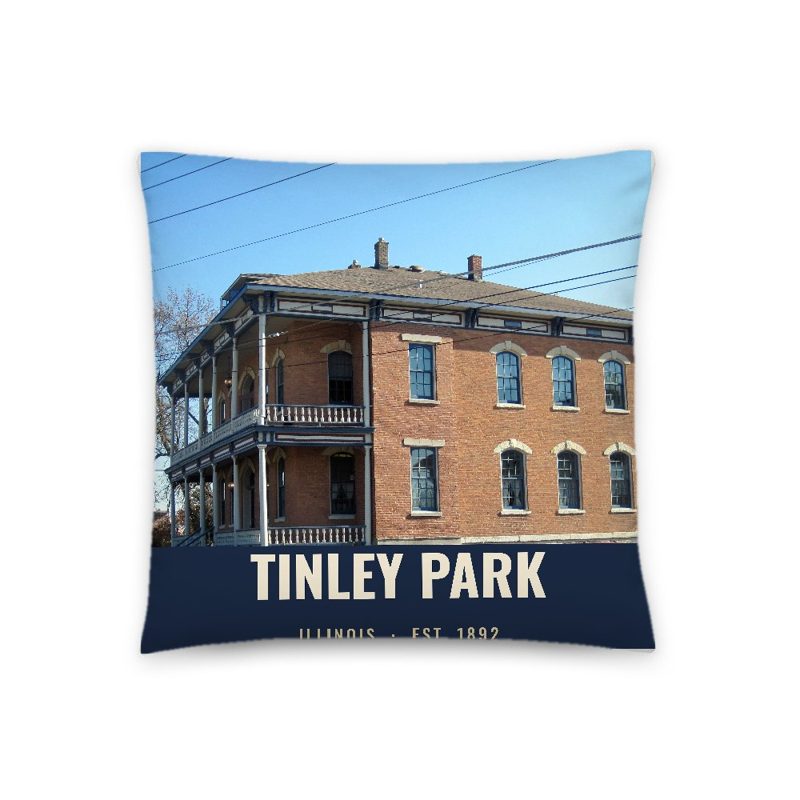


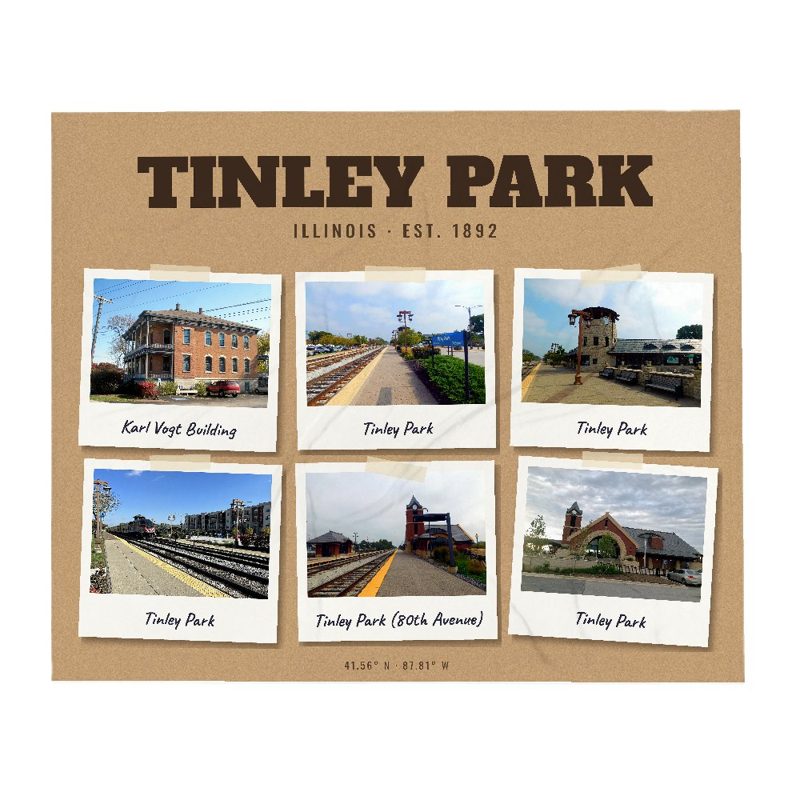
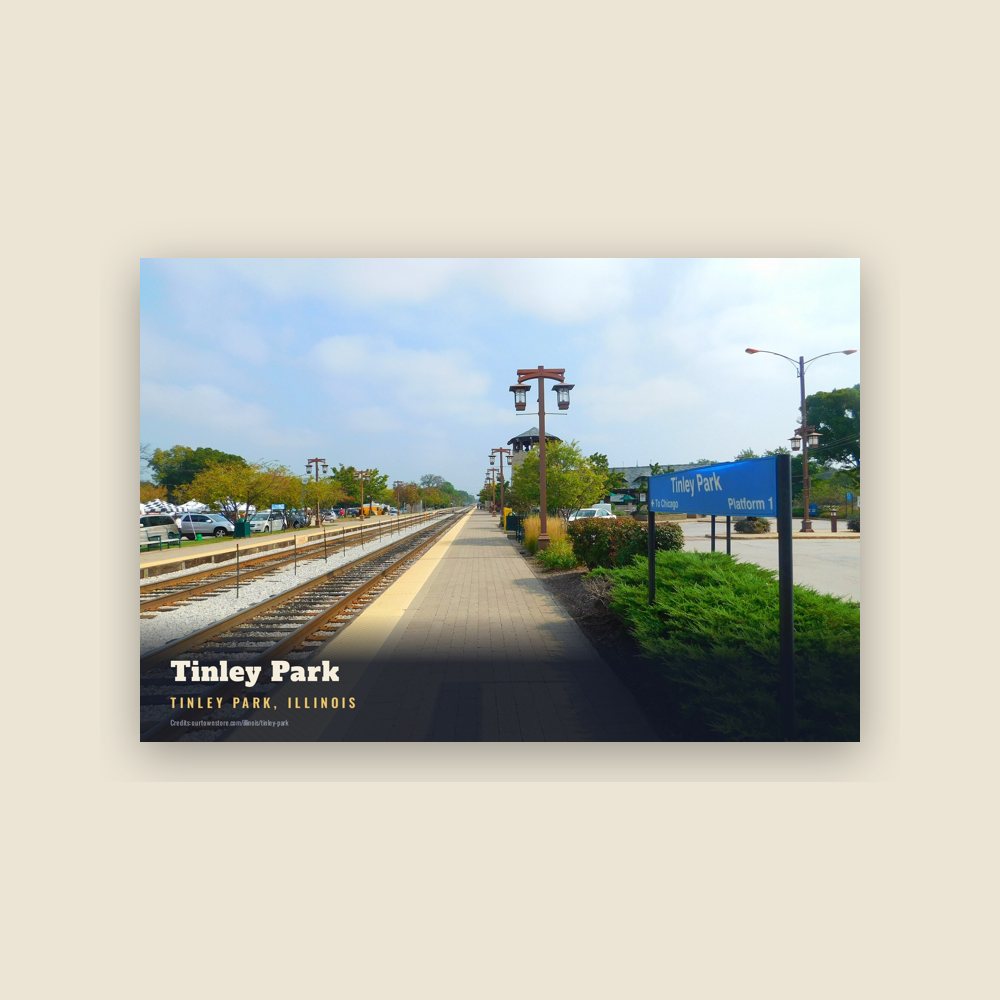
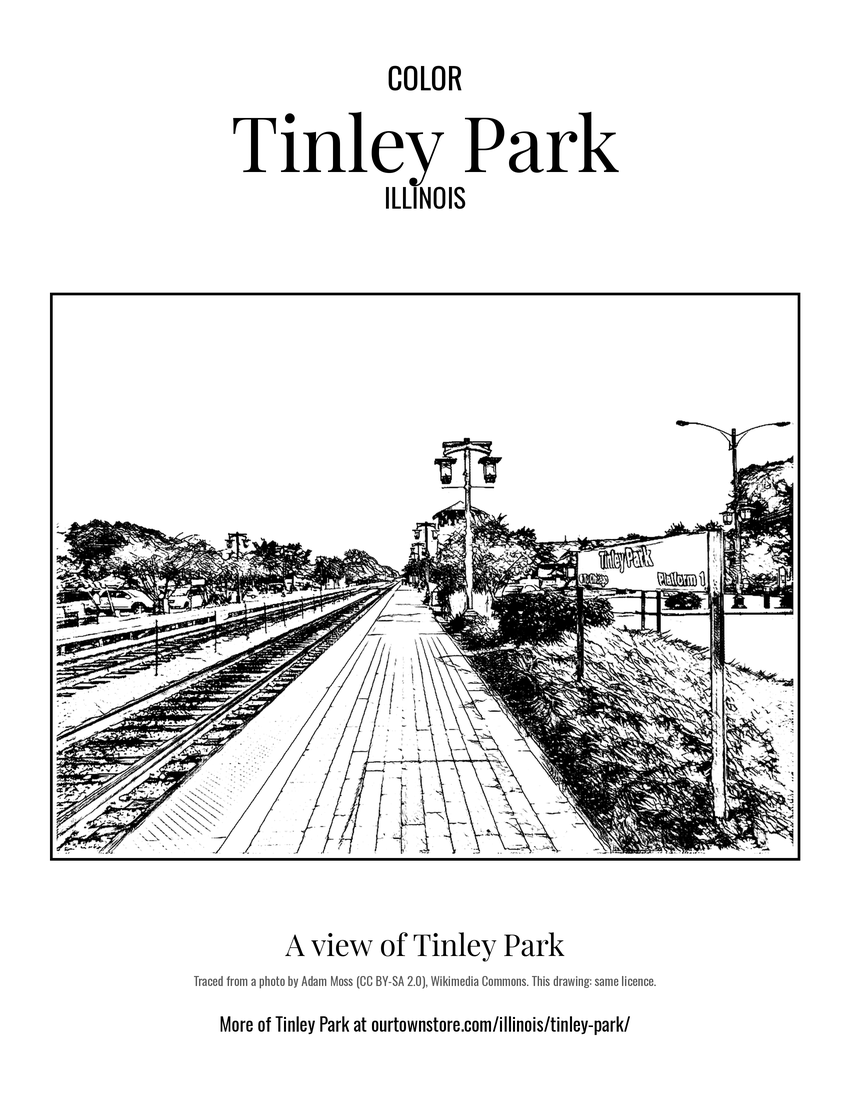 A view of Tinley Park
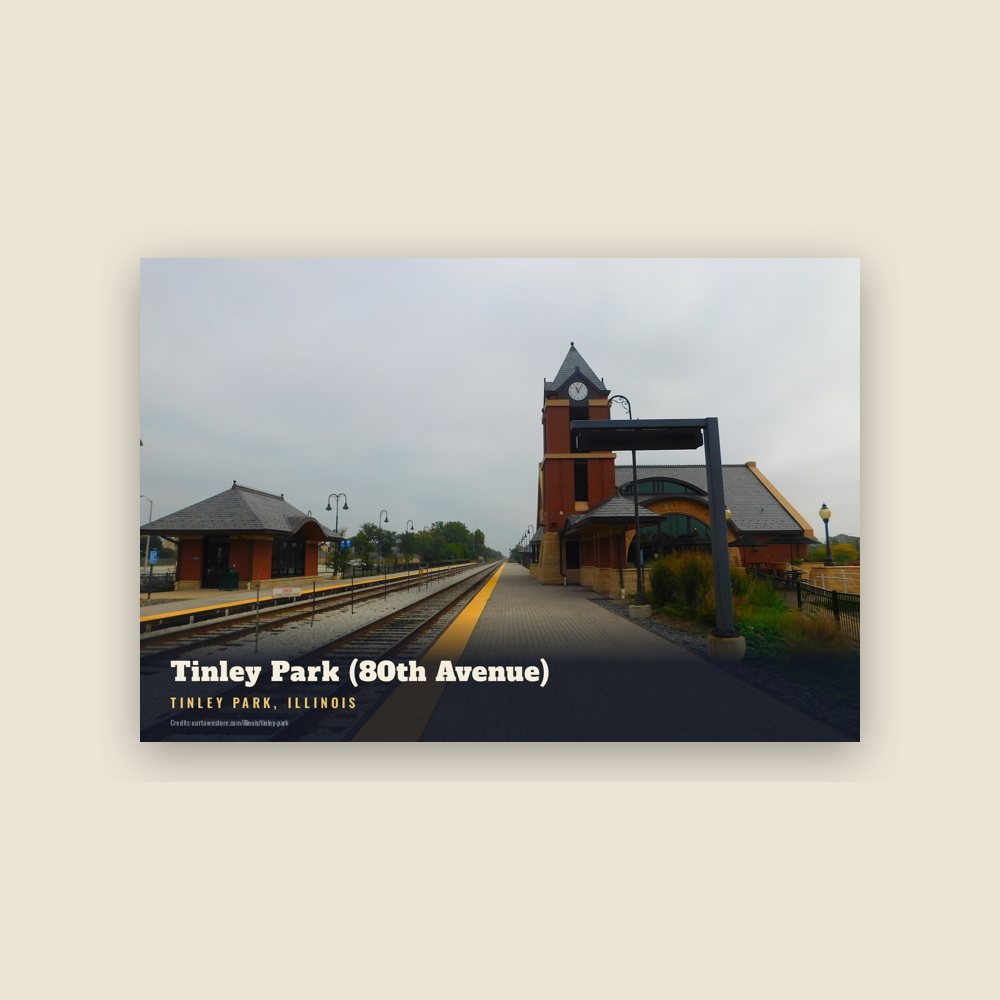
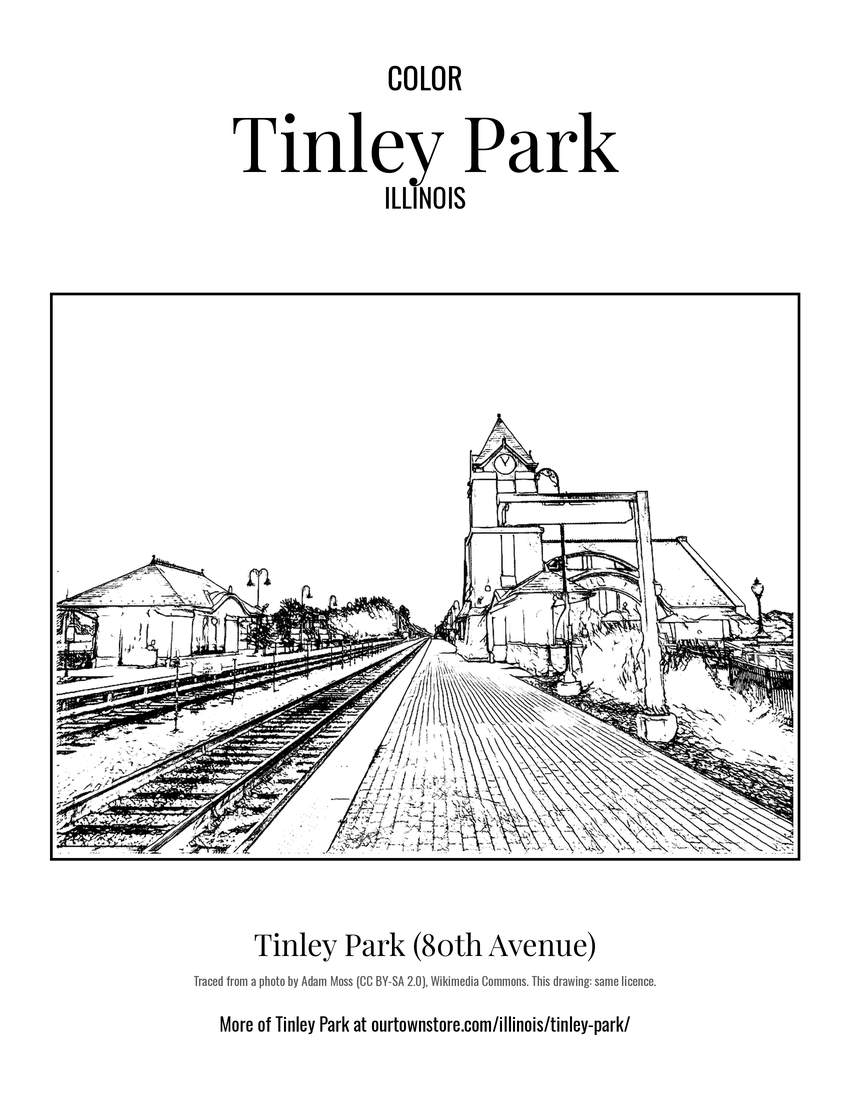 Tinley Park (80th Avenue)
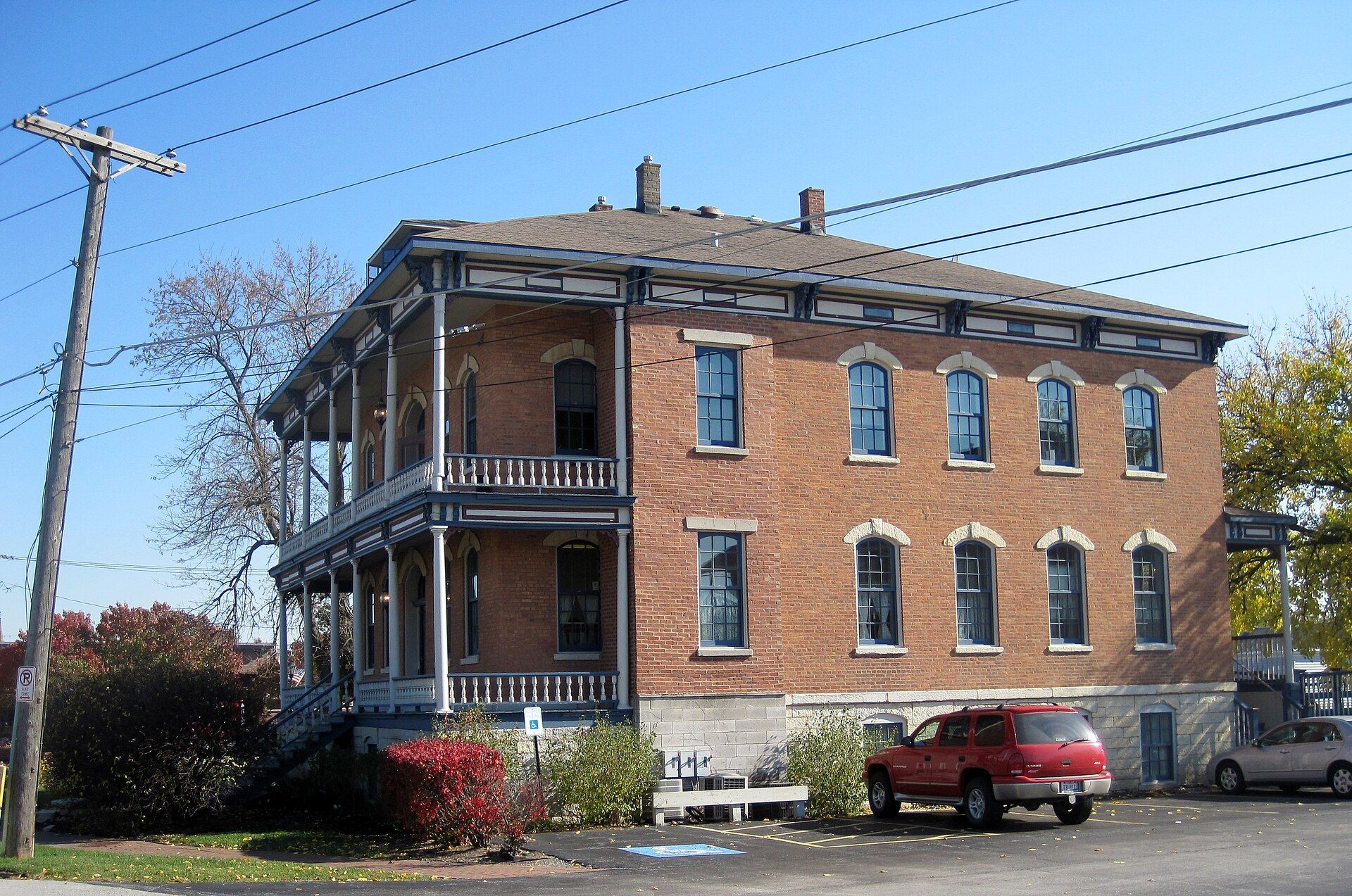
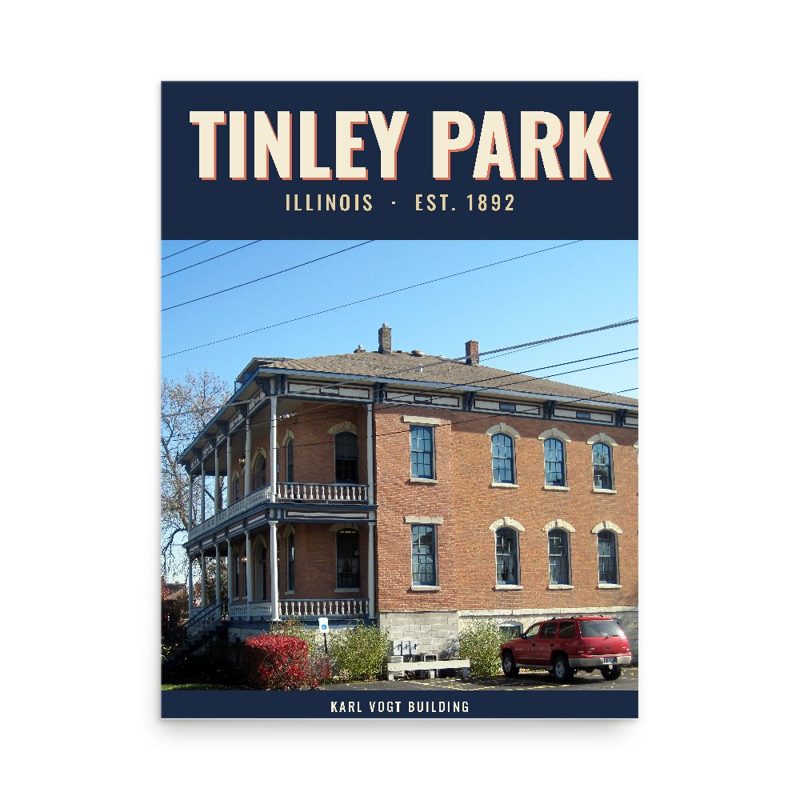
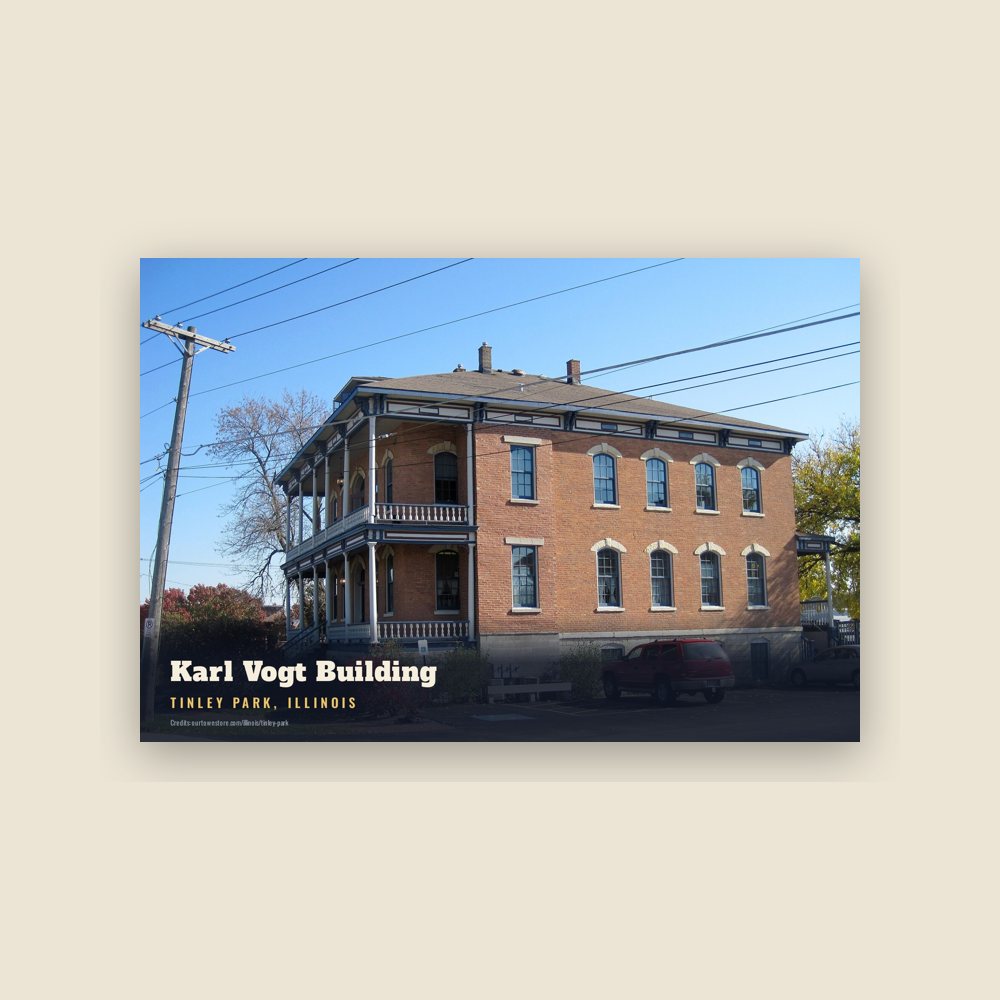
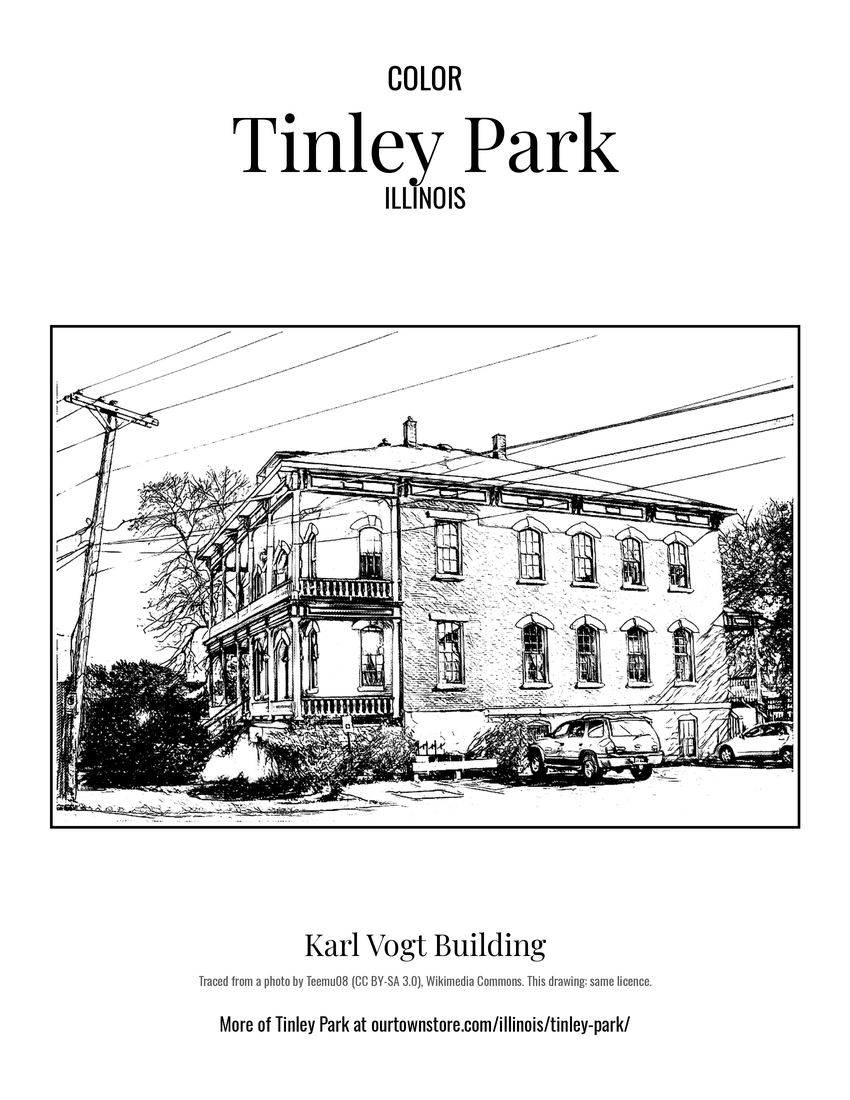 Karl Vogt Building
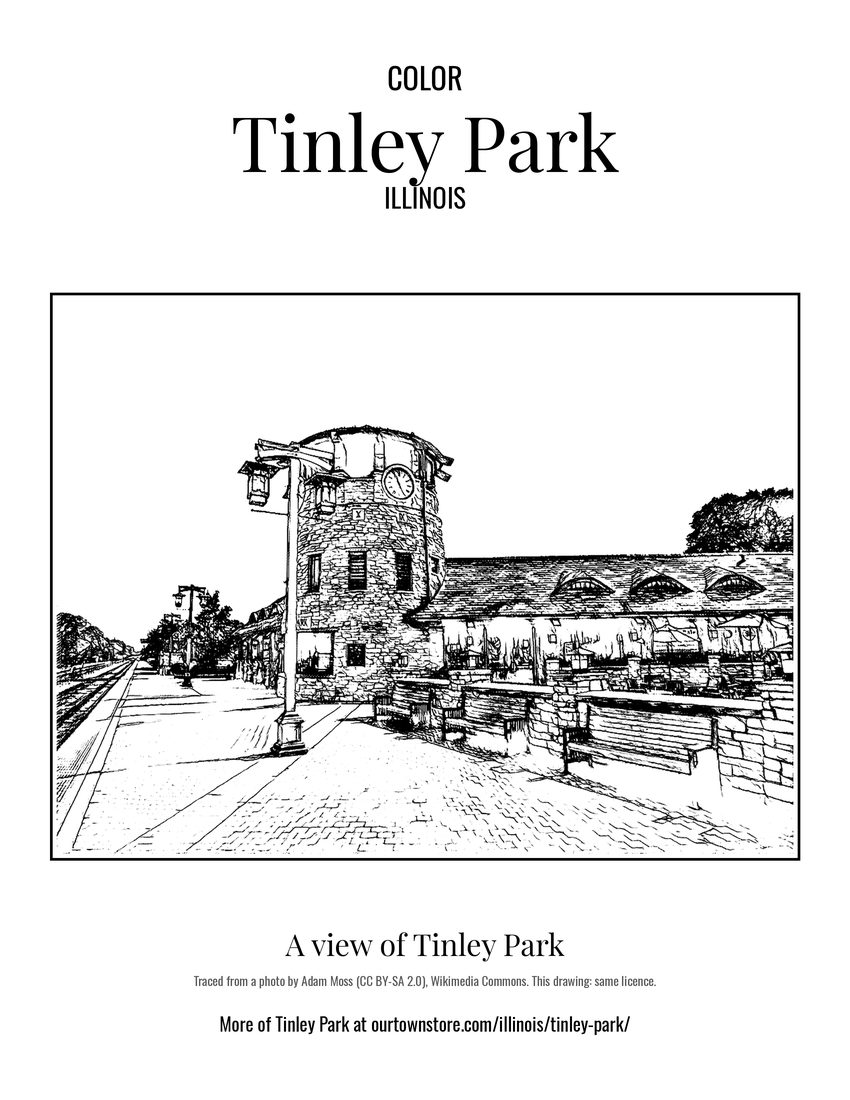 A view of Tinley Park