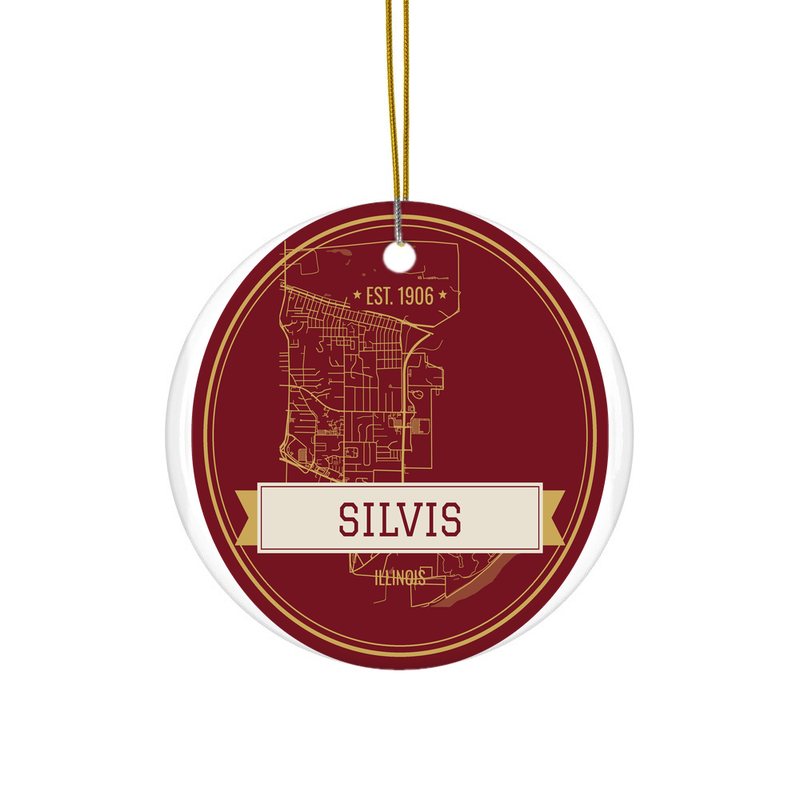
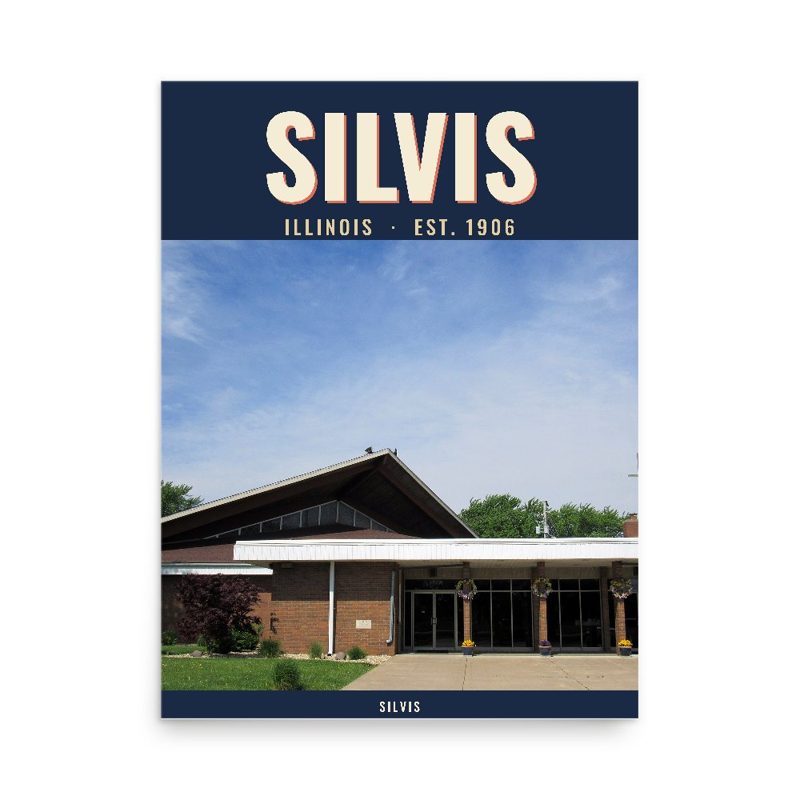
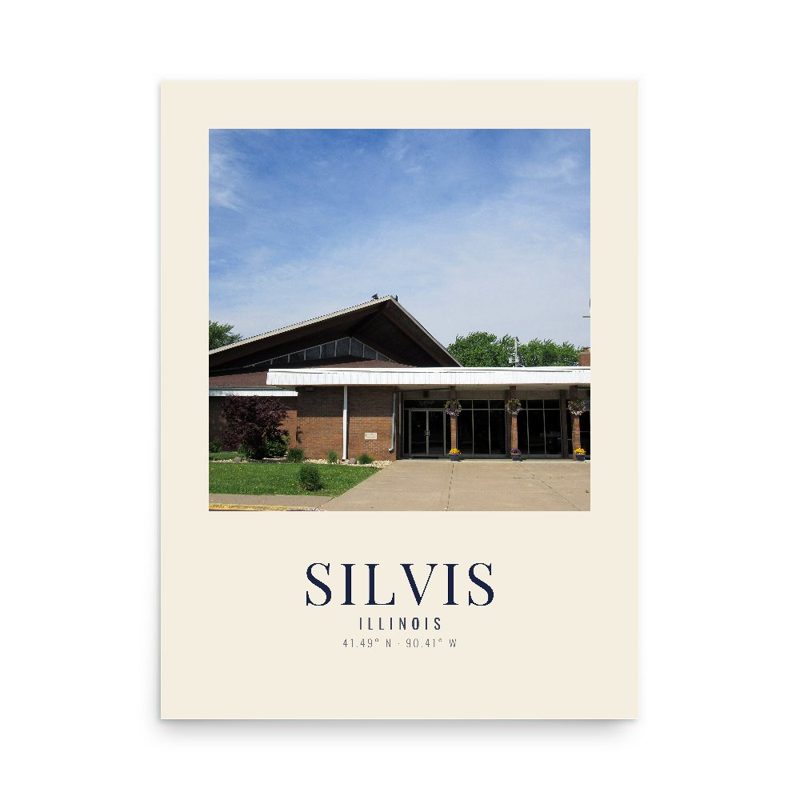
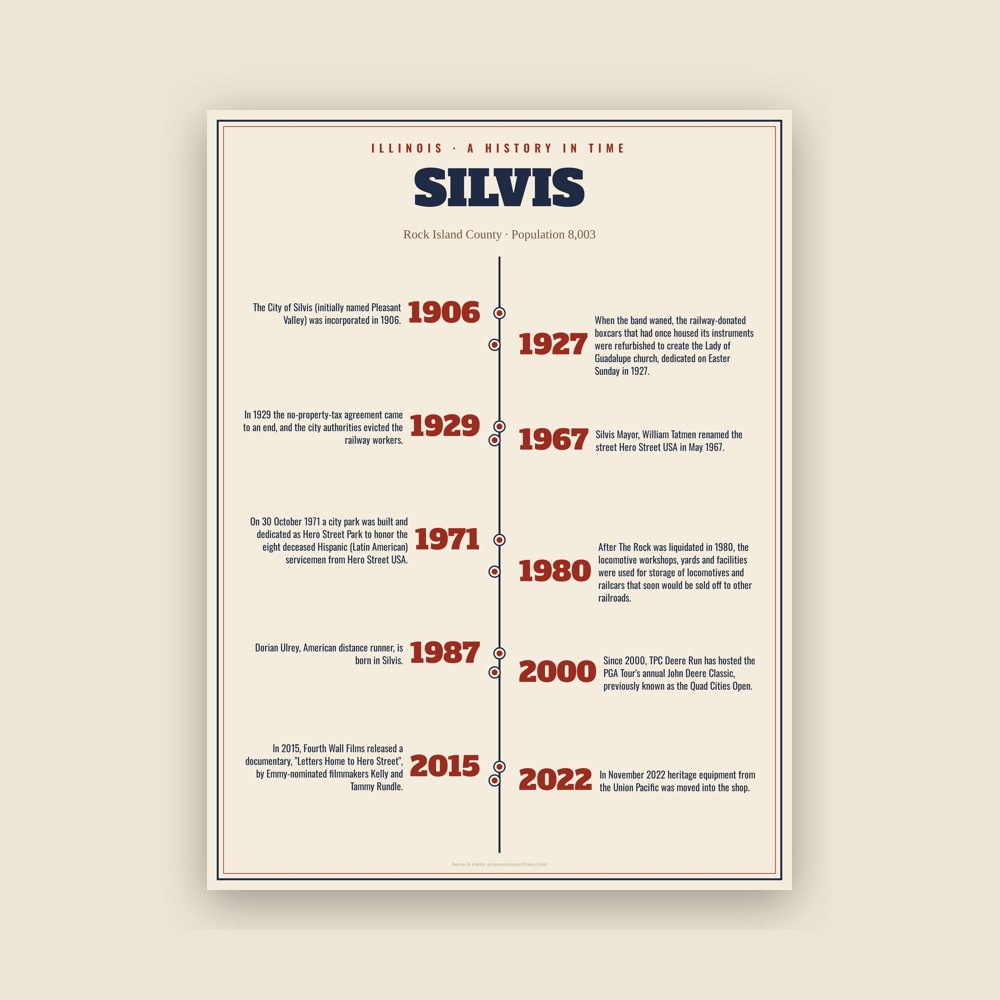
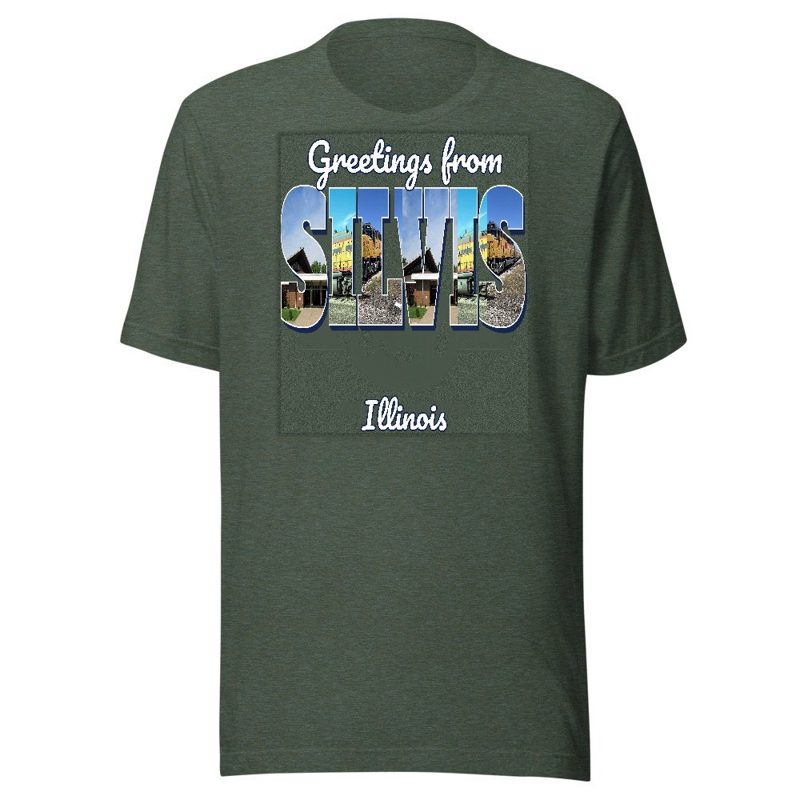
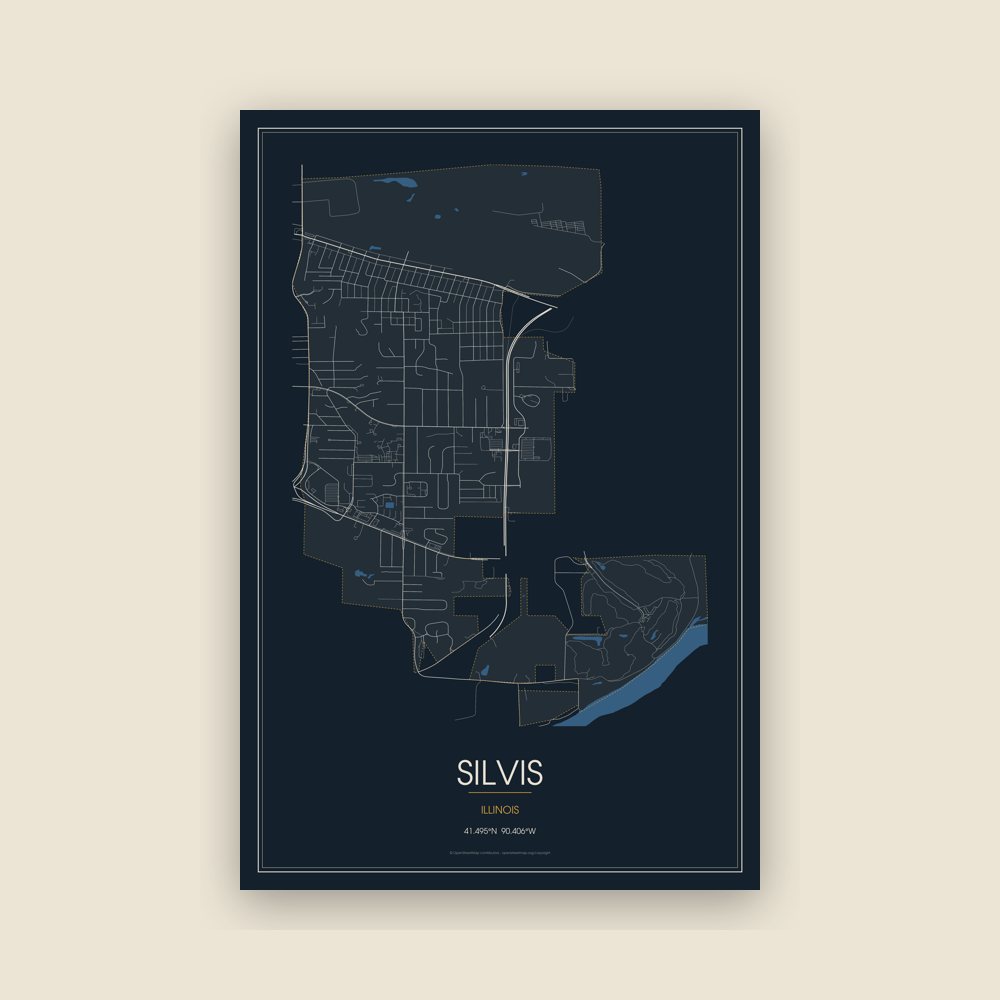
The City of Silvis (initially named Pleasant Valley) was incorporated in 1906. The city took its name from Richard Shippen Silvis, one of the original settlers whose family operated the Silvis Mining Company. Some older sources give the alternate spelling of "Sylvis" although this spelling is not regularly used today.
Read the full history
Rock Island Line Silvis Workshops
In 1902, the Rock Island Line decided to build its largest railroad locomotive repair workshop in Silvis, on a 900-acre site between the railroad's main line and the Chicago, Burlington and Quincy Railroad’s Rock Island branch. Construction began on May 1, 1903; the facilities eventually included a general stores department, repair shop, 45-stall roundhouse with a 90-foot turntable, and two large freight yards east and west.
The need for cheap labor attracted a number of immigrants from Mexico, who worked in the stores, the workshops, or as part of the track laboring team. The railway developed housing for all of its workers and families. This was rented to the workers at favorable rates, which were possible under an agreement with the town that meant the occupants paid no property taxes. The Mexican section, with its own Mexican-run general stores and a Mexican-themed band, became known as La Yarda. When the band waned, the railway-donated boxcars that had once housed its instruments were refurbished to create the Lady of Guadalupe church, dedicated on Easter Sunday in 1927. In 1929 the no-property-tax agreement came to an end, and the city authorities evicted the railway workers. Many moved their houses to the area that became second, third and fourth streets.
After The Rock was liquidated in 1980, the locomotive workshops, yards and facilities were used for storage of locomotives and railcars that soon would be sold off to other railroads. The facility later was sold to National Railway Equipment, with the workshops remaining a maintenance and refurbishment hub for the wider North American railroad industry. Railroading Heritage of Midwest America bought the facility in late 2021 to develop a museum and for refurbishing and maintaining steam and heritage diesel locomotives along with associated rolling stock. In November 2022 heritage equipment from the Union Pacific was moved into the shop. Included were 4-6-6-4 Union Pacific 3985, 2-10-2 Union Pacific 5511 and EMD DDA40X Union Pacific 6936.
Golf course
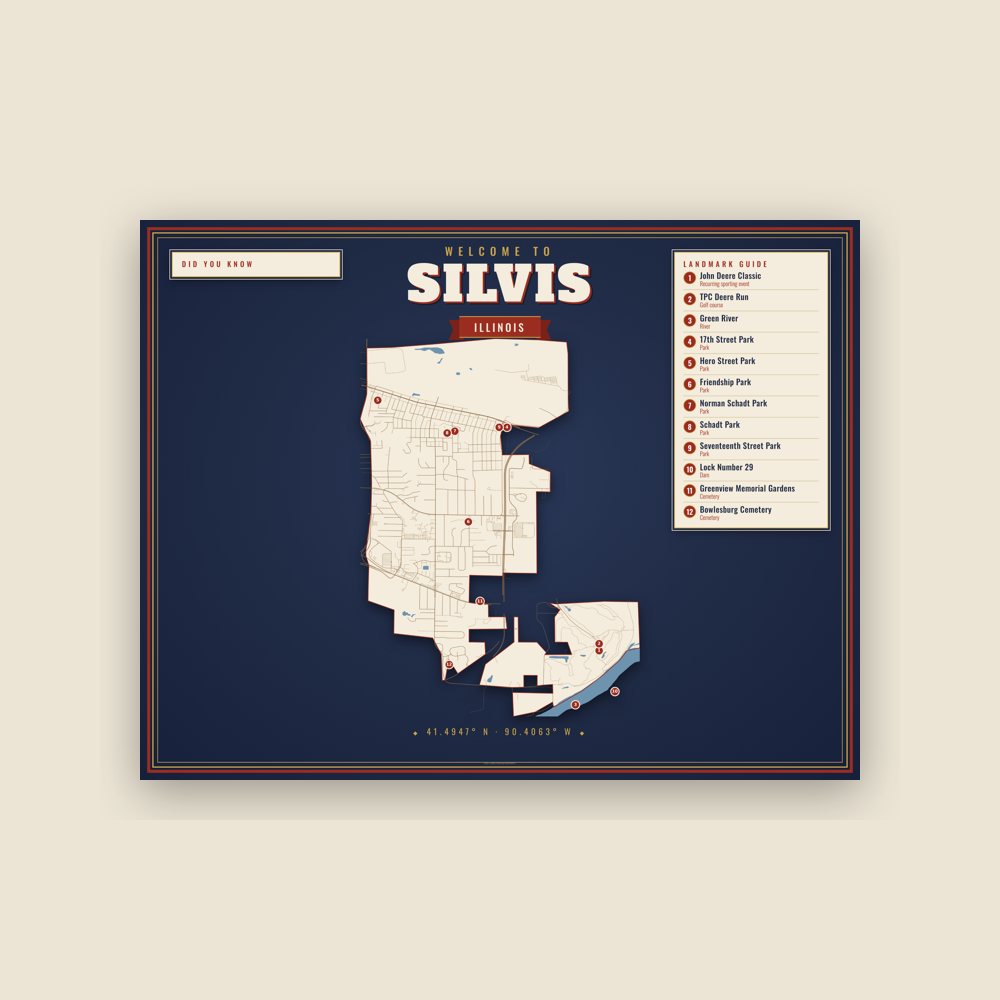
The city is home to TPC Deere Run, a public golf course designed by former PGA Tour professional D.A. Weibring along the area's famous Rock River. Golf Digest once ranked it No. 42 among U.S. public golf courses, while Golfweek Magazine has called it among the state's top five courses. Since 2000, TPC Deere Run has hosted the PGA Tour's annual John Deere Classic, previously known as the Quad Cities Open. The John Deere Classic is held in July the week before the British Open.
Hero Street USA
The name of the city's Second Street—a muddy two-block thoroughfare that was once home to Mexican immigrants who worked for the Rock Island Railroad—was changed in 1967 to Hero Street to honor people who lived on the two-block street and served in the U.S. military. A total of 84 men served in World War II, Korea, and in Vietnam. Eight died during World War II: Joseph Gomez, Peter Macias, Johnny Muños, Tony Pompa, Frank Sandoval, Joseph "Joe" Sandoval, William "Willie" Sandoval, and Claro Solis.
Eduvigis and Angelina Sandoval immigrated to the U.S. from Romita, Mexico. Their son, Frank, was a combat engineer assigned to help build the Ledo Road in Burma. He was killed when his unit was sent to the front to fight for control of a key airbase. His older brother, Joe, assigned to the 41st Armored Infantry Division in Europe, was killed in April 1945, just days before the war ended.
Joseph and Carmen Sandoval also immigrated to the United States from Mexico. When the war broke out, they consented to their son Willie's request to enlist in the army. Trained as a paratrooper and assigned to the 82nd Airborne Division, he fought in Italy and Germany, and was killed on October 6, 1944, during a combat mission related to Operation Market-Garden, the largest airborne operation of all time.
Silvis Mayor, William Tatmen renamed the street Hero Street USA in May 1967. On 30 October 1971 a city park was built and dedicated as Hero Street Park to honor the eight deceased Hispanic (Latin American) servicemen from Hero Street USA. The park contains a pictorial monument, a grotto, a playground, and a pavilion. The monument contains pictures and biographies of the eight-deceased veteran from Hero Street, the grotto displays the names of all war dead from Silvis.
In 2015, Fourth Wall Films released a documentary, "Letters Home to Hero Street", by Emmy-nominated filmmakers Kelly and Tammy Rundle.