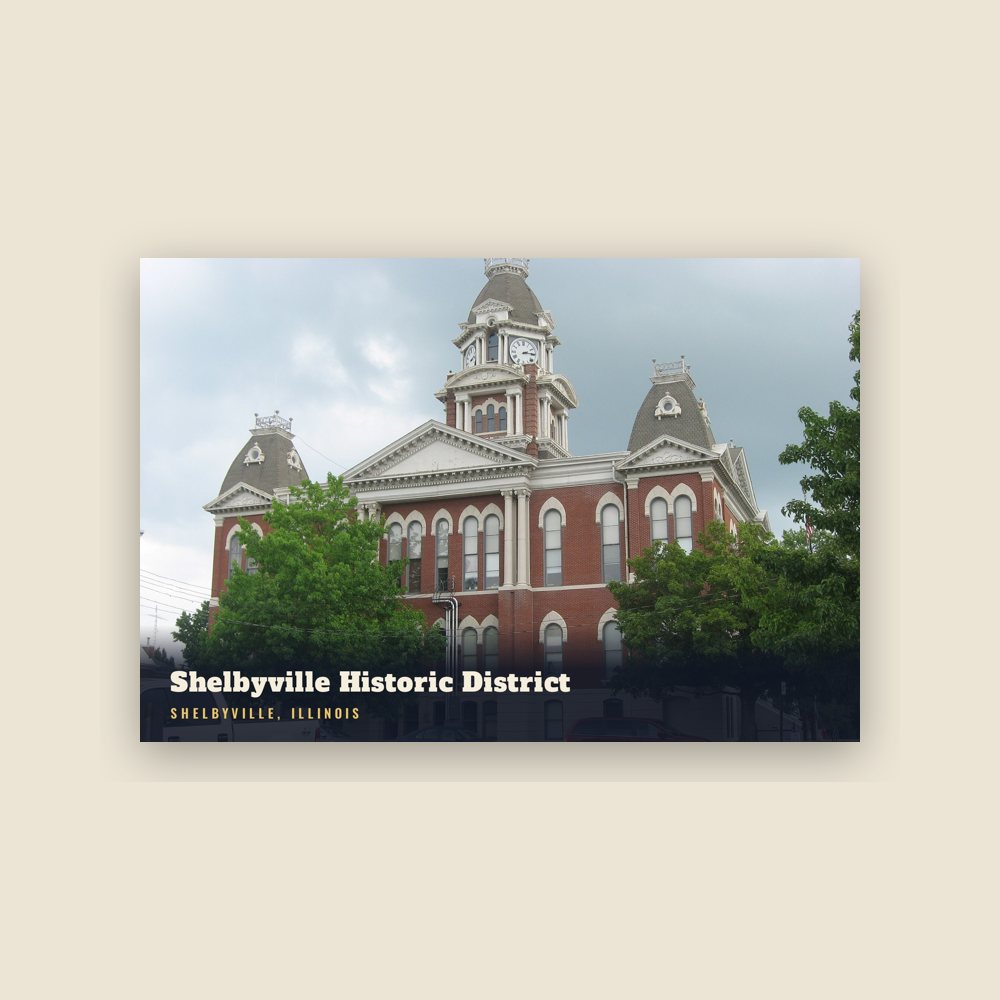
A short history of Shelbyville
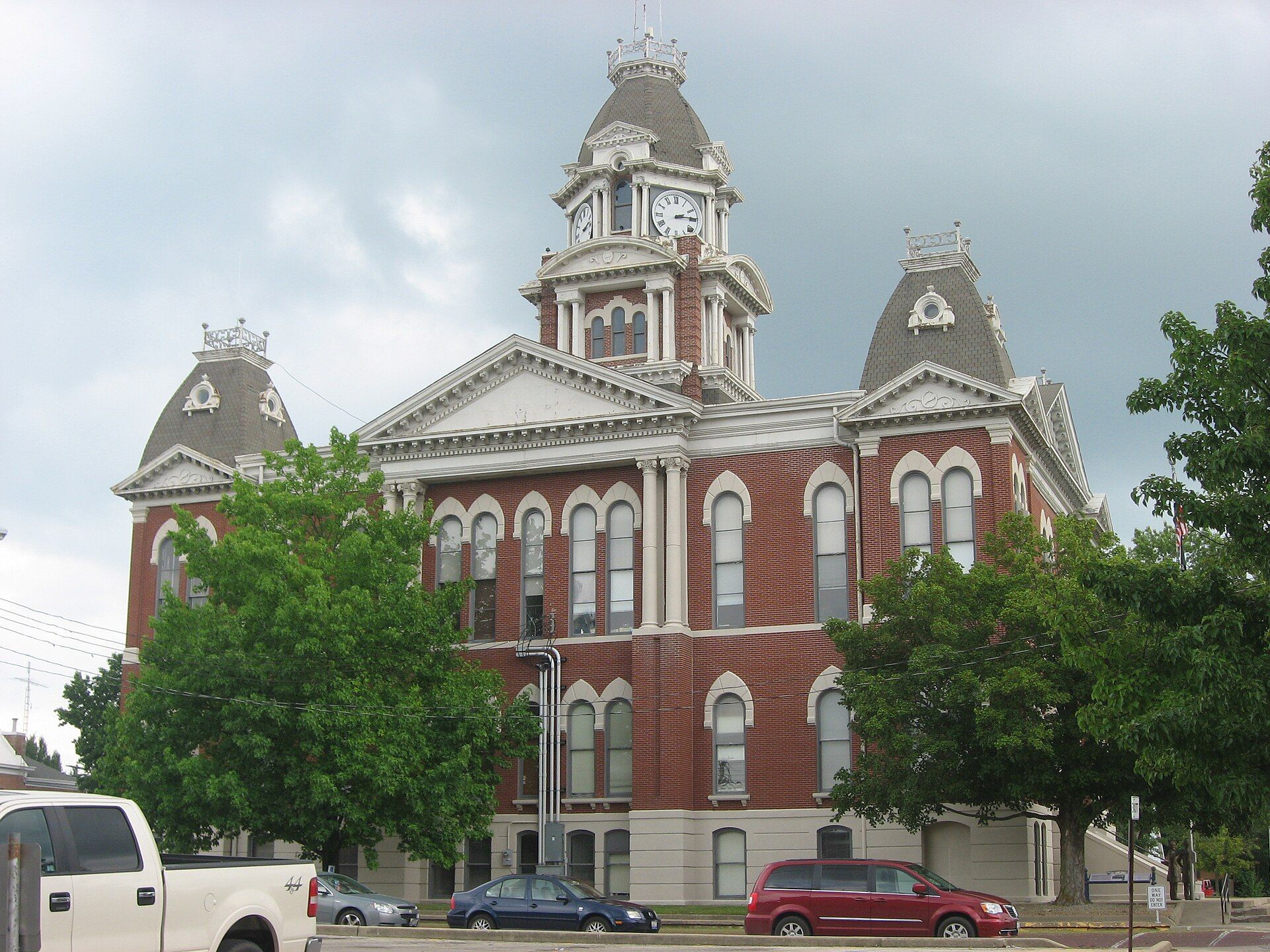
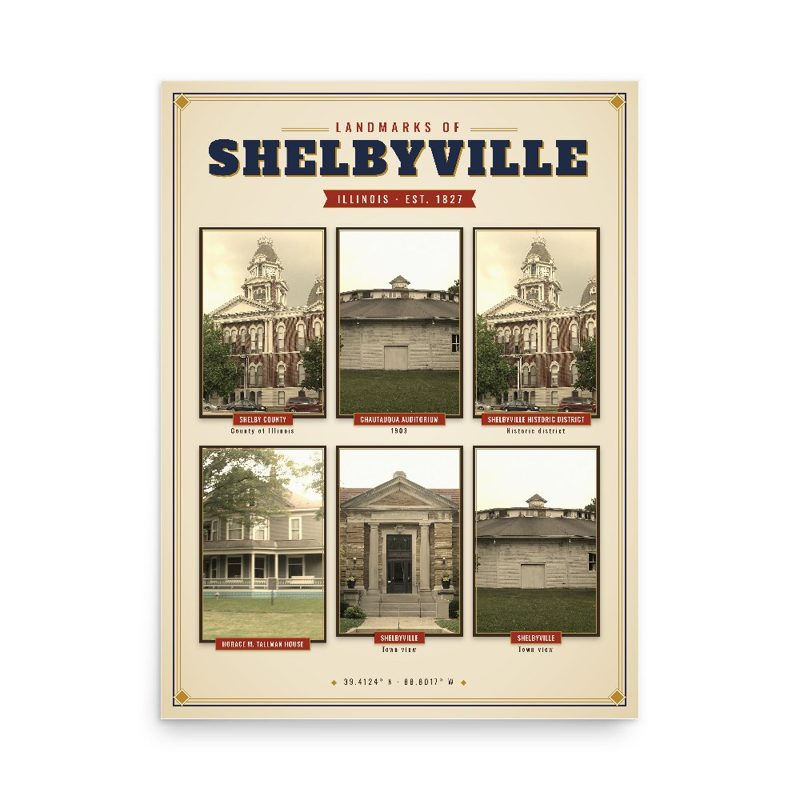
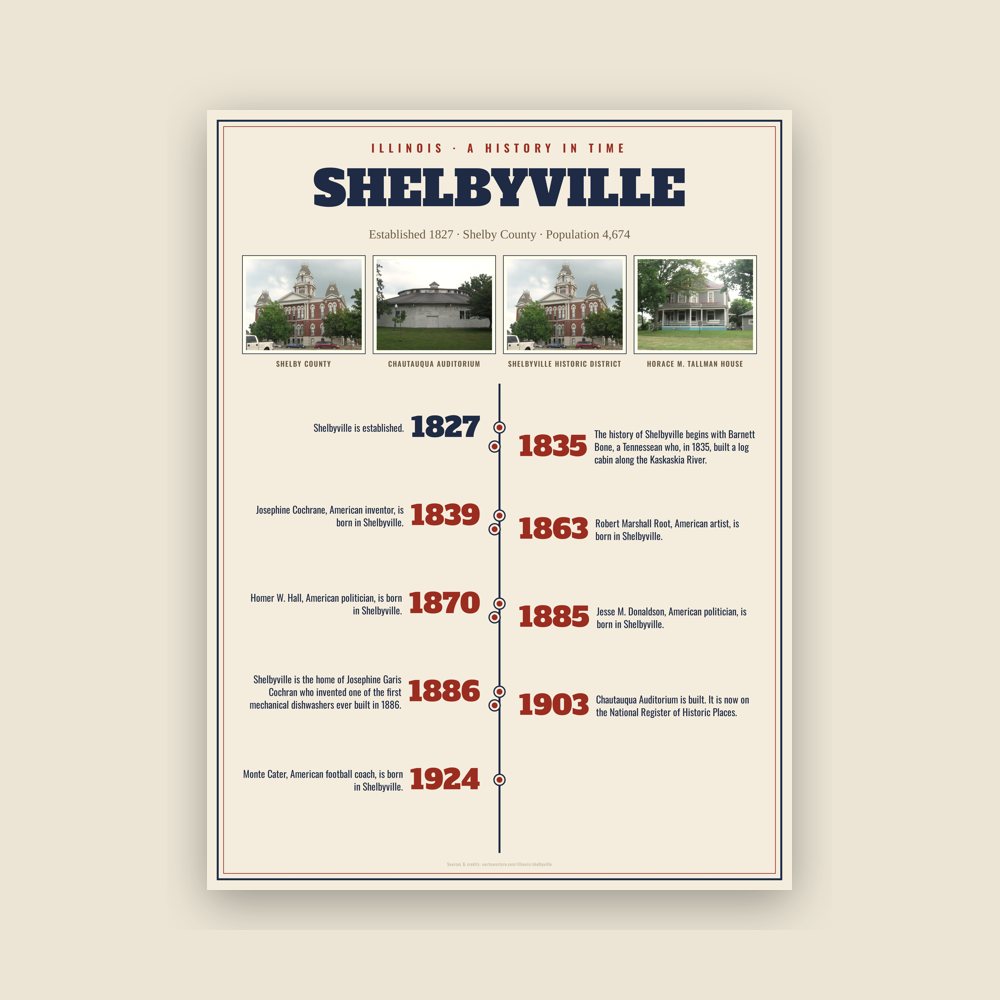
Shelbyville was founded in 1827 and named in honor of Isaac Shelby, hero of the Revolutionary War and Governor of Kentucky. The history of Shelbyville begins with Barnett Bone, a Tennessean who, in 1835, built a log cabin along the Kaskaskia River. His cabin eventually became the county courthouse. The first businesses were blacksmith shops, a general store and stage coach stop, and a grist mill.
Shelbyville is the home of Josephine Garis Cochran who invented one of the first mechanical dishwashers ever built in 1886. It was exhibited at the 1893 Chicago Columbian Exposition, where it won "the highest award."
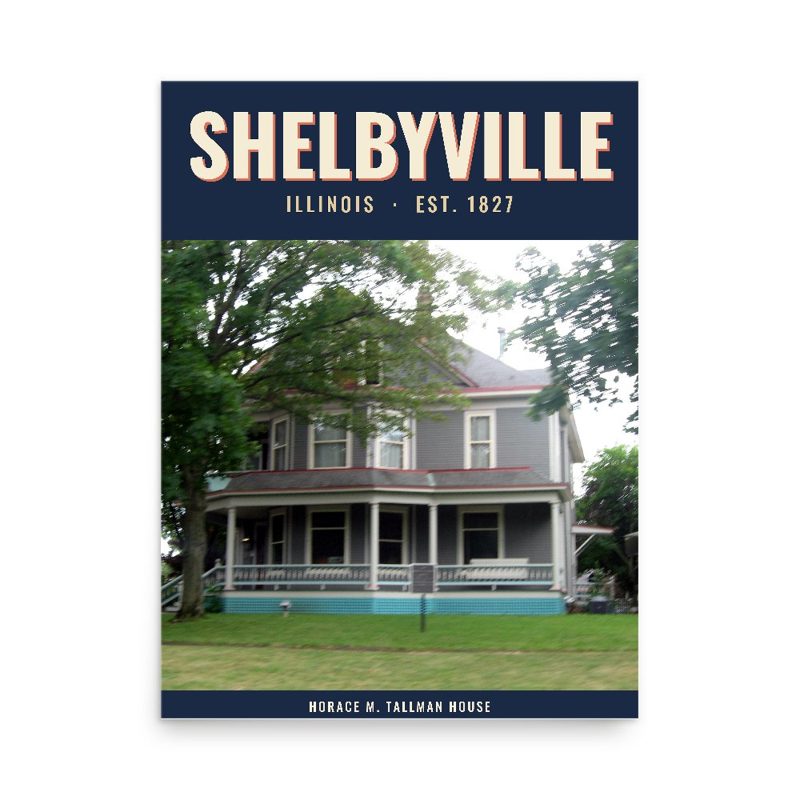
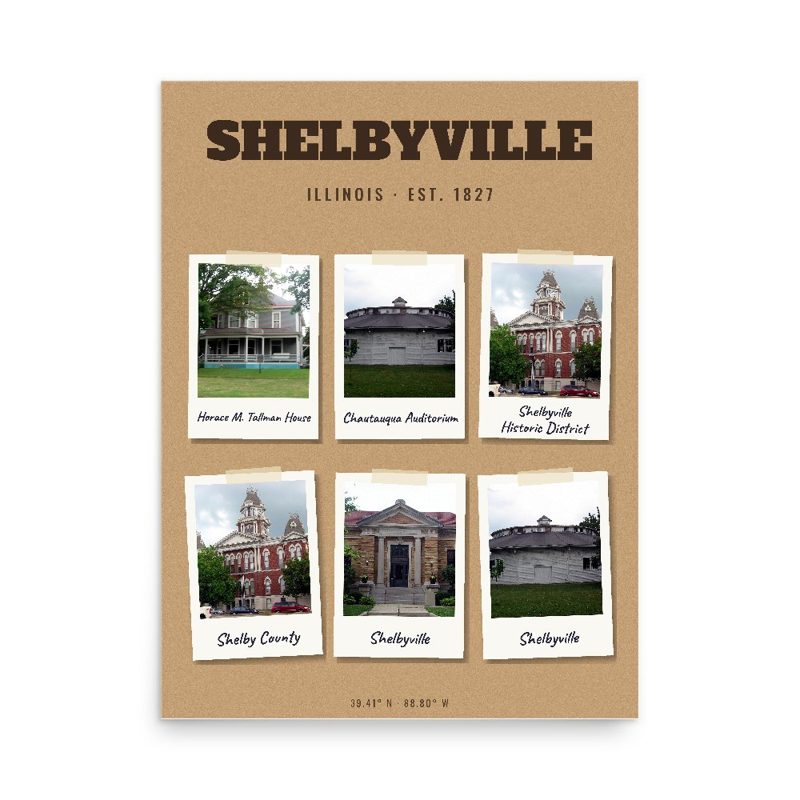
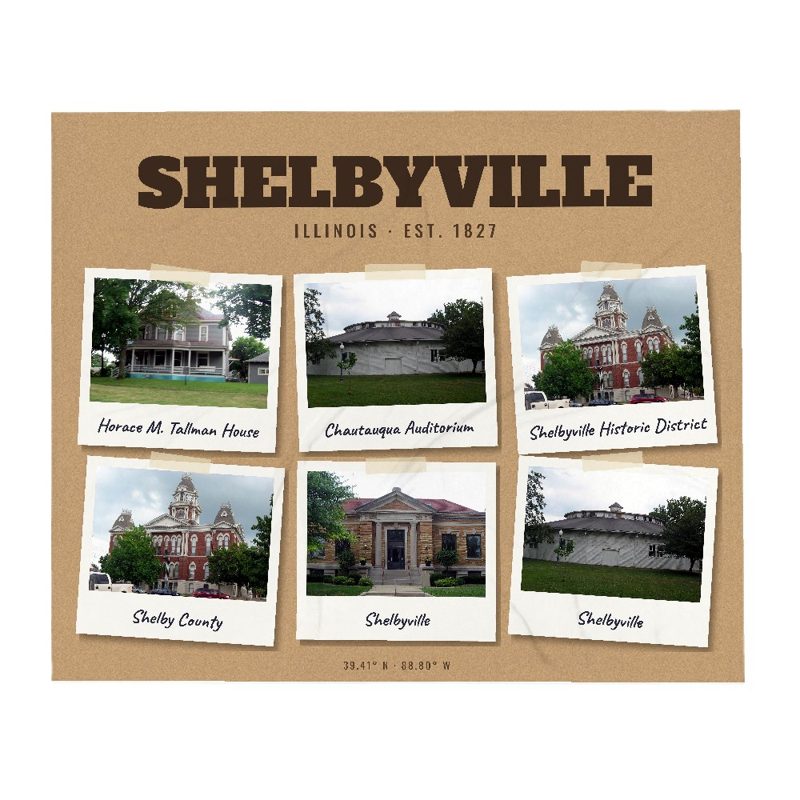
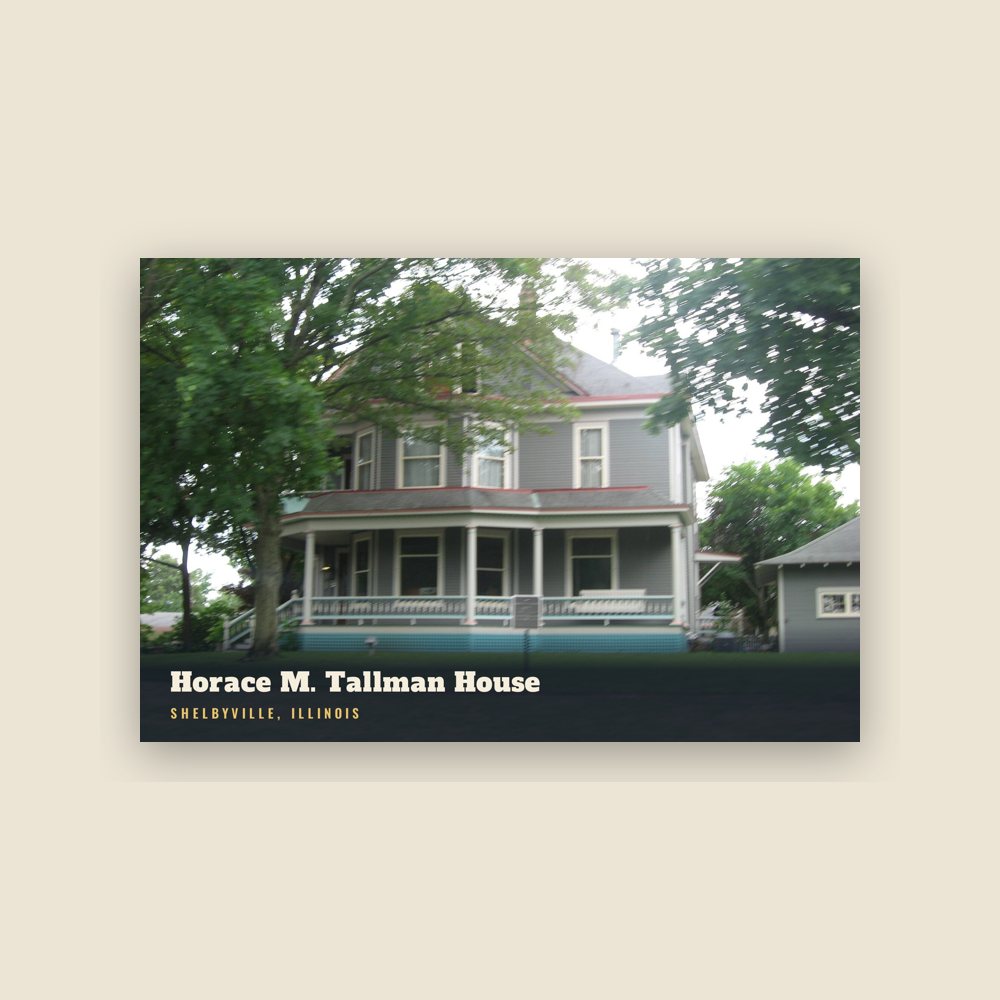
Another Shelbyville invention, the first commercial pick-up baler, was designed and developed by Raymore McDonald, as conceived and financed by Horace M. Tallman and his two sons, Leslie and Gentry. These balers were marketed for many years by the Ann Arbor Machine Company of Shelbyville. This concept of field processing of farm forages made a significant contribution to the efficiency and economy of harvesting in the world's agriculture. This basic field pick-up mechanism has been used in over 15 million balers. The American Society of Agricultural and Biological Engineers designated Shelbyville as an historical landmark of agricultural engineering, of which there are only 47 in the entire United States. Mr. Tallman's home has been restored and is on the National Register of Historic Places. Located on West Main Street, the Tallman home is currently part of the Shelby Inn.
Adapted (trimmed) from the Wikipedia article Shelbyville, Illinois, revision 1379123840 by its contributors, licensed CC BY-SA 4.0.