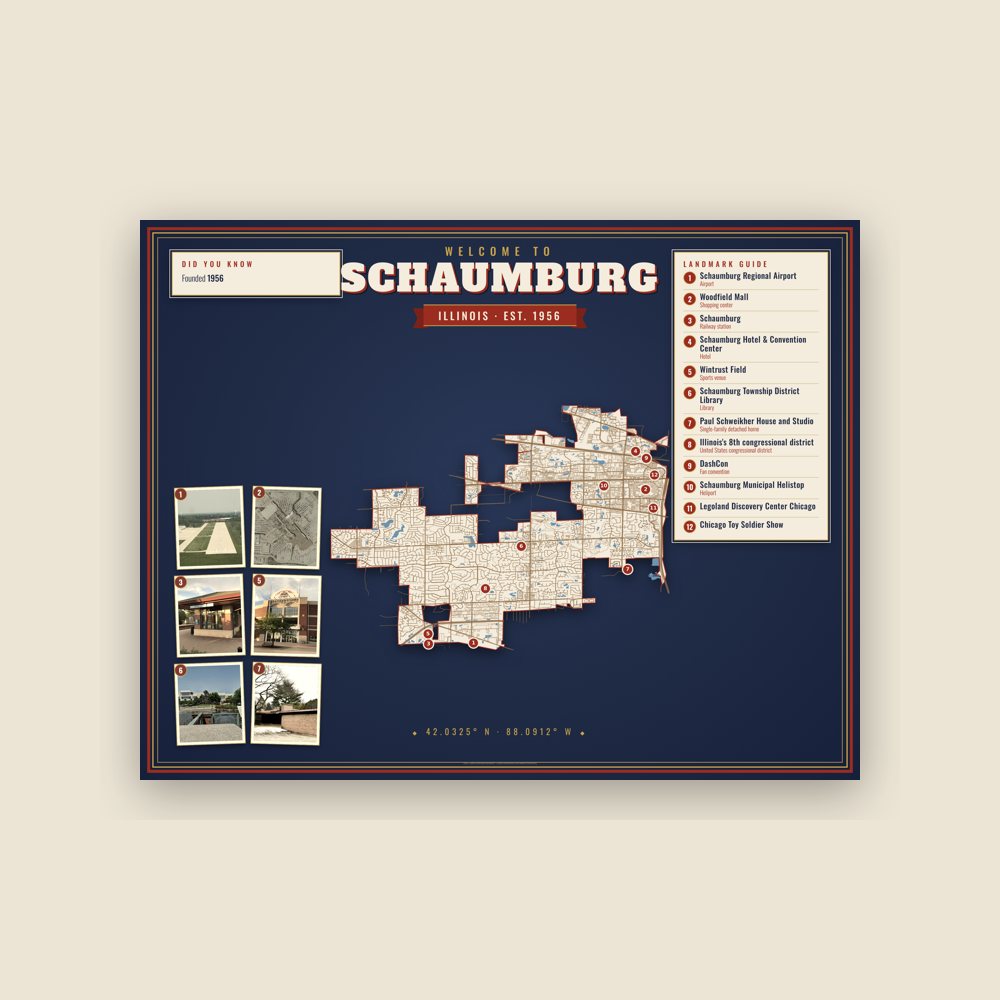
Since 1956
A short history of Schaumburg
19th century
Prior to European settlement, the region was inhabited by the Sauk, Meskwaki, Potawatomi, and Kickapoo peoples. During the mid-19th century, settlers began arriving from Germany and the eastern United States. Many of the Germans came from Hessian Schaumburg and Schaumburg-Lippe, a region within the modern state of Lower Saxony.
Among the earliest settlers were Trumball Kent and Johann Sunderlage, who established farms in what became Schaumburg Township. The men were "yankee" settlers from New York and New England. According to one legend, Sunderlage was a member of a survey team that divided Cook County into townships around 1833; according to another legend, he worked on a survey team on the Joliet canal. He liked the area so much that, upon completion of the project, he returned to Europe and brought his family and friends from Germany and settled in the area now known as Hoffman Estates around 1836. His home still stands in its original location.
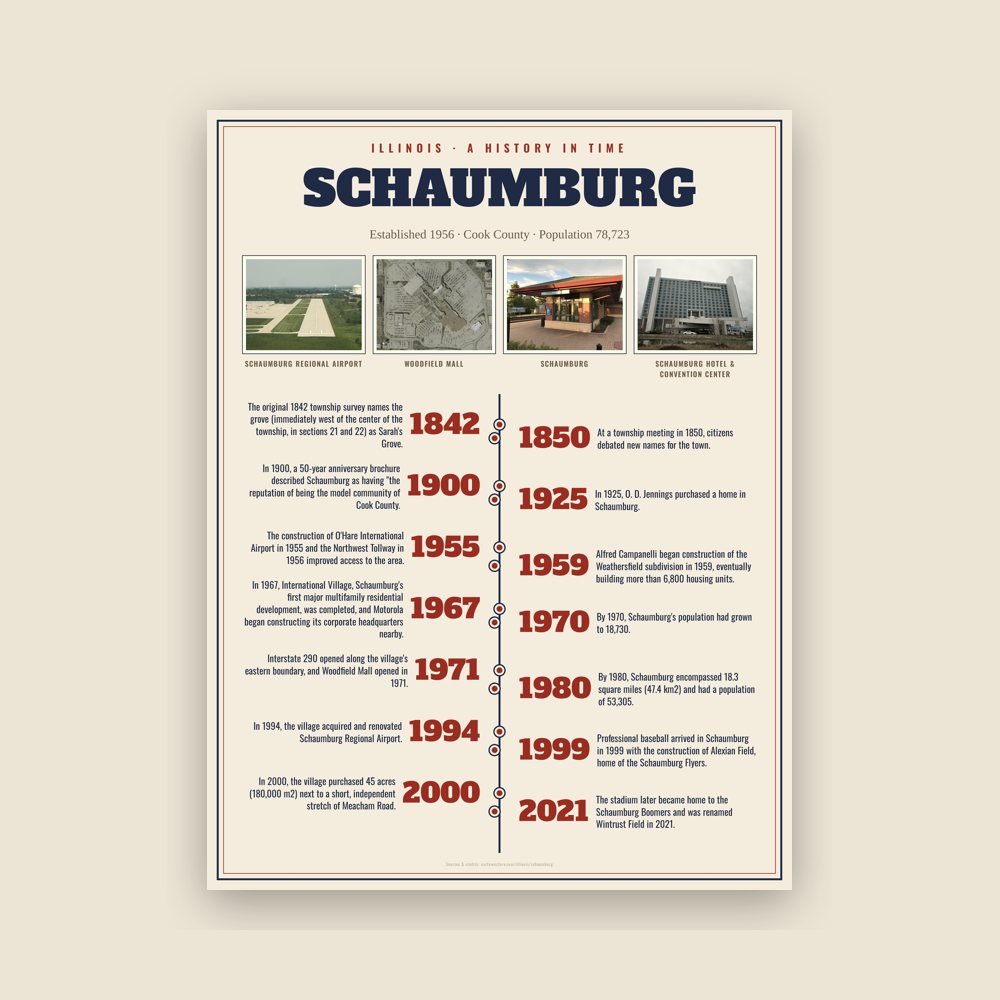
The original 1842 township survey names the grove (immediately west of the center of the township, in sections 21 and 22) as Sarah's Grove. Three families lived near a grove of woods on the northwest end of the township. At a township meeting in 1850, citizens debated new names for the town. A wealthy landowner named Friedrich Heinrich Nerge, at one point during the meeting, slammed his fist on the table and yelled in Low German, "Schaumburg schall et heiten!" (transl. "It will be called Schaumburg!"). At that point, the township became officially called Schaumburg.
The township's population became increasingly German throughout the 19th century. In 1840, a majority of households originated from the eastern United States, but by the 1850s German immigrants formed the largest group, and by 1870 most land in the township was owned by German immigrants or their descendants. The township took its name in 1850 from Schaumburg County in Germany, reflecting the origins of many of its settlers.
Agriculture dominated the local economy during the township's early years. Farmers raised livestock and produced dairy products and crops, while a small commercial center developed at the intersection of present-day Schaumburg and Roselle Roads. The area remained relatively isolated because it was not located along major rail lines or transportation routes, requiring farmers to travel long distances to reach markets in Chicago.
German culture remained a defining feature of the community well into the 20th century. German was widely spoken in local households until the 1950s, and many institutions reflected the area's immigrant heritage. St. Peter Lutheran Church, founded in the 1840s, continued to hold services in German into the late 20th century and remains an important historical landmark.
Schaumburg Township remained largely agricultural and under German ownership until the Great Depression, when some farms changed hands through foreclosure. Despite these changes, the area's German heritage continued to shape the community's identity in the decades preceding the incorporation of the village in 1956.
Read the full history
20th century to present
In 1900, a 50-year anniversary brochure described Schaumburg as having "the reputation of being the model community of Cook County. Also, the town of Schaumburg is an example of a community for all other towns in Cook County and probably in other counties, too. Schaumburg is prompt in the payment of its taxes; it supports churches and schools; it has also the best roads in the land and – Schaumburg has never had a jail. Finally, it is not just for the settlers only, but also for foreigners."
In 1925, O. D. Jennings purchased a home in Schaumburg. Following the death of his widow, the house and surrounding land were donated to the village and served as Village Hall until 1971.
Schaumburg's development accelerated during the mid-20th century. The construction of O'Hare International Airport in 1955 and the Northwest Tollway in 1956 improved access to the area. Pure Oil's presence in the area also brought growth, and in response, the village incorporated in 1956 with a population of approximately 130 residents.
During the 1960s, residential and commercial development expanded significantly. Alfred Campanelli began construction of the Weathersfield subdivision in 1959, eventually building more than 6,800 housing units. In 1967, International Village, Schaumburg's first major multifamily residential development, was completed, and Motorola began constructing its corporate headquarters nearby.
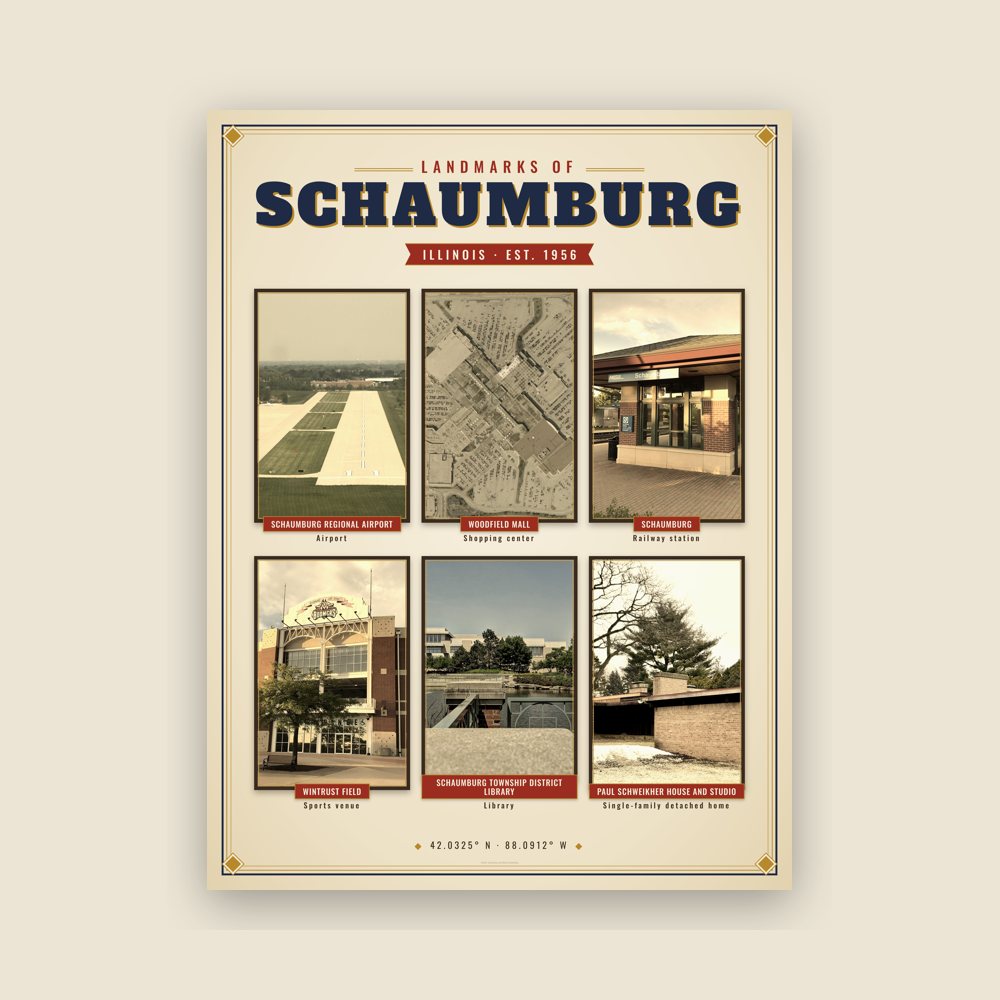
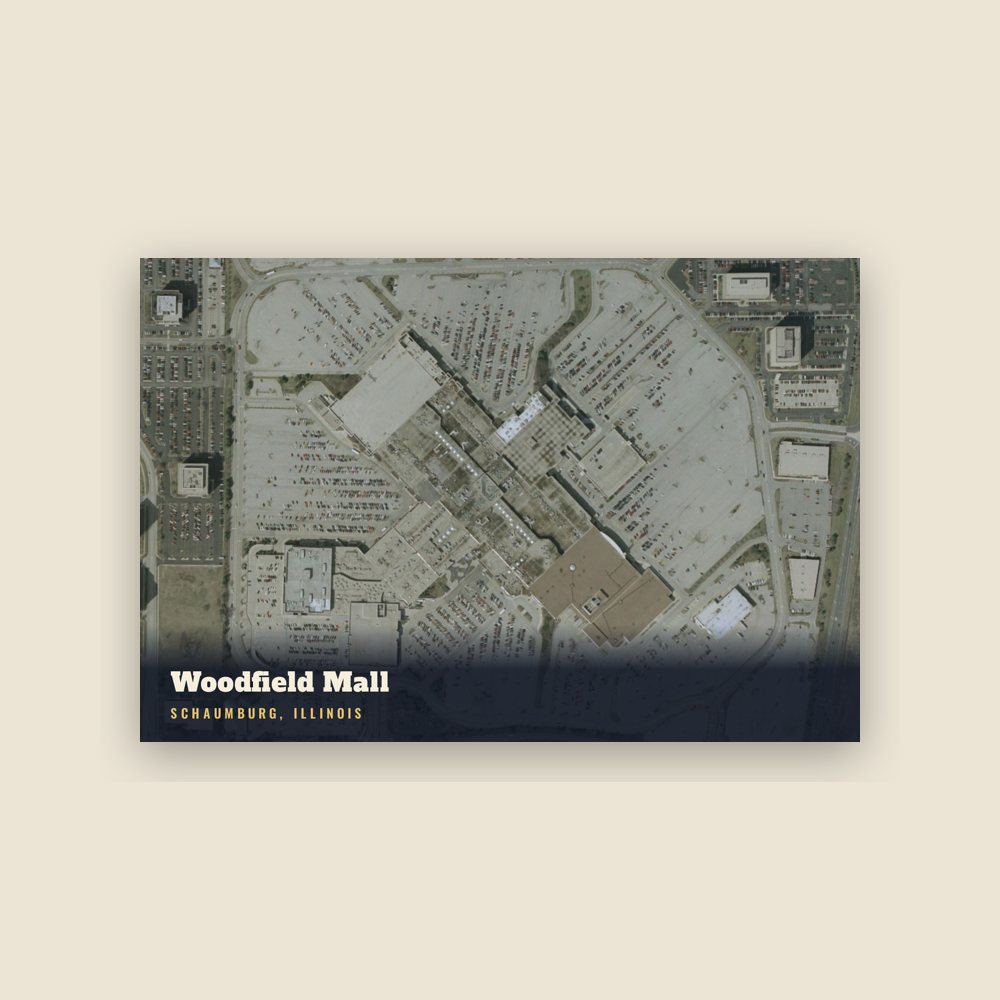
By 1970, Schaumburg's population had grown to 18,730. Interstate 290 opened along the village's eastern boundary, and Woodfield Mall opened in 1971. In 1978, the village established the Olde Schaumburg Centre Overlay District and the Olde Schaumburg Centre Commission to help preserve the historic character of the area around Schaumburg and Roselle Roads.
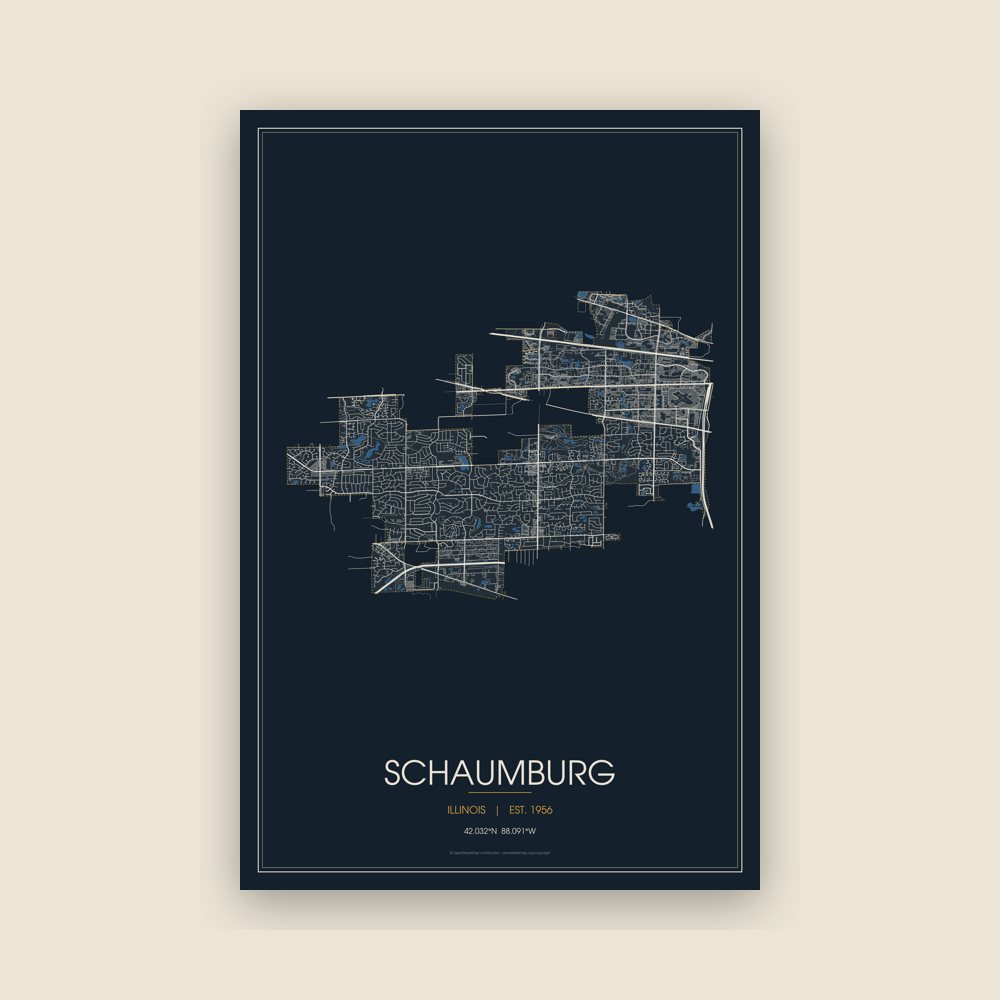
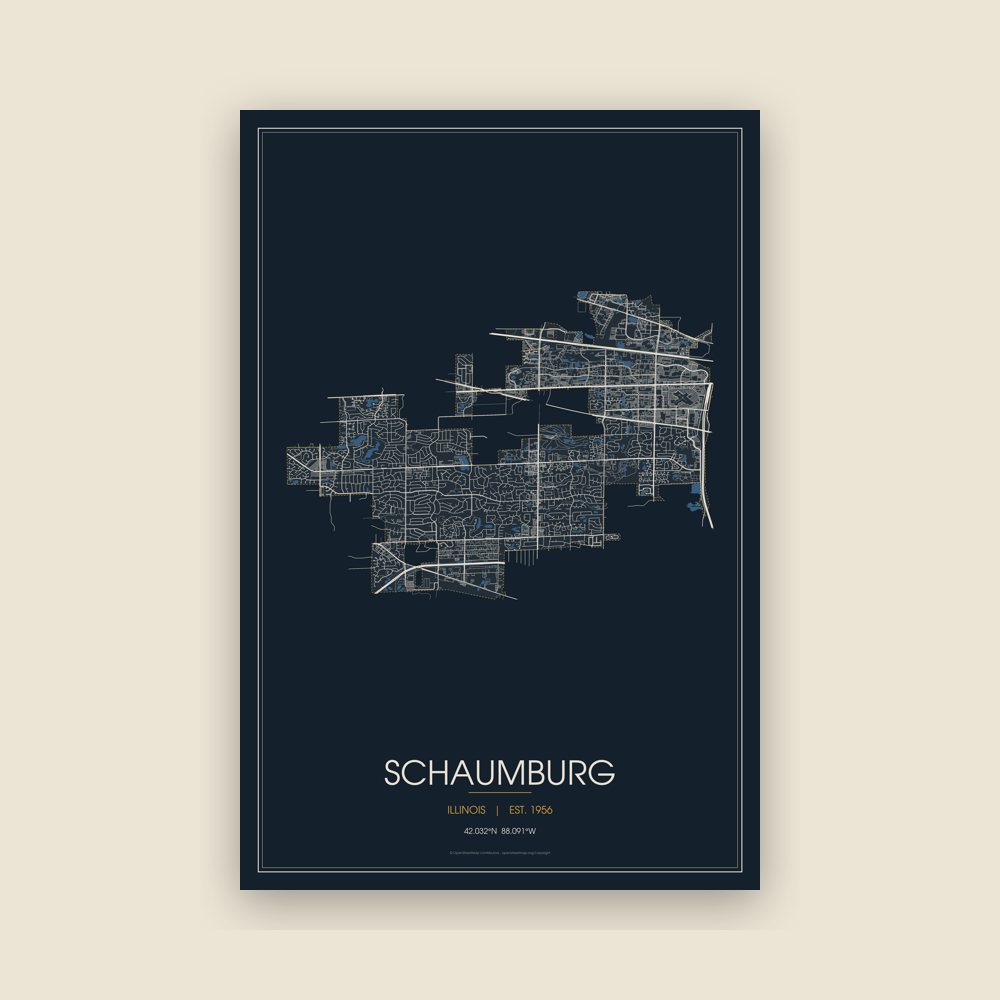
By 1980, Schaumburg encompassed 18.3 square miles (47.4 km2) and had a population of 53,305. During the 1980s, office, industrial, retail, and hotel development expanded substantially. Population growth slowed during the 1990s as land available for residential development diminished. The population reached 68,586 by 1990. During the decade, commercial development continued, including expansions at Woodfield Mall and the opening of an IKEA store.
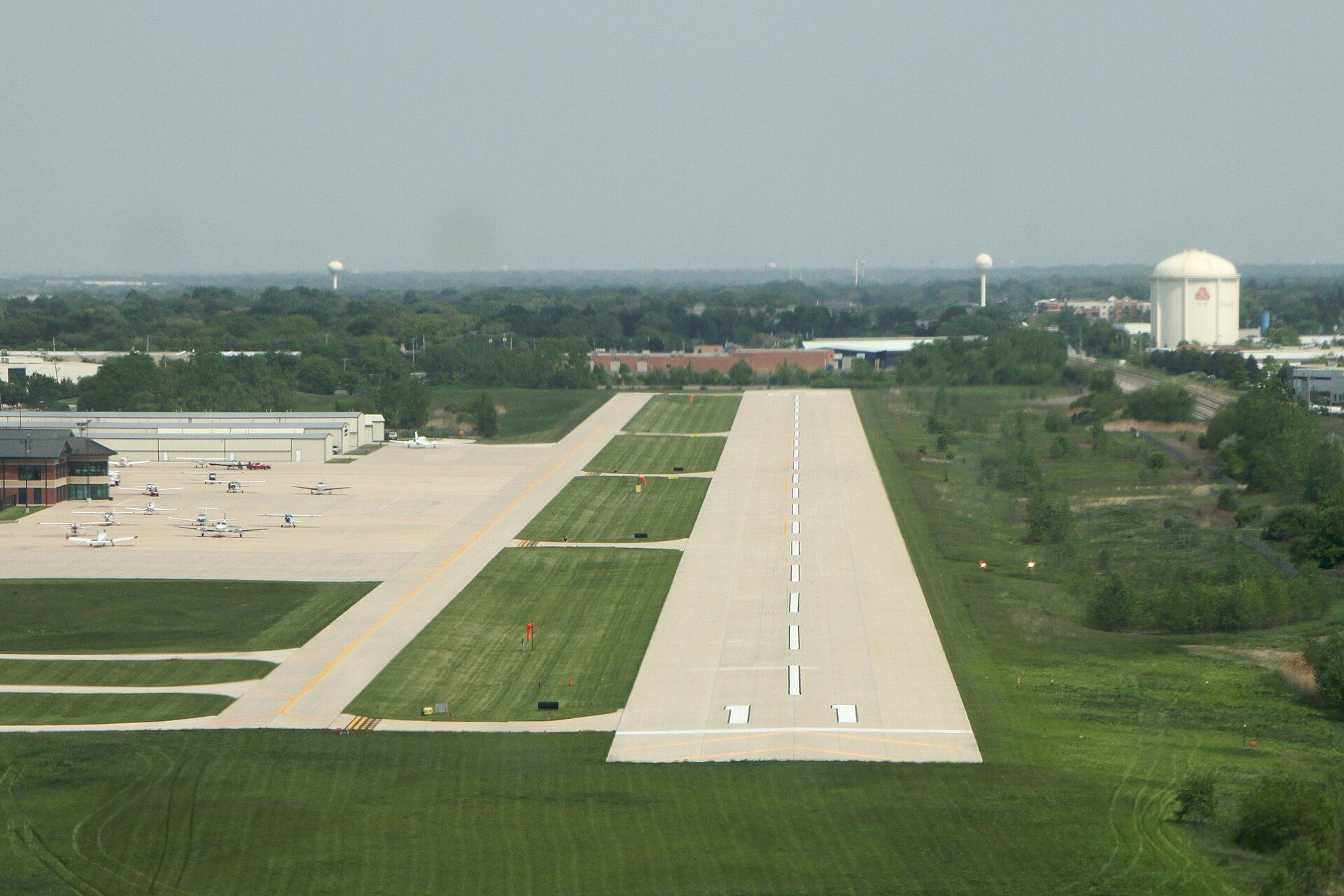
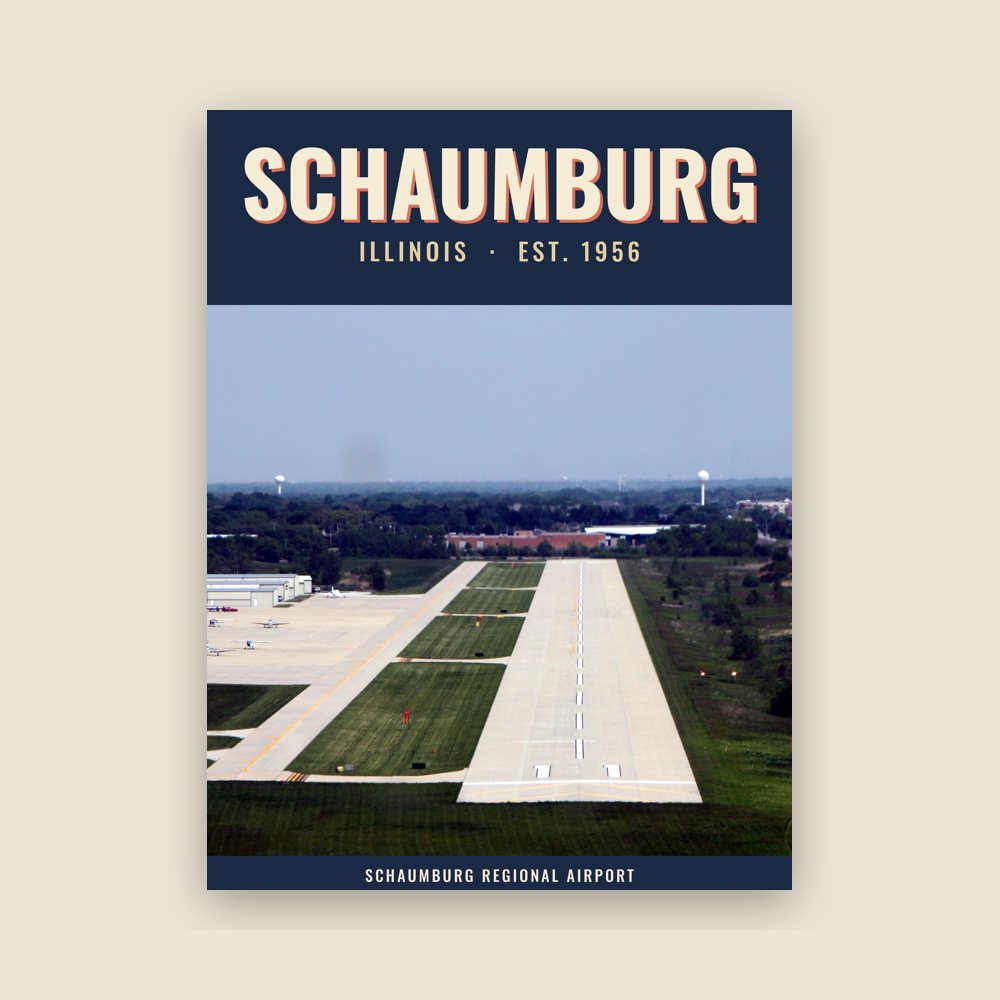
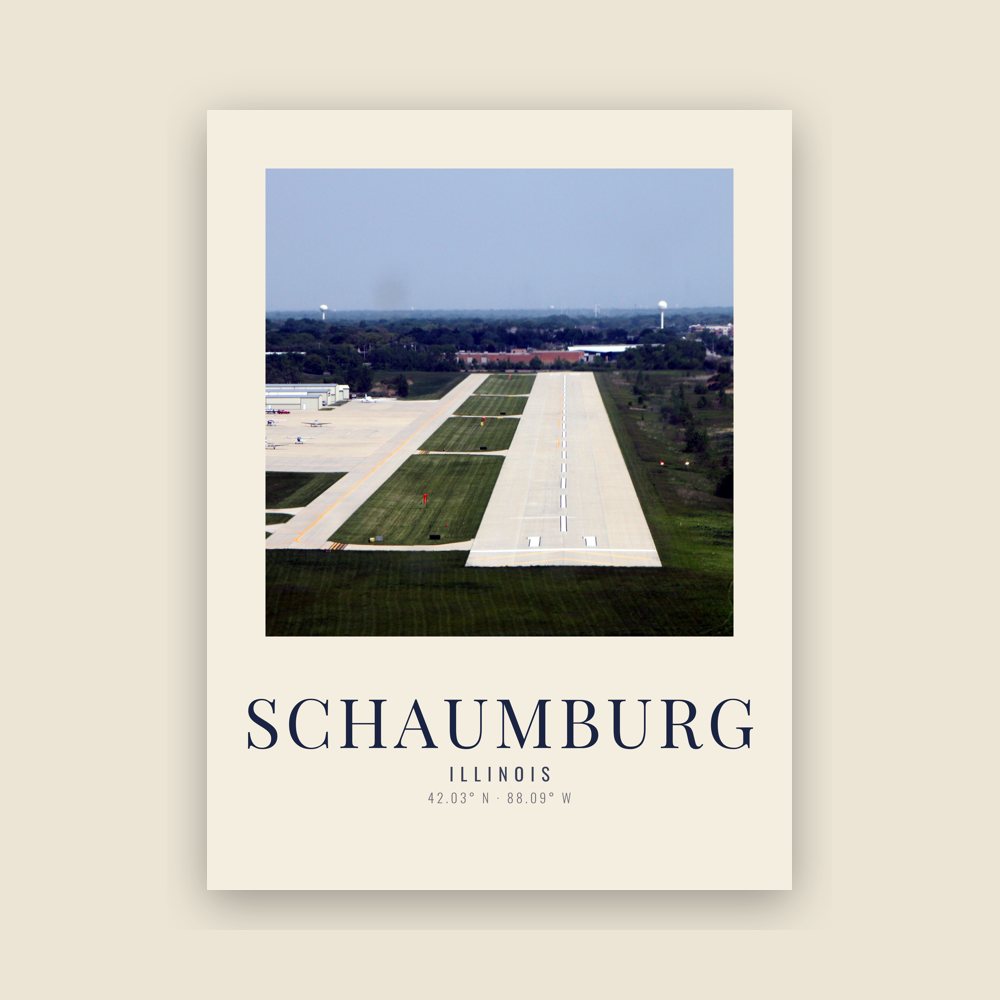
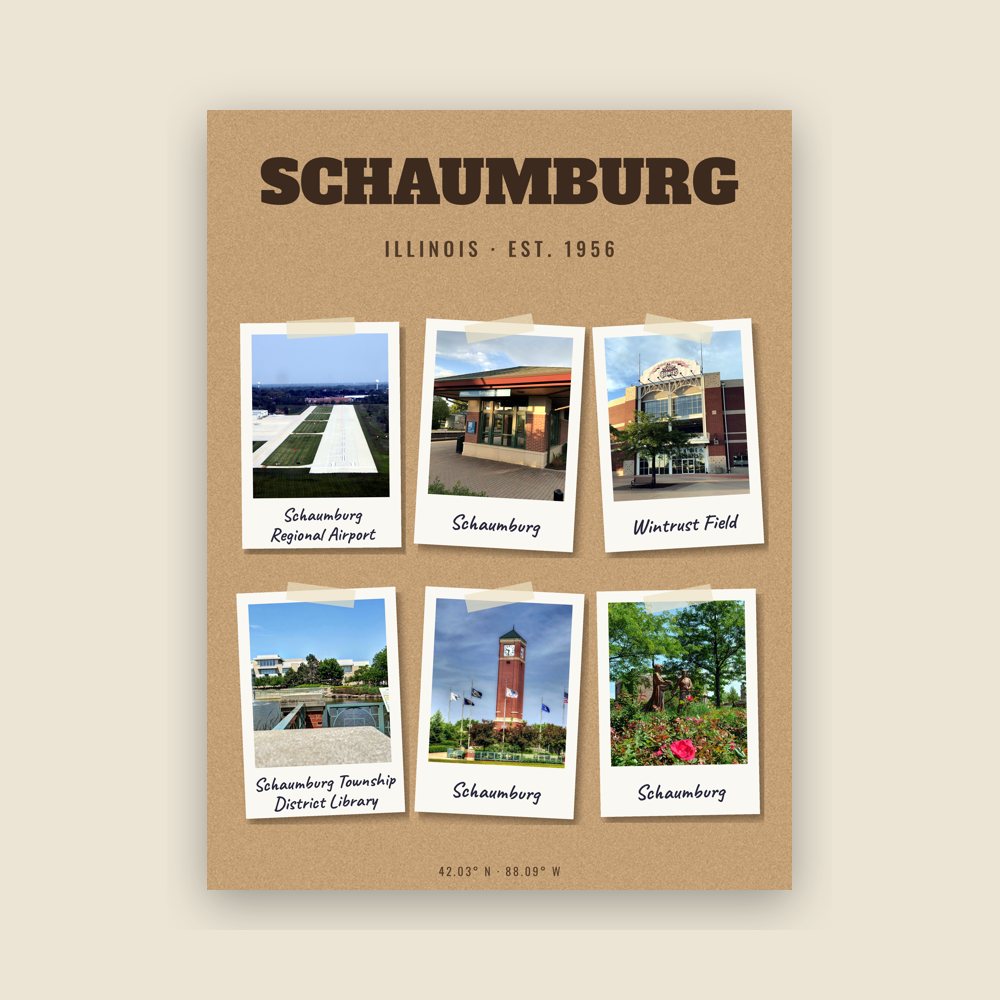
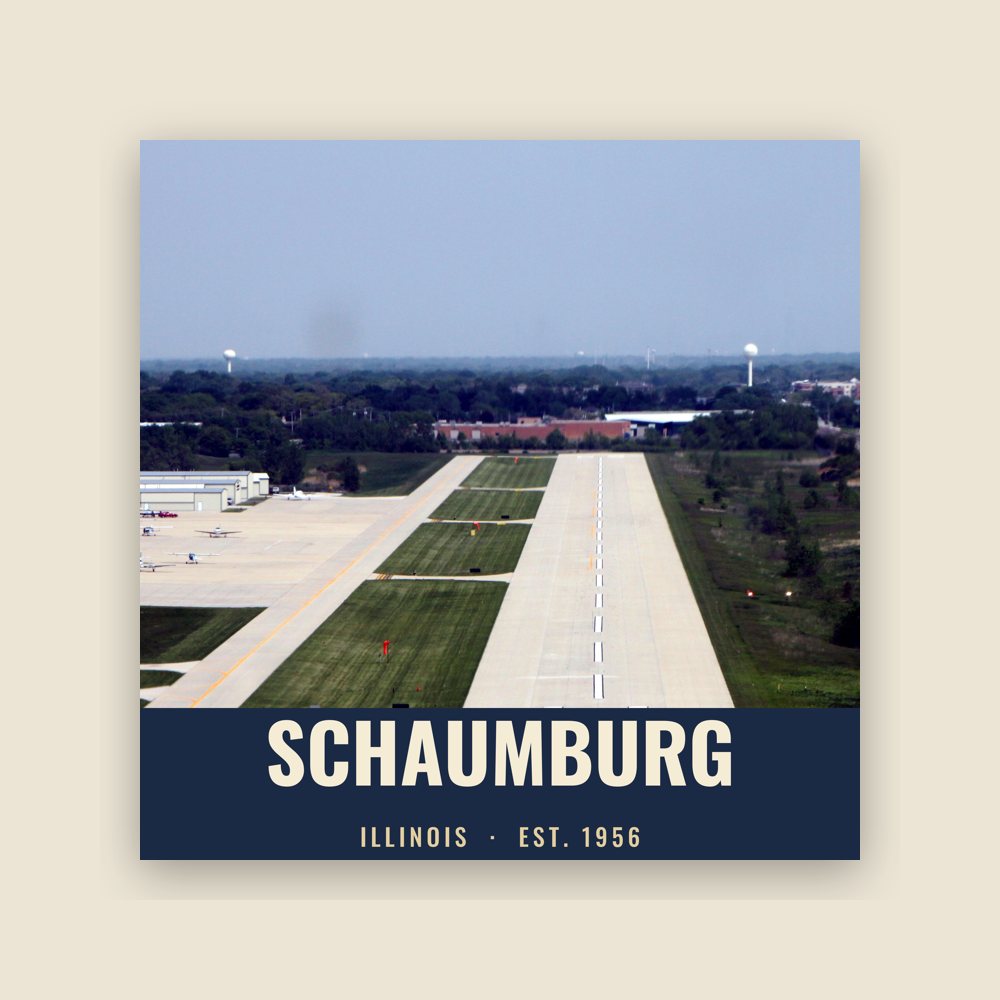
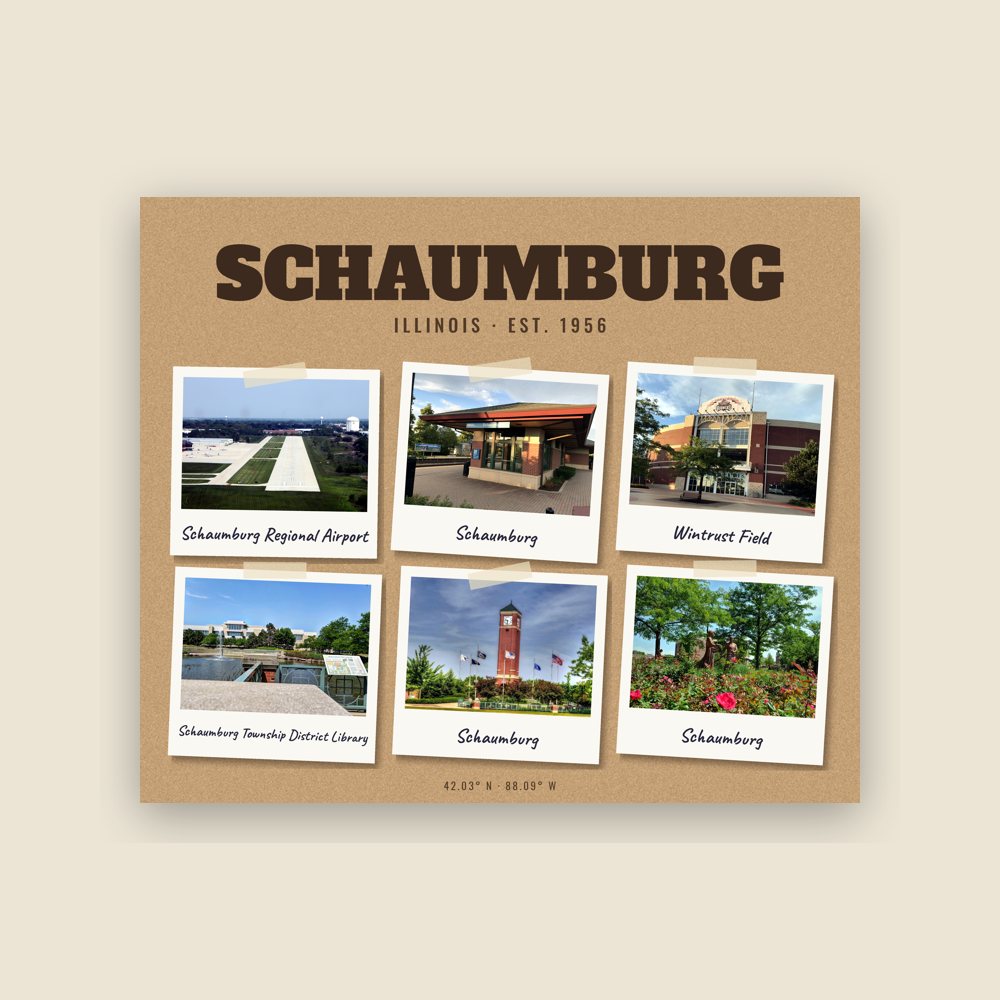
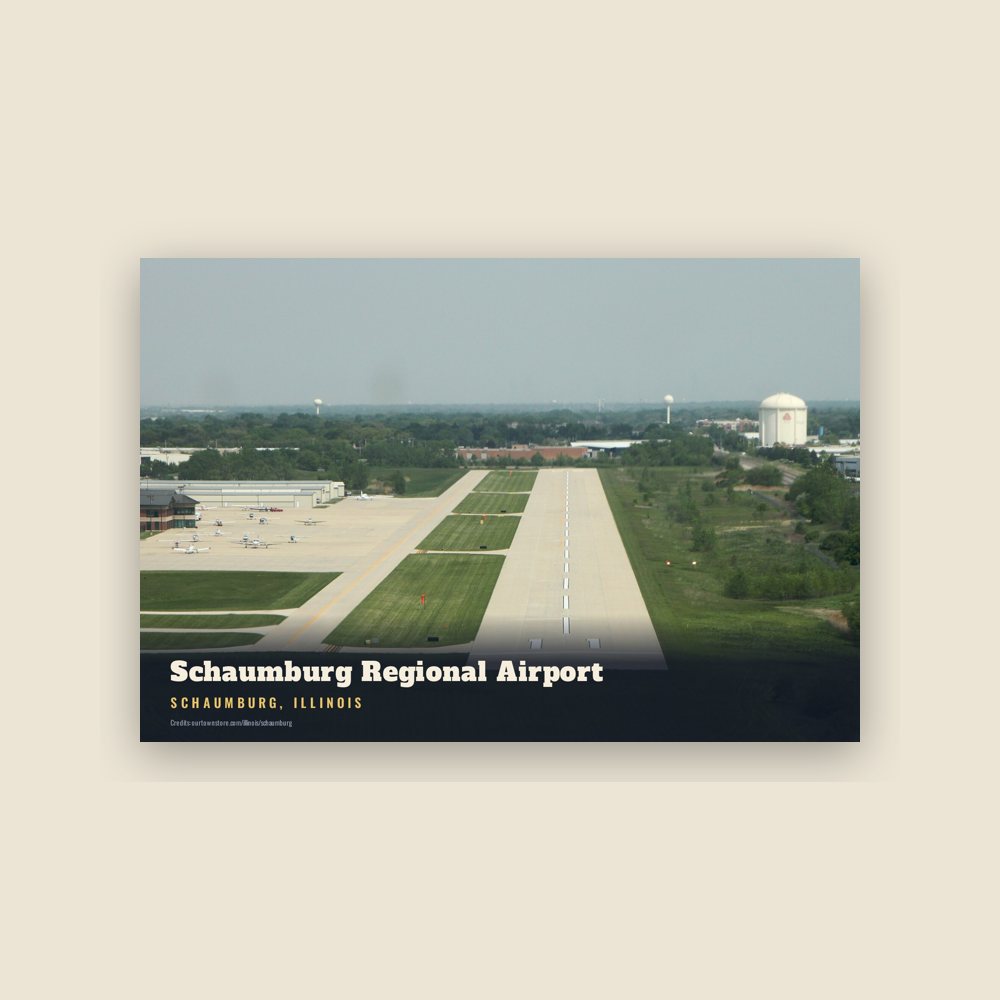
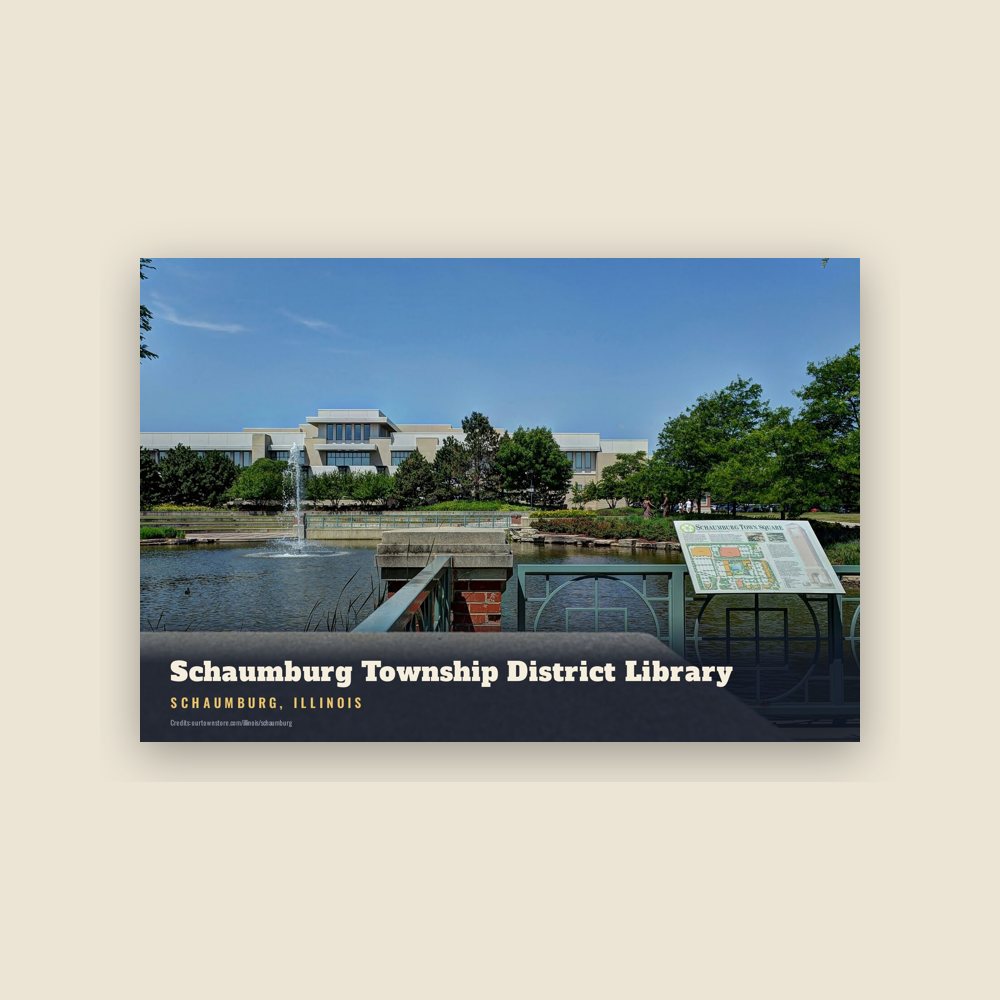
In 1994, the village acquired and renovated Schaumburg Regional Airport. The following year, it purchased the Town Square shopping center and began its redevelopment.
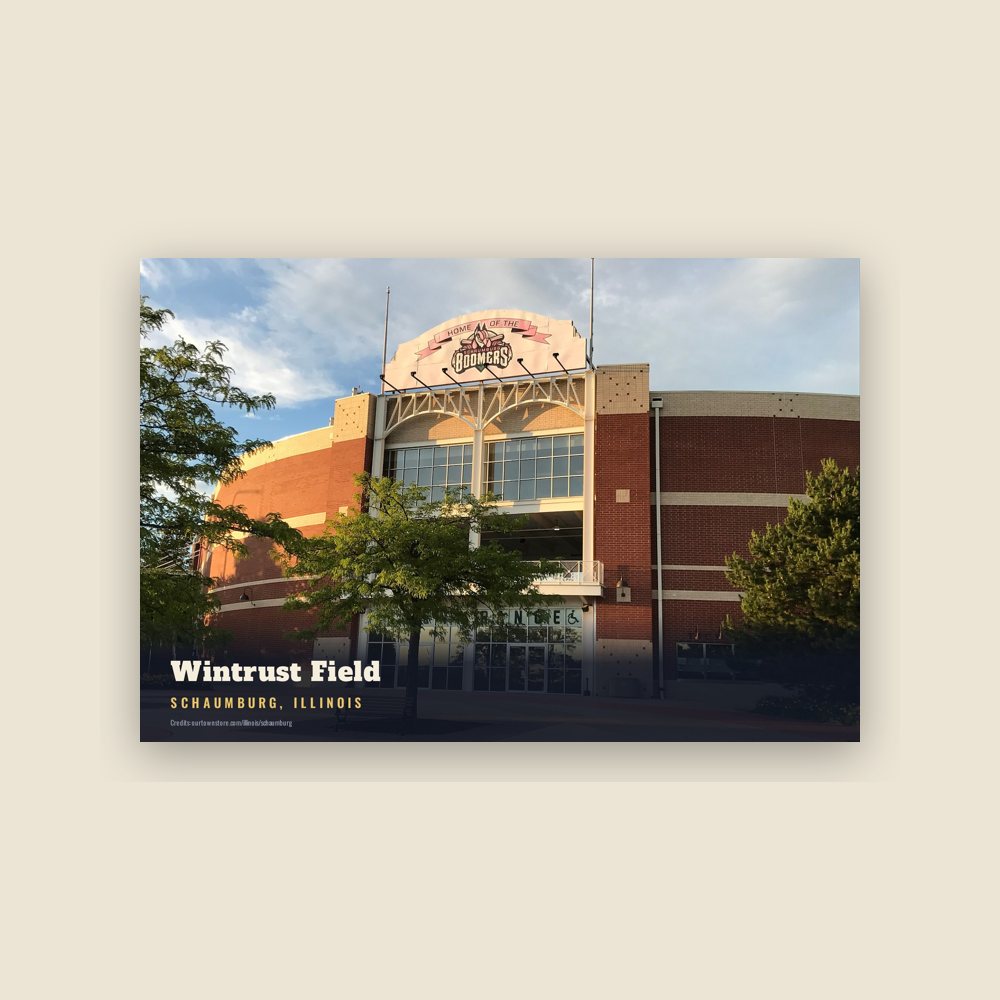
Professional baseball arrived in Schaumburg in 1999 with the construction of Alexian Field, home of the Schaumburg Flyers. The stadium later became home to the Schaumburg Boomers and was renamed Wintrust Field in 2021.
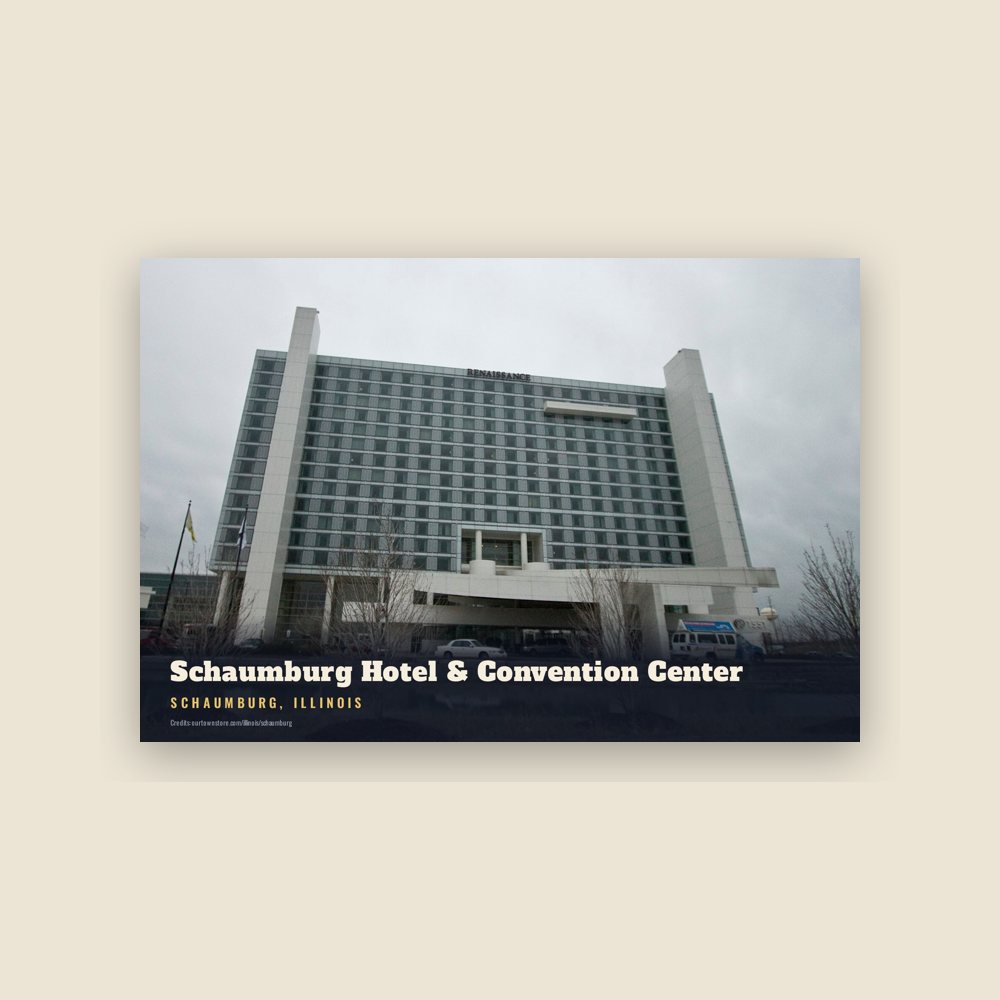
In 2000, the village purchased 45 acres (180,000 m2) next to a short, independent stretch of Meacham Road. This was developed into the Renaissance Schaumburg Hotel & Convention Center.
Adapted (trimmed) from the Wikipedia article Schaumburg, Illinois, revision 1381613916 by its contributors, licensed CC BY-SA 4.0.