A short history of Romeoville
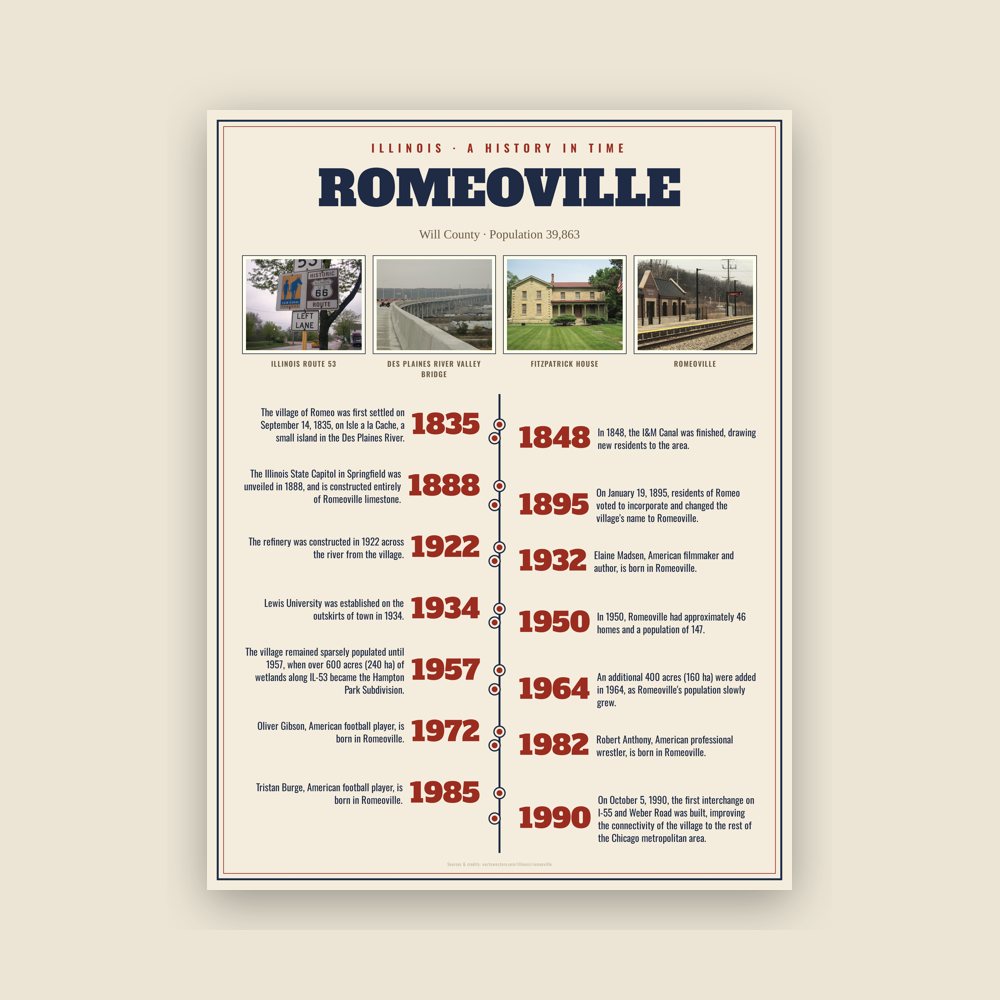
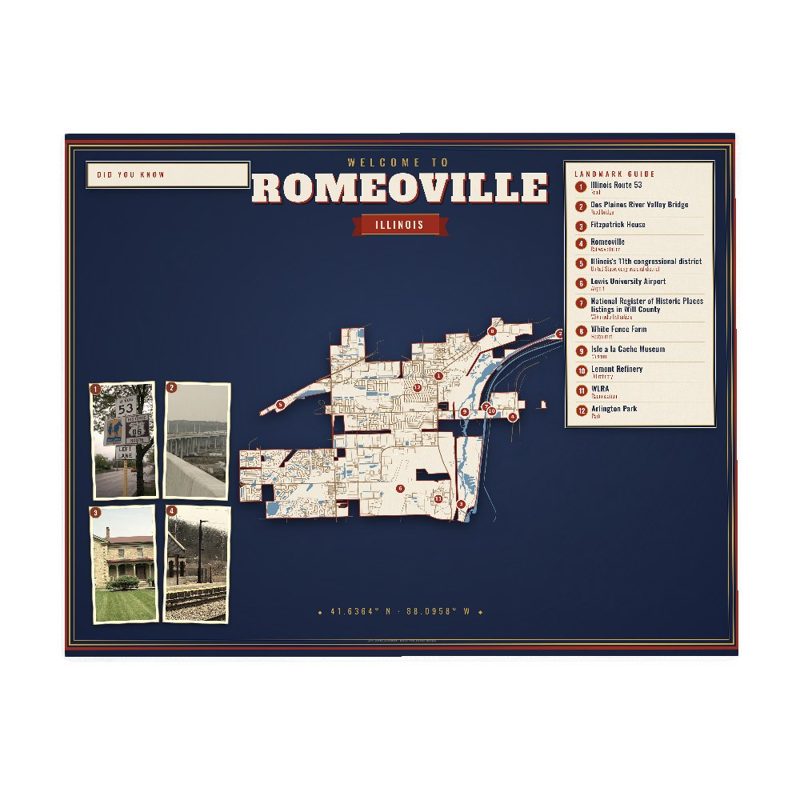
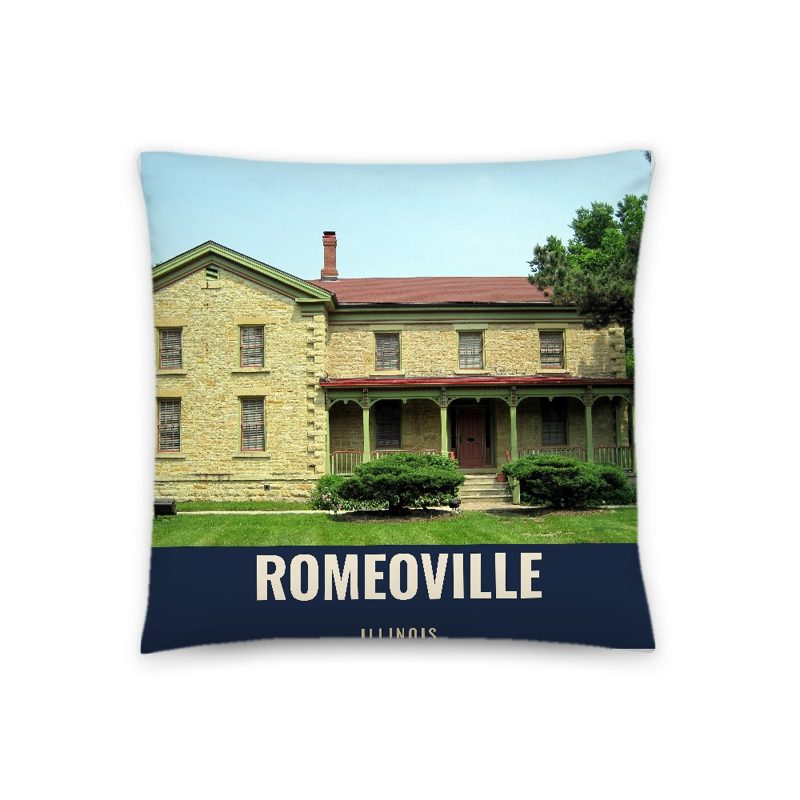
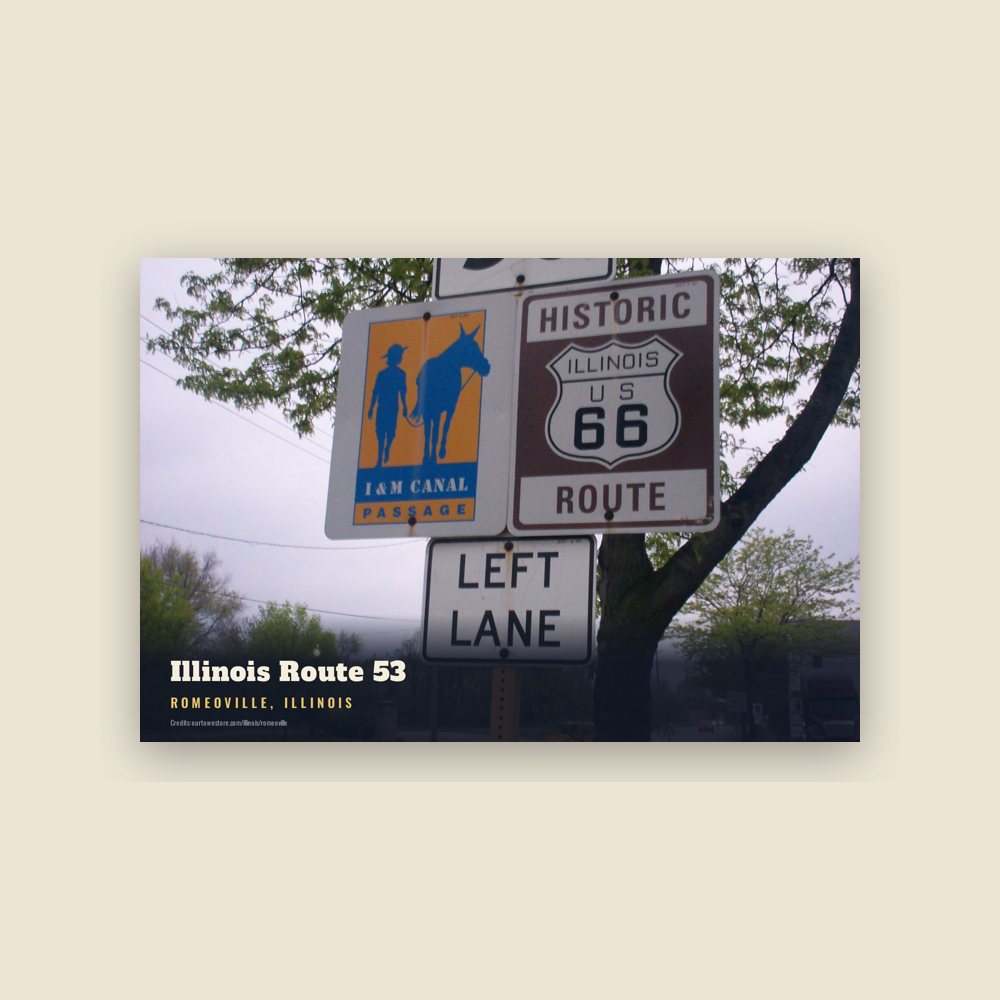
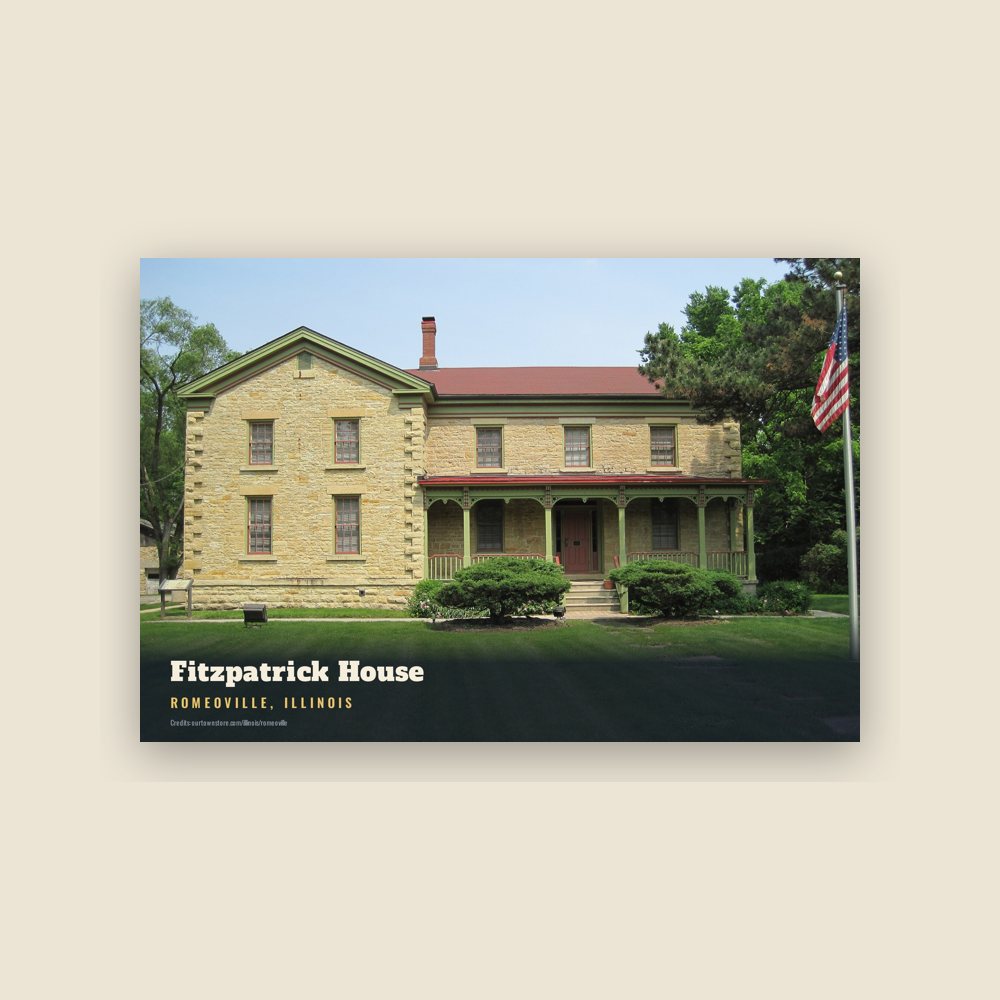
Romeoville was one of the last areas of Will County occupied by Native Americans. The village of Romeo was first settled on September 14, 1835, on Isle a la Cache, a small island in the Des Plaines River. Around this time, the first bridge was built to allow access to the island from the west bank of the river. In 1848, the I&M Canal was finished, drawing new residents to the area. On January 19, 1895, residents of Romeo voted to incorporate and changed the village's name to Romeoville. The community, along with nearby Joliet, became known as "Stone City" in reference to its prosperous limestone quarries. The Illinois State Capitol in Springfield was unveiled in 1888, and is constructed entirely of Romeoville limestone. Lewis University was established on the outskirts of town in 1934.
Romeoville is home to Citgo's Lemont Refinery. The refinery was constructed in 1922 across the river from the village. It was later the site of the 1984 Romeoville petroleum refinery disaster.
In 1950, Romeoville had approximately 46 homes and a population of 147. The village remained sparsely populated until 1957, when over 600 acres (240 ha) of wetlands along IL-53 became the Hampton Park Subdivision. An additional 400 acres (160 ha) were added in 1964, as Romeoville's population slowly grew. On October 5, 1990, the first interchange on I-55 and Weber Road was built, improving the connectivity of the village to the rest of the Chicago metropolitan area. Throughout the following decade, the area along Weber Road quickly became suburbanized as several new housing developments were completed. Romeoville was one of the fastest-growing communities in Illinois throughout the 1990s and 2000s. The population grew rapidly, and the village experienced an influx of over 25,000 new residents in two decades.
Adapted (trimmed) from the Wikipedia article Romeoville, Illinois, revision 1385401157 by its contributors, licensed CC BY-SA 4.0.