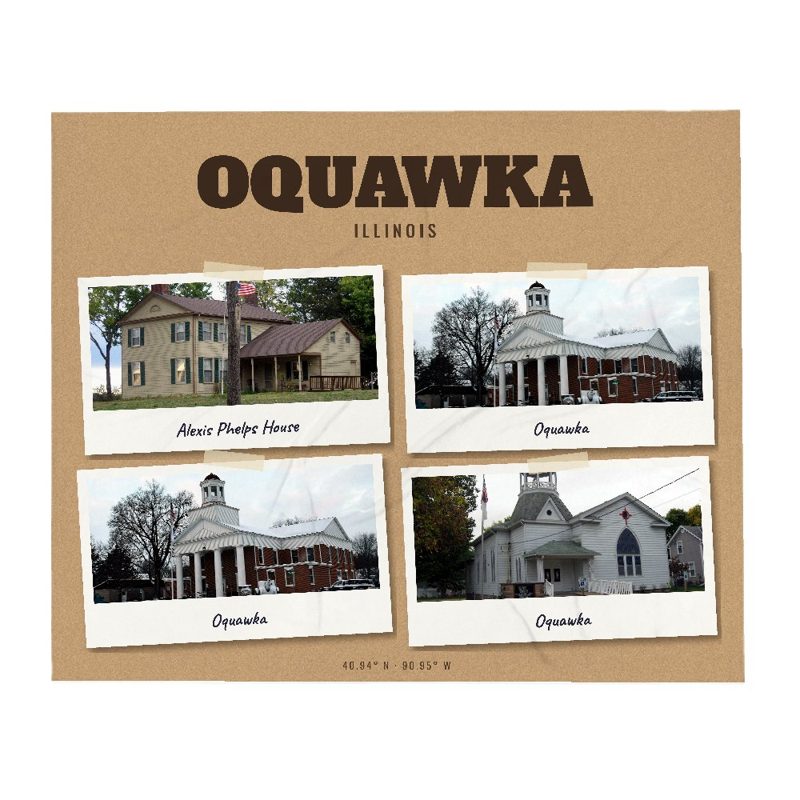
A short history of Oquawka
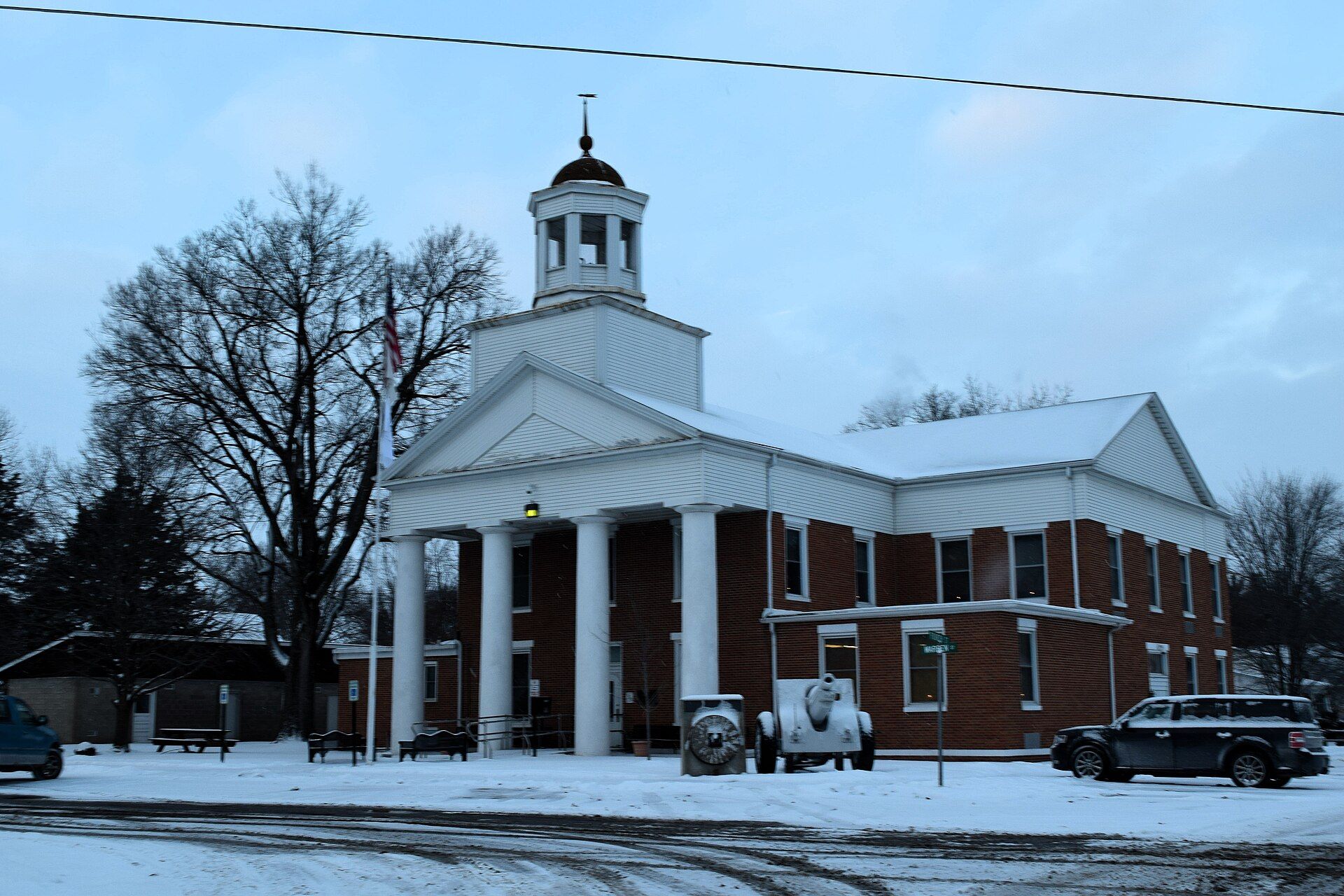
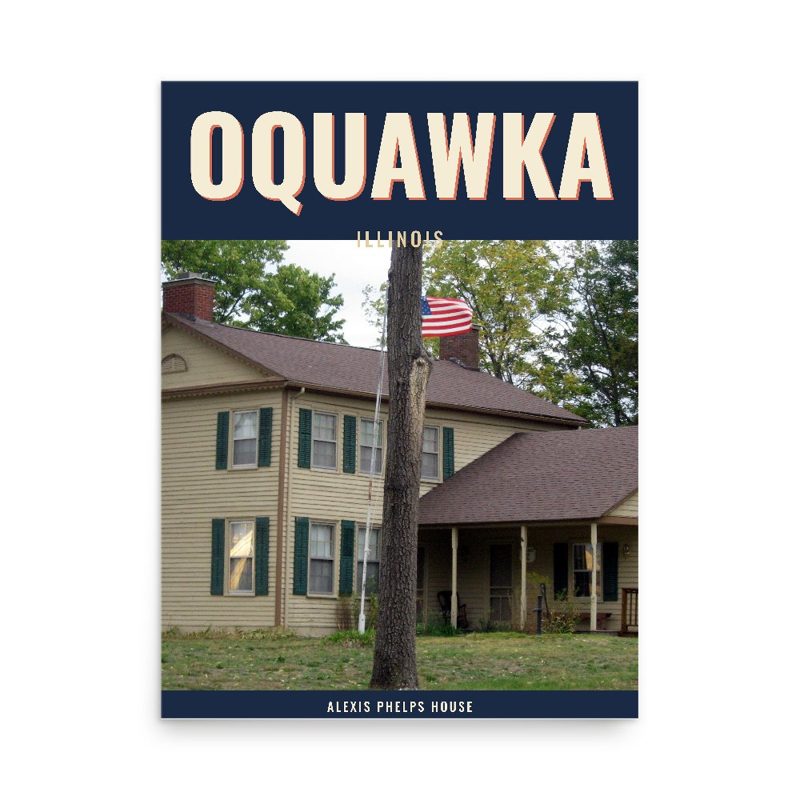
The Sauk and Meskwaki peoples once thrived on flatlands that gently fold into the Mississippi River. They called the area Oquawkiek, meaning “yellow banks.” White settlers arrived and kept the peace, thanks to Stephen S. Phelps, the founder of the village of Oquawka, who harbored respect for the native peoples. Phelps would befriend Abraham Lincoln, who was said to spend a lot of time visiting Oquawka. Here, long before his presidency, Lincoln supposedly met Jefferson Davis, then a faithful officer with the U.S. Army. In 1858, Lincoln made a stump speech here, as did his rival and another Phelps family friend, Stephen Douglas, the first circuit judge in this seat of Henderson County.
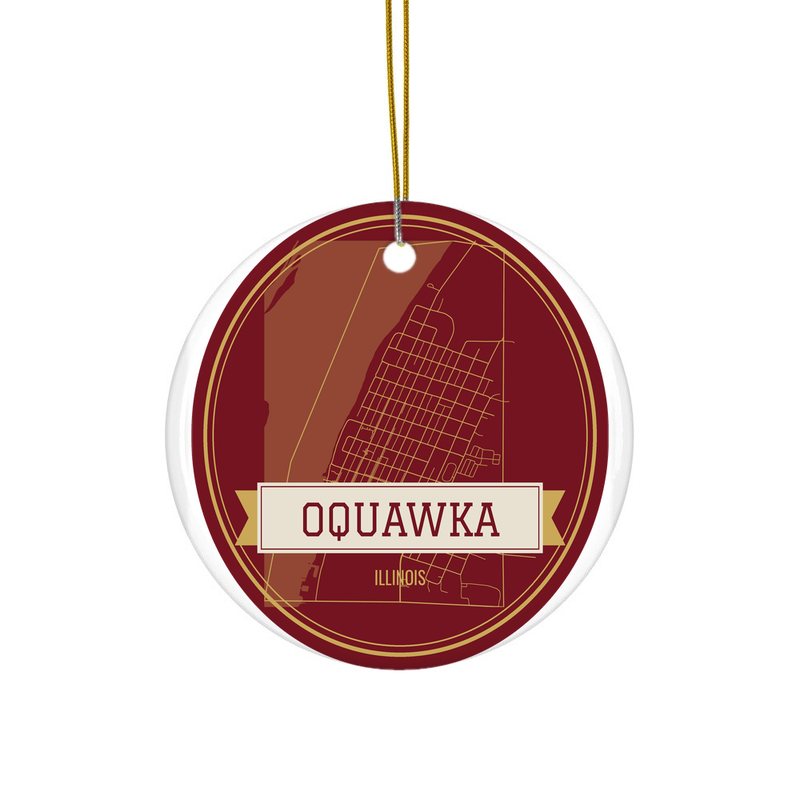
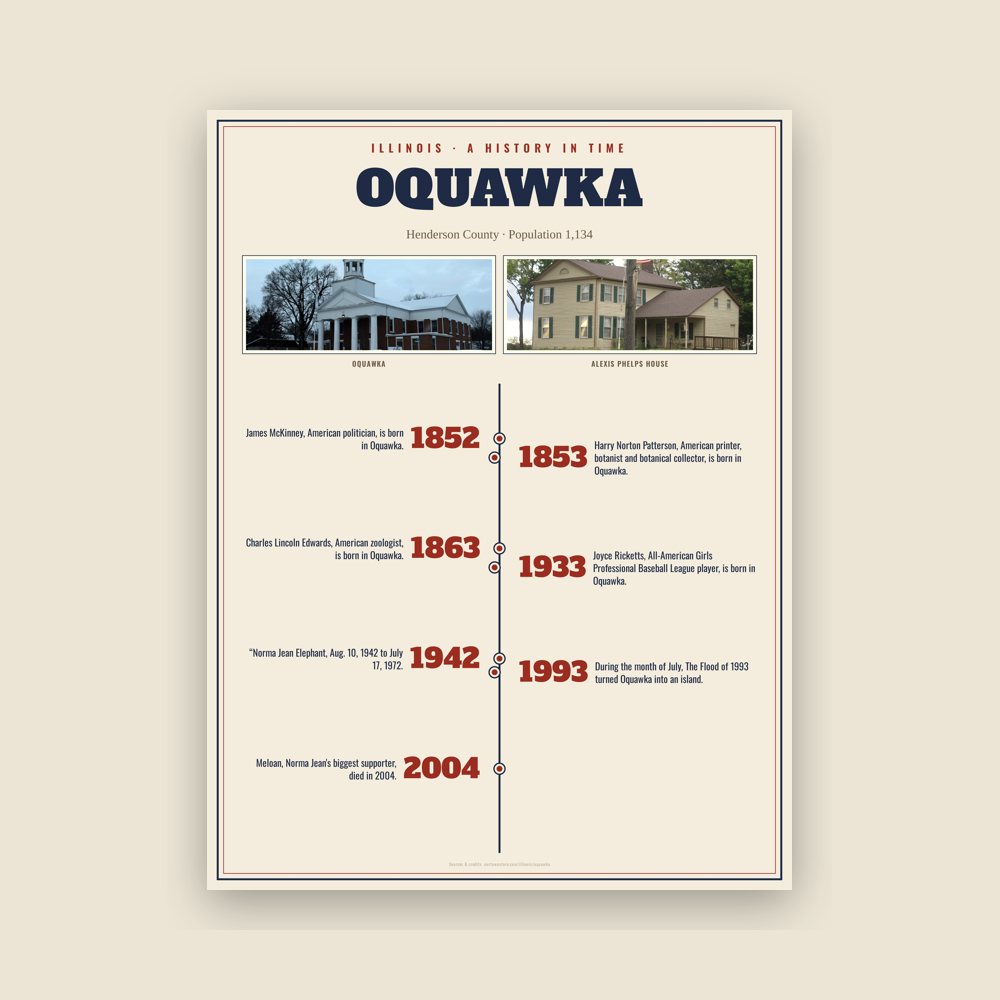
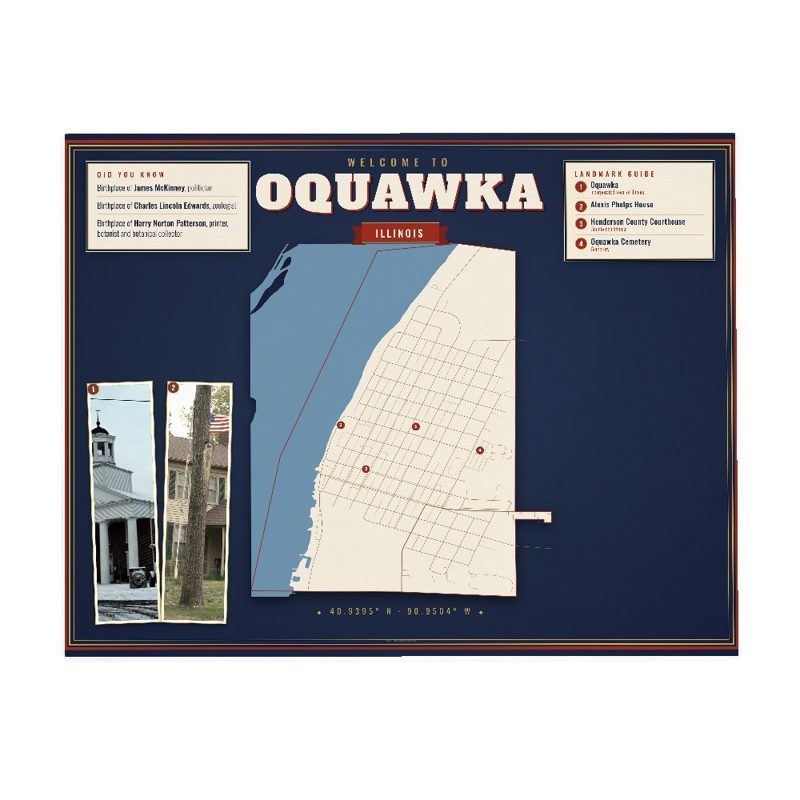
That period saw the peak of commerce in Oquawka, as a mill and shipping concern. Civic leaders saw great promise for growth, but—in a familiar story from the 19th century—that went to the wayside when railroads went elsewhere. Still, Oquawka survives well as a village, with 1,134 residents and a half-shuttered downtown that supports locals as well as visiting boaters. In fact, east-west Illinois Route 164 stops in—not at, but in—the river, where the pavement slopes into the waterway to accommodate boat trailers.
Read the full history
Norma Jean
On July 17, 1972, a circus was in town. The main attraction of the Clark & Walter Circus was a 29-year-old elephant named Norma Jean. History records little of her background, except that she was born in the U.S. She was an Asian elephant, which have smaller ears and bodies than the African variety, and weighed 6,500 pounds (2,900 kg).
As nightfall approached, head elephant caretaker "Possum Red" tethered Norma Jean to a tree at the village park in the center of town, using a metal chain. Not long after, in rolled storm clouds. A bolt of lightning ripped through the sky and found Norma Jean's tree—the only one in the park. The voltage fired through the tree, along the metal chain, and into Norma Jean. Possum Red, who was still on the scene, was thrown 30 feet (10 m) by the electrical blast. Norma Jean thudded to the ground, lifeless. Possum Red and the rest of the circus scurried out of town. The following year, without its lone elephant—uninsured and worth the then-princely sum of $10,000—the circus folded.
“Norma Jean Elephant, Aug. 10, 1942 to July 17, 1972. This memorial is dedicated in memory of an elephant named Norma Jean, who was killed by lightning at this location and lies buried here.”
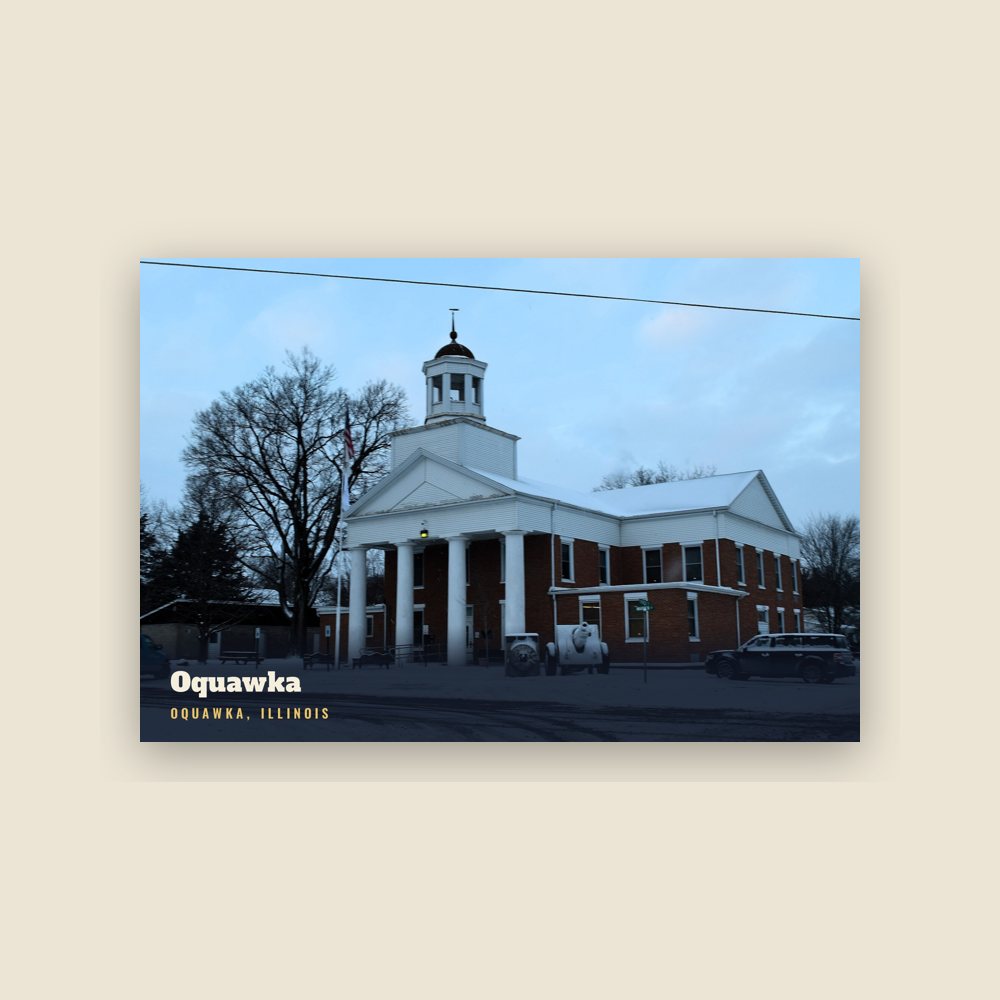
When they finished they invited hundreds of well-wishers to the dedication. They even rented a baby elephant to carry a wreath in its trunk to lay at the marker. Meloan became something of a sideshow barker for Norma Jean. He printed professional postcards of the memorial, selling them in Oquawka and beyond to drum up tourism. When reporters came calling, he'd gush over the lore of Norma Jean.
John Behnke, a graduate student from Southern Illinois University's cinema program, filmed a 15-minute documentary on the marker, which later appeared on the television network Showtime. By the mid-1990s, the site averaged two visitors a day. Tourism would get a boost when Oquawka would host a yearly fest to honor Norma Jean, with an elephant walk, white elephant sale and a bake sale featuring "elephant ears".
Meloan, Norma Jean's biggest supporter, died in 2004. Norma Jean has gone from a headline to a footnote. Hardly anyone stops by the grave anymore. A few years ago, unknown vandals destroyed the original elephant atop the memorial. The village got a replacement, but locals otherwise no longer pay much notice to the grave.
Adapted (trimmed) from the Wikipedia article Oquawka, Illinois, revision 1374783247 by its contributors, licensed CC BY-SA 4.0.