A short history of Oak Park
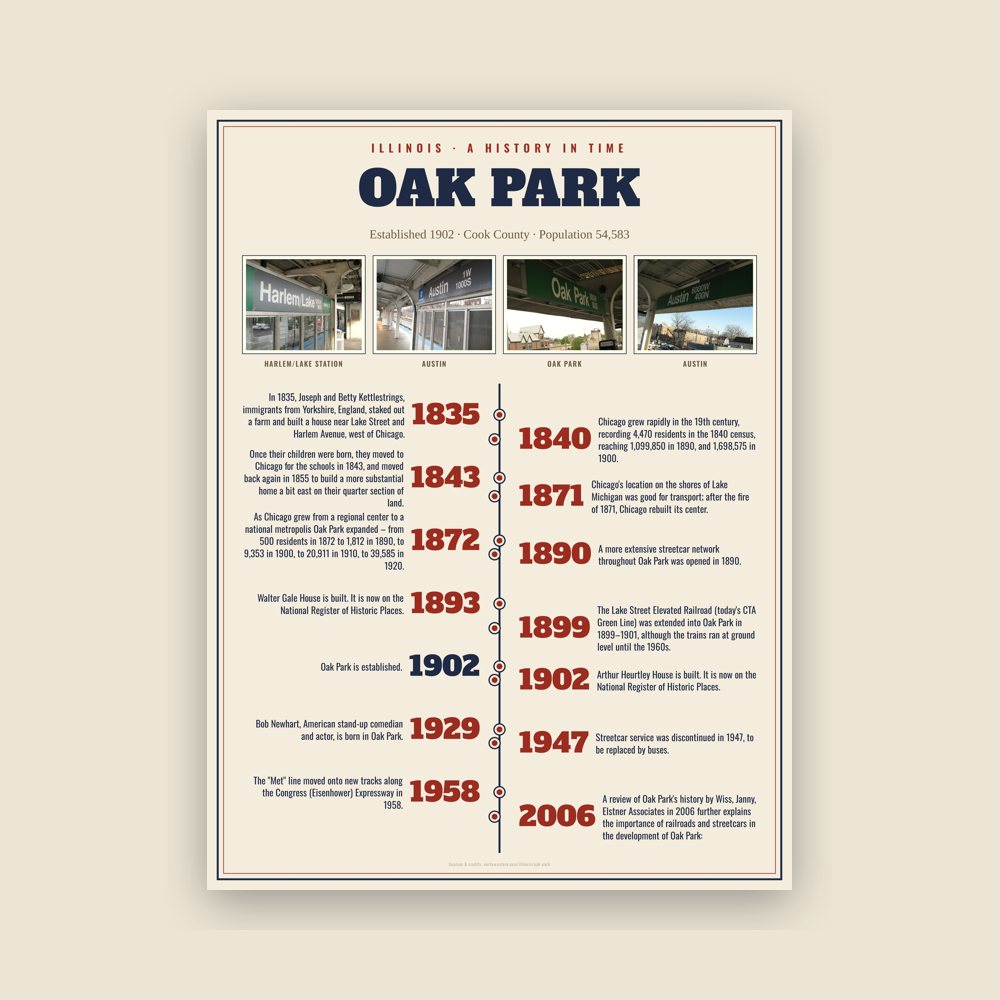
In 1835, Joseph and Betty Kettlestrings, immigrants from Yorkshire, England, staked out a farm and built a house near Lake Street and Harlem Avenue, west of Chicago. Once their children were born, they moved to Chicago for the schools in 1843, and moved back again in 1855 to build a more substantial home a bit east on their quarter section of land. More farmers and settlers had entered the area. Their land was called by several names locally, including Oak Ridge, Harlem, and Kettlestrings Grove. When the first post office was set up, it could not use the name Oak Ridge, as another post office was using that name in Illinois, so the post office chose Oak Park, and that name became the name for the settlement as it grew, and for the town when it incorporated in 1902.
By 1850, the Galena and Chicago Union Railroad (after that, the Chicago & Northwestern and now Union Pacific) was constructed as far as Elgin, Illinois, and passed through the settlement area. In the 1850s the land on which Oak Park sits was part of the new Chicago suburb, the town of Cicero. The population of the area boomed during the 1870s, with Chicago residents resettling in Cicero following the Great Chicago Fire of 1871 and the expansion of railroads and streetcars to the area. "In 1872, when Oak Park received its own railroad depot on the Chicago and Northwestern Railway, its rapid emergence as a residential suburb of Chicago began. In 1877, the railroad was running thirty-nine trains daily between Oak Park and Chicago; in the subsequent year, more railroads and streetcar lines, with increased service, came to link Oak Park and Chicago. As Chicago grew from a regional center to a national metropolis Oak Park expanded – from 500 residents in 1872 to 1,812 in 1890, to 9,353 in 1900, to 20,911 in 1910, to 39,585 in 1920. Oak Park thus emerged as a leading Chicago suburb."
As suburban residential development continued in the 1880s and 1890s, streetcars and elevated trains supplemented the original main line steam railroads to connect Oak Park commuters to jobs in downtown Chicago. One of the first streetcar lines was the Chicago, Harlem, & Batavia "dummy" line, which ran approximately along the present-day route of the Eisenhower Expressway. The "dummy" trains used a miniature steam locomotive with a false cladding designed to conceal most of the moving parts and avoid startling horses. This line first began operation in 1881, but did not provide direct commuter service to downtown Chicago until June 1888. A more extensive streetcar network throughout Oak Park was opened in 1890. In the future village of Oak Park, this system ran east-west on Madison Street and Lake Street, with a north-south connection on Harlem Avenue. Streetcar service was discontinued in 1947, to be replaced by buses.
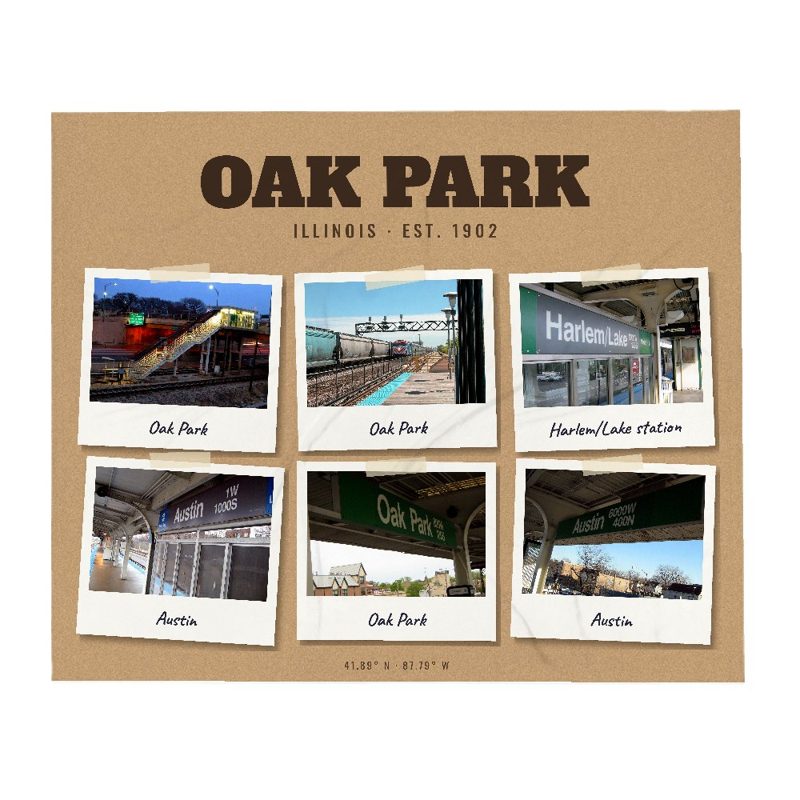
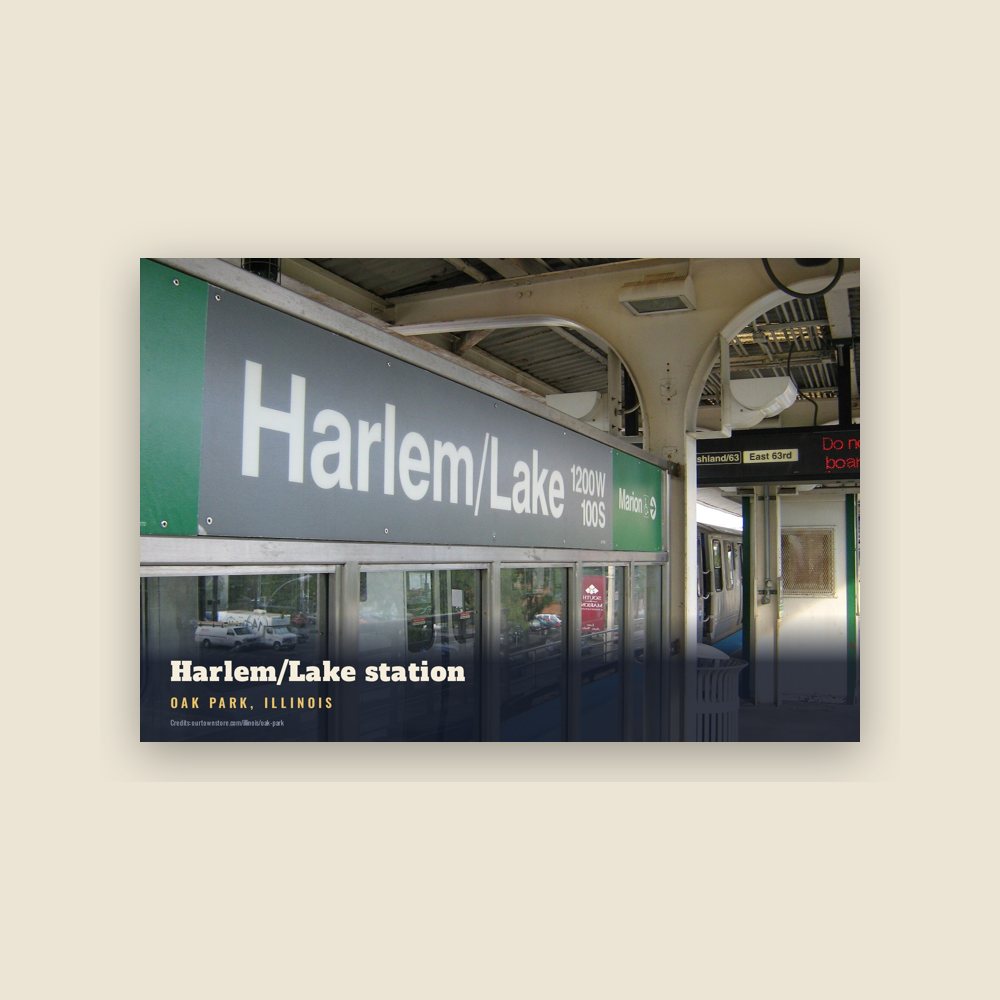
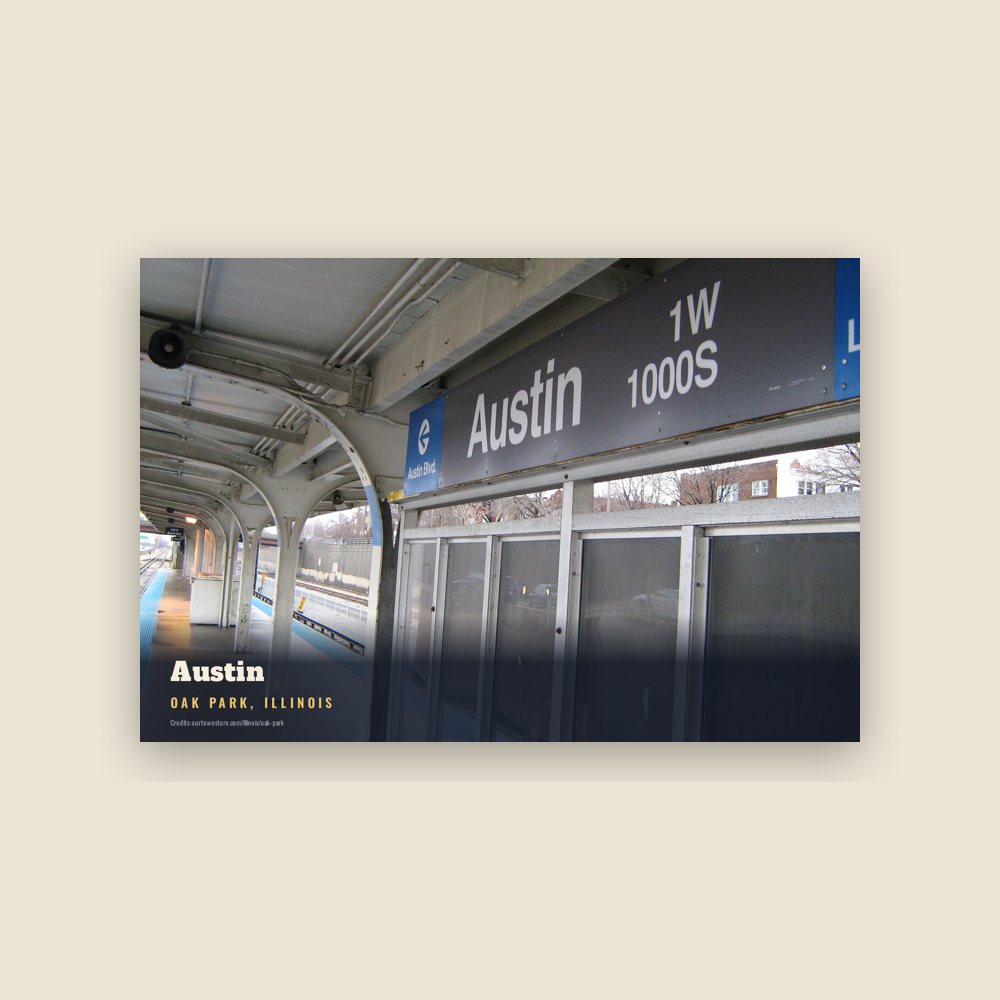
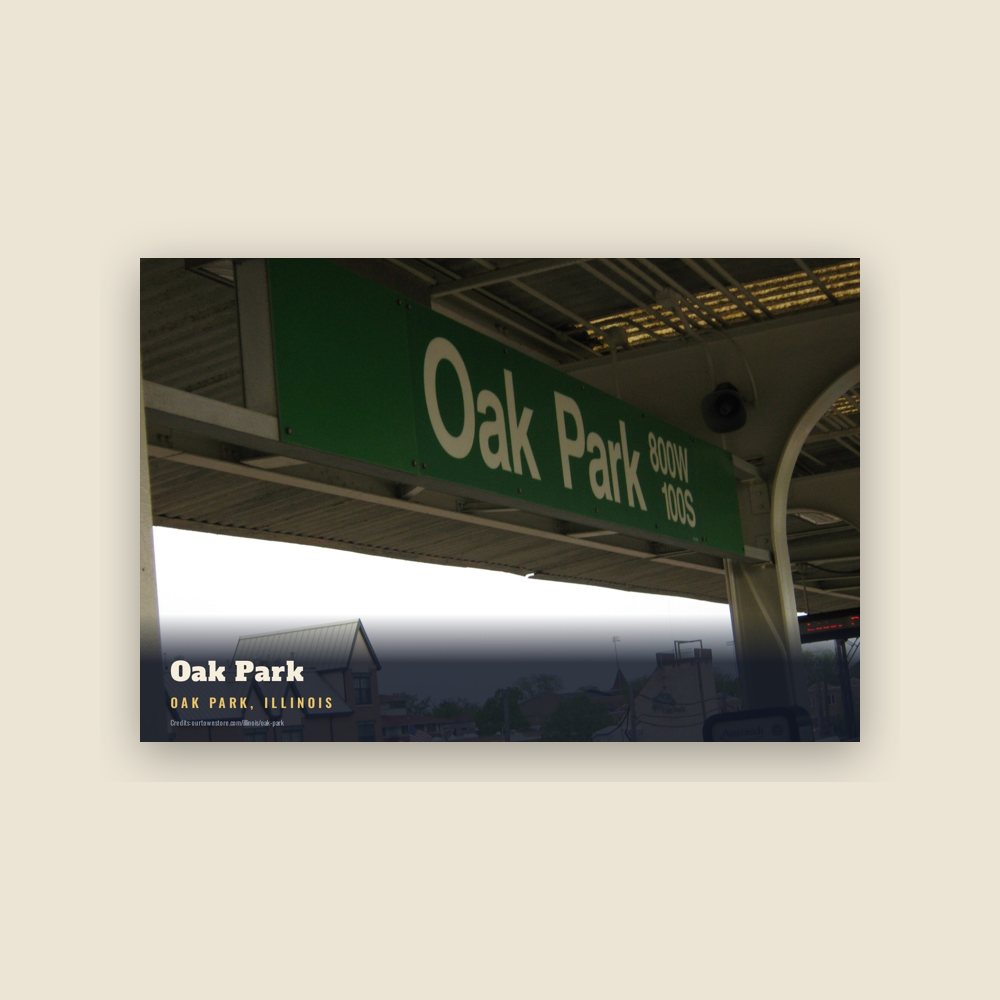
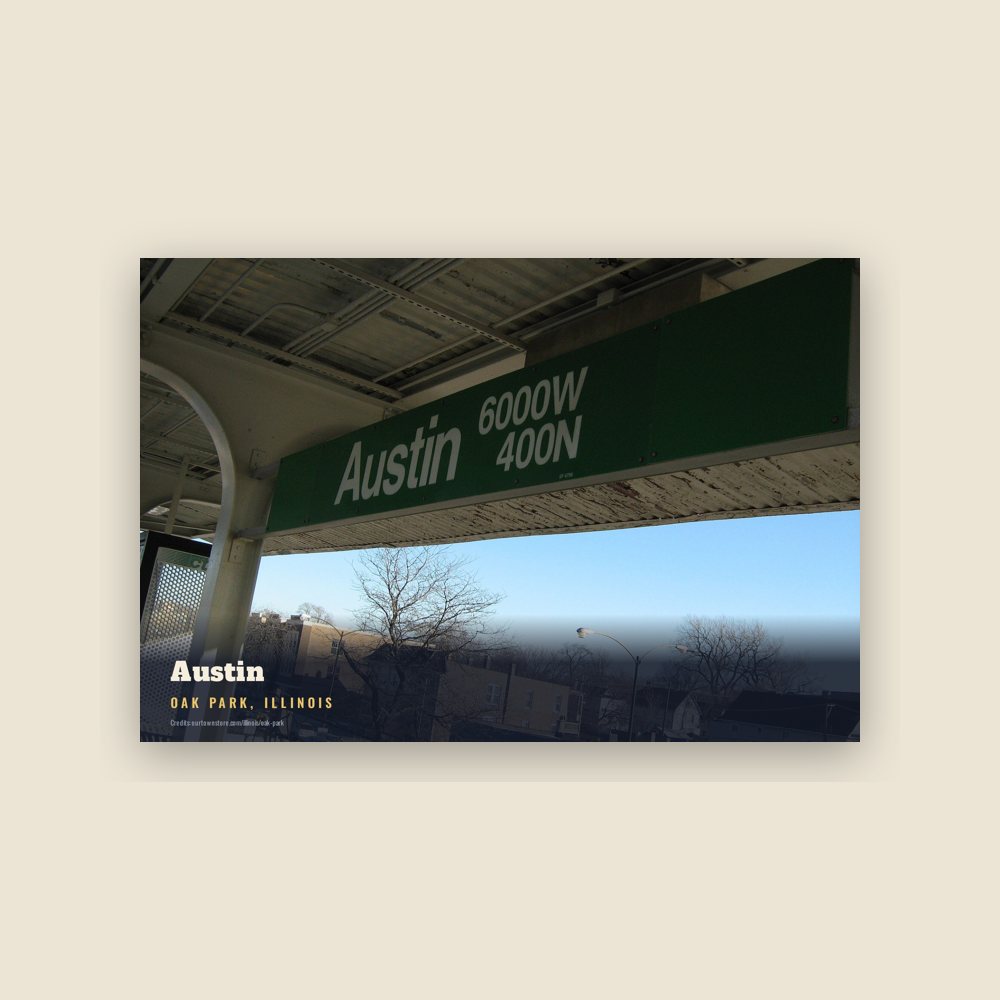
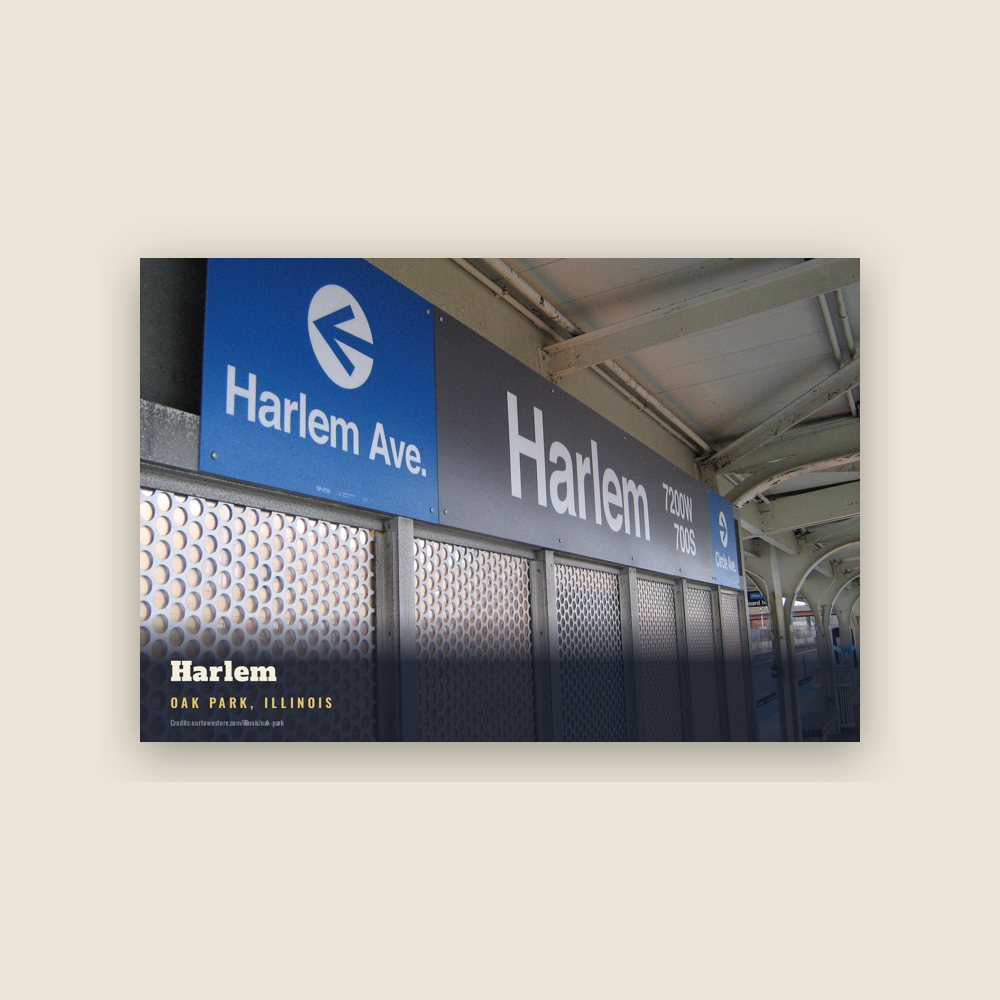
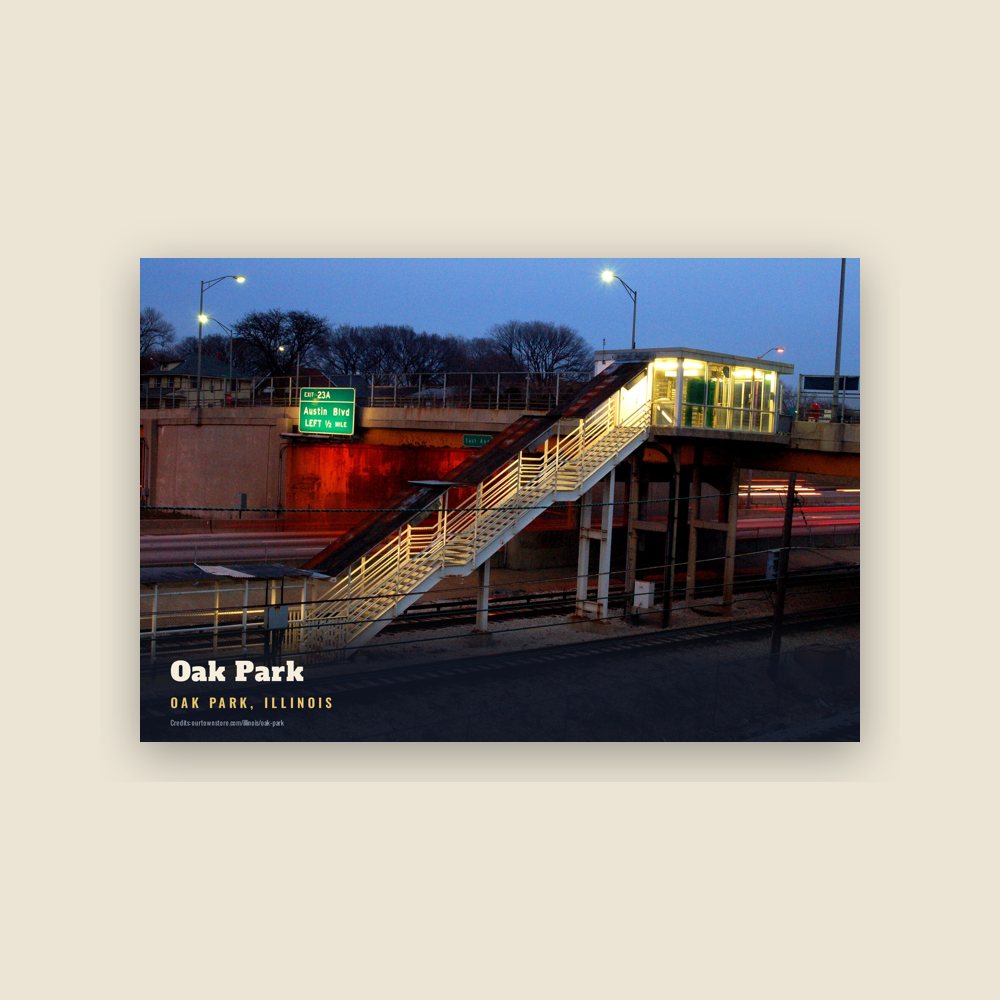
The Lake Street Elevated Railroad (today's CTA Green Line) was extended into Oak Park in 1899–1901, although the trains ran at ground level until the 1960s. The Metropolitan West Side Elevated Railroad (today's CTA Blue Line) was extended into Oak Park in 1905, providing local service over tracks originally placed by the Chicago Aurora & Elgin electric interurban train. The "Met" line moved onto new tracks along the Congress (Eisenhower) Expressway in 1958.
The Village of Oak Park was formally established in 1902, disengaging from Cicero following a referendum. According to the local historical society, "The period 1892–1950 saw the construction of almost all of the housing stock in Oak Park, and most of the village's current buildings." The village population grew quickly, and "by 1930, the village had a population of 64,000, even larger than the current population," while cherishing a reputation as the "World's Largest Village". Chicago grew rapidly in the 19th century, recording 4,470 residents in the 1840 census, reaching 1,099,850 in 1890, and 1,698,575 in 1900. Chicago surpassed Philadelphia to be the second-largest US city, and in that year, the fifth-largest in the world. Chicago's location on the shores of Lake Michigan was good for transport; after the fire of 1871, Chicago rebuilt its center. Oak Park grew along with its neighbor to the east, having location and railroad and streetcar connections in its favor.
After World War II, Oak Park was affected by larger developmental trends in the Chicago Metropolitan area. The construction of the Eisenhower Expressway cut through the southern portion of the Village in the mid-1950s. Starting in the 1960s and 1970s, Oak Park has made a conscious effort to accommodate changing demographics and social pressures while maintaining the suburban character that has long made the Village a desirable residential location. Beginning in the 1960s, Oak Park faced the issue of racial integration with effective programs to maintain the character and stability of the Village, while encouraging integration on racial basis. This included passage of The Open Housing Ordinance in 1968 which has helped maintain the ethnically diverse population seen in the village still today.
Oak Park has a history of alcohol prohibition. When the village was incorporated, no alcohol was allowed to be sold within its village limits. This law was relaxed in 1973, when restaurants and hotels were allowed to serve alcohol with meals, and was further loosened in 2002, when select grocery stores received governmental permission to sell packaged liquor. Today, alcohol, such as beer and wine, is easily accessible, with many bars and cocktail lounges around the village.
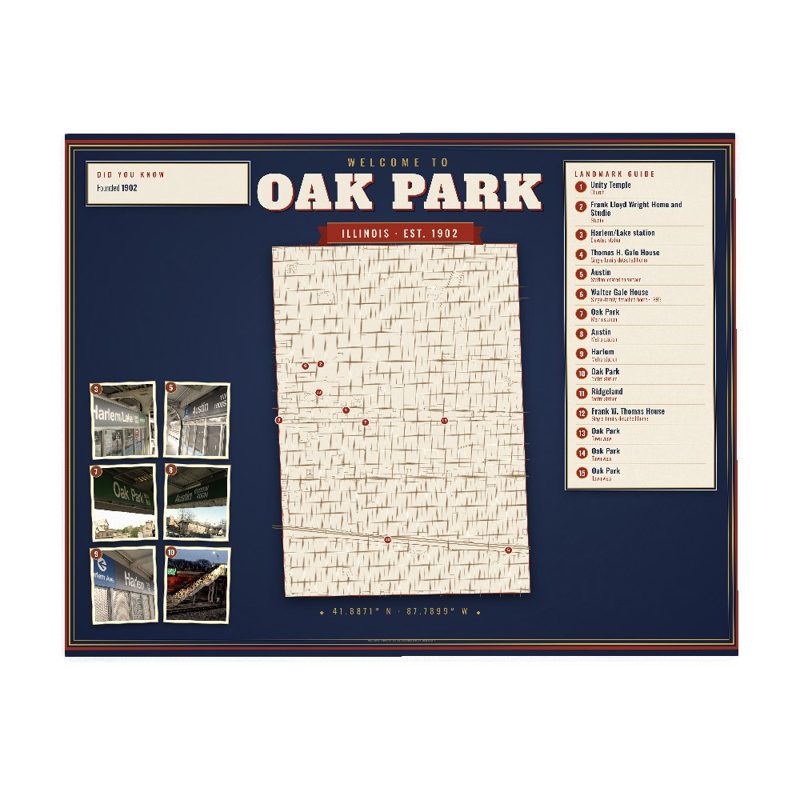
In 1889, Frank Lloyd Wright and his wife Catherine Tobin settled in Oak Park. He built many homes and the Unity Temple, his own church, in the village, before he left in 1911 to settle in Wisconsin. Oak Park attracts architecture buffs and others to view the many Wright-designed homes found in the village, alongside homes reflecting other architectural styles. The largest collection of Wright-designed residential properties in the world is in Oak Park. A distinct focus on historic preservation of important architectural styles began in the 1970s and continues, with many buildings marked as historically significant, and so far, three historic districts defined. Other attractions include Ernest Hemingway's birthplace home and his boyhood home, the Ernest Hemingway Museum, the three Oak Park homes of writer and Tarzan creator Edgar Rice Burroughs, Wright's Unity Temple, Pleasant Home, and the Oak Park-River Forest Historical Society.
Adapted (trimmed) from the Wikipedia article Oak Park, Illinois, revision 1378887971 by its contributors, licensed CC BY-SA 4.0.