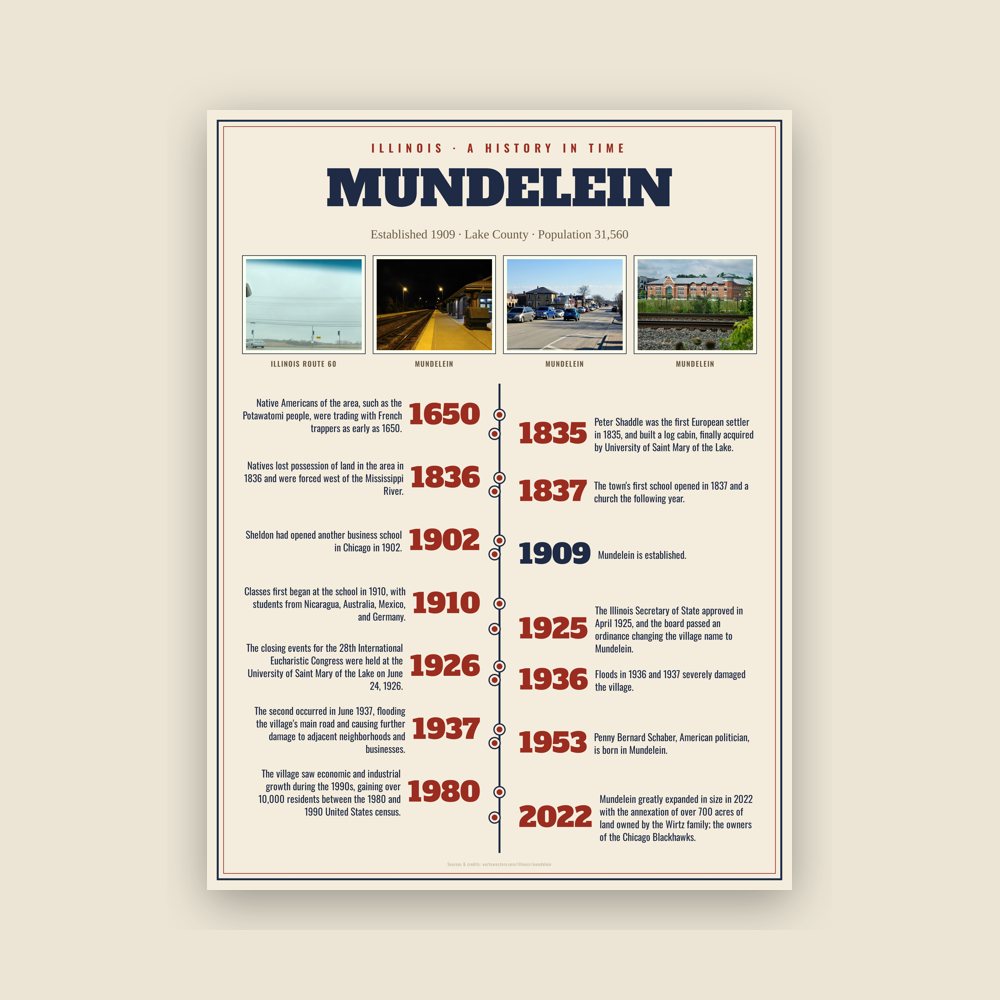
Native Americans of the area, such as the Potawatomi people, were trading with French trappers as early as 1650. The Potwatomi had settled on a camp on the south end of Diamond Lake. Natives lost possession of land in the area in 1836 and were forced west of the Mississippi River. Peter Shaddle was the first European settler in 1835, and built a log cabin, finally acquired by University of Saint Mary of the Lake. Shaddle sold his claim to settlers from New York.
Later settlers from England named the town "Mechanics Grove", due to the settler's occupations of millwrights, wheelwrights and carpenters. The town's first school opened in 1837 and a church the following year.
The town name changed to "Holcomb" in the early 1850s, for a settler named John Holcomb. He migrated from New York in 1847 and was a civic and spiritual leader in the community through his participation in the Methodist Episcopal Church and for his service in township offices. In 1885, he donated 20 acres of land to the Wisconsin Central Railroad. The same year, the town was renamed after American businessman William Rockefeller Jr., who was a major stockholder in the Wisconsin Central Railroad. Rockefeller was incorporated on February 1, 1909, in a referendum in anticipation of an economic boom after the Chicago North Shore and Milwaukee Railroad built a spur line terminating at Rockefeller in 1904. Residents from nearby Diamond Lake, Illinois were included in the vote in order to meet the minimum resident requirements, although they later withdrew from the village.
Read the full history
Post-incorporation
1909 to 1925
The village was renamed from Rockefeller to "Area" in July 1909. The name was from a sales school in the village called Sheldon School, which had the motto of "Ability, Reliability, Endurance, and Action". In 1909, Sheldon had purchased 600 acres (2.4 km2) of land for the construction of the school. His property contained a lake named Mud Lake, which was dammed and renamed Lake Eara. Sheldon had opened another business school in Chicago in 1902. Classes first began at the school in 1910, with students from Nicaragua, Australia, Mexico, and Germany. At its peak, the school had over 10,000 students. Sheldon's business failed, with the Electronic Encyclopedia of Chicago suggesting that the failure was a result of World War I. Sheldon sold his estate to the Archbishop of Chicago George Mundelein to open University of Saint Mary of the Lake in 1921.
On December 10, 1924, the Village Board held a special meeting with representatives from the Soo Line Railroad, who requested that the board change the village's name to Mundelein for the cardinal. The Illinois Secretary of State approved in April 1925, and the board passed an ordinance changing the village name to Mundelein.
28th International Eucharistic Congress
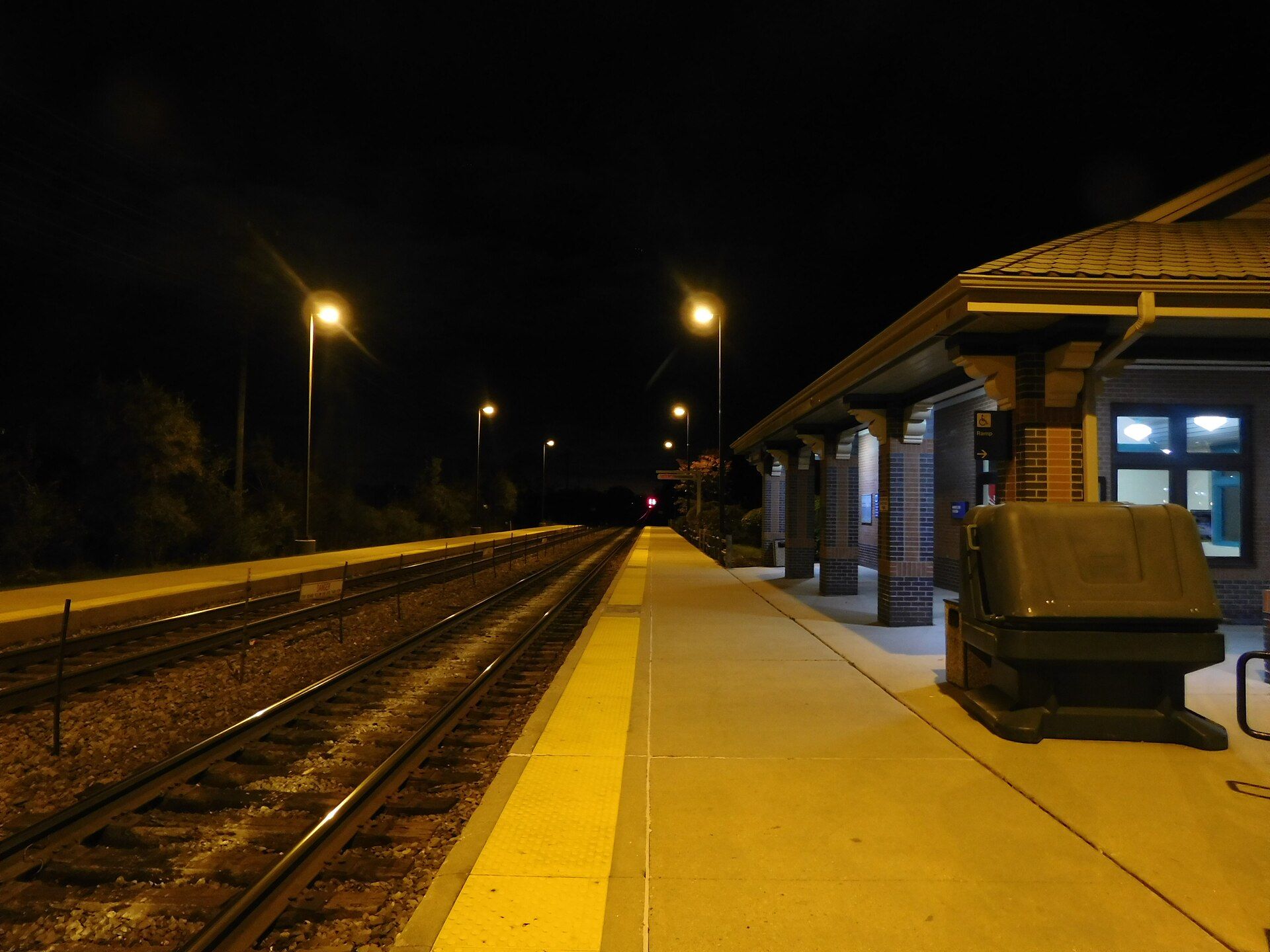
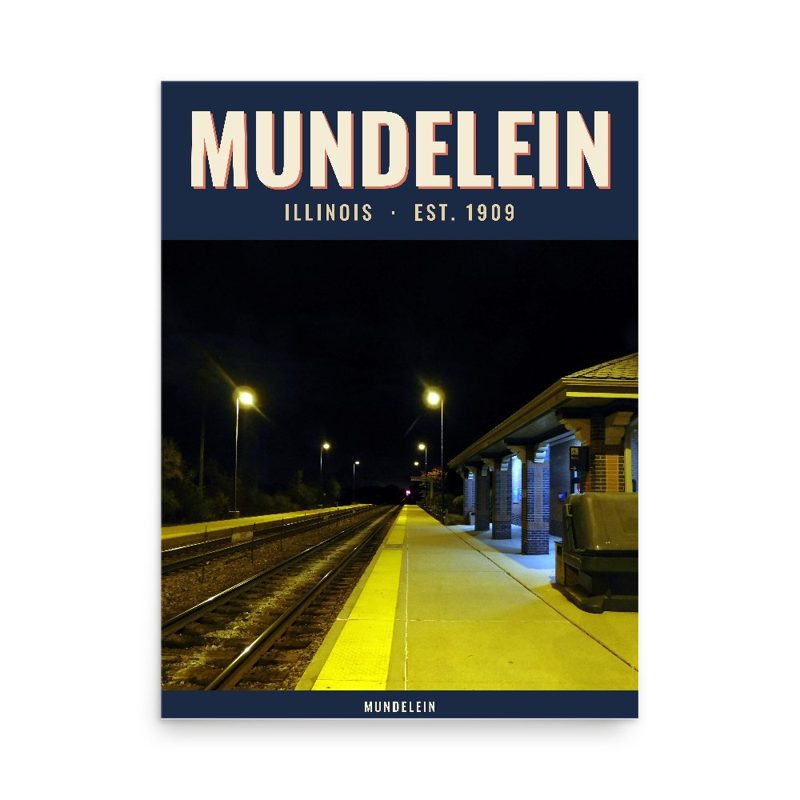
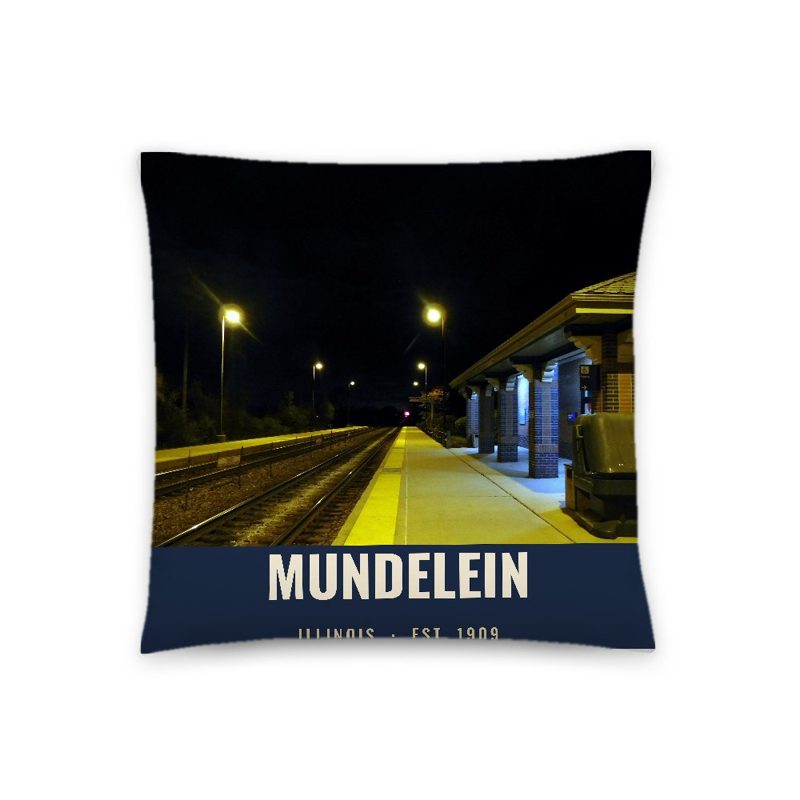
The closing events for the 28th International Eucharistic Congress were held at the University of Saint Mary of the Lake on June 24, 1926. Approximately half a million people appeared, including 10,000 nuns, 8,000 priests, 390 bishops, 64 archbishops, and 12 cardinals. Trains brought people to the village every 30 minutes before mass. A temporary terminal was built at the future site of Carmel High School to accommodate the events. It existed until the Great Depression. 18,000 cars went through Mundelein on that day, and thousands of National Guard troops were sent to control traffic for the event. In total, 820 trains went through the Mundelein station from dawn to midnight on that day.
Two events were scheduled for the Seminary, a Solemn Pontifical Mass at 10:00 am, and a Procession at 2:00 pm. During the procession, a violent thunderstorm passed the seminary, leaving people at the procession "tired and soaked to the skin". The seminary was left with litter and damaged lawns after the event.
Since 1930
Floods in 1936 and 1937 severely damaged the village. The first flood occurred on September 27, 1936, after 1.33 inches of rain fell onto the village, damaging businesses. The second occurred in June 1937, flooding the village's main road and causing further damage to adjacent neighborhoods and businesses.
By the 1970s, the community was largely residential with a little light industrial development. Ranches and tri-level houses were built in the 1950s and 1960s in the center of town, with larger, two-story houses in the village's periphery built from the 1970s.
A major employer of the village, Ball Glass, closed in the early 1980s. The village saw economic and industrial growth during the 1990s, gaining over 10,000 residents between the 1980 and 1990 United States census.
Mundelein greatly expanded in size in 2022 with the annexation of over 700 acres of land owned by the Wirtz family; the owners of the Chicago Blackhawks. The plan was to develop 1,200 houses and 600 townhomes there.