A short history of Monmouth
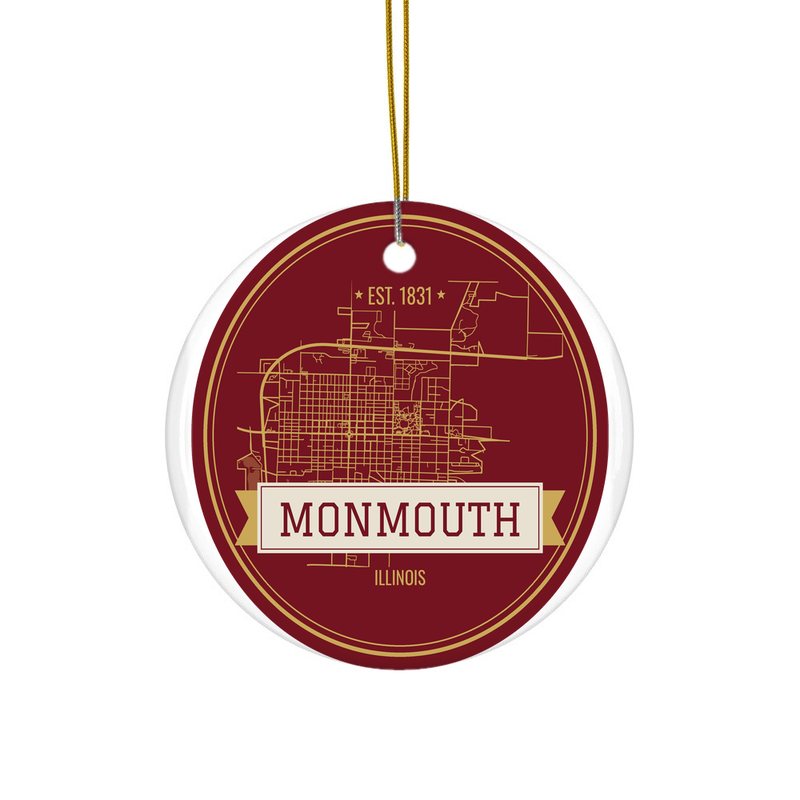
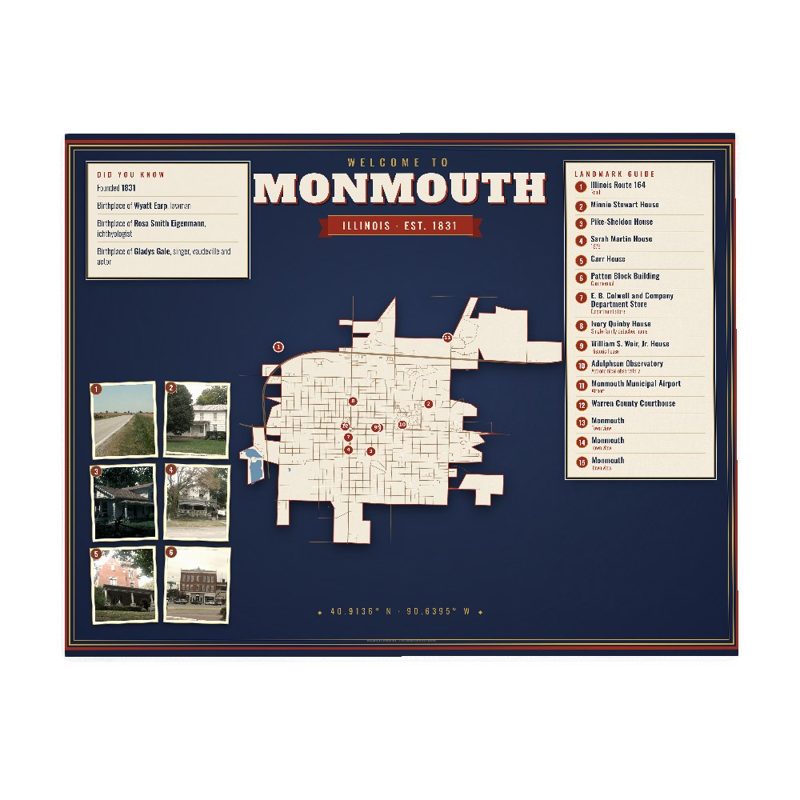
Monmouth was settled in about 1824. The town established in 1831 was originally going to be called Kosciusko (the name was drawn out of a hat), but the founders of the town feared that it would be difficult to spell and pronounce. The name 'Monmouth' was put forward by a resident who had lived in Monmouth County, New Jersey.
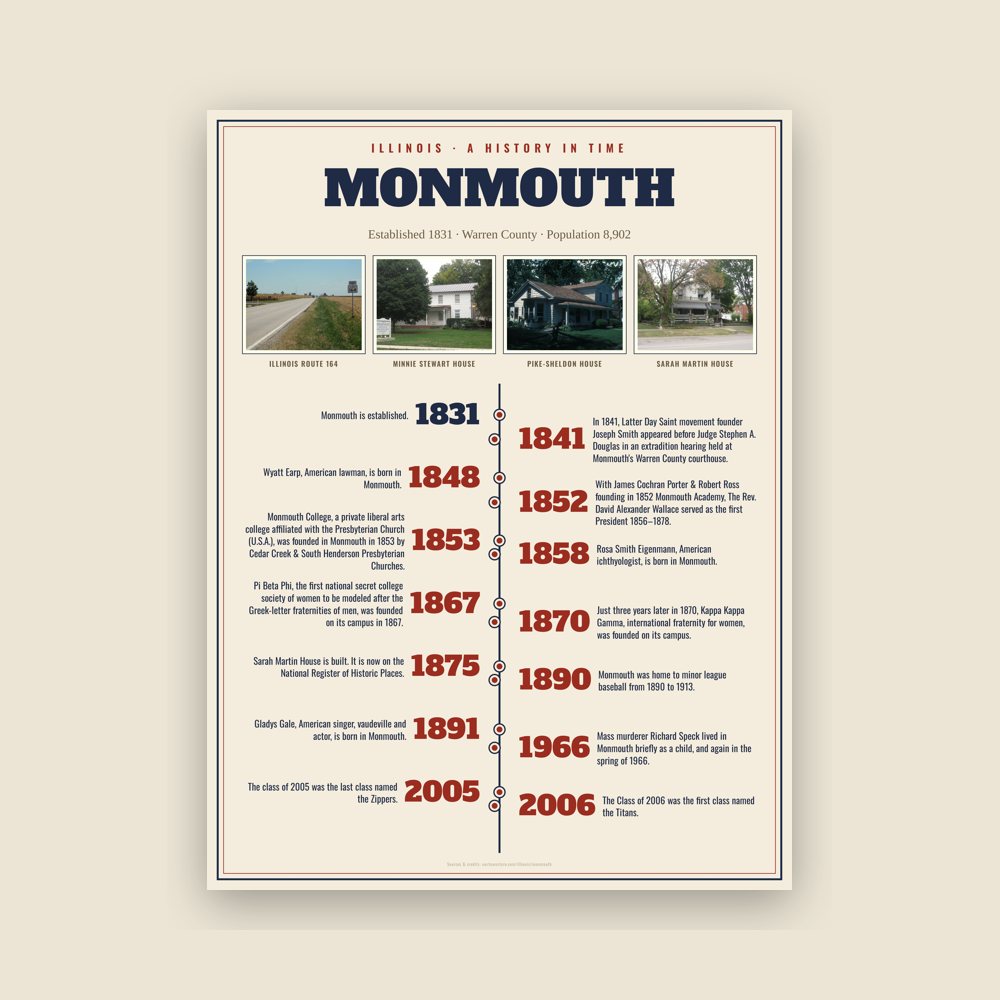
In 1841, Latter Day Saint movement founder Joseph Smith appeared before Judge Stephen A. Douglas in an extradition hearing held at Monmouth's Warren County courthouse. The hearing, which was to determine whether Smith should be returned to Missouri to face murder charges, resulted in freedom for the defendant, as it was determined that his arrest had been invalid. Attorney Orville Browning, who would assume Douglas's Senate seat following his death, represented Smith.
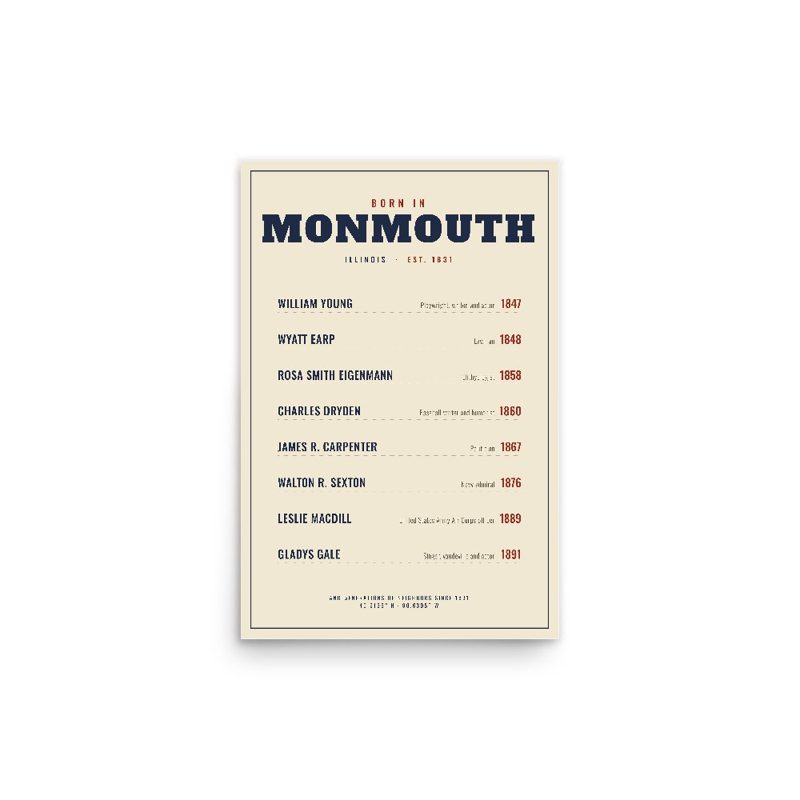
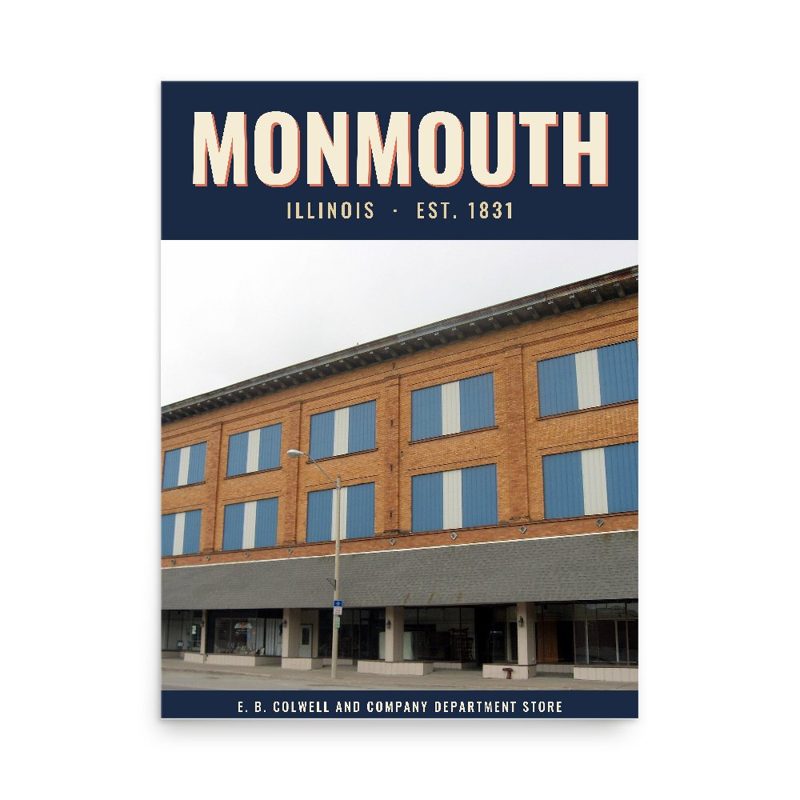
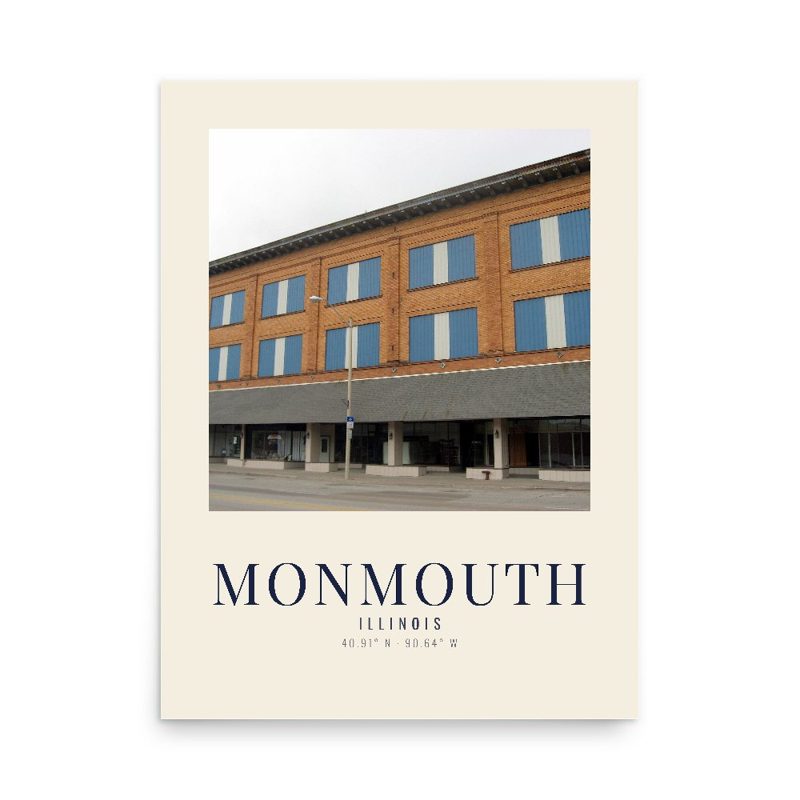
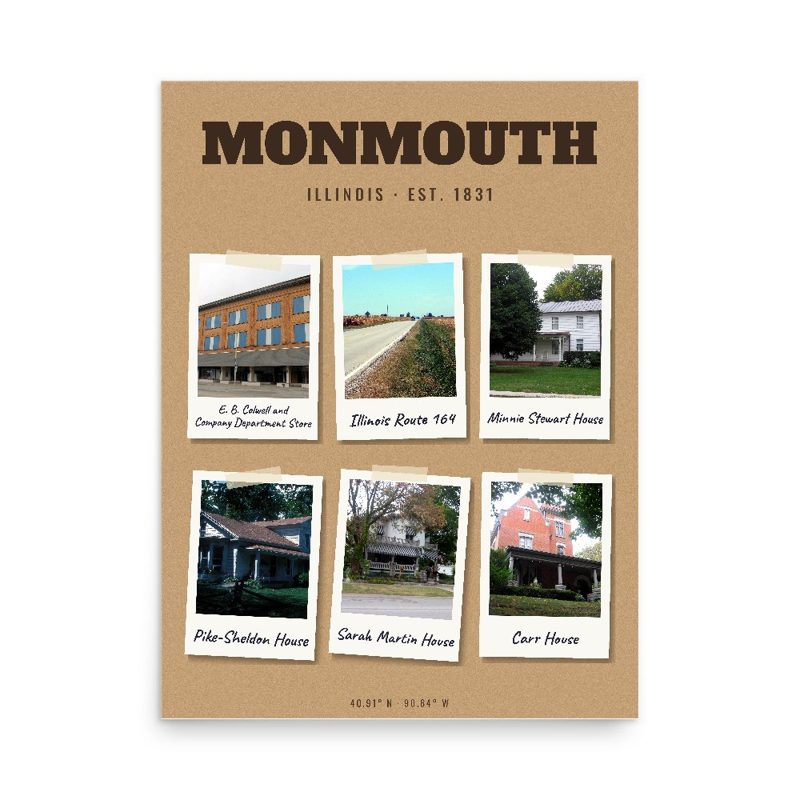
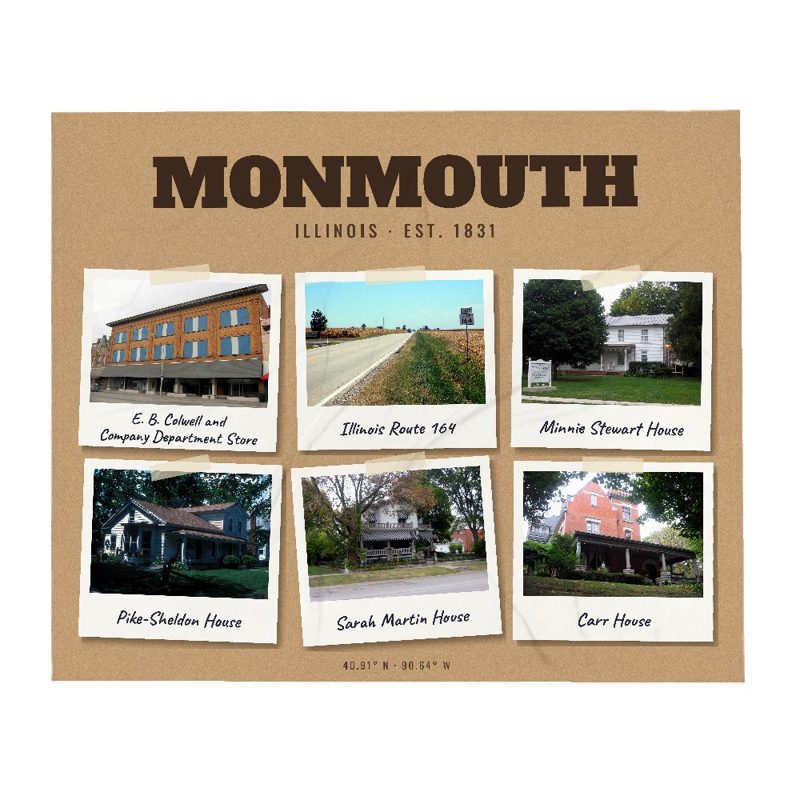
Gunfighter and law man Wyatt Earp was born in Monmouth. Controversial Civil War general Eleazer A. Paine practiced law there for many years. Abner C. Harding, Civil War General and Republican Congressman, lived in Monmouth and is buried in Monmouth Cemetery. Ronald Reagan lived in Monmouth for a while as a child when his father worked as a shoe salesman at the Colwell Department Store. Mass murderer Richard Speck lived in Monmouth briefly as a child, and again in the spring of 1966.
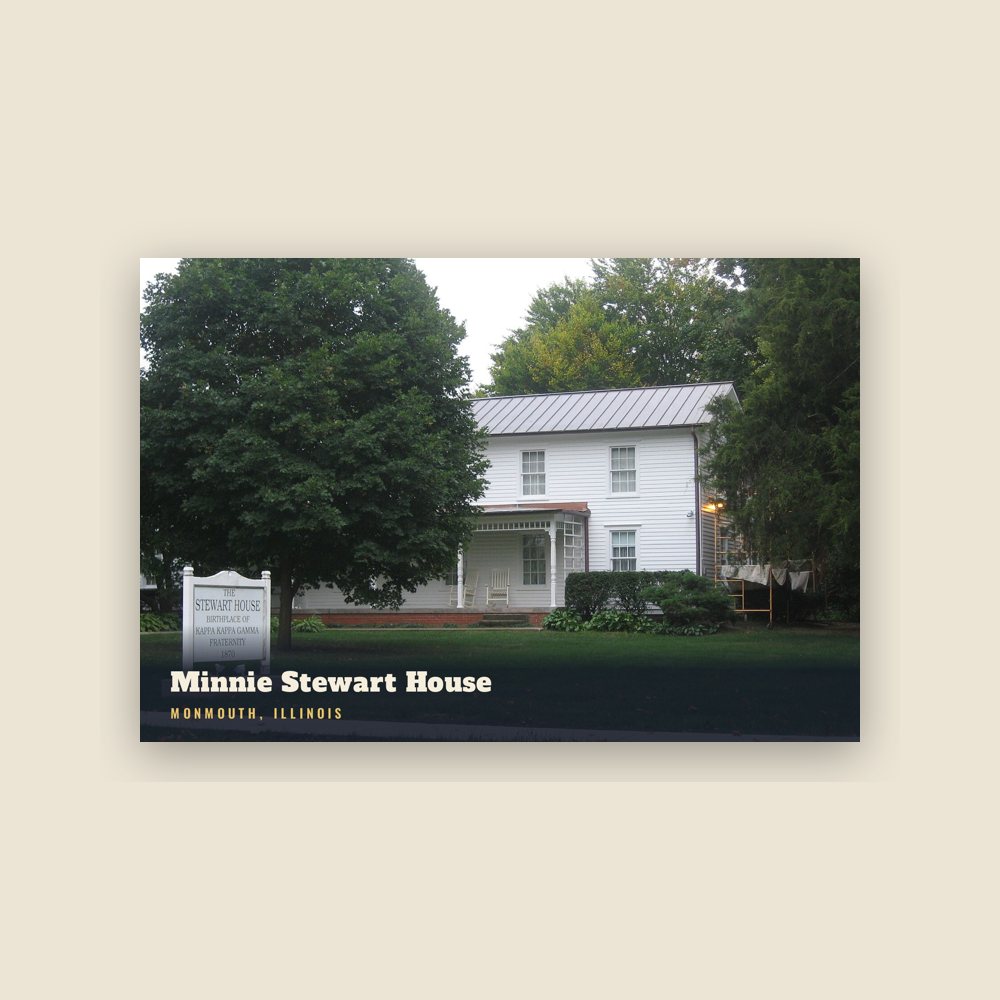
Monmouth College, a private liberal arts college affiliated with the Presbyterian Church (U.S.A.), was founded in Monmouth in 1853 by Cedar Creek & South Henderson Presbyterian Churches. With James Cochran Porter & Robert Ross founding in 1852 Monmouth Academy, The Rev. David Alexander Wallace served as the first President 1856–1878. It is the second-largest employer in the city. Pi Beta Phi, the first national secret college society of women to be modeled after the Greek-letter fraternities of men, was founded on its campus in 1867. Just three years later in 1870, Kappa Kappa Gamma, international fraternity for women, was founded on its campus.
Monmouth was home to minor league baseball from 1890 to 1913. The Monmouth Browns and Monmouth Maple Cities (1890) played as members of the Central Association (1910–1913), Illinois-Missouri League (1908–1909), Central Interstate League (1889) and Illinois-Iowa League (1890). Monmouth teams played at 11th Street Park.
Monmouth was once home to one of the most unusually named high school sports organizations, the Zippers. Originally known as The Maroons, the Zipper nickname came about in the late 1930s when the school had a fast basketball team that would "Zip" up and down the court. Earl Bennett, a sportswriter nicknamed them "The Zippers" and the name stuck. The school went with the "Zipper" nickname until the 2004–2005 school year when Monmouth consolidated with Roseville and the new Monmouth-Roseville High School adopted the nickname "The Titans". The class of 2005 was the last class named the Zippers. The Class of 2006 was the first class named the Titans.
Monmouth was the home of Western Stoneware, known for its "Maple Leaf" imprint and for producing "Sleepy Eye" collectible ceramics, which are recognizable by the blue-on-white bas-relief Indian profile. Western Stoneware closed in June 2006. Three former employees of Western Stoneware now operate the facility under the name "WS", Incorporated and have leased the building and logo from the city of Monmouth.
Adapted (trimmed) from the Wikipedia article Monmouth, Illinois, revision 1376493860 by its contributors, licensed CC BY-SA 4.0.