A short history of La Grange
The area around La Grange was first settled in the 1830s, when Chicago residents moved out to the west due to the rapid population increase in the city in the decade since its incorporation. The first settler, Robert Leitch, came to the area in 1830, seven years before the City of Chicago was incorporated.
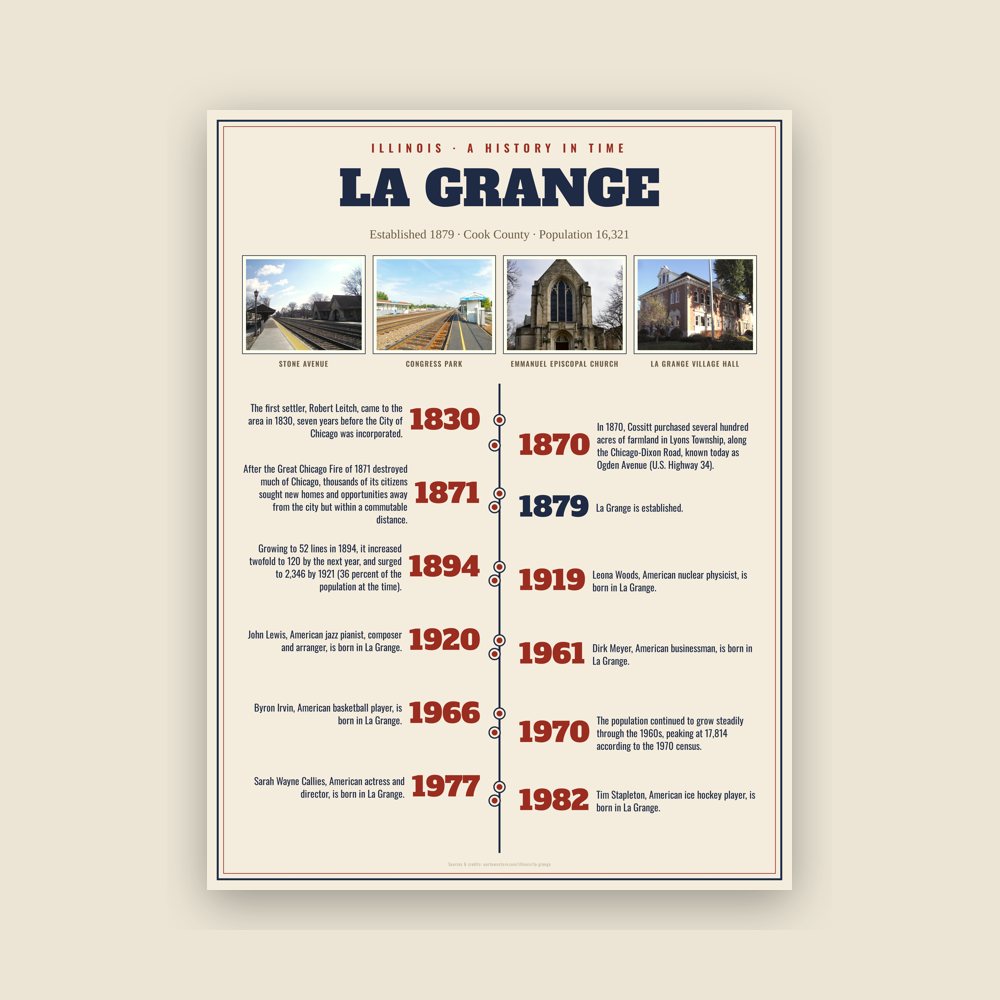
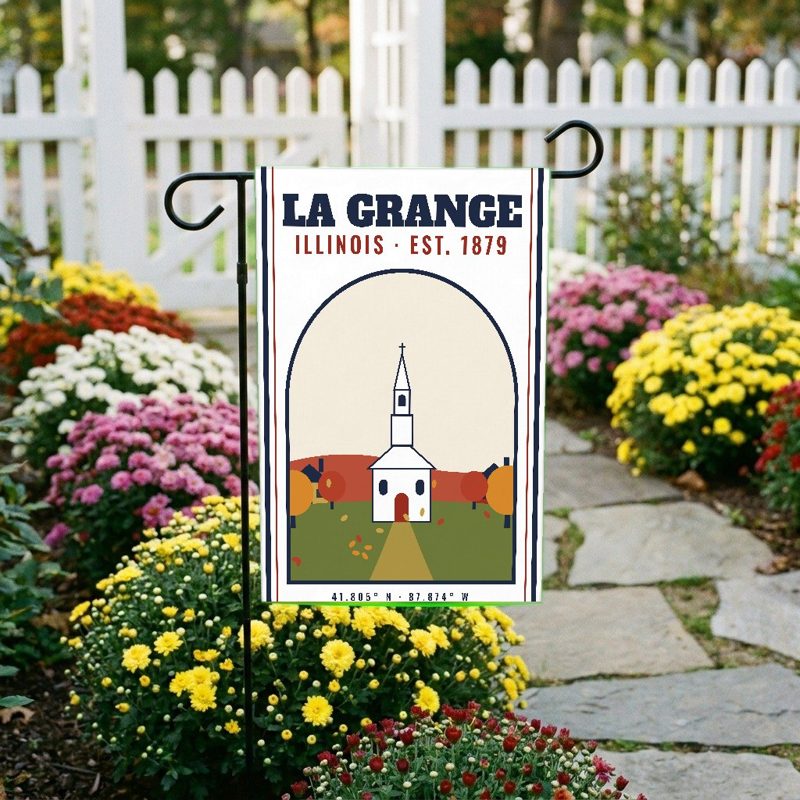
The village was officially incorporated on June 11, 1879. It was founded by Franklin Dwight Cossitt, who was born in Granby, Connecticut, and raised in Tennessee, and moved to Chicago in 1862 where he built a wholesale grocery business.
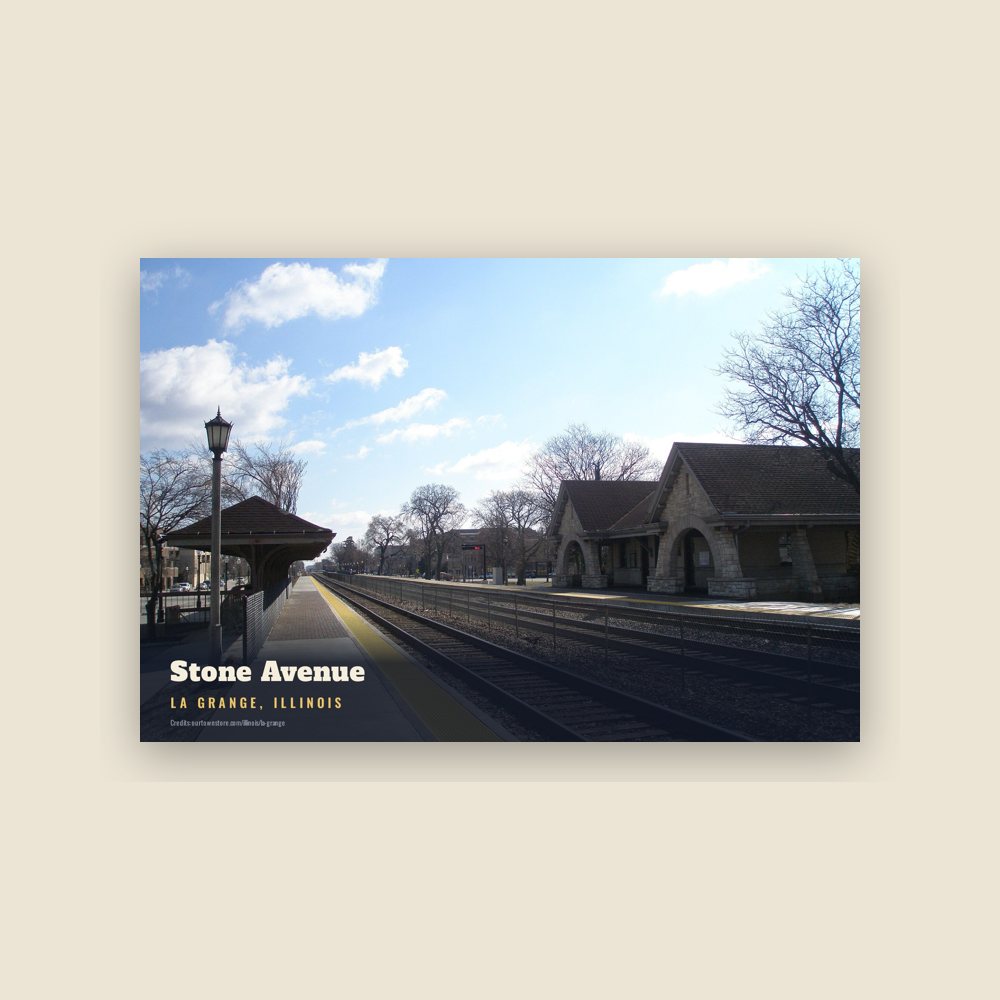
In 1870, Cossitt purchased several hundred acres of farmland in Lyons Township, along the Chicago-Dixon Road, known today as Ogden Avenue (U.S. Highway 34). Ogden Avenue, on the site of a defunct Native American trail, was also referred to as the "Old Plank Road". Planks were often stolen by settlers to be used as building material, which made traveling very bumpy. When the Chicago, Burlington & Quincy Railroad came to town, La Grange was a milk stop called Hazel Glen. A few miles to the south, through present-day Willow Springs, the Illinois and Michigan Canal had emerged as a major shipping corridor, connecting Chicago and the Great Lakes with the Illinois and Mississippi rivers.
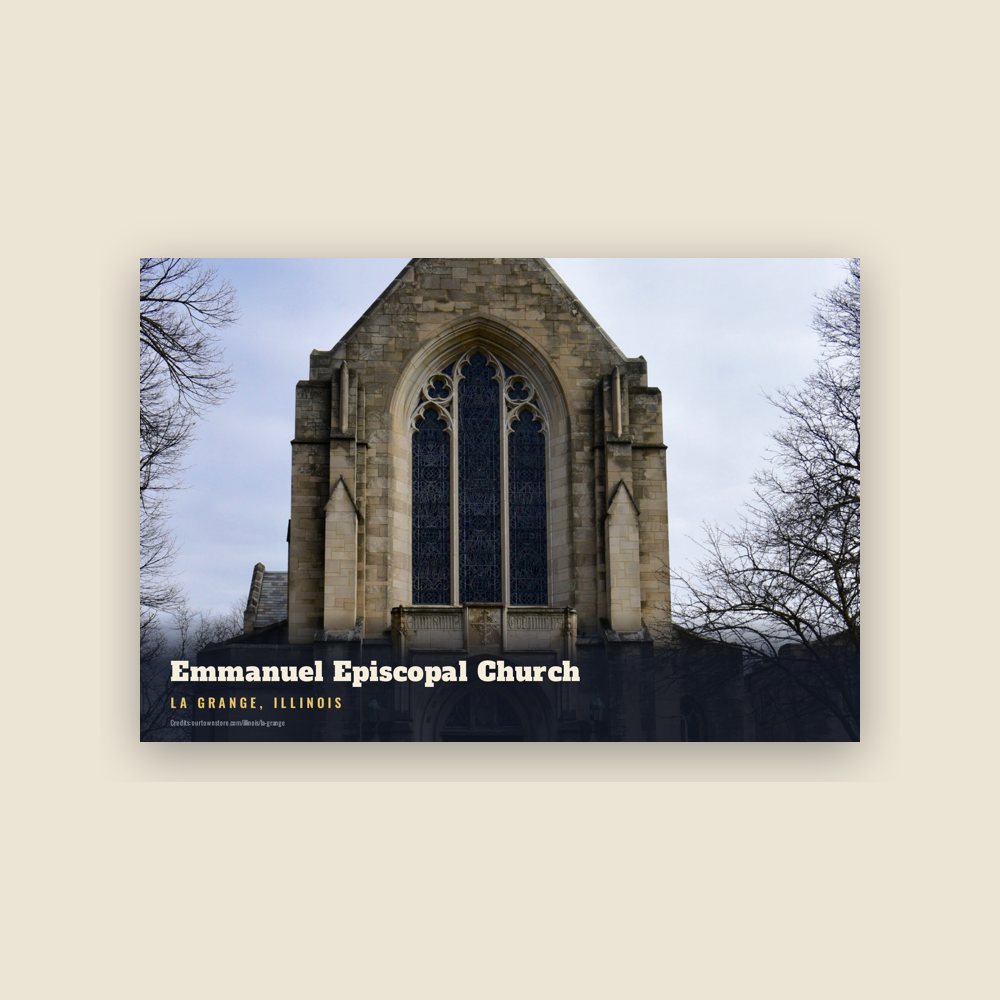
Cossitt set out to build the ideal suburban village – laying out streets, planting trees, donating property for churches and schools, and building homes for sale between 2,000–8,000 US$. He also placed liquor restrictions in the land deeds he sold to prevent the village from becoming a saloon town.
When Cossitt began his development, the area was served by a post office known as Kensington. Upon learning of another community already with that name in Illinois, Cossitt instead decided to name his town in honor of La Grange, Tennessee, where he had been raised as a youth on an uncle's slave plantation. To this day, Kensington remains the name of one of the village's major avenues.
After the Great Chicago Fire of 1871 destroyed much of Chicago, thousands of its citizens sought new homes and opportunities away from the city but within a commutable distance. La Grange was one of multiple villages and towns in the surrounding area to receive an influx of these new residents.
Telephones were first set up in La Grange by Dr. George Fox in the 1880s for communication between his home office and a drug store, enabling him to order prescriptions to be delivered by buggy. Growing to 52 lines in 1894, it increased twofold to 120 by the next year, and surged to 2,346 by 1921 (36 percent of the population at the time).
There was a large spike in population is the 1880s and 1890s as the village grew from just over 500 to nearly 4,000 residents, over 600% growth in twenty years. The population continued to grow steadily through the 1960s, peaking at 17,814 according to the 1970 census. The population declined slightly in the 1970s and 1980s, and has been relatively stable since then.
Adapted (trimmed) from the Wikipedia article La Grange, Illinois, revision 1385333090 by its contributors, licensed CC BY-SA 4.0.