Since 1853
A short history of Havana
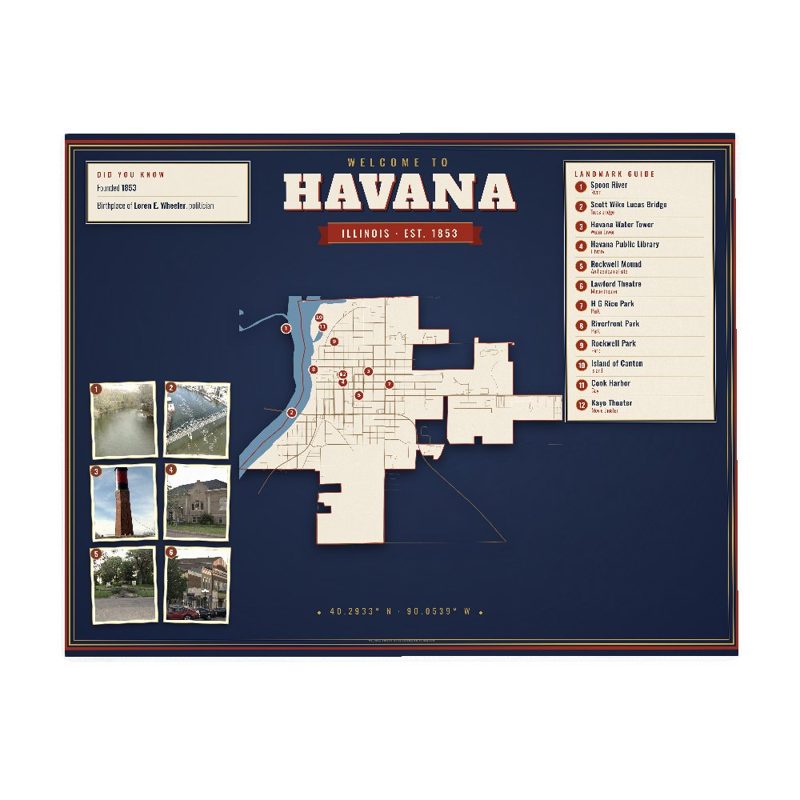
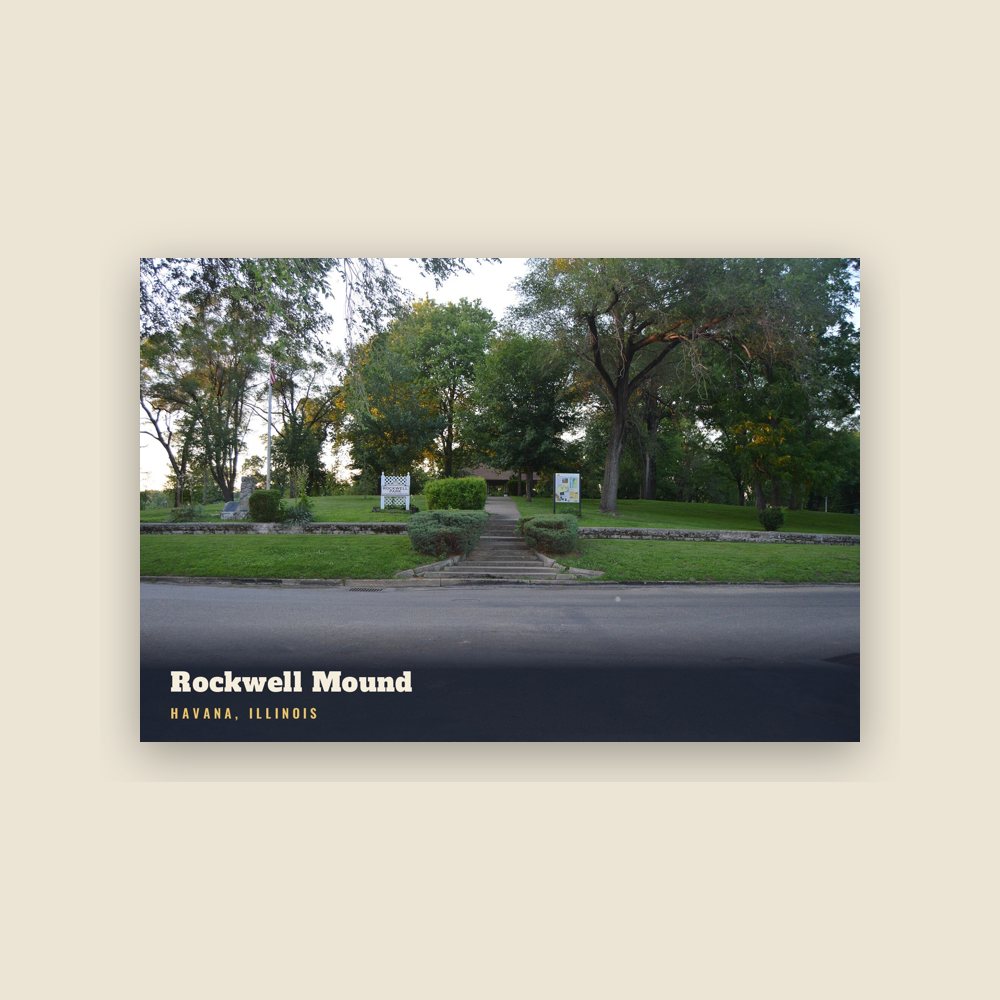
Havana was a major ancient American settlement two thousand years ago, when the largest verified mound of the Western Hopewell Culture, Rockwell Mound, was built. Local landmarks were mentioned in the journals of French explorers in the late 1600s. A religious medal dating from the early 1700s suggests that there was missionary activity in what is now Havana. When permanent English-speaking residents arrived in 1822, there was a Potawatomi village on the site. A ferry was established to the western bank of the Illinois River to a road that followed the Spoon River. There were War of 1812 bounty lands in western Illinois.
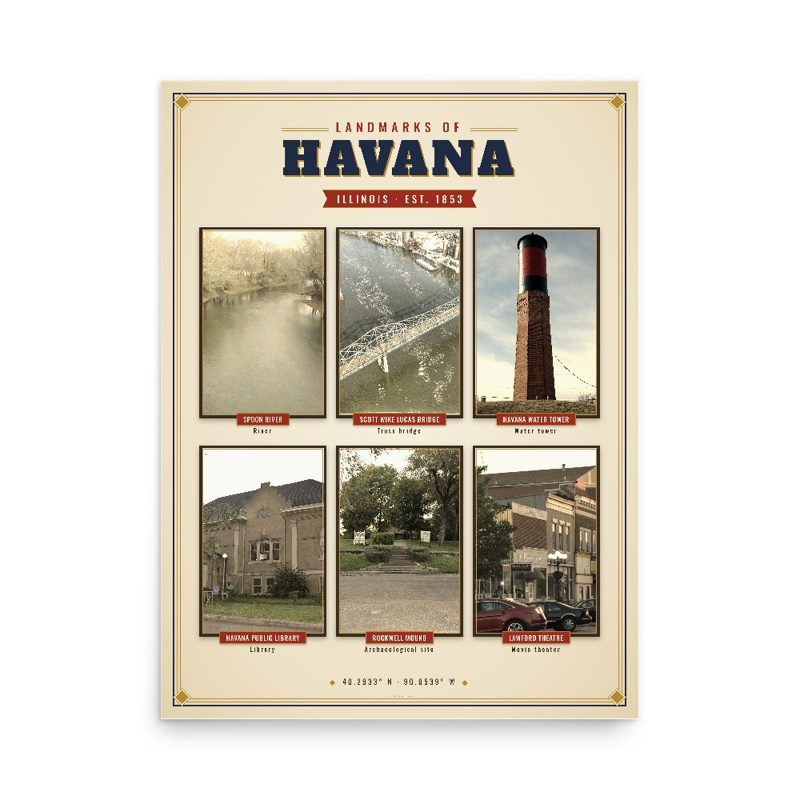
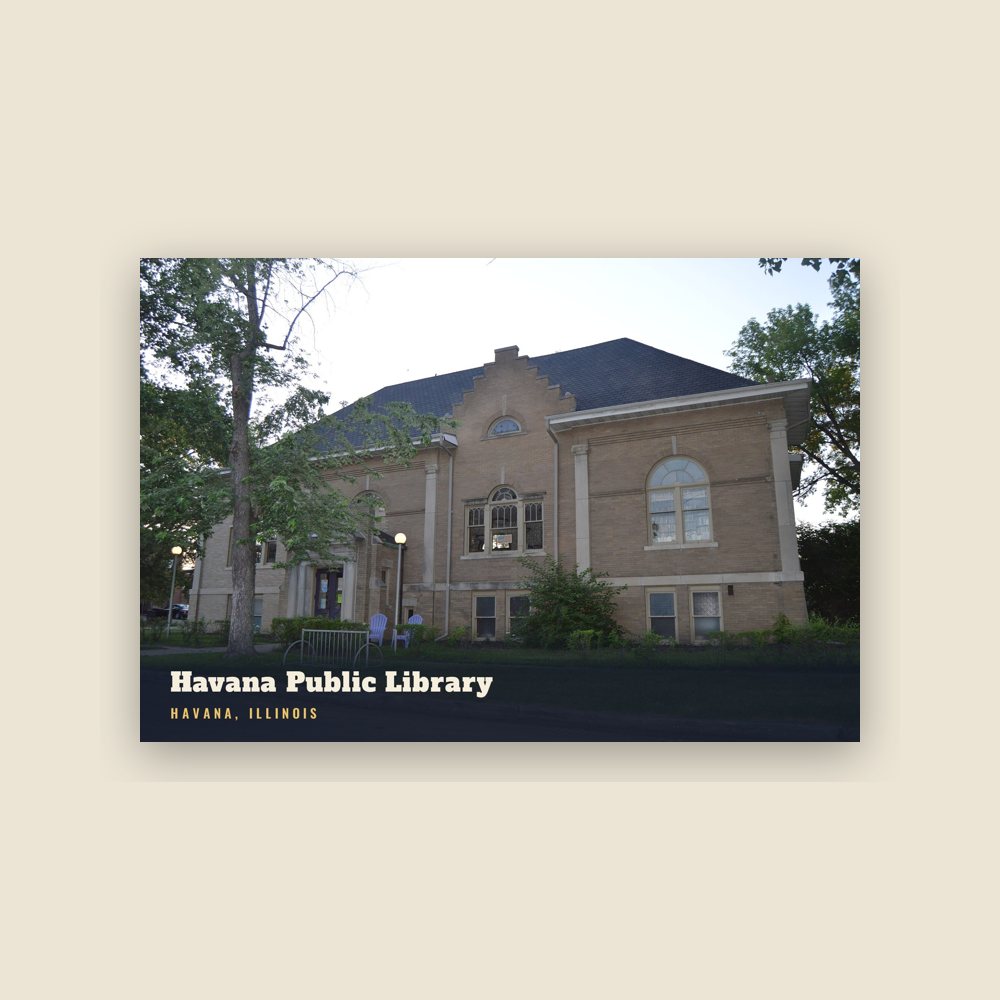
Abraham Lincoln was a frequent visitor to Havana between his days as a soldier in the Black Hawk Wars until at least his three-hour speech on the Rockwell Mound while he was running for the US Senate in 1858. Stephen Douglas had spoken there the day before. When he was younger, Lincoln rode a mail route from New Salem to Havana. Later, he was a local surveyor, and then an itinerant attorney. Mason County was the only place where Lincoln owned farmland. The Havana Public Library, a Carnegie library on the National Register of Historic Places, was built in the town in 1902. The Mason County Courthouse was constructed in Havana in 1883. The English-speaking settlement was originally called "Ross's Ferry" and was later named after Havana, the capital of Cuba. The name was reportedly chosen due to the shape of an island at the mouth of the Spoon River resembling the shape of the island of Cuba. Havana was notorious as a gambling river town, and it is reported that names such as Al Capone would hunt, fish, and gamble in the local clubs.
Adapted (trimmed) from the Wikipedia article Havana, Illinois, revision 1377377481 by its contributors, licensed CC BY-SA 4.0.
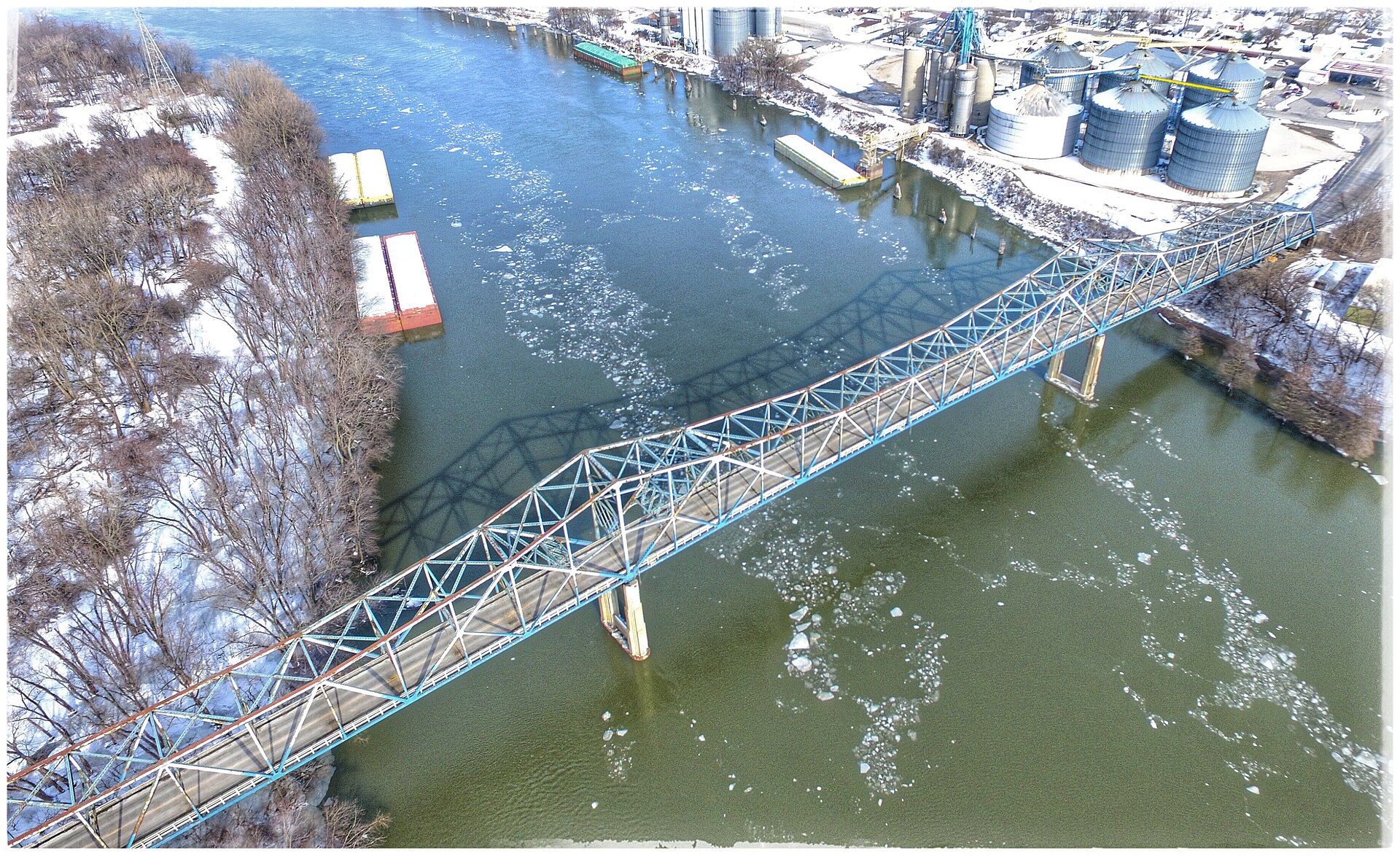
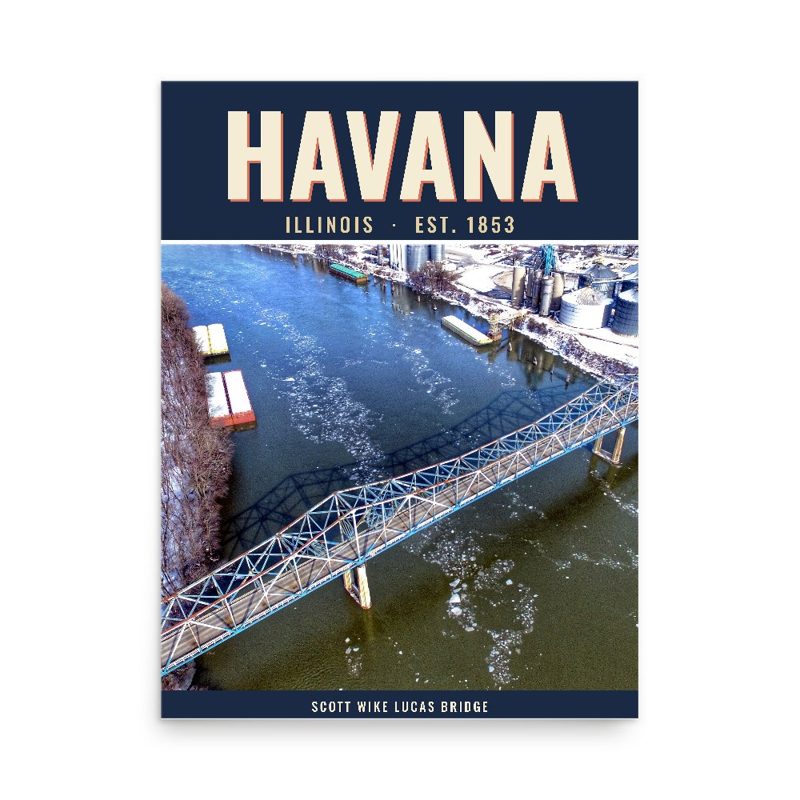
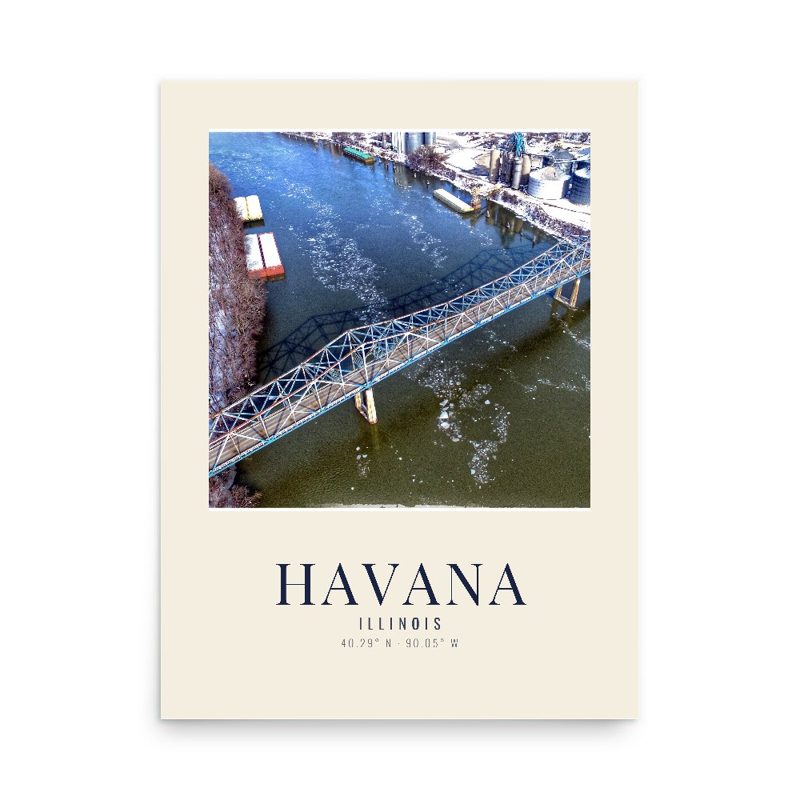
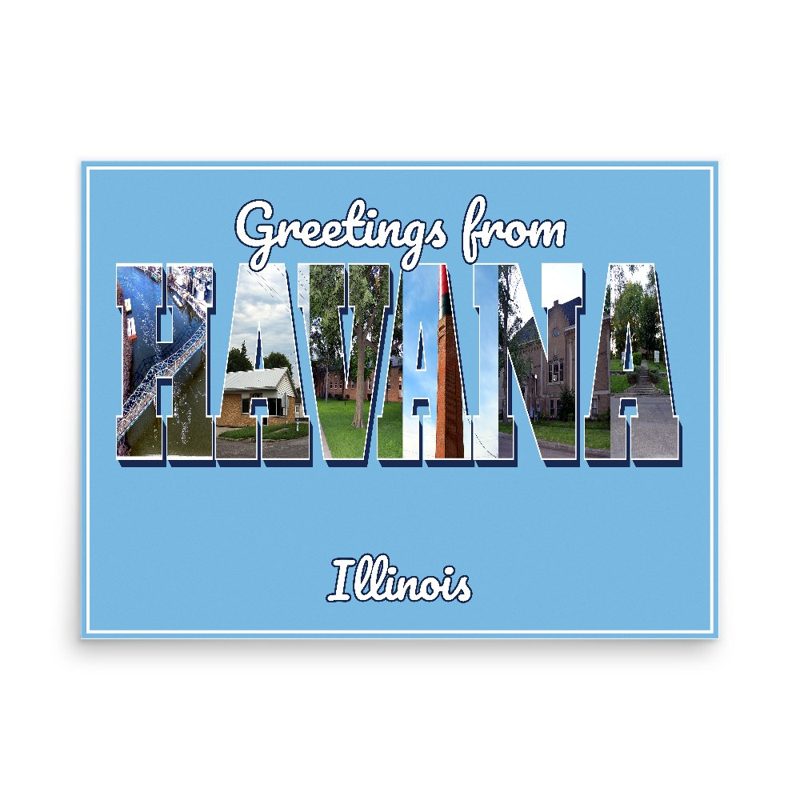
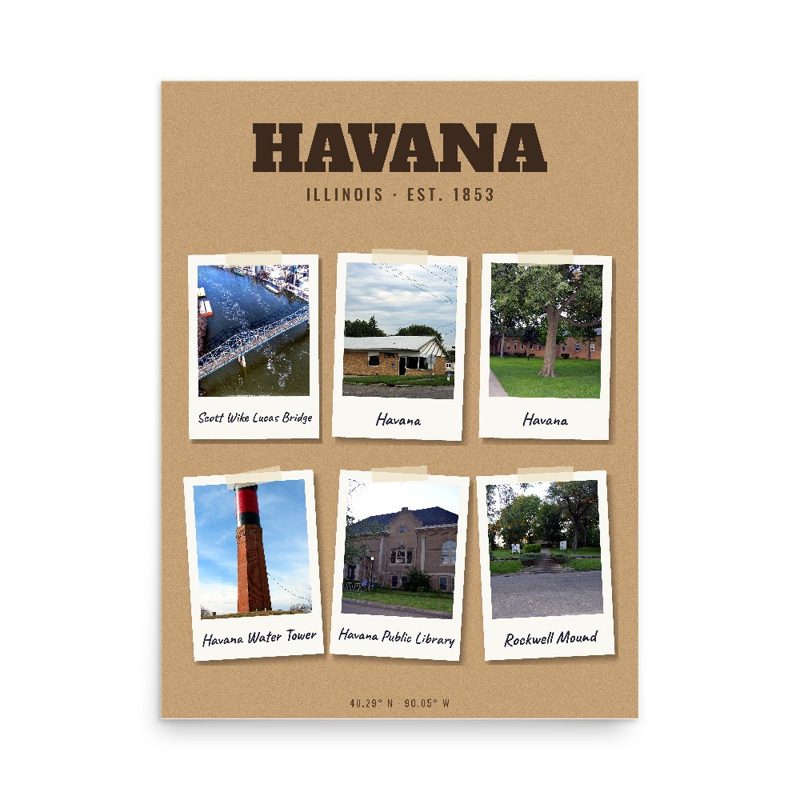
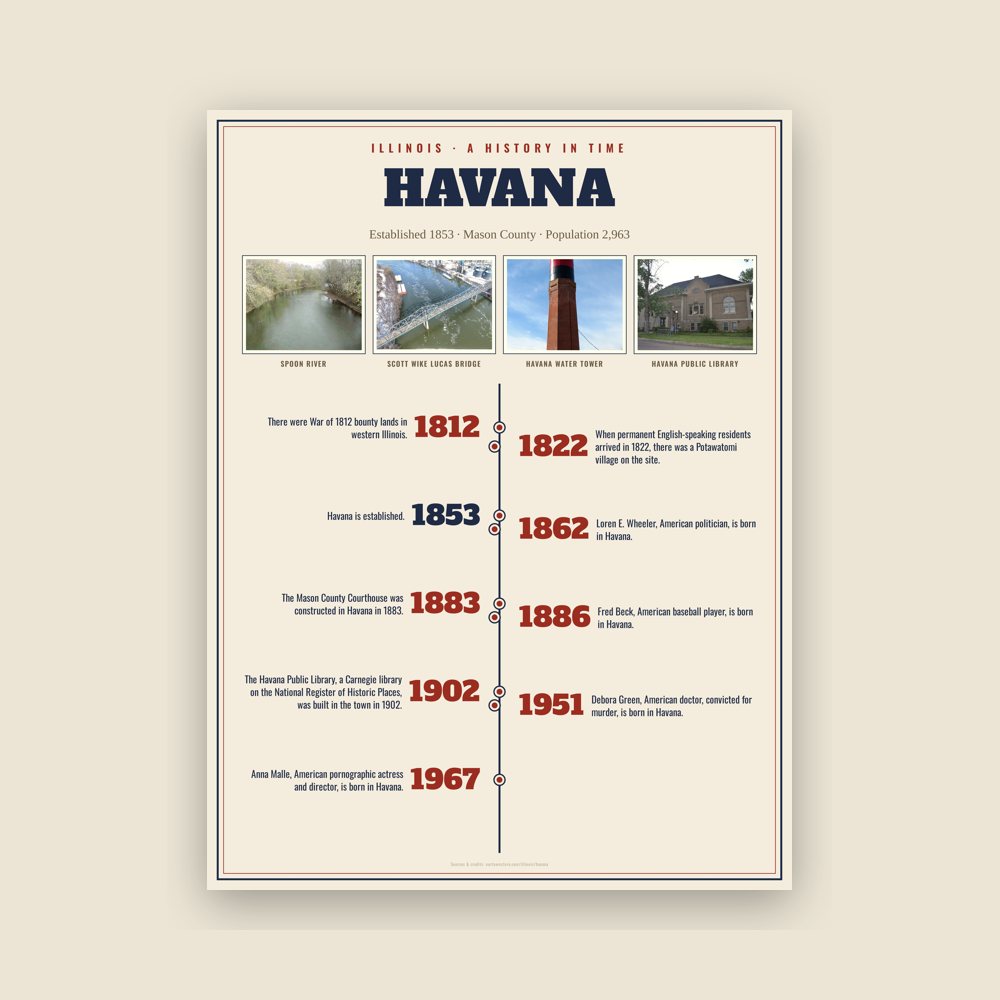


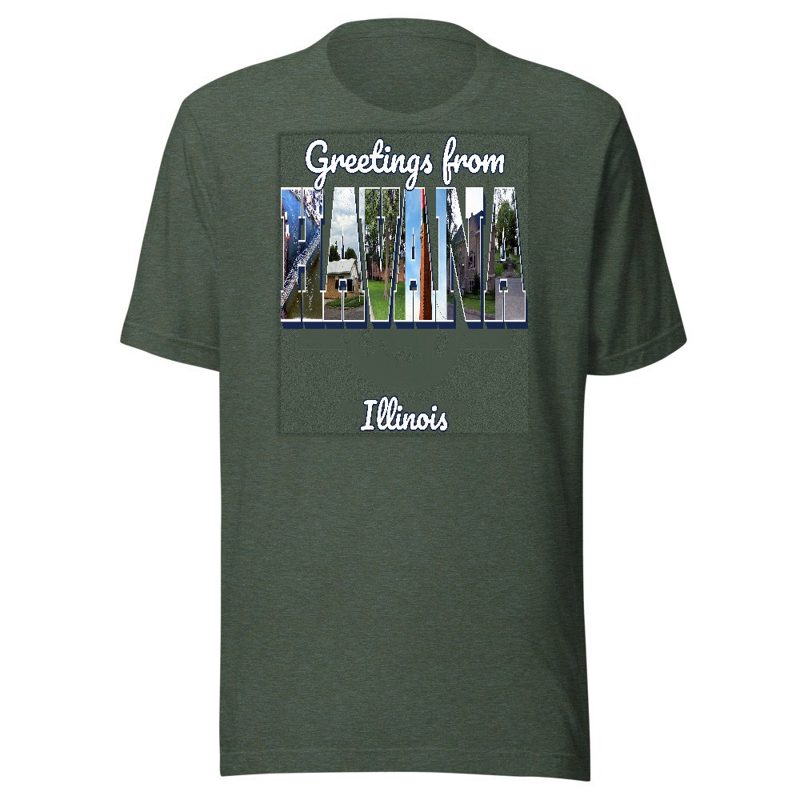

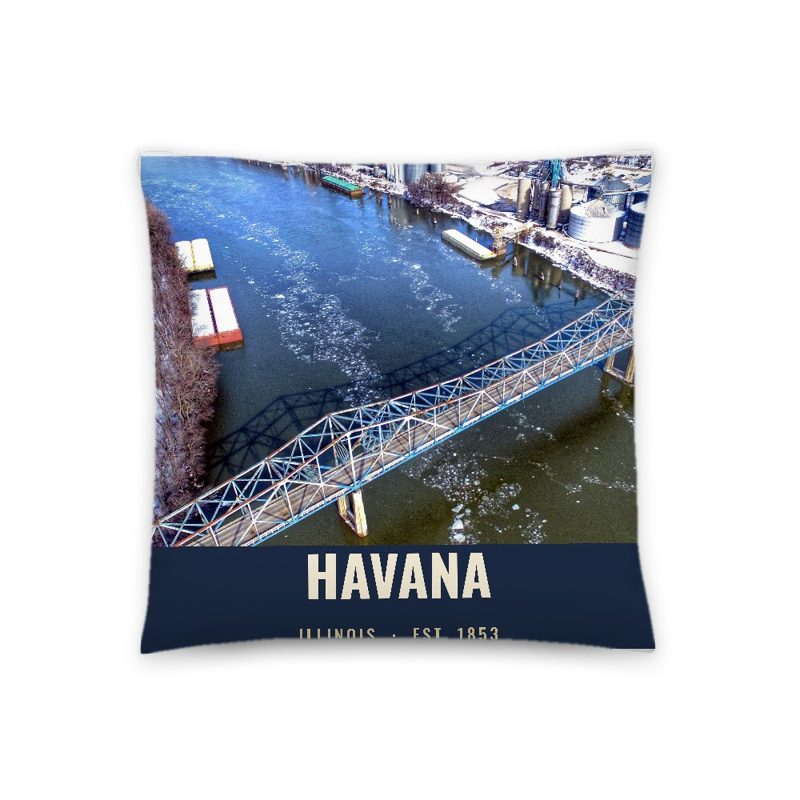

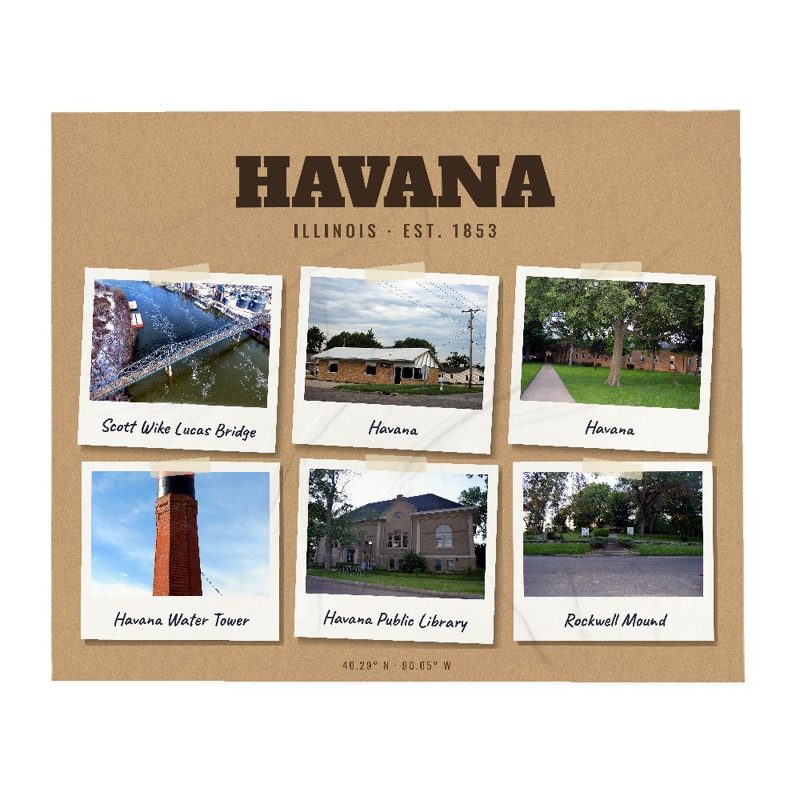
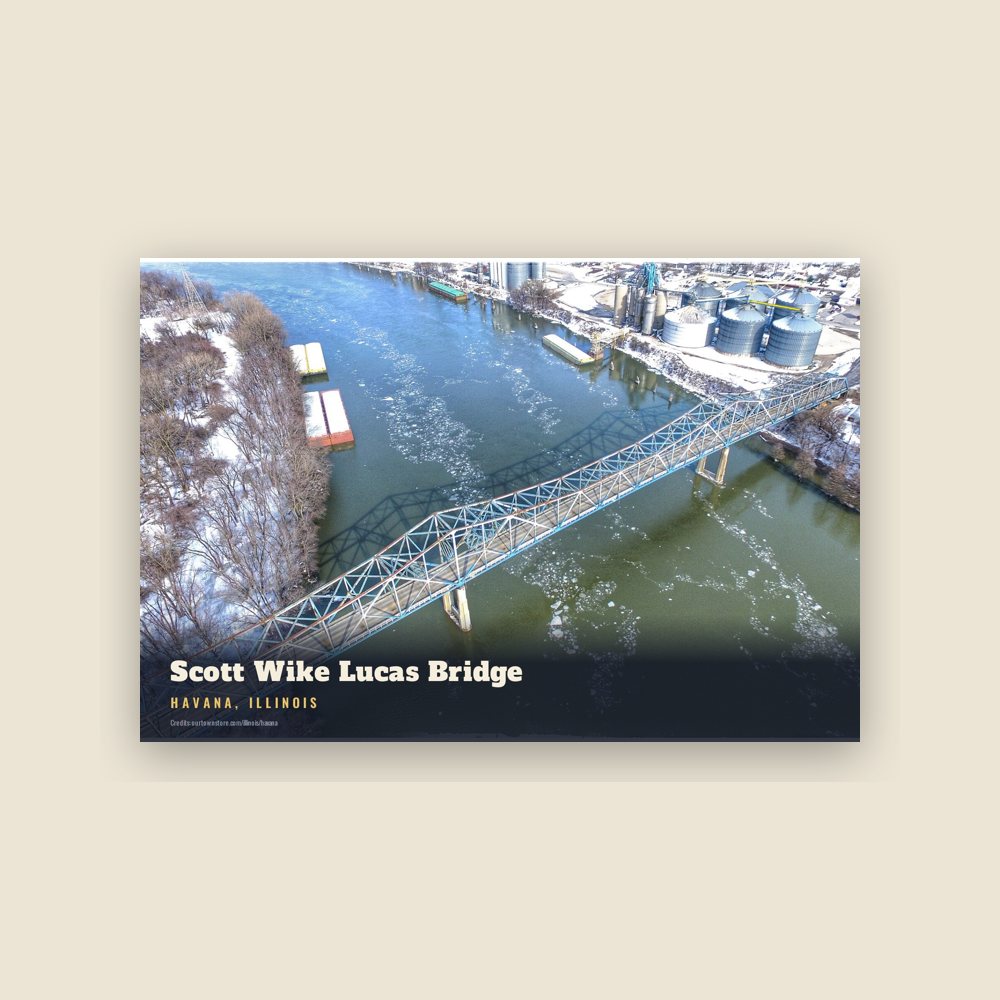
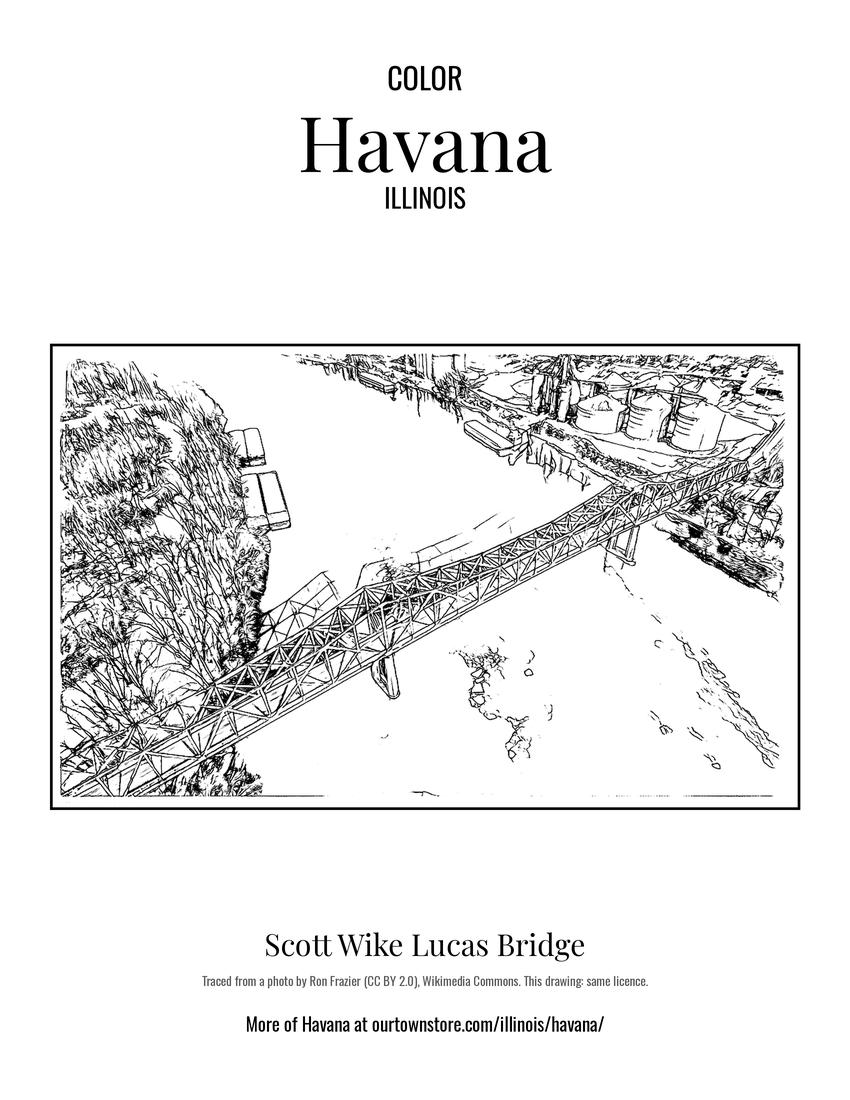 Scott Wike Lucas Bridge
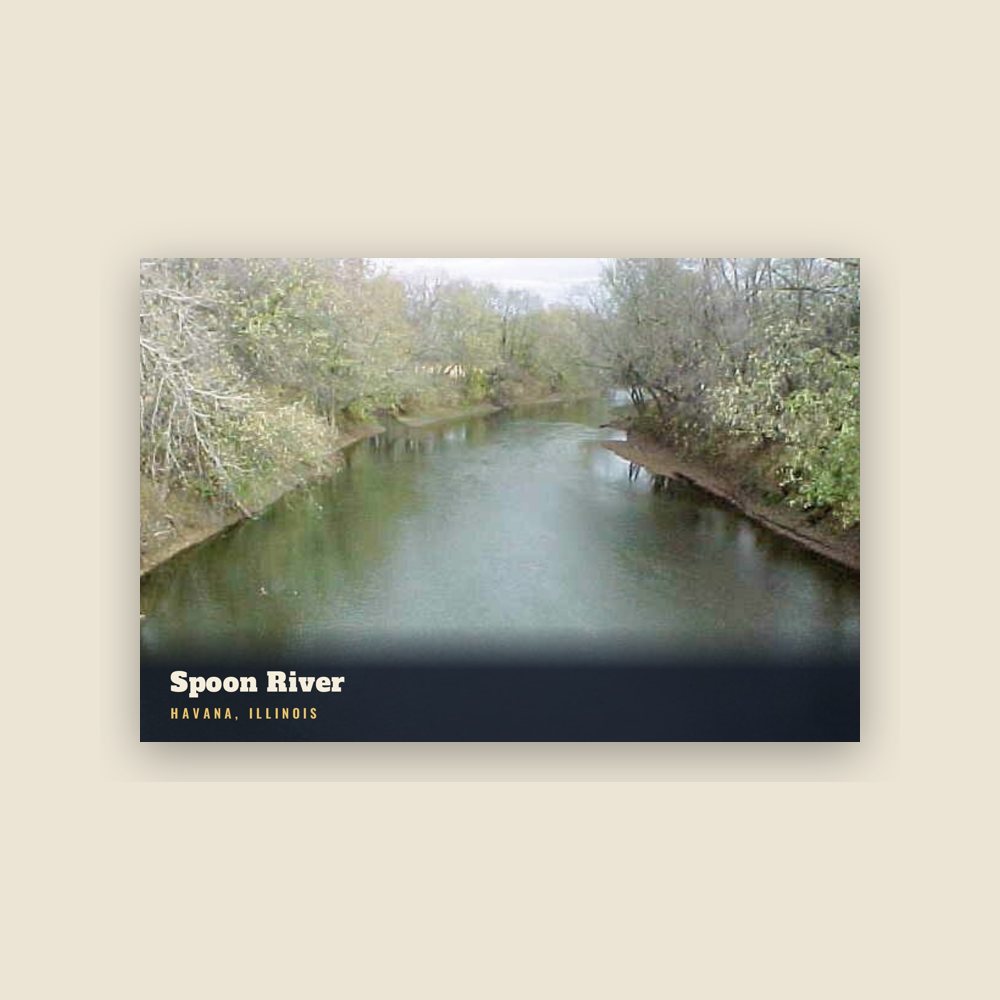
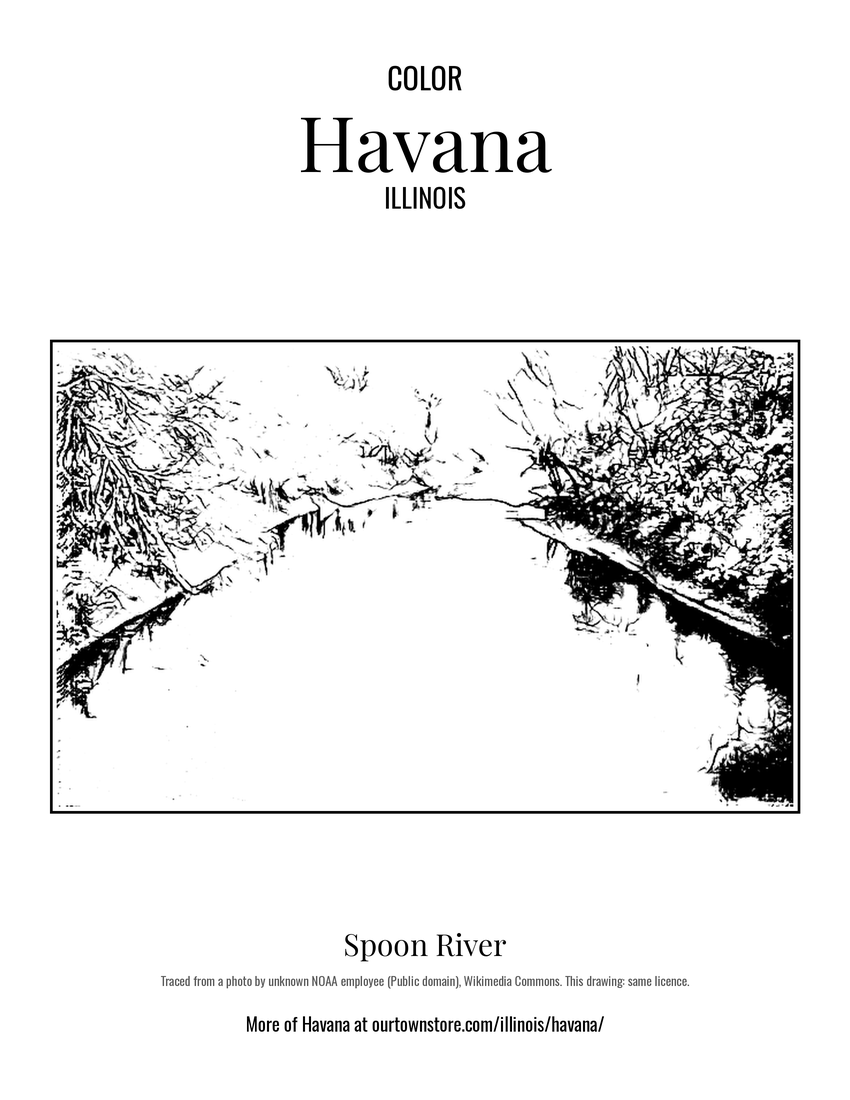 Spoon River
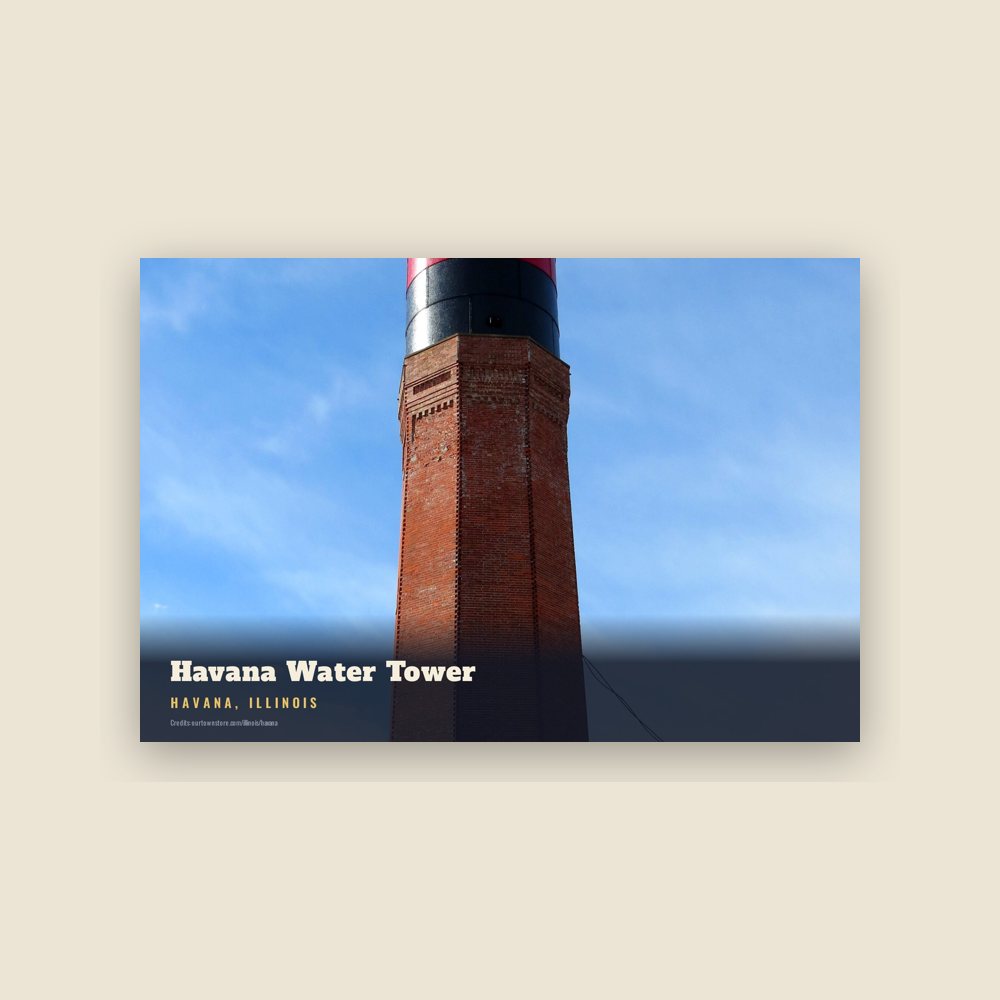
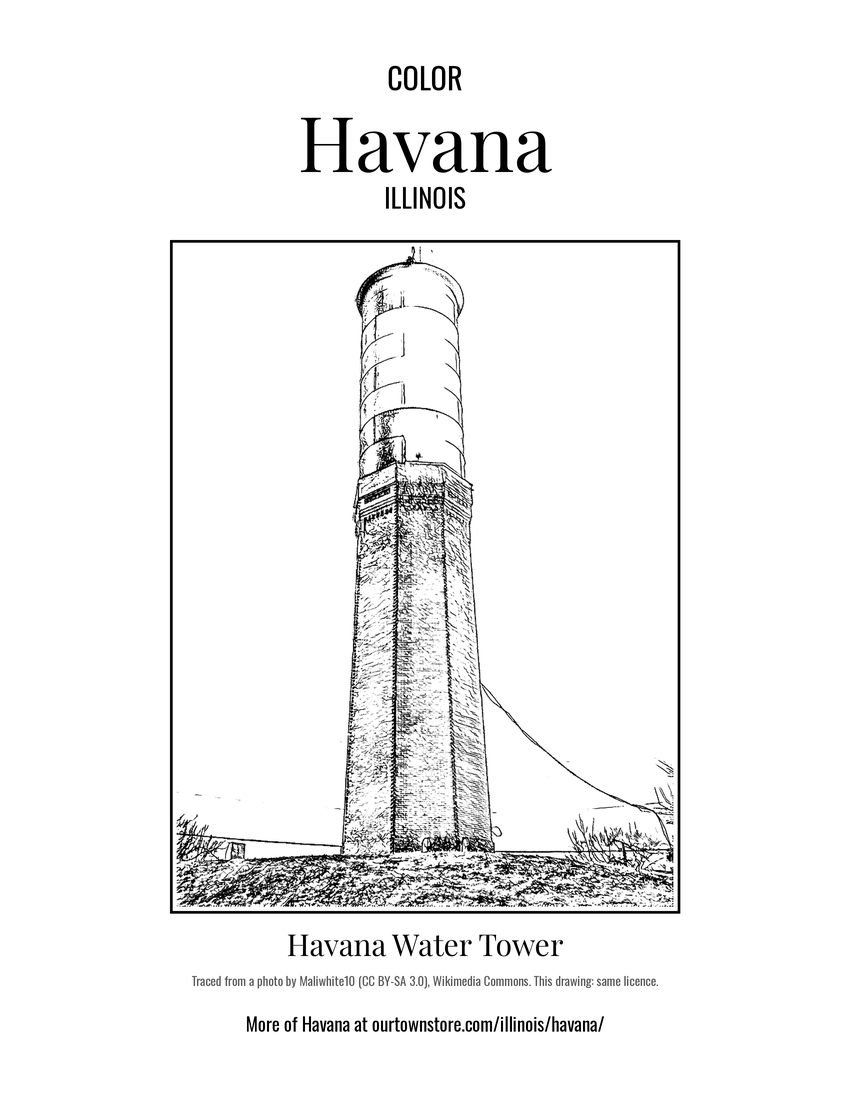 Havana Water Tower
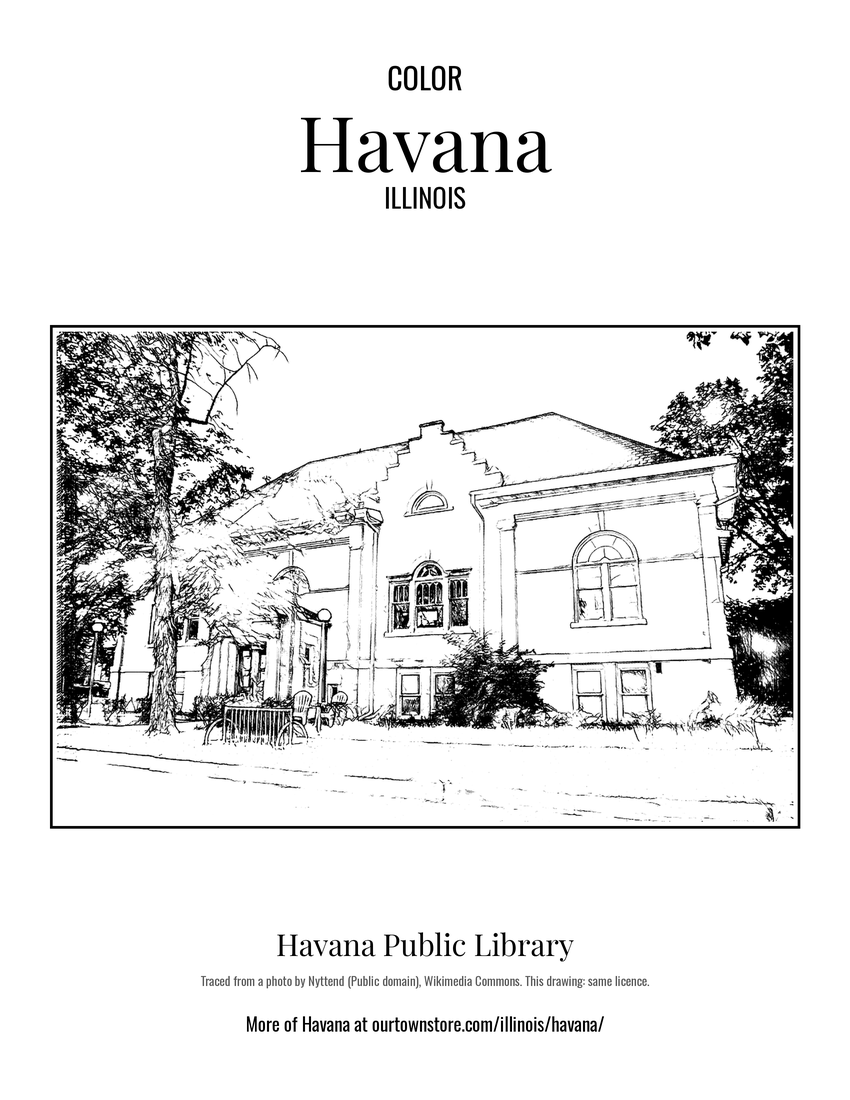 Havana Public Library