A short history of Forest Park
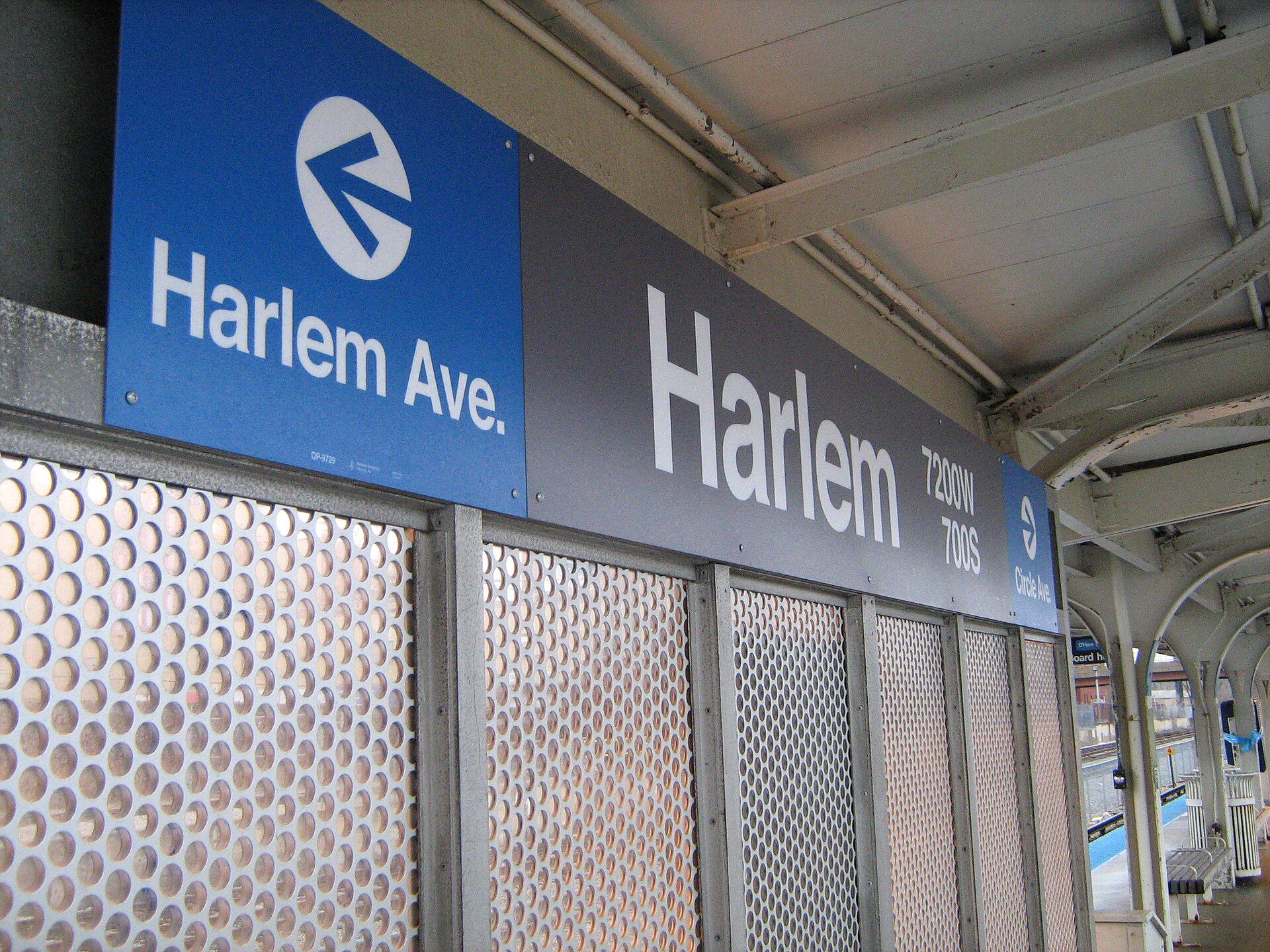
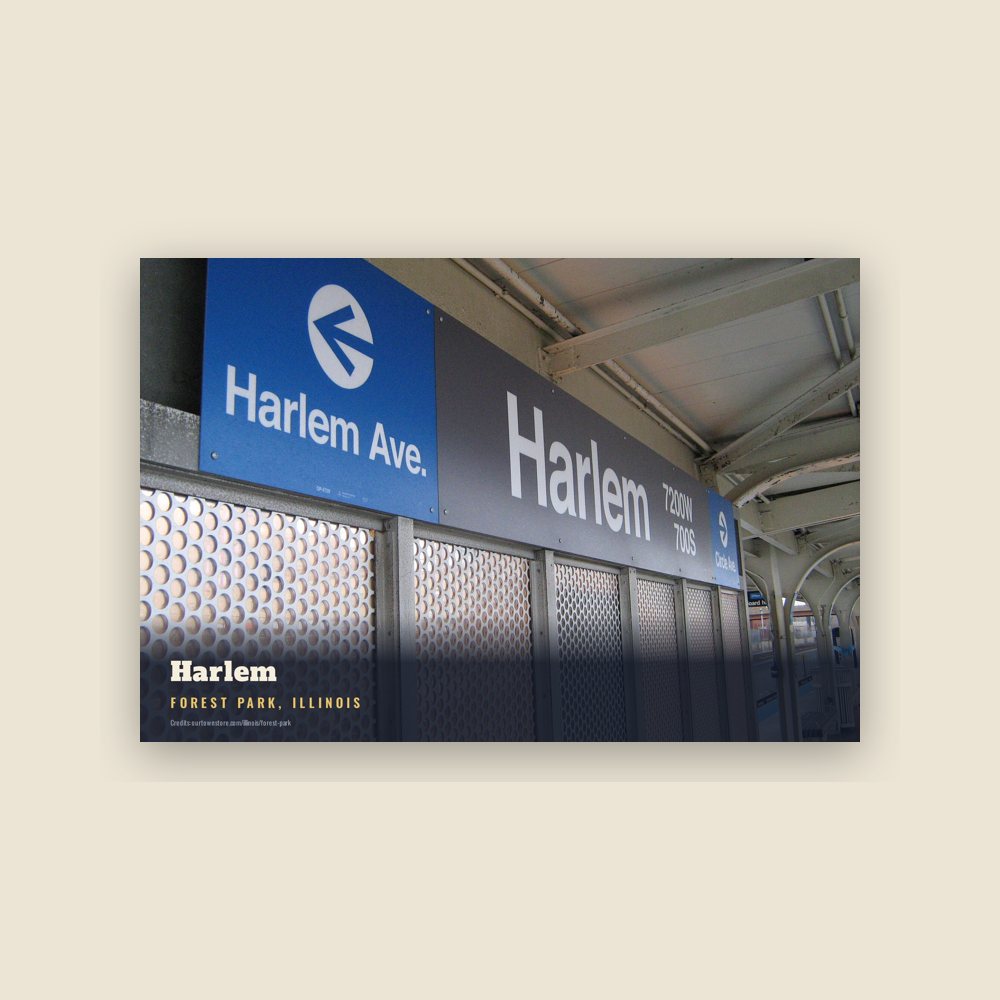
Before modern settlement, the area now known as Forest Park was inhabited by the Potawatomi and other Native American groups. In 1839, French trader Leon Bourassa purchased 160 acres of land where present day Forest Park lies. German immigrant Ferdinand Haase, bought 40 acres of that land from Leon Bourassa in 1851, which eventually became 240 acres. In 1856, John Henry Quick purchased the land, and named it Harlem after his hometown.
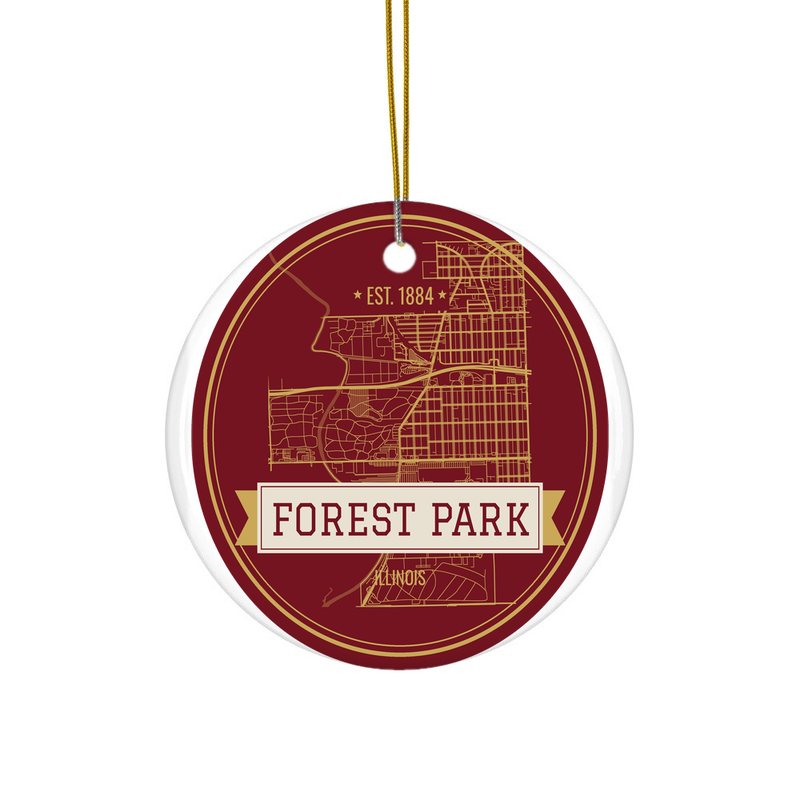
The community of Harlem was incorporated in 1884. However, was renamed to Forest Park, and officially incorporated under that name on April 17, 1907.
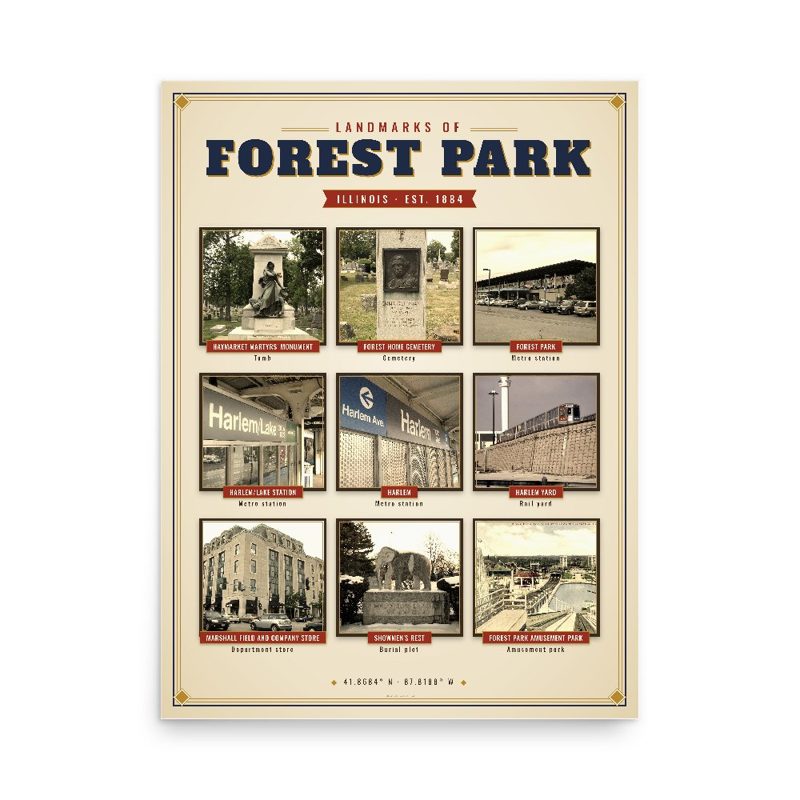
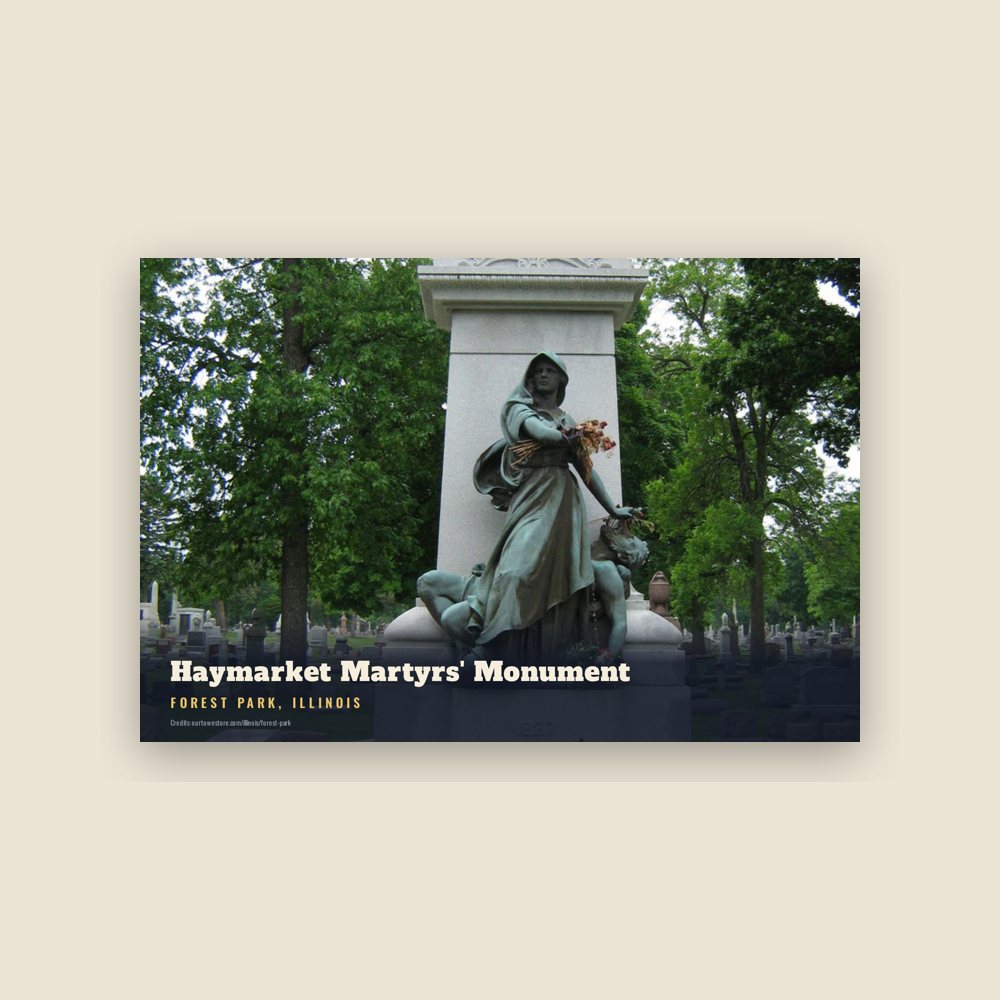
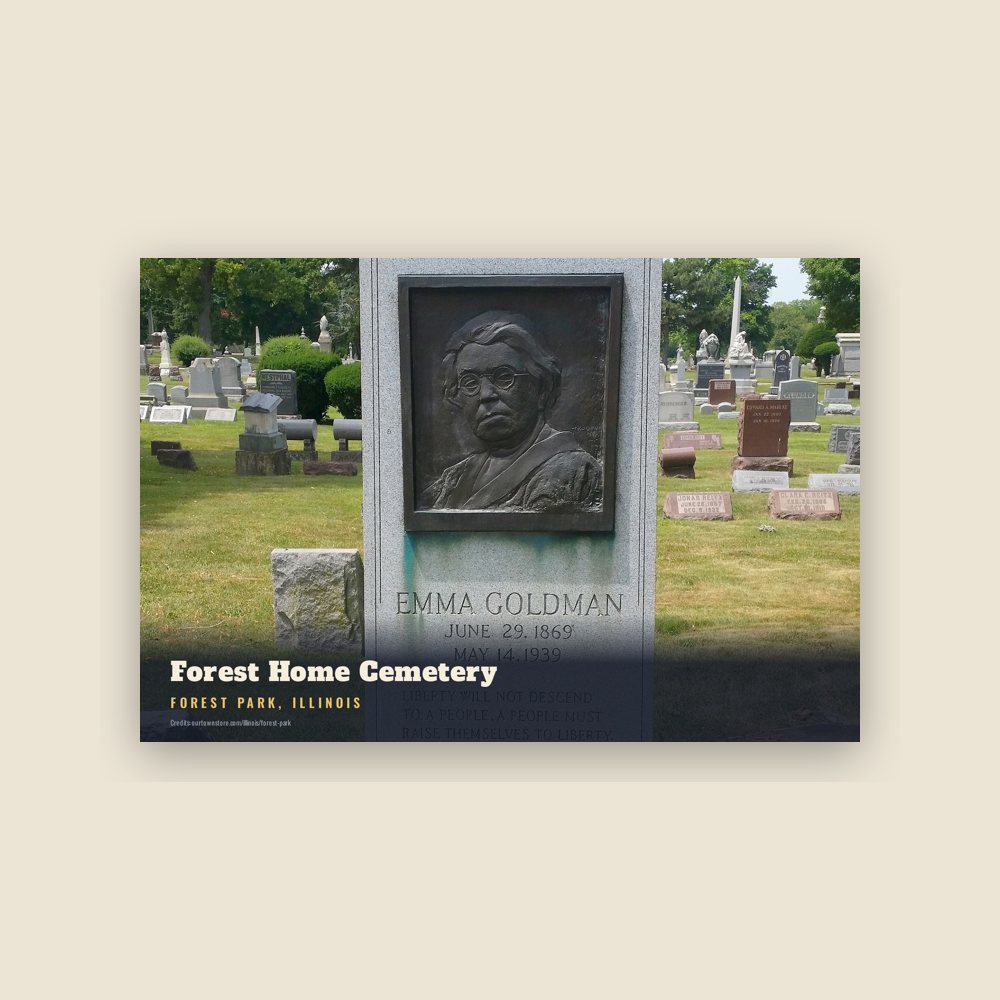
For much of its history, Forest Park was known as a "Village of cemeteries", with more dead "residents" than living ones; some figures estimate the ratio at 30:1, dead to alive. Forest Park cemeteries include Altenheim, Forest Home Cemetery (incorporating the German Waldheim Cemetery), Jewish Waldheim (producer Mike Todd is buried in Beth Aaron there), Woodlawn (including Showmen's Rest), and Concordia. Forest Home Cemetery is home to the famous Haymarket Martyrs' Monument.
From 1925 to 1931, Forest Park had a radio station with a variety of call letters. The station began in 1925 as WHT. It was known as WNBA, with its studios near Des Plaines and Roosevelt Road from 1927 to 1928. In 1929, the call letters changed again, this time to WSOA and again to WCHI in 1929. As WSOA, the radio station had 5,000 watts of power. It went off the air for good in 1931.
The Naval Ordnance Station Forest Park (originally a Naval Ordnance Plant) operated from early in World War II until most of the plant was replaced by a mall in 1971, with some of the site used as a Naval Reserve center until 2007. The plant employed up to 6,500 workers and produced 19,000 torpedoes during World War II.
In 2007, the town held a summer-long centennial celebration. Forest Park has also held two other centennial celebrations, one in 1956 for when the first settlers came and one in 1984 for the 100th anniversary of the creation of the town of Harlem.
Women's professional baseball/softball has roots in Forest Park. Emery Parichy purchased the Boston Bloomer Girls softball team in the early 1930s, renamed them Emery Parichy's Bloomer Girls, and moved them to Forest Park. The team operated in the suburb until 1955, when the land their softball field was on was taken for the Eisenhower Expressway.
Read the full history
Amusement park
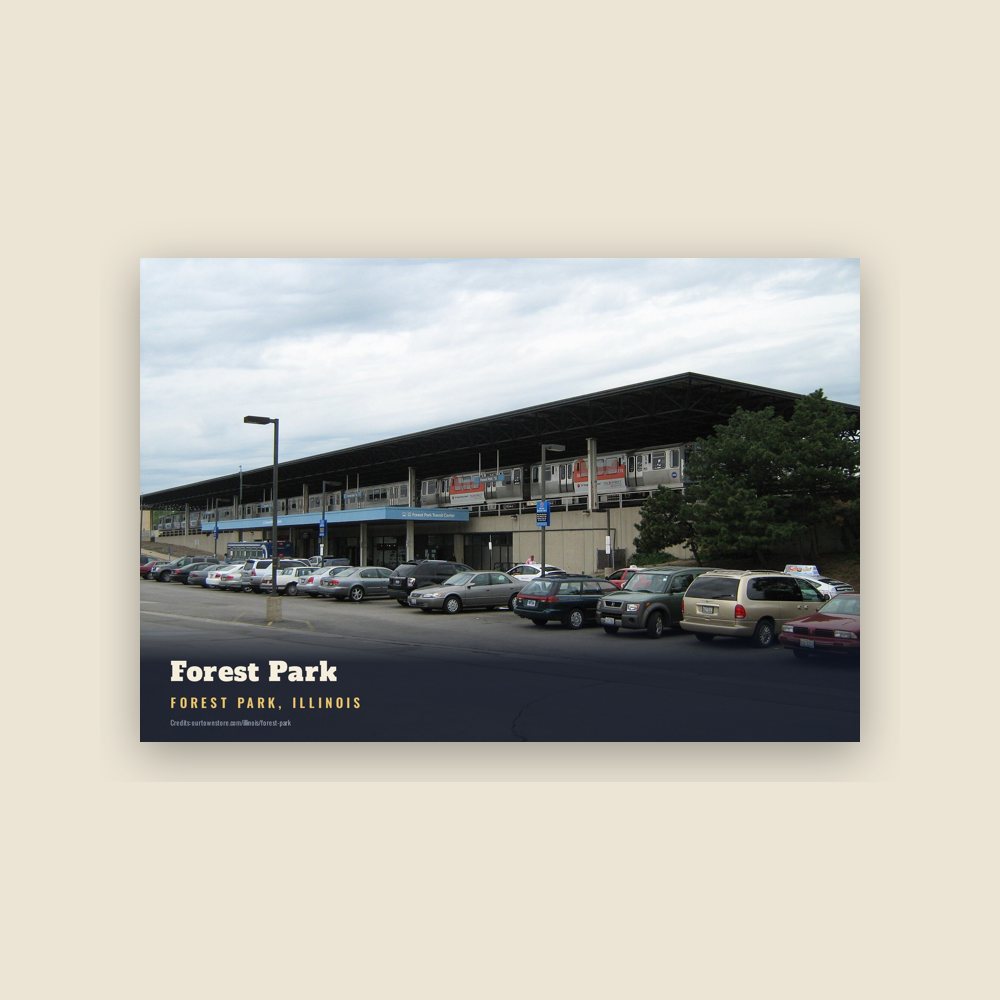
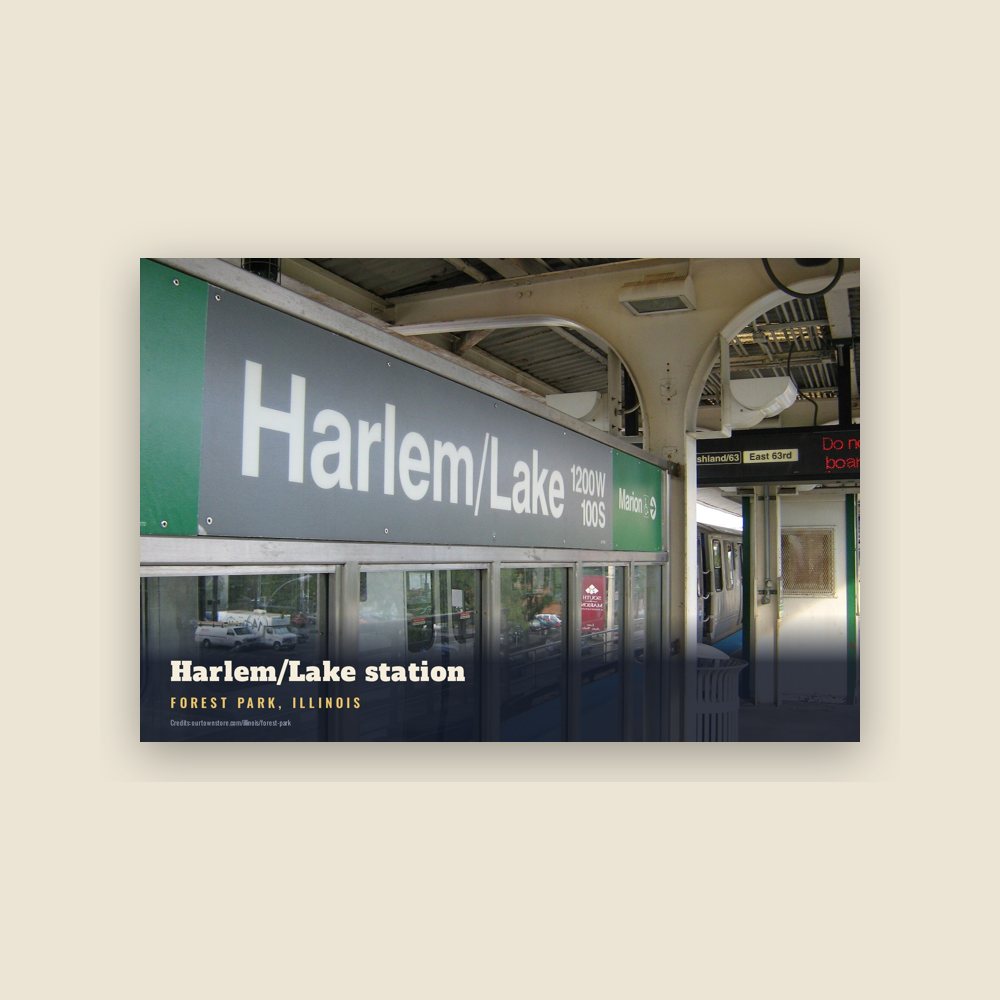
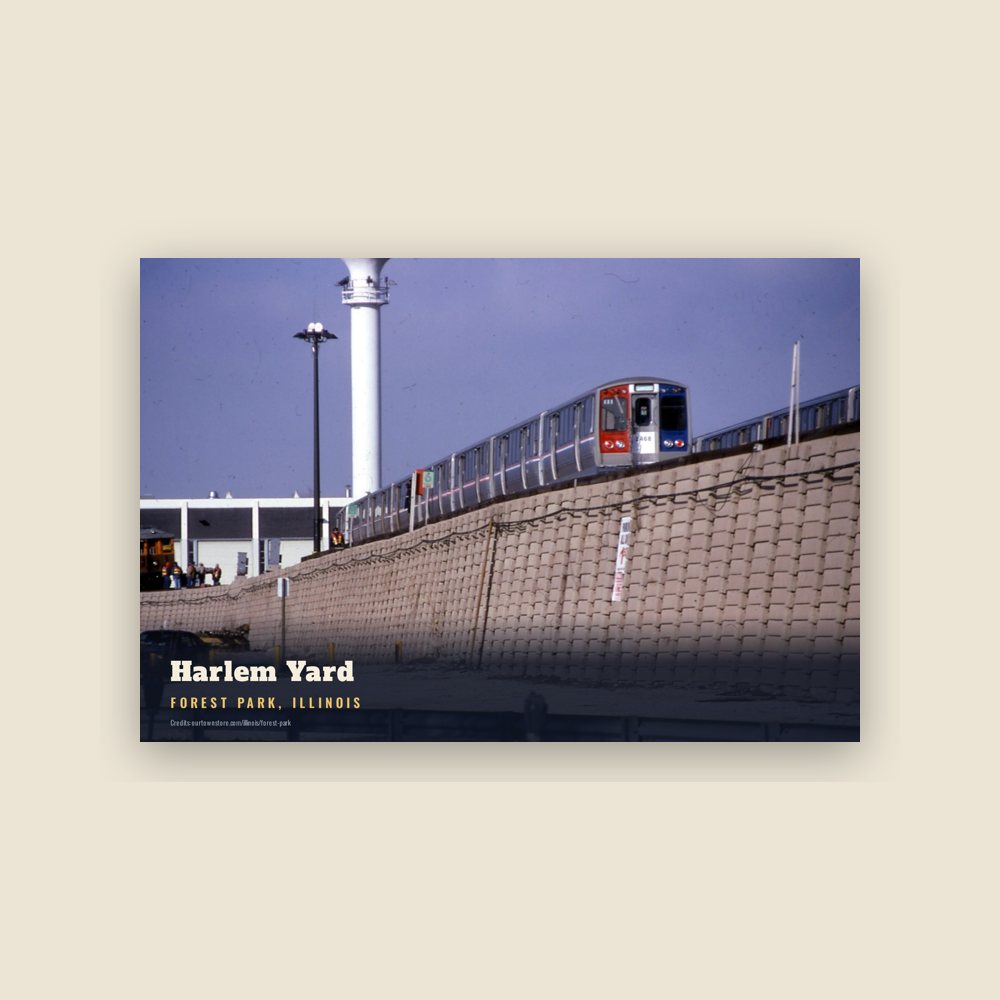
Forest Park was the location of Forest Park Amusement Park, a small but popular amusement park located just west of Desplaines Avenue, and just north of the then Waldheim Cemetery, from 1907 to 1922. Initially, the park was received negatively by Chicago area church members due to its close proximity to the cemetery. However, its public acclaim helped bring in a crowd of approximately five to ten thousand on opening day, and the various rides, games, and shows the park had to offer kept residents coming back. On July 25, 1918, a fire broke out in the swimming pool's boiler room. The fire quickly spread to other utility areas of the park which left firefighters without access to water and power. The park planned to reopen later that same day, though 1/5th of the park was destroyed by the fire. In the years following the fire, the park was mostly successful primarily due to events and activities that helped the community and the park's occasional rallies against prohibition. However, with the 18th Amendment taking effect coupled with a strict crack-down on gambling, the park never reopened following the cessation of its 1922 season. Its former location is now occupied by the Forest Park station on CTA's Blue Line at Desplaines Avenue.
Circle Theatre
For most of its history, Forest Park was home for the 25-year-old professional (non-equity) theater company, Circle Theatre, which now resides across Harlem Avenue in neighboring Oak Park. Hedy Weiss of the Chicago Sun-Times writes: "One of the most consistently satisfying theatrical operations in the area ...everything from classics to new American plays ...theatre at its very best." Circle Theatre has produced over 175 productions and received over 80 Joseph Jefferson (JEFF) nominations and won over 30 Jeff Awards. Notable visits from famous playwrights have included Marvin Hamlisch, Rupert Holmes, Douglas Post, Michael John LaChiusa, Stephen Clark and Rebecca Gilman. Rebecca Gilman had her first play produced at Circle Theatre before becoming one of America's leading playwrights. Notable supporters have included Harry Connick, Jr. and Russell Crowe. Award-winning director/choreographer Kevin Bellie was artistic director from 2003 to 2012.
Adapted (trimmed) from the Wikipedia article Forest Park, Illinois, revision 1375879312 by its contributors, licensed CC BY-SA 4.0.
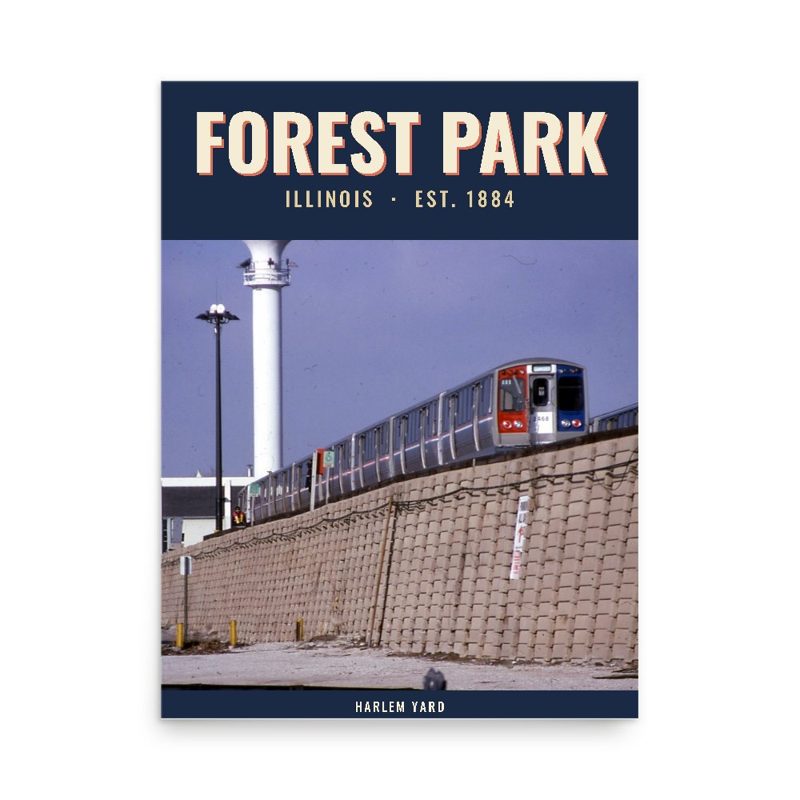
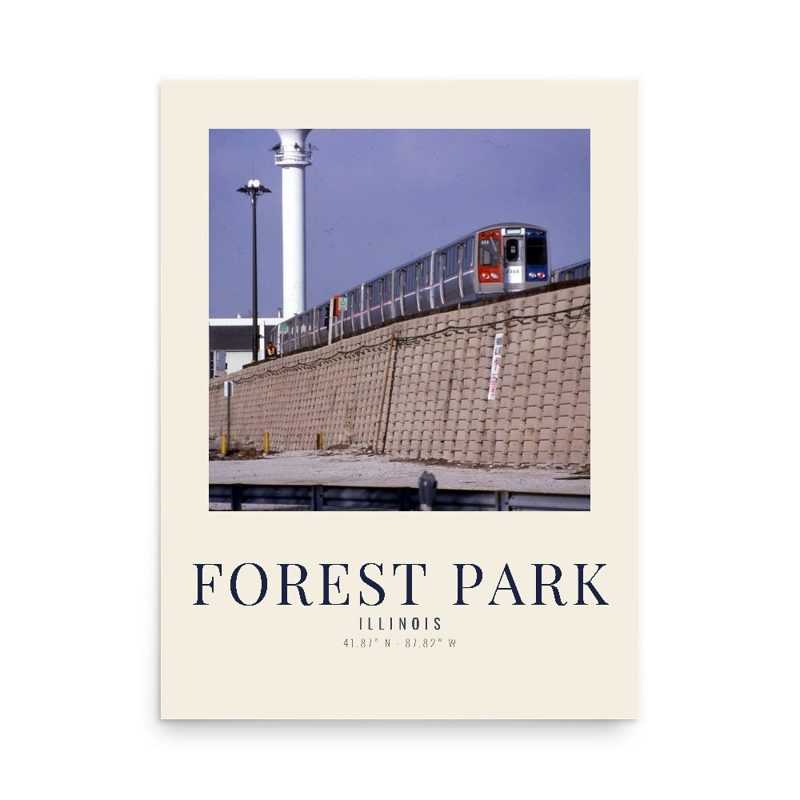
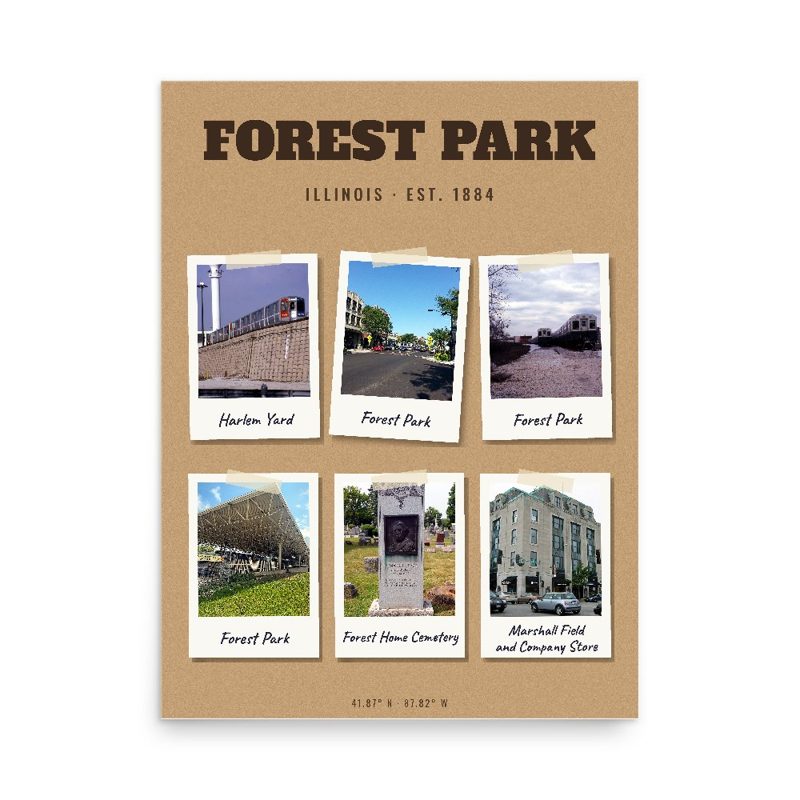
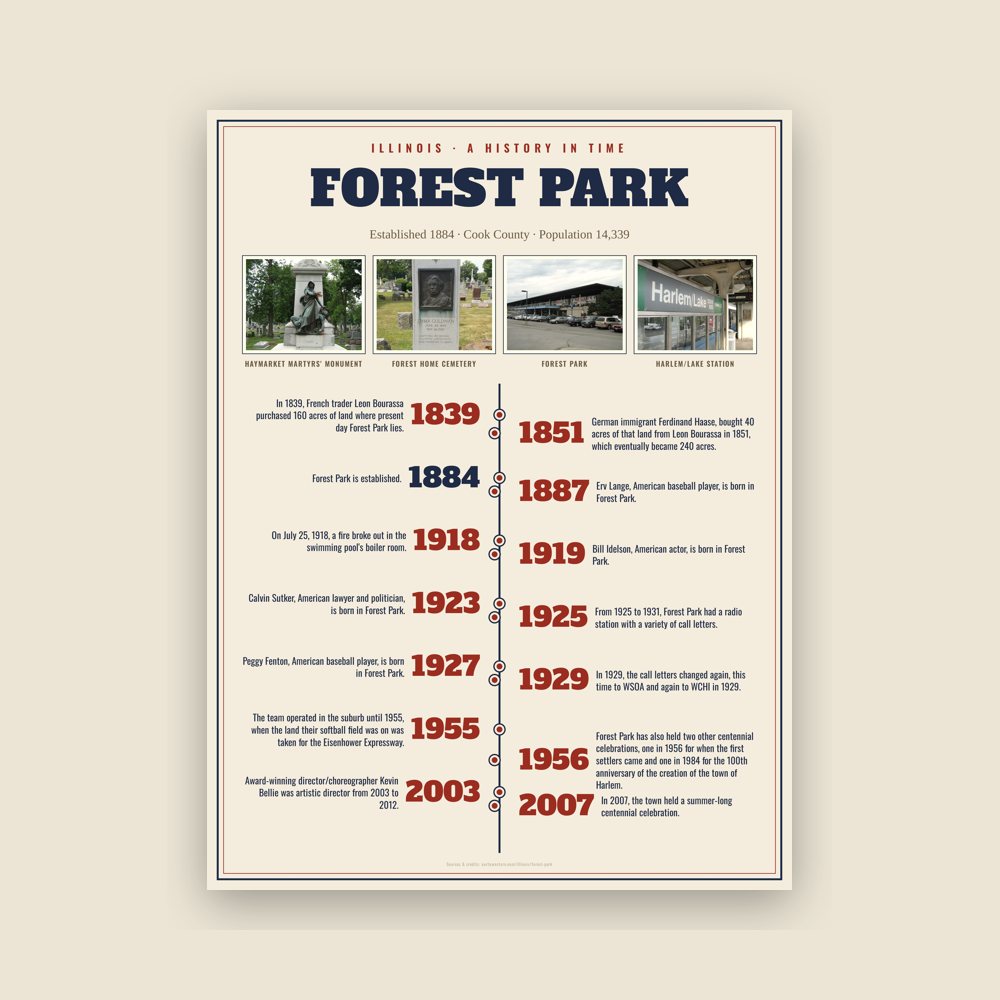
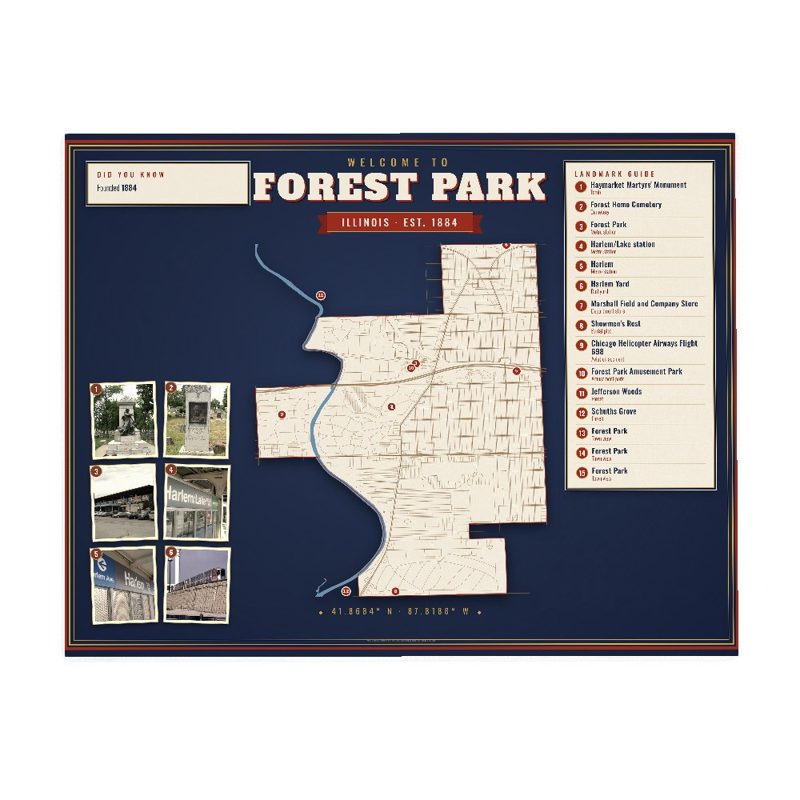

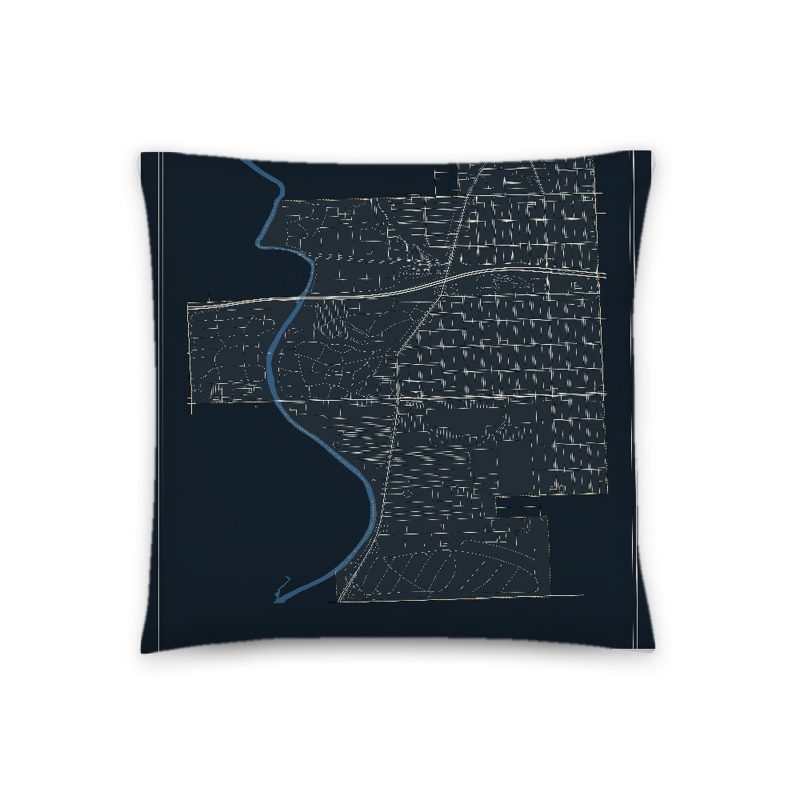
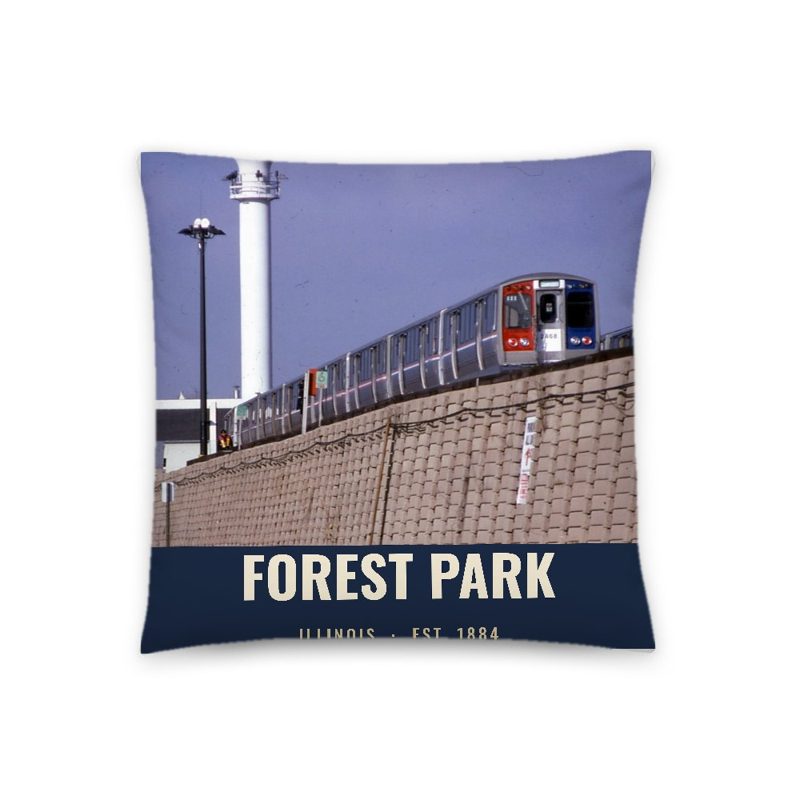

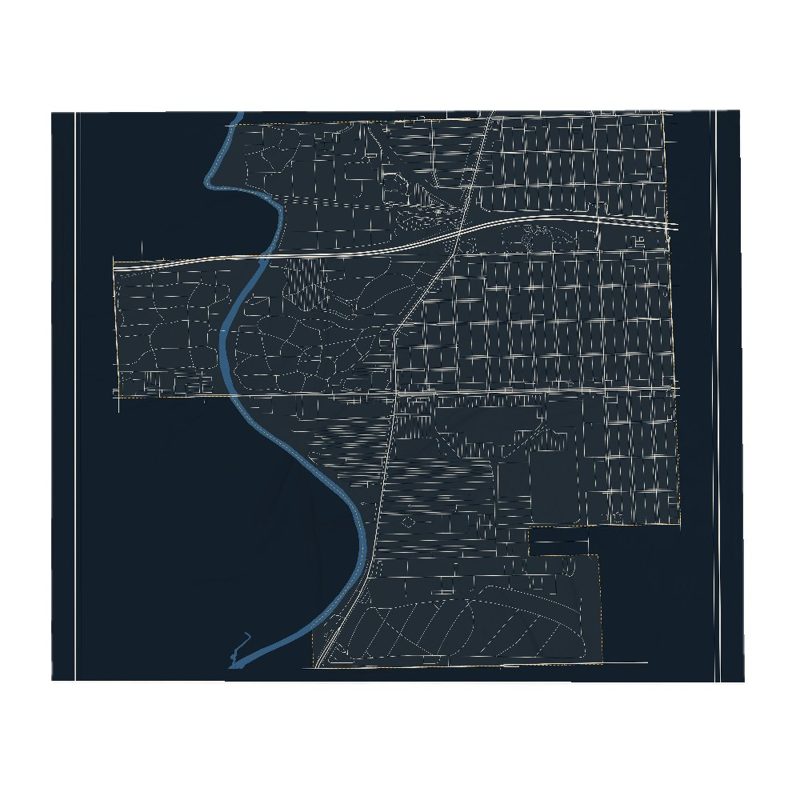
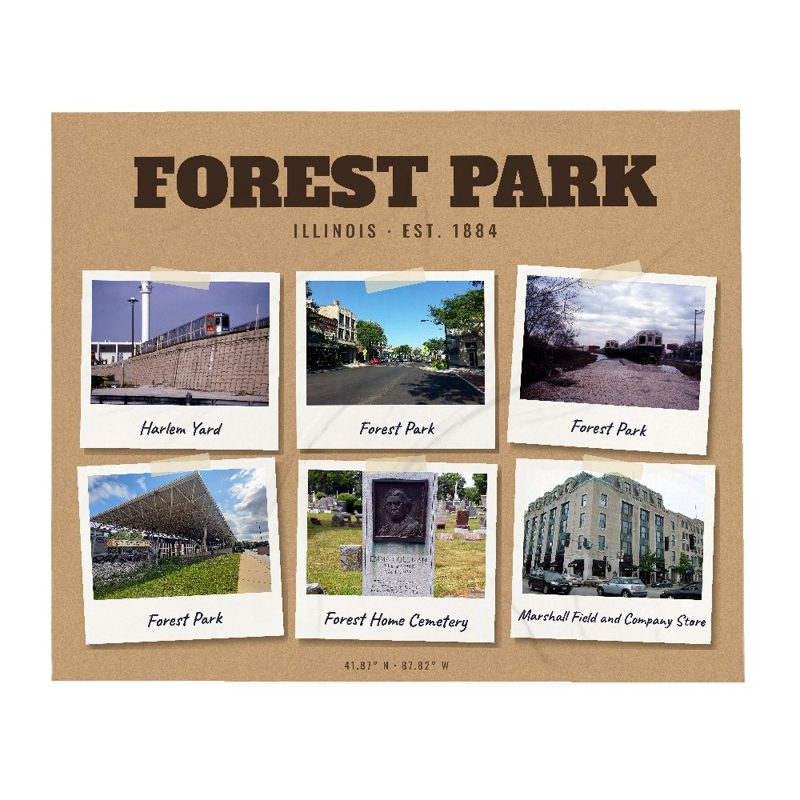
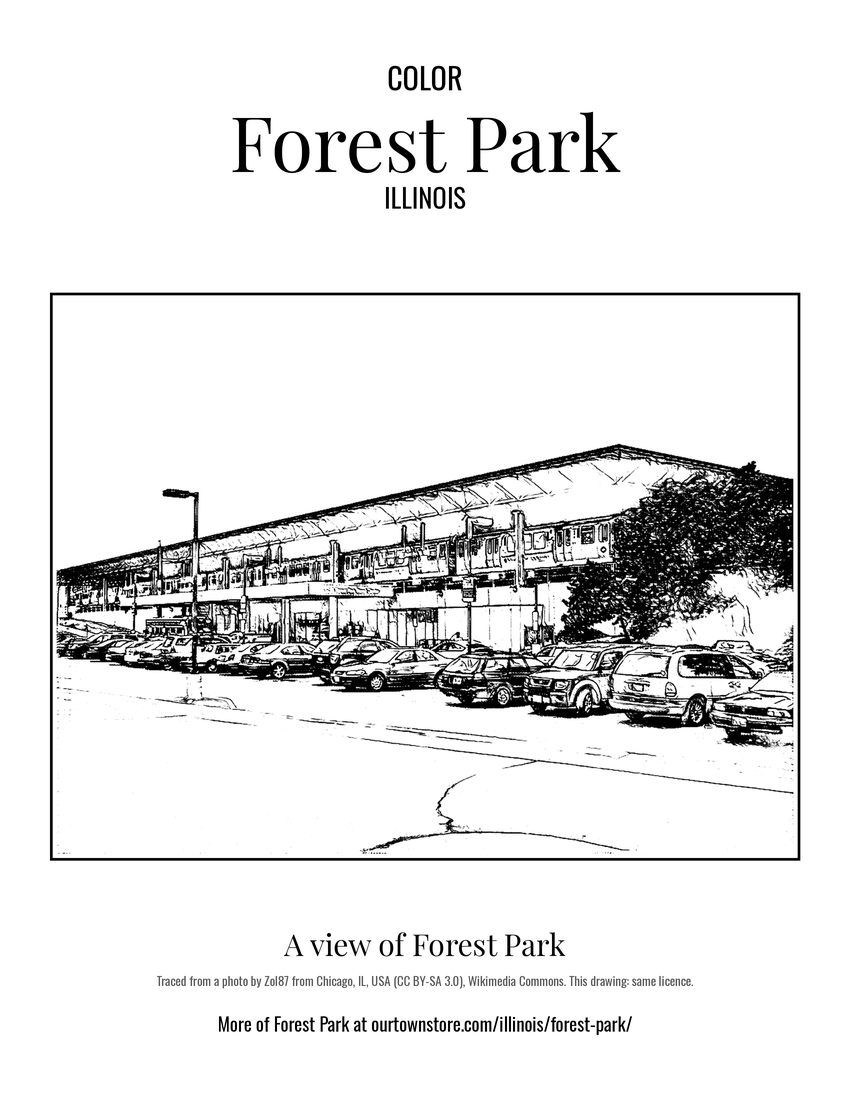 A view of Forest Park
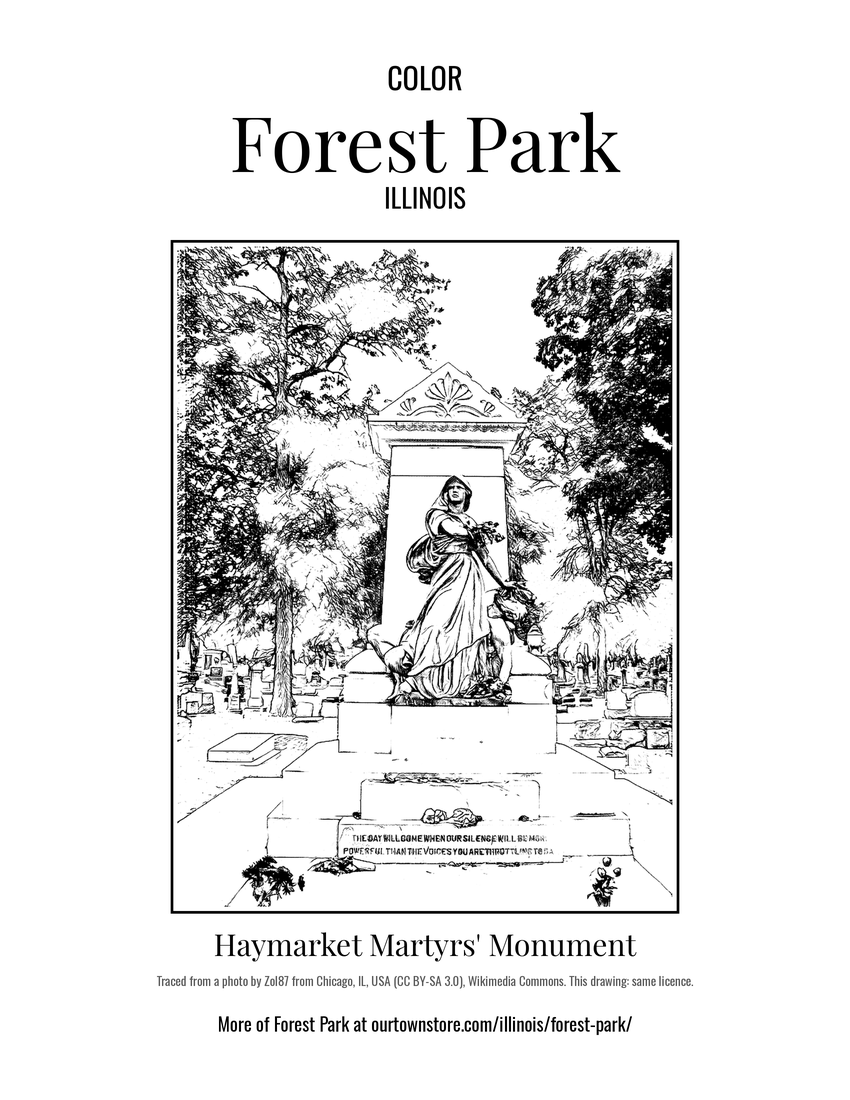 Haymarket Martyrs' Monument
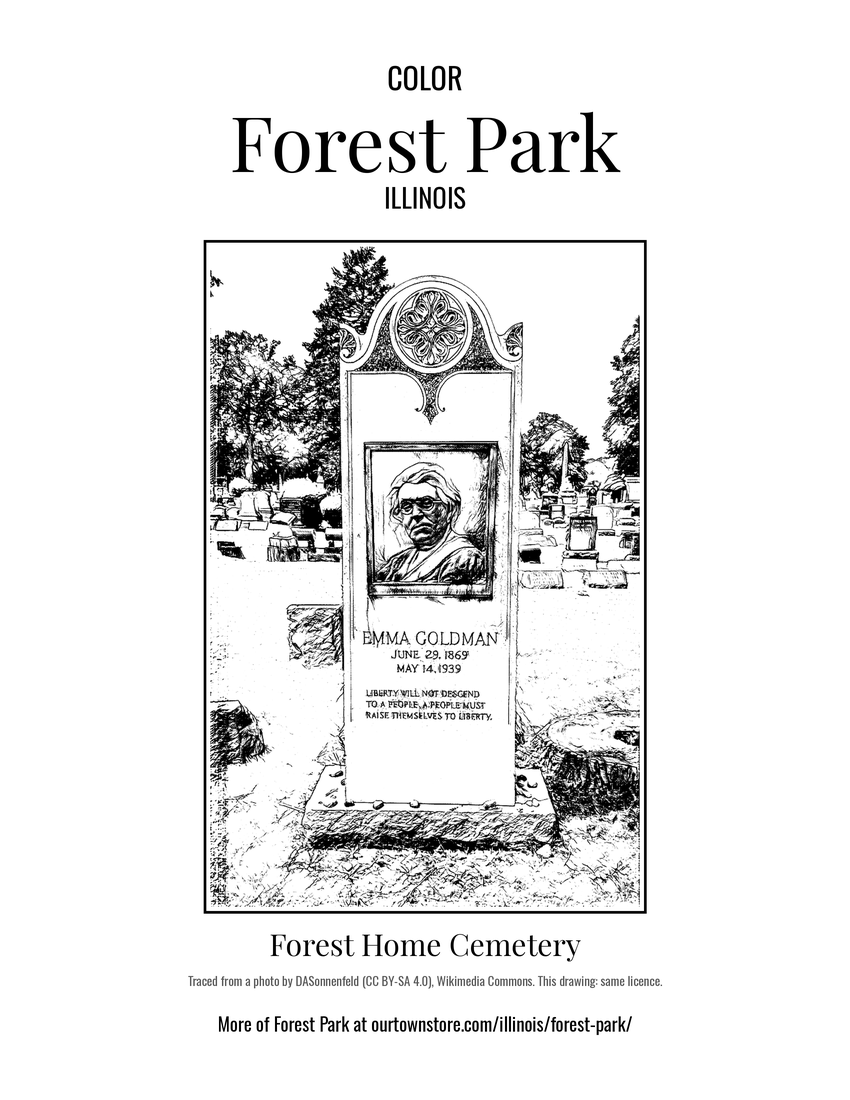 Forest Home Cemetery
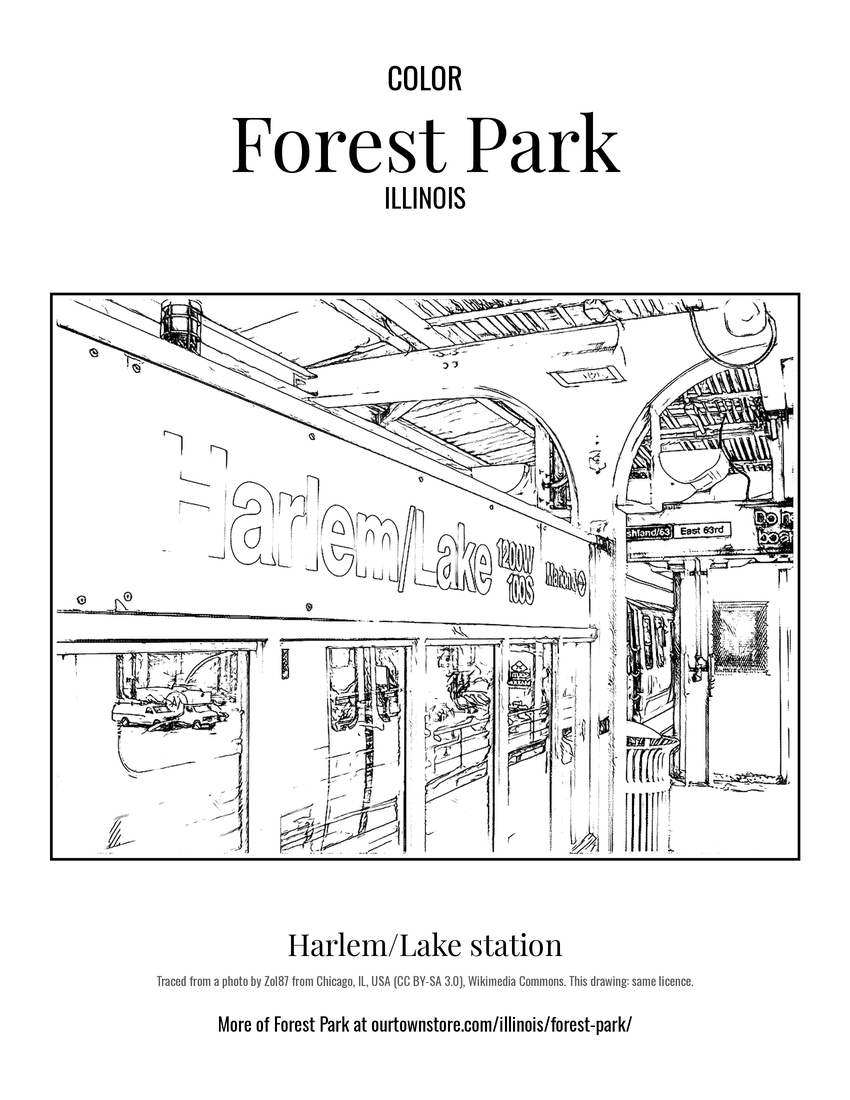 Harlem/Lake station