A short history of Elizabeth
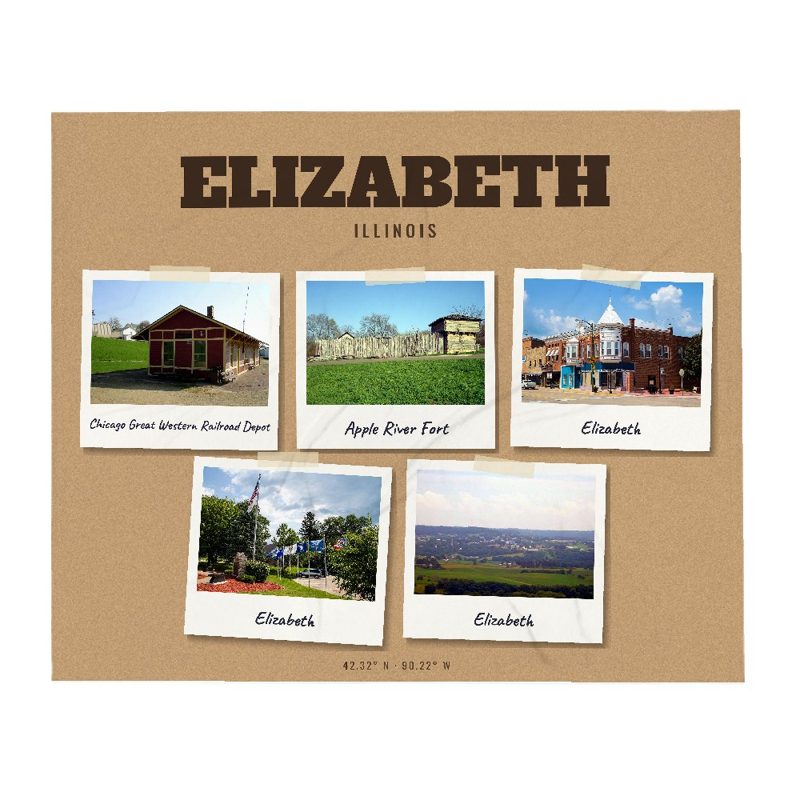
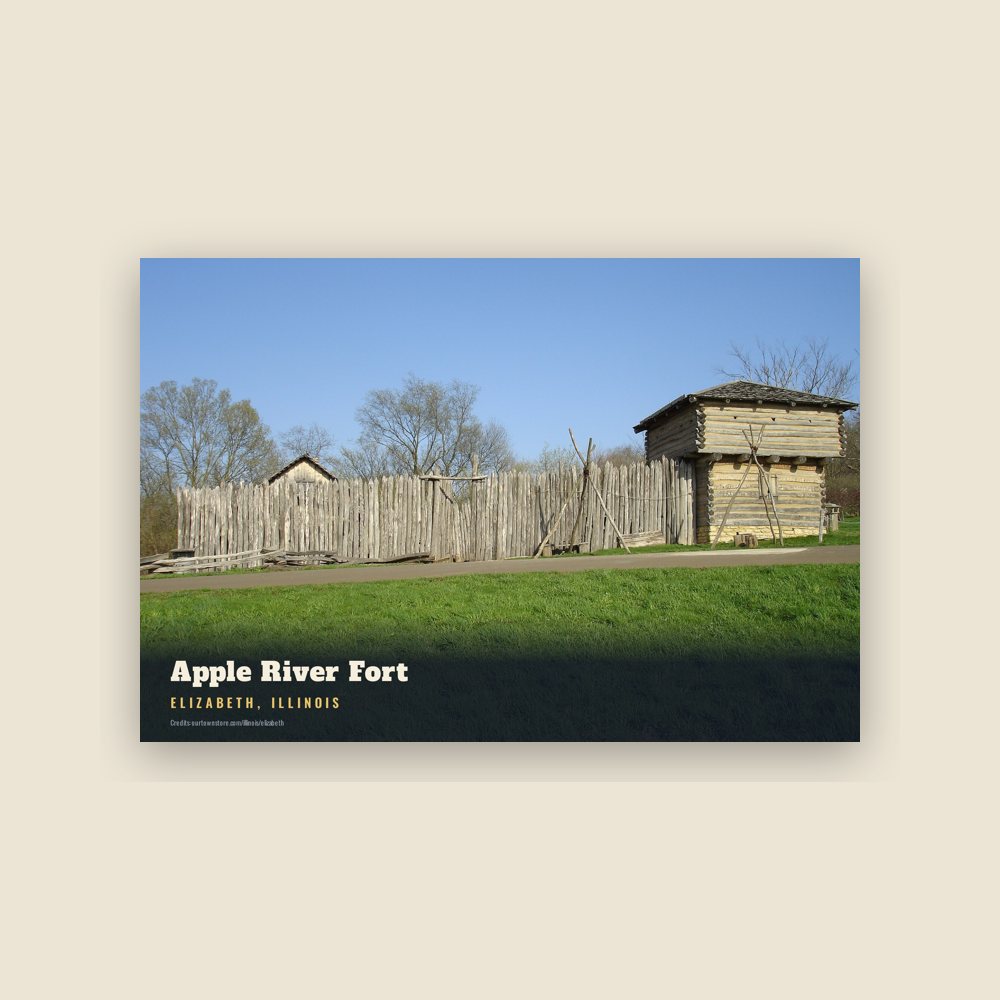
Prior to European contact, the area where the village stands today was inhabited by the Sauk and Meskwaki peoples. It is believed that white settlers had moved into the area starting in the early 1800s due to the prominence of lead in the earth. These mines that were built in Jo Daviess County are considered to be what triggered the 1832 Black Hawk War and the devastating Bad Axe Massacre. The Apple River Fort was built in response to this conflict and on June 24 a battle ensued. This is considered the last Native American offensive battle east of the Mississippi River.
During the battle, it is thought that a woman named Elizabeth Armstrong rallied the locals of the fort to continue the fight and assist the soldiers in any way they could. As a result of the bravery of her and the other women in the camp, the community was renamed from simply the Apple River Settlement to Elizabeth.
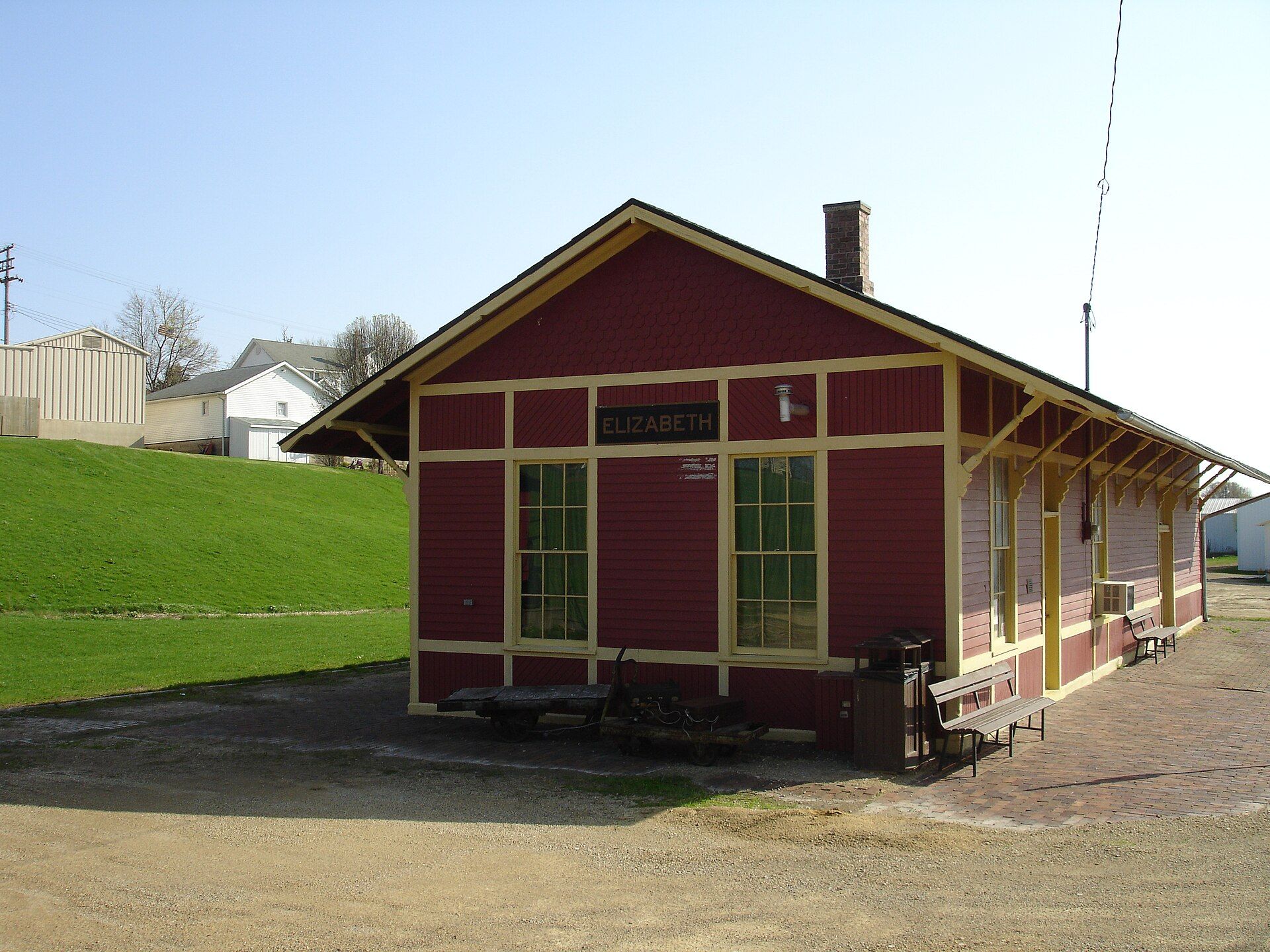
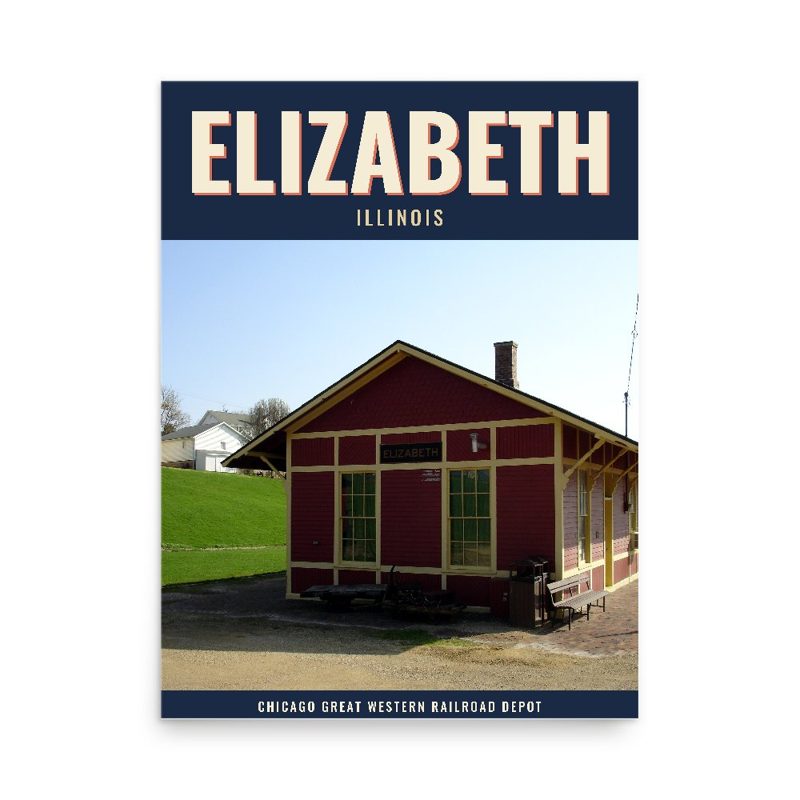
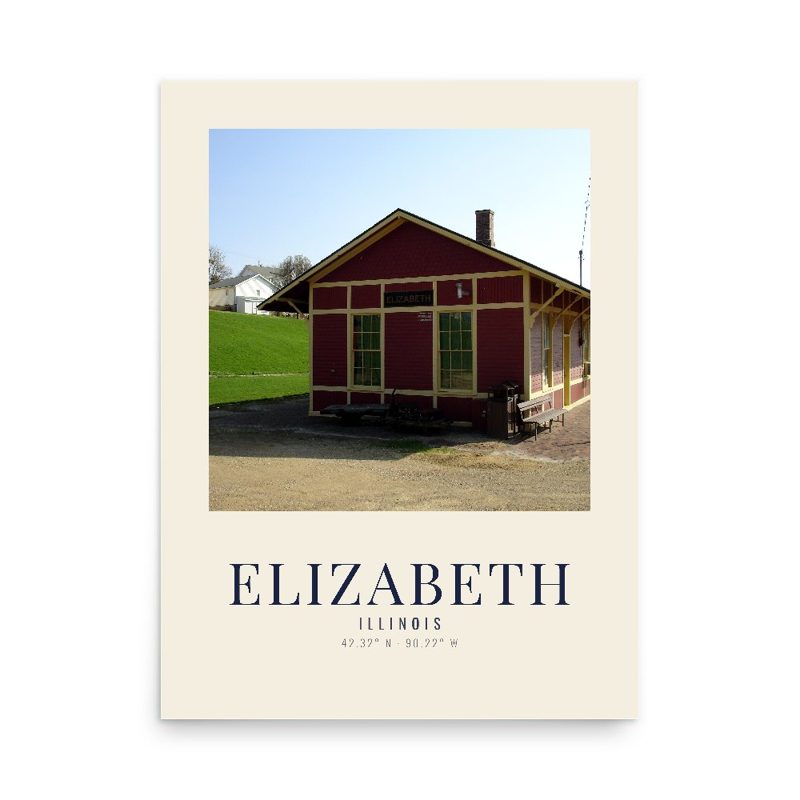
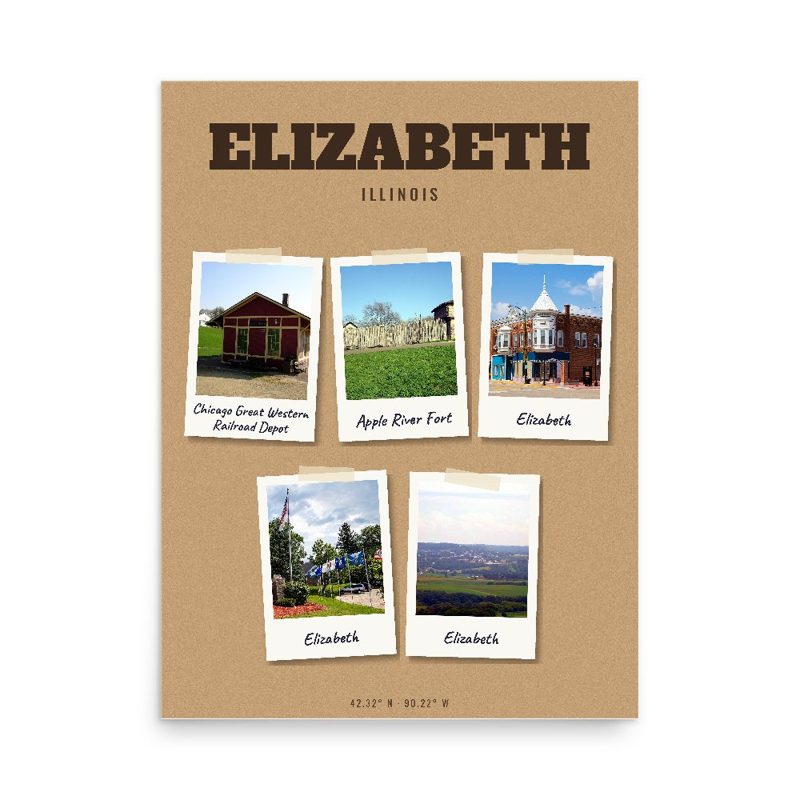
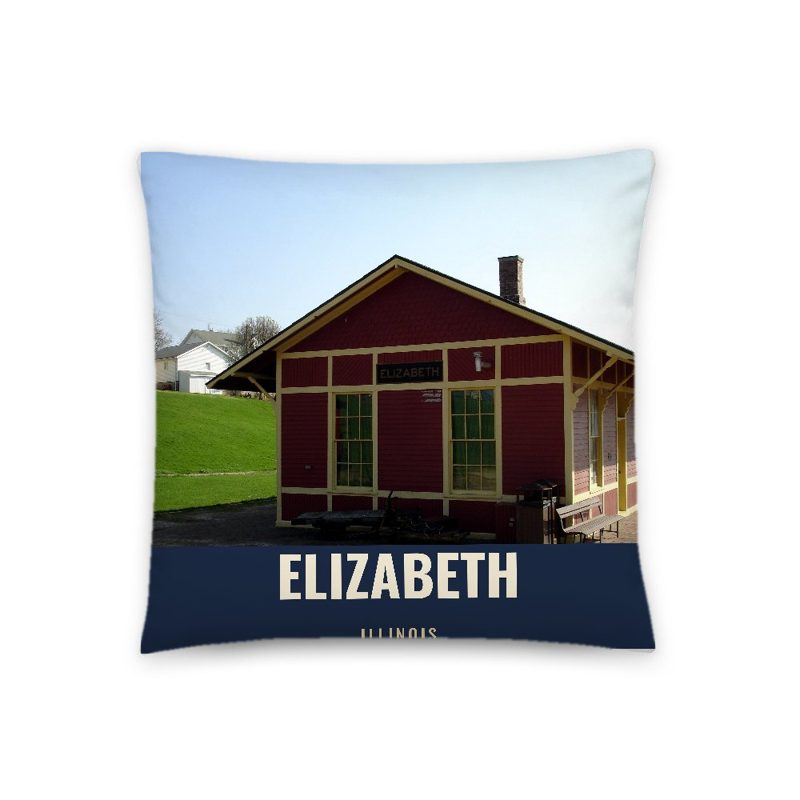
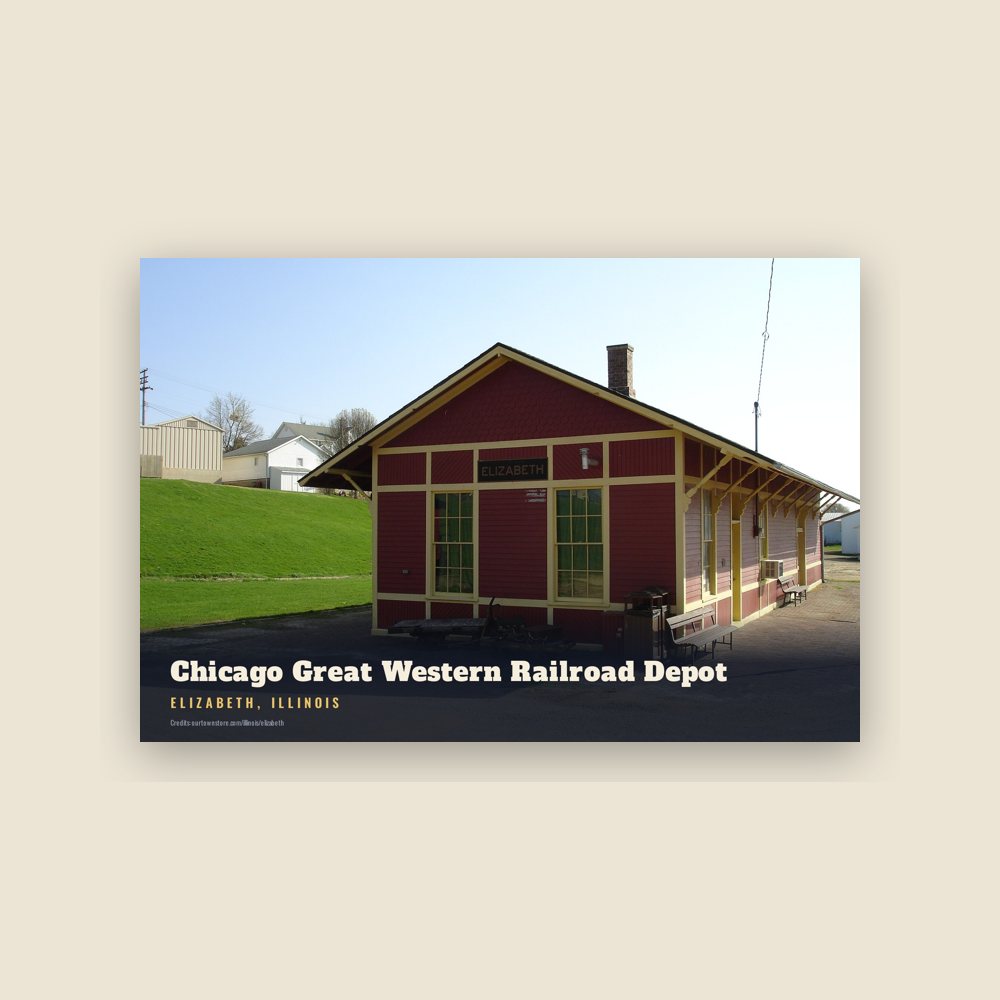
In 1878 the Chicago Great Western Railroad was built through the area which caused an increase in population. Elizabeth station exists to this day and it was added to the National Register of Historic Places in 1996.
Adapted (trimmed) from the Wikipedia article Elizabeth, Illinois, revision 1385171041 by its contributors, licensed CC BY-SA 4.0.