A short history of Buffalo Grove
Prior to incorporation
The first inhabitants of the region were the Illinois Confederation; they comprised multiple tribes and mainly lived in central Illinois.
Throughout the 1700s, the Iroquois, Potawatomi, and others invaded and eventually destroyed the confederation. The Potawatomi's success led them to inhabit areas near the present Buffalo Grove until 1833. Being the dominant group, the Potawatomi would frequently be involved in the conflicts between Europeans, such as the Beaver Wars. The first Europeans to stay the winter in what would become Chicago were the French Jesuit explorers Father Jacques Marquette and Louis Jolliet in 1673; they established trade relations with the Ojibwe. They were traveling west to find the mouth of the Mississippi River to map its entirety and to spread Christianity.
Consistent with Native American history in the United States, the tribes in Illinois were devastated by decades of war, diseases, and the ever-encroaching American settlers. The settlers caused a dwindling of food and game; in 1829, a group of Illinois River Potawatomi signed a land cession treaty that included what would become Lake County in exchange for annual delivery of $12,000 in cash and 50 barrels of salt, $12,000 in gifts, and an exclusive blacksmith shop for them. The Native Americans' efforts to remain on their land failed because of the pressure of westward migration, aided by the recent opening of the Erie Canal. They signed the 1833 Treaty of Chicago, which ceded all their lands in Illinois and Wisconsin and opened the area to white settlement. Some Native Americans who left the area would move onto reservations in western Missouri and Kansas, while others went north into Canada or resettled in northern Michigan and Wisconsin.
The first white settler in Vernon Township was Daniel Wright, who arrived in 1833 and established a cabin and crops with the help of remaining natives. The first settlers in Buffalo Grove were homesteaders from New England who received land grants from the government. They stayed for five years and sold their land to Catholic German immigrants fleeing poor living conditions. The primarily agricultural immigrants subsequently established the St. Mary's Roman Catholic Church and St. Mary's School in the 1850s; they still stand today. Buffalo Grove expanded throughout the 19th century with the additions of the first school (St. Mary's School), the Firnbach Tavern, and the Weidner General Store. The General Store served many purposes in the town, such as the post office, train ticket office, polling place, and first town telephone. Before World War II, Buffalo Grove was entirely rural, consisting of less than 150 people, mostly dairy farmers.
Read the full history
Incorporation and post-incorporation
All farmers eventually sold their land to developers like Al Frank, president of Buffalo Grove Home Builders Inc., who started developing his 100-acre purchase in the 1950s for World War II and Korean War veterans. The demand for single-family homes near Chicago led to a wave of "suburban settlers" in Buffalo Grove; they lived in Frank's 1,000 square foot homes. Frank was instrumental in Buffalo Grove's incorporation in 1958 because he successfully recruited many people; incidentally, most of them were related to him or working for him. He had wanted to incorporate Buffalo Grove to remove his development from Cook County city planners. The incorporated population was 164 people. The incorporation led to a population increase in Buffalo Grove, and as more developers came, the village annexed more land. Organization quickly commenced as the government created a plan commission and parks and recreation commission. Meanwhile, the government hired a professional planner to create a land-use plan, which prevented problems associated with rapid growth. Alcott School opened in 1960. In 1962, the village held its first Buffalo Days festival, and the new Buffalo Grove flag—depicting a majestic, fighting buffalo, green leaves, and gold bands—was chosen.
In the 1970s, Buffalo Grove experienced an 80 percent population growth, the third-highest rate in the northwest suburbs during the decade.
The increasing population caused the village to continue to annex subdivisions such as the Highlands, Green Knolls, and Windfield and establish home rule status, thereby allowing the government greater ability to solve local problems. In addition to residential subdivisions, the Buffalo Grove Commerce Center was developed in 1981 with 50 acres of industrial park at Lake Cook Road and the Soo Line Railroad tracks. In the mid-1980s, the Corporate Grove industrial park was built to the east, and Buffalo Grove Business Park was constructed to the west. The Arbor Creek Business Center at Aptakisic Road and Barclay Boulevard, and Covington Corporate Center on Busch Road were also developed. Important buildings and organizations were completed in the 1970s, including Buffalo Grove High School, Adlai E. Stevenson High School, the park district, Indian Trails Public Library, and Vernon Area Public Library. In 1992, village representatives successfully pushed for a United States Postal Service in Buffalo Grove, the first main postal facility built in the United States in twenty years. The lack of a postal facility had many problems for residents, such as long lines, congestion, and parking hassles at the Wheeling facility. In 2006, the village became one of the first official smoke-free communities by banning smoking in public places and work environments.
Adapted (trimmed) from the Wikipedia article Buffalo Grove, Illinois, revision 1372039274 by its contributors, licensed CC BY-SA 4.0.
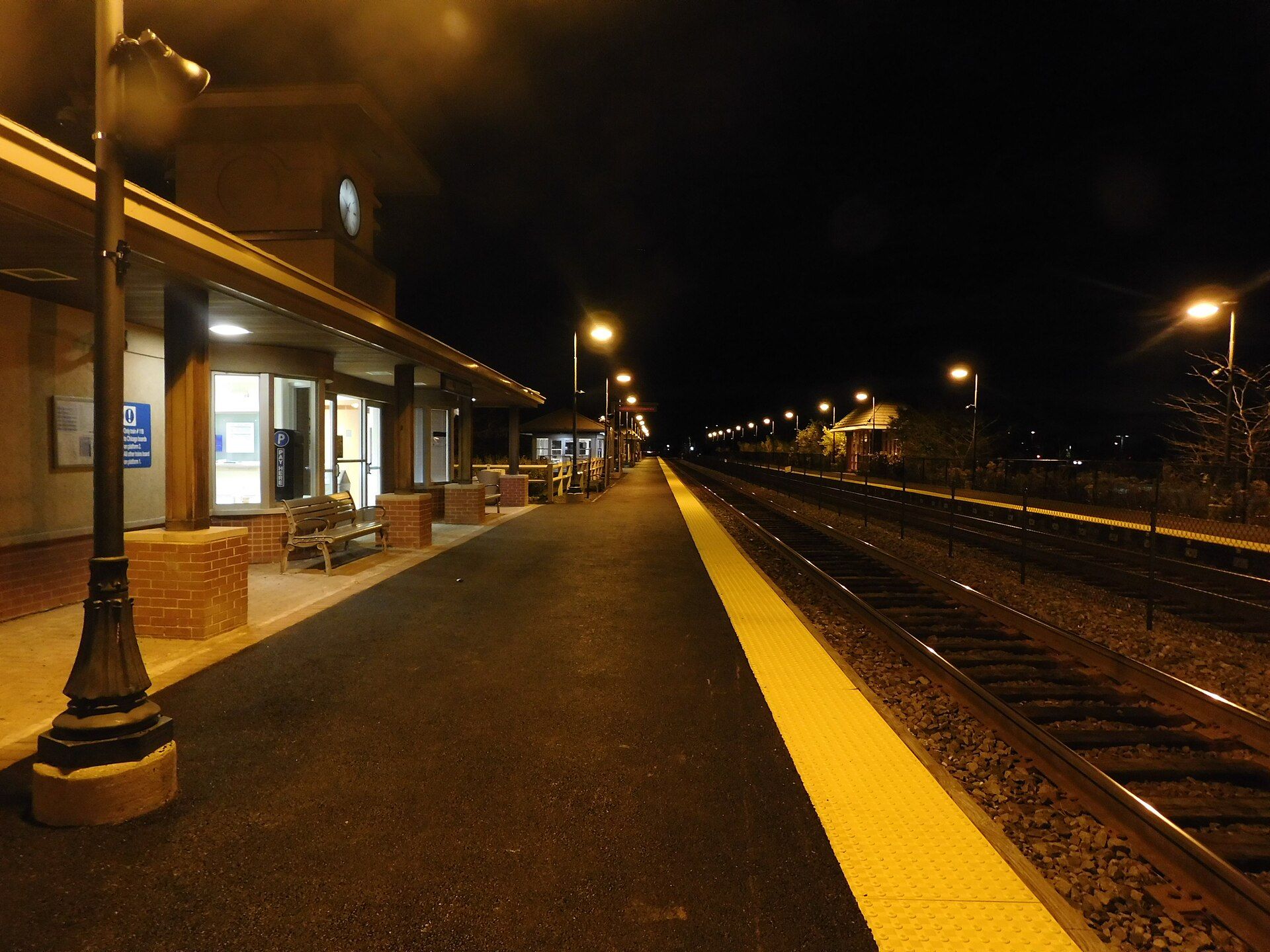
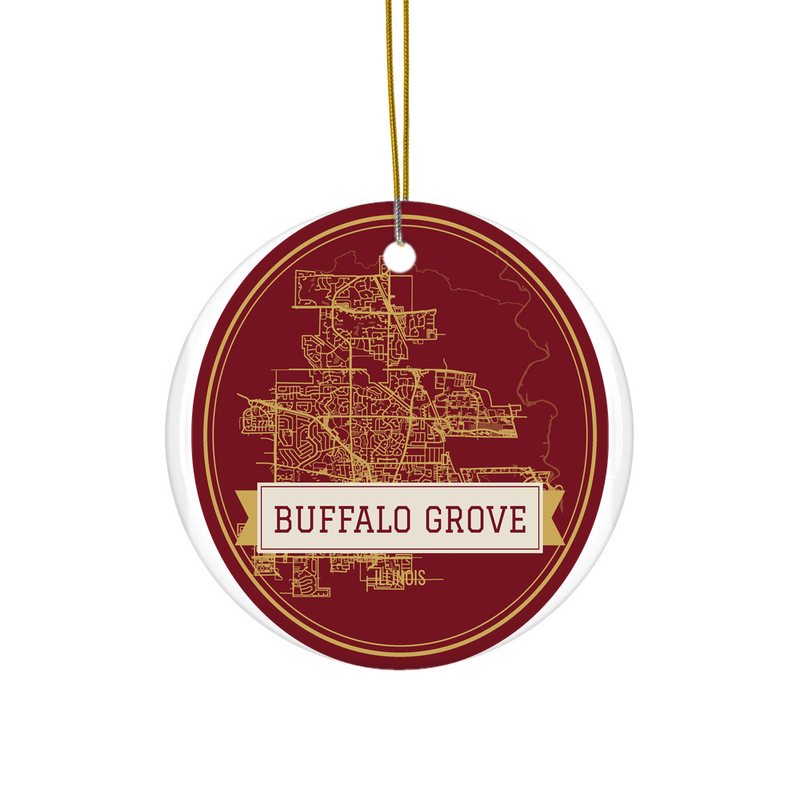
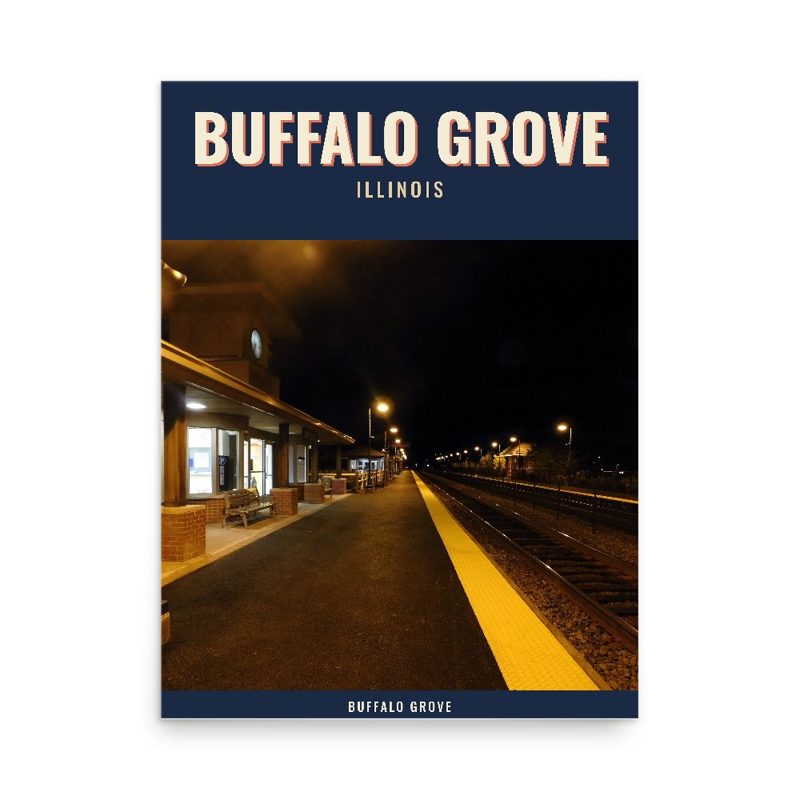
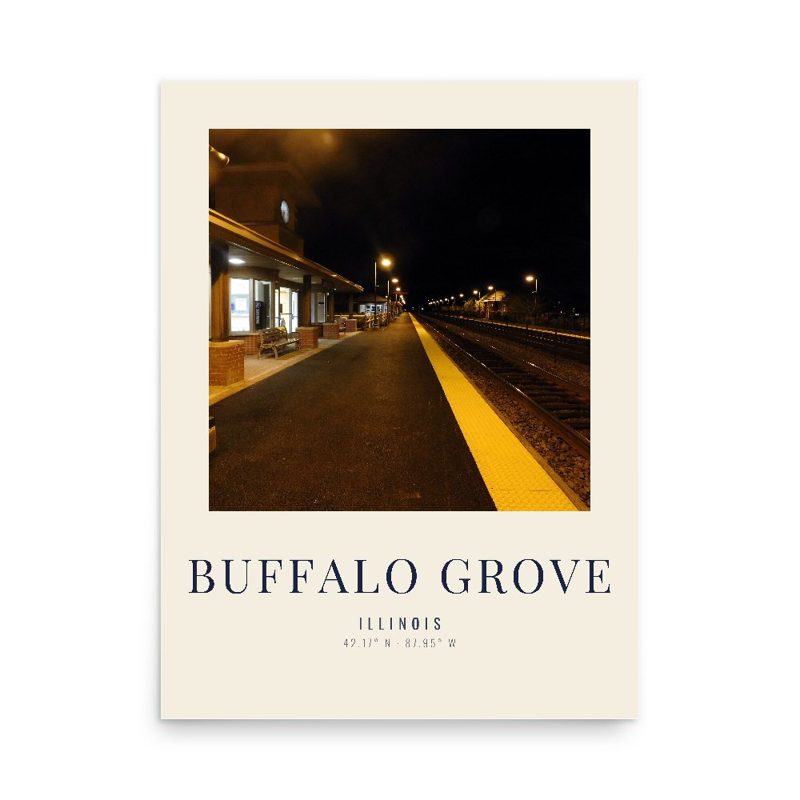
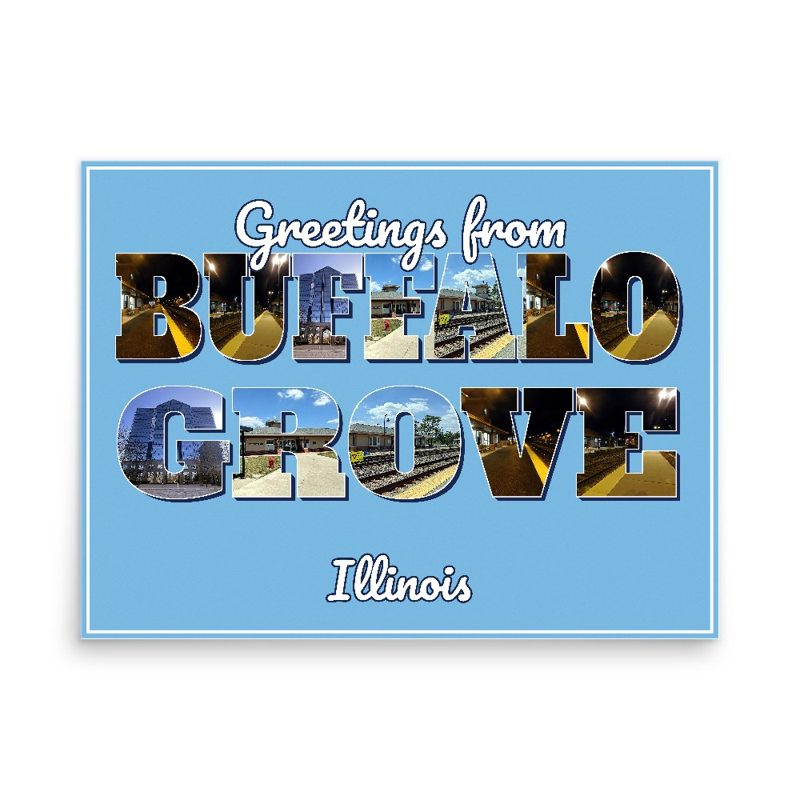
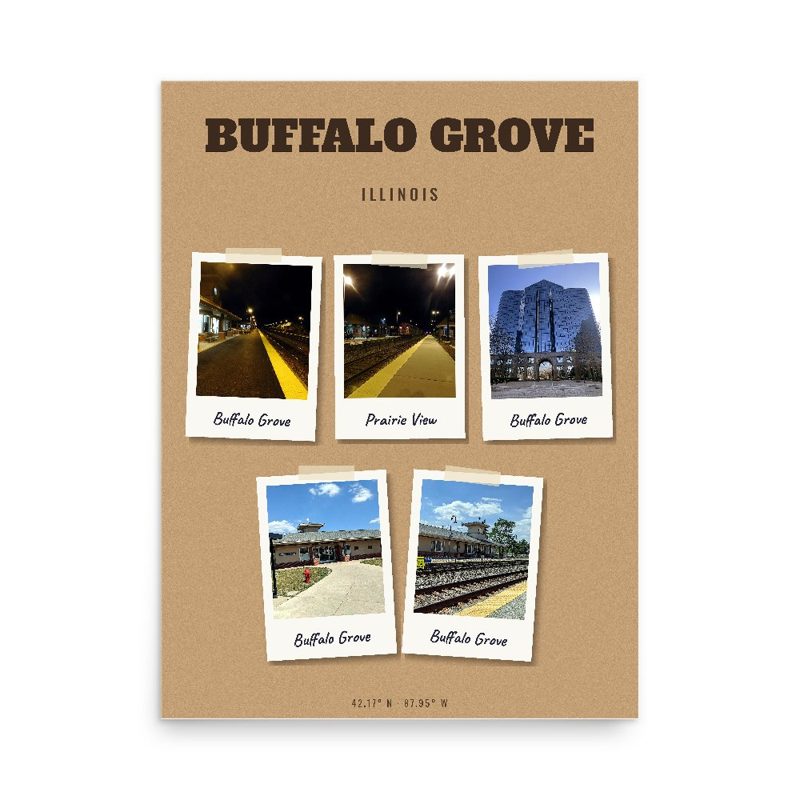
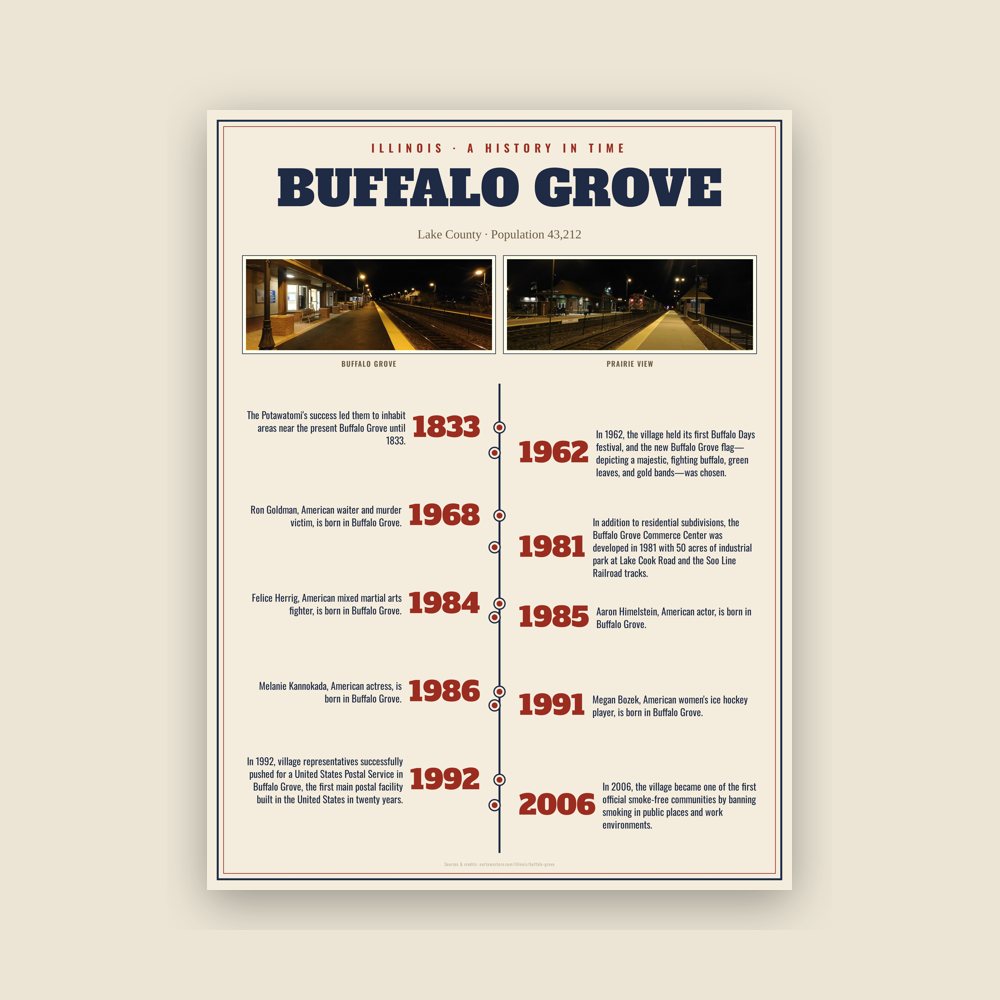
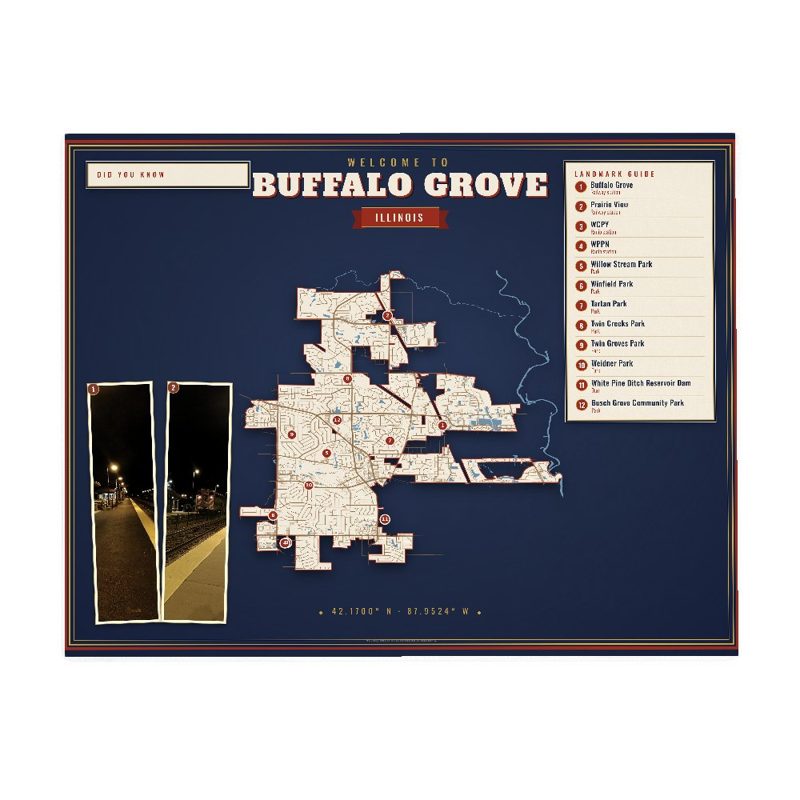



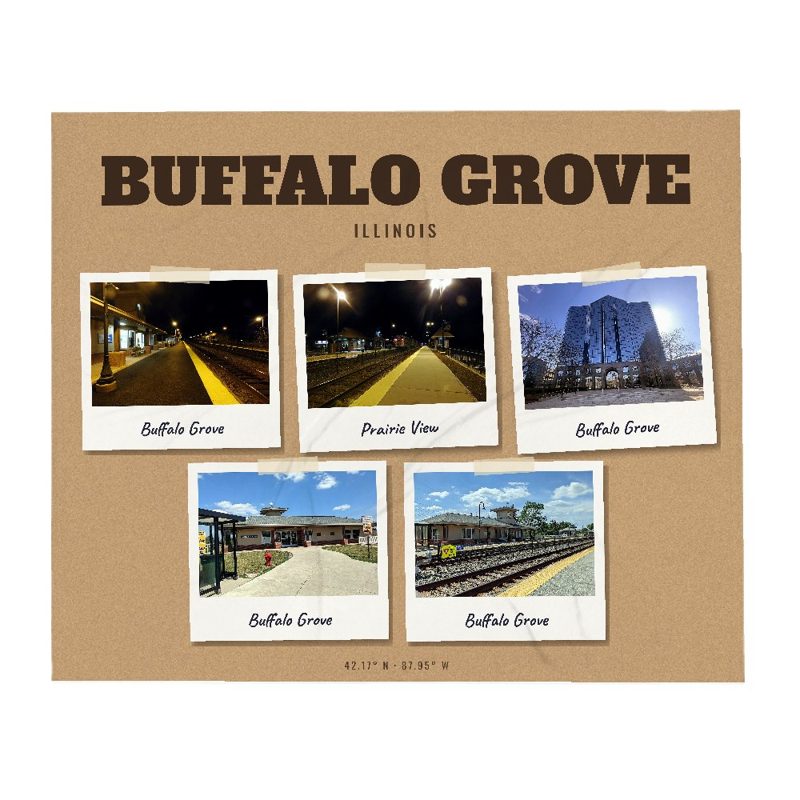
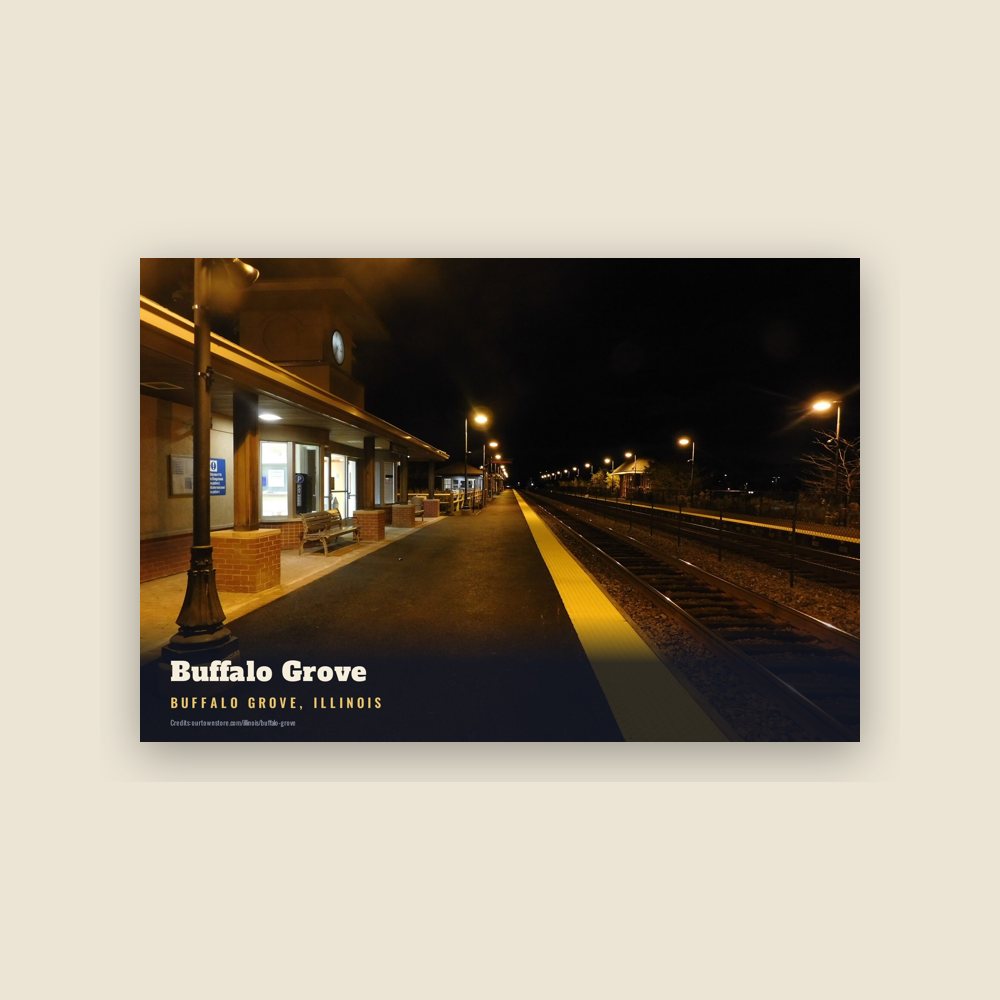

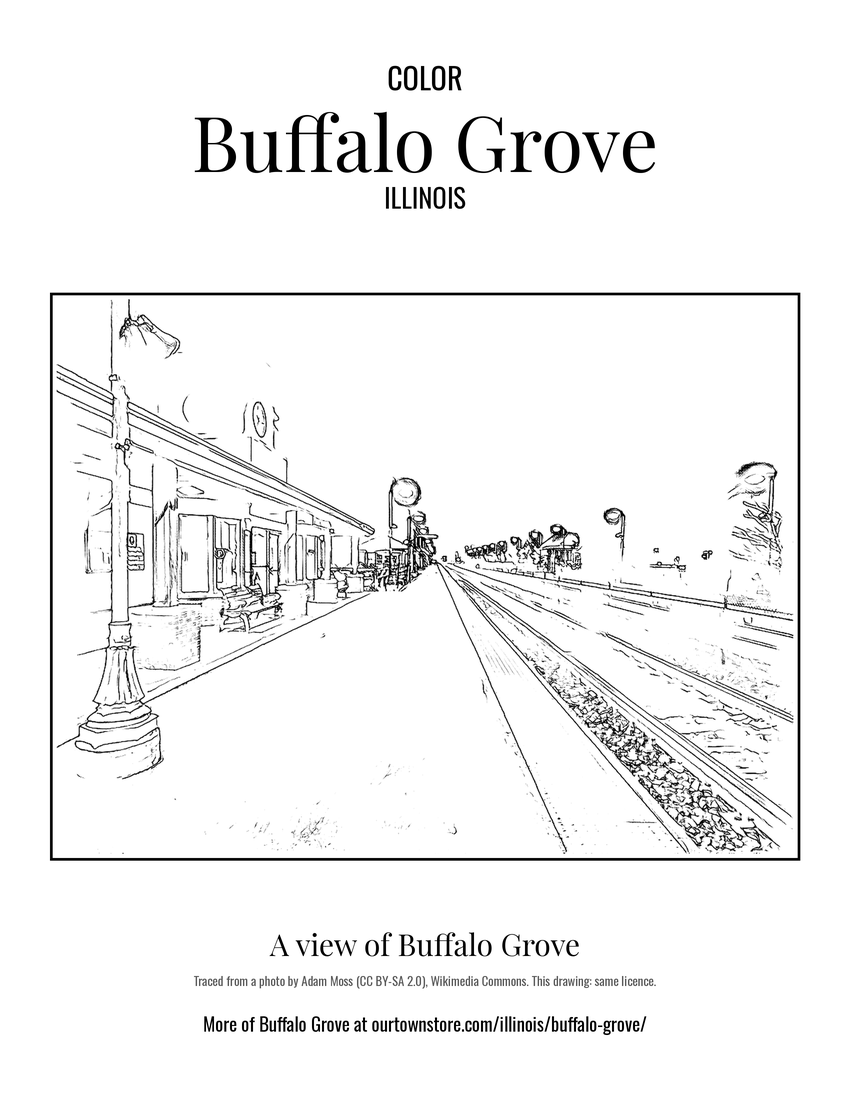 A view of Buffalo Grove
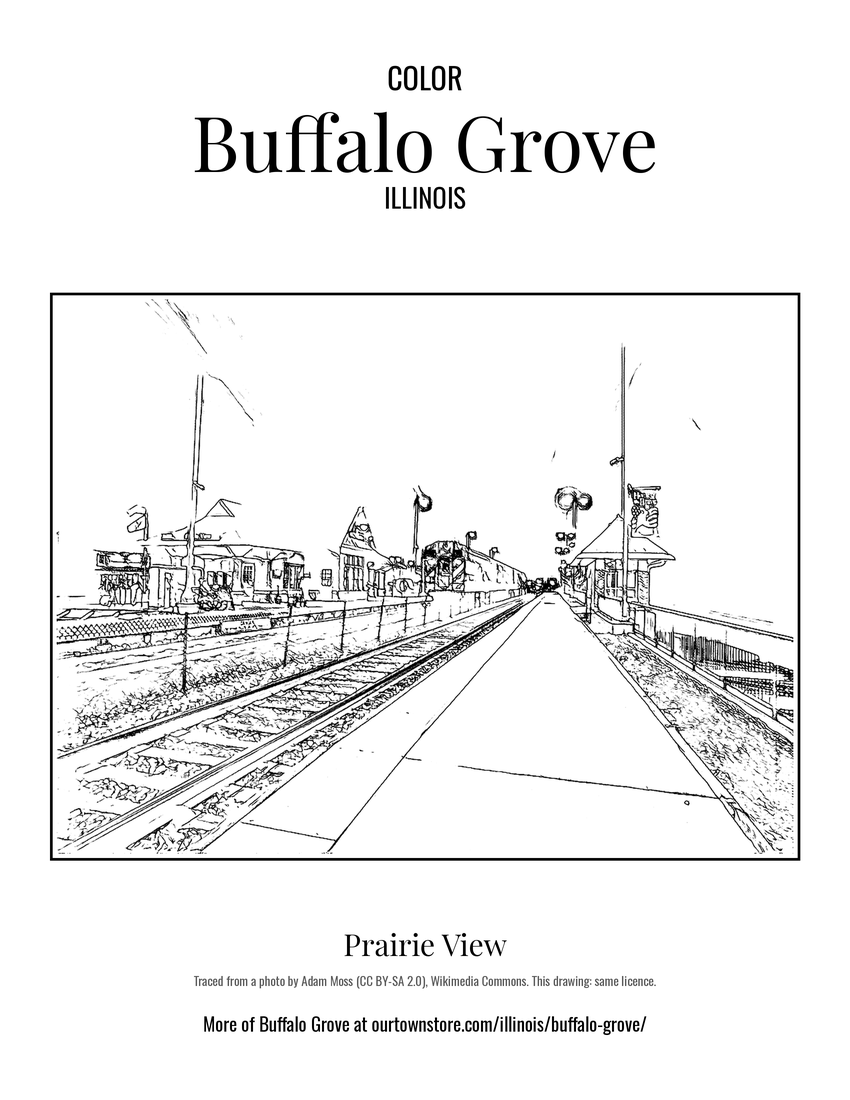 Prairie View
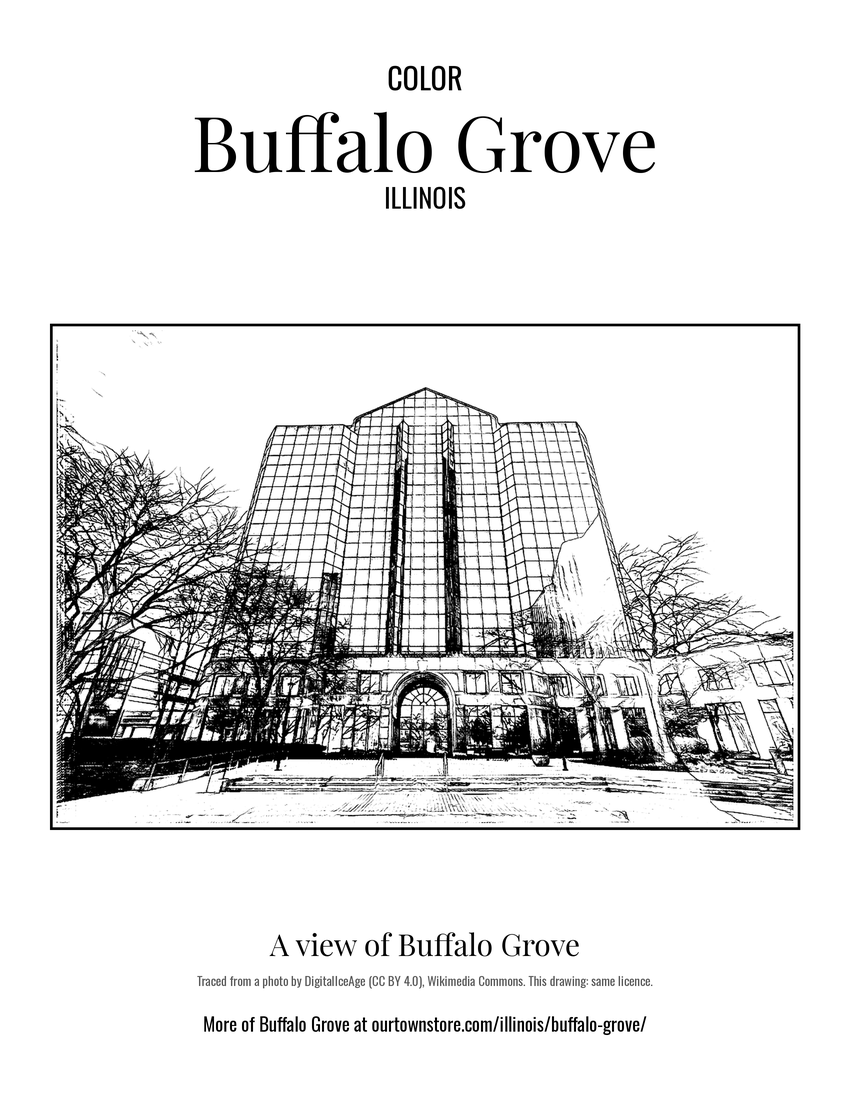 A view of Buffalo Grove
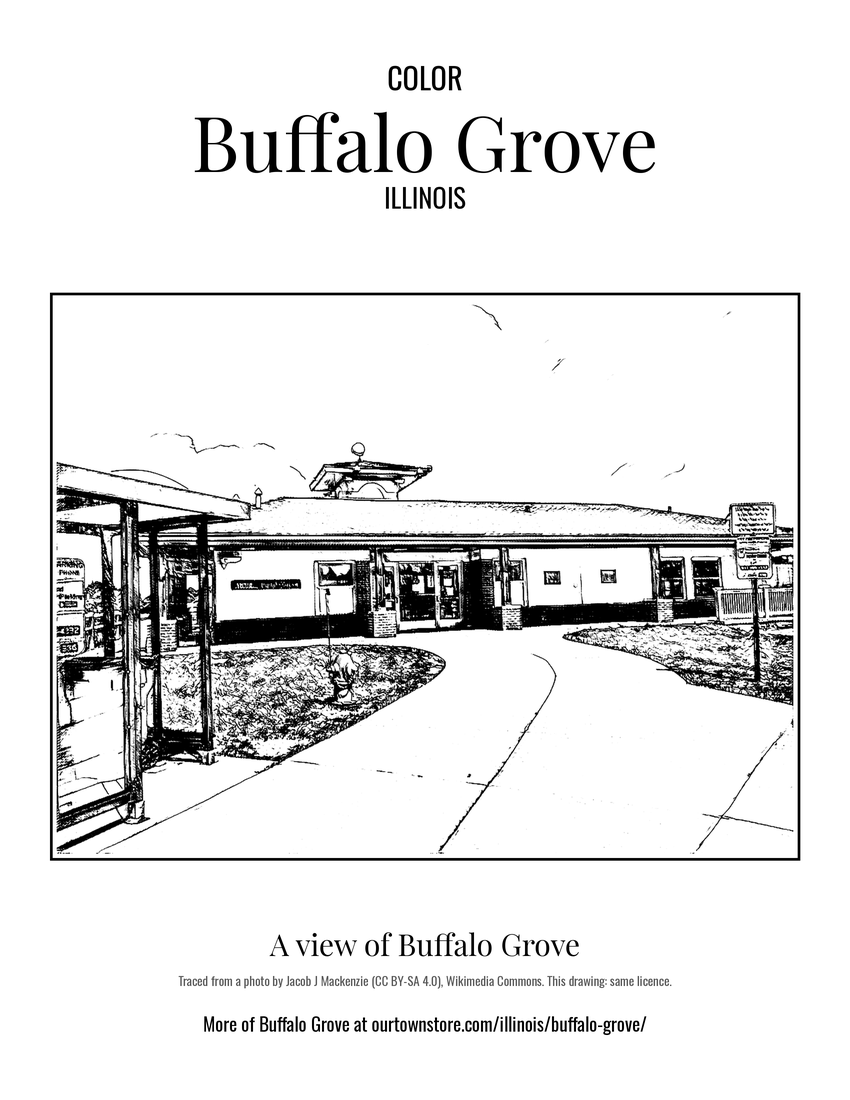 A view of Buffalo Grove