The name "Bethalto" is commonly believed to be derived from Bethel (the original name of the town) and nearby Alton. The name "Bethel" came from the first church located in the area, with the Post Office Department requiring it to change its name to avoid confusion with the Clay County village of Bethel.
Read the full history
Early history
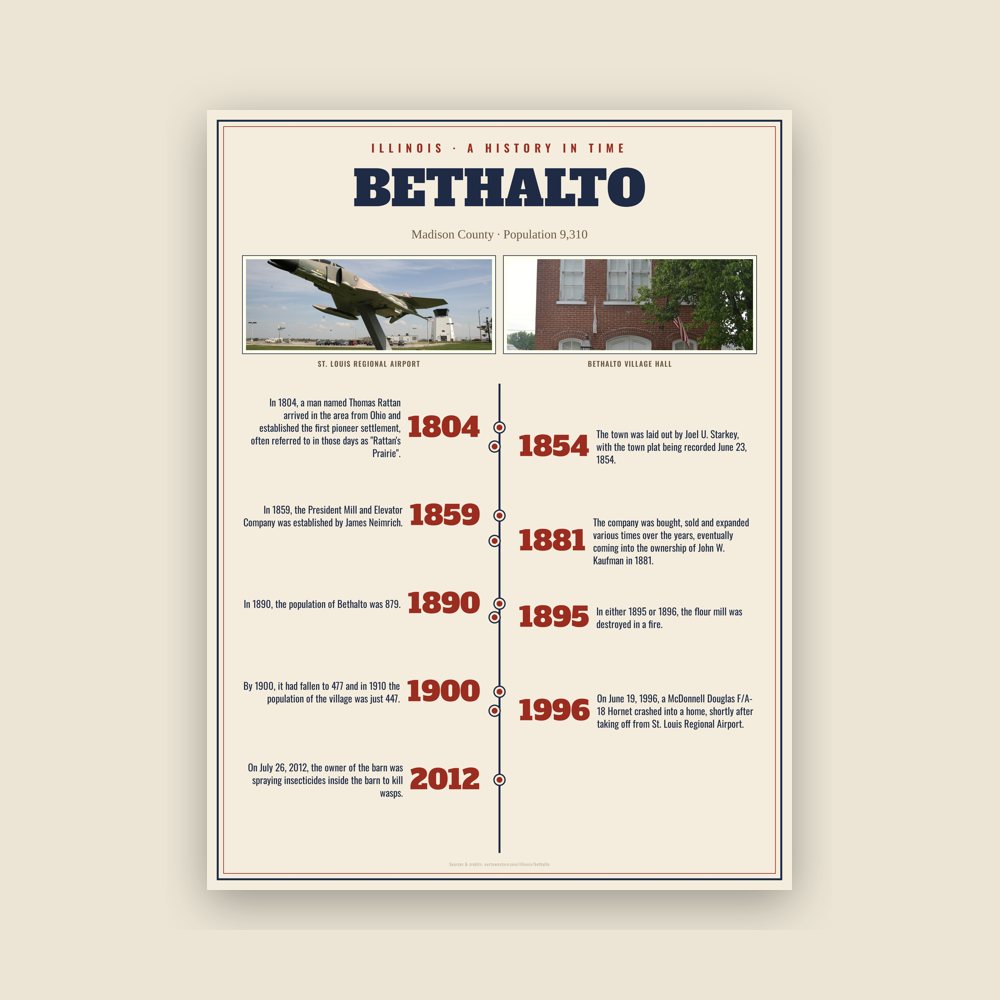
Before pioneering American settlers arrived, there were numerous Native Americans in the area, and Kickapoo villages lined nearby Indian Creek. In 1804, a man named Thomas Rattan arrived in the area from Ohio and established the first pioneer settlement, often referred to in those days as "Rattan's Prairie". The town was laid out by Joel U. Starkey, with the town plat being recorded June 23, 1854.
Milling industry
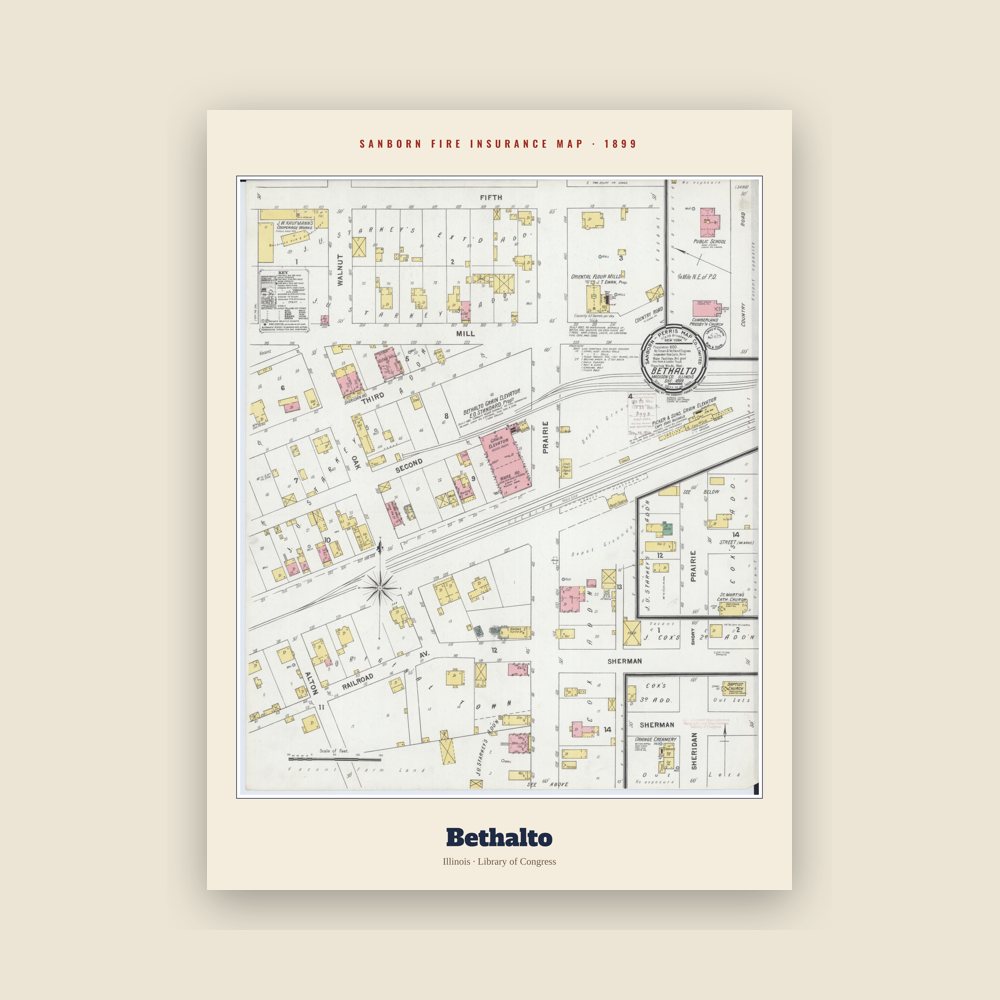
In the late 1800s, the principal industry of Bethalto was milling. In 1859, the President Mill and Elevator Company was established by James Neimrich. The company was bought, sold and expanded various times over the years, eventually coming into the ownership of John W. Kaufman in 1881. In either 1895 or 1896, the flour mill was destroyed in a fire. Kauffman declined to rebuild the mill, instead opting to purchase the Eagle flour mill of St. Louis. The loss of the mill had a profound impact on the village. In 1890, the population of Bethalto was 879. By 1900, it had fallen to 477 and in 1910 the population of the village was just 447.
Red Barn
A longtime landmark just north of Bethalto was an old barn at the intersection of Culp Lane and Bethalto Road, known to residents as simply "the red barn". On July 26, 2012, the owner of the barn was spraying insecticides inside the barn to kill wasps. After spraying for wasps, the owner left and at some point a fire broke out. Fosterburg, Bethalto and Brighton volunteer fire departments responded to the blaze, but it was too late to save the structure. It was believed the barn had been there for around a hundred years. Often, residents would give directions based on the red barn.



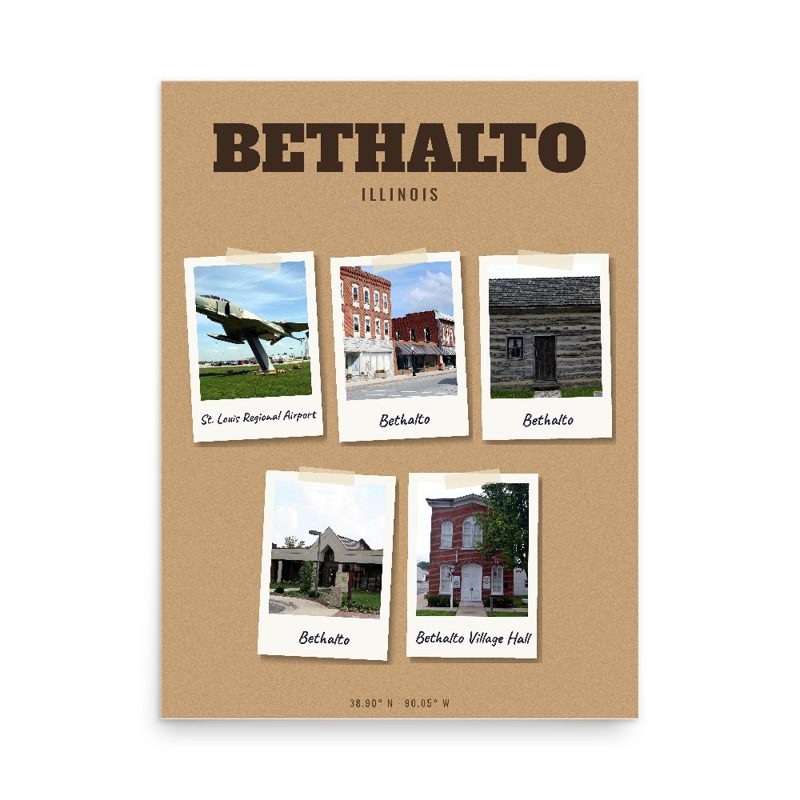
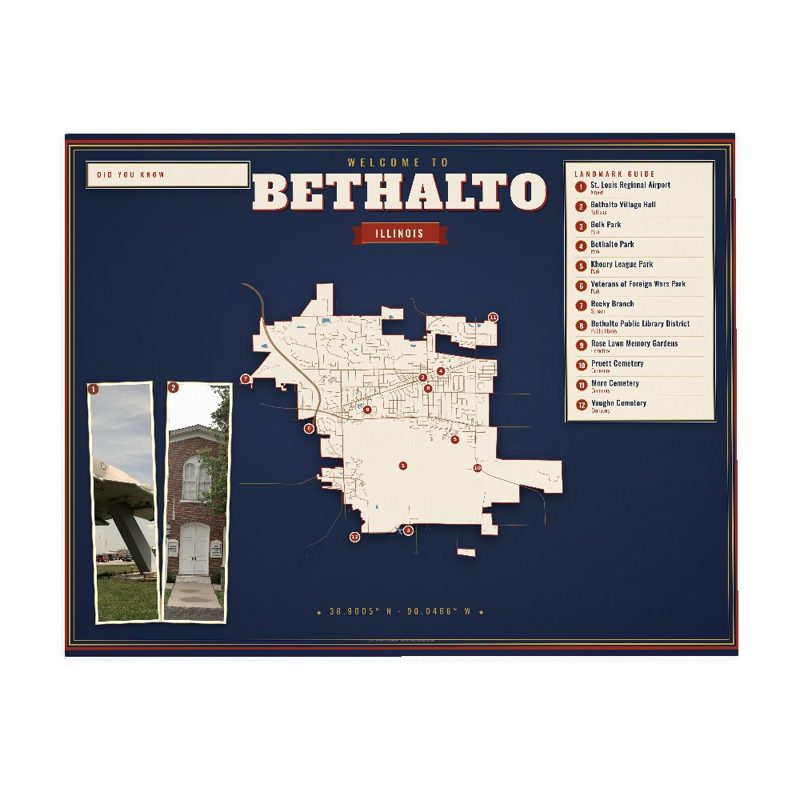




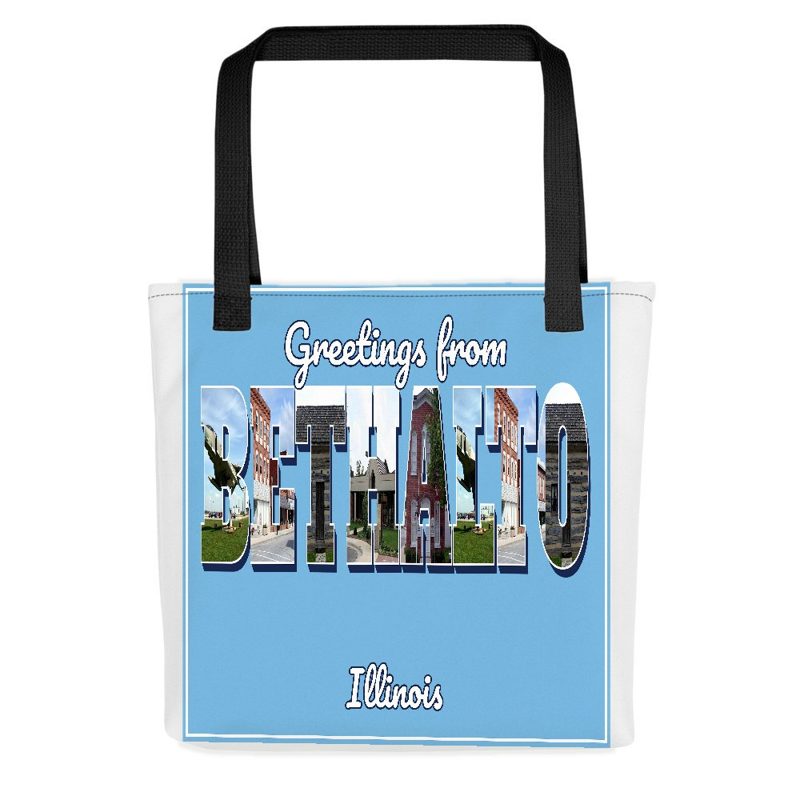

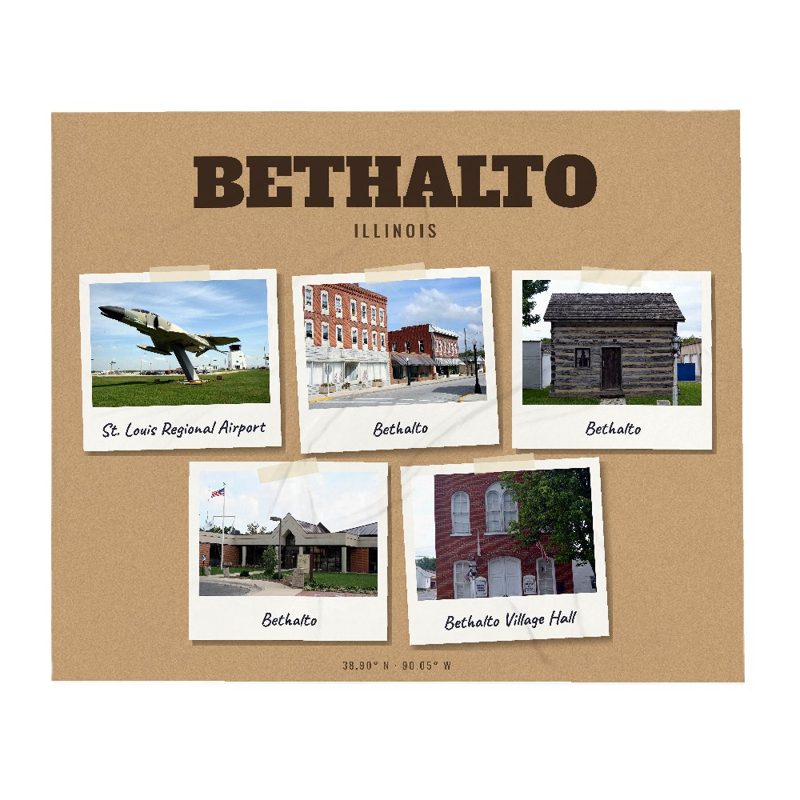
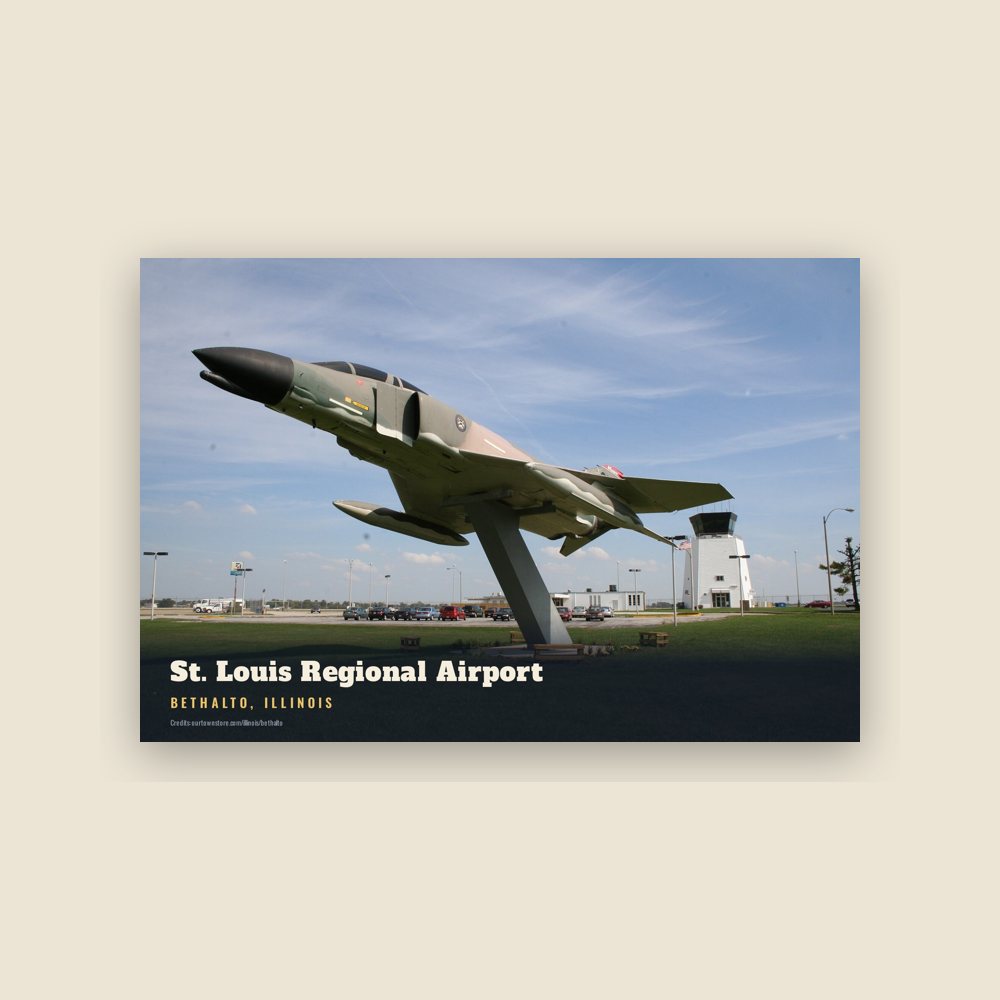
 St. Louis Regional Airport
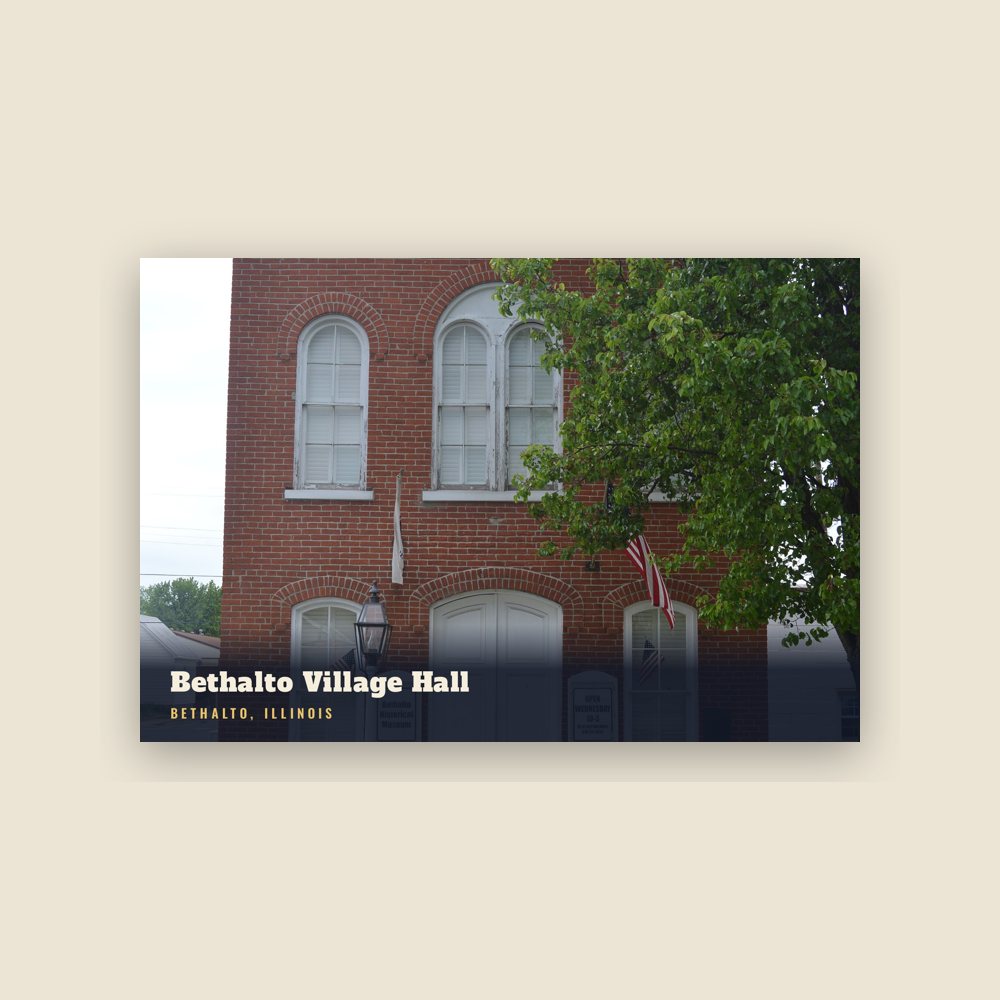
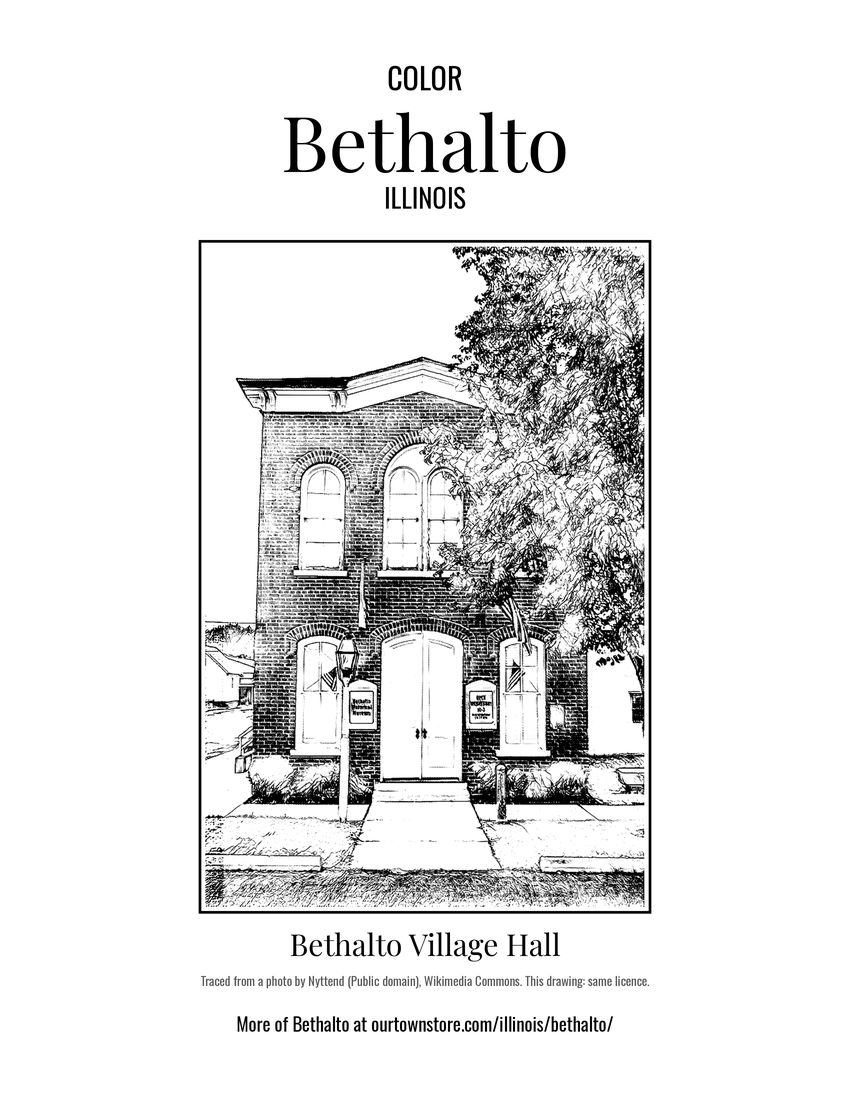 Bethalto Village Hall
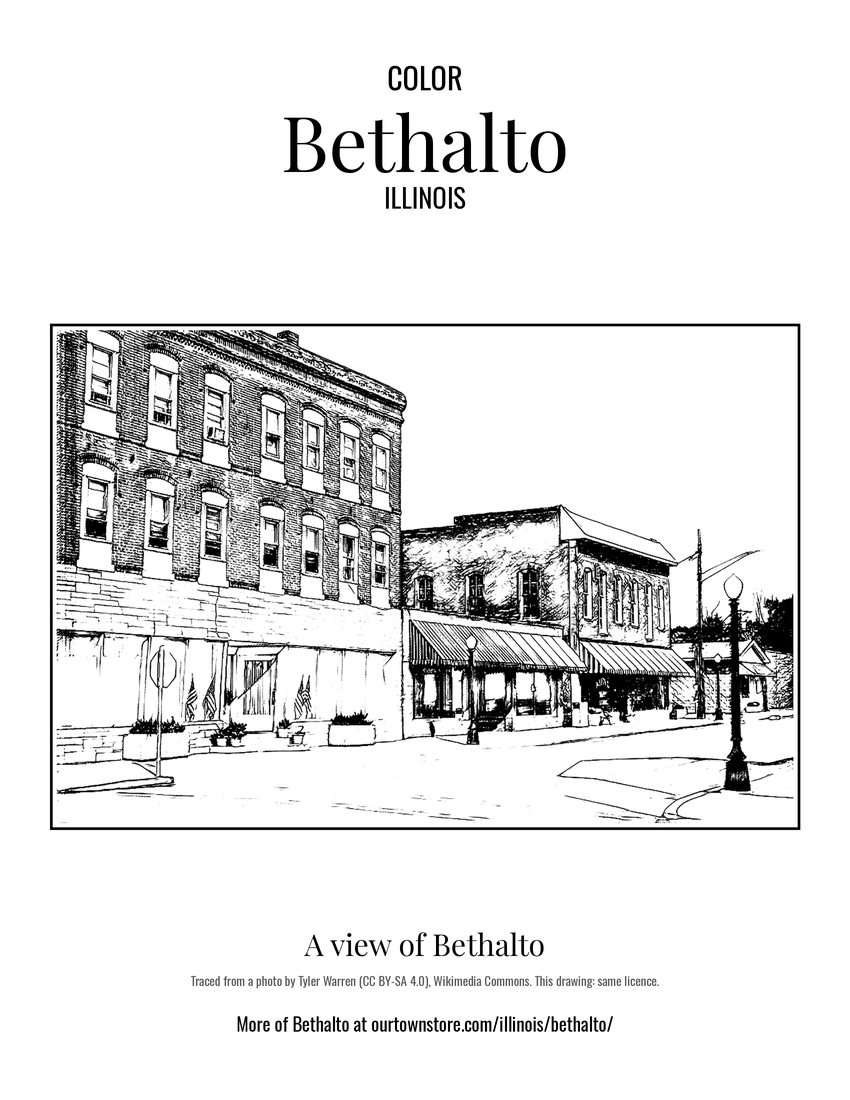 A view of Bethalto
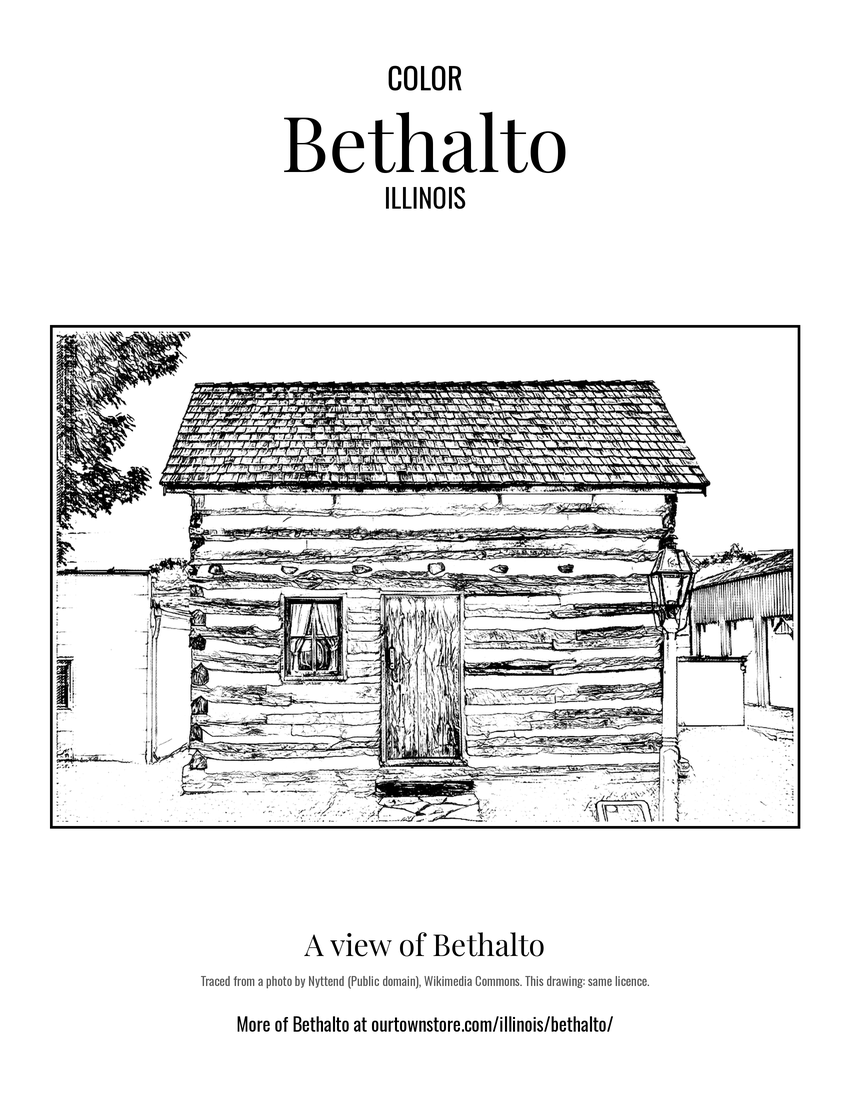 A view of Bethalto