Since 1872
A short history of Batavia
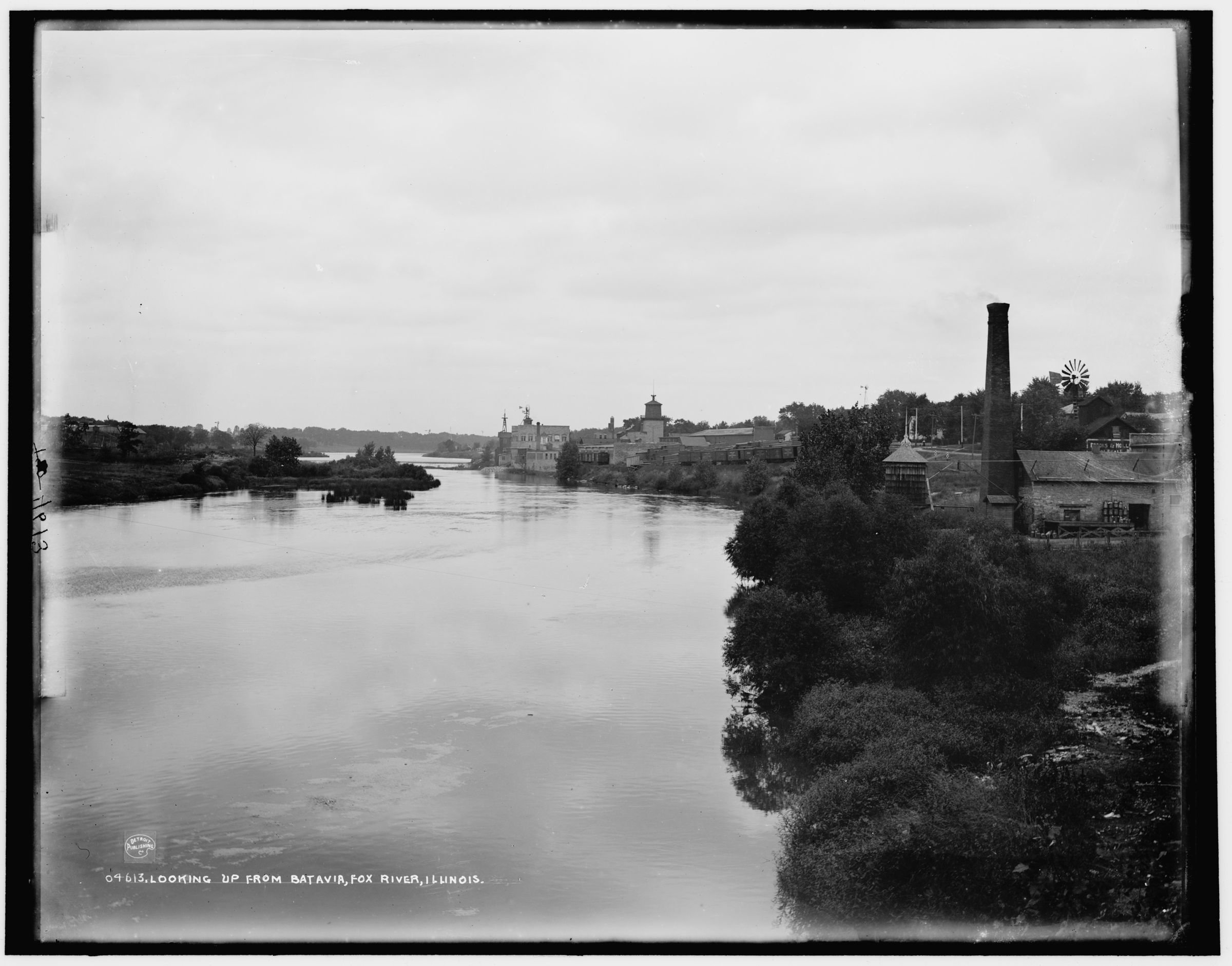
Batavia was settled in 1833 by Christopher Payne and his family. Originally called Big Woods for the wild growth throughout the settlement, the town was renamed by local judge and former Congressman Isaac Wilson in 1840 after his former home of Batavia, New York, which was in turn named after the Batavian Republic, a short-lived republic that existed from 1795 to 1806 in the present-day Netherlands. Because Judge Wilson owned the majority of the town, he was given permission to rename it.
Batavia's settlement was delayed one year by the Black Hawk War, in which Abraham Lincoln was a citizen soldier, and Zachary Taylor and Jefferson Davis were Army officers. Although there is no direct evidence that Lincoln, Taylor, or Davis visited the future site of Batavia, there are writings by Lincoln that refer to "Head of the Big Woods", Batavia's original name. The city was incorporated on July 27, 1872.
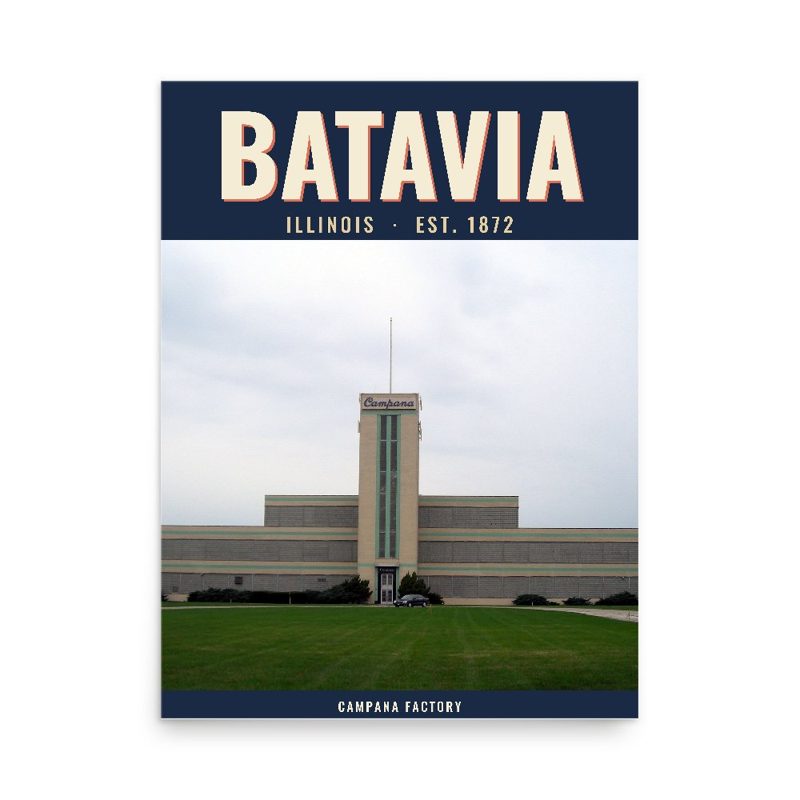
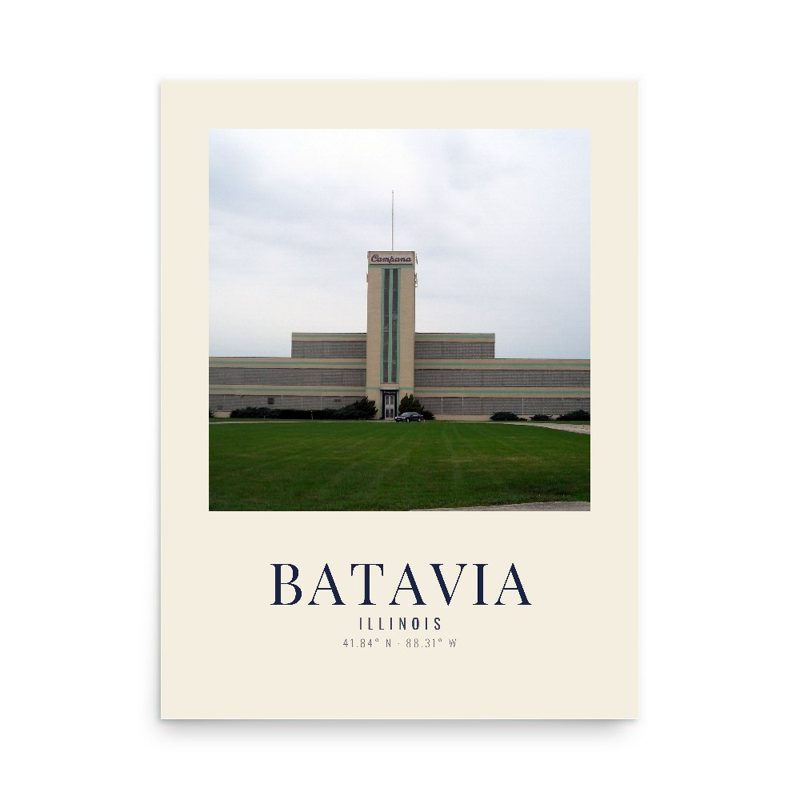
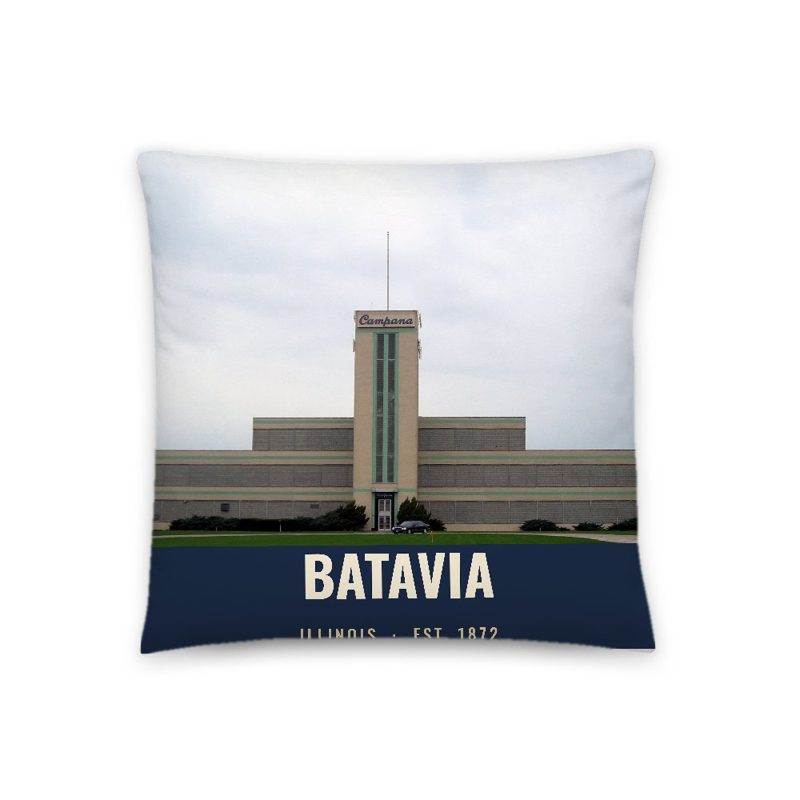
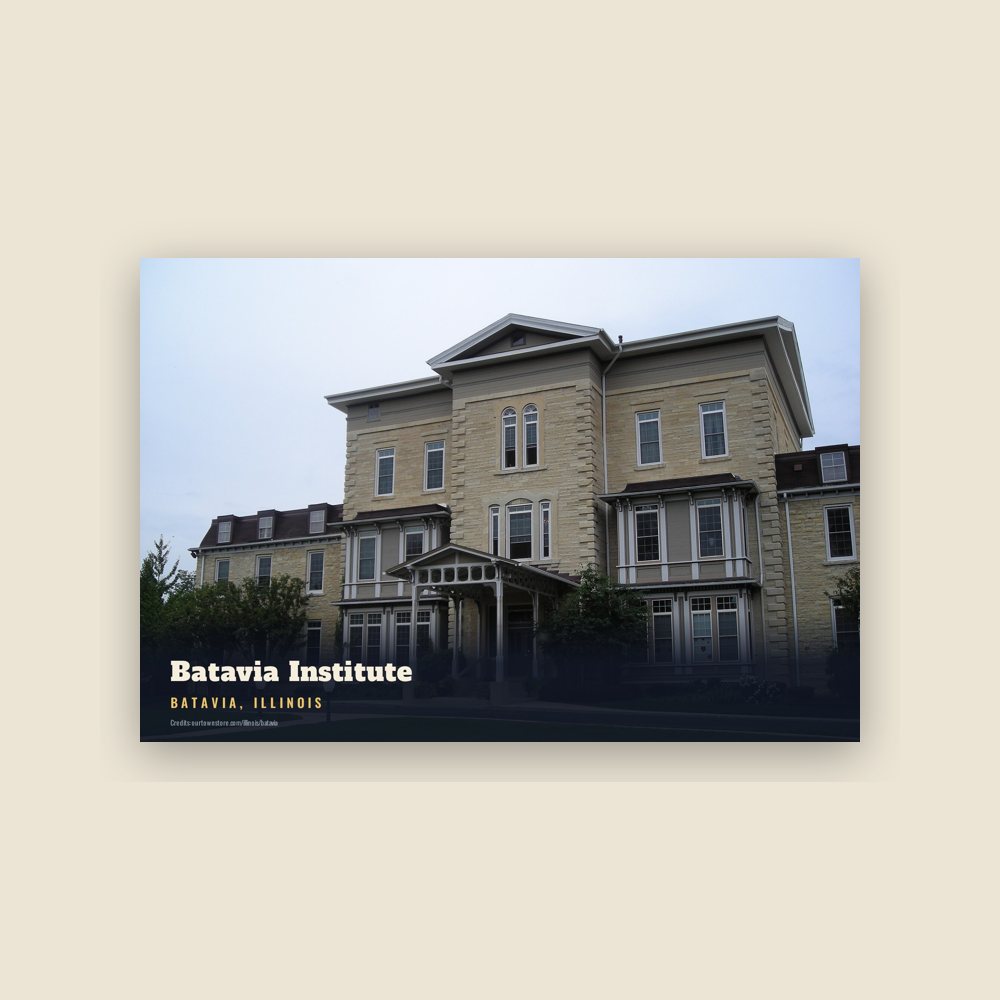
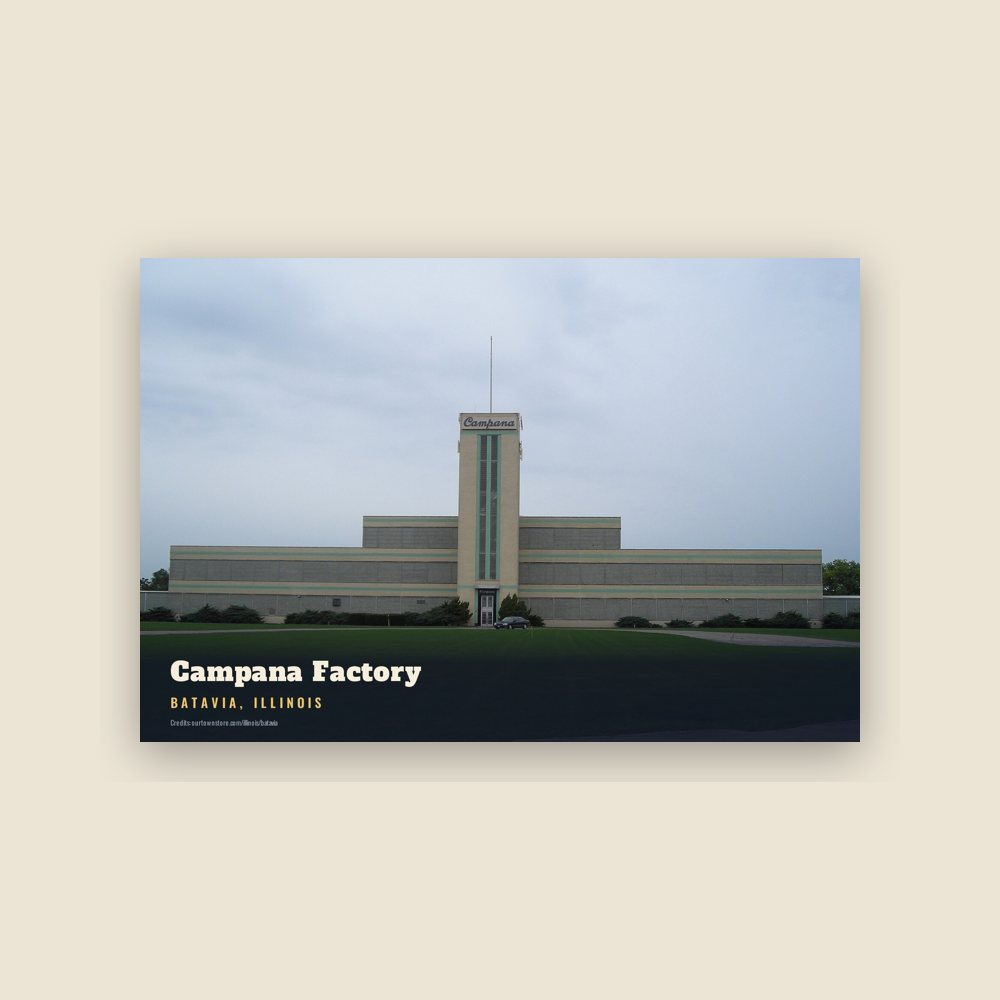
After the death of her husband, Mary Todd Lincoln was an involuntary resident of the Batavia Institute on May 20, 1875. At the time the institute was known as Bellevue Place, a sanitarium for women. Mrs. Lincoln was released four months later on September 11, 1875. In the late 19th century, Batavia was a major manufacturer of the Conestoga wagons used in the country's westward expansion. Into the early 20th century, most of the windmill operated water pumps in use by America's farms were made at one of three windmill manufacturing companies in Batavia. Many of the limestone buildings of these factories remain in use as government and commercial offices, and storefronts. The Aurora Elgin and Chicago Railway constructed a power plant in southern Batavia and added a branch to the city in 1902. The Campana Factory was built in 1936 to manufacture cosmetics for The Campana Company, particularly Italian Balm, the nation's best-selling hand lotion at the time.
Adapted (trimmed) from the Wikipedia article Batavia, Illinois, revision 1377479348 by its contributors, licensed CC BY-SA 4.0.
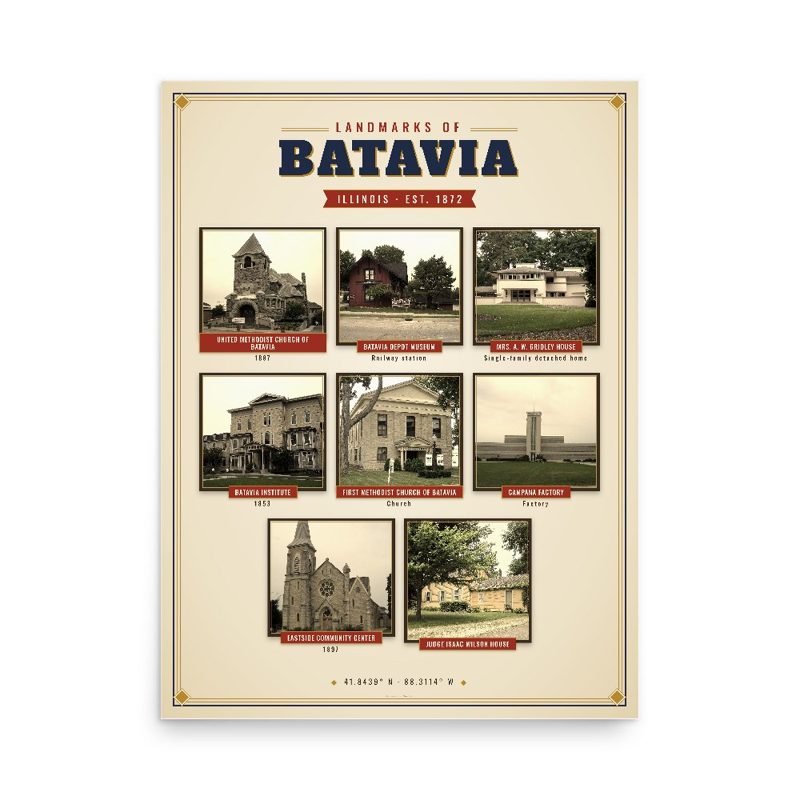
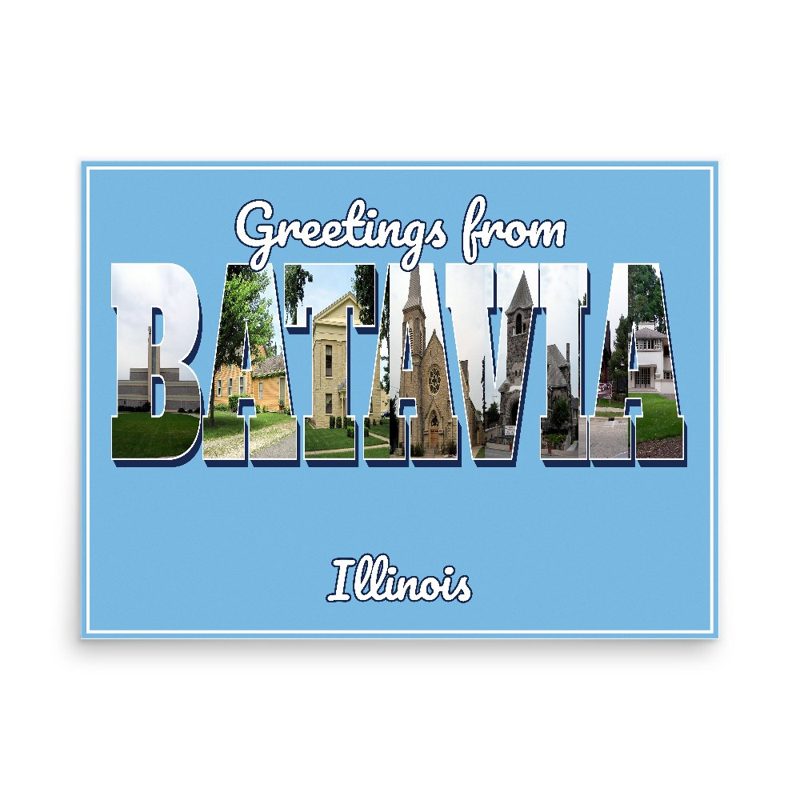
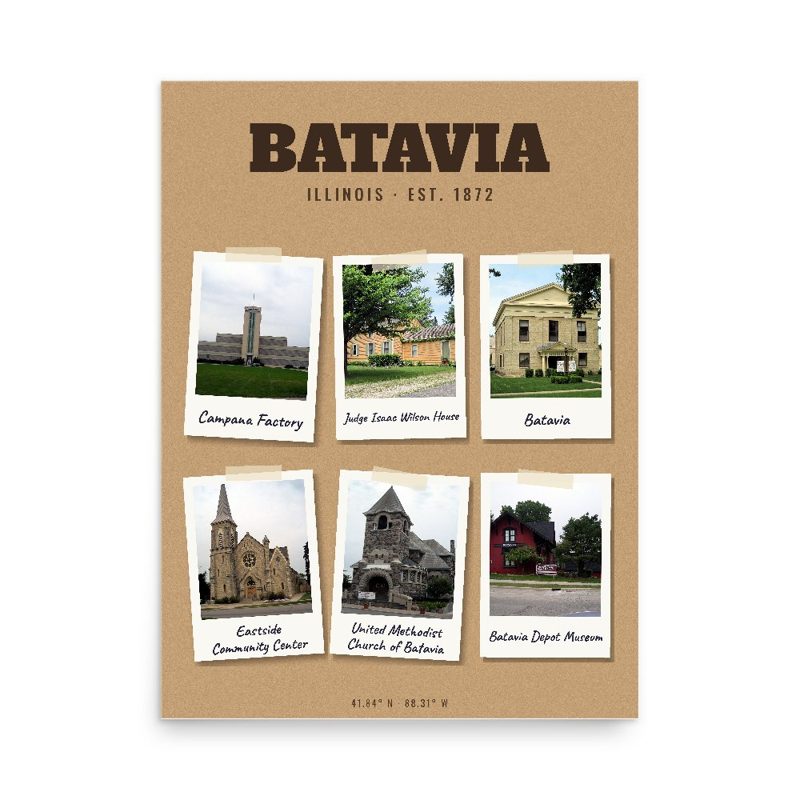
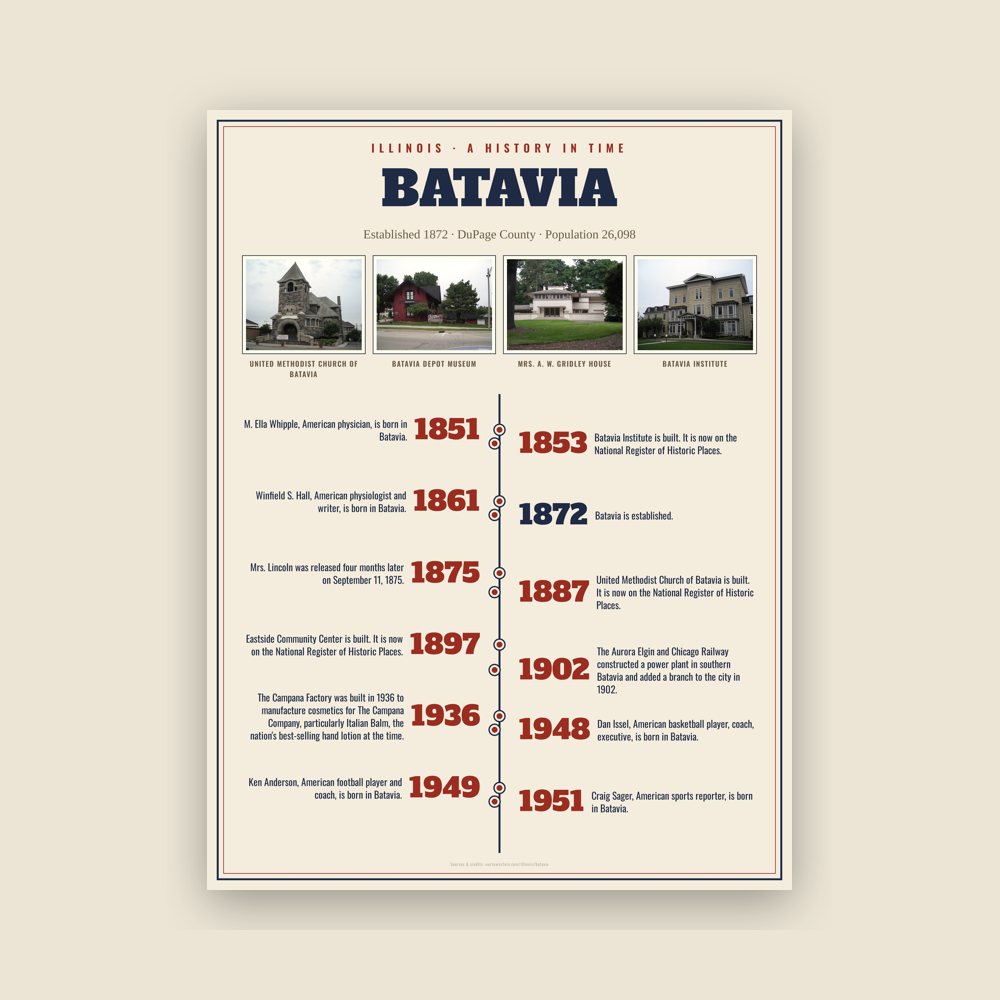
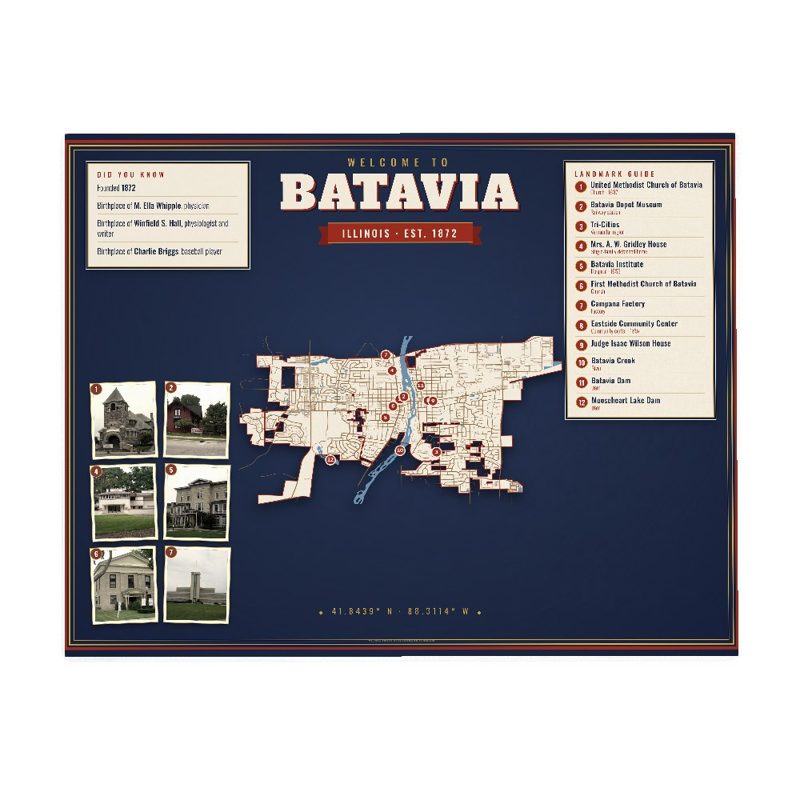

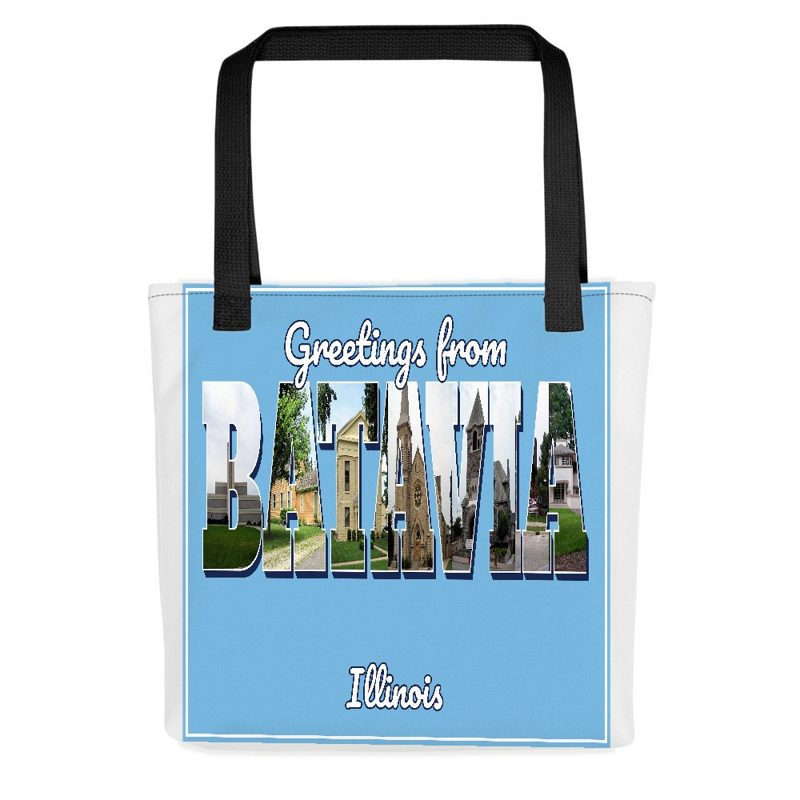
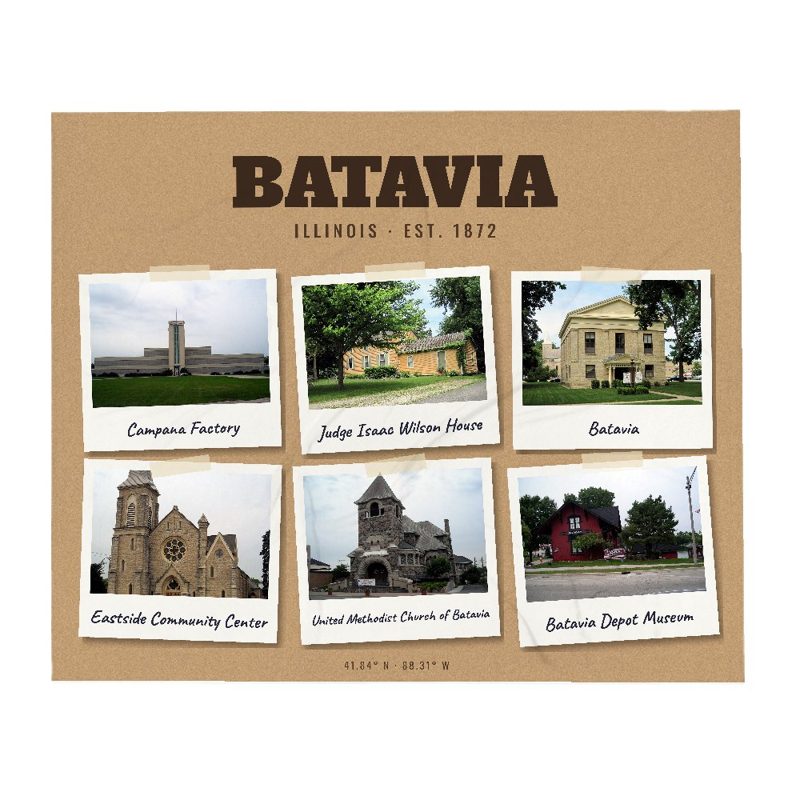
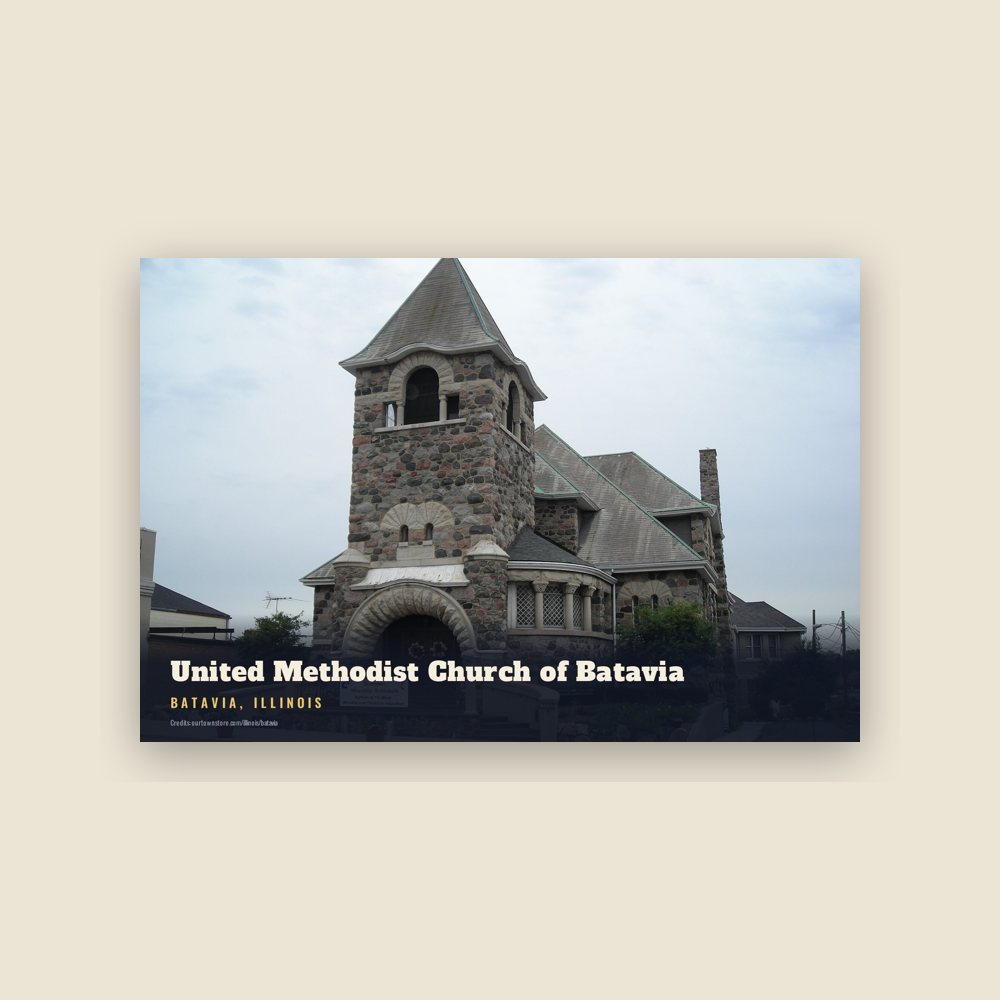
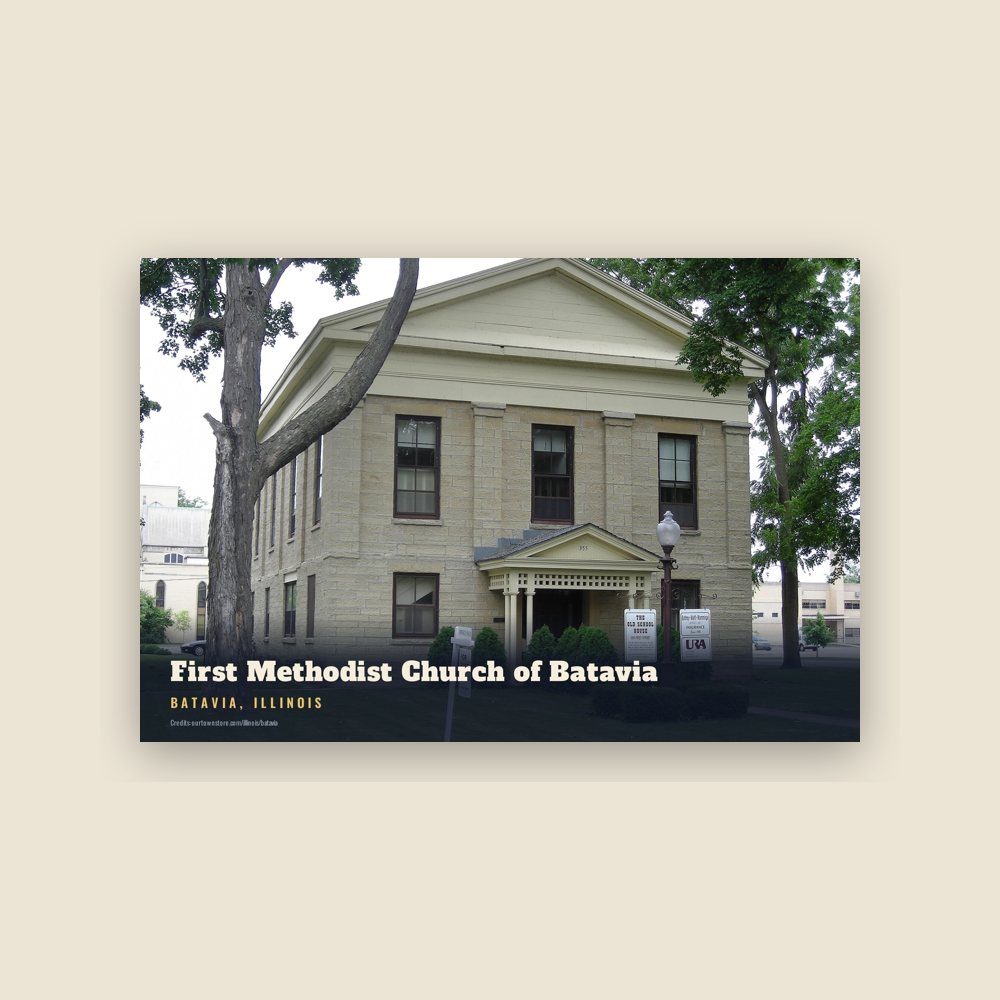
 United Methodist Church of Batavia
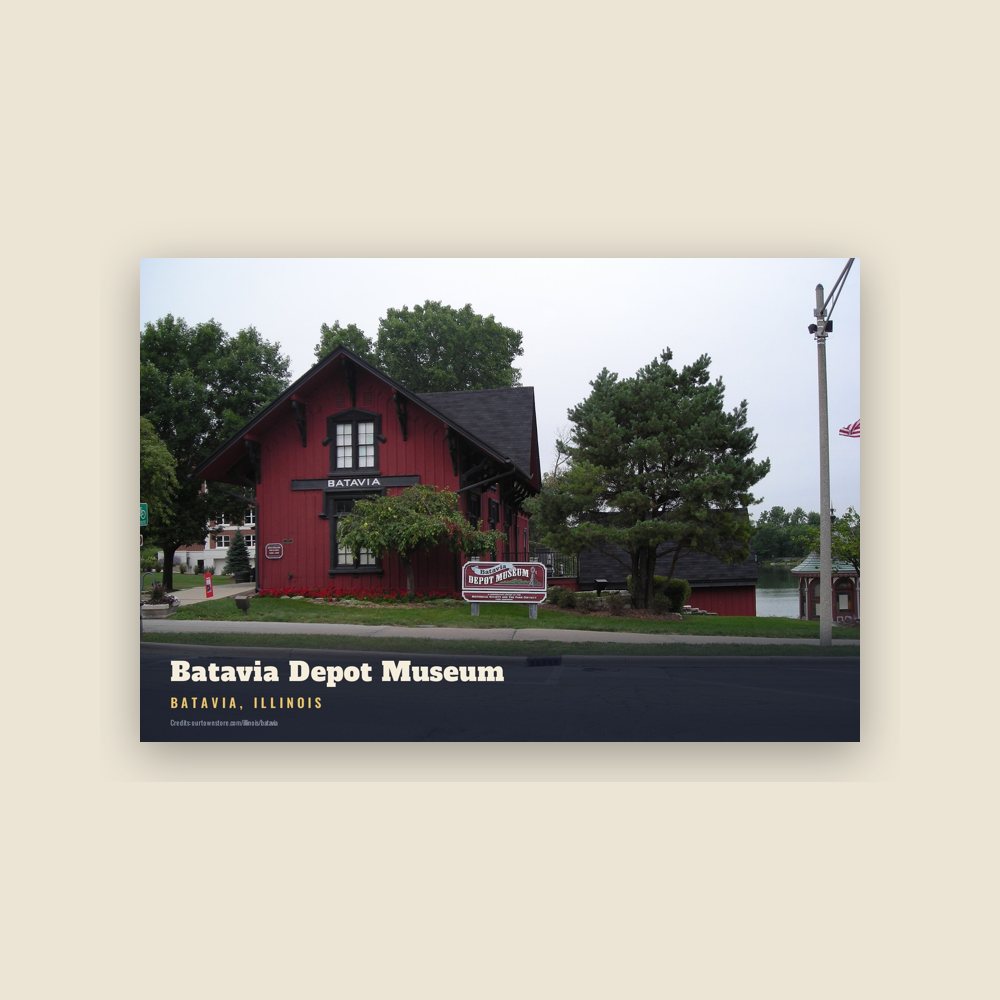
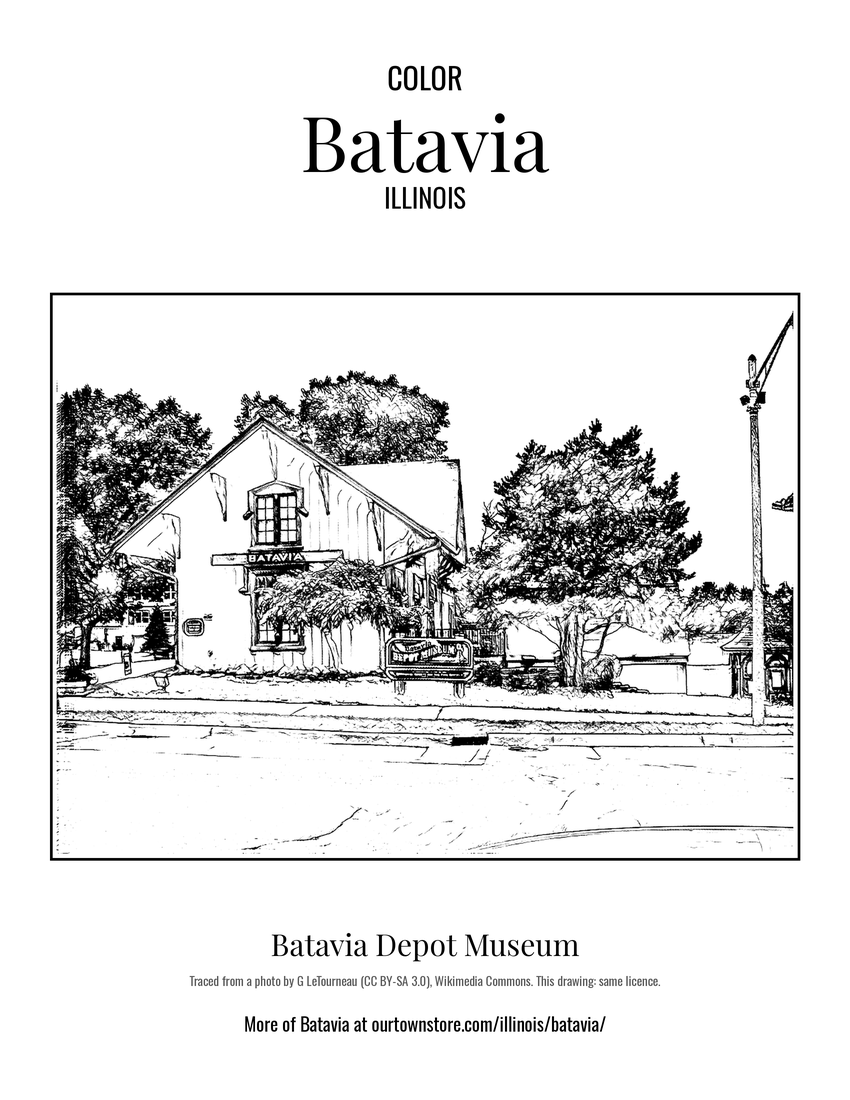 Batavia Depot Museum
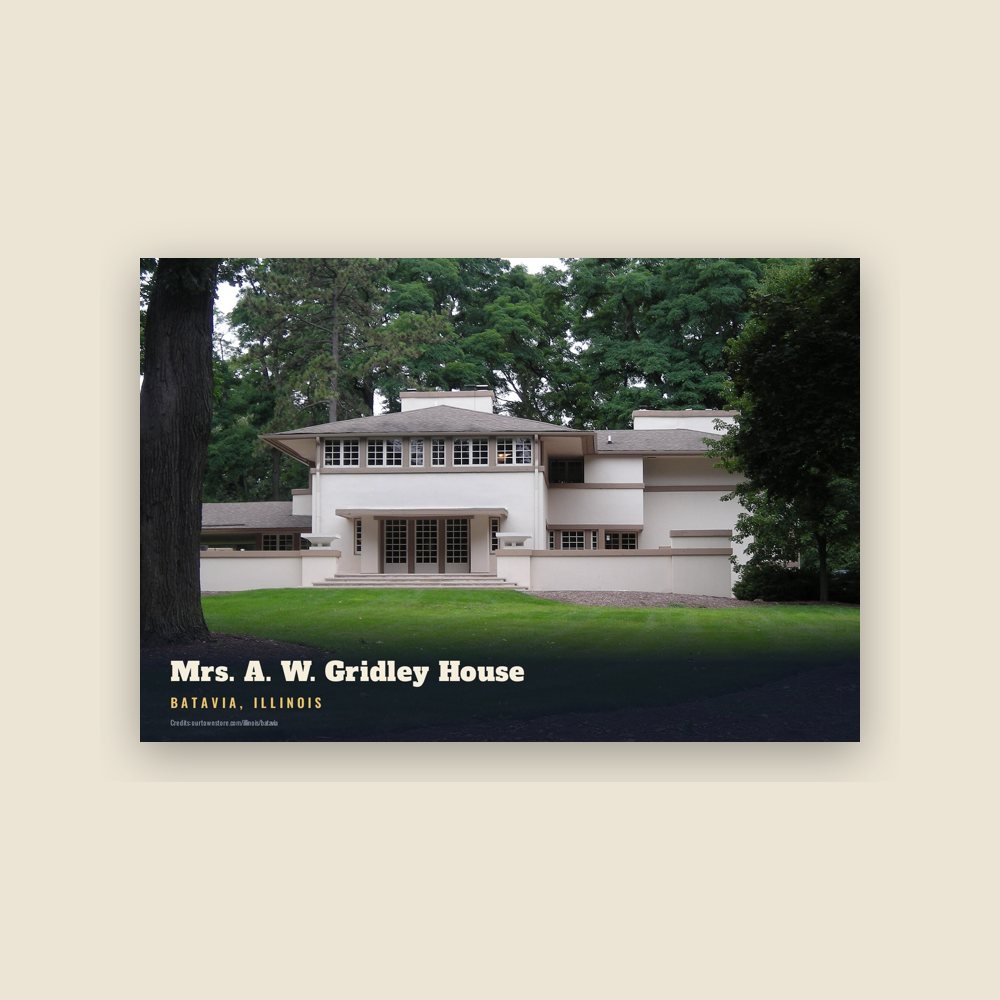
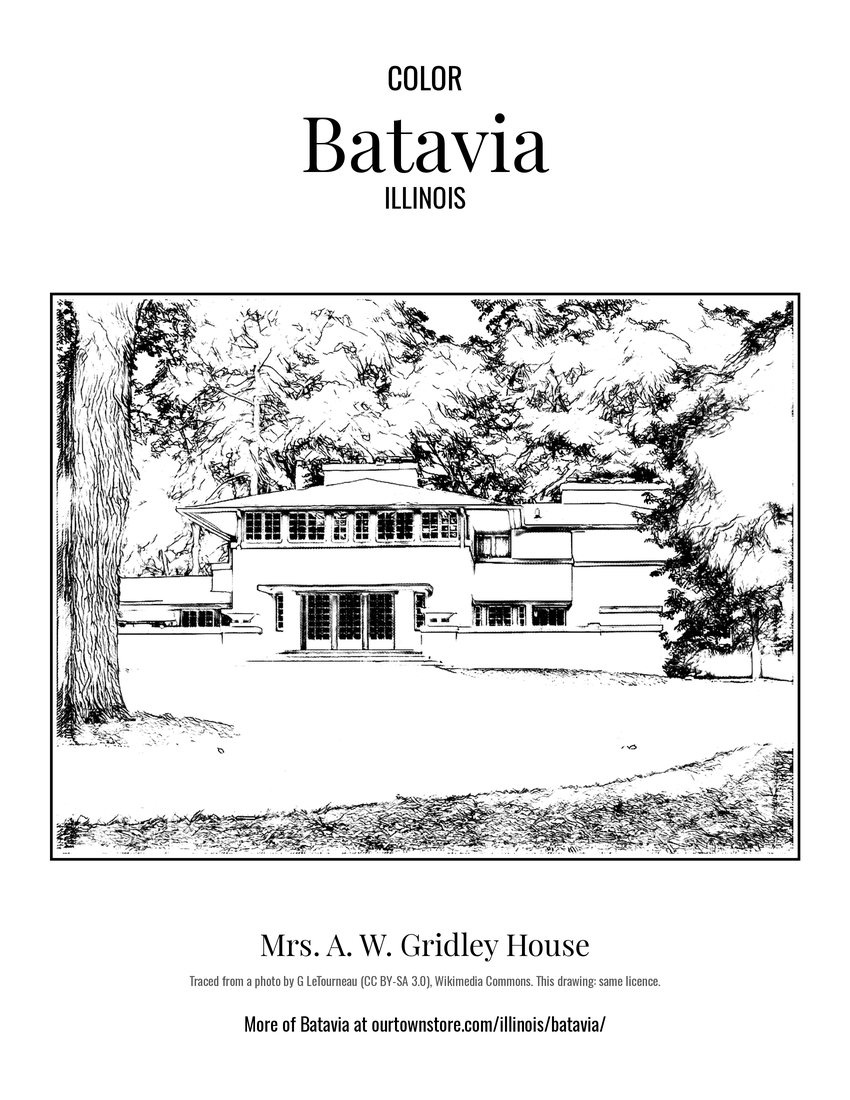 Mrs. A. W. Gridley House
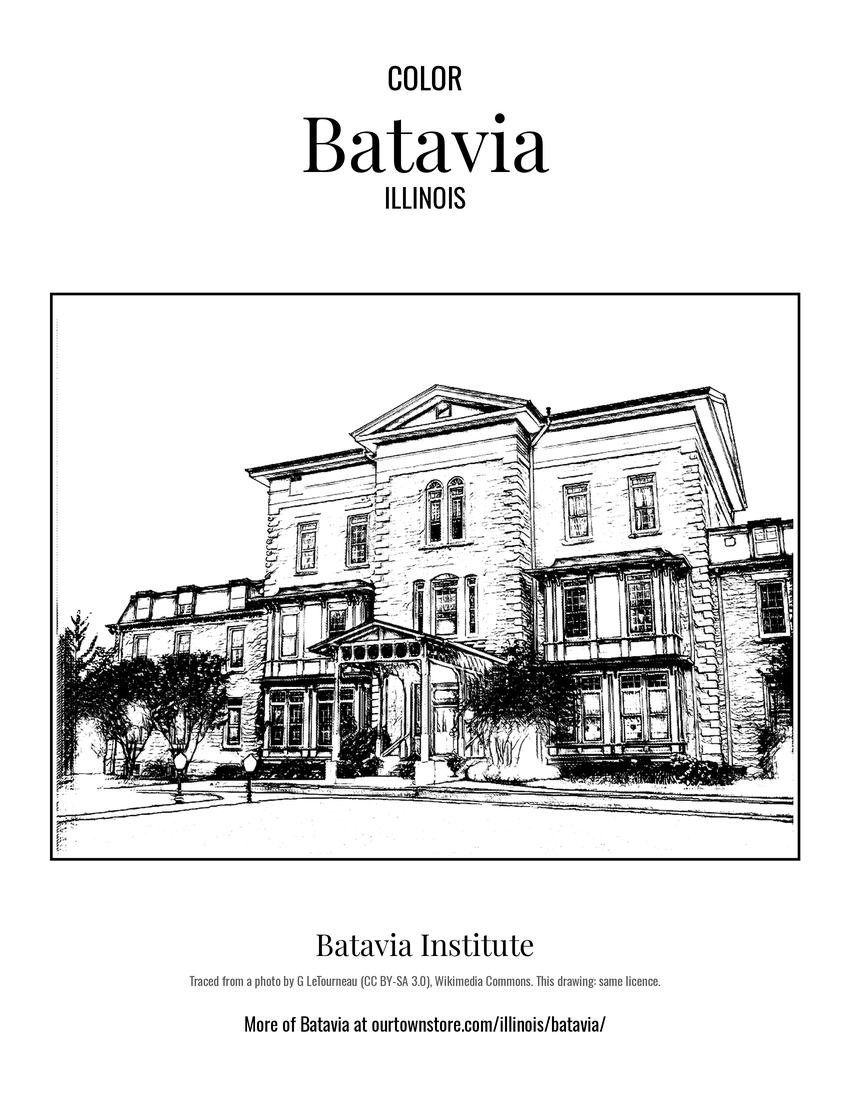 Batavia Institute