Arrowsmith was laid out on December 7, 1871, by Charles W. Holder (1808–1887) and Owen T. Reeves (1829- ?). Arrowsmith is the birthplace of Nelva Weber, landscape architect.
- CountyMcLean County
- Population276 (2020 U.S. Census)
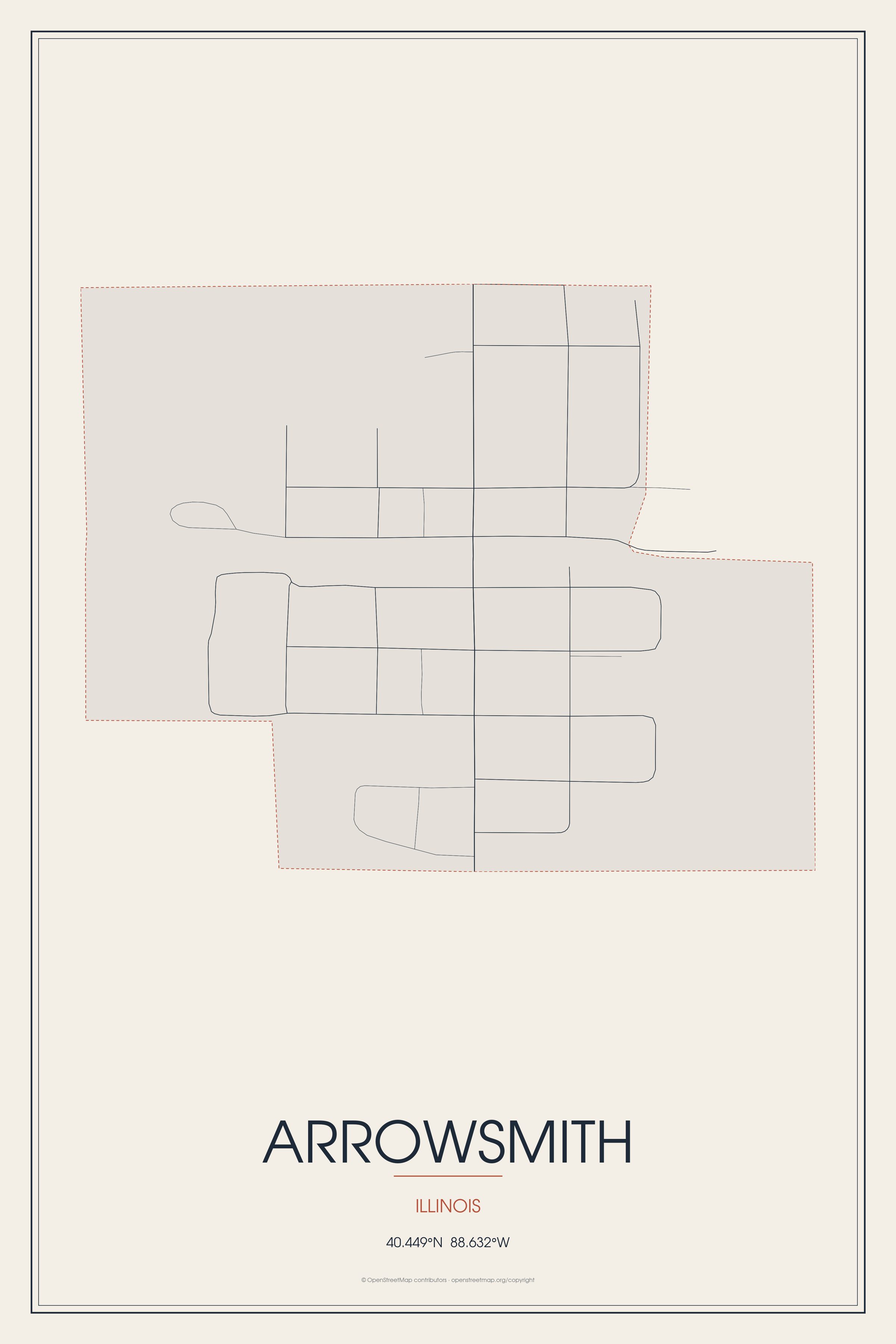
Arrowsmith was laid out on December 7, 1871, by Charles W. Holder (1808–1887) and Owen T. Reeves (1829- ?). Arrowsmith is the birthplace of Nelva Weber, landscape architect.
Arrowsmith, Illinois gifts and souvenirs: 16 designs made from Arrowsmith's own map, landmarks and history, from $16 to $95. Printed to order and shipped free in the USA.
| Popular | Price |
|---|---|
| Arrowsmith Hometown Ornament | $23 |
| Arrowsmith Varsity Crewneck | from $57 |
| Arrowsmith Est. Tee | from $33 |
| Arrowsmith Town Line Mug | from $26 |
| Arrowsmith Market Tote | $37 |
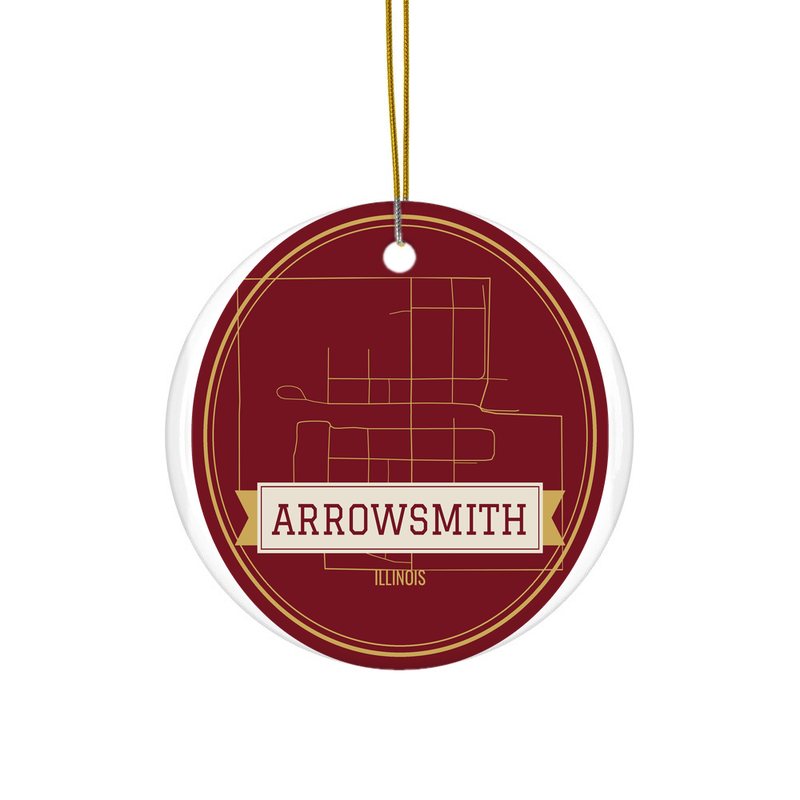
Ceramic keepsake, gold ribbon, in 3 styles

Heavy-blend fleece, street map printed on the back
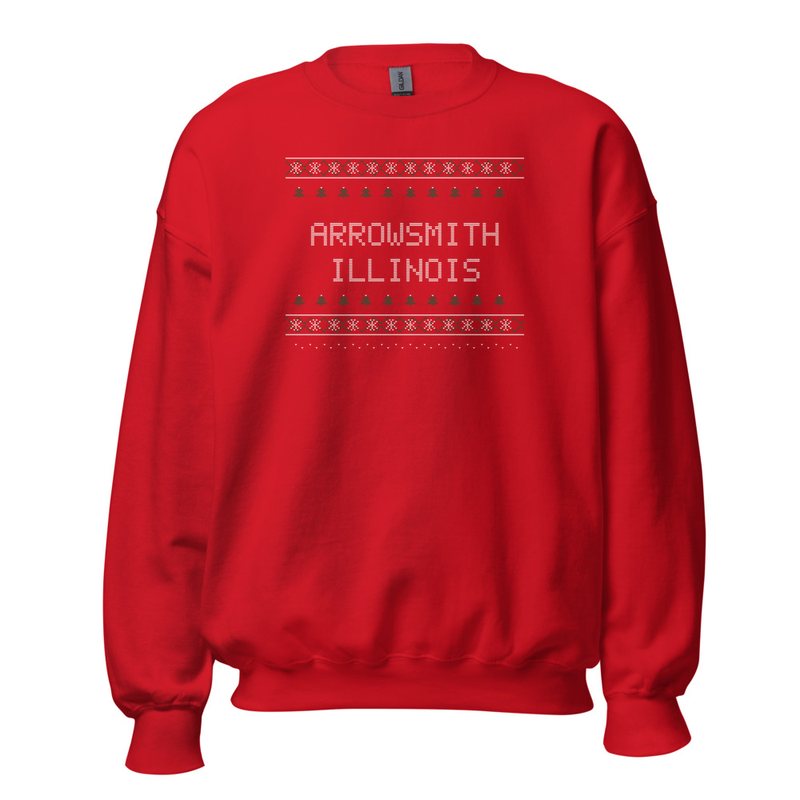
Red heavy-blend crewneck, knit-stitch town print
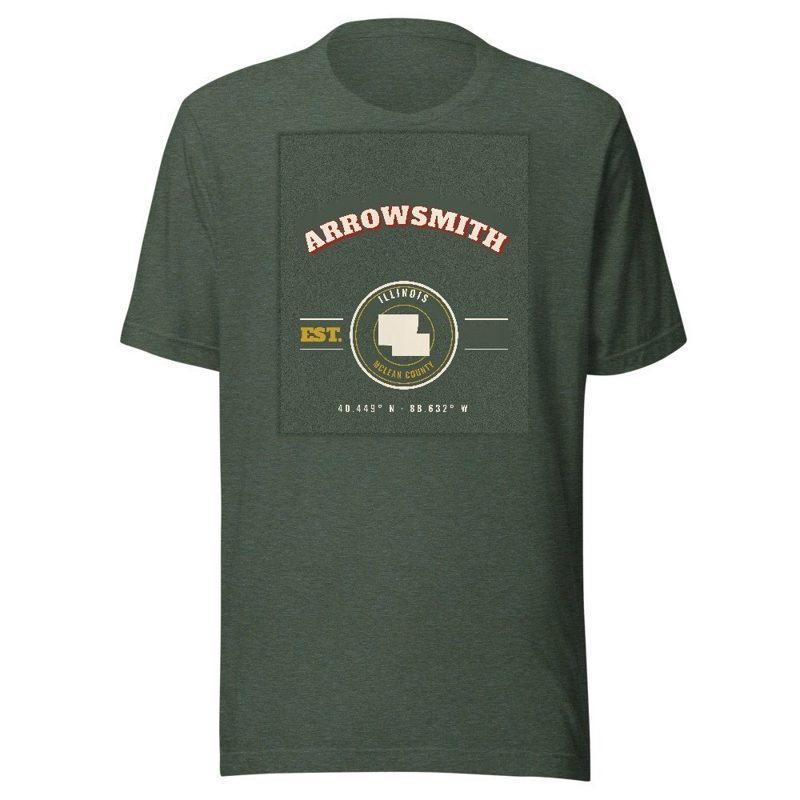
Soft Bella+Canvas jersey
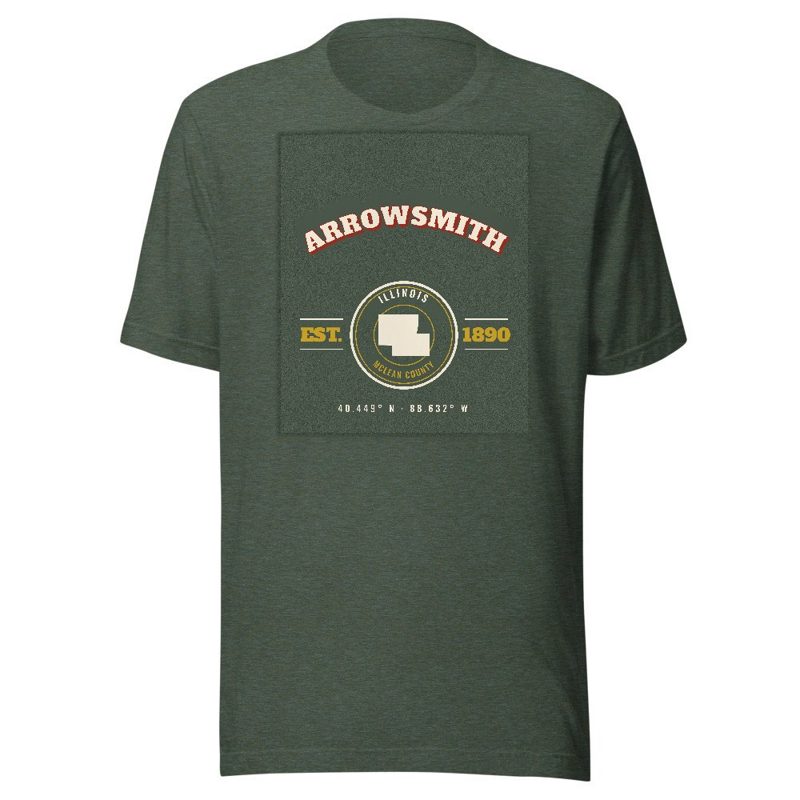
Kids' Bella+Canvas jersey, youth sizes
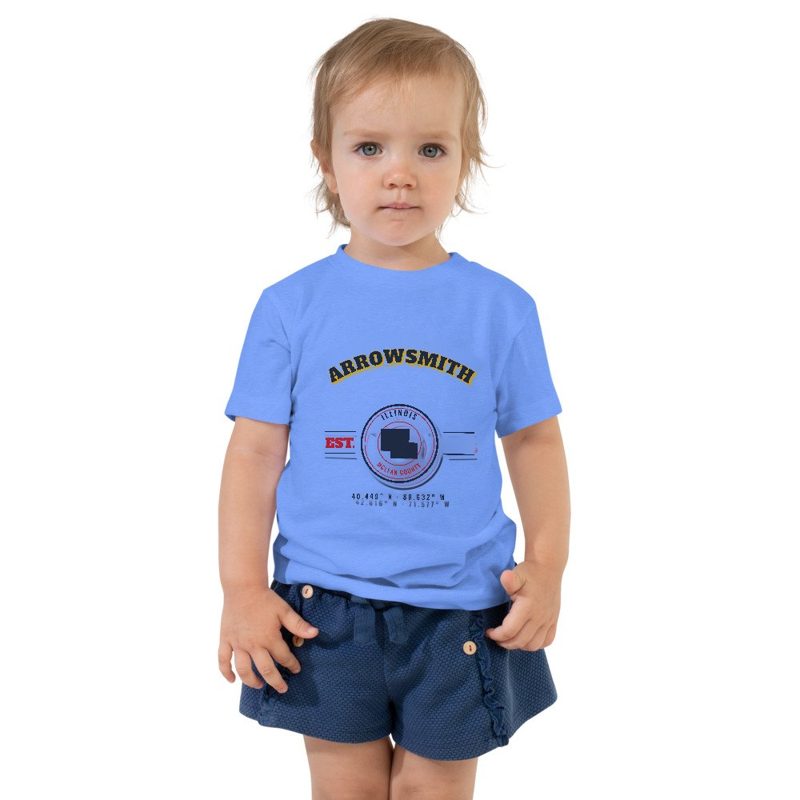
Bella+Canvas toddler jersey
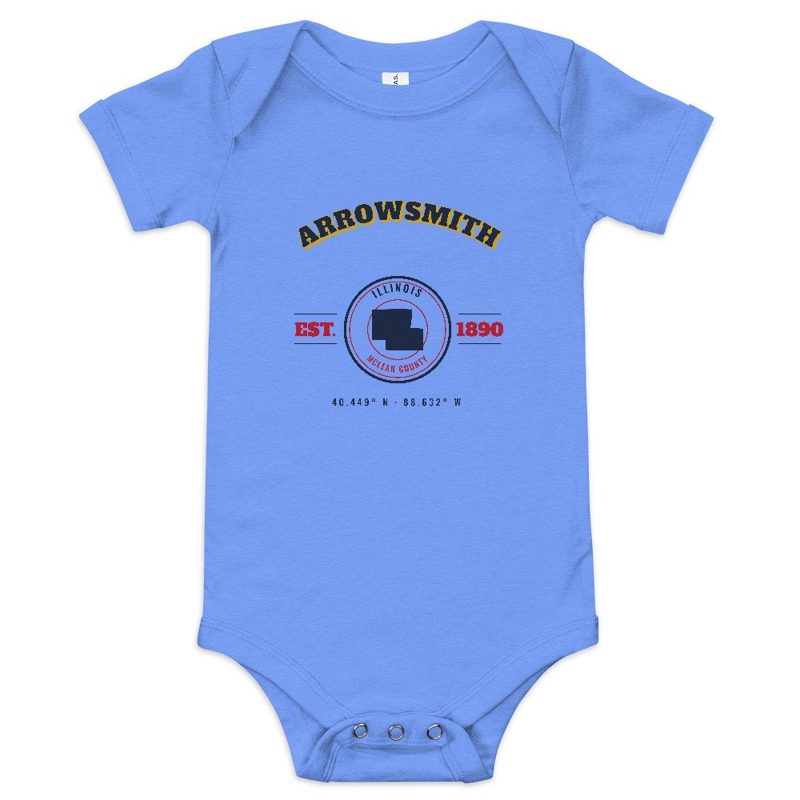
Bella+Canvas baby bodysuit
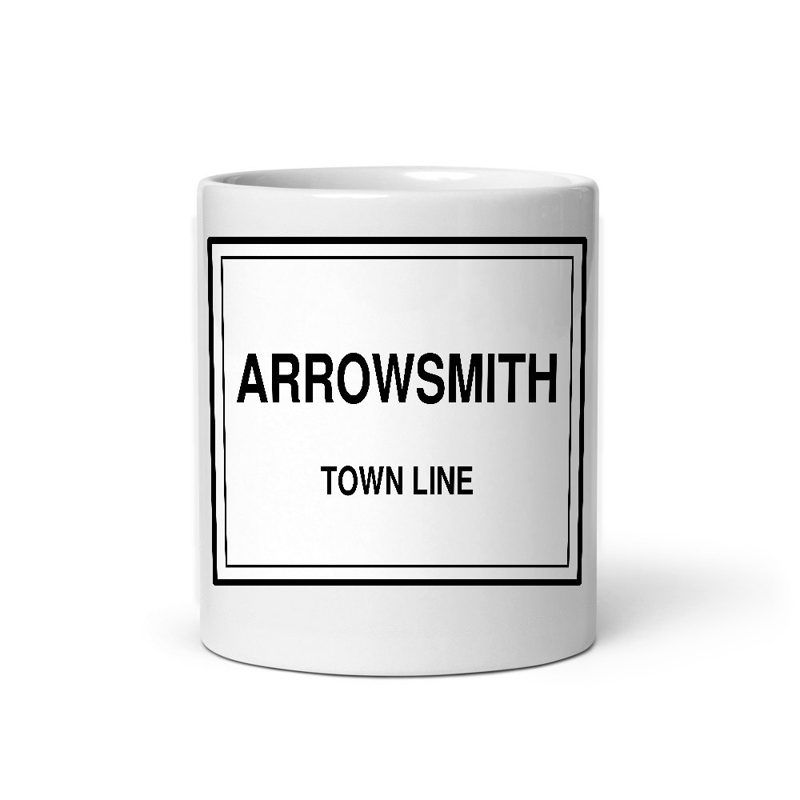
Glossy ceramic, dishwasher safe
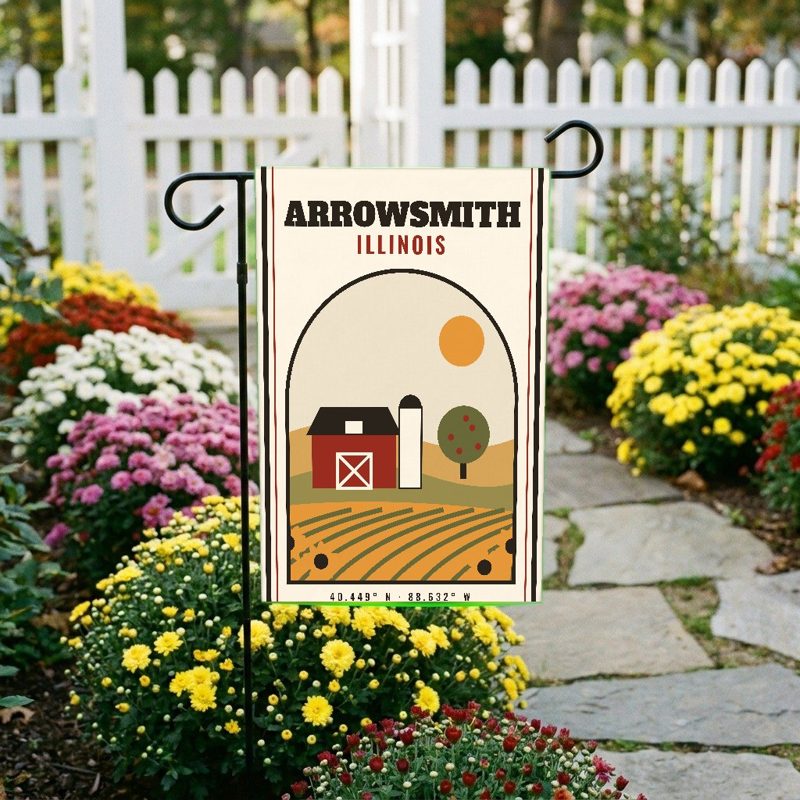
Weatherproof, for the front walk
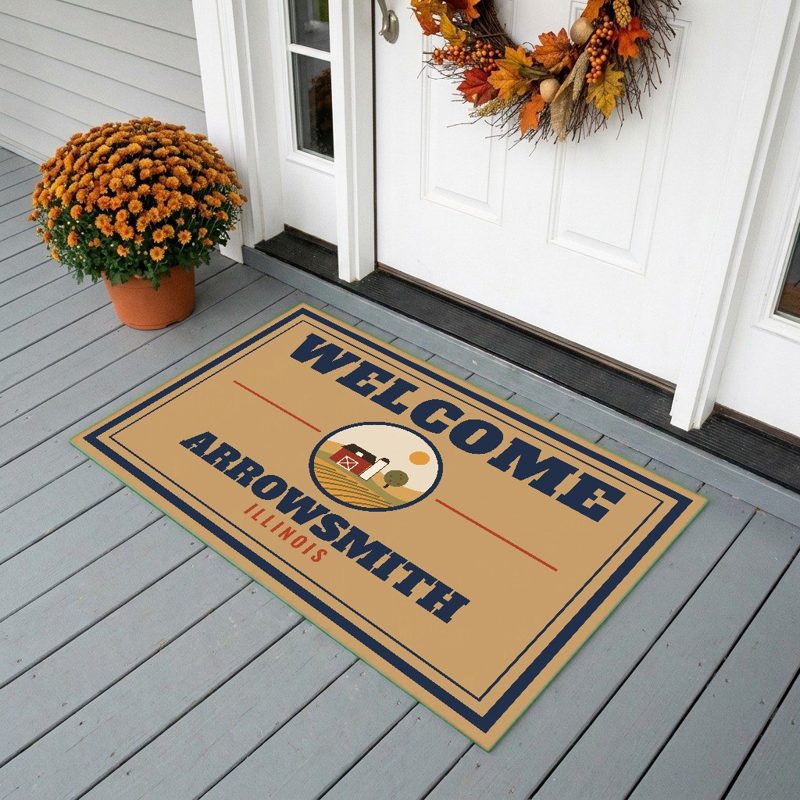
24″×16″, printed coir-look fibers, rubber back
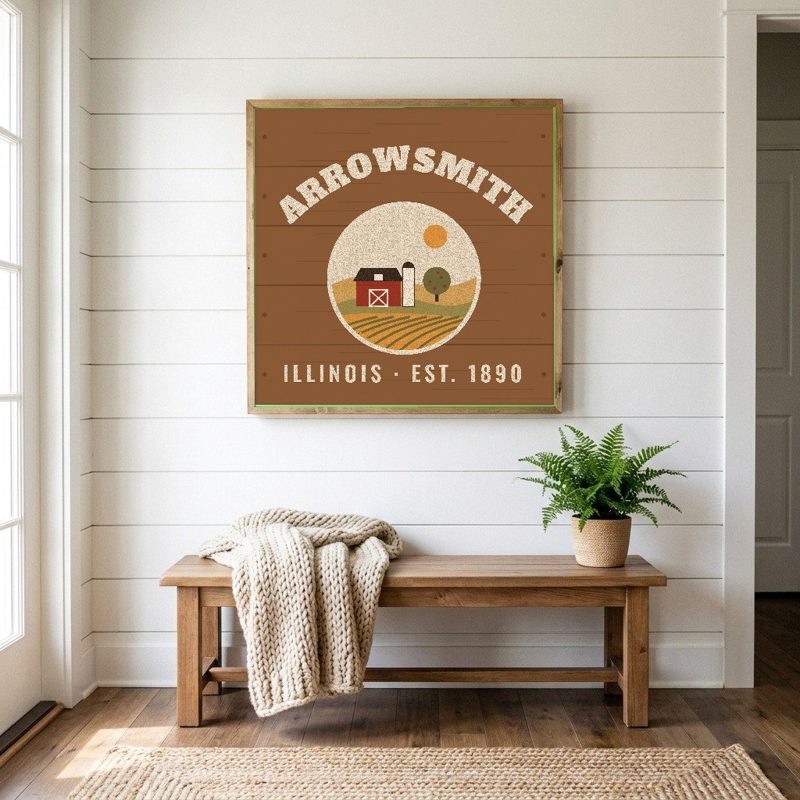
12″×12″ printed wood, ready to hang
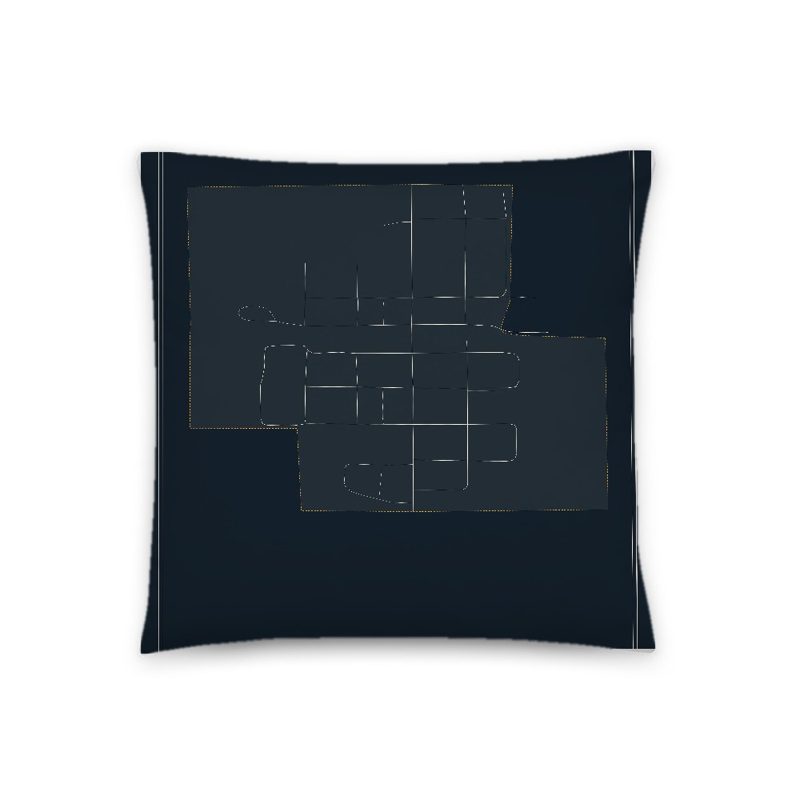
Soft-touch, zip cover
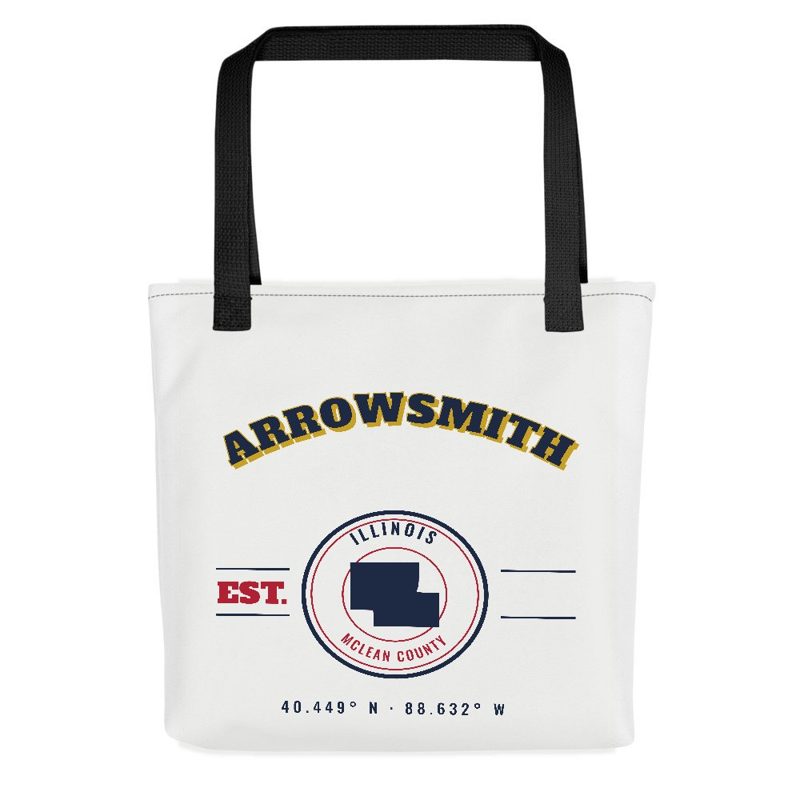
Sturdy all-over-print tote

Glossy top, cork back
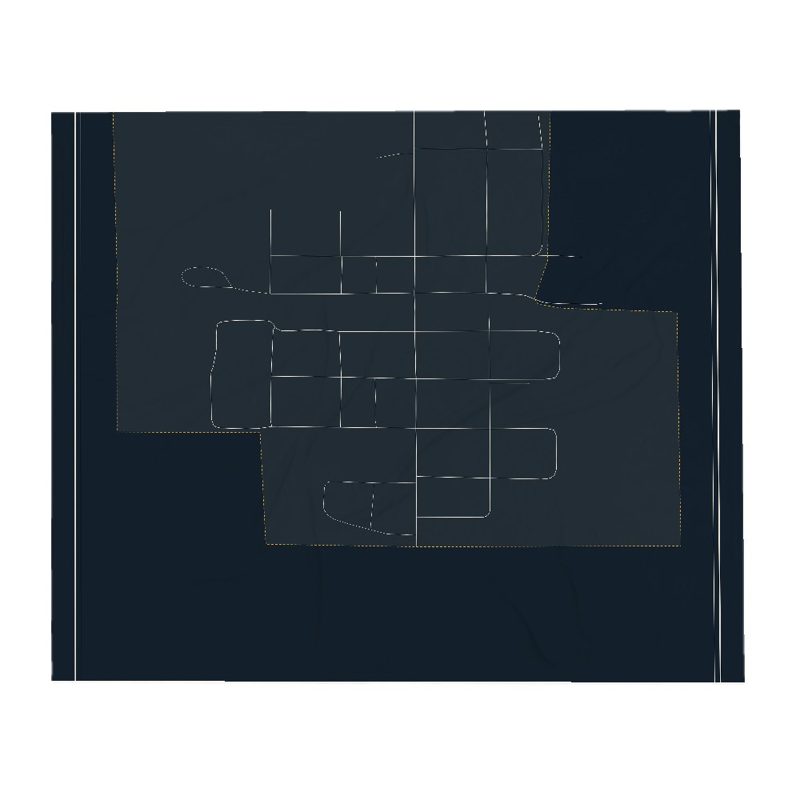
Soft fleece, 50″×60″
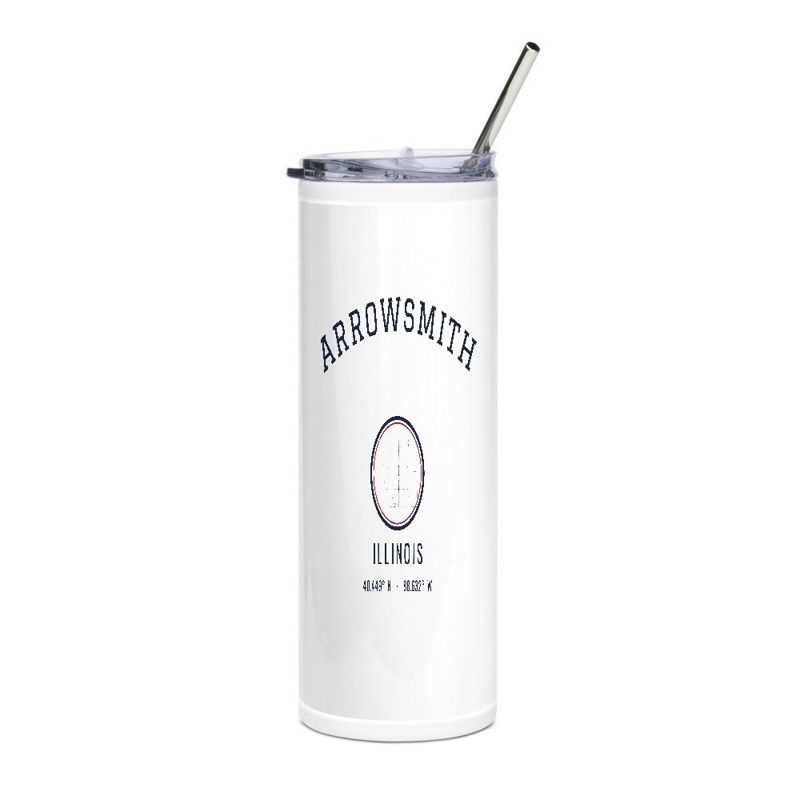
20 oz, double-wall stainless
Arrowsmith was laid out on December 7, 1871, by Charles W. Holder (1808–1887) and Owen T. Reeves (1829- ?). The founders kept their identities hidden for two years until the plat was officially recorded. Both proprietors lived in Bloomington, were experienced land dealers, and were involved in the creation of the Lafayette Bloomington and Muncie Railroad. Holder had been Jesse Fell's partner in the founding of Towanda, Illinois, was one of his partners in the development of Normal, Illinois, and the town of Holder, Illinois, would soon be named in his honor. Reeves was a Bloomington lawyer and judge who had been colonel of the short-lived 70th Illinois Infantry during the Civil War. Arrowsmith Township had voted $30,000 in bonds to support the construction of the railroad on the condition that a station be established in their township. It was at first thought that the name of the town would be Weldon, but it was soon learned that this name had been taken by a newly founded town in DeWitt County. Arrowsmith takes its name from the township in which it was located, which had been named for early settler Ezekiel Arrowsmith. Several of the first buildings in Arrowsmith were moved to the new town from Senex, located about three miles to the southwest near the edge of Old Town Timber. Taking advantage of cold weather, John Thompson had used 32 horses to skid his store from Senex to Arrowsmith in just over two hours. The Senex blacksmith shop and the post office were moved in the same year. However, most of the buildings in the new town were newly constructed, and many of the early merchants were from places other than Senex.
The design of the original town was centered on a wide railroad ground, with eight blocks north of the tracks and eight blocks south of the tracks. Most of the early businesses were along Main Street north of the tracks. Both grain elevators and the early stockyards were north of the tracks, but the depot was on the south side. In 1876 the Lafayette Bloomington and Muncie Railroad was leased to the Lake Erie and Western Railroad which purchased the line in 1879, and the railroad is usually remembered under this name. Arrowsmith was incorporated as a village in April 1890. The growth of Arrowsmith was slow; in 1900 it had only 317 people.
Adapted (trimmed) from the Wikipedia article Arrowsmith, Illinois, revision 1373988498 by its contributors, licensed CC BY-SA 4.0.
We share a part of every Arrowsmith sale with local partners, and we'd love to print from your collection. Old photographs, maps and postcards make the best keepsakes.
Partner with usA favorite landmark, your street, a school or team, an anniversary gift, a different product. Tell us and we'll get back to you by email.
Arrowsmith's population was 276 in the 2020 U.S. Census, down from 294 in 2010.