A short history of Potlatch
Company town
In 1903, Frederick Weyerhaeuser incorporated the Potlatch Lumber Company (eventually becoming the Potlatch Corporation), naming his son Charles as the President. The directors of the company selected Canadian lumberman William Deary to build a mill somewhere within the company's timber holdings. The townsite was chosen because of proximity to the company's large holdings of Western White Pine on the Palouse River. Potlatch was chosen as the mill site, and in 1904, crews working under W.A. Wilkinson of Minnesota began constructing what would be the largest white pine sawmill in the world.
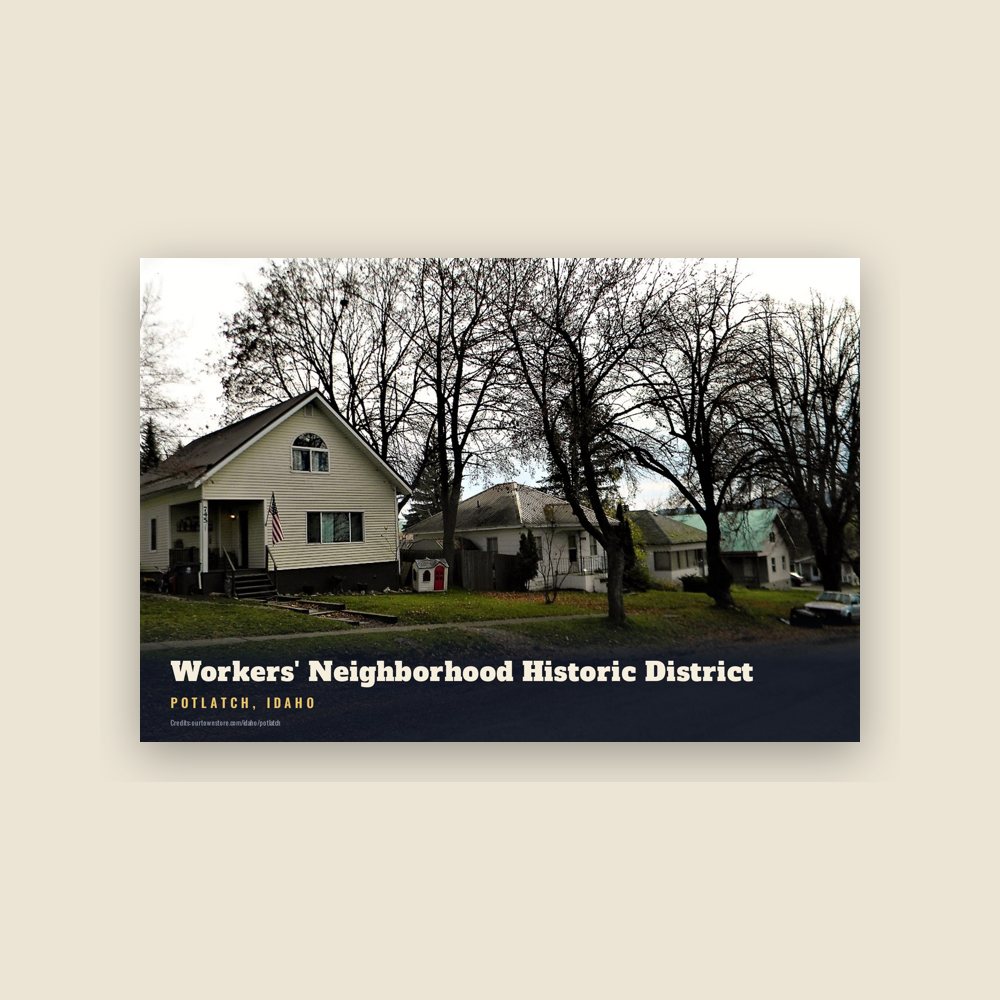
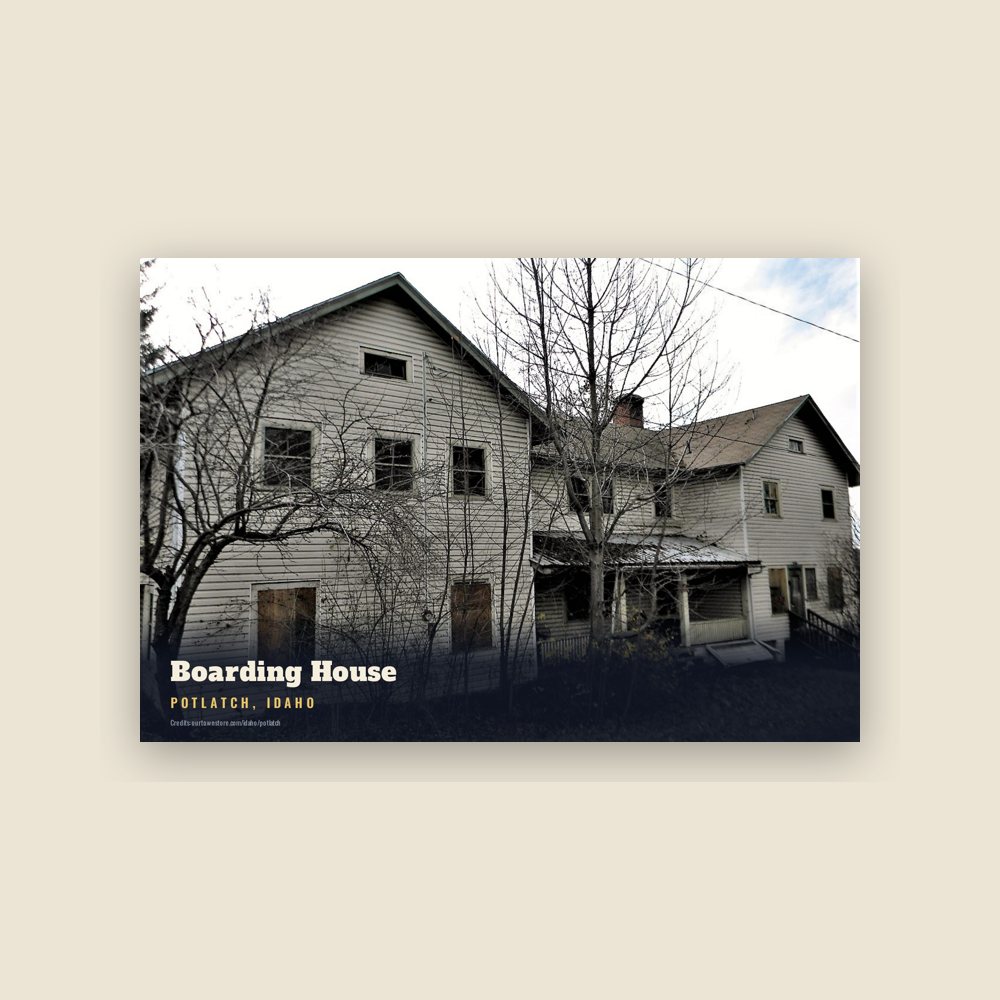
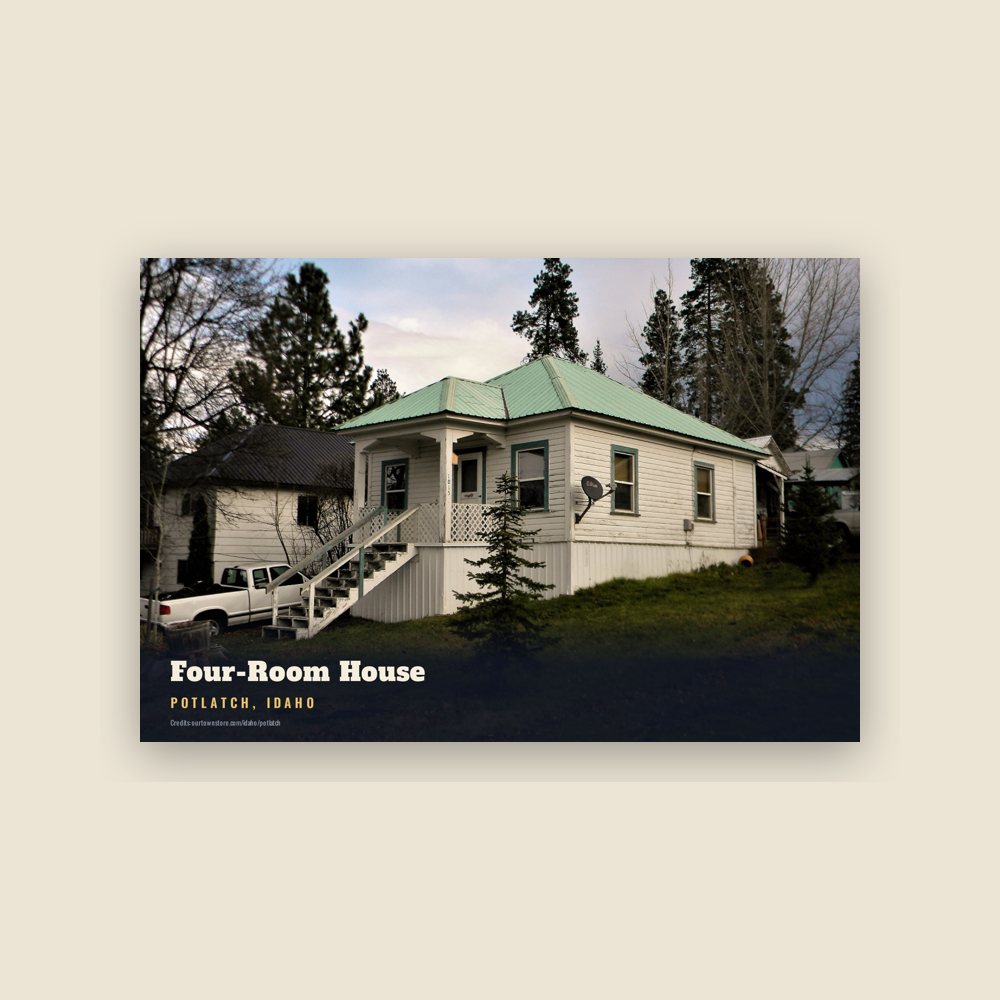
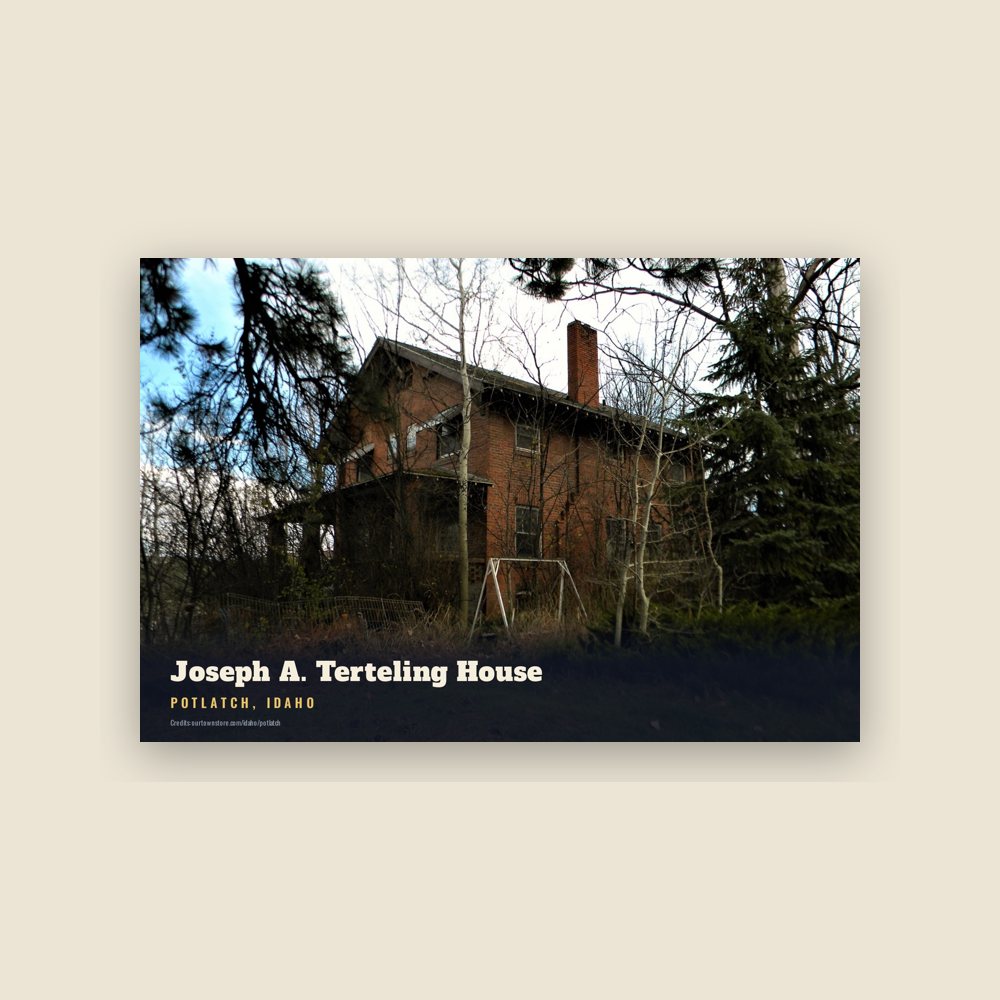
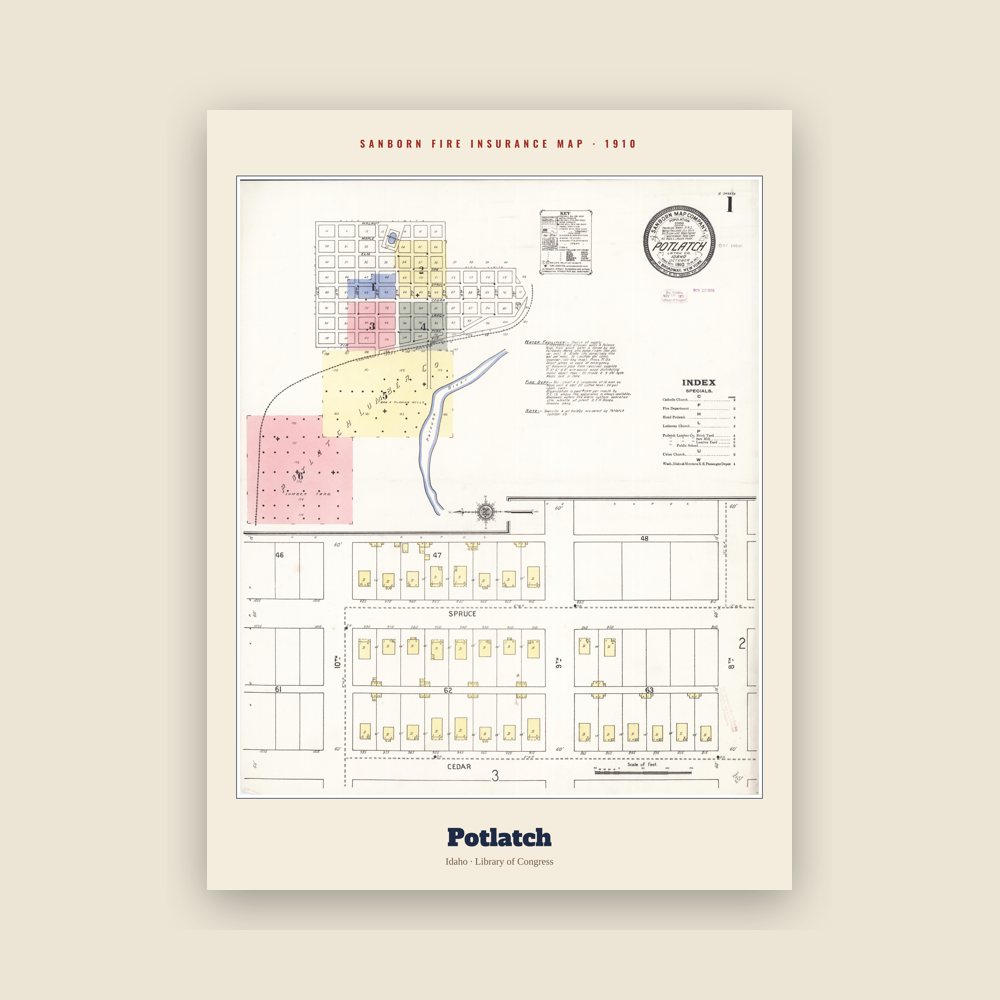
Because of the remote placement of the mill, Potlatch was built as a company town to provide housing and commerce for the mill. A total of 143 houses were built in 1906, with 58 more built the following year; other building constructed during that period include boarding houses, an ice house, a Catholic church, hotel, school, and general store.
The company developed and ran Potlatch on a model mostly patterned after that used by Pullman Company for its company town in Illinois. It provide police and fire protection, a school, churches, a hospital, an inexpensive company store, and recreational amenities. It banned prostitution, prohibited alcohol, and encouraged its workers to marry by allowing only married couples to rent the houses it owned. The paternalism was profitable, even though rents were low: during 1943 the company showed a profit of $59,000 for its "townsite" services. Less than a decade later, with labor costs significantly reducing its townsite profit, the mill sold most of the homes and other buildings it owned, and Potlatch was incorporated.
On the west side of town, the mill began operating on September 11, 1906, and continued for over seven decades. Due to a depressed economy and declining lumber prices, the mill closed in August 1981.
Read the full history
Following the mill's closure
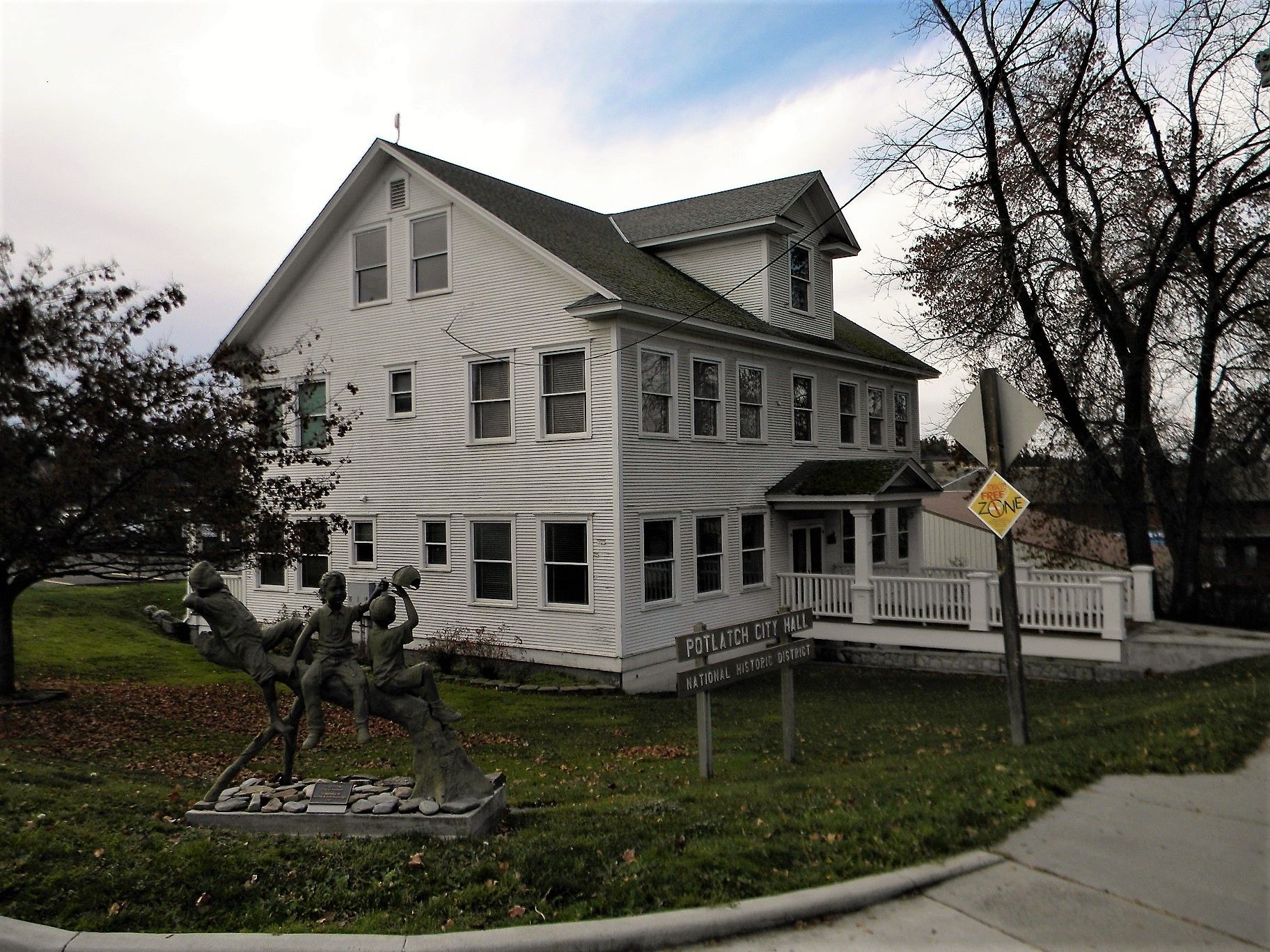
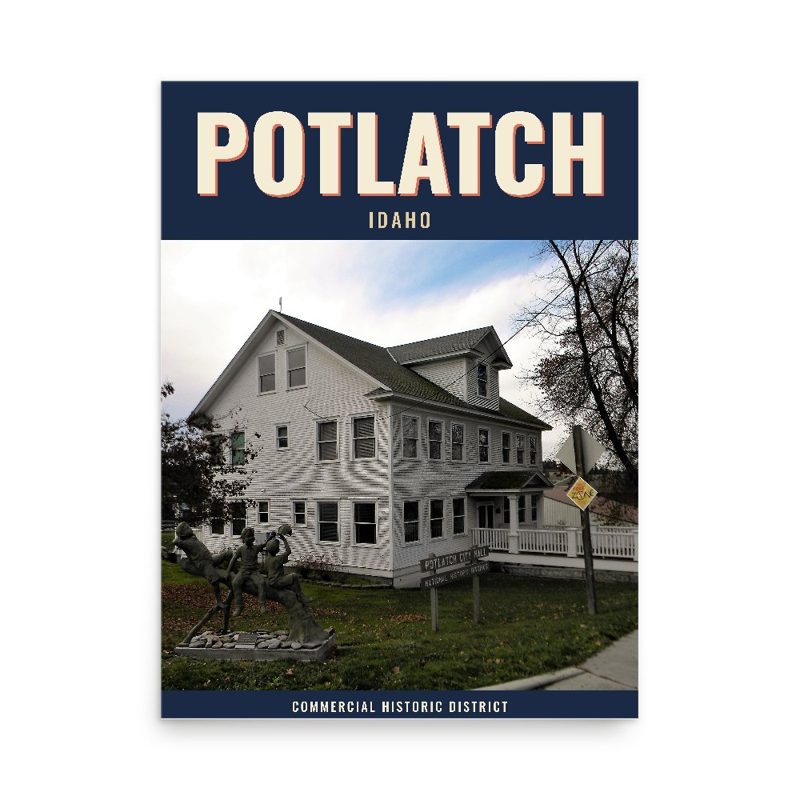
In 1981, the mill was shut down, shortly after the town was sold to the residents. Five years later, part of the commercial district was listed on the National Register of Historic Places.
After the mill's closure, Potlatch became a bedroom community for the university towns of Moscow and Pullman, Washington.
Business and political leaders of Potlatch are making a concerted effort to attract companies involved in the firearms industry; they have set aside 26 acres (11 ha) for such businesses, located on the former site of the mill. Approximately a mile (1.6 km) west of the mill, State Highway 6 connects with U.S. Route 95, Idaho's primary north-south highway.
Adapted (trimmed) from the Wikipedia article Potlatch, Idaho, revision 1374793031 by its contributors, licensed CC BY-SA 4.0.
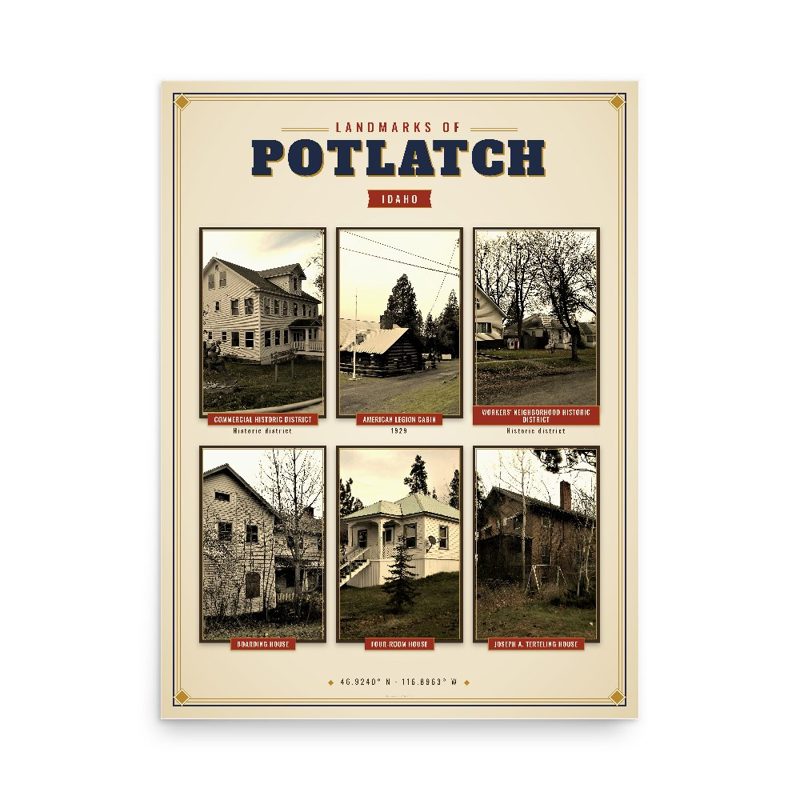

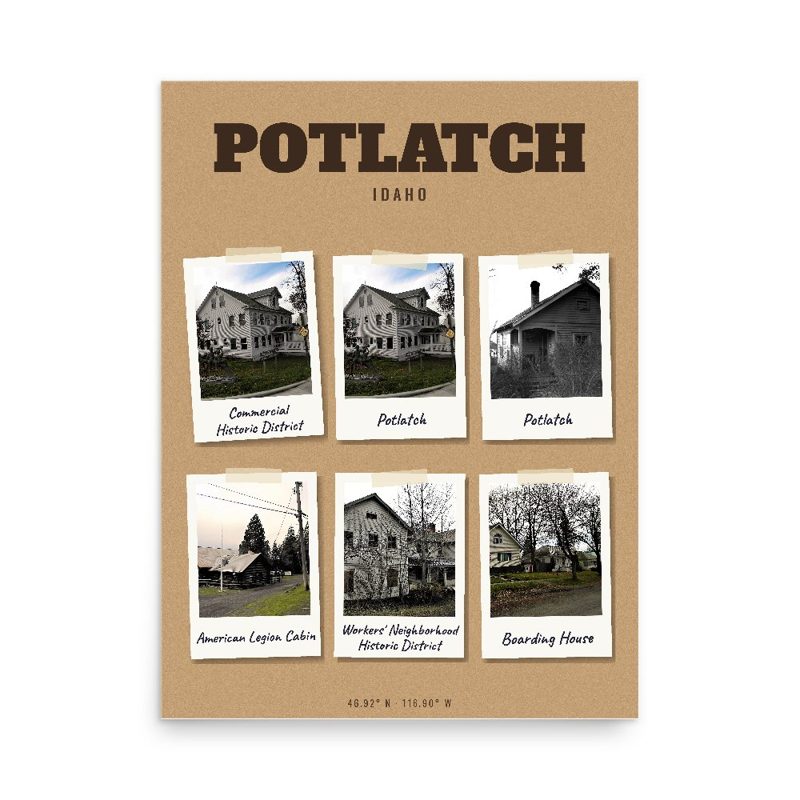
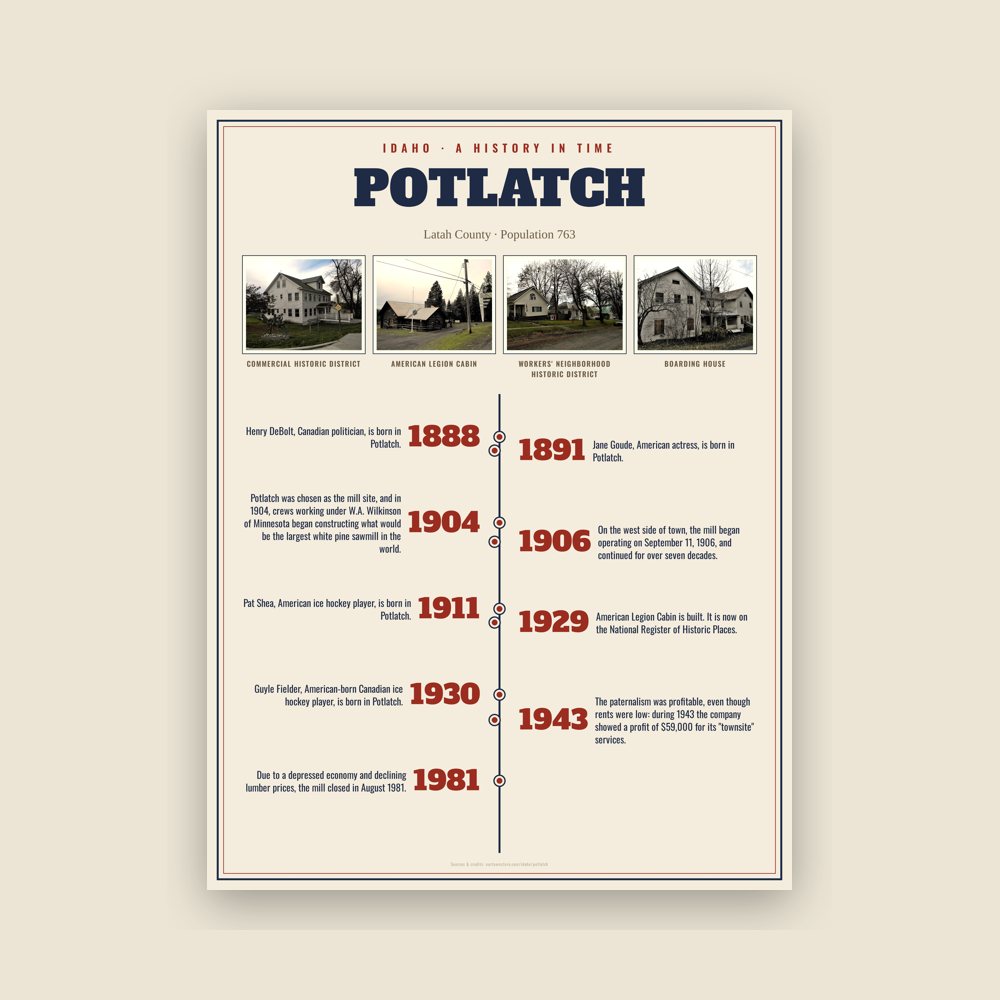
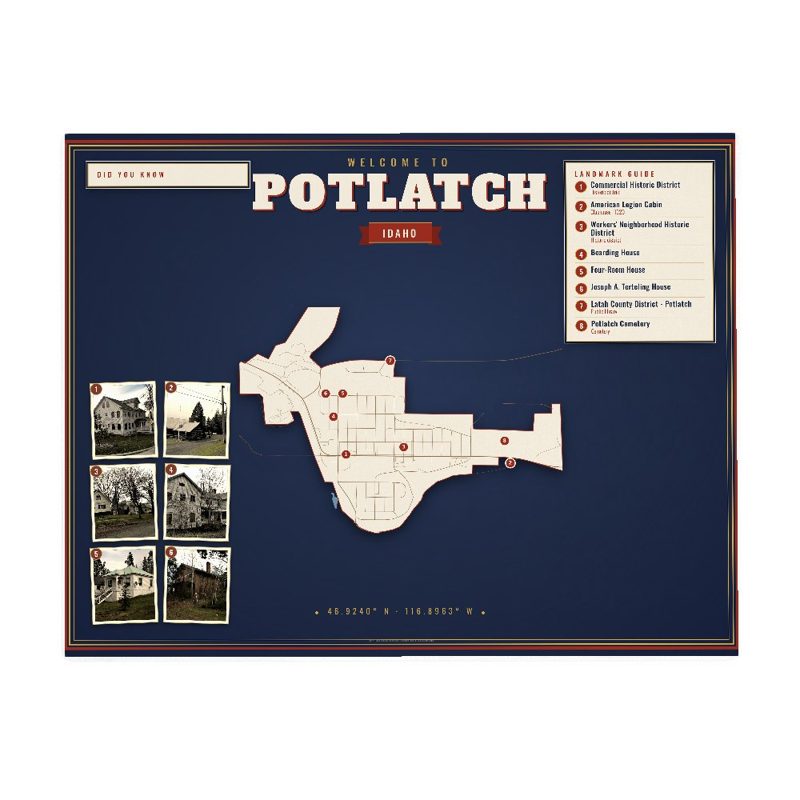











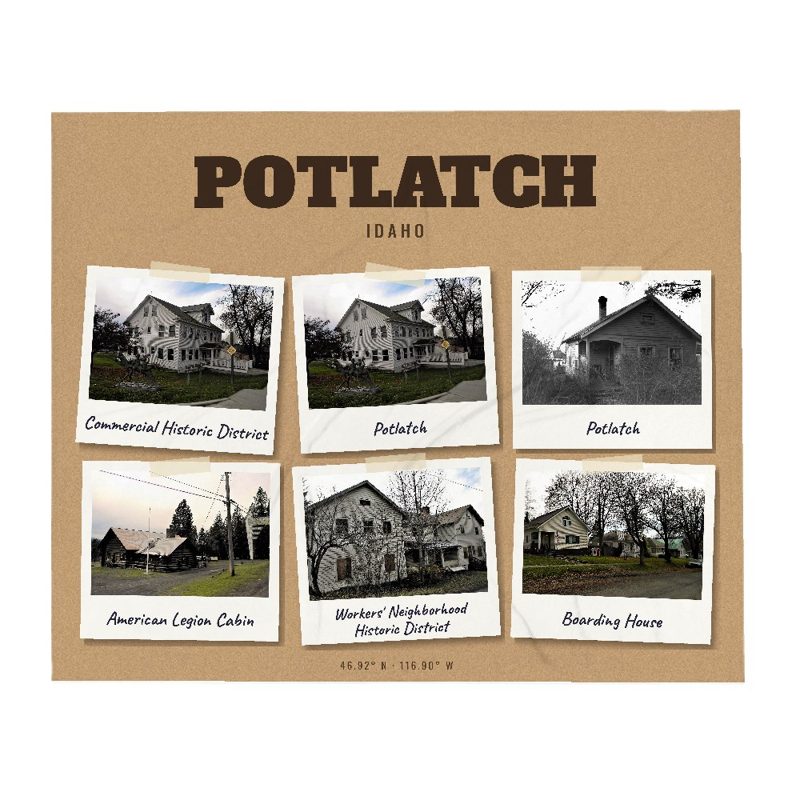

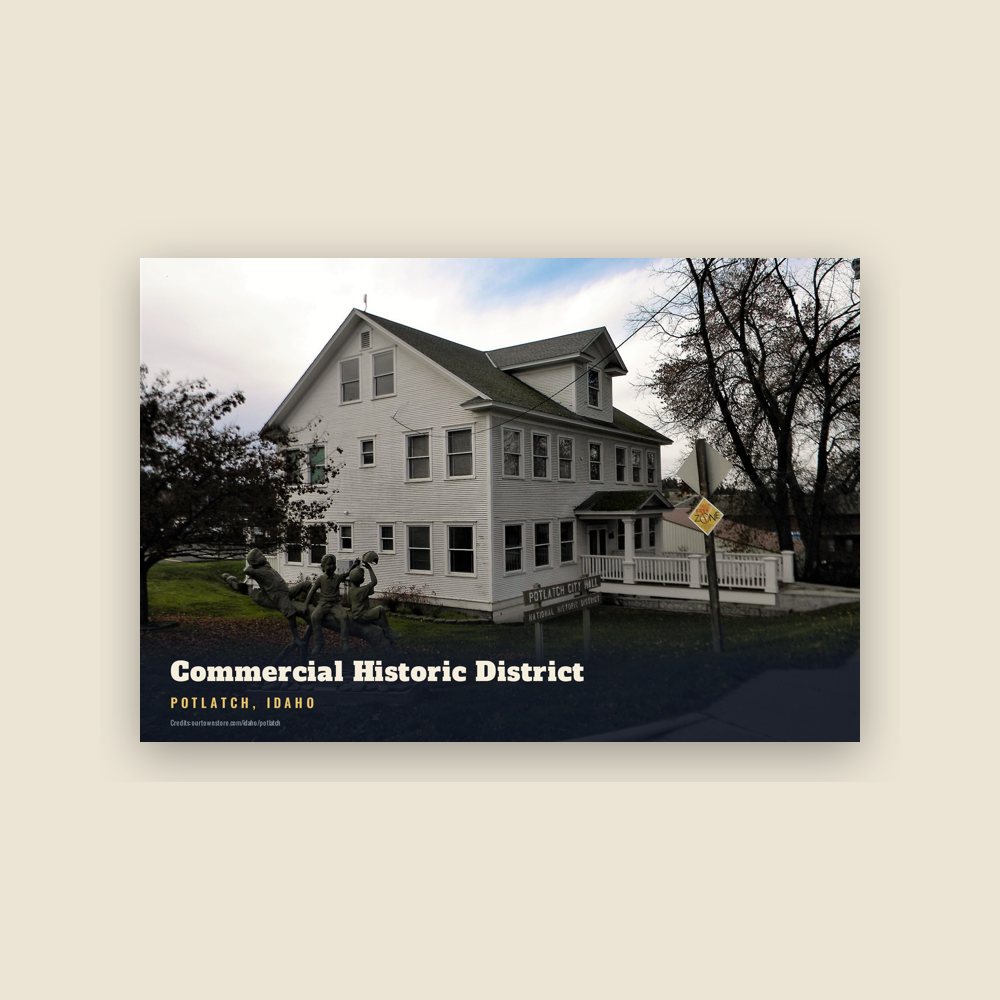
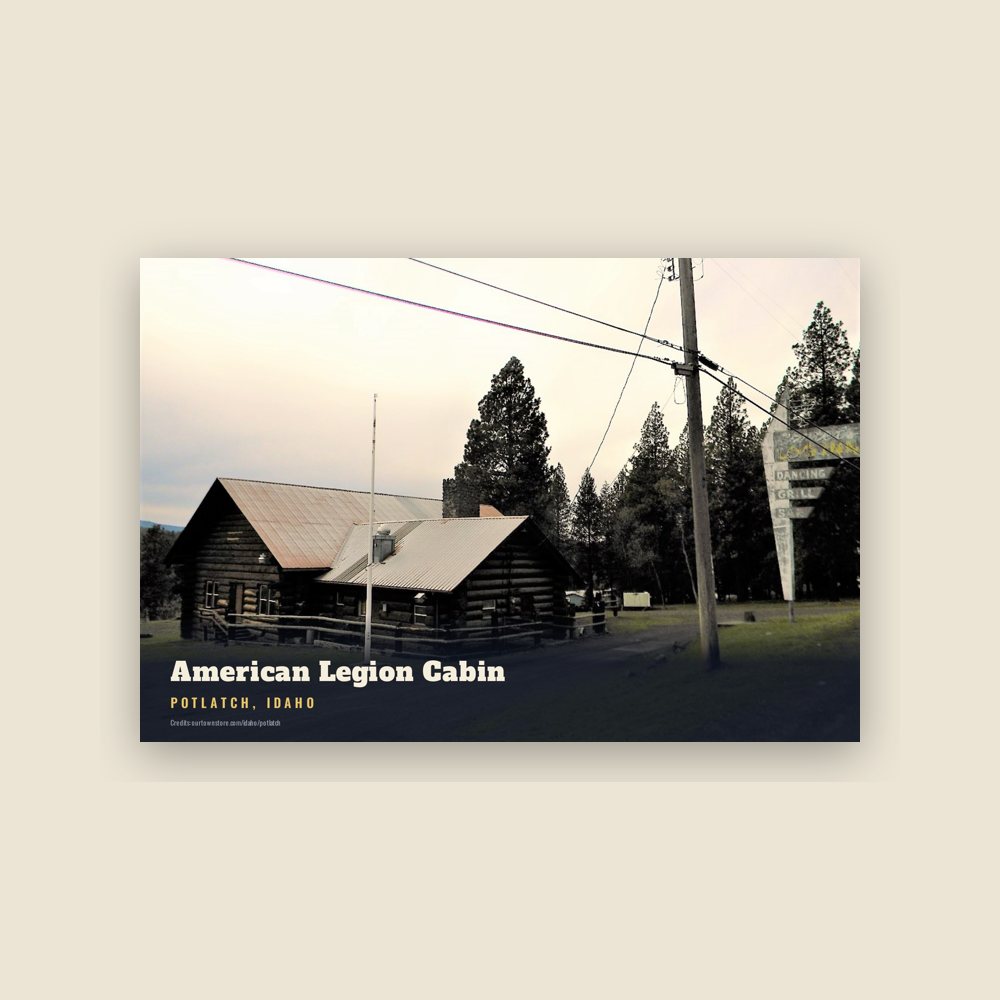
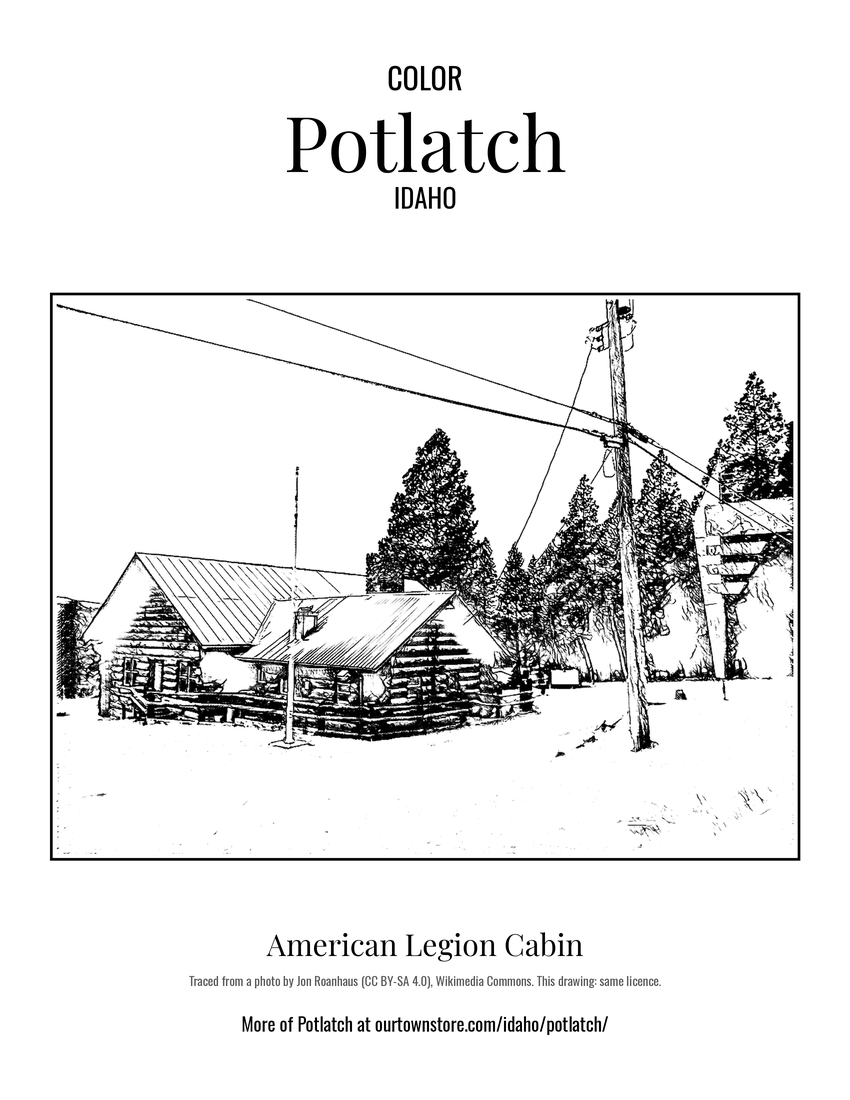 American Legion Cabin
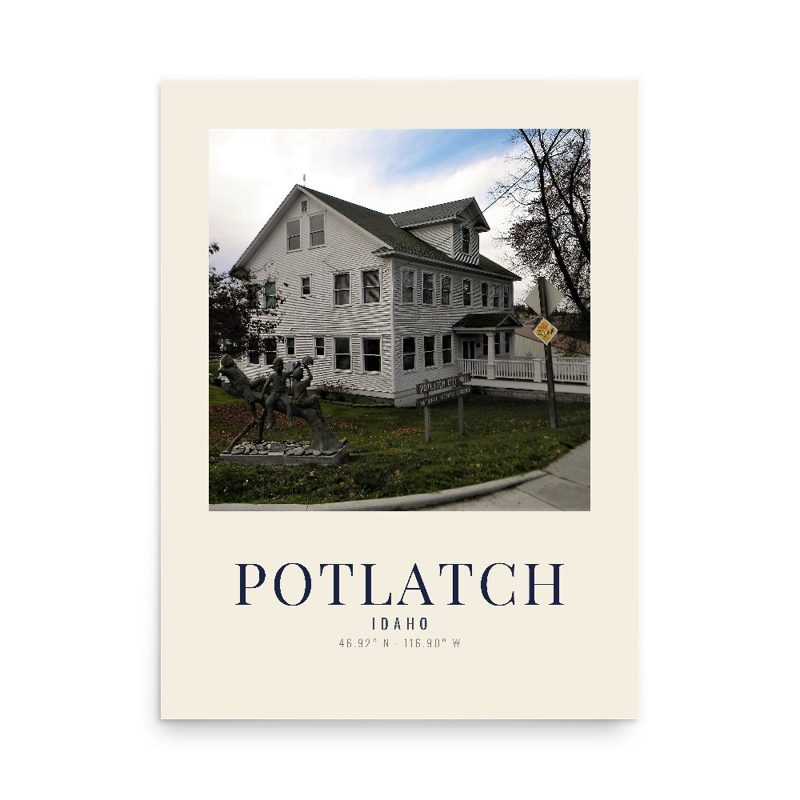
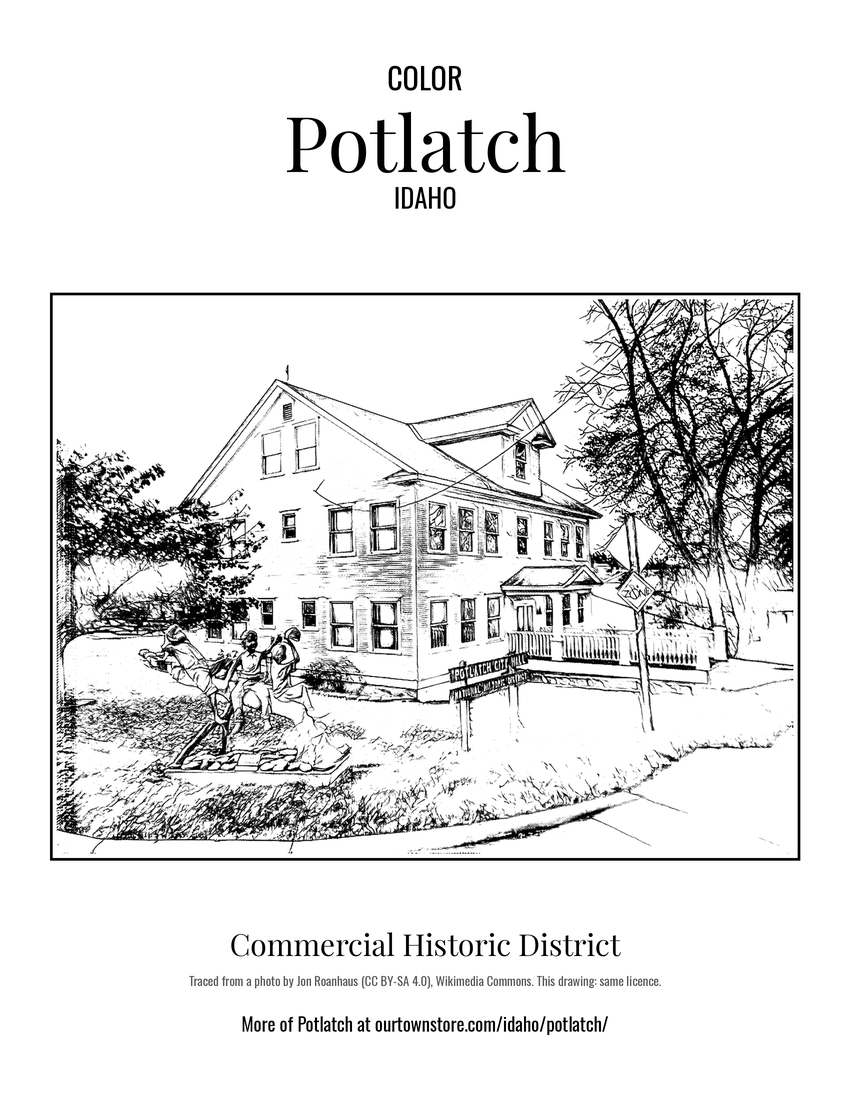 Commercial Historic District
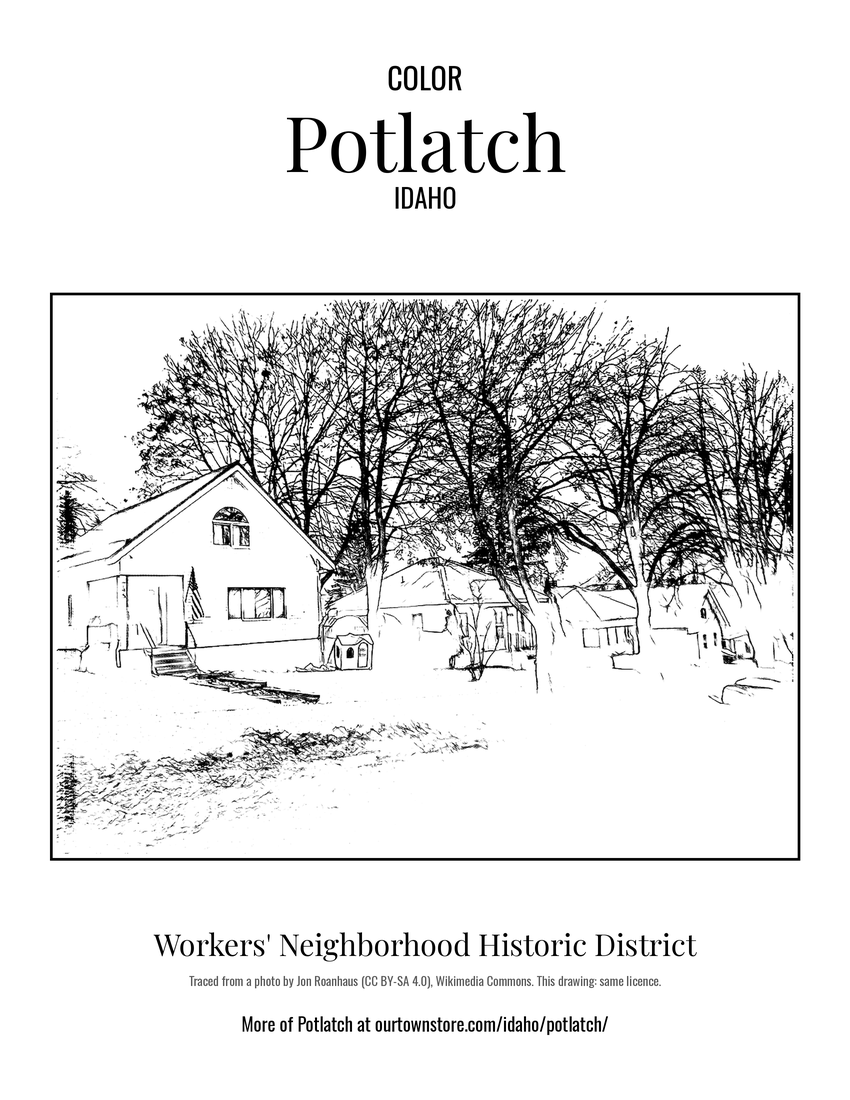 Workers' Neighborhood Historic District
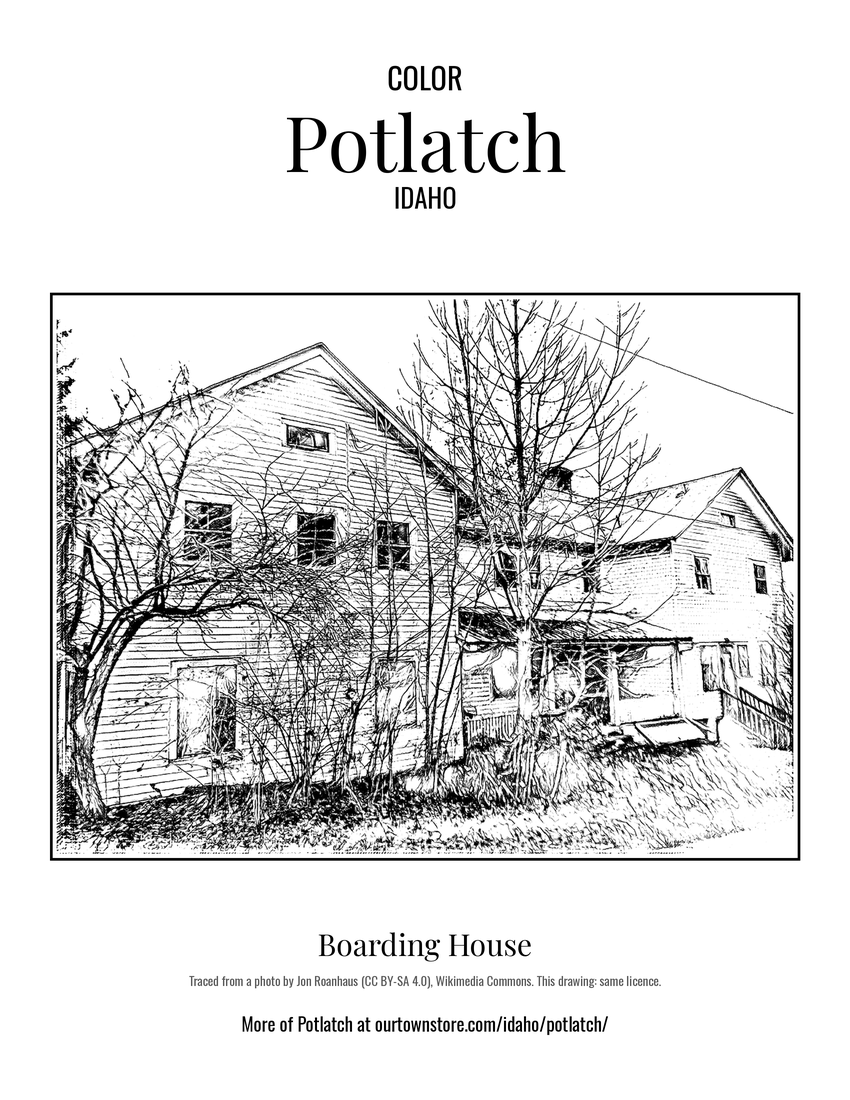 Boarding House