A short history of Idaho City
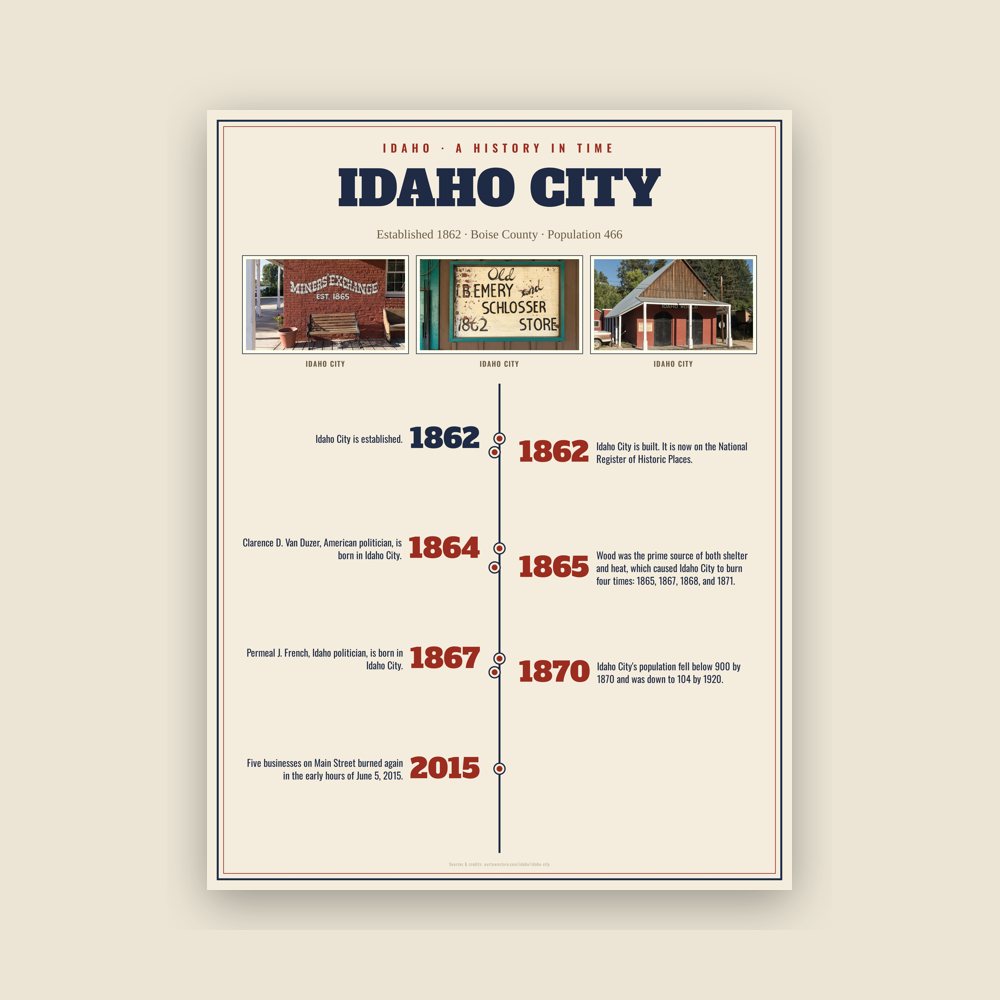
At its peak during the mid-1860s, there were more than 200 businesses in town, including three dozen saloons and two dozen law offices. Its 1864 population of 7,000 made it the largest city in the Northwest, bigger than Portland. Wood was the prime source of both shelter and heat, which caused Idaho City to burn four times: 1865, 1867, 1868, and 1871. Five businesses on Main Street burned again in the early hours of June 5, 2015.
During the boom, the greater Boise Basin population numbered in the tens of thousands, but most departed the mountains once mining declined. Idaho City's population fell below 900 by 1870 and was down to 104 by 1920. The modern economy relies mainly on hunting and fishing tourism, and visits to the many historic sites, including the Boot Hill Cemetery. Outside of town, the mining tailings of the era are ubiquitous.
In his fourth term as a U.S. Senator, Frank Church announced his candidacy for the Democratic nomination for president from the porch of the county courthouse in Idaho City in March 1976. His grandfather had settled there in 1871 and his father was born there in 1889. Chase Clark, Church's father-in-law, had announced his candidacy for governor in Idaho City in 1940.
Adapted (trimmed) from the Wikipedia article Idaho City, Idaho, revision 1375151421 by its contributors, licensed CC BY-SA 4.0.
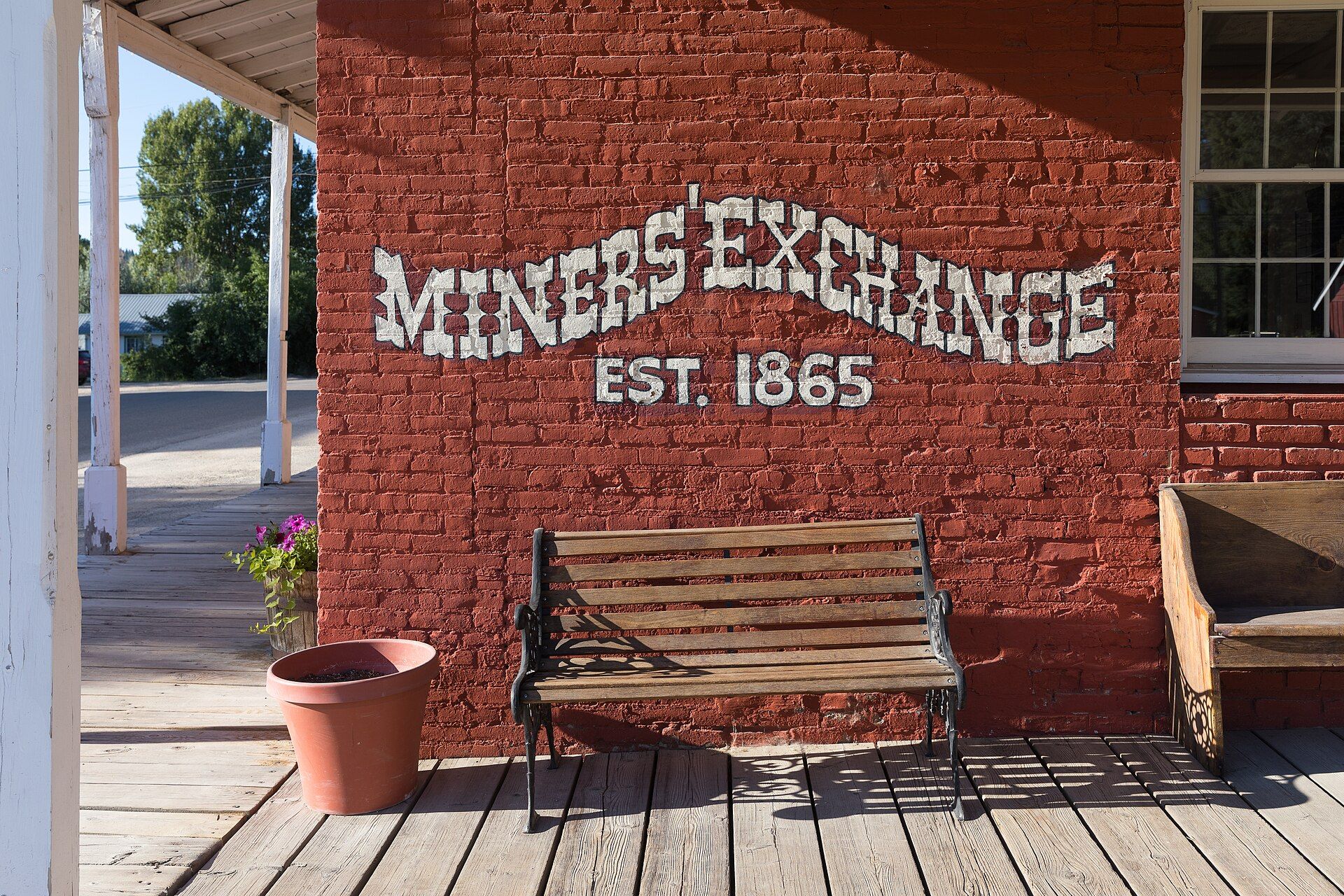
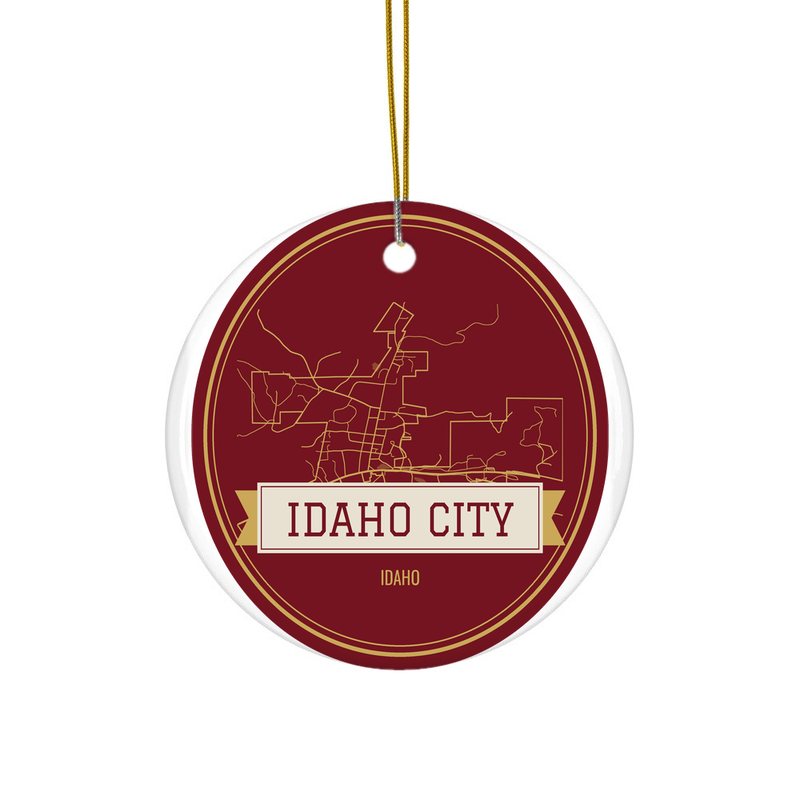
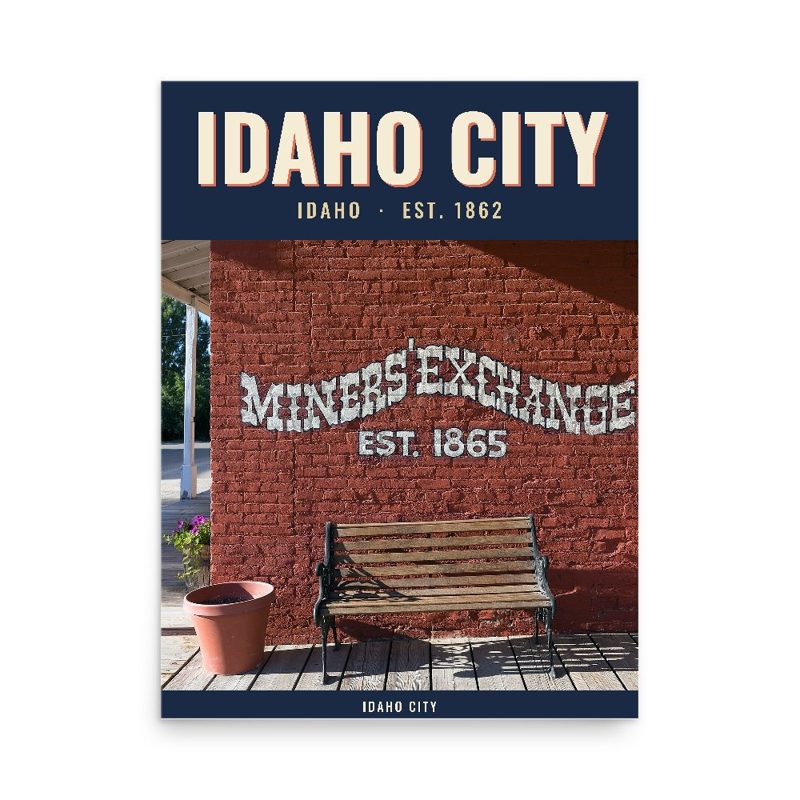
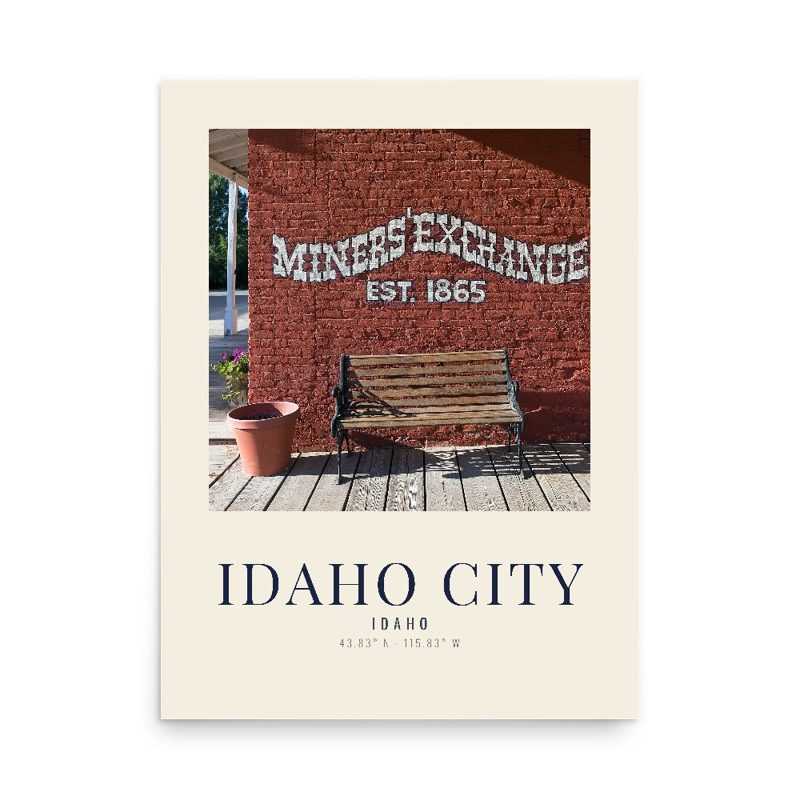
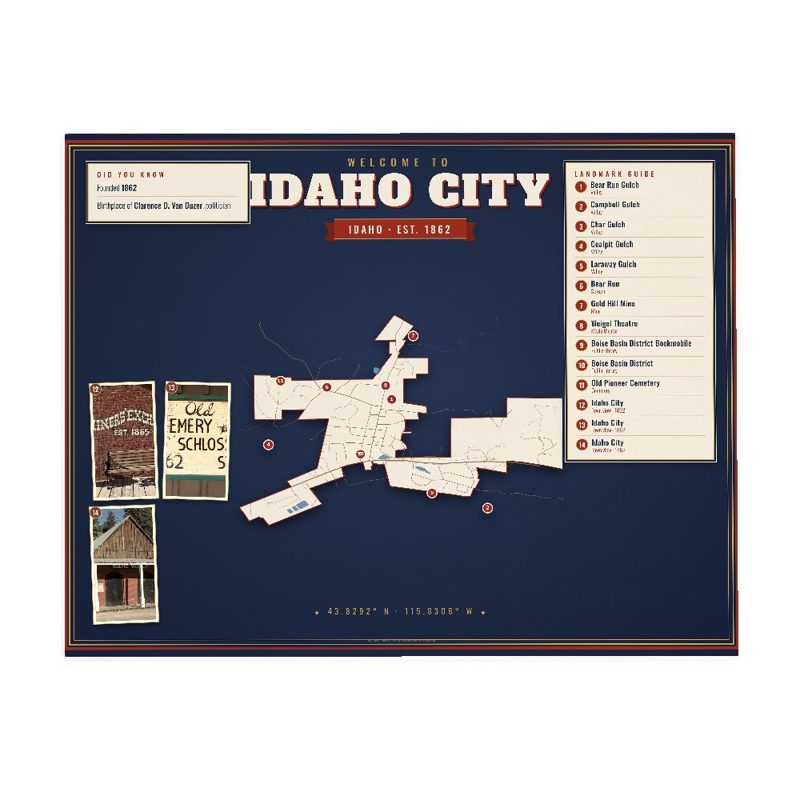






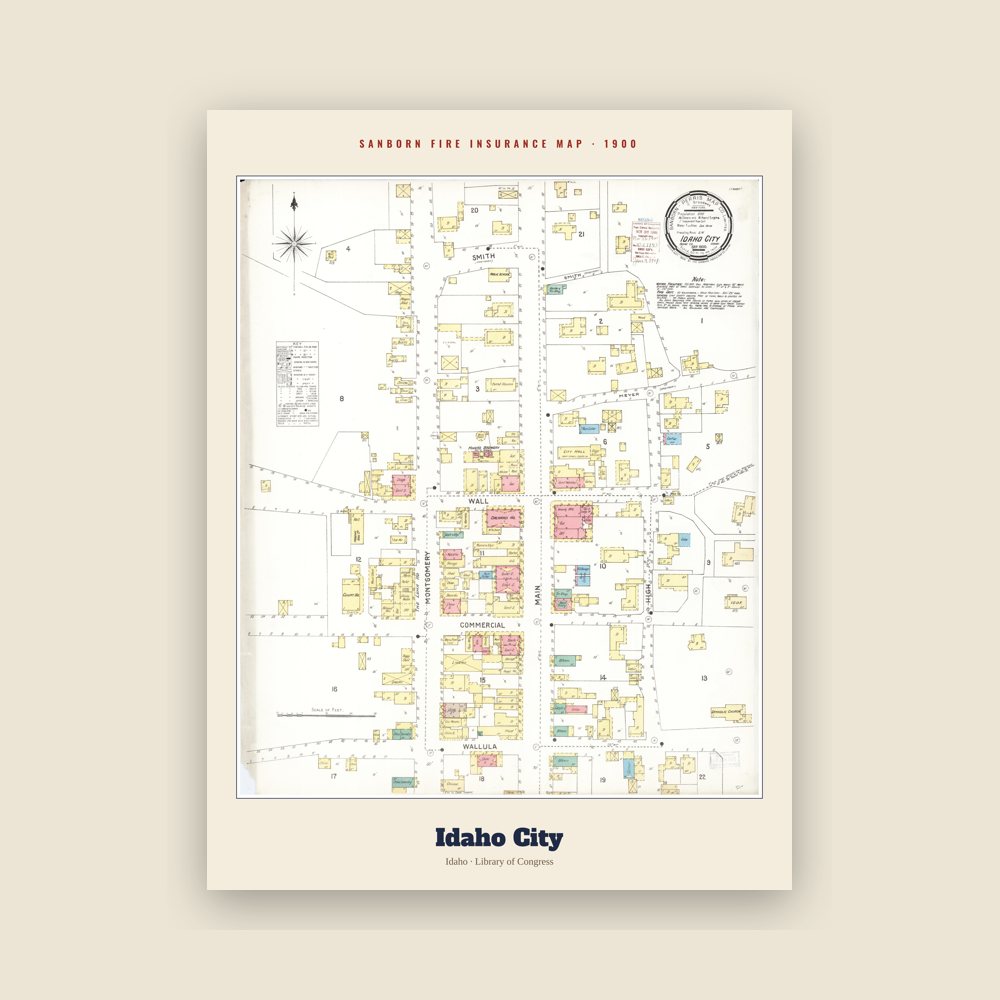
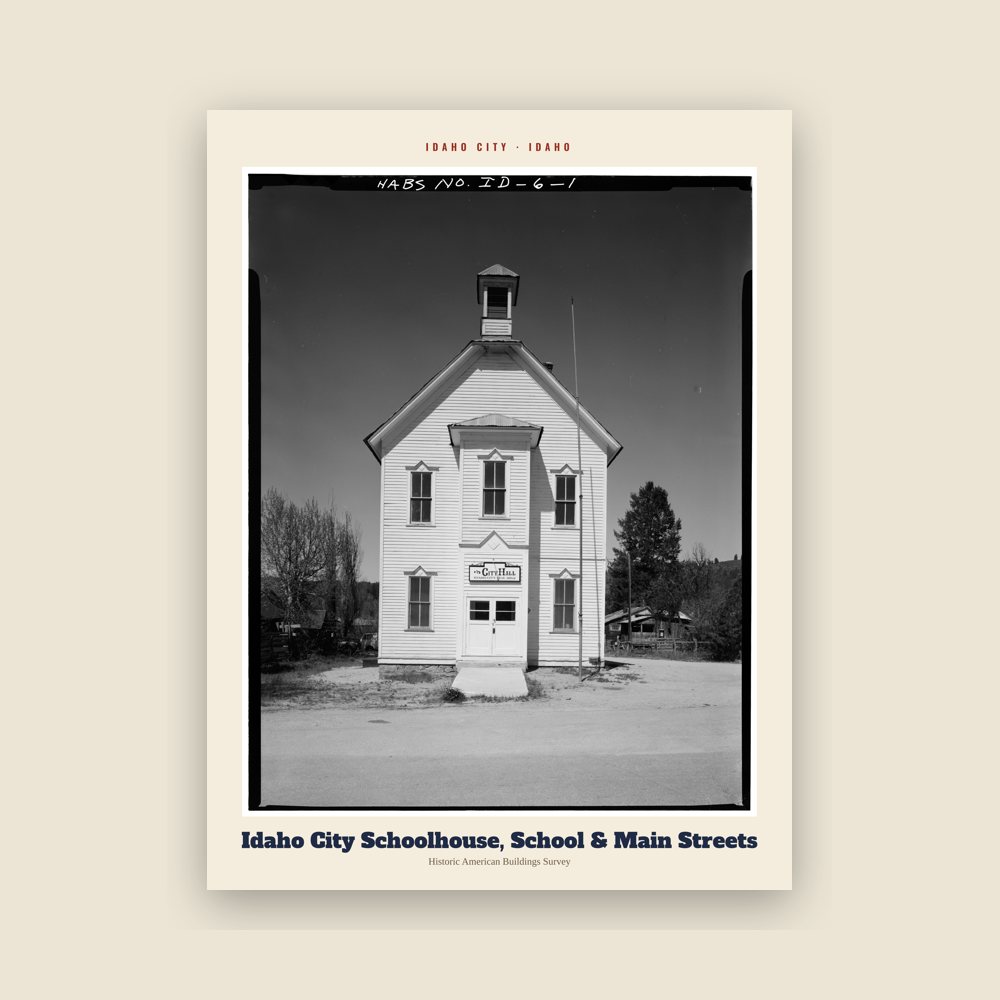
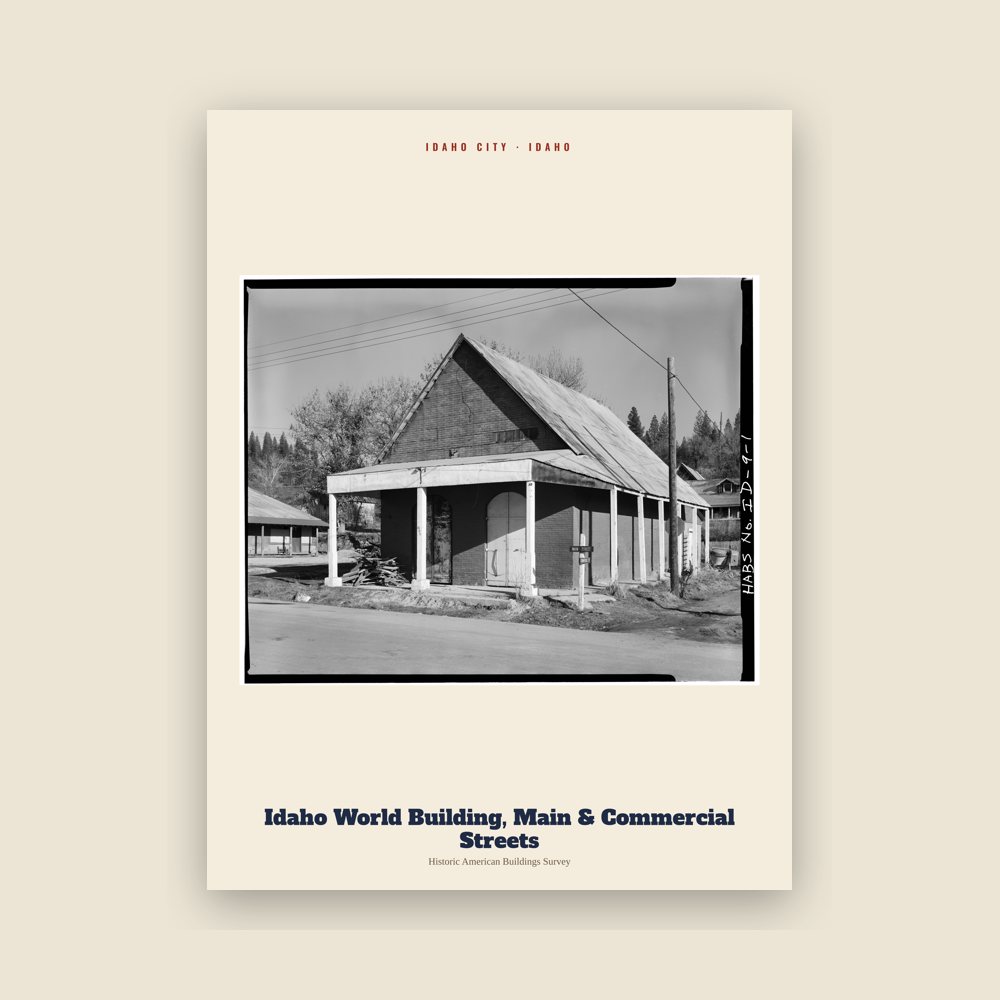
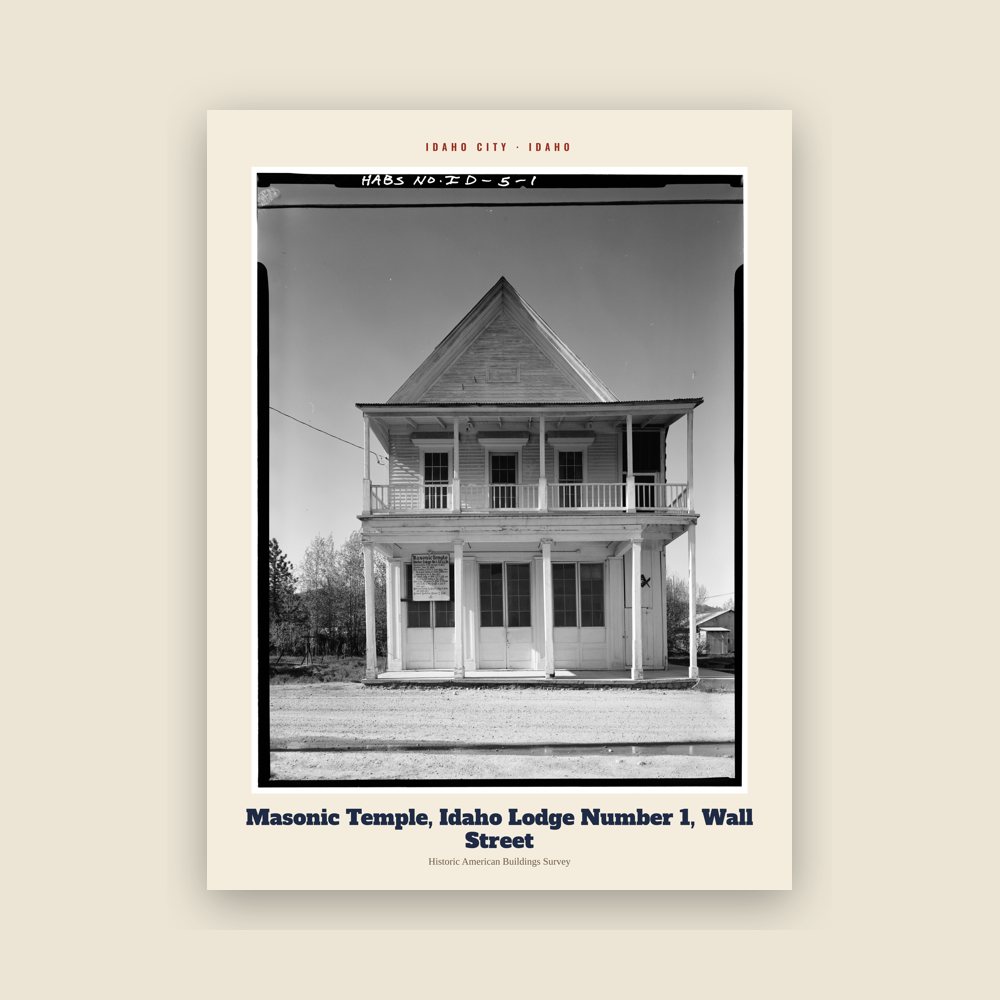
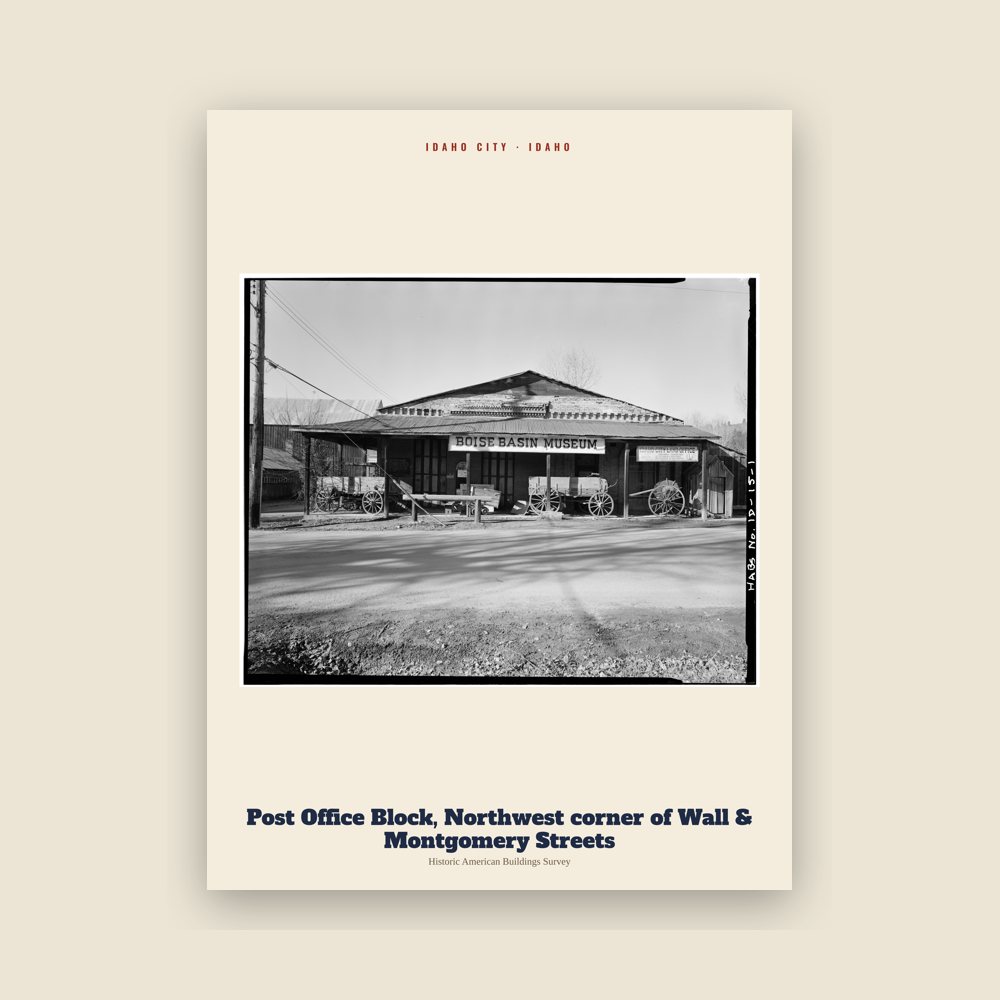
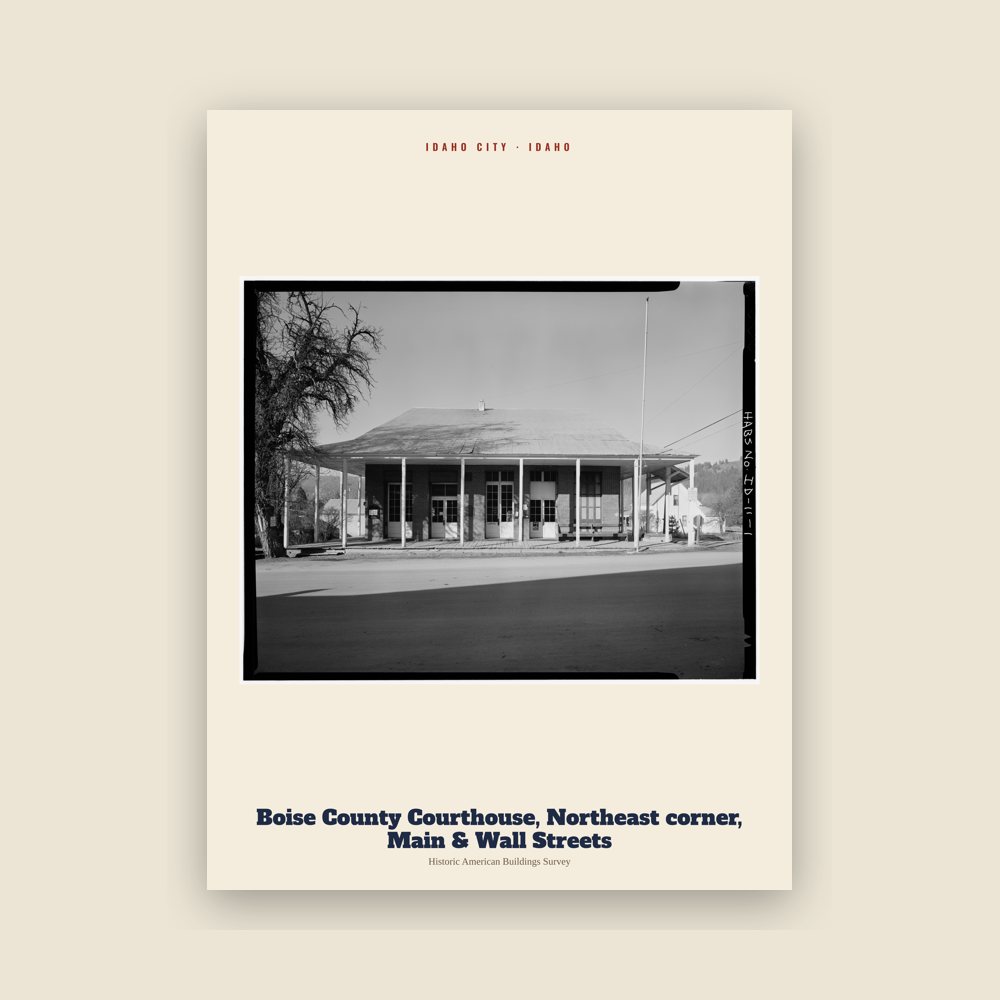
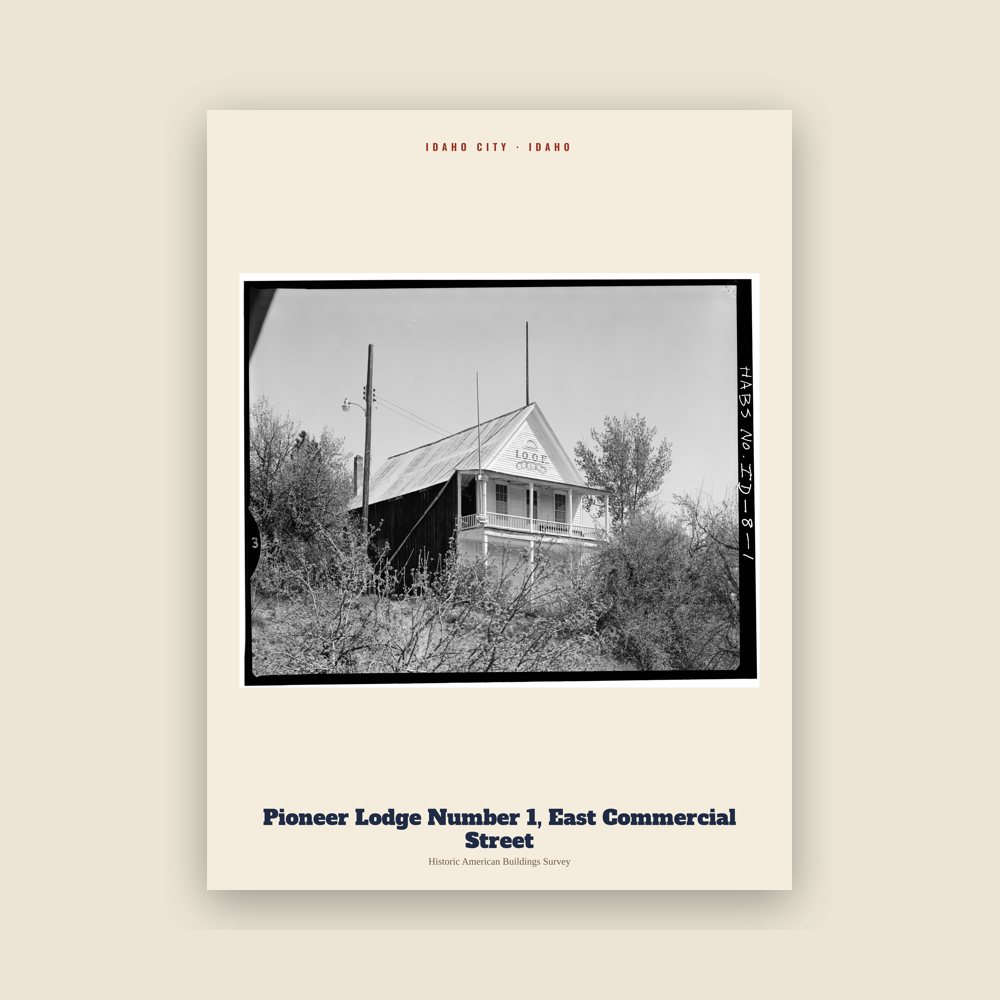
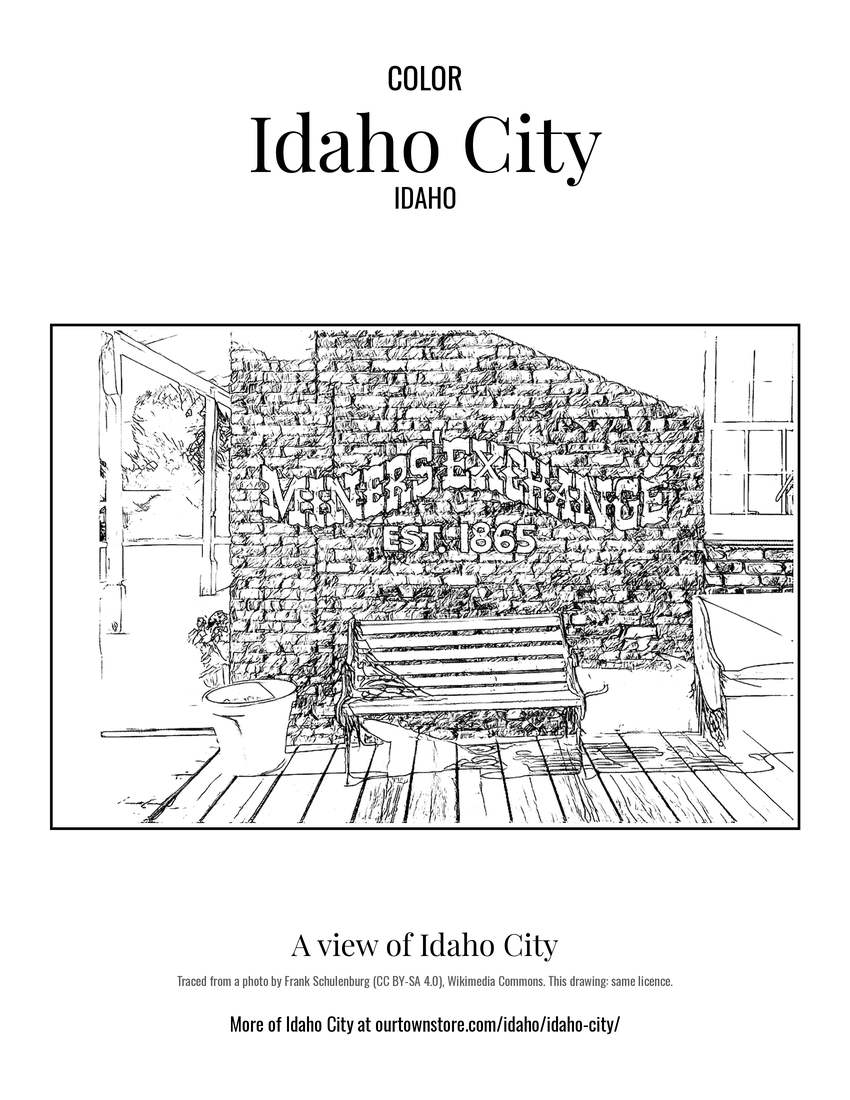 A view of Idaho City
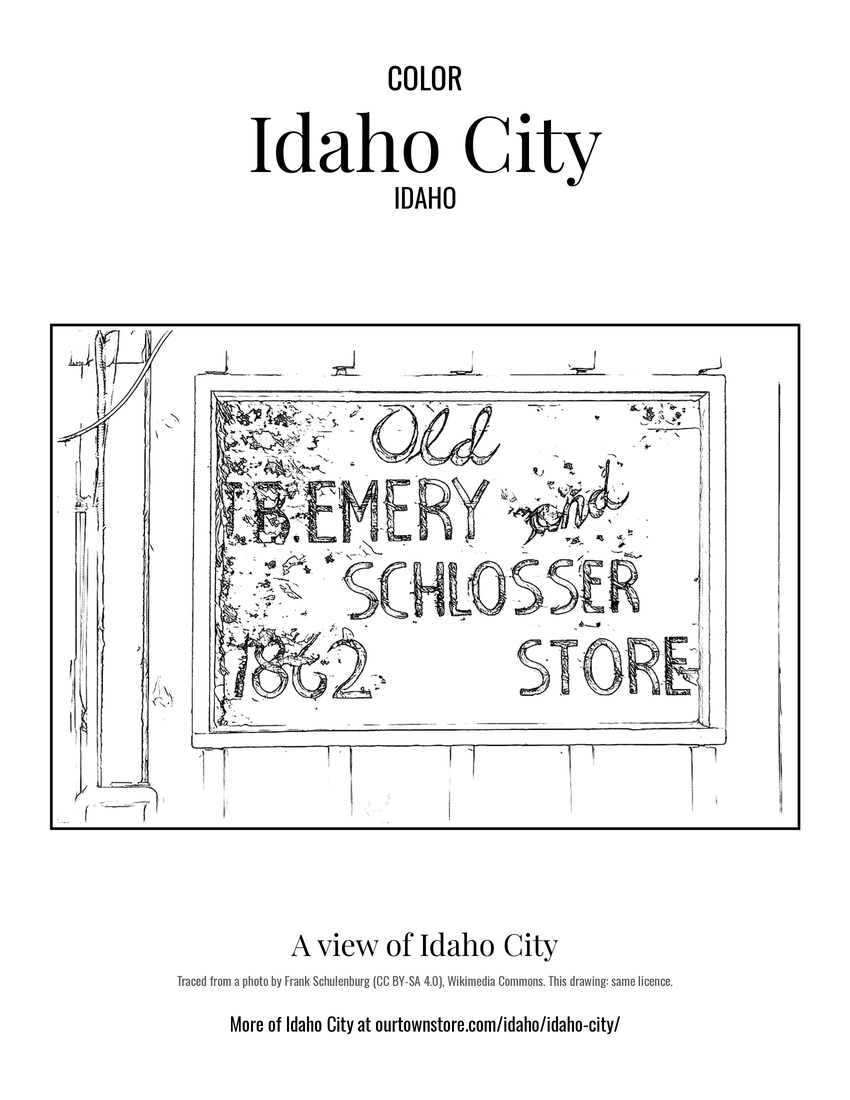 A view of Idaho City
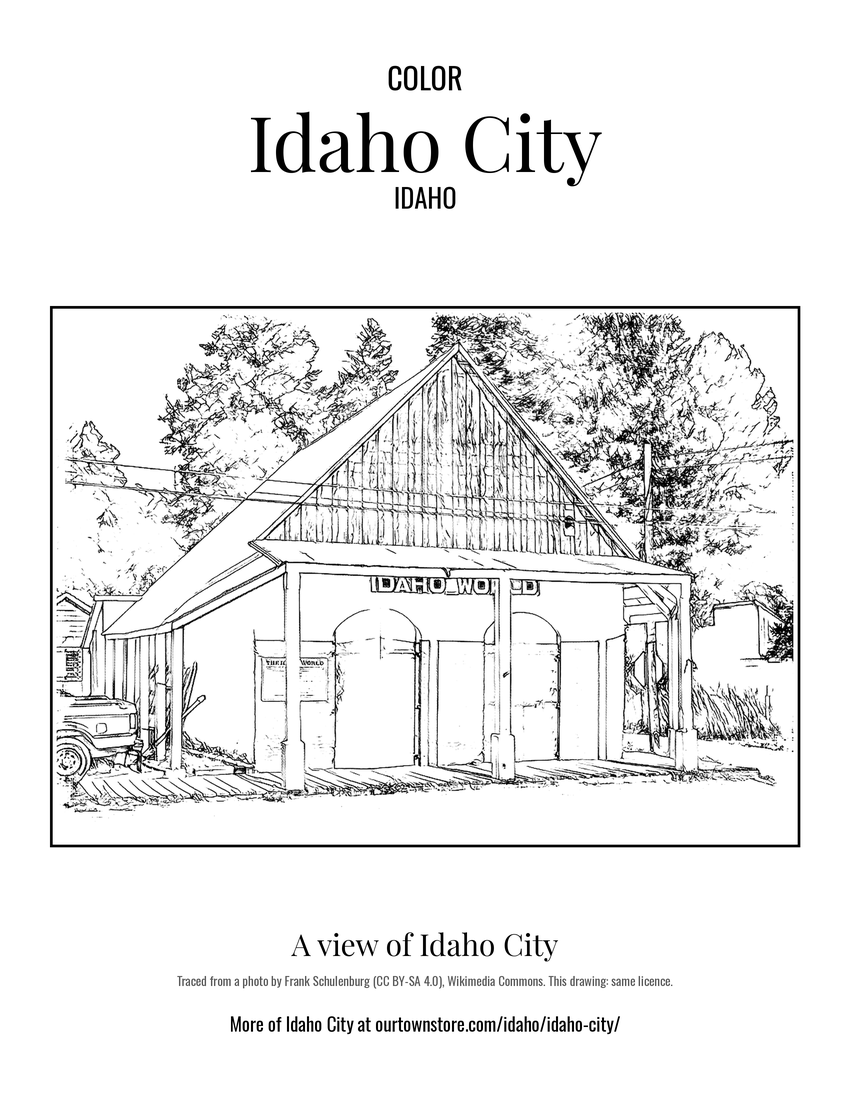 A view of Idaho City