A short history of Savannah
On February 12, 1733, General James Oglethorpe and settlers from the ship Anne landed at Yamacraw Bluff and were greeted by Tomochichi, the Yamacraws, and Indian traders John and Mary Musgrove. Mary Musgrove often served as an interpreter. The city of Savannah and the colony of Georgia were founded on that date. In 1751, Savannah and the rest of Georgia became a Royal Colony, with Savannah as its capital.
By the outbreak of the American Revolutionary War, Savannah had become the southernmost commercial port in the Thirteen Colonies. British troops took the city in 1778, and the following year, a combined force of American and French soldiers, including Haitians, failed to rout the British at the Siege of Savannah. The British did not leave the city until July 1782. In December 1804 the state legislature declared Milledgeville the new capital of Georgia.
Savannah, a prosperous seaport throughout the nineteenth century, was the Confederacy's sixth most populous city and the prime objective of Major General William T. Sherman's March to the Sea. During the night of December 20-21, 1864, local authorities negotiated a peaceful surrender to save Savannah from destruction, and Union troops marched into the city at dawn.
Savannah was named after the Savannah River, which probably derives from variant names for the Shawnee, a Native American people who migrated to the river in the 1680s. The Shawnee destroyed another Native people, the Westo, and occupied their lands at the head of the Savannah River's navigation on the fall line, near present-day Augusta, Georgia. These Shawnee, whose Native name was Ša·wano·ki (literally, "southerners"), were known by several local variants, including Shawano, Savano, Savana and Savannah. Another theory is that the name Savannah refers to the extensive marshlands surrounding the river for miles inland, and is derived from the English term "savanna", a kind of tropical grassland, which was borrowed by the English from Spanish sabana and used in the Southern Colonies. (The Spanish word comes from the Taino word zabana.) Still other theories suggest that the name Savannah originates from Algonquian terms meaning not only "southerners" but perhaps also "salt", while one points to its origin in the Algonquian word savanne, meaning "muddy water" or "drowned prairie".
Adapted (trimmed) from the Wikipedia article Savannah, Georgia, revision 1380440206 by its contributors, licensed CC BY-SA 4.0.

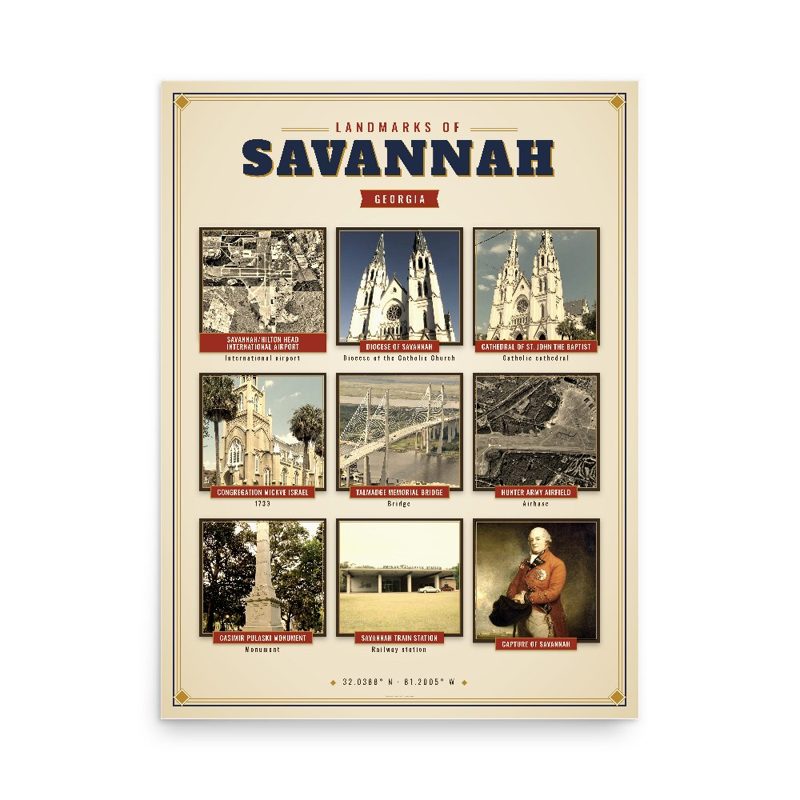
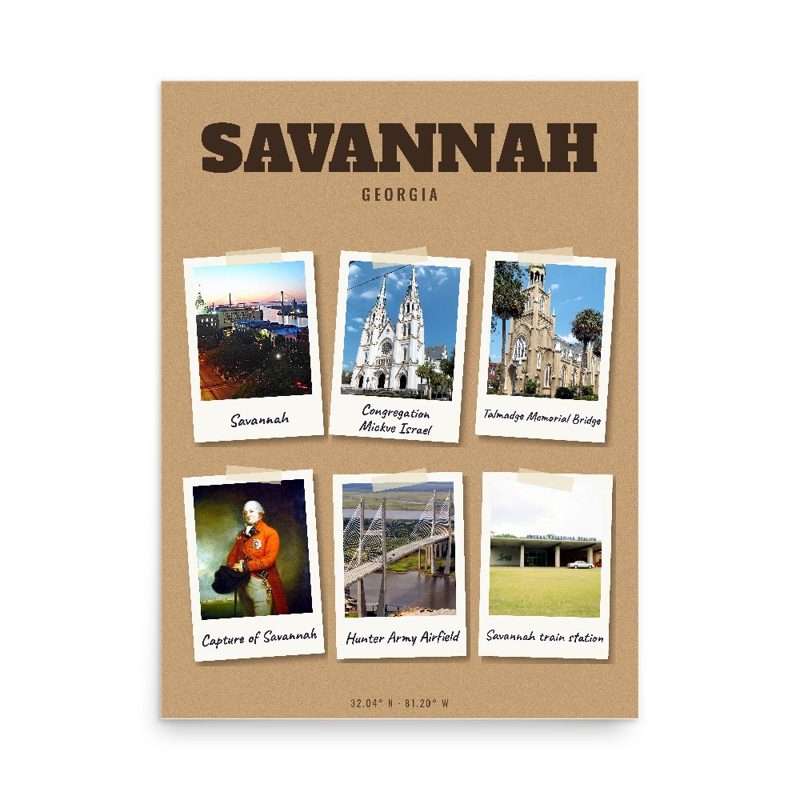
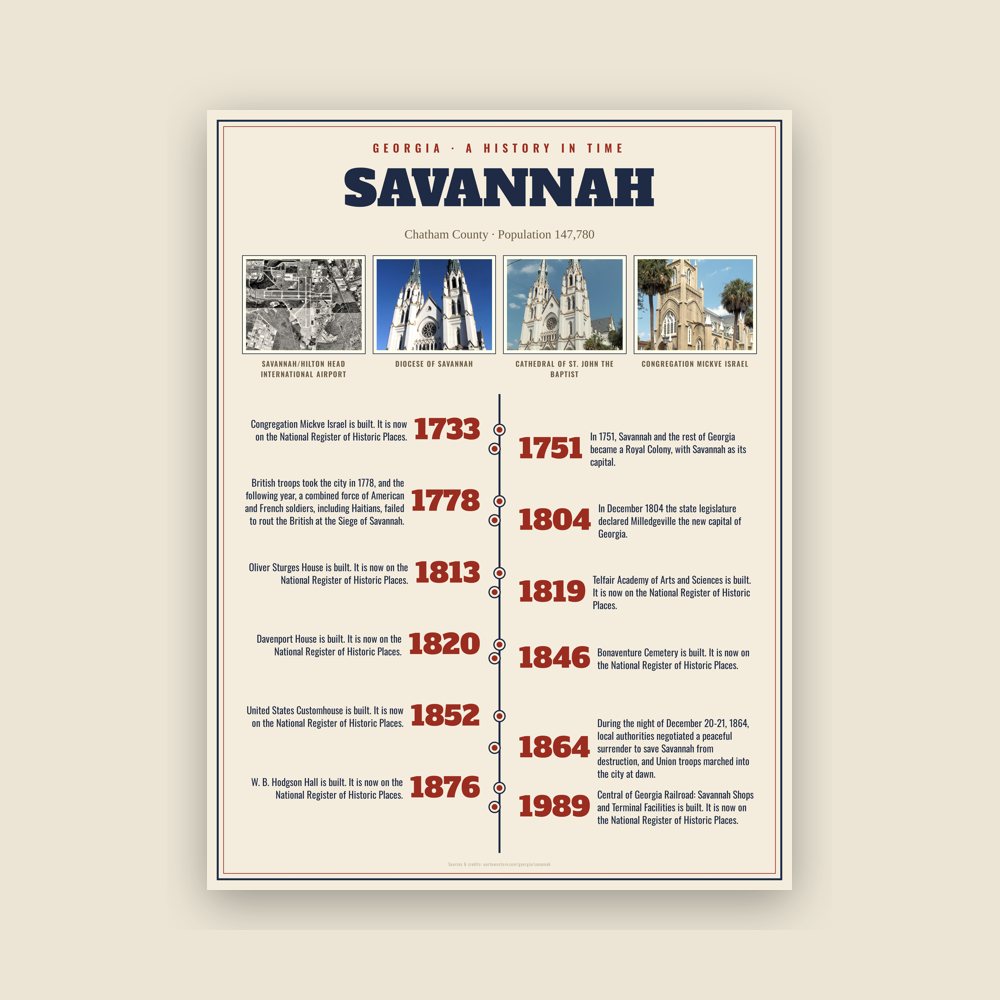
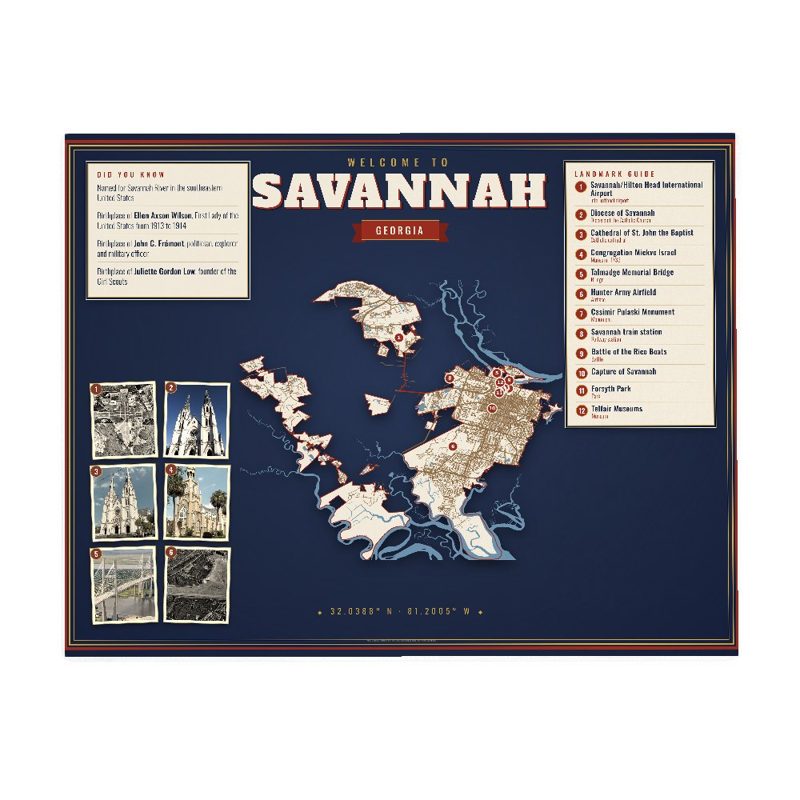















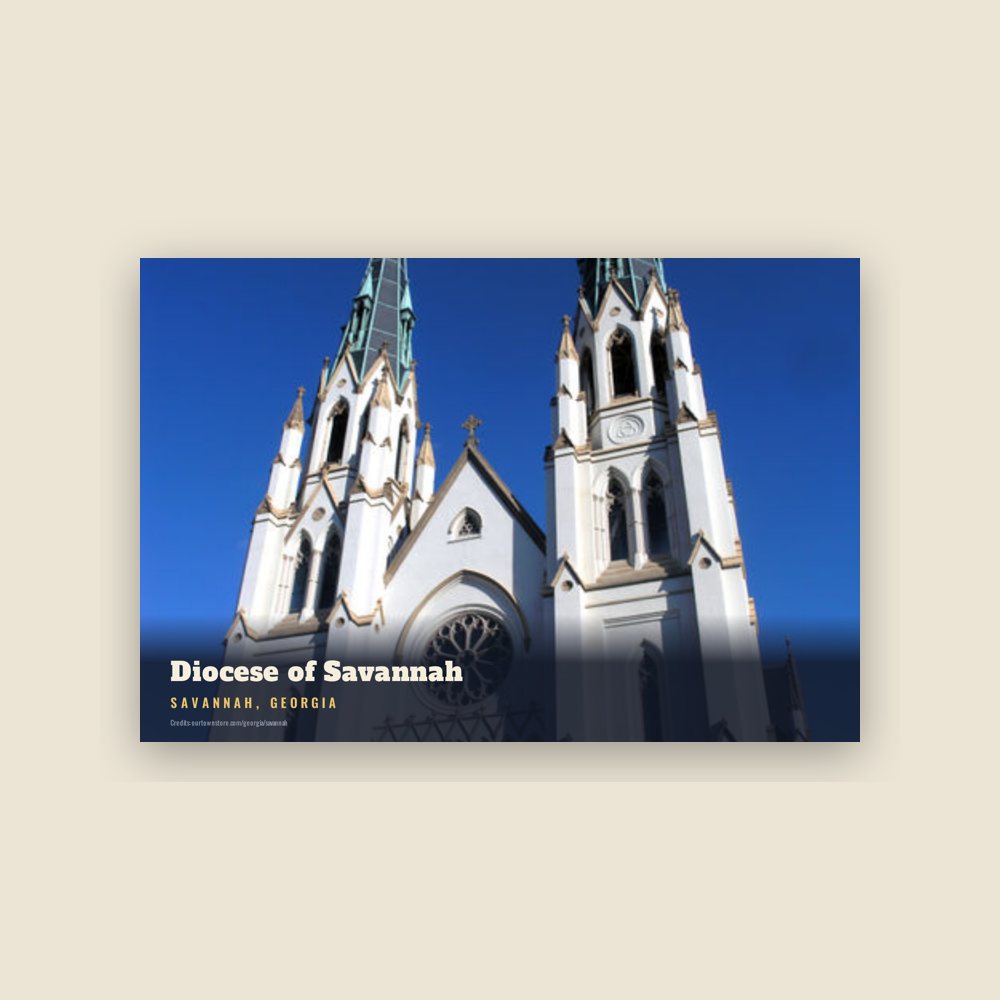





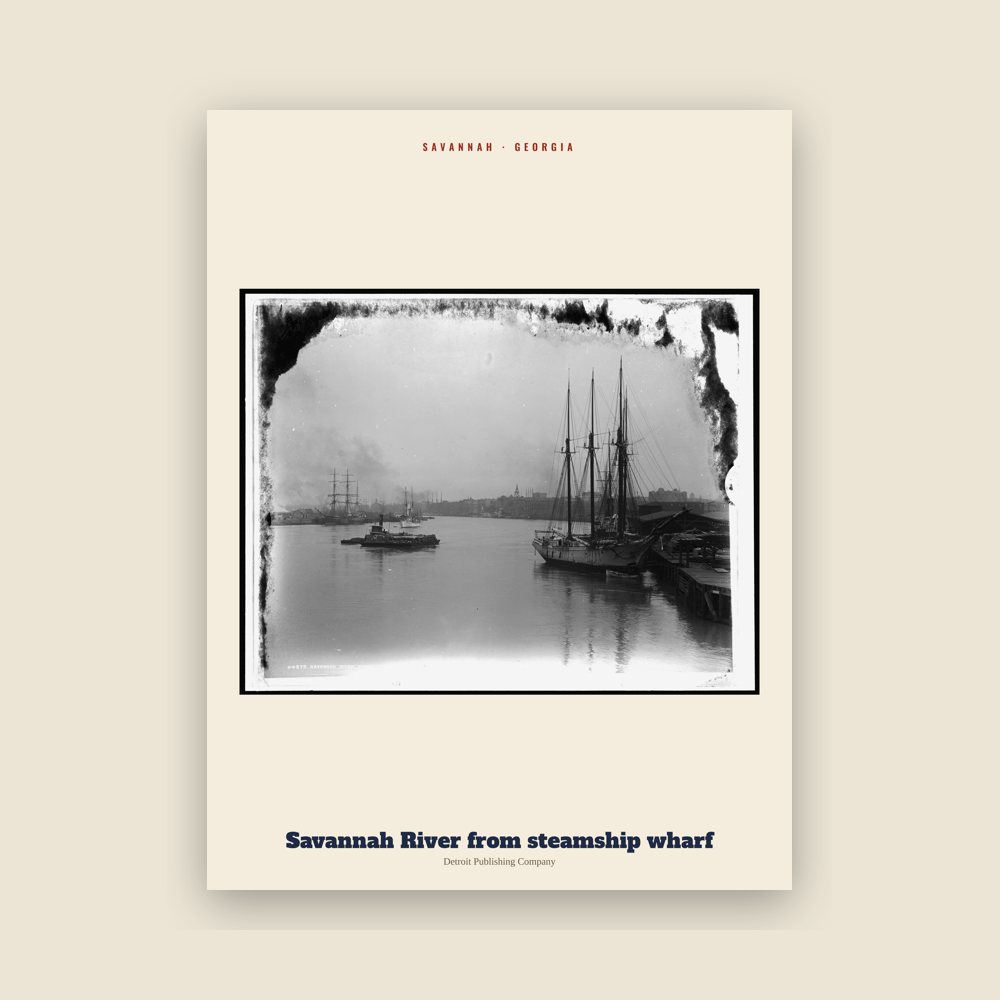

 Diocese of Savannah
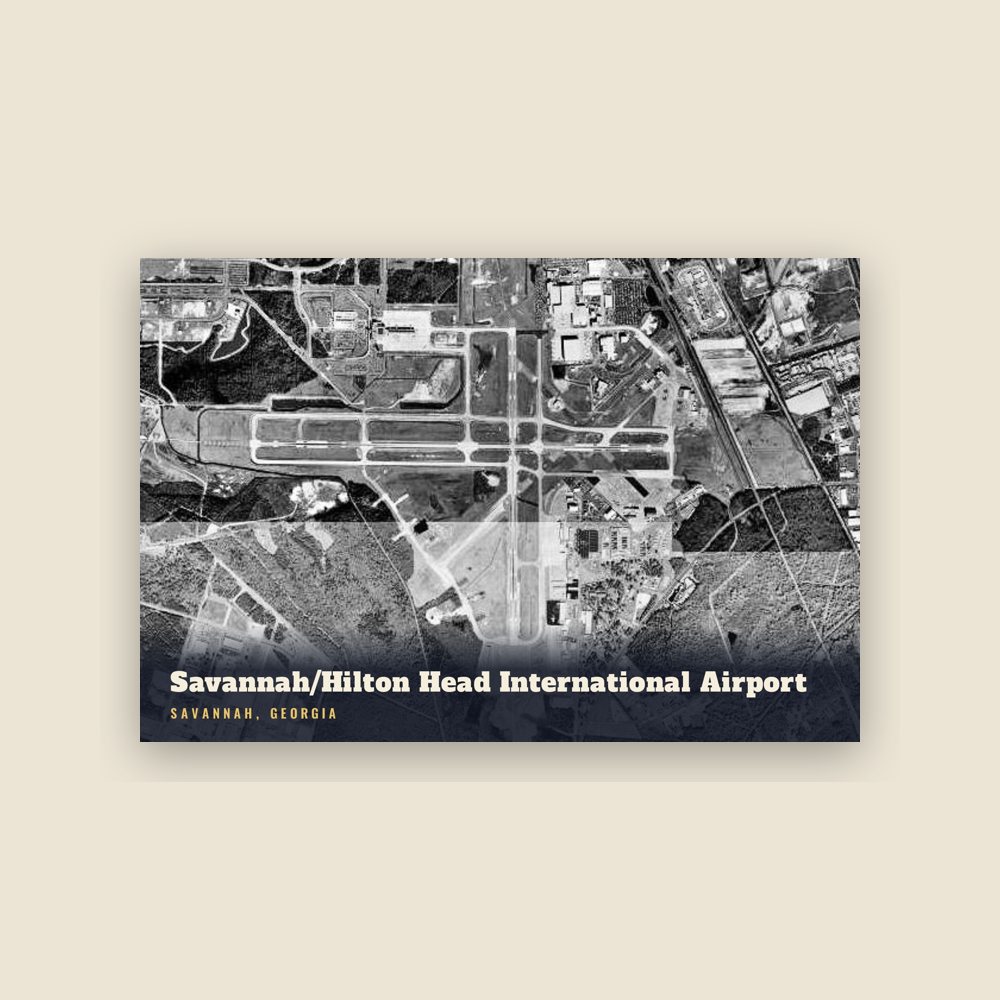
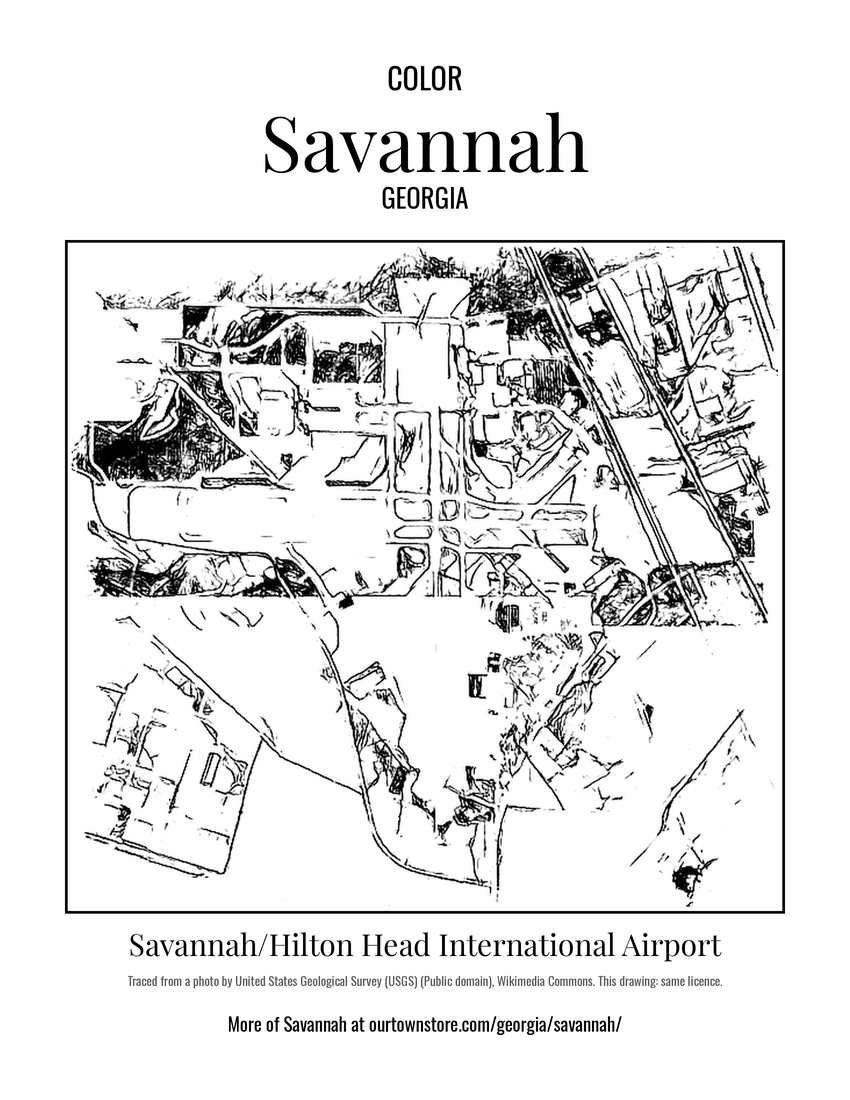 Savannah/Hilton Head International Airport
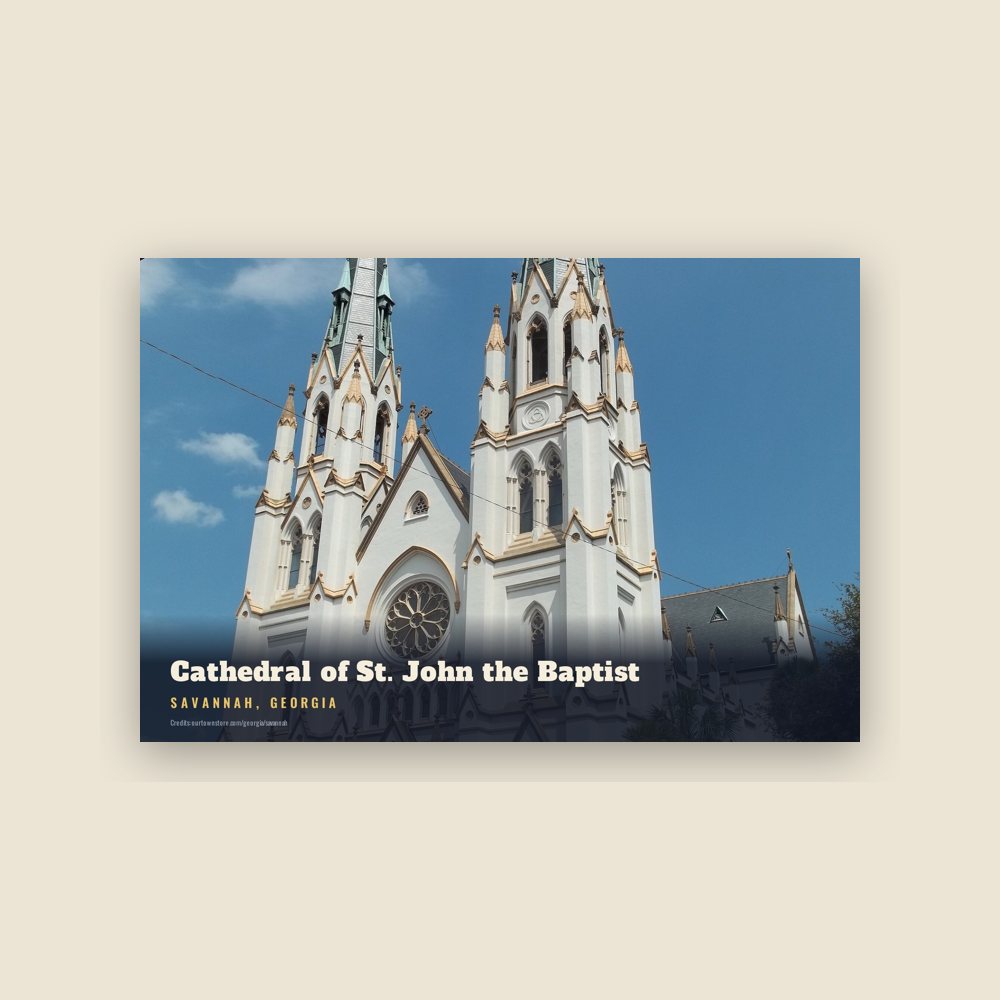
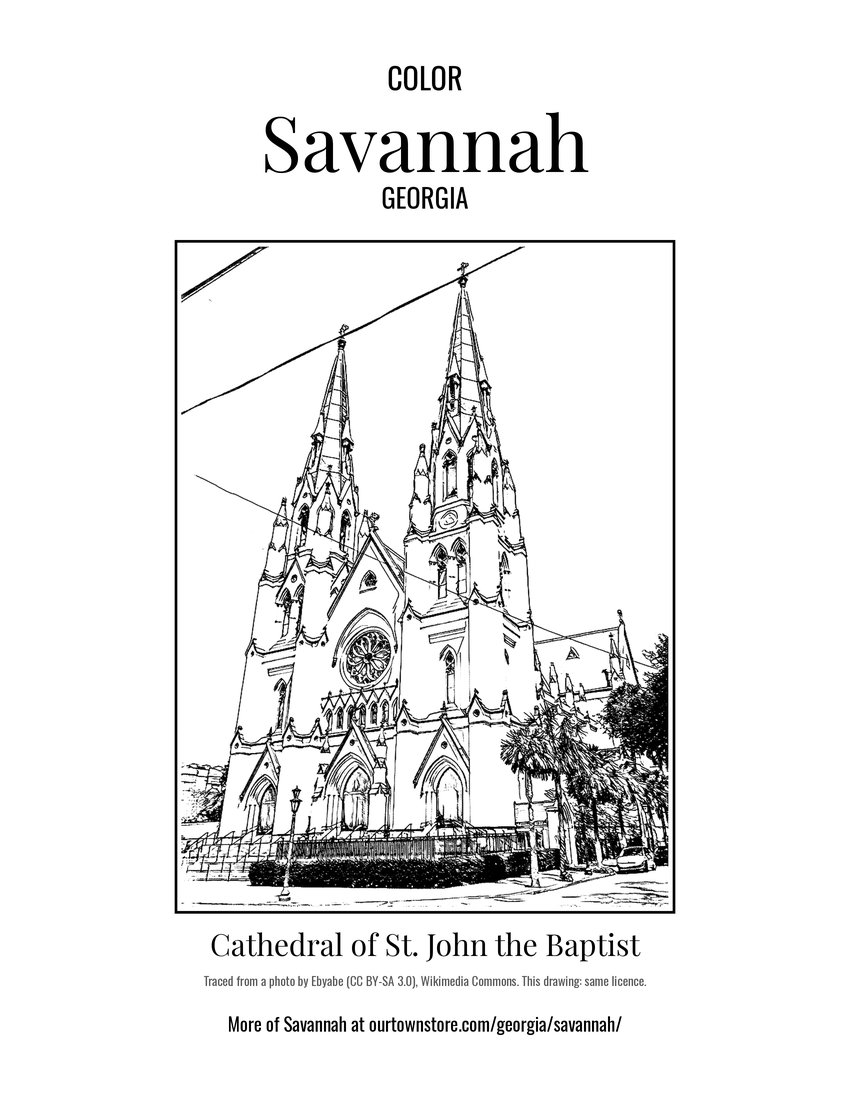 Cathedral of St. John the Baptist
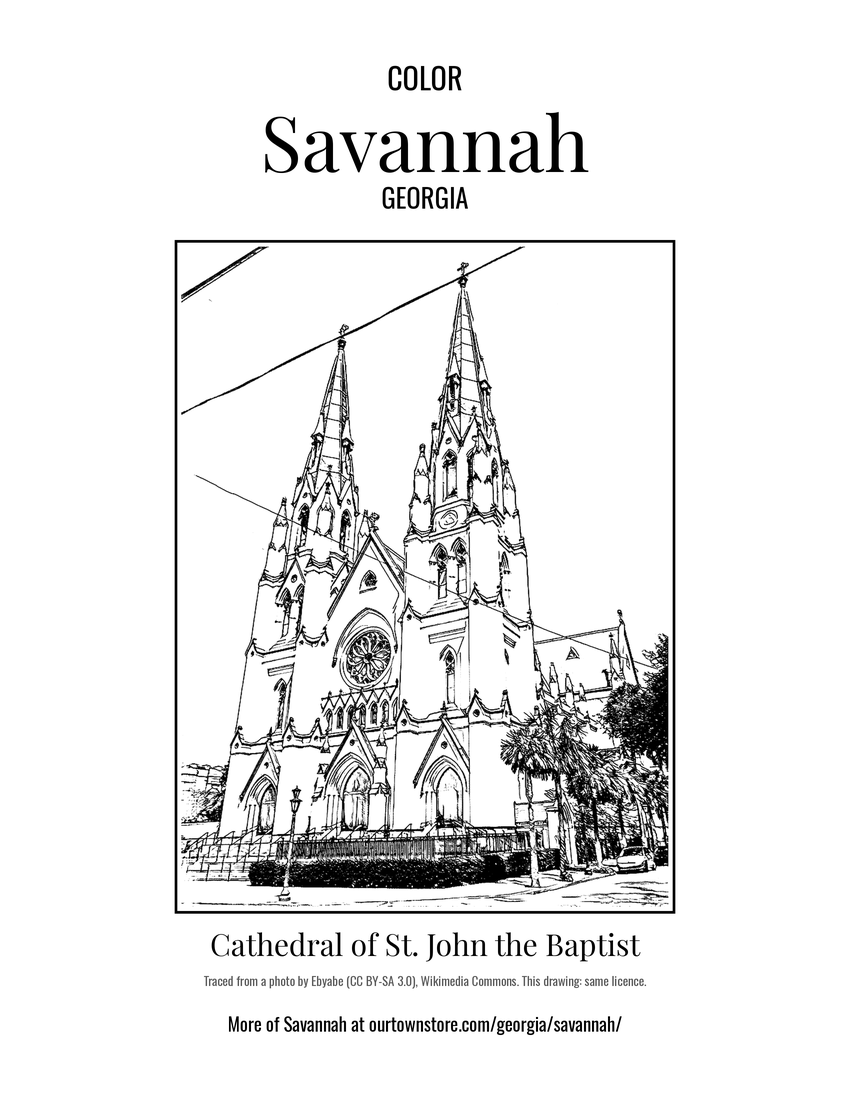 Cathedral of St. John the Baptist