Since 1828
A short history of Newnan
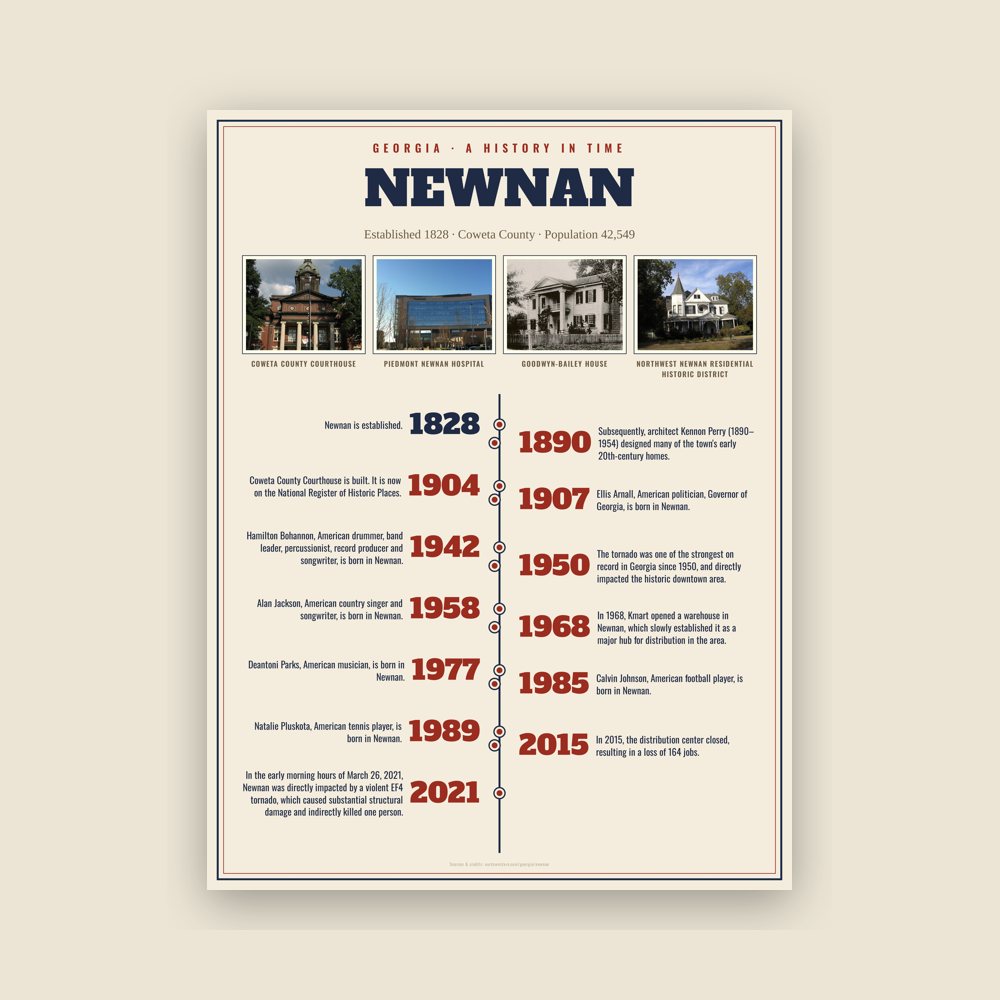
Newnan was established as county seat of Coweta County (replacing the defunct town of Bullsboro) in 1828, and was named for North Carolinian General Daniel Newnan. It quickly became a prosperous magnet for lawyers, doctors, other professionals, and merchants. Much of Newnan's prosperity was due to its thriving cotton industry, which relied on slavery.
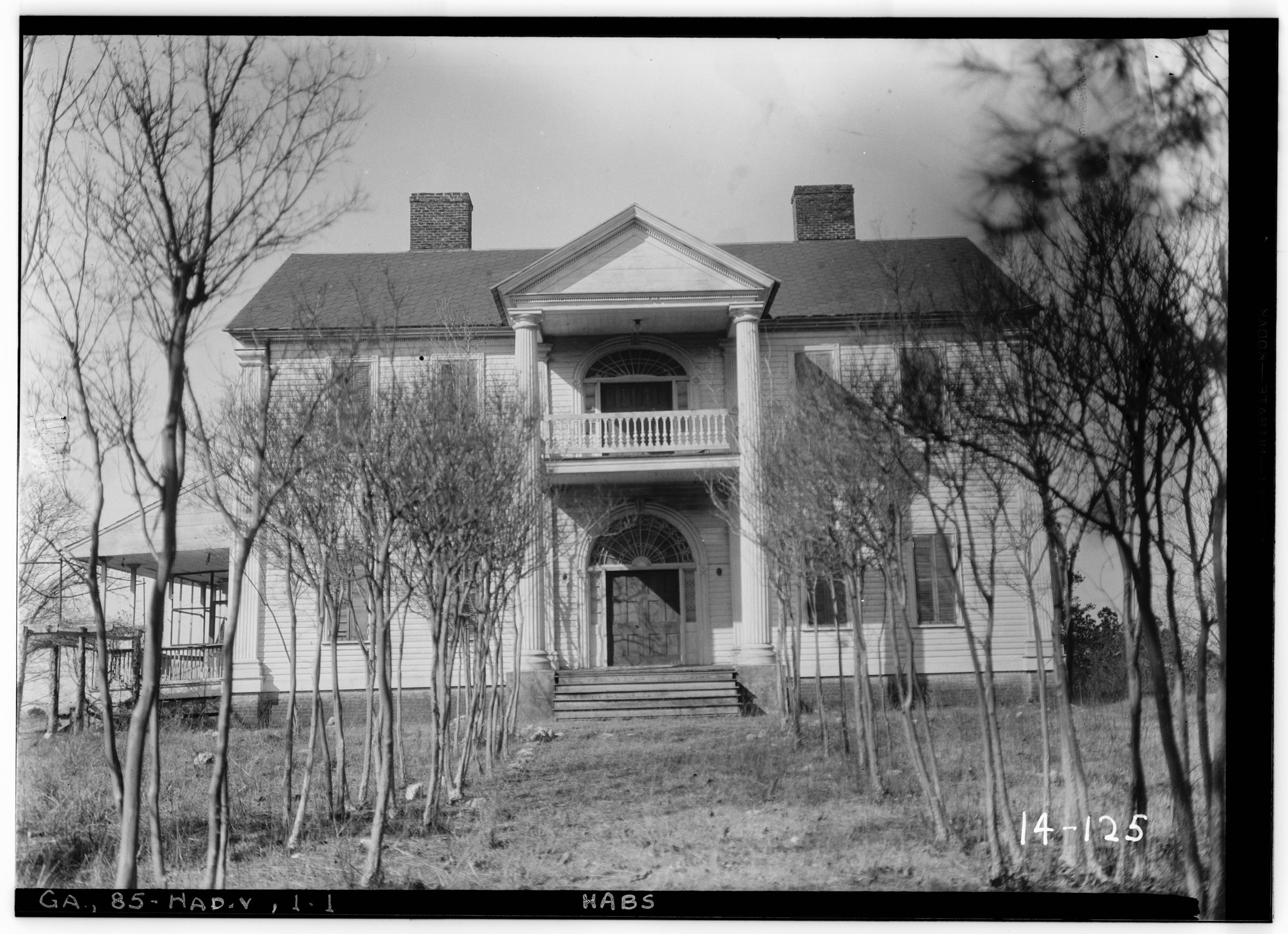
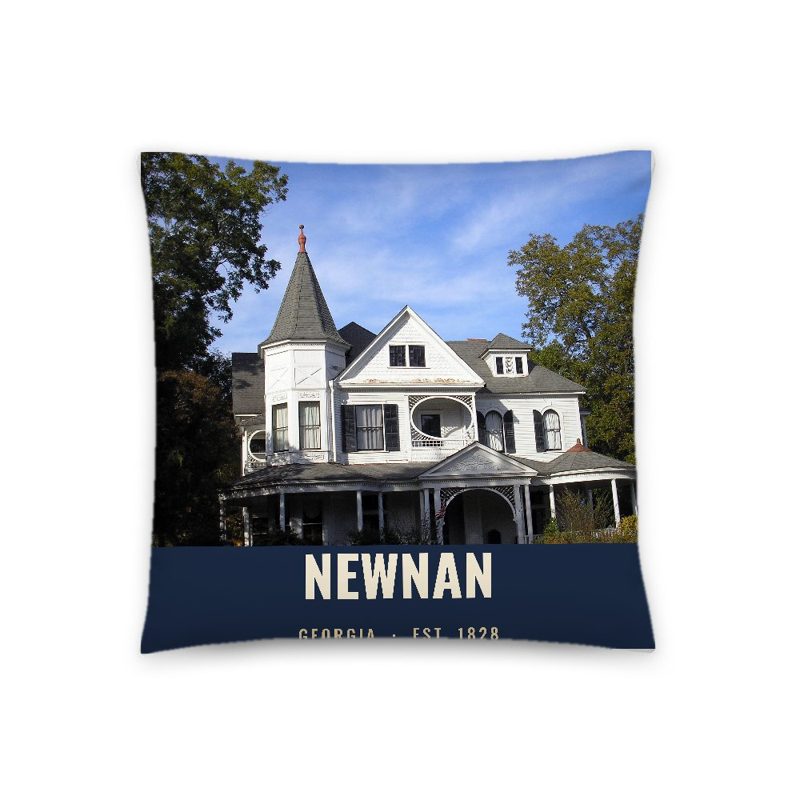
Newnan was largely untouched by the Civil War due to its status as a hospital city (for both Union and Confederate troops), and as a result still features much antebellum architecture. During the Atlanta campaign, Confederate cavalry defeated Union forces at the nearby Battle of Brown's Mill. Subsequently, architect Kennon Perry (1890–1954) designed many of the town's early 20th-century homes.
On April 23, 1899, a lynching occurred after an African-American man by the name of Sam Hose (born Tom Wilkes) was accused of killing his boss, Alfred Cranford. Hose was abducted from police custody, paraded through Newnan, tortured, and burned alive just north of town by a lynch mob of roughly 2,000 citizens of Coweta County.
Newnan was also host to the trial in 1948 of wealthy landowner John Wallace, the first White man in the South to be condemned to death by the testimony of African Americans, two field hands who were made to help with burning the body of murdered white sharecropper Wilson Turner. These events were portrayed in the novel Murder in Coweta County.
In 1968, Kmart opened a warehouse in Newnan, which slowly established it as a major hub for distribution in the area. The International Brotherhood of Teamsters attempted to unionize the warehouse, but the attempt was defeated when the employees voted 329 to 201 in favor of remaining union-free. In 2015, the distribution center closed, resulting in a loss of 164 jobs.
Adapted (trimmed) from the Wikipedia article Newnan, Georgia, revision 1378690121 by its contributors, licensed CC BY-SA 4.0.
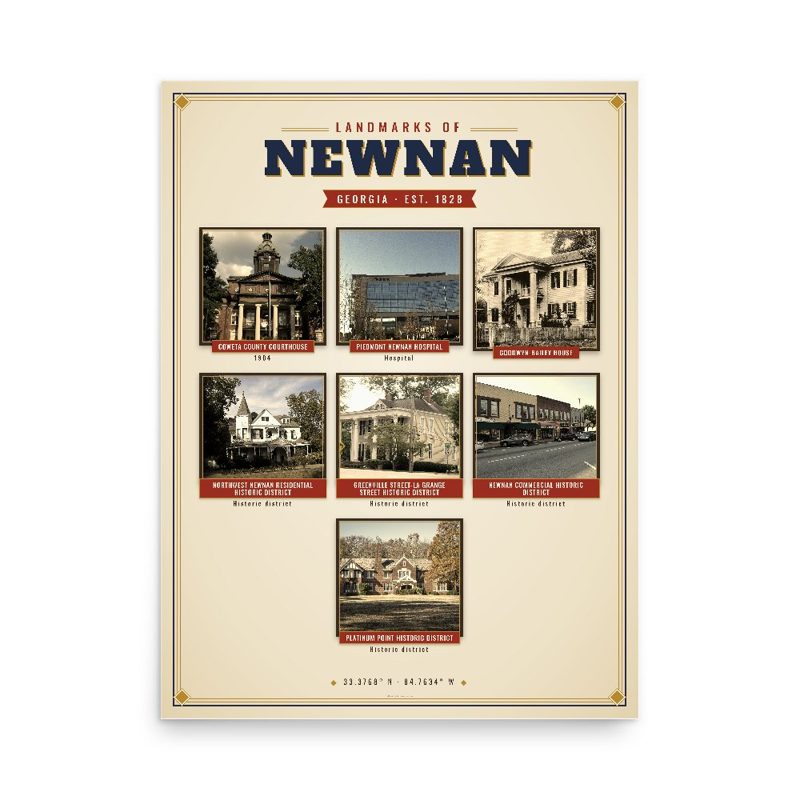

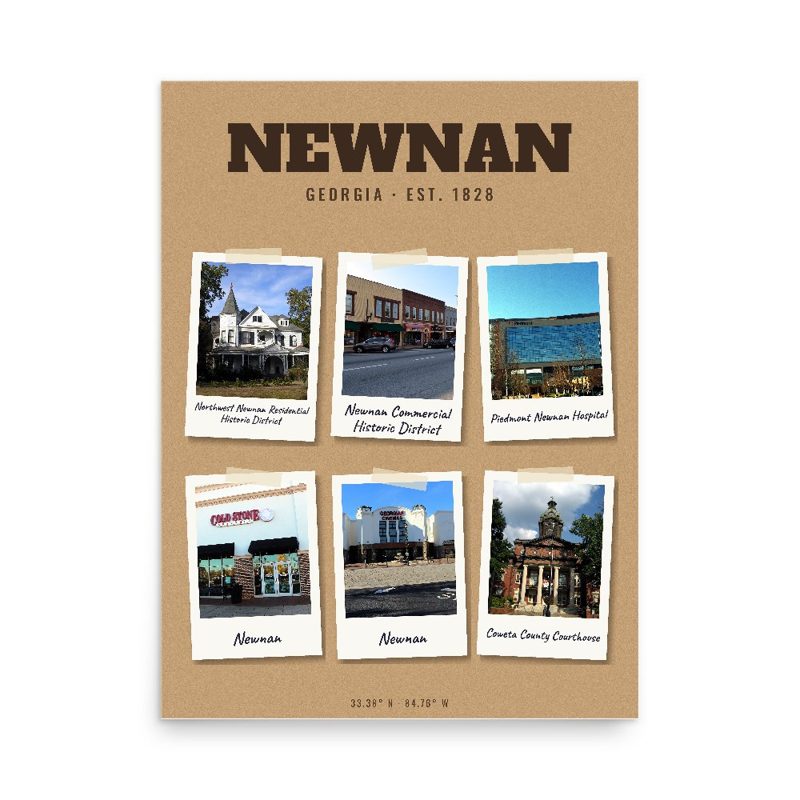
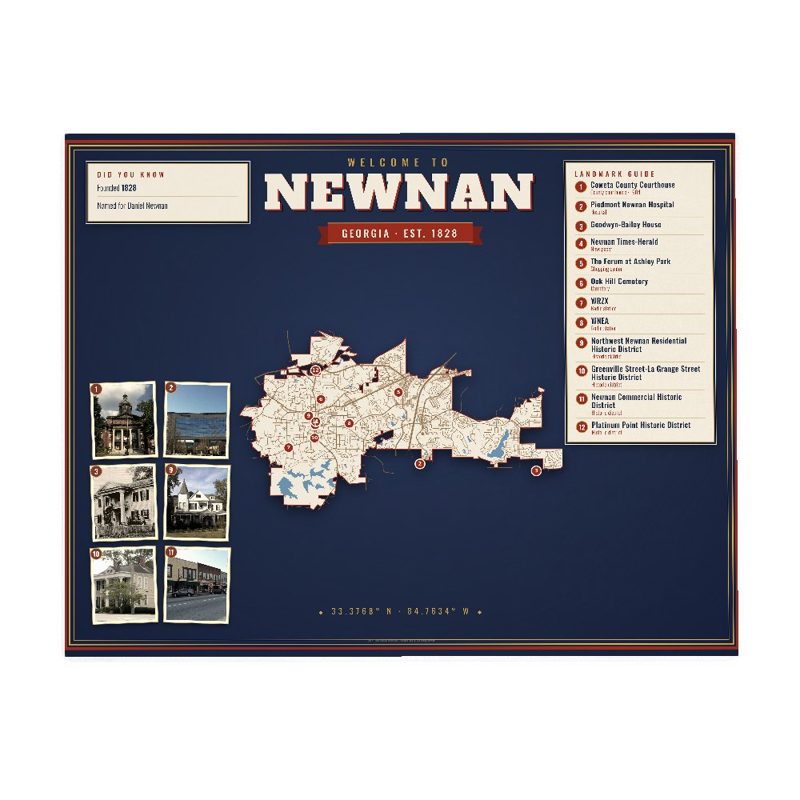



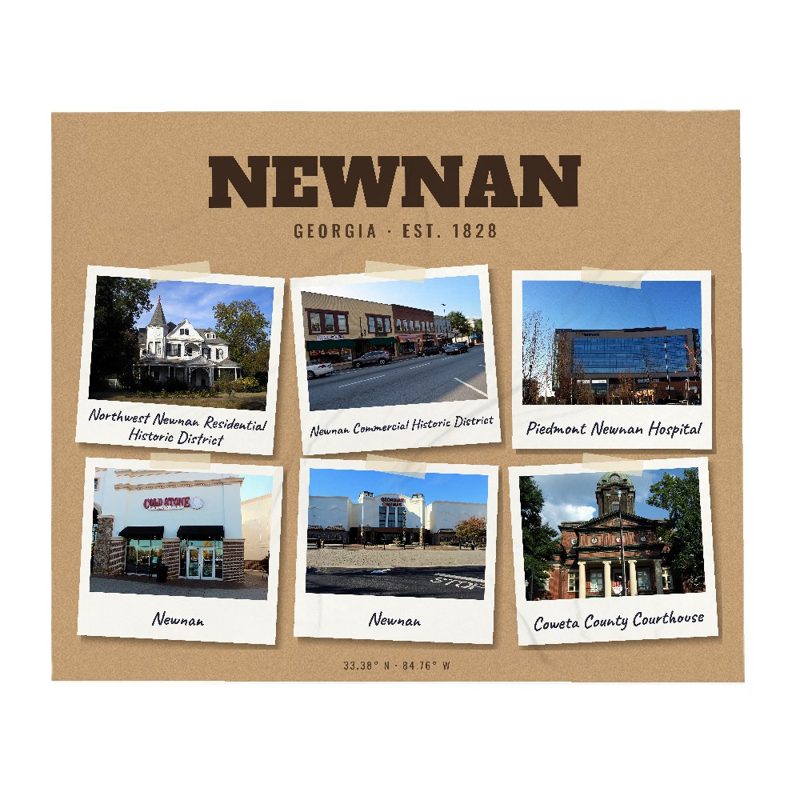
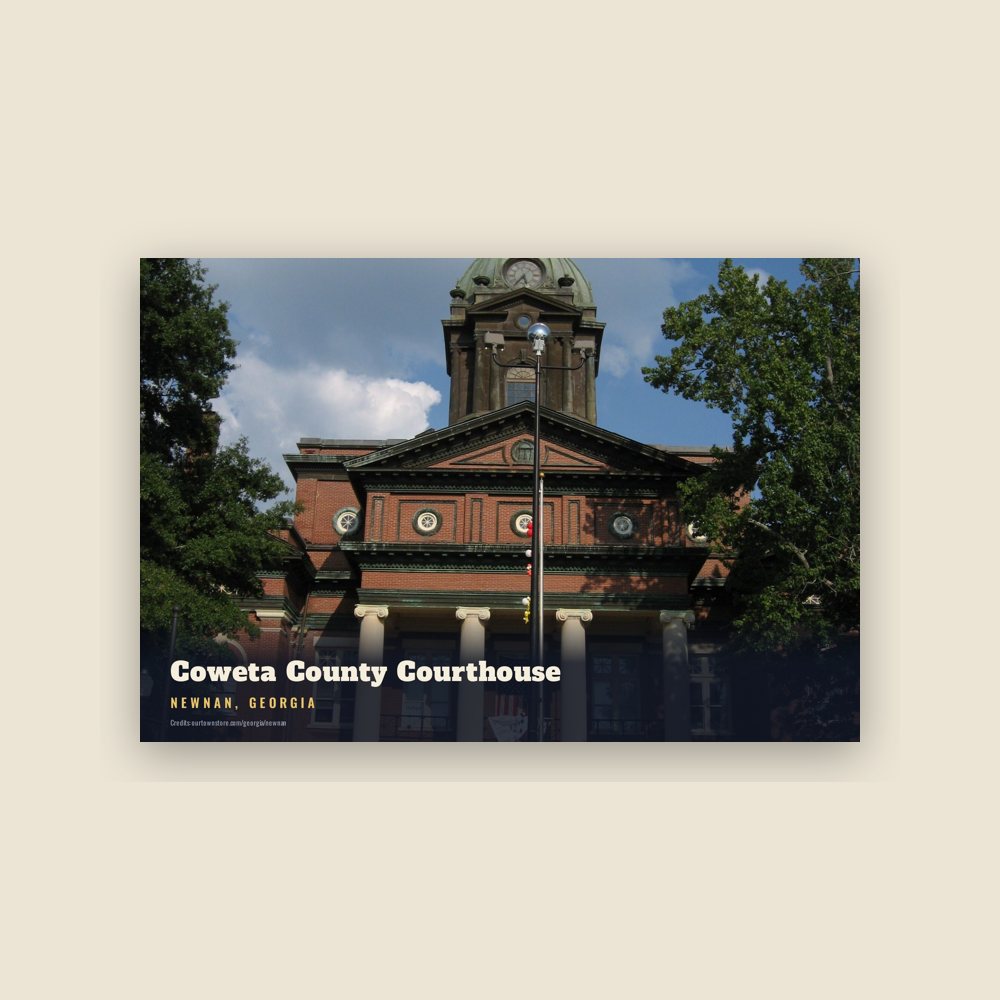
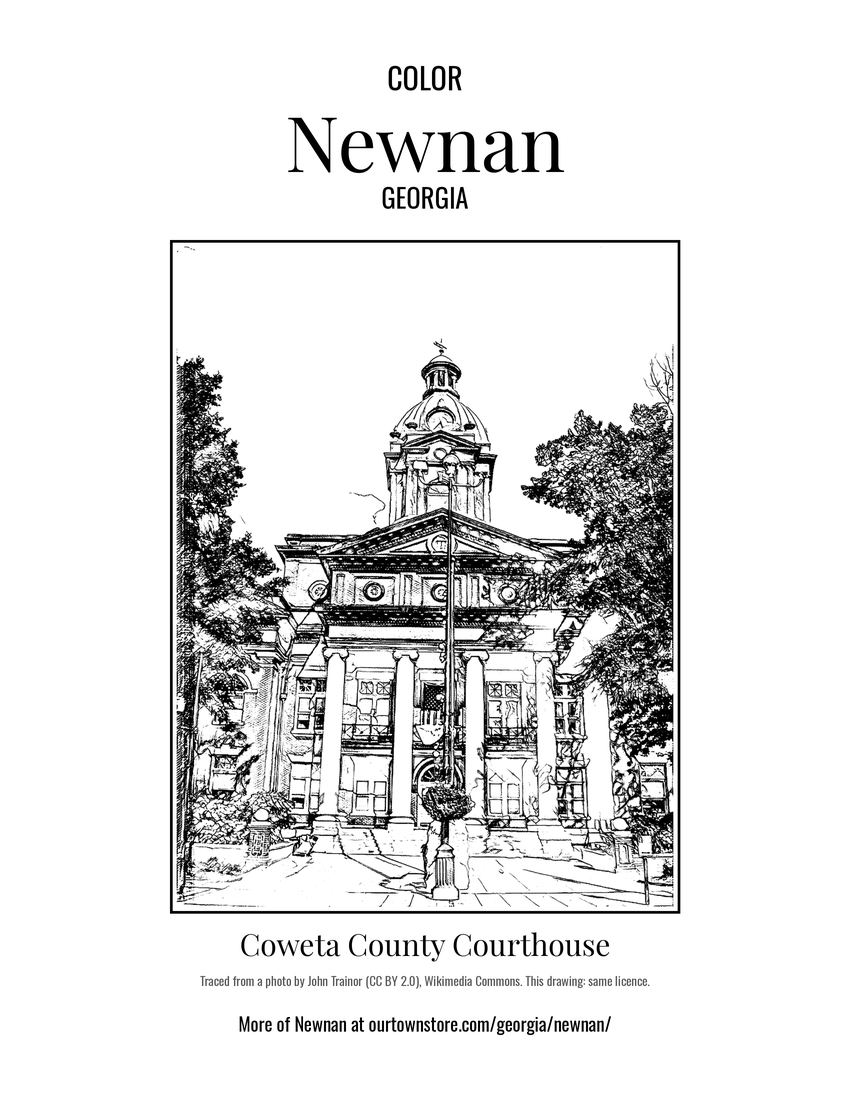 Coweta County Courthouse
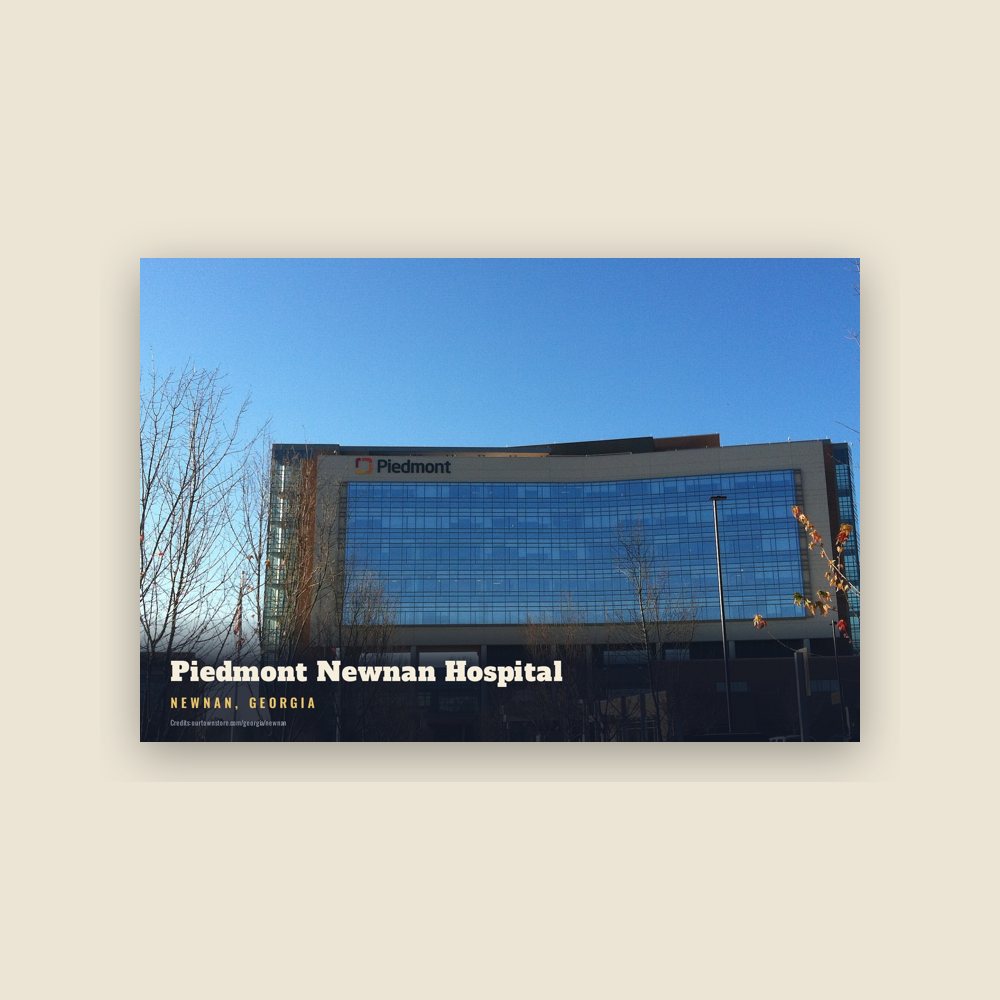
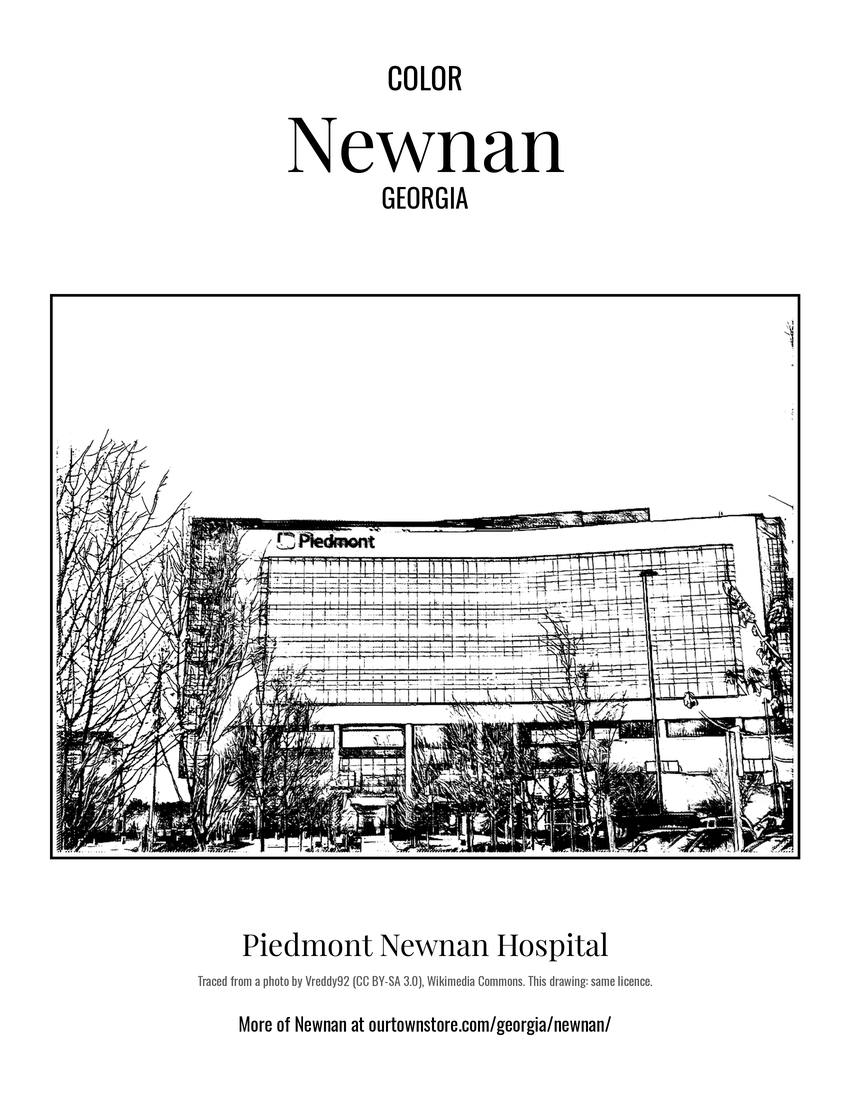 Piedmont Newnan Hospital
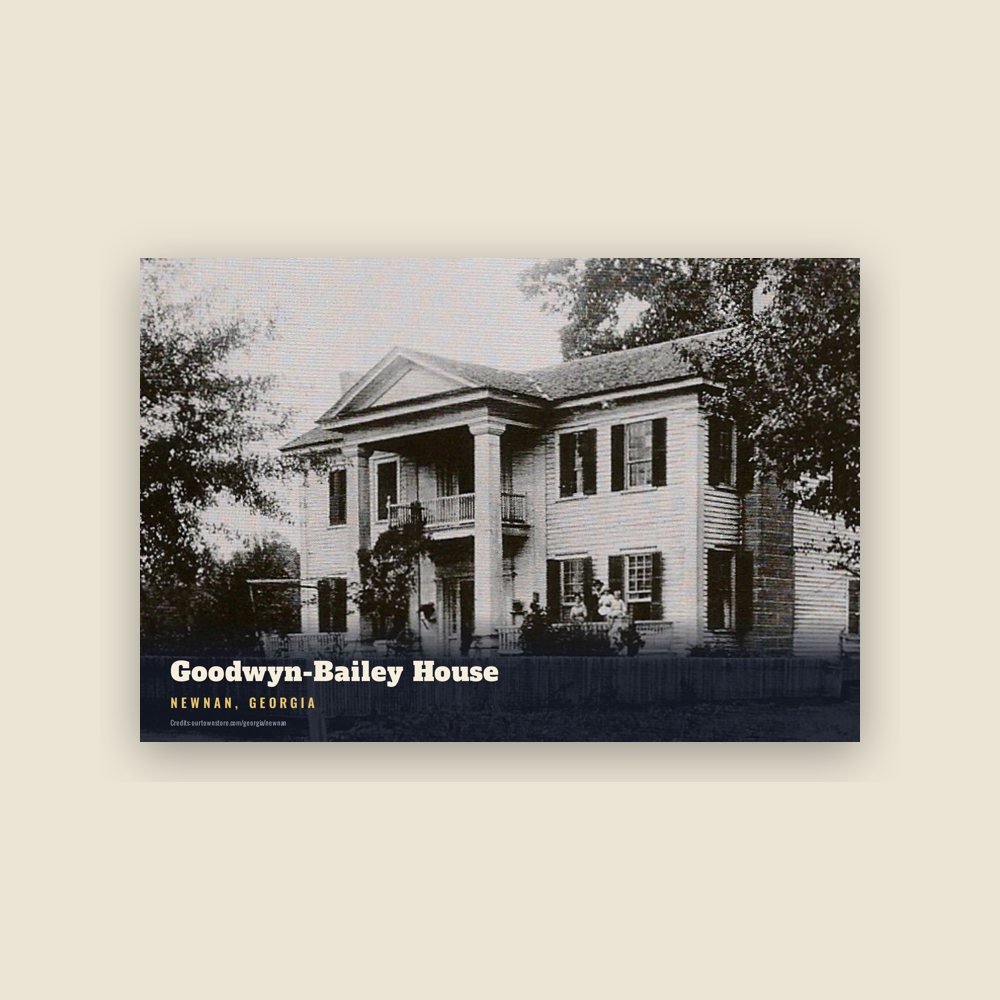
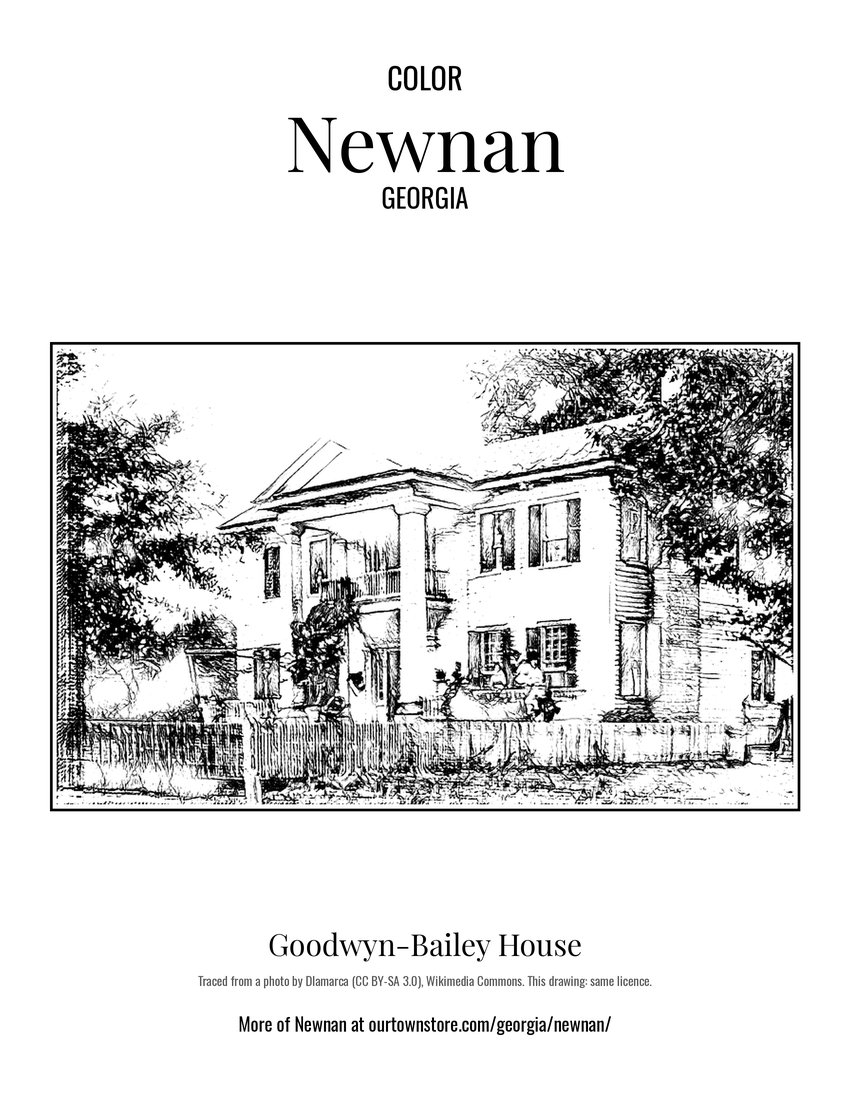 Goodwyn-Bailey House
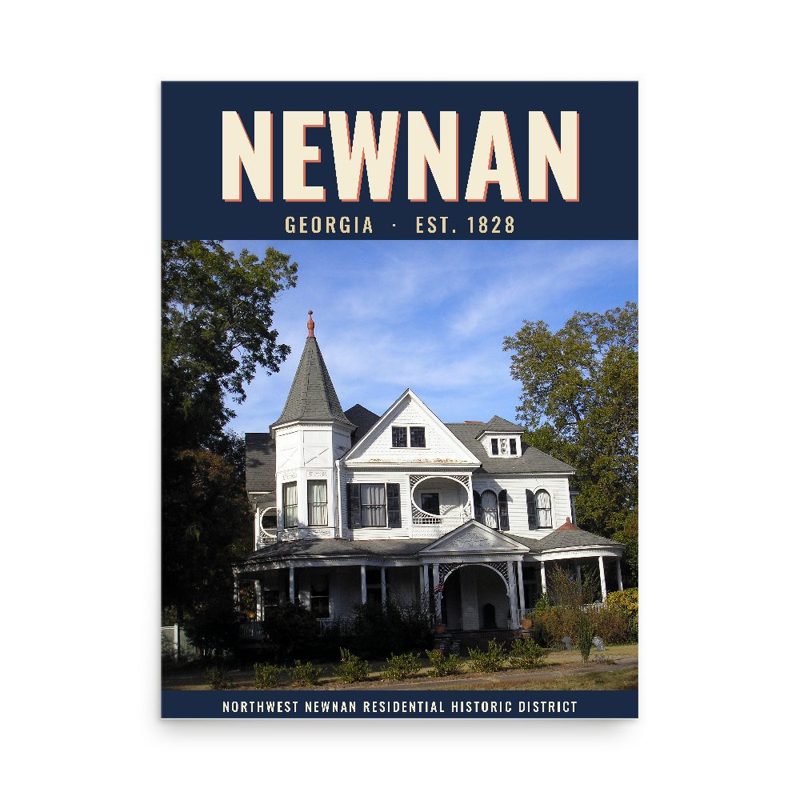
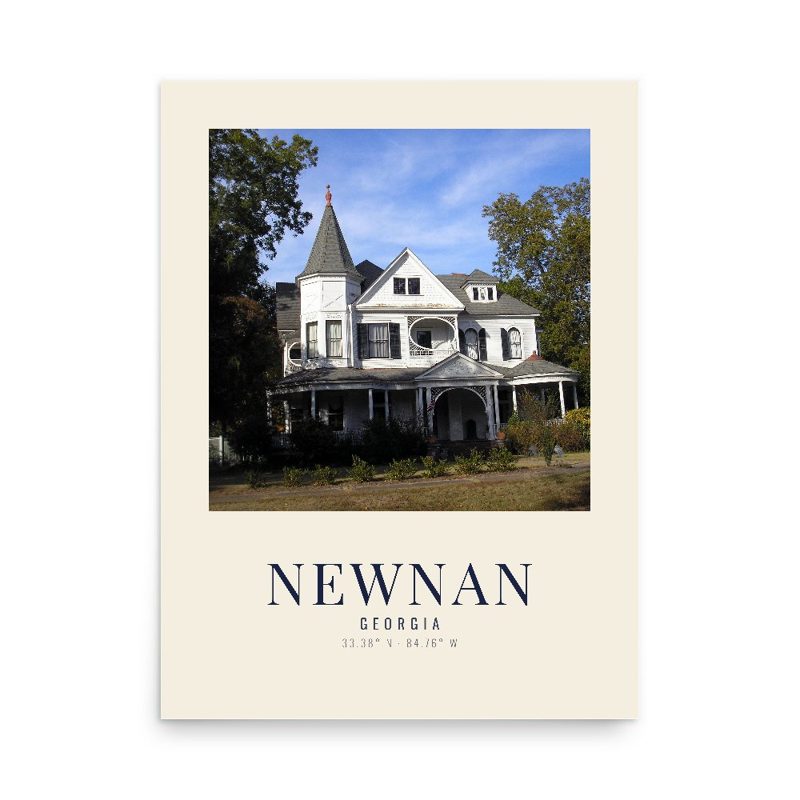
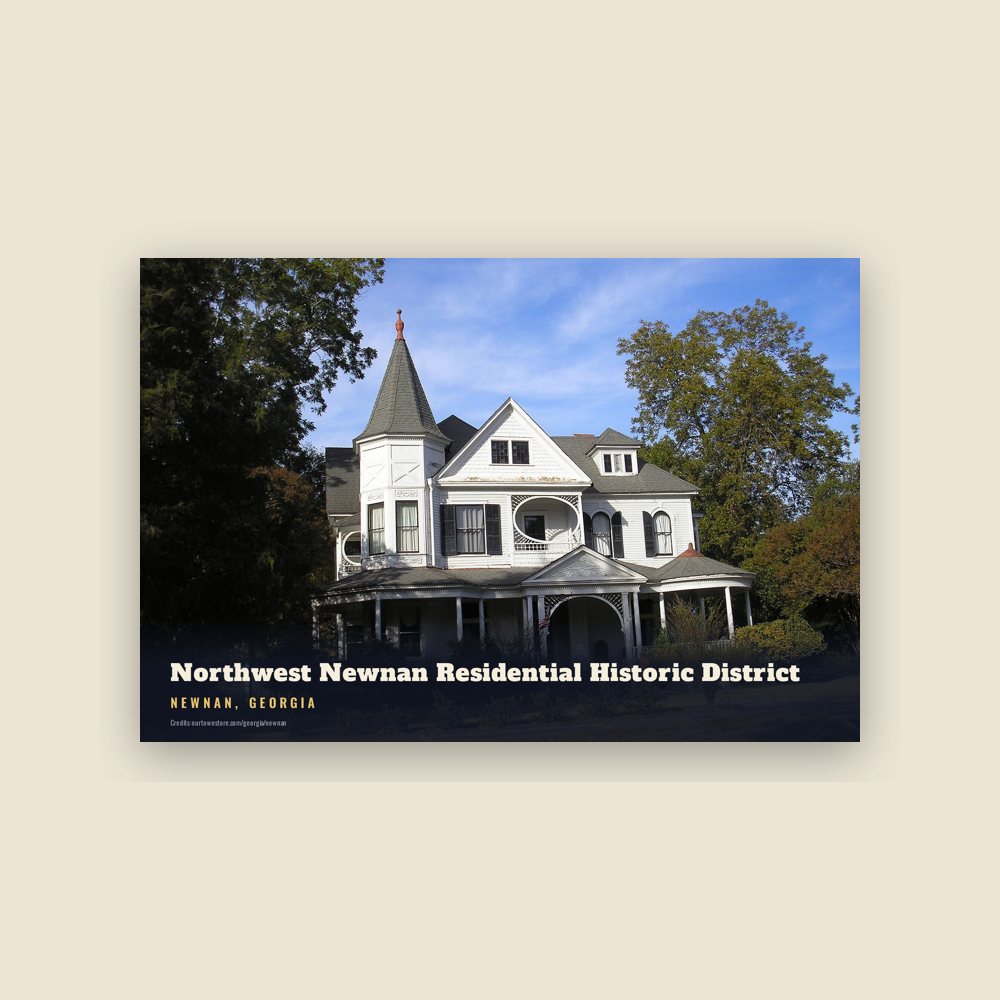
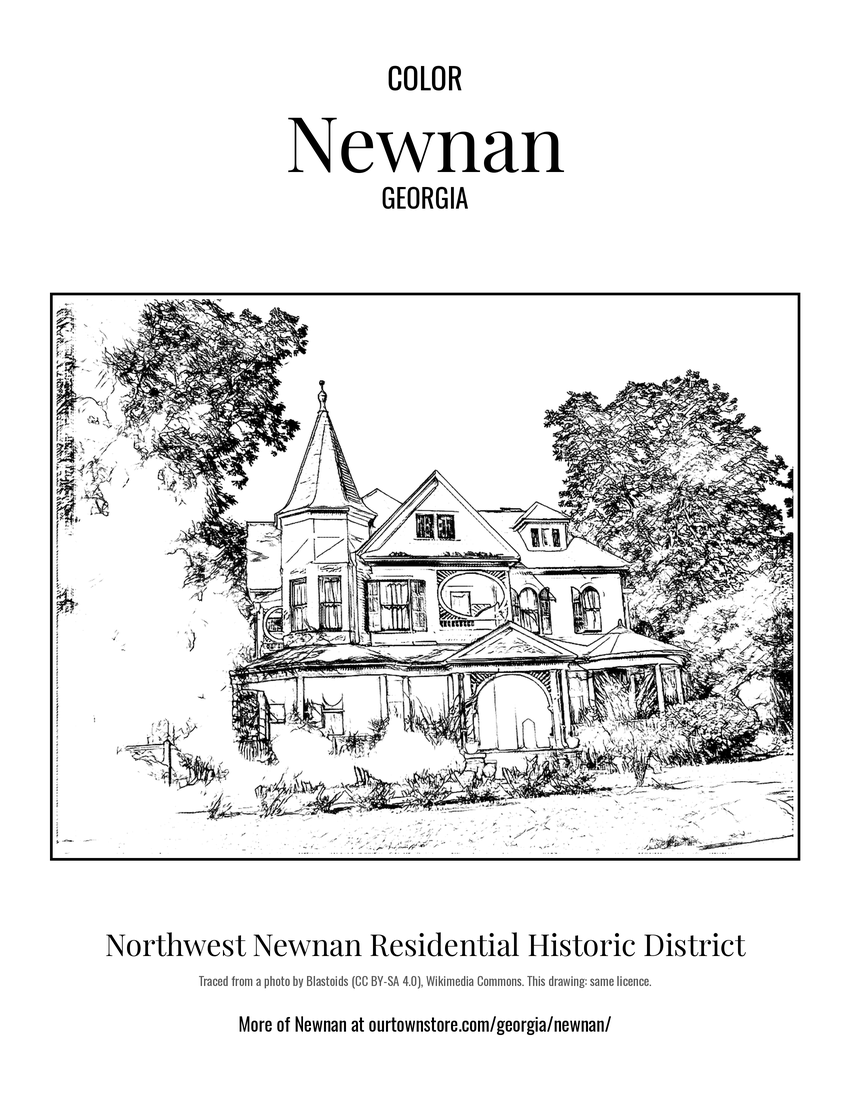 Northwest Newnan Residential Historic District