Since 1881
A short history of Millen
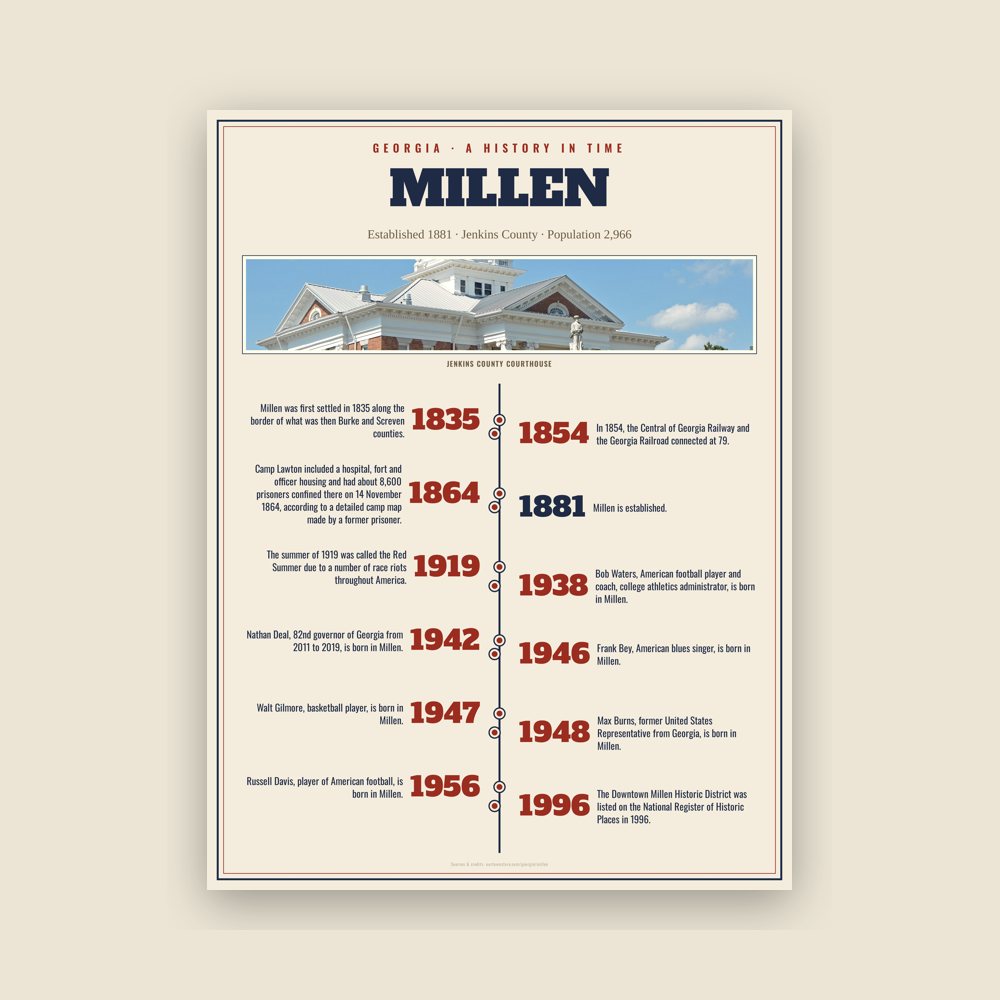
Millen was first settled in 1835 along the border of what was then Burke and Screven counties. It was originally named "79" due to its approximate distance in miles from the coastal city of Savannah. Planters cultivated cotton as a commodity crop.
In 1854, the Central of Georgia Railway and the Georgia Railroad connected at 79. The town became known as "Millen's Junction" after McPherson B. Millen, the superintendent of the Central of Georgia Railway.
During the Civil War, a site for a prisoner-of-war camp to house Union soldiers was chosen about five miles from Millen's Junction. Camp Lawton included a hospital, fort and officer housing and had about 8,600 prisoners confined there on 14 November 1864, according to a detailed camp map made by a former prisoner. It was built in what is today Magnolia Springs State Park, because the location was favorable due to the springs providing potable water and its proximity to the Augusta and Savannah Railroad. On December 3, 1864, Sherman's March to the Sea passed through Millen. Prior to the arrival of Union forces, Confederate soldiers evacuated the Camp Lawton prisoners to Savannah. The Union soldiers destroyed Millen's Junction after finding the prison camp and to avoid use of the railway junction.
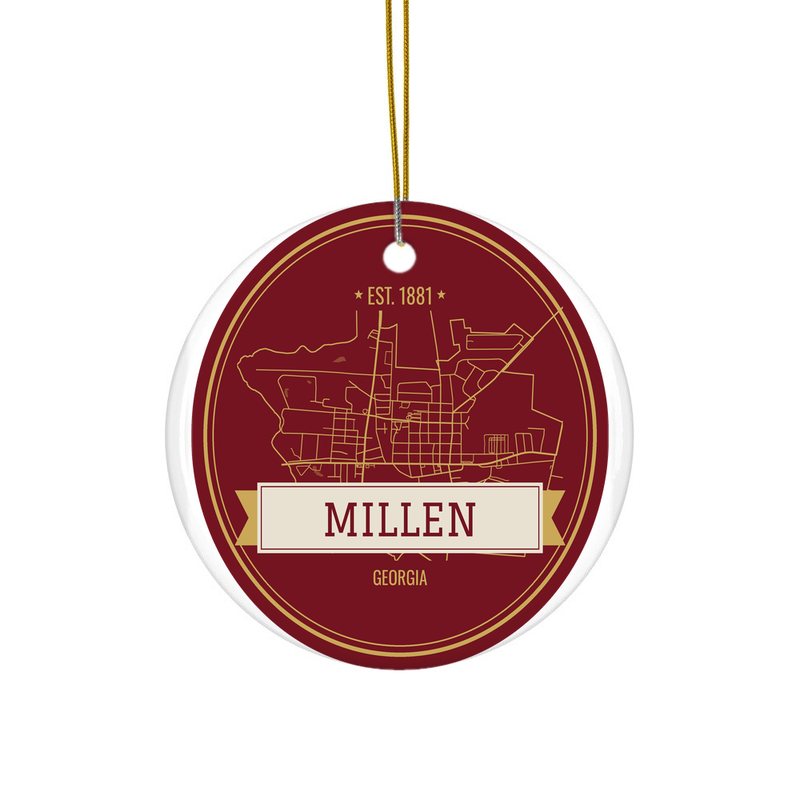
The town was rebuilt after the war. In 1881, the city of Millen was incorporated by an act of the Georgia State Legislature, becoming the county seat of the newly created Jenkins County in 1905. The summer of 1919 was called the Red Summer due to a number of race riots throughout America. Millen did not escape this and white mobs burned down and killed a number of people in Millen during the Jenkins County, Georgia, riot of 1919.
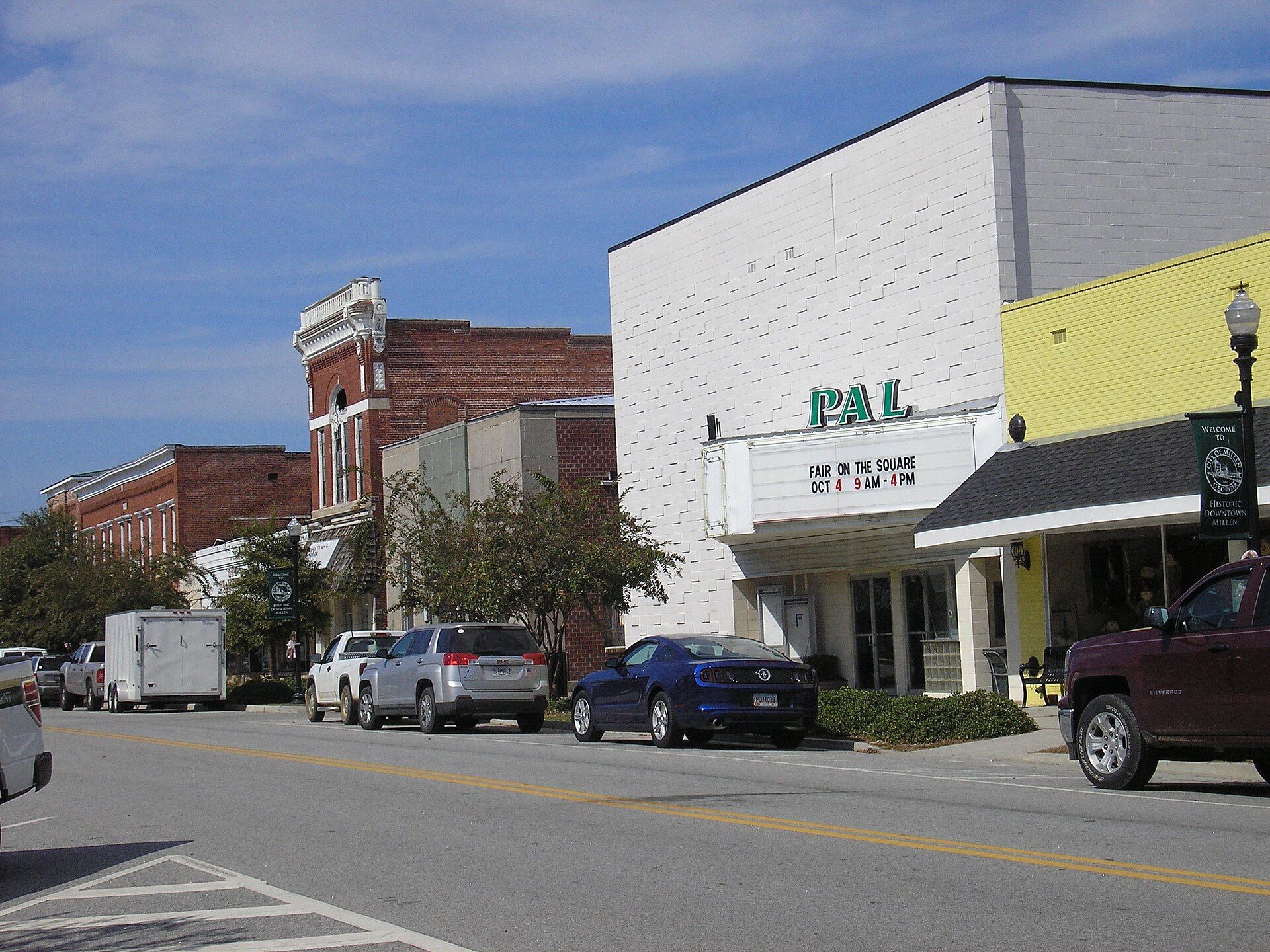
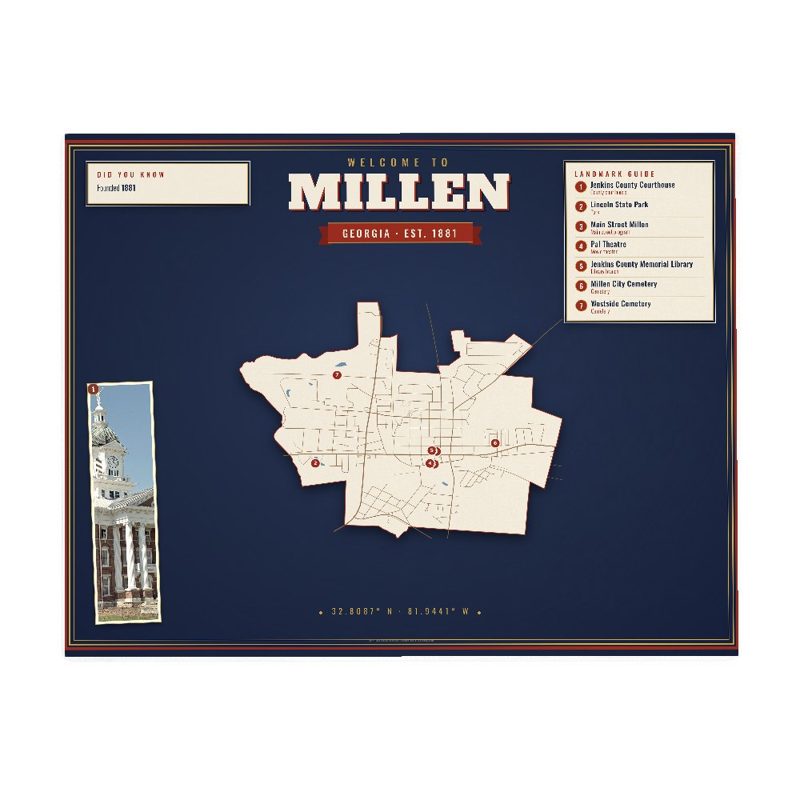
The Downtown Millen Historic District was listed on the National Register of Historic Places in 1996. The county is largely rural and agricultural.
Adapted (trimmed) from the Wikipedia article Millen, Georgia, revision 1378576993 by its contributors, licensed CC BY-SA 4.0.
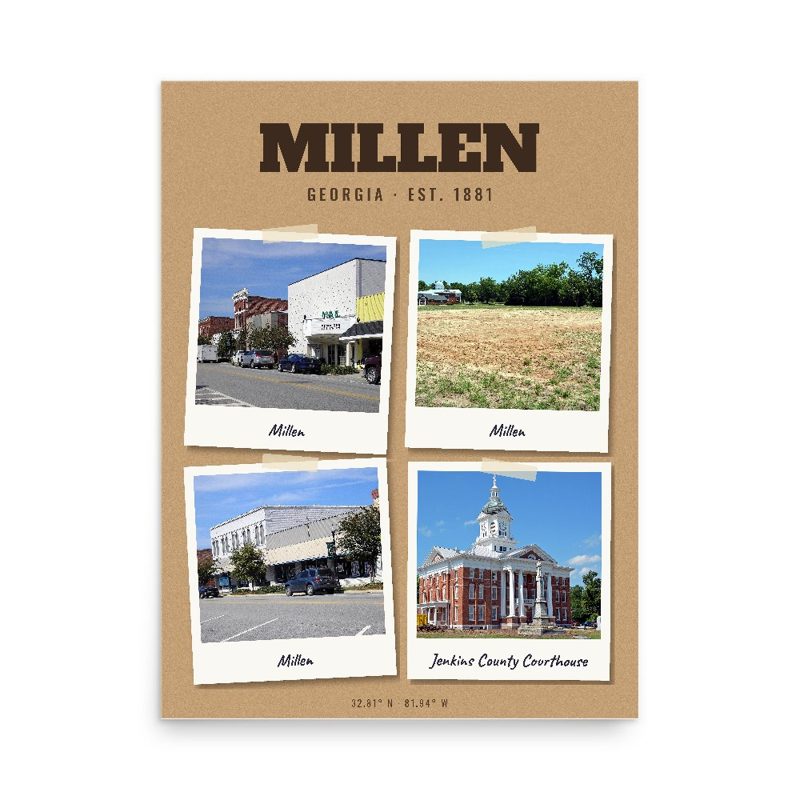








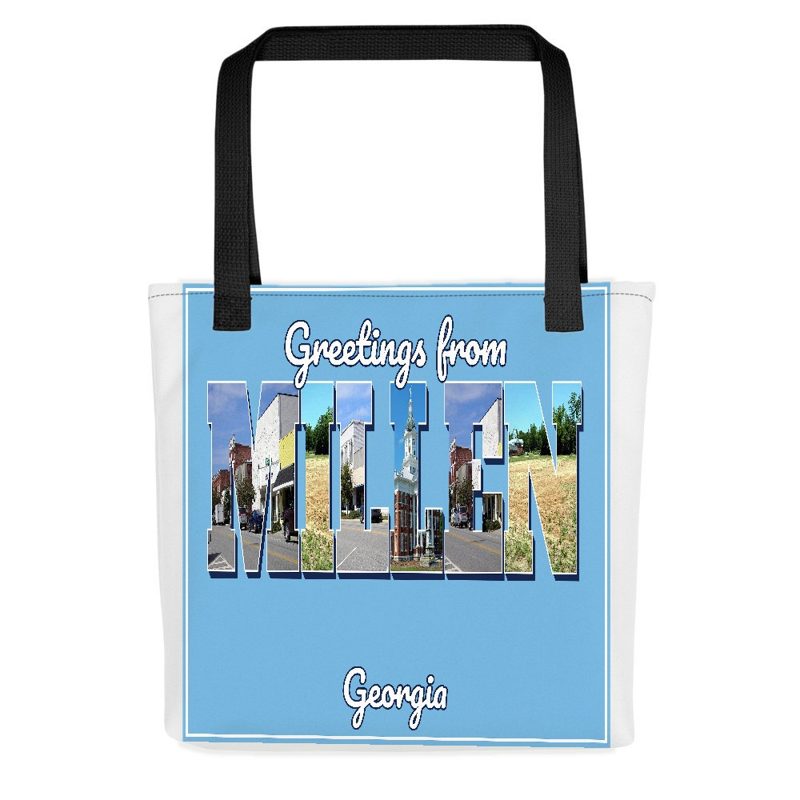

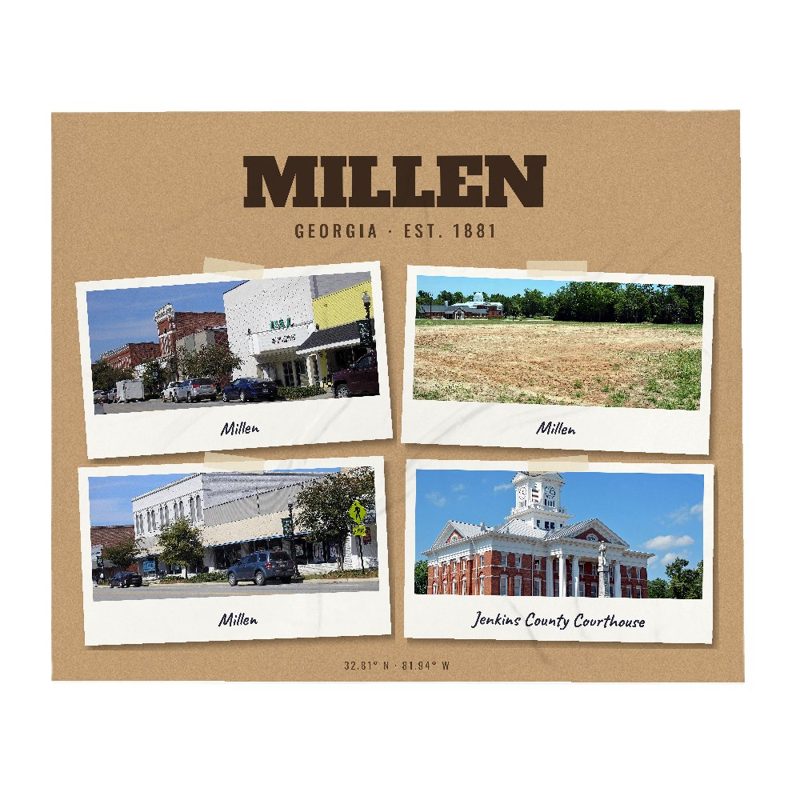
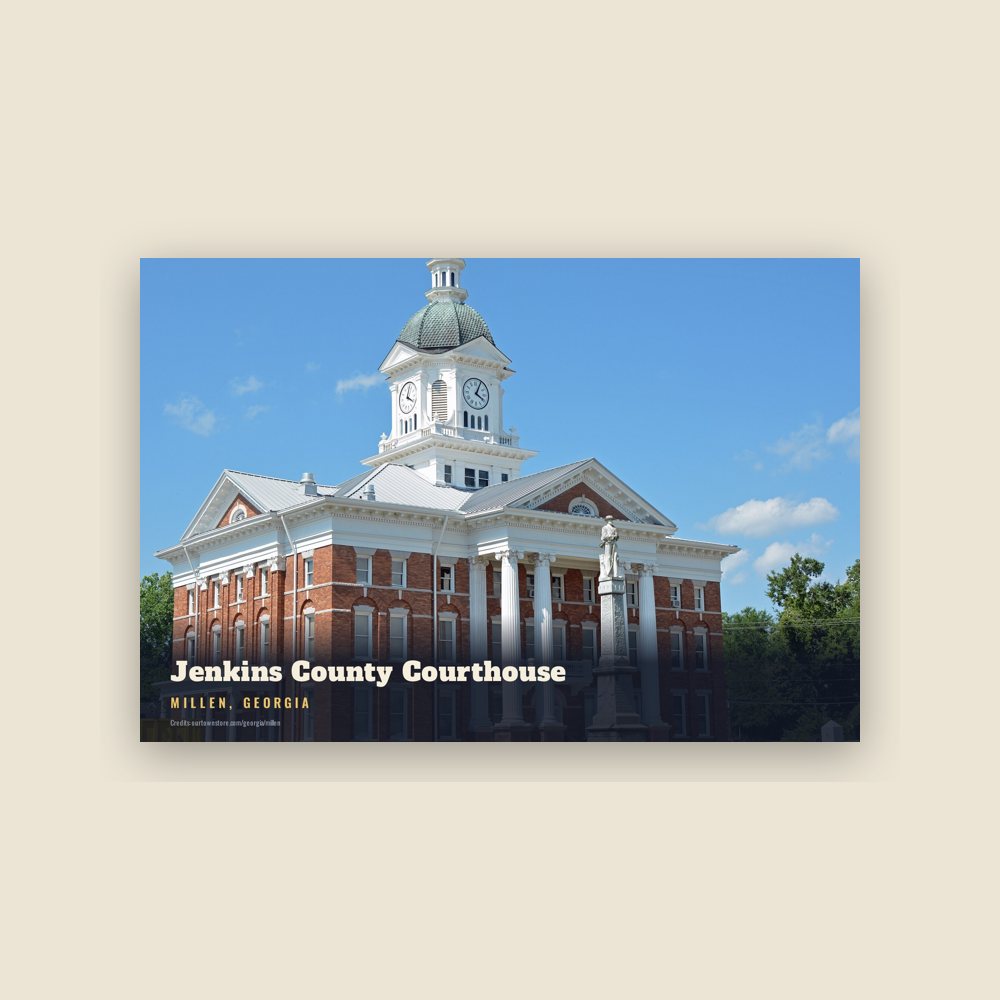
 Jenkins County Courthouse
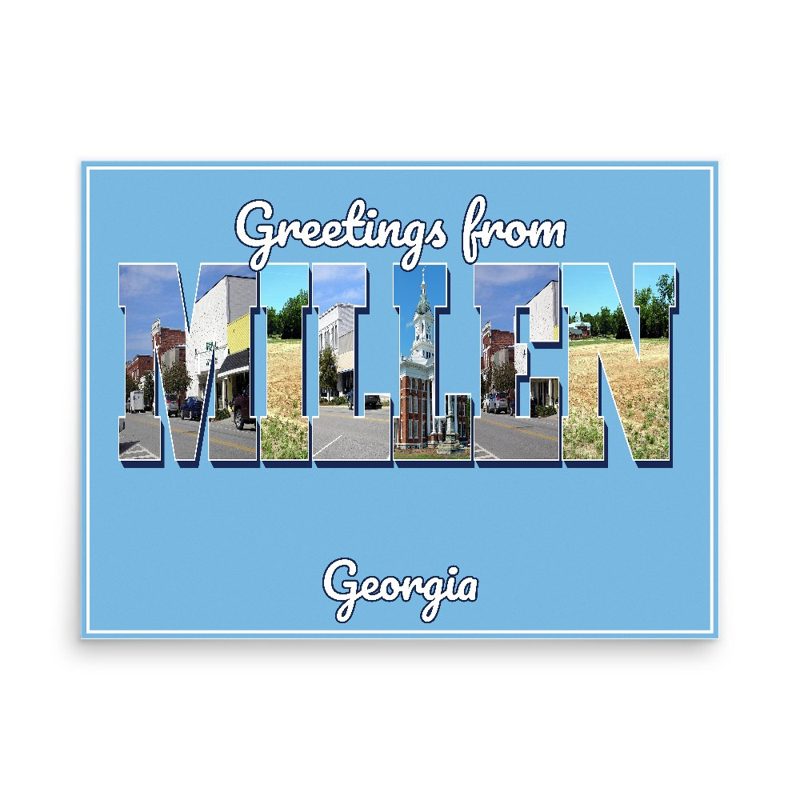
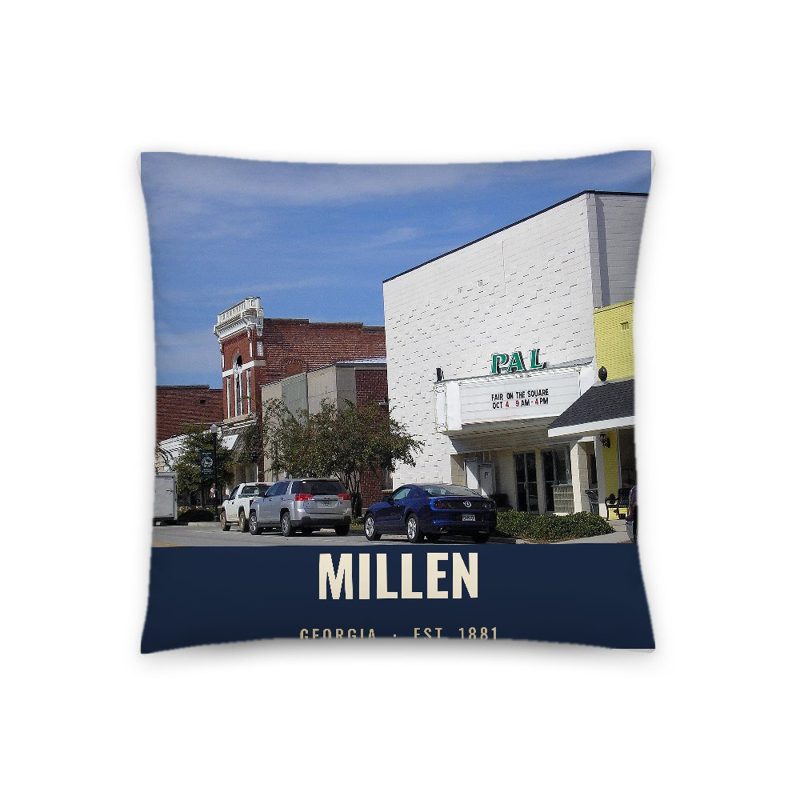
 A view of Millen
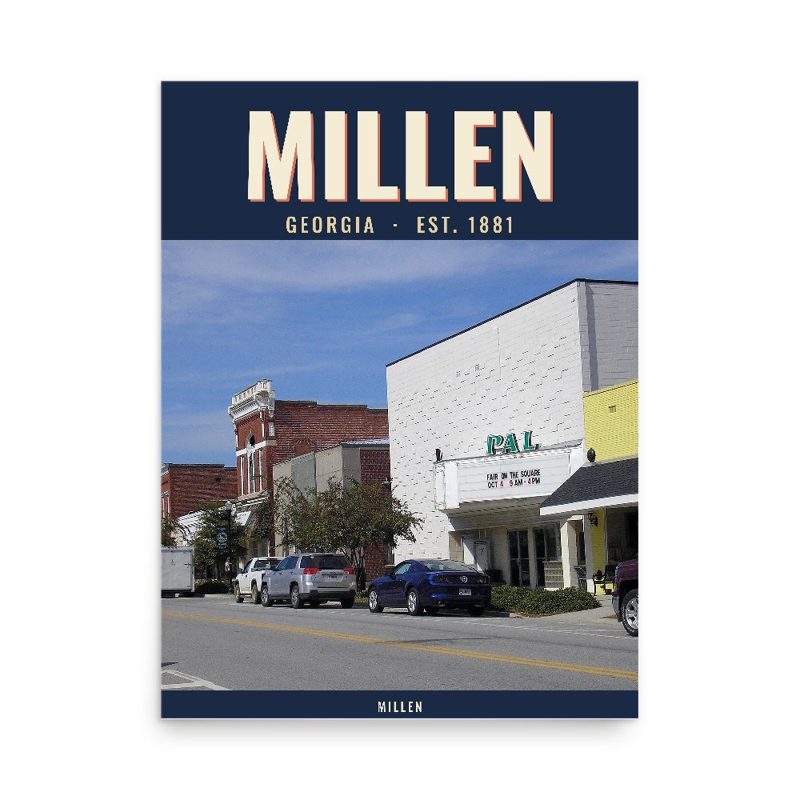
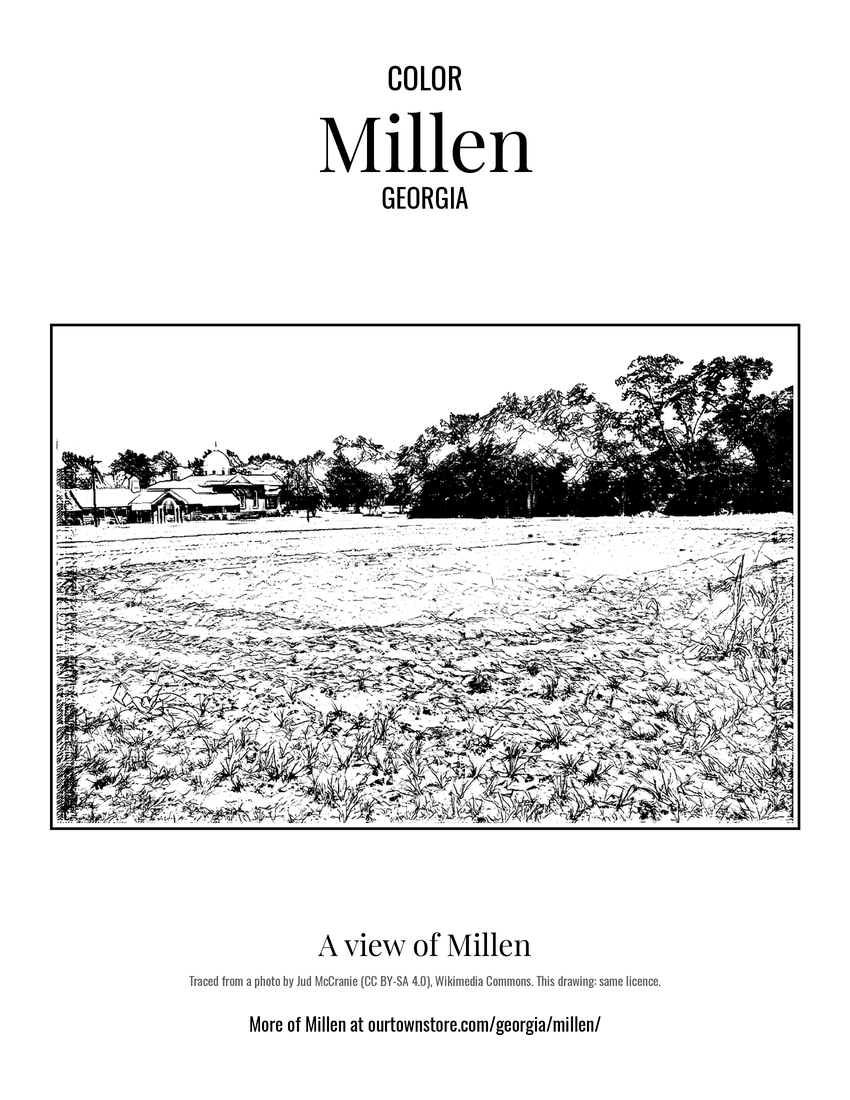 A view of Millen
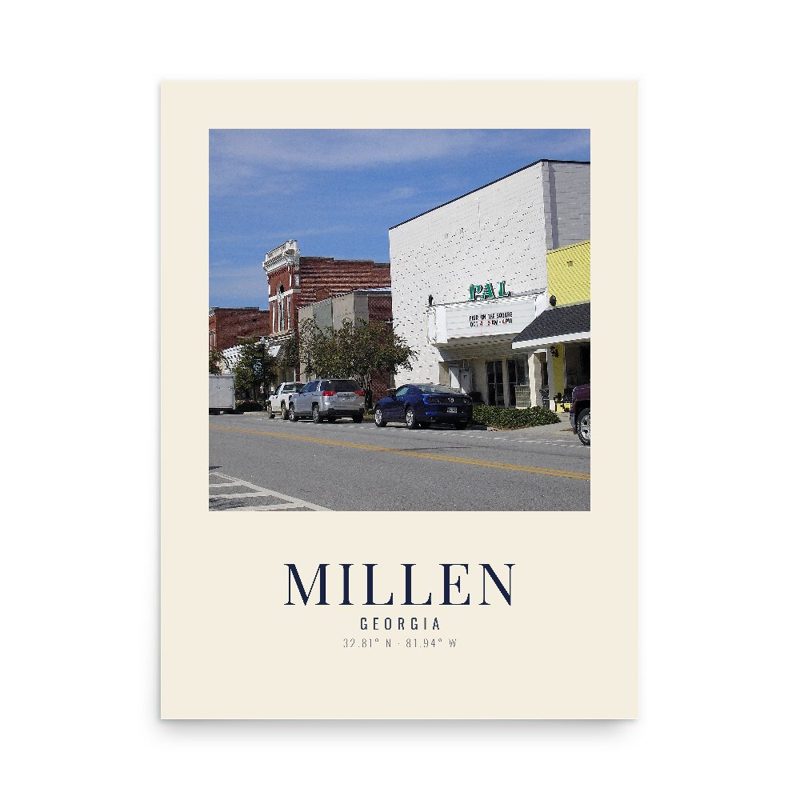
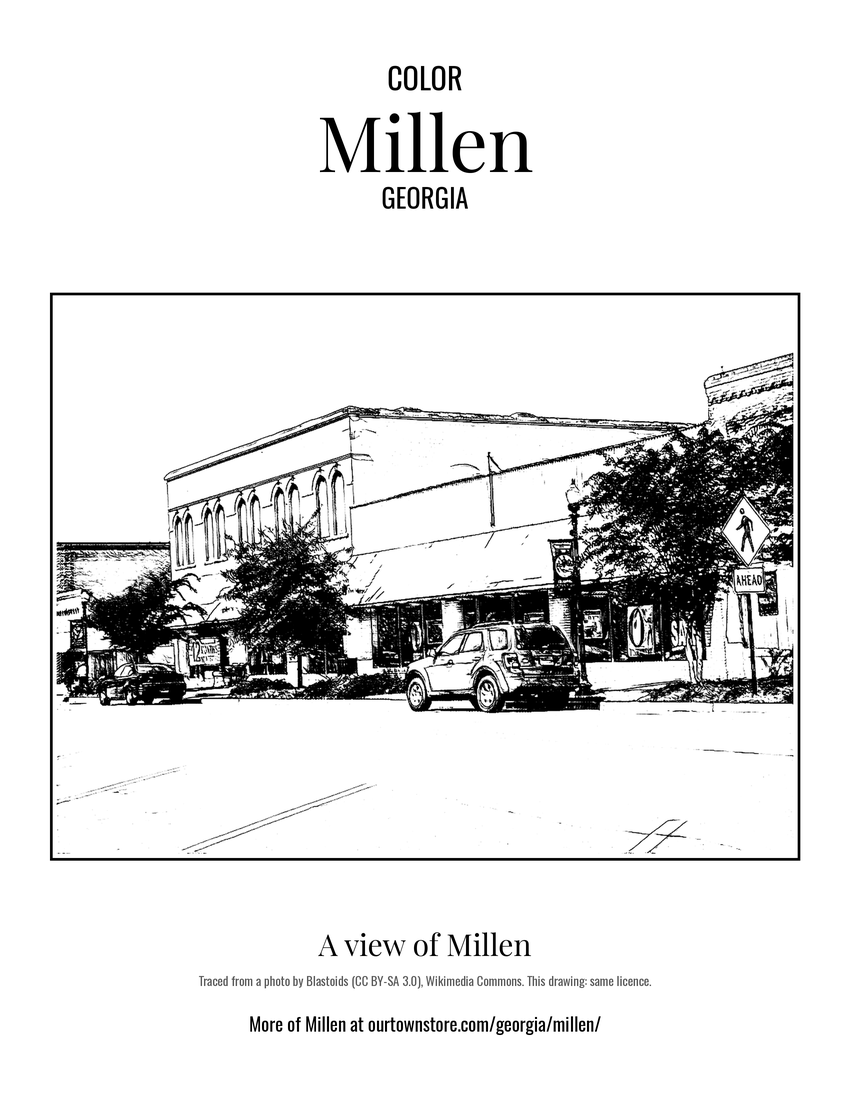 A view of Millen