Since 1896
A short history of Fitzgerald
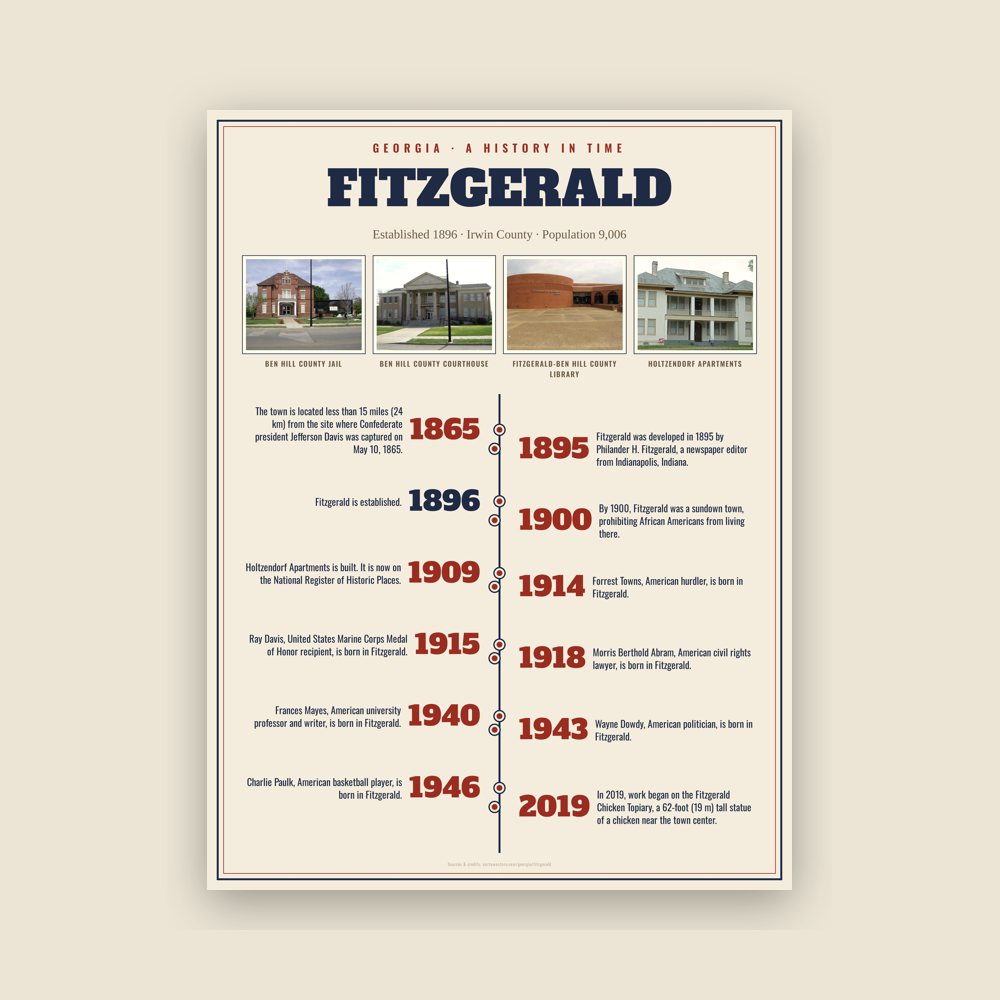
Fitzgerald was developed in 1895 by Philander H. Fitzgerald, a newspaper editor from Indianapolis, Indiana. A former drummer boy in the Union Army during the Civil War, he founded it as a community for war veterans–both from the Union and from the Confederacy. The majority of the first citizens (some 2700) were Union veterans. It was incorporated on December 2, 1896. The town is located less than 15 miles (24 km) from the site where Confederate president Jefferson Davis was captured on May 10, 1865.
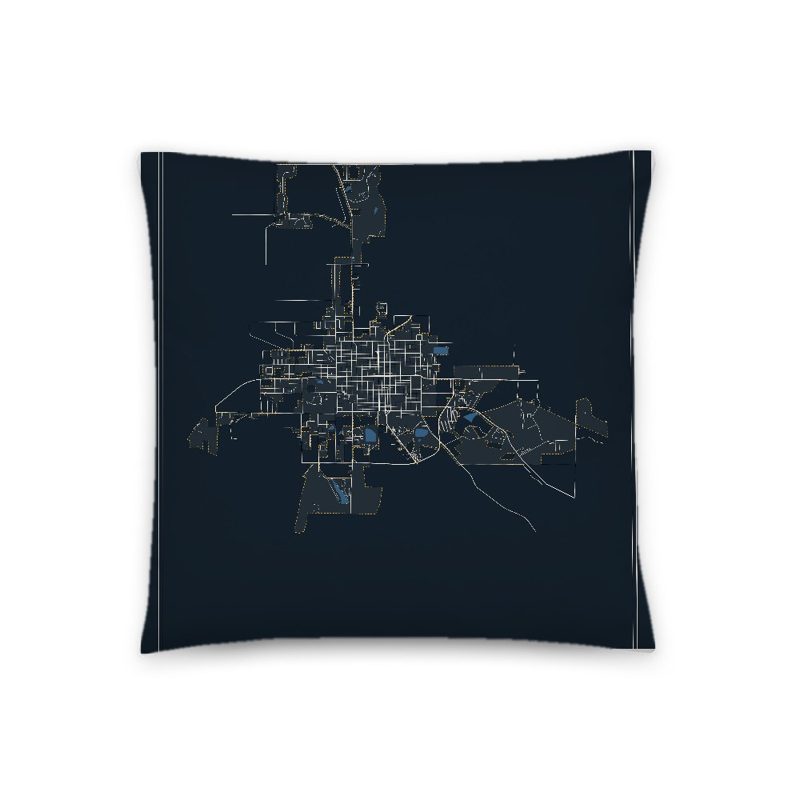
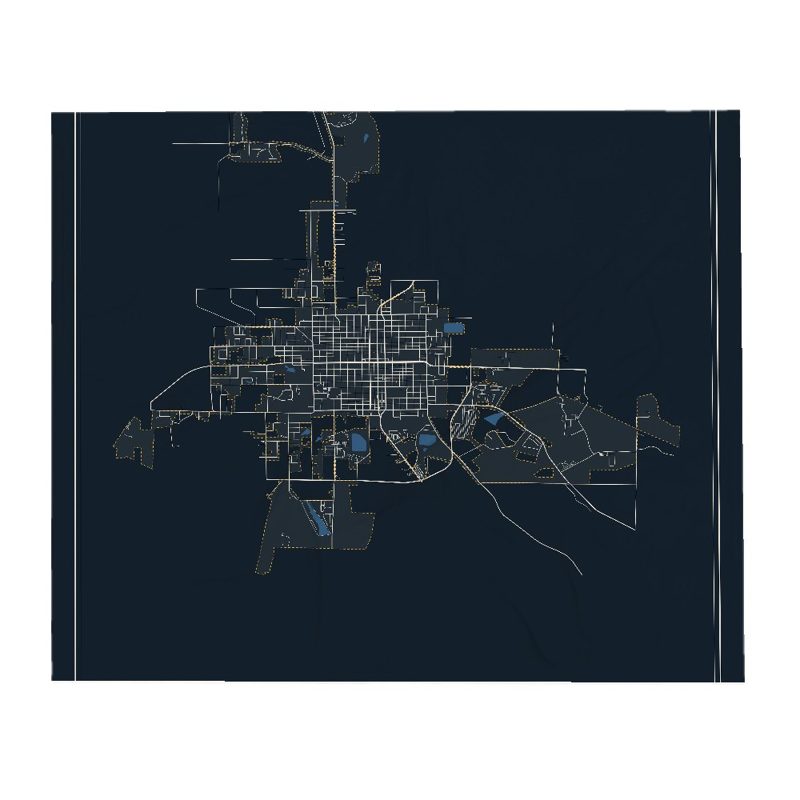
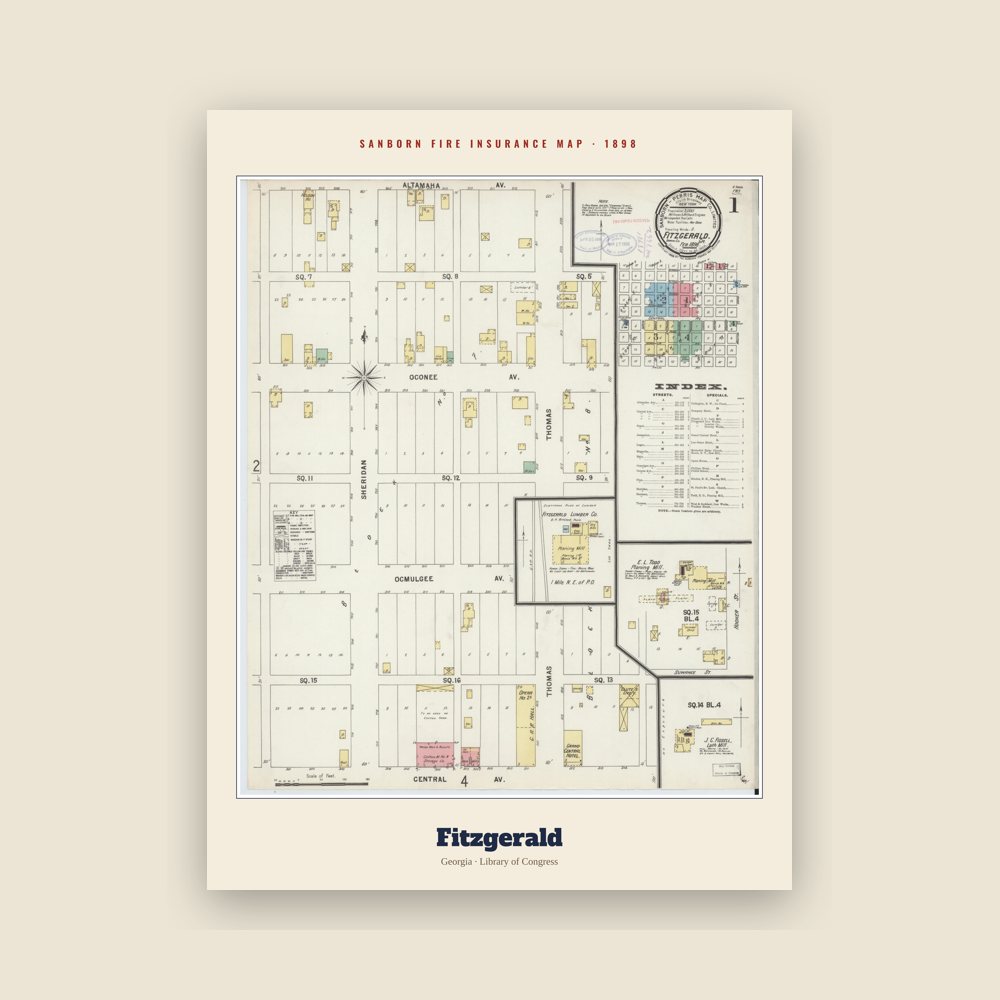
Fitzgerald was an early planned city. It was laid out as a square, with intersecting streets dividing it into four wards. Each ward was divided into four blocks and each block had sixteen squares. The first two streets running north–south on the west side of the city were named after Confederate generals Robert E. Lee and Joseph E. Johnston, whereas the first two on the east side were named after Union generals Ulysses S. Grant and William T. Sherman.
After about a year, the residents planned a Thanksgiving harvest parade. Separate Union and Confederate parades were planned. But when the band struck up to play, the Confederates joined the Union veterans to march as one under the US flag. At the time there was increasing reconciliation nationwide between white soldiers of the North and South; historian David Blight notes that outstanding issues of race were pushed aside. In this era, Southern states had already begun to pass new constitutions that raised barriers to voter registration, following Mississippi's in 1890, and essentially disenfranchised most freedmen and many poor whites. By 1900, Fitzgerald was a sundown town, prohibiting African Americans from living there.
In recent years the unofficial, and sometimes controversial, mascot of the city has become the red junglefowl, a wild chicken native to the Indian subcontinent. In the late 1960s, a small number were released into the woods surrounding the city and they thrive to this day.
In 2019, work began on the Fitzgerald Chicken Topiary, a 62-foot (19 m) tall statue of a chicken near the town center. The statue was envisioned by Mayor Jim Puckett to be a major roadside attraction with an Airbnb inside. After spending $300,000 of city funds, Puckett was not reelected and the statue has not been completed. If finished, it would be the largest topiary statue in the world.
Adapted (trimmed) from the Wikipedia article Fitzgerald, Georgia, revision 1377605895 by its contributors, licensed CC BY-SA 4.0.
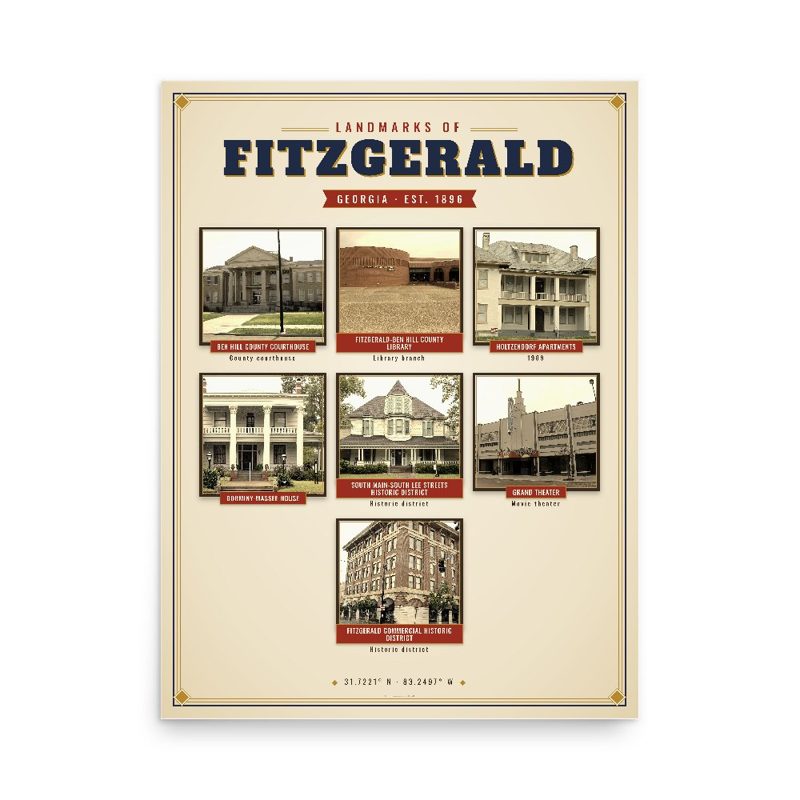

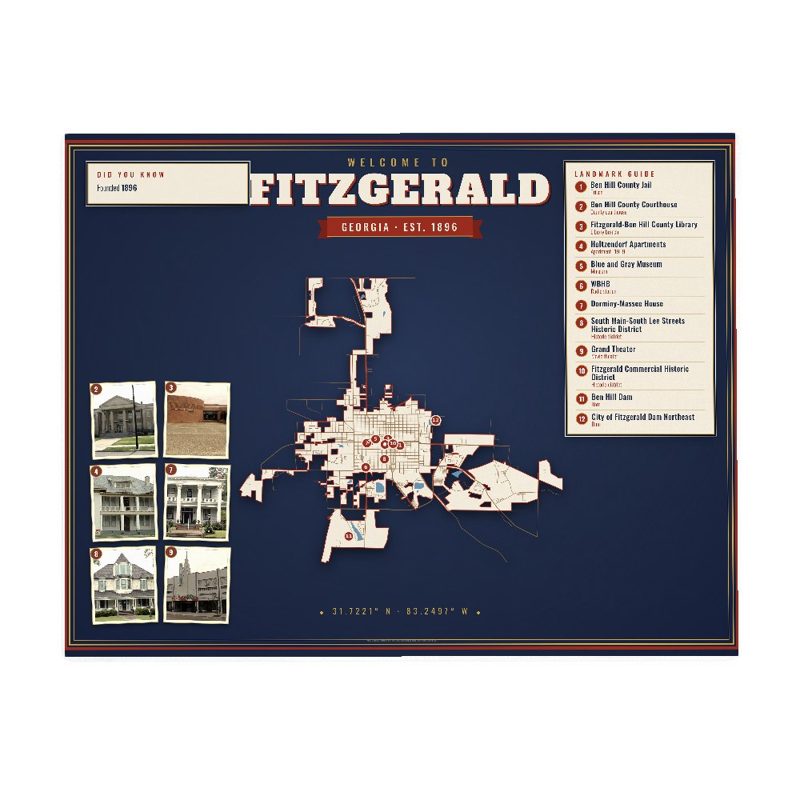





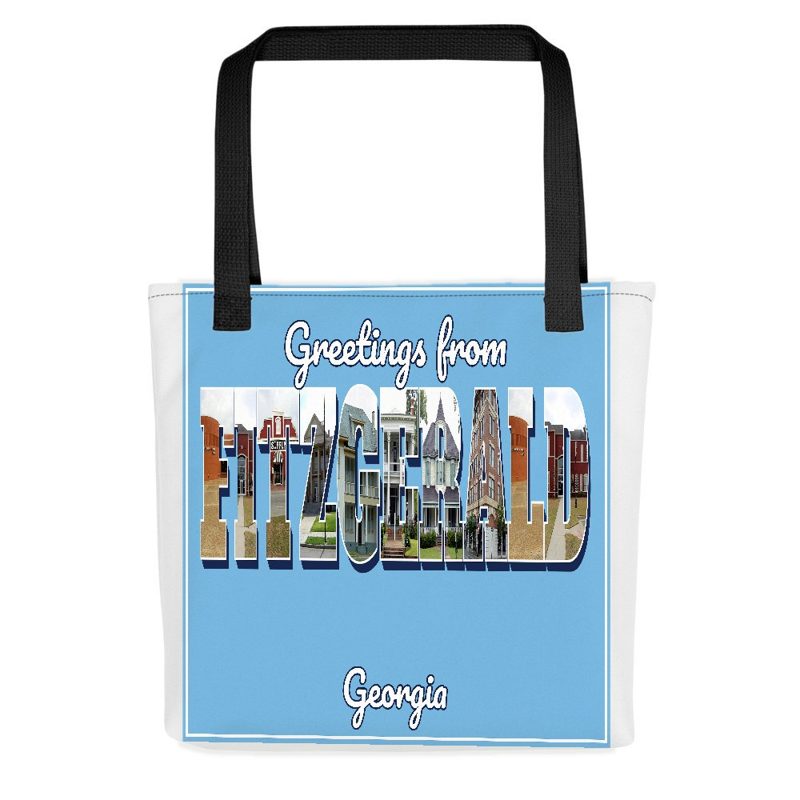

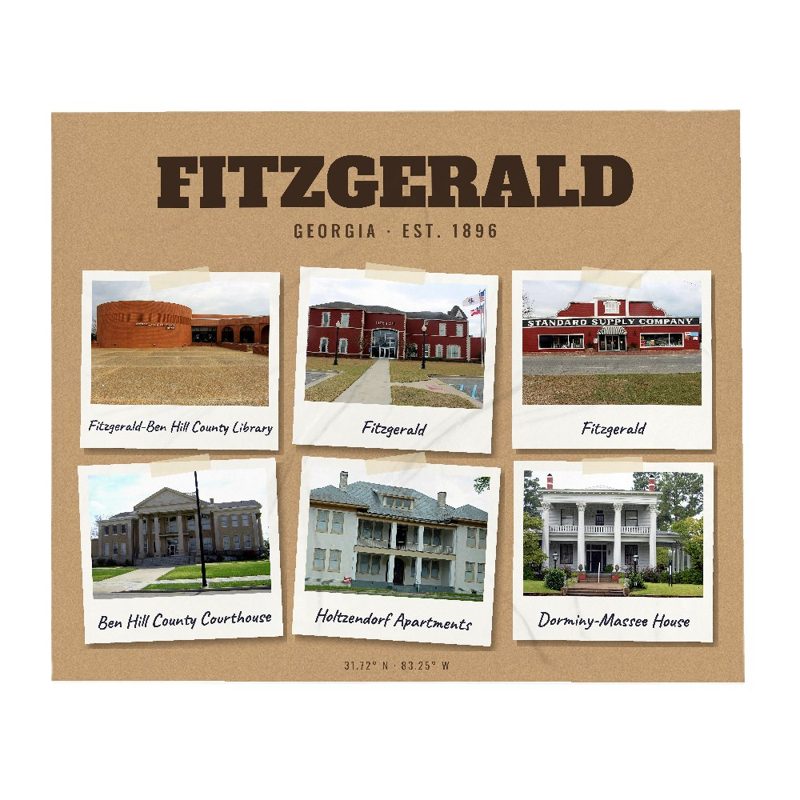

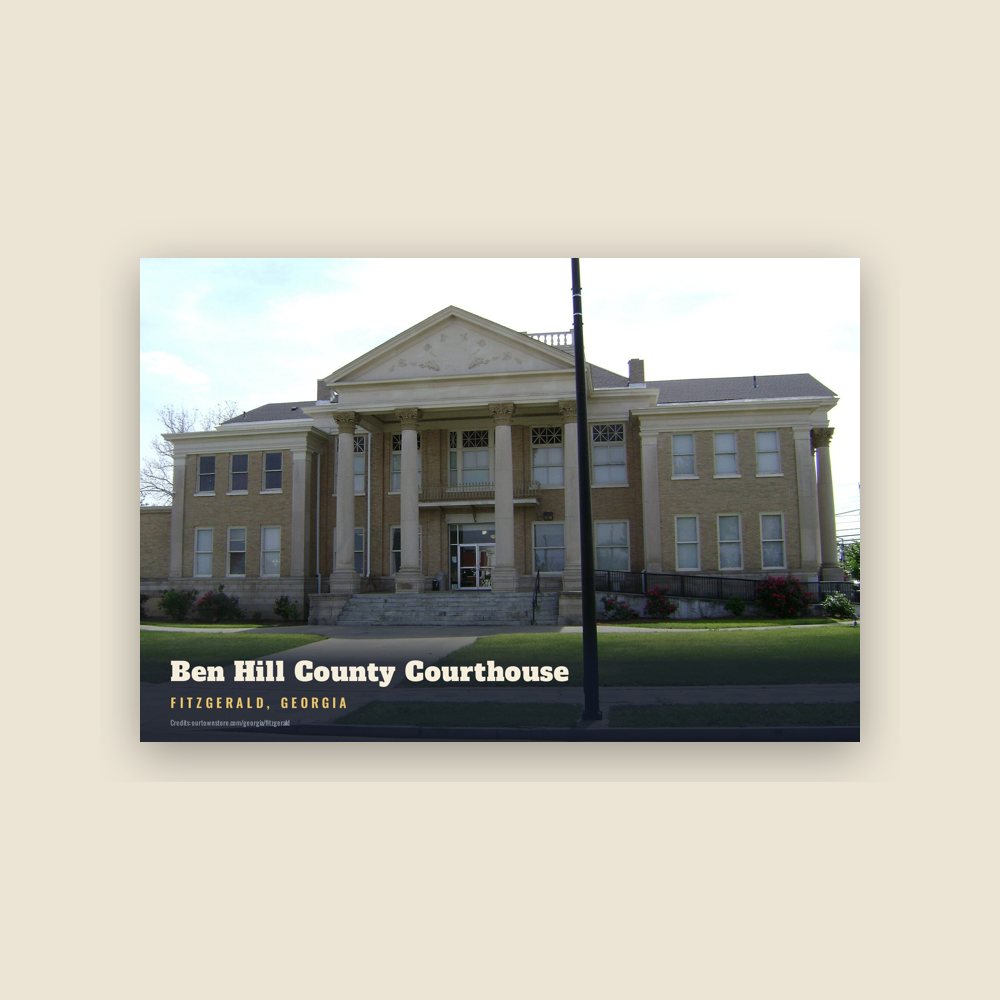
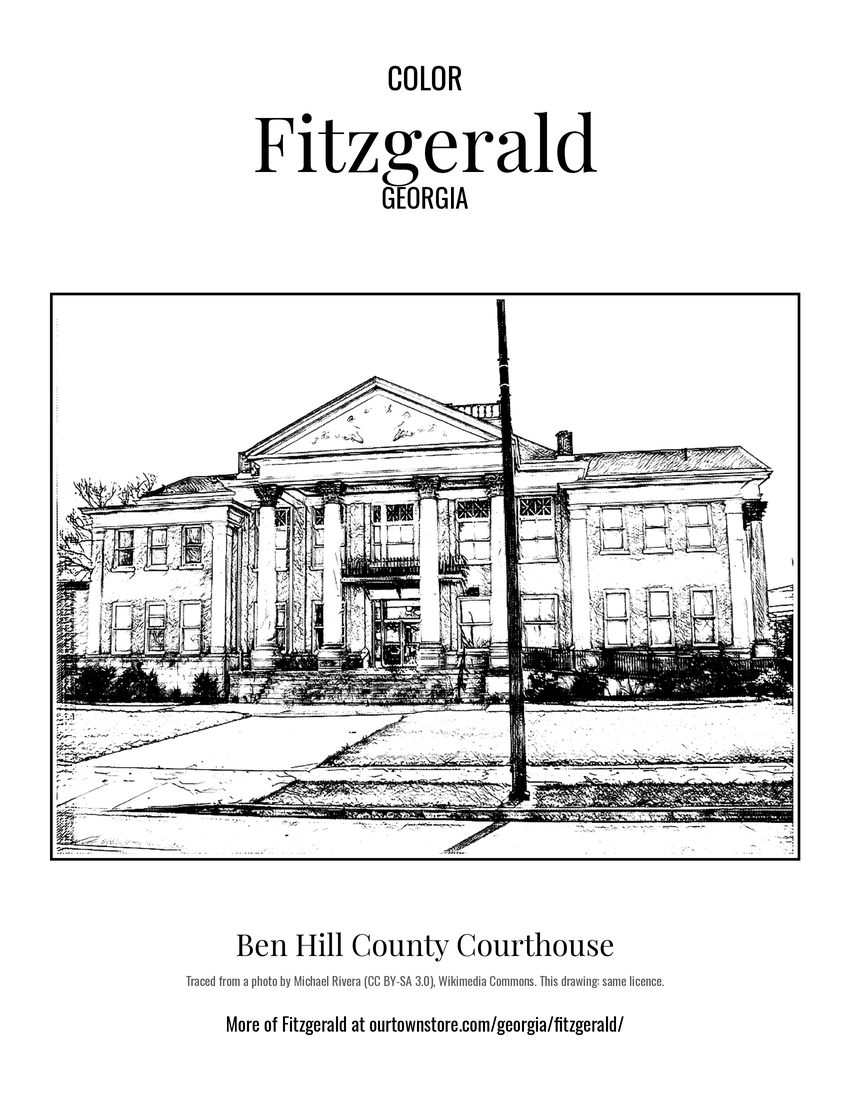 Ben Hill County Courthouse
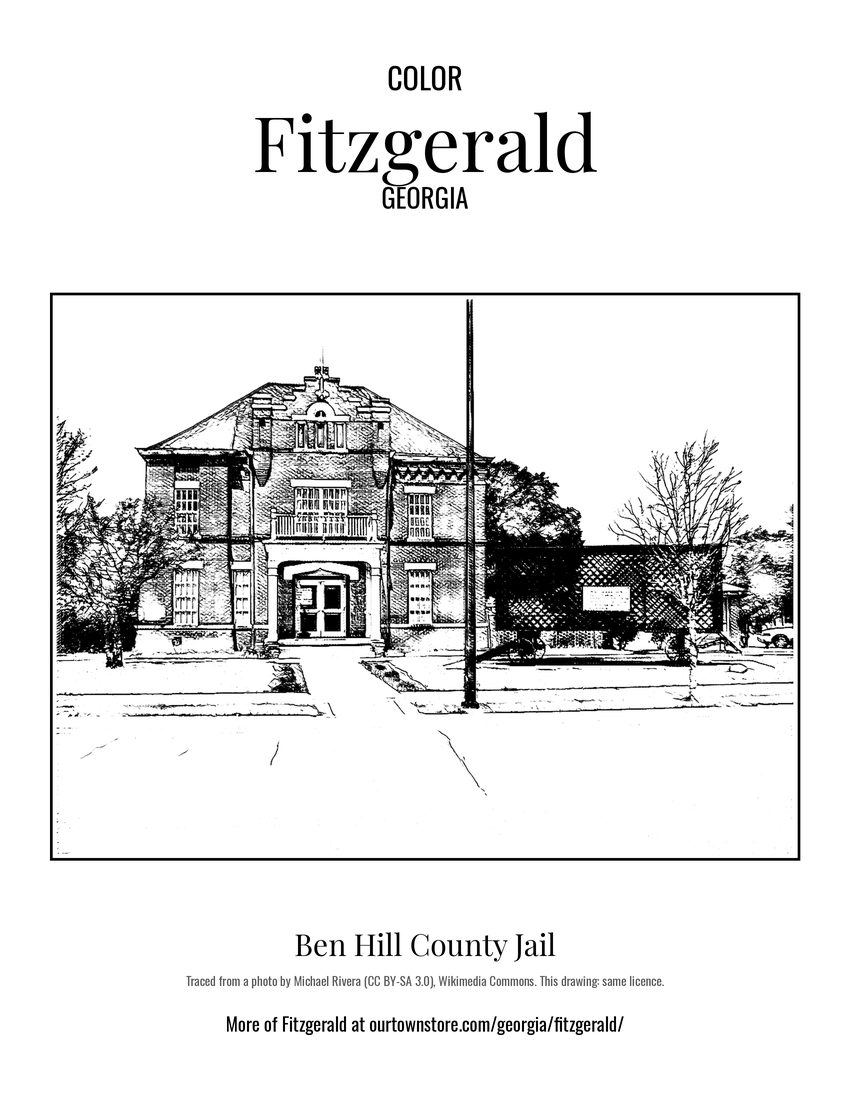 Ben Hill County Jail
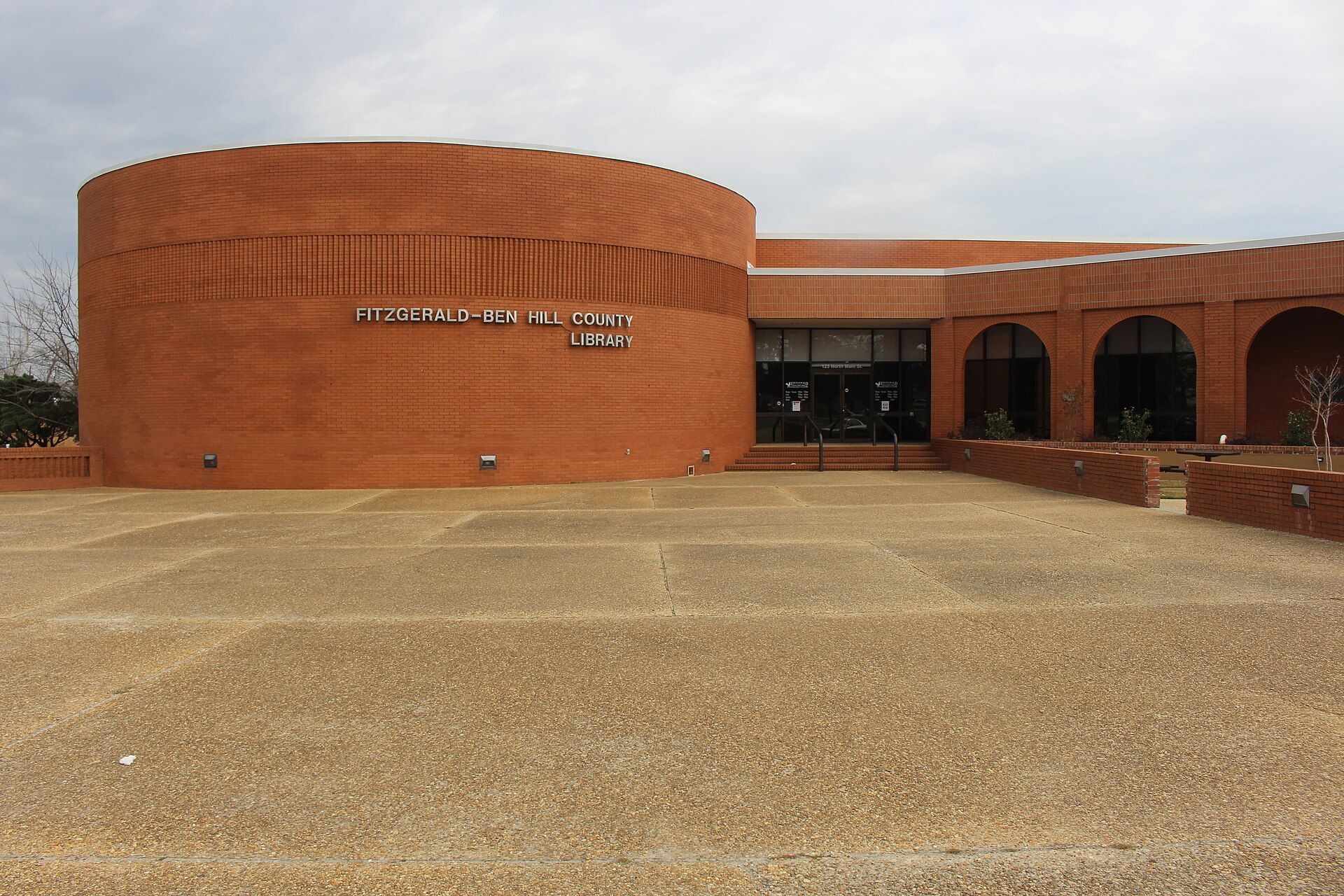
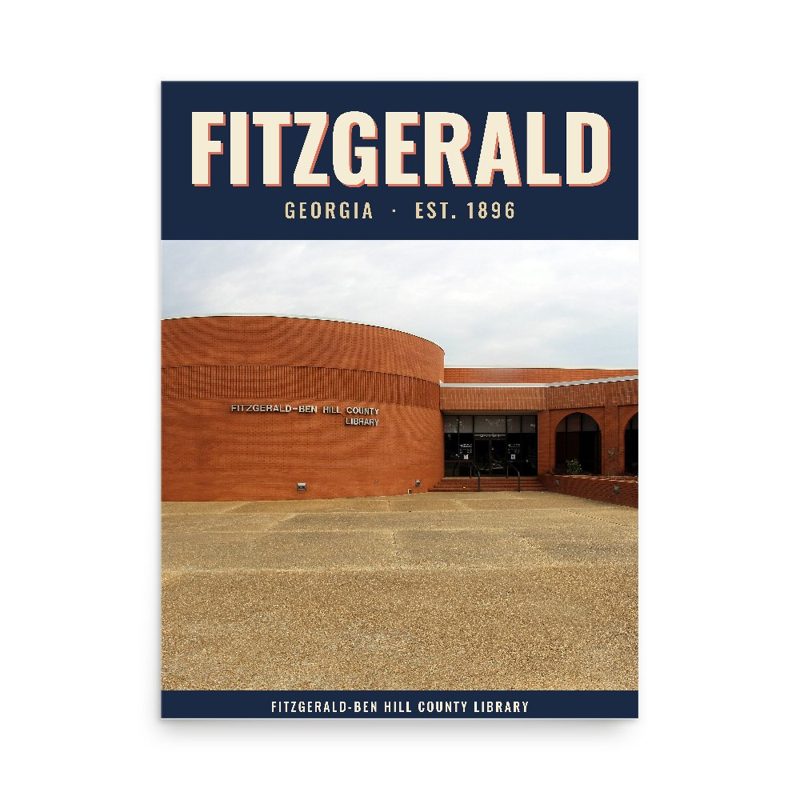
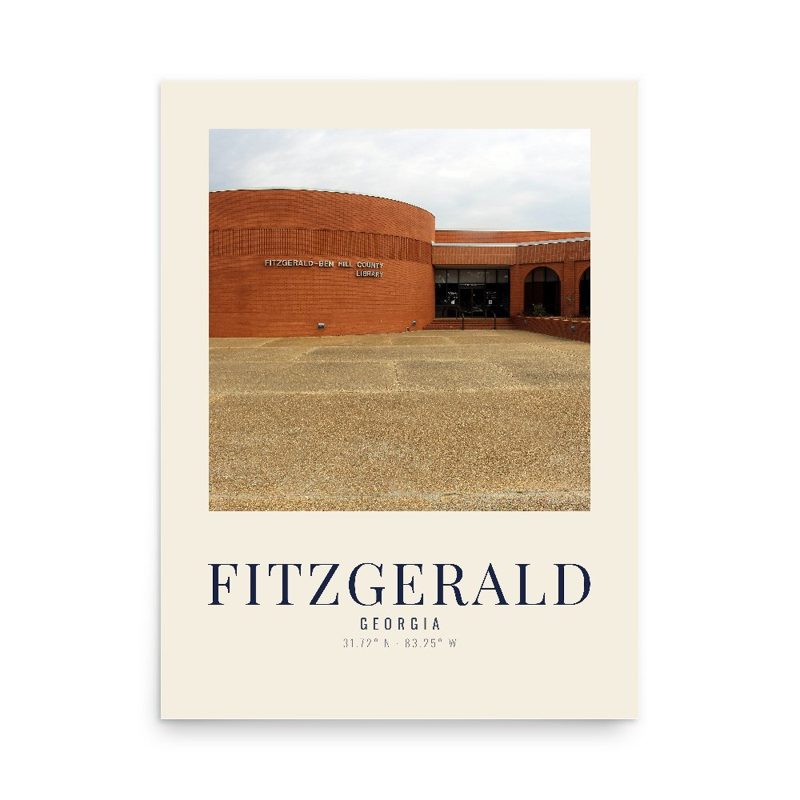
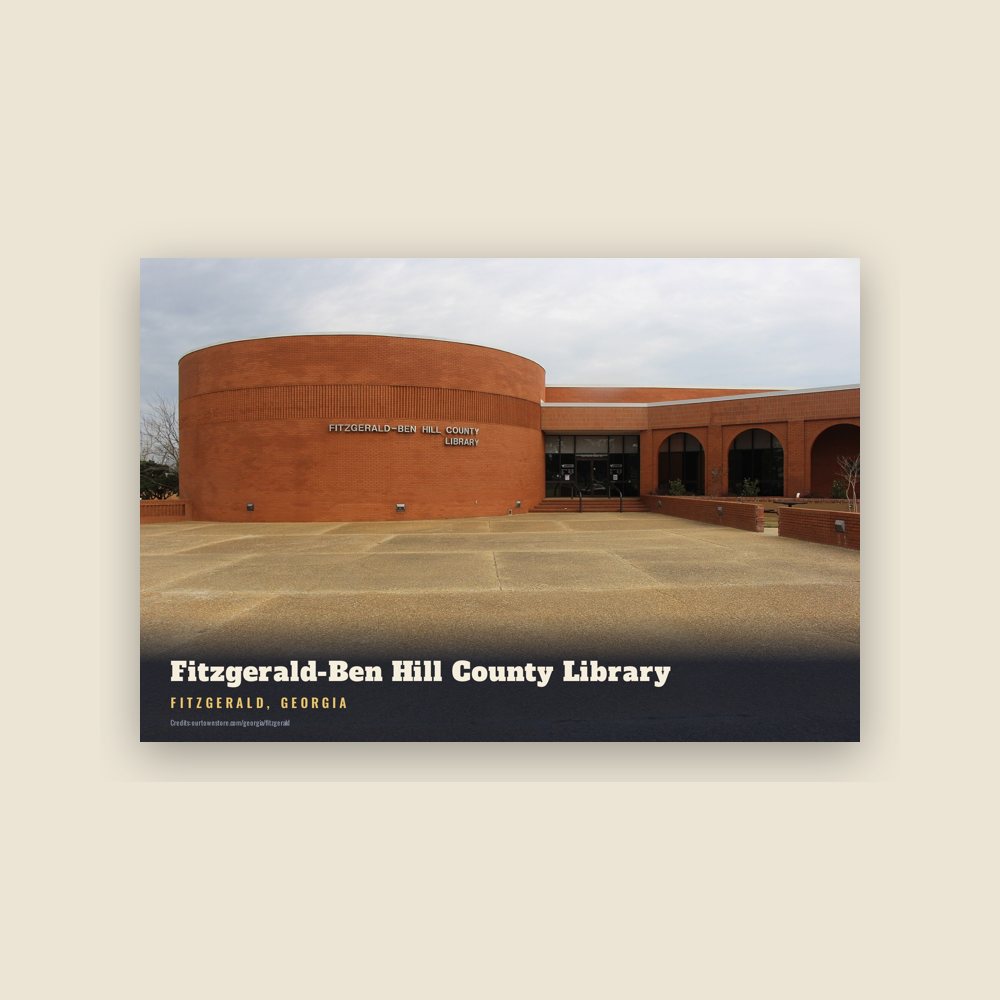
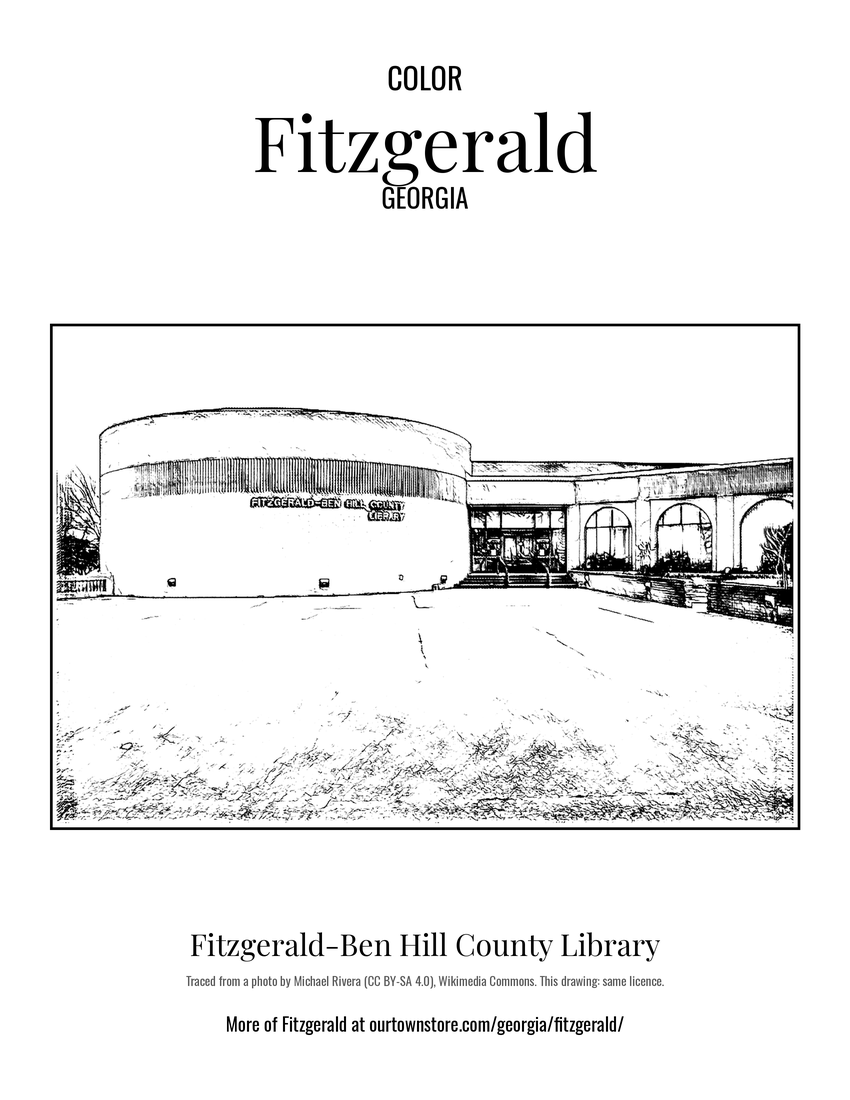 Fitzgerald-Ben Hill County Library
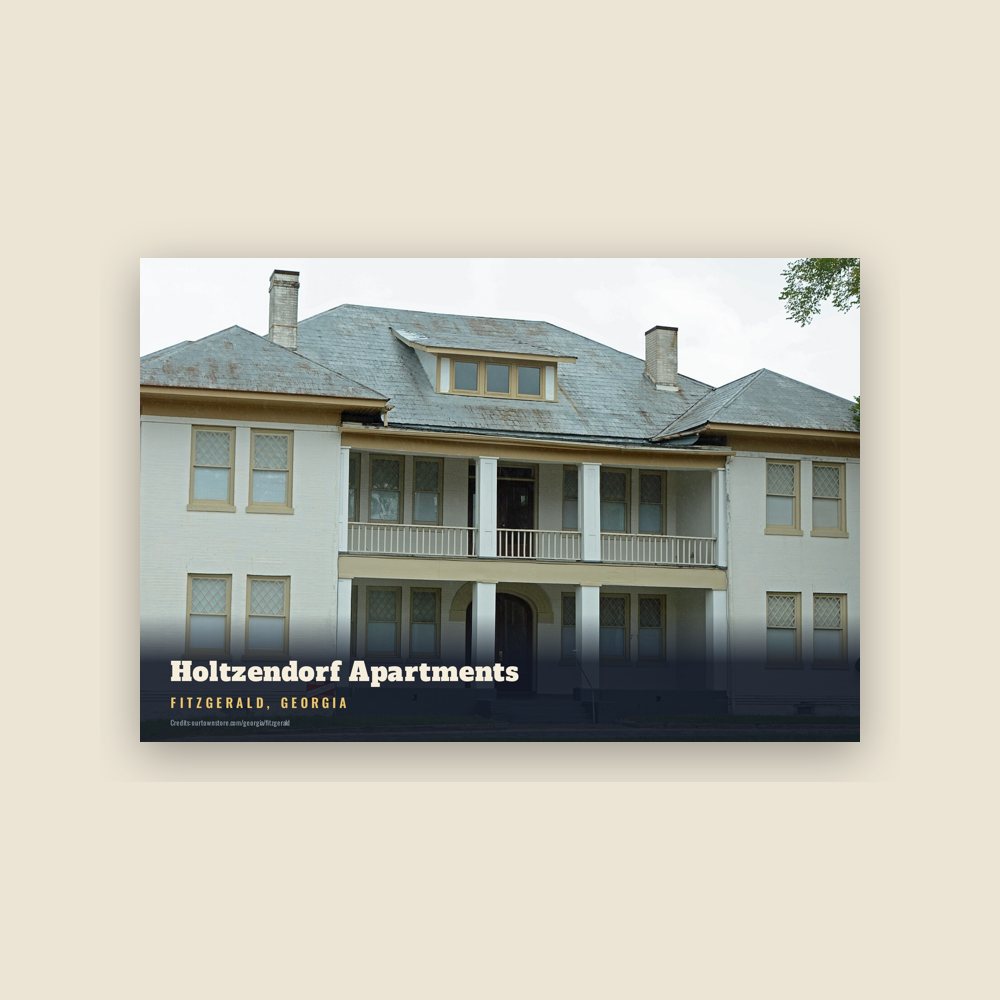
 Holtzendorf Apartments