A short history of Hallandale Beach
Railroad magnate Henry Flagler, owner of the Florida East Coast Railway, recruited Luther Halland, a brother-in-law of Flagler's agents, to found a settlement south of the community of Dania. Halland and Swedish immigrant Olaf Zetterlund touted the frost-free climate and cheap land of the settlement (then named Halland, later changed to Hallandale). Halland constructed a small trading post and became the first postmaster of the small community.
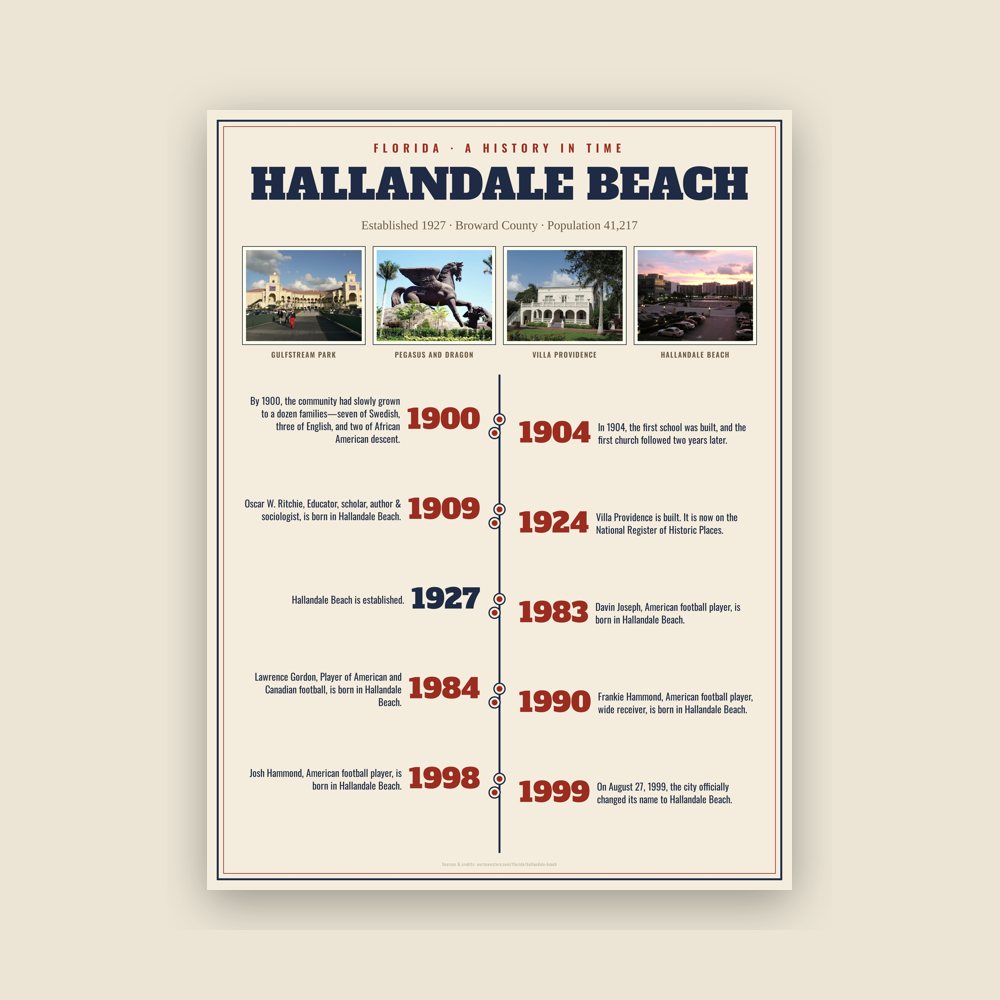
By 1900, the community had slowly grown to a dozen families—seven of Swedish, three of English, and two of African American descent. In 1904, the first school was built, and the first church followed two years later. Hallandale was primarily a farming community.
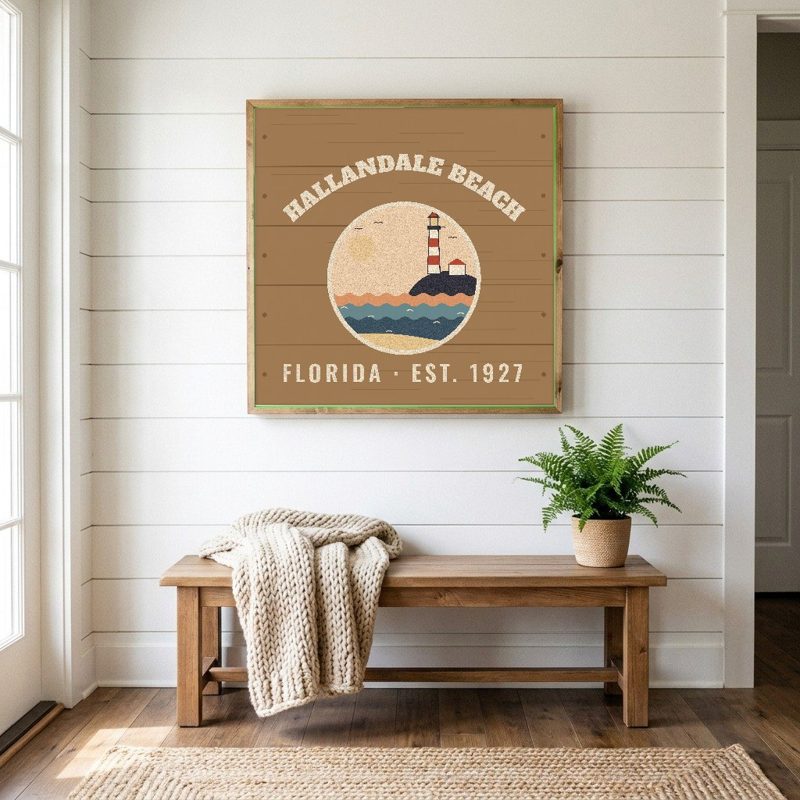
Hallandale was incorporated on May 14, 1927, the eighth municipality in Broward County. By that time, a thriving community of 1,500 residents, with electricity and street lights, was in place. In 1947, the Town of Hallandale was reincorporated as the City of Hallandale, allowing it to expand its borders through annexation of nearby unincorporated land lying adjacent to the Atlantic shore. On August 27, 1999, the city officially changed its name to Hallandale Beach.
Hurricane Irma was originally expected to go right through Hallandale Beach, instead making landfall in Key West, and once again in Naples.
Adapted (trimmed) from the Wikipedia article Hallandale Beach, Florida, revision 1376078987 by its contributors, licensed CC BY-SA 4.0.
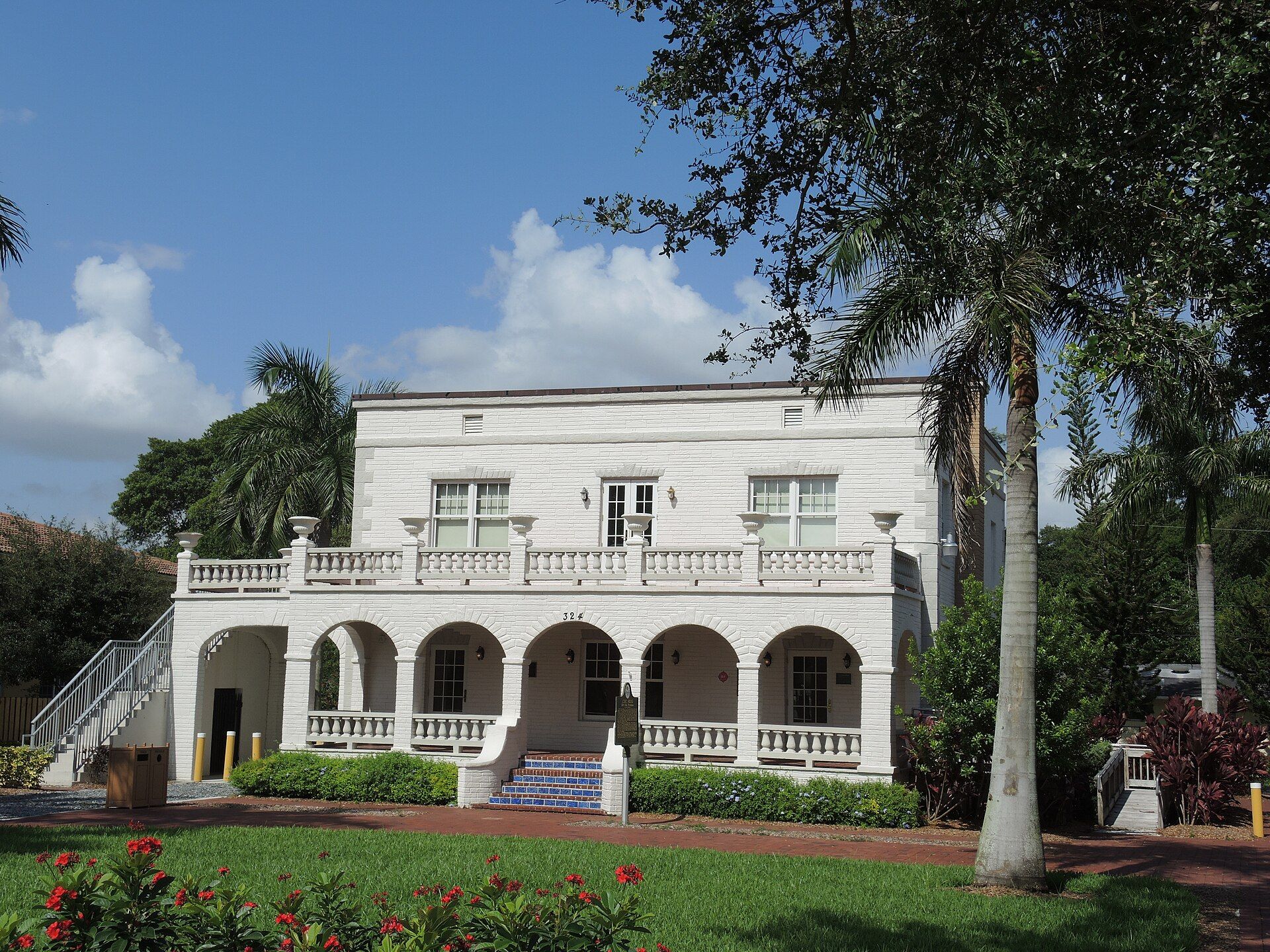
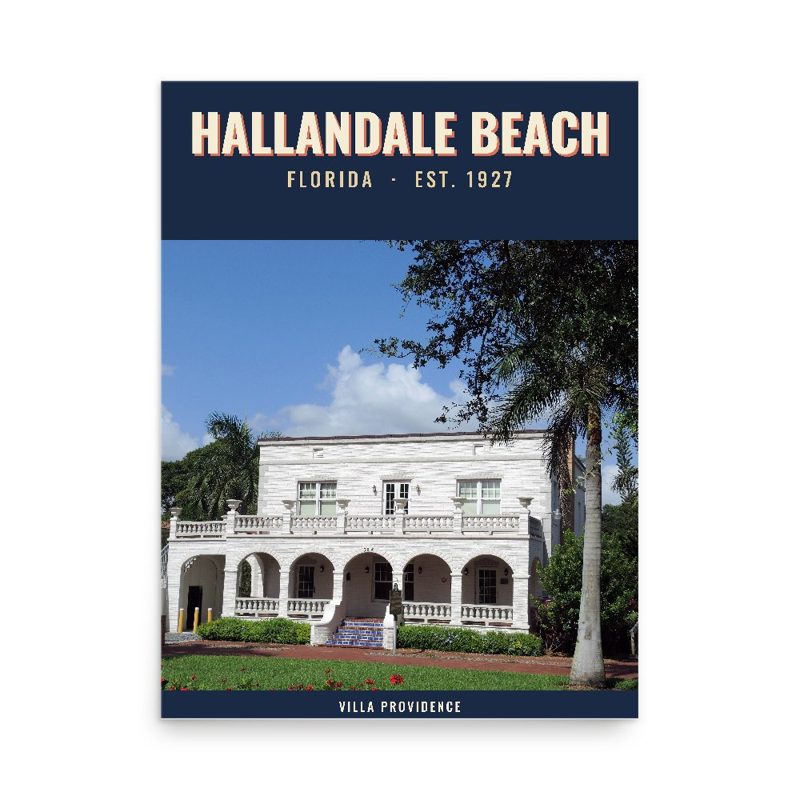
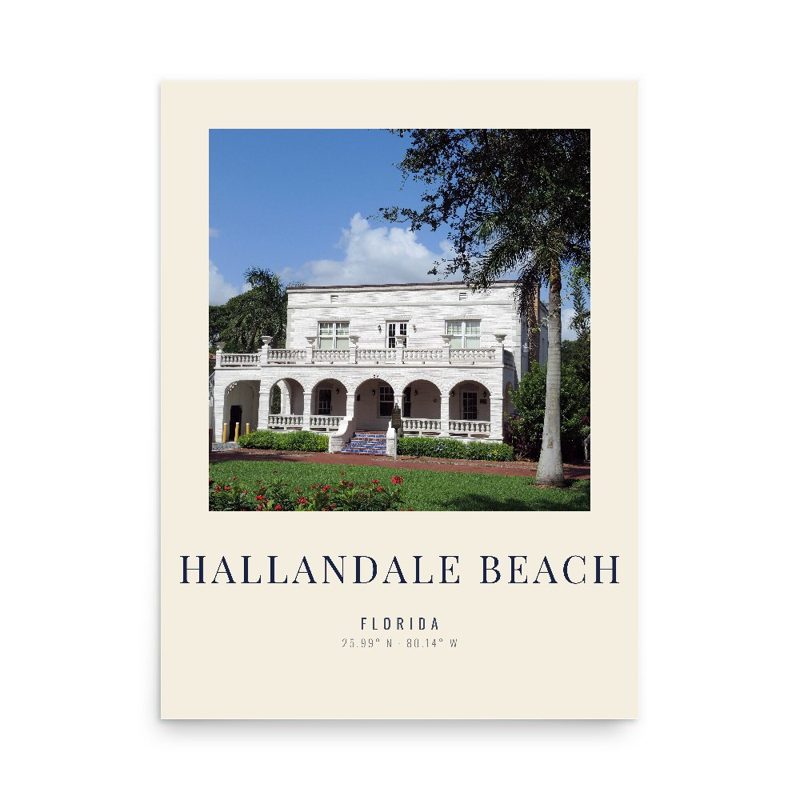
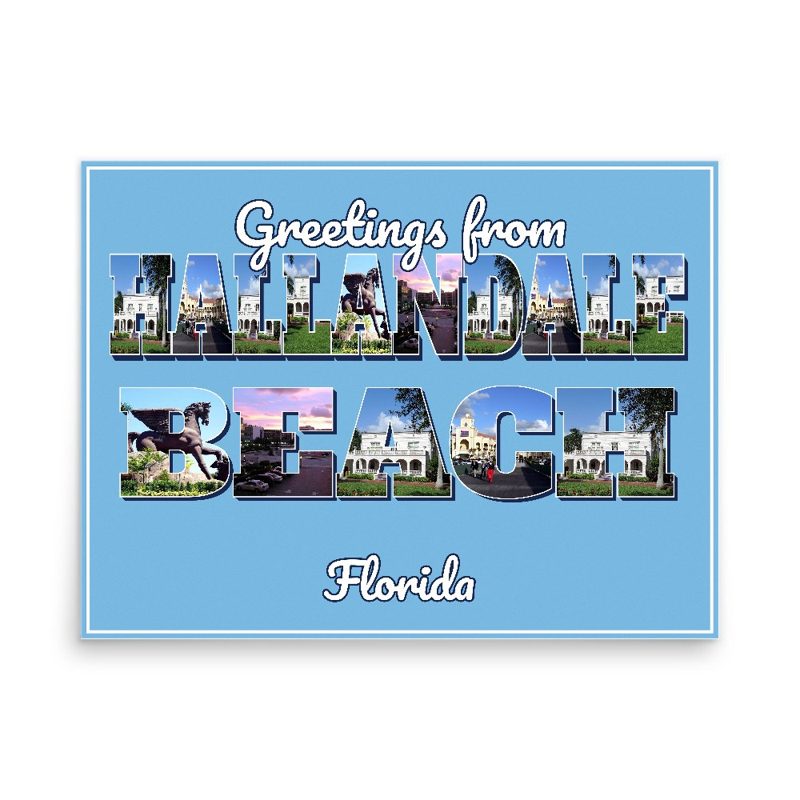
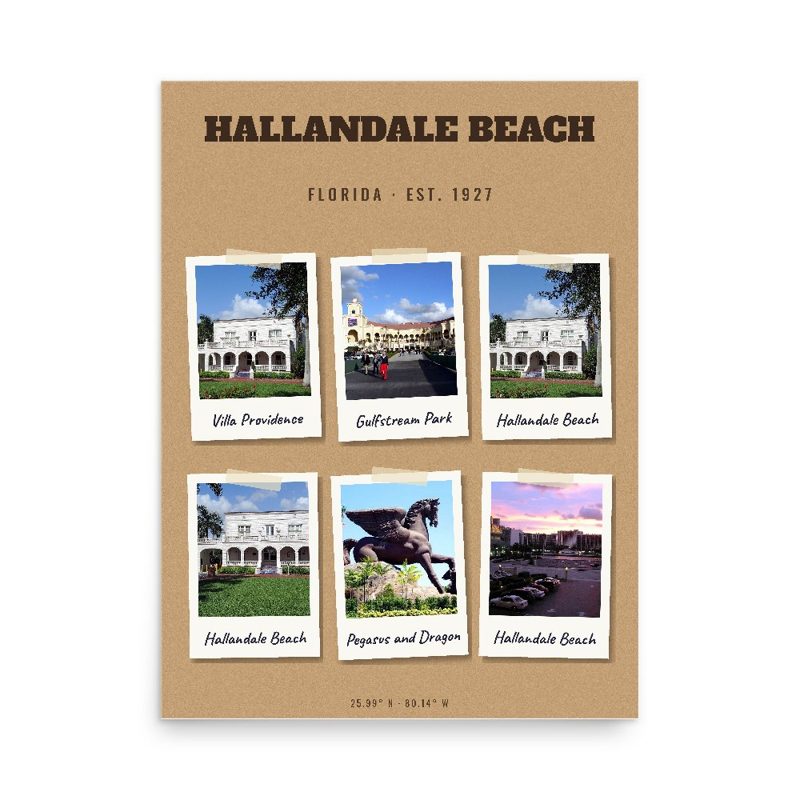
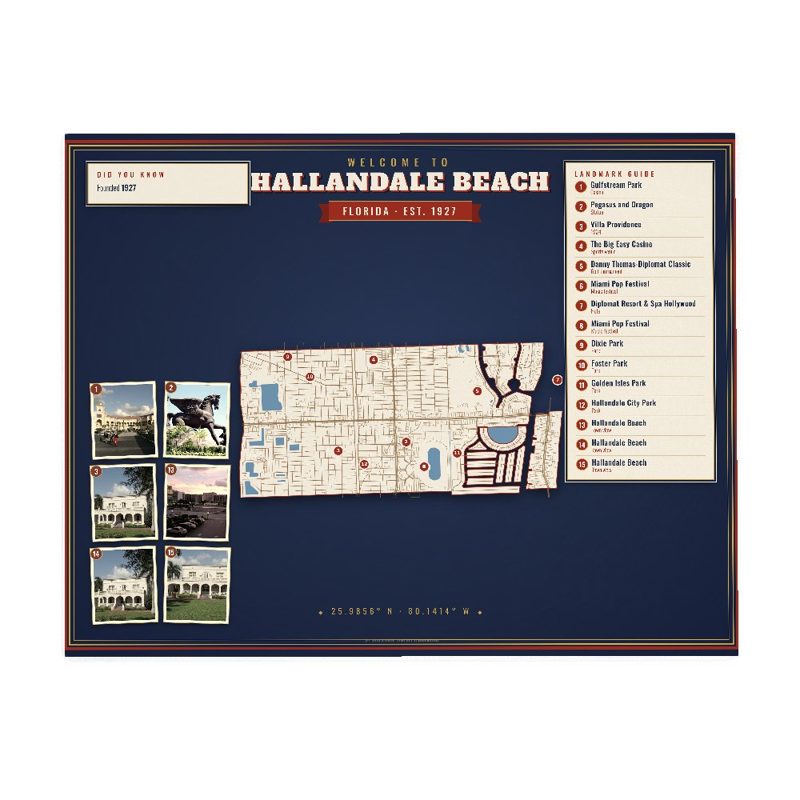








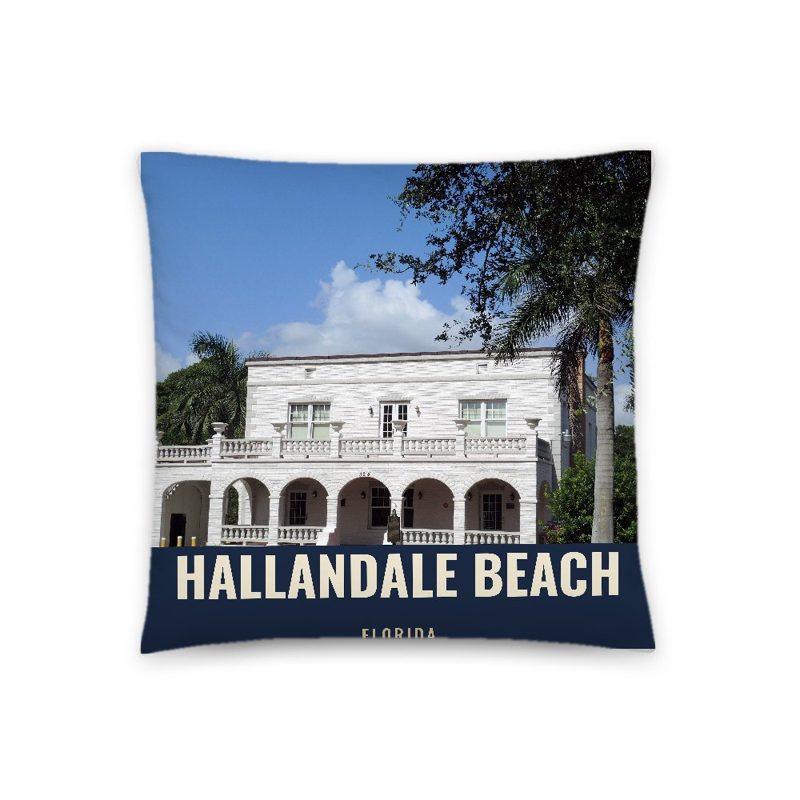



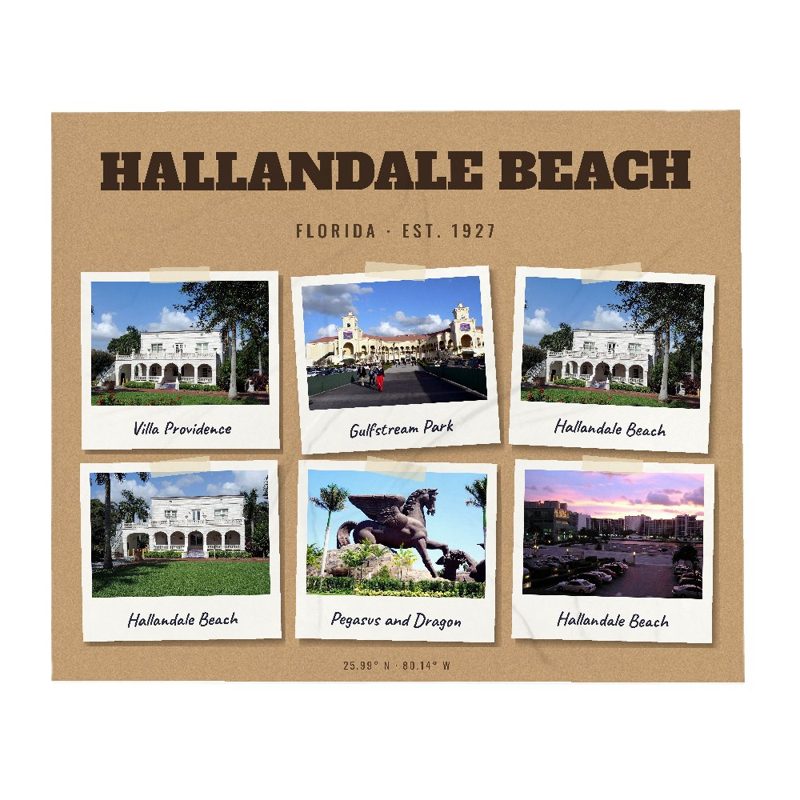
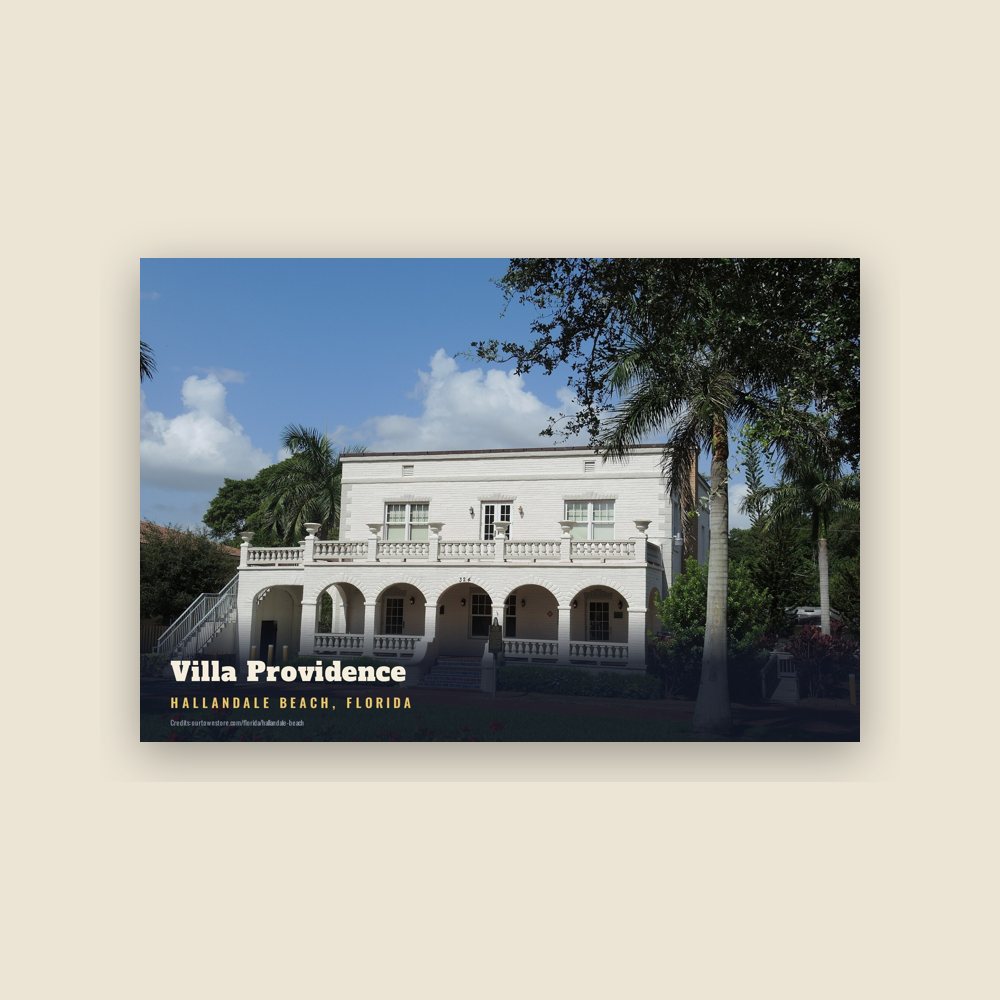
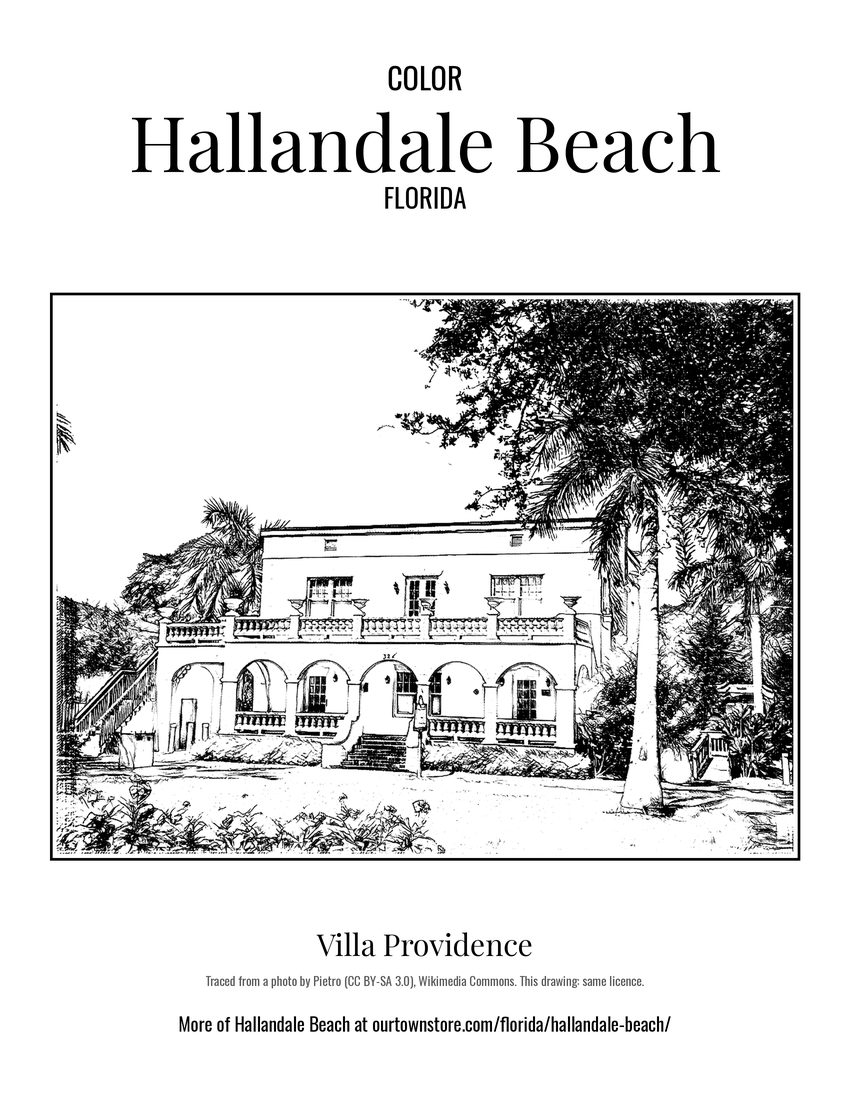 Villa Providence
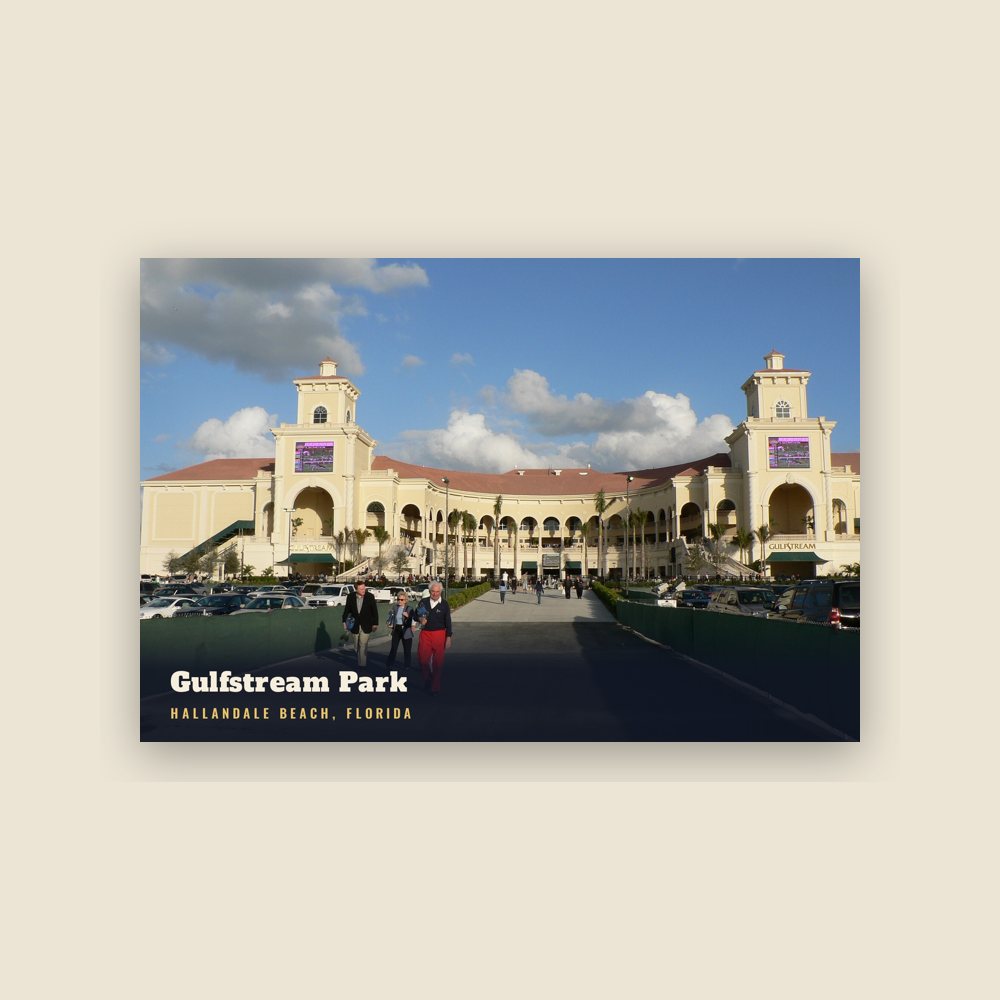
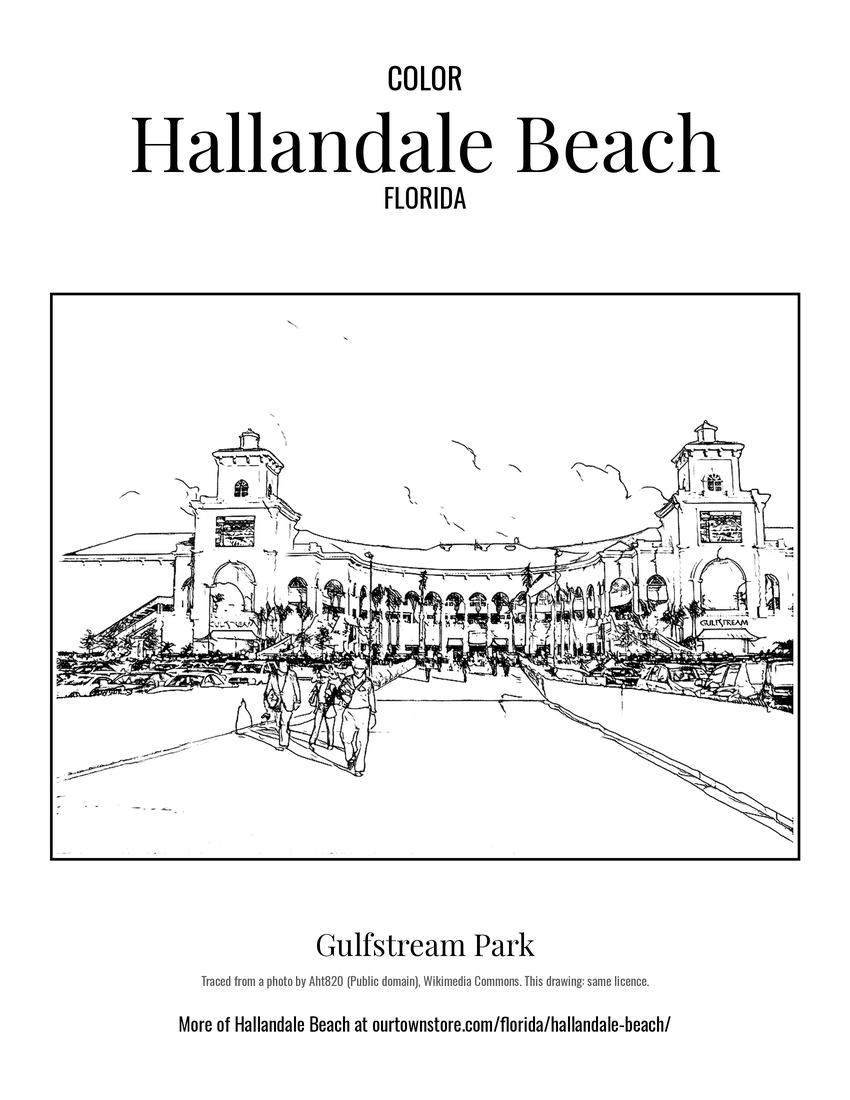 Gulfstream Park
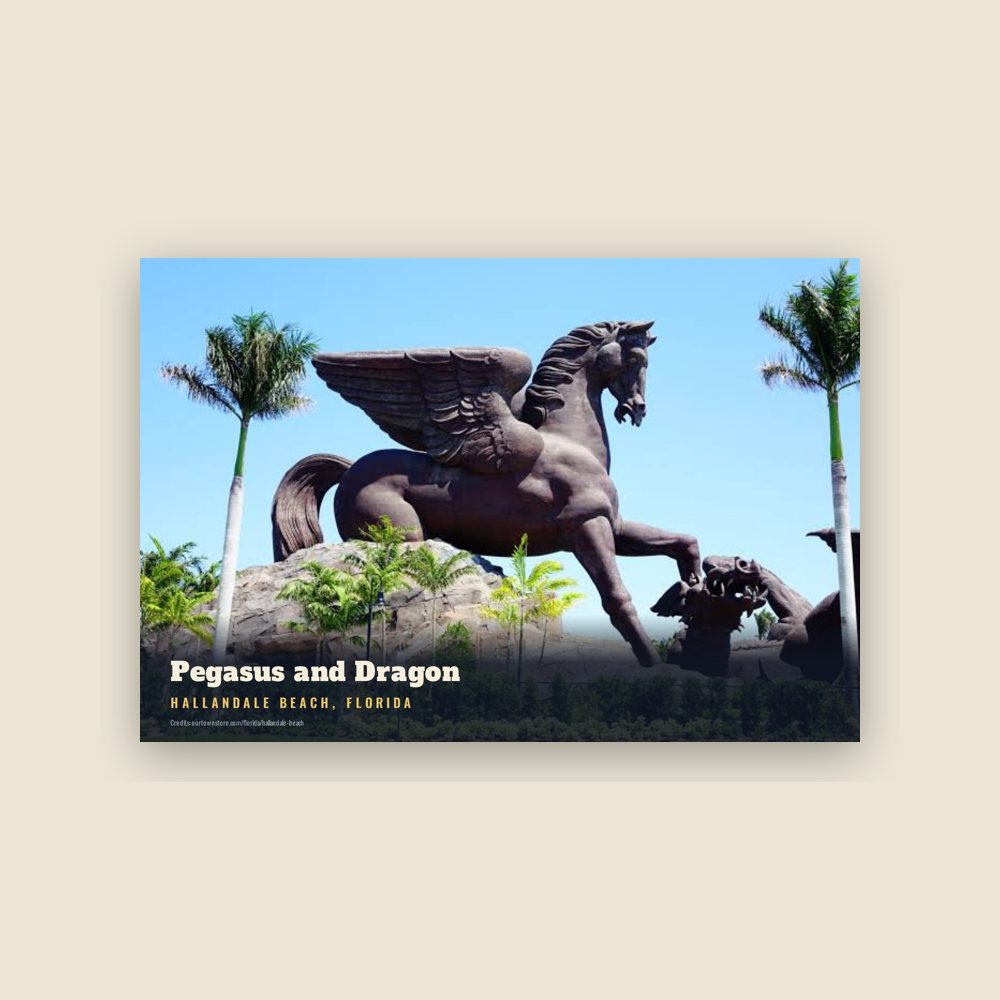
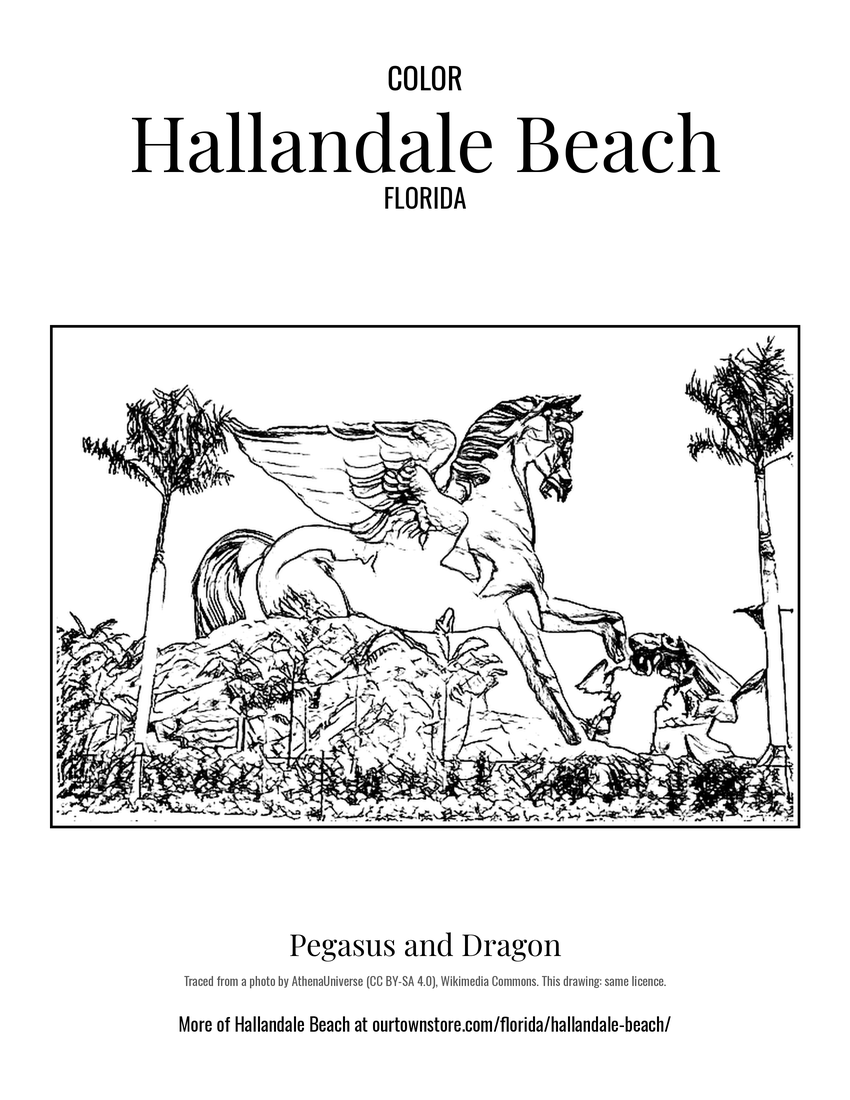 Pegasus and Dragon
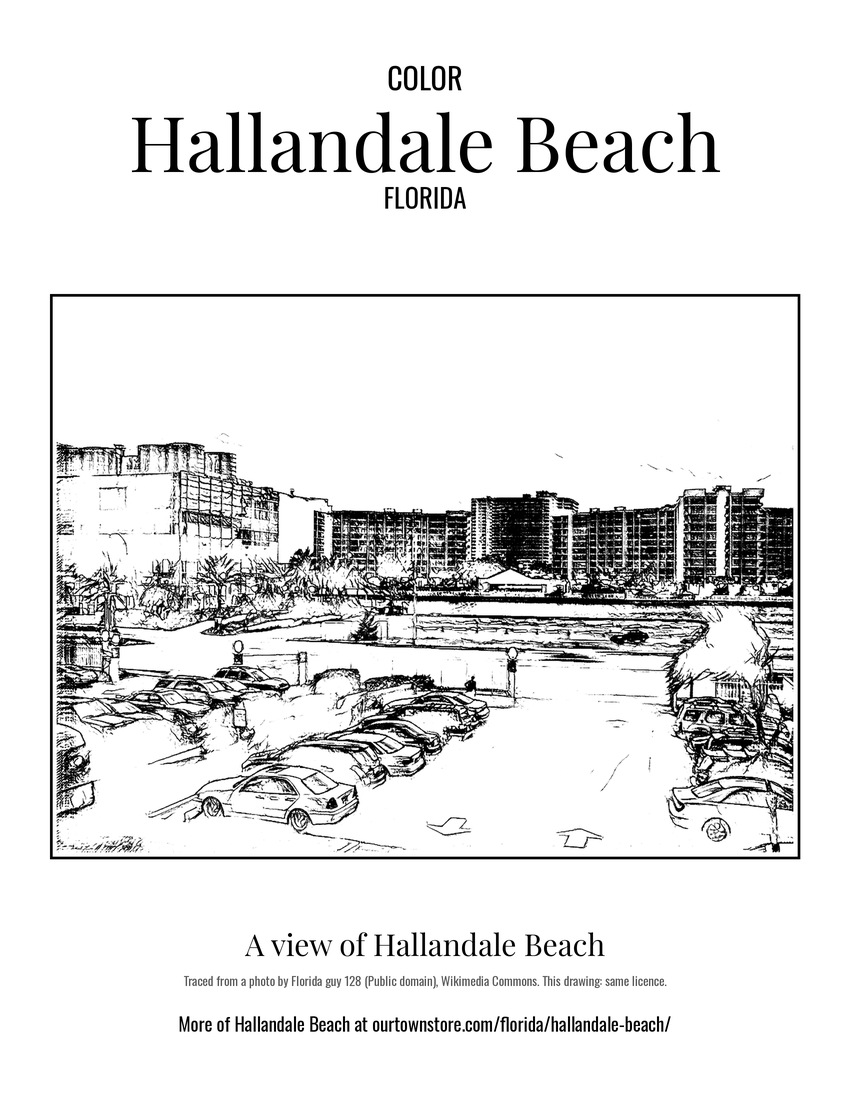 A view of Hallandale Beach