A short history of Green Cove Springs
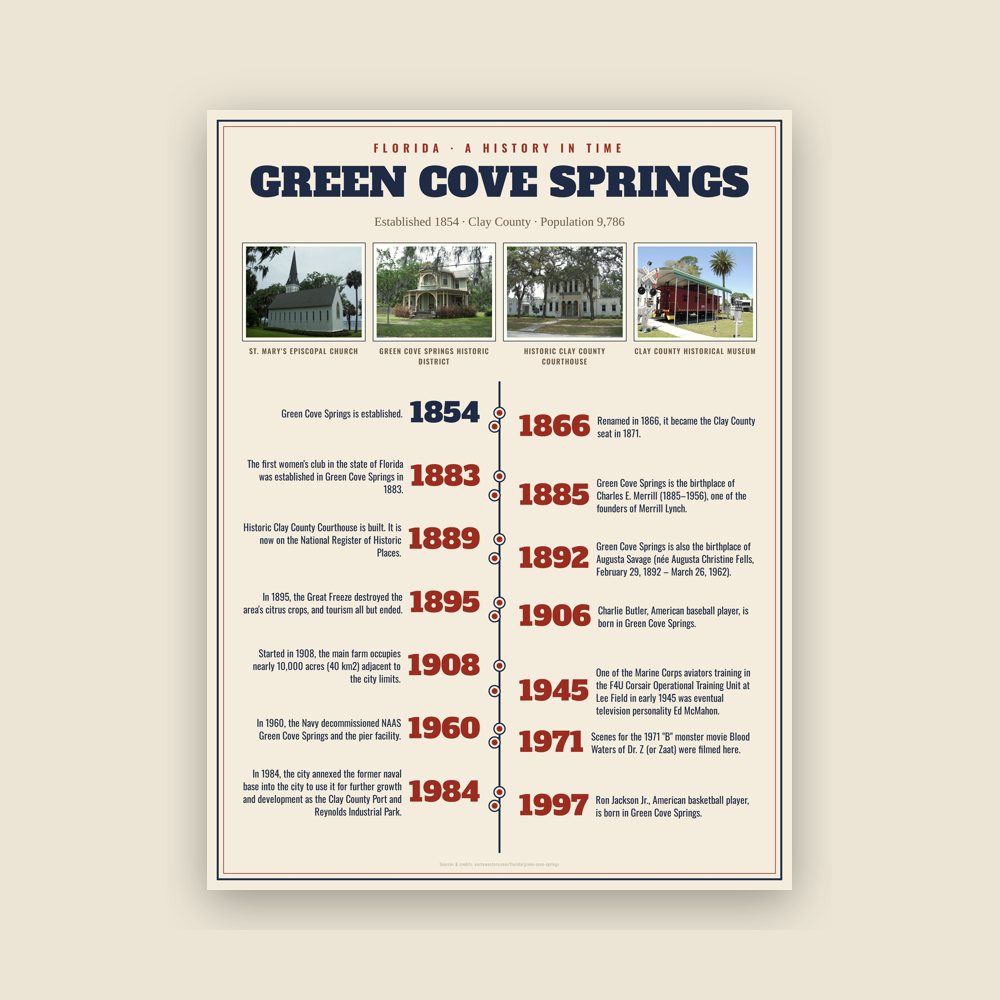
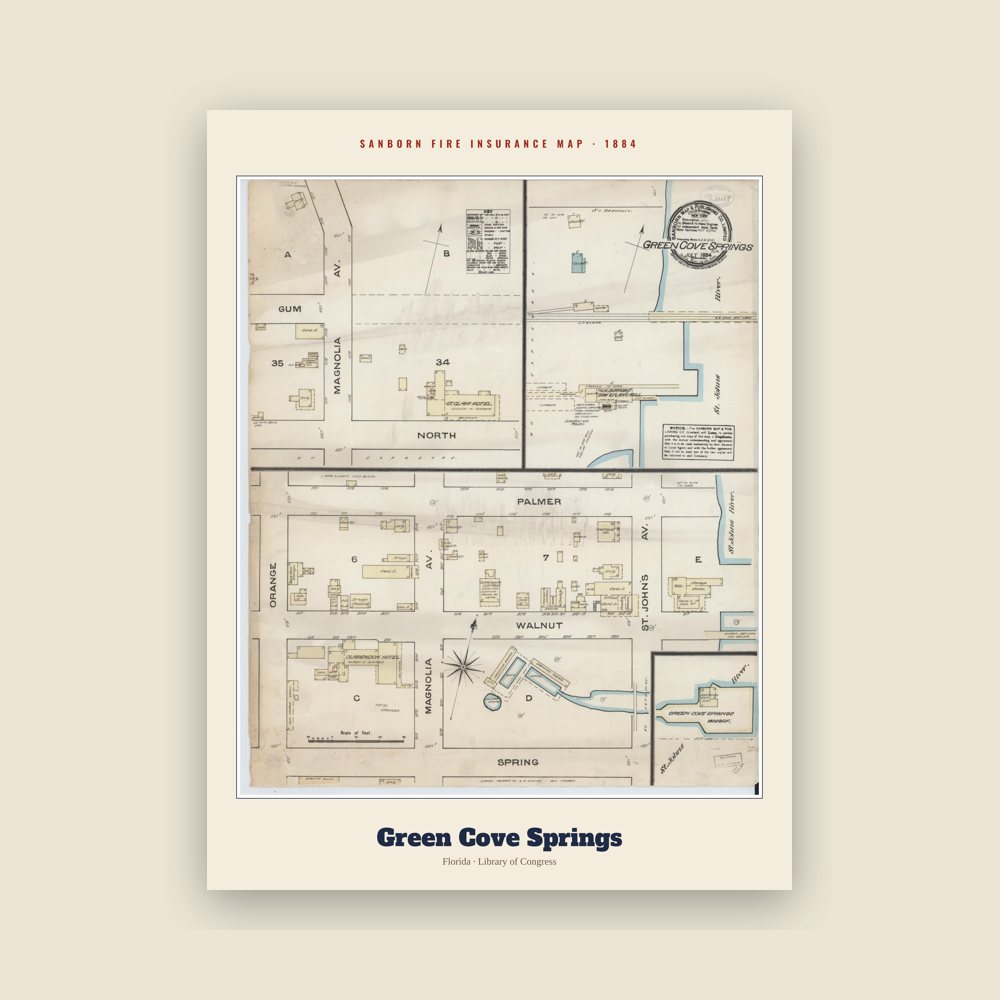
The area was first inhabited over 7,000 years ago by Native Americans attracted to a warm mineral spring. The hydrological spring, locally known as the "Original Fountain of Youth", attracted patrons in the 19th century to the spa town, where more than a dozen hotels were built near the spring to accommodate them. Today, the sulfur-scented spring water feeds an adjacent public swimming pool before flowing the short distance to the St. Johns River. The Green Cove Springs area was first developed by George J. F. Clarke in 1816 when he was provided land, under a Spanish land grant, to build a sawmill. Green Cove Springs was established in 1854 as White Sulfur Springs. Renamed in 1866, it became the Clay County seat in 1871.
Agriculture and tourism were the two primary economic activities in the area until the end of the 19th century, when Henry Flagler's railroad began taking tourists further south in Florida. In 1895, the Great Freeze destroyed the area's citrus crops, and tourism all but ended. The 1920s had renewed development, with automobile traffic once again bringing in tourists. The Great Depression of the 1930s marked the end of this period of growth for the city.
The first women's club in the state of Florida was established in Green Cove Springs in 1883. The Village Improvement Association led local efforts to beautify the town, and established its first public library.
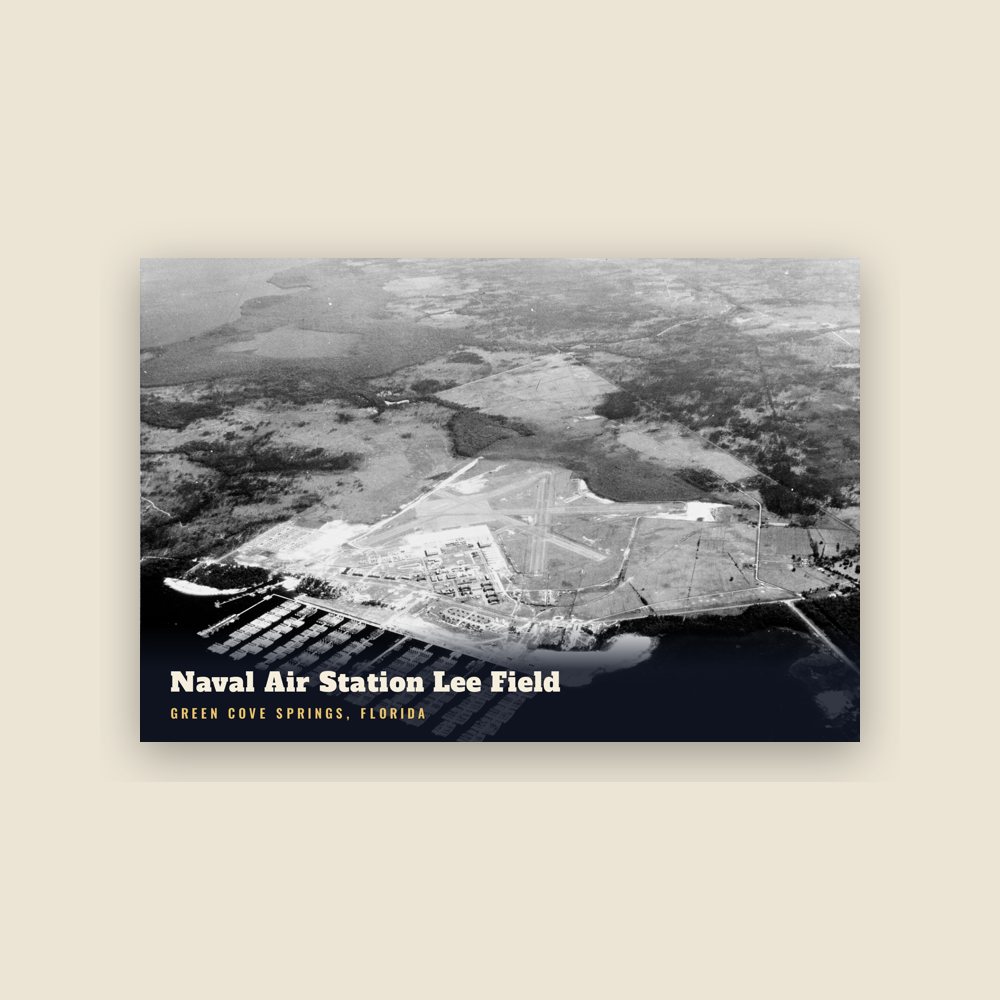
The period immediately before and during World War II again brought new growth to Green Cove Springs. On September 11, 1940, the U.S. Navy opened Naval Air Station Lee Field in honor of Ensign Bejamin Lee, who had lost his life in a crash at Killinghome, England, during World War I. In August 1943, the facility was renamed Naval Air Station Green Cove Springs and consisted of four 5,000-foot (1,500 m) asphalt runways. One of the Marine Corps aviators training in the F4U Corsair Operational Training Unit at Lee Field in early 1945 was eventual television personality Ed McMahon. After the war, NAS Green Cove Springs was downgraded in status to a Naval Auxiliary Air Station (NAAS) as part of the greater NAS Jacksonville complex. Thirteen piers were constructed along the west bank of the St. Johns River adjacent to NAAS Green Cove Springs to house a U.S. Navy Atlantic Reserve Fleet, Florida "mothball fleet" of some 500 vessels, primarily destroyers, destroyer escorts, and fleet auxiliaries. In 1960, the Navy decommissioned NAAS Green Cove Springs and the pier facility. Some of the mothballed vessels were transferred to foreign navies, while others were relocated to other Reserve Fleet locations.
In 1984, the city annexed the former naval base into the city to use it for further growth and development as the Clay County Port and Reynolds Industrial Park. The air station is now a private airfield known as Reynolds Airpark (FAA airfield identifier FL60) with a single 5,000-foot (1,500 m) asphalt runway currently operational, although reportedly in poor condition. Though the original air traffic control tower is still standing, attached to one of the former Navy aircraft hangars, the airfield remains an uncontrolled facility.
Green Cove Springs is the birthplace of Charles E. Merrill (1885–1956), one of the founders of Merrill Lynch. The town's spring is described by his son James Merrill in the poem "Two From Florida", published in The Inner Room (1988).
Green Cove Springs is also the birthplace of Augusta Savage (née Augusta Christine Fells, February 29, 1892 – March 26, 1962). Savage was an African-American sculptor associated with the Harlem Renaissance.
Locally, the community is known as the home of Gustafson's Farm, a brand name of milk and dairy products sold throughout Florida. The main Gustafson Dairy Farm is located in Green Cove Springs and is one of the largest privately owned dairy farms in the Southeastern United States. Started in 1908, the main farm occupies nearly 10,000 acres (40 km2) adjacent to the city limits. Gustafson's has many bottling plants across the state, stretching from Tallahassee in the west to Tampa and Cocoa in the south. All Gustafson products have the picture of the husband-and-wife founders, Frank and Agnes Gustafson (also known as Mama and Papa Gus), who along with their first cow on their farm (named "Buttercup") are prominently featured on the packaging of the dairy's products.
Scenes for the 1971 "B" monster movie Blood Waters of Dr. Z (or Zaat) were filmed here. The movie was satirized on the television program Mystery Science Theater 3000.
Read the full history
Historic places
Adapted (trimmed) from the Wikipedia article Green Cove Springs, Florida, revision 1375228224 by its contributors, licensed CC BY-SA 4.0.
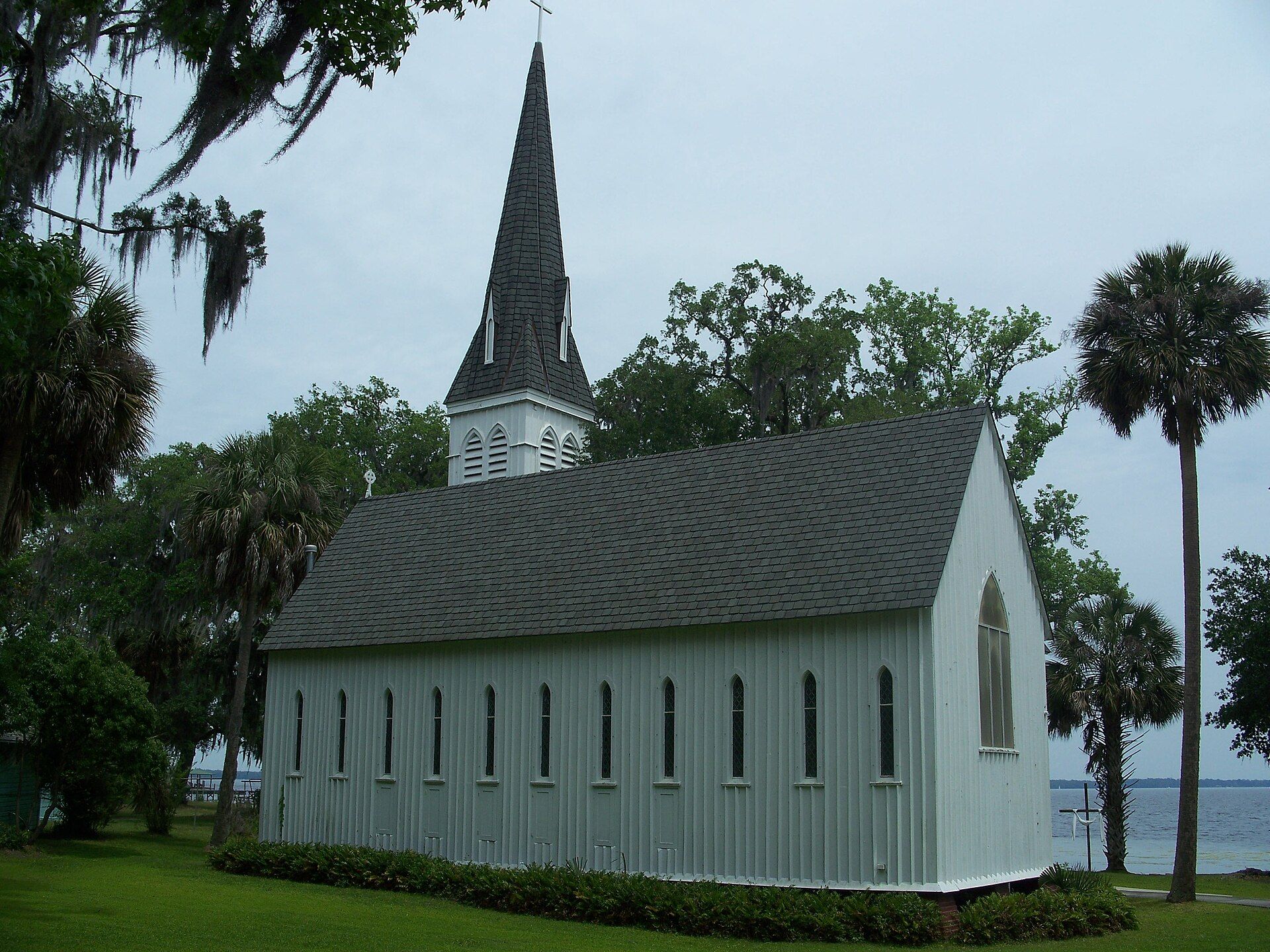
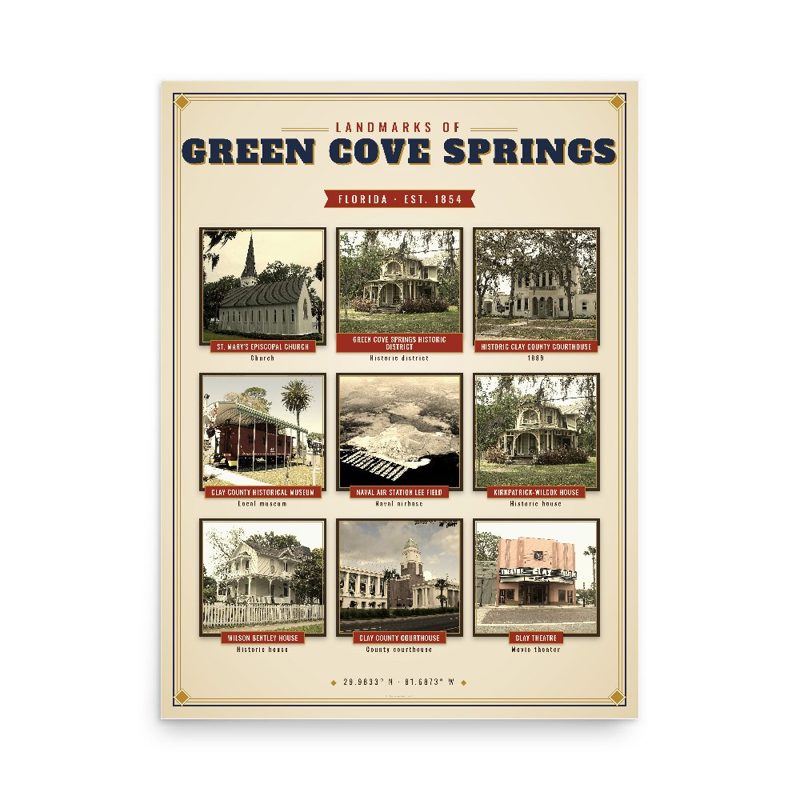
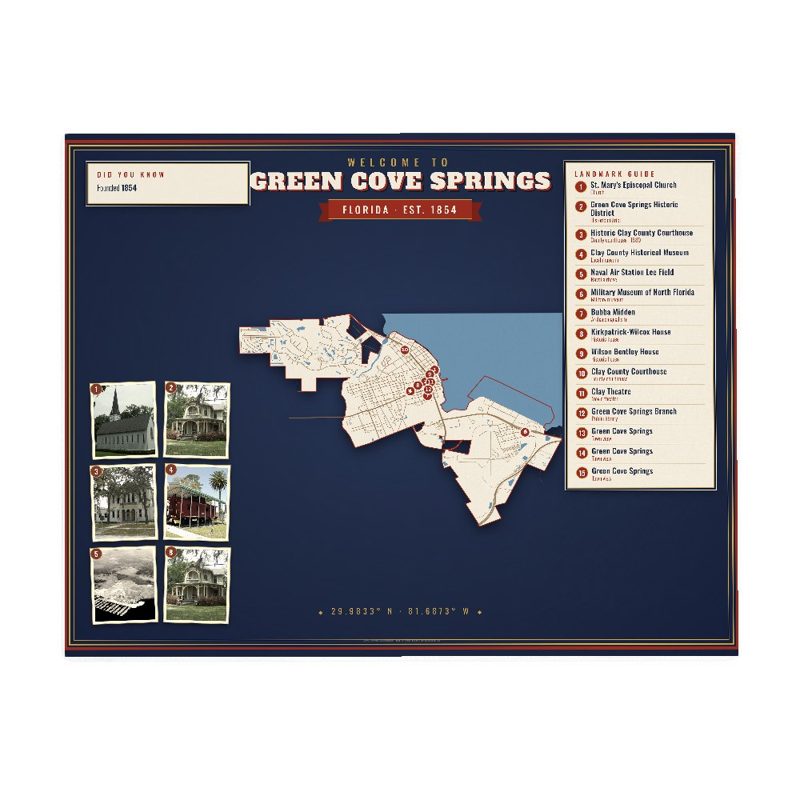








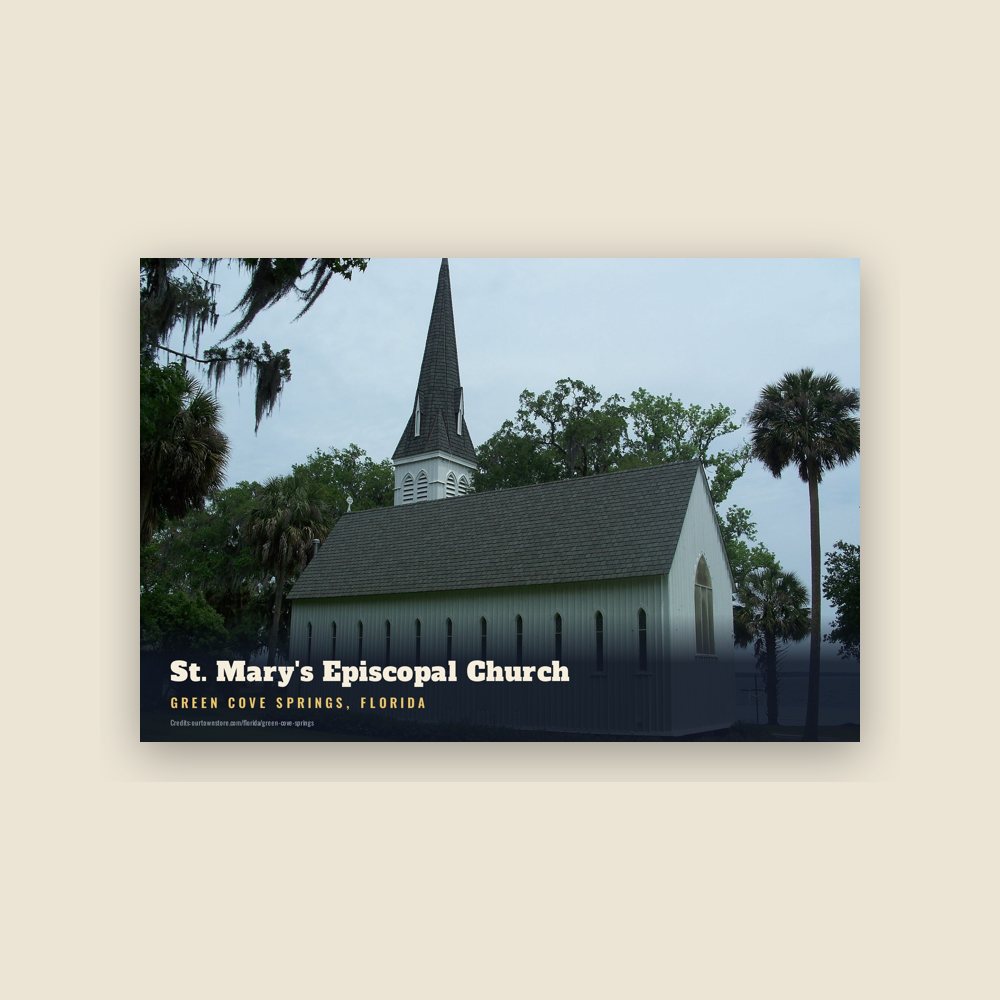
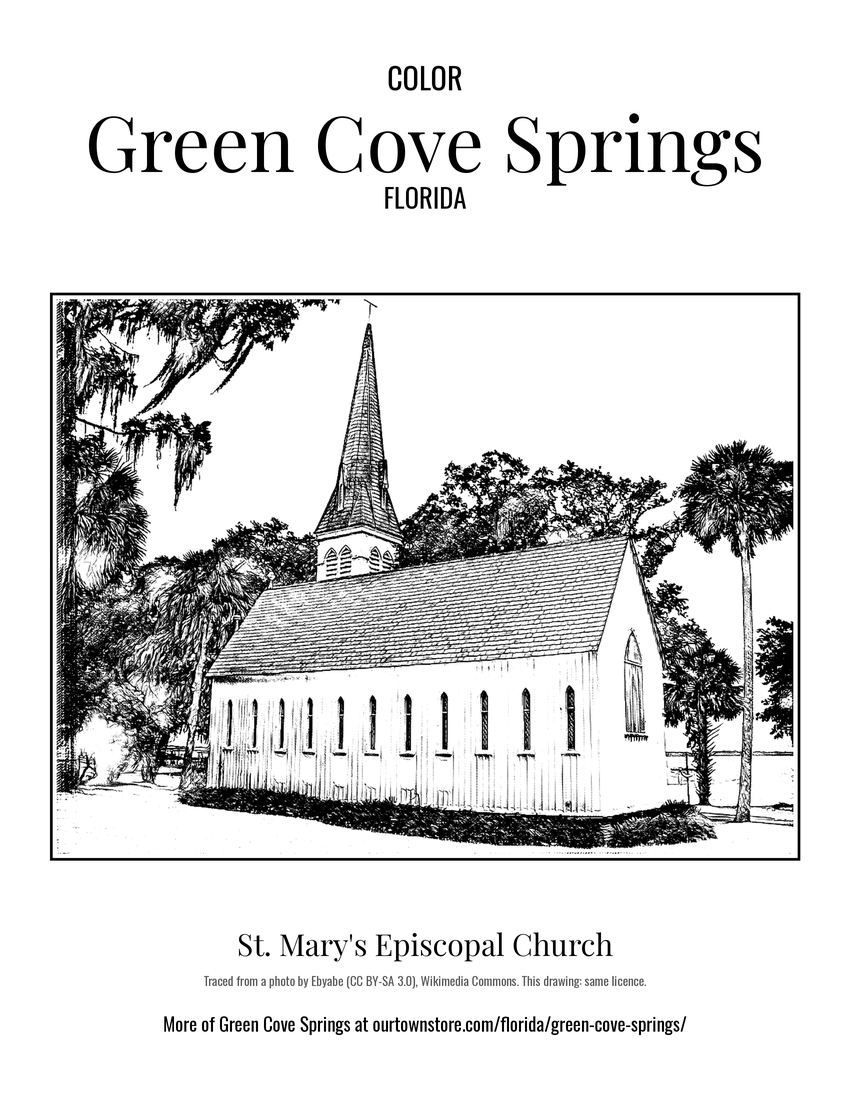 St. Mary's Episcopal Church
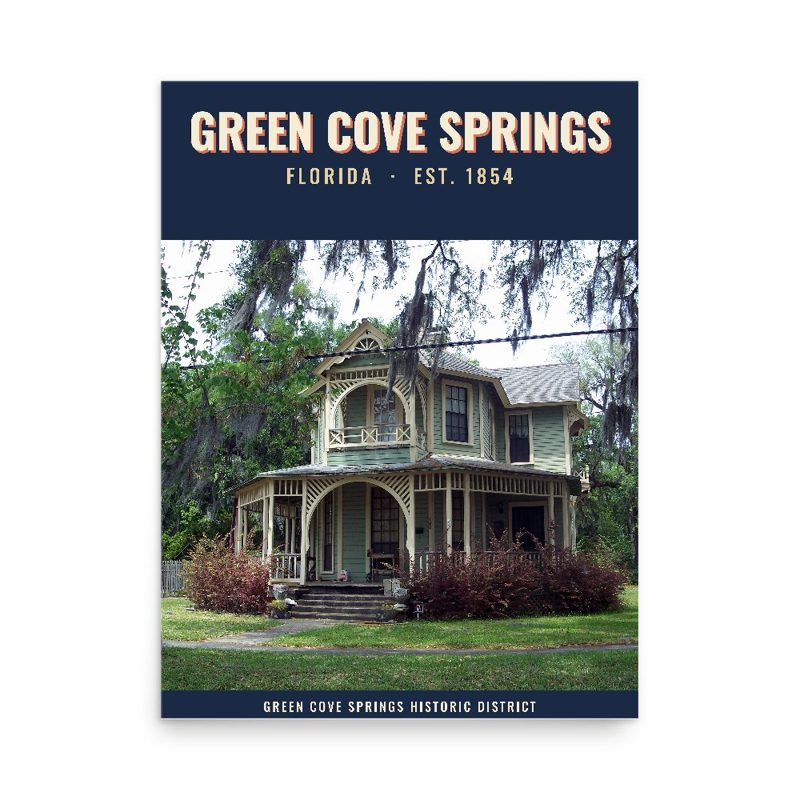
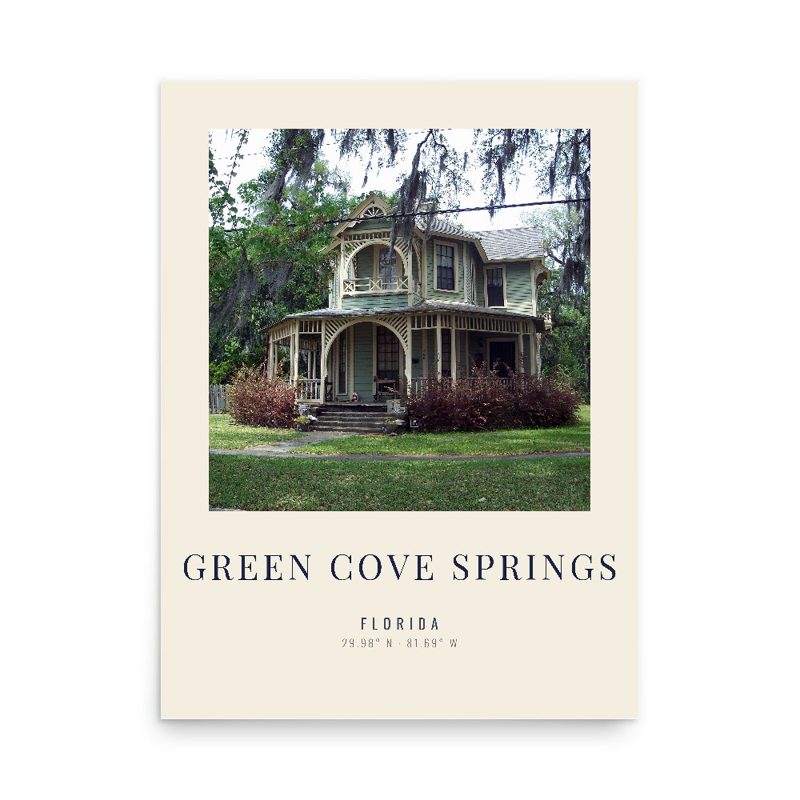
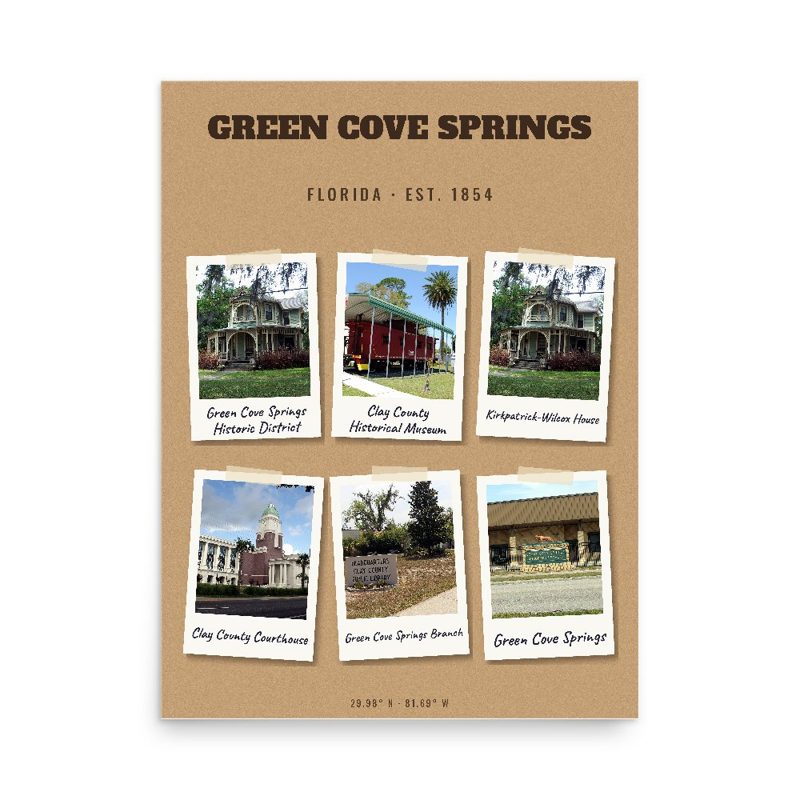
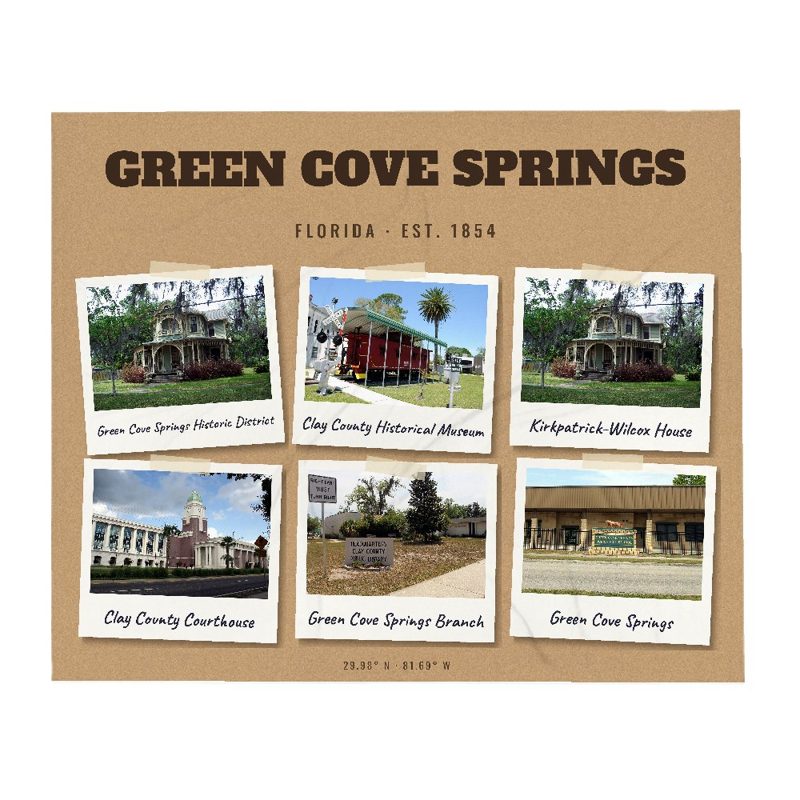
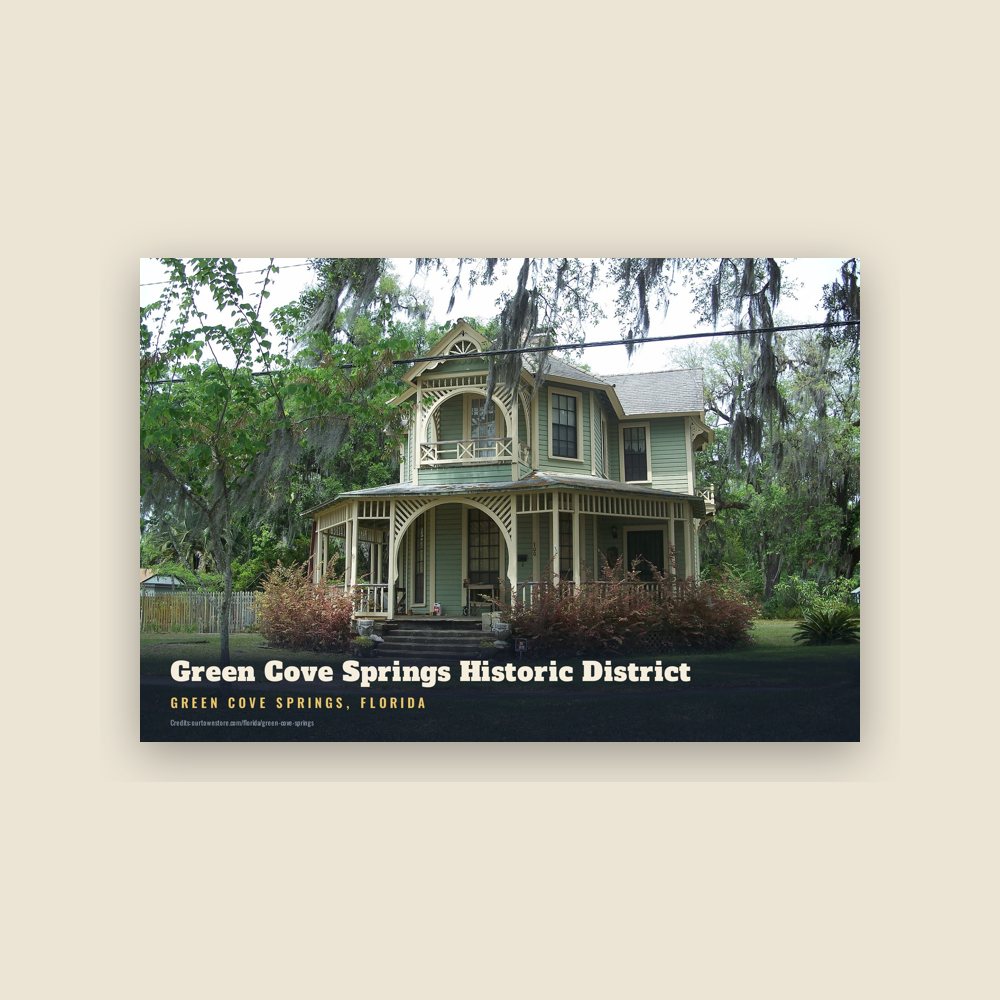
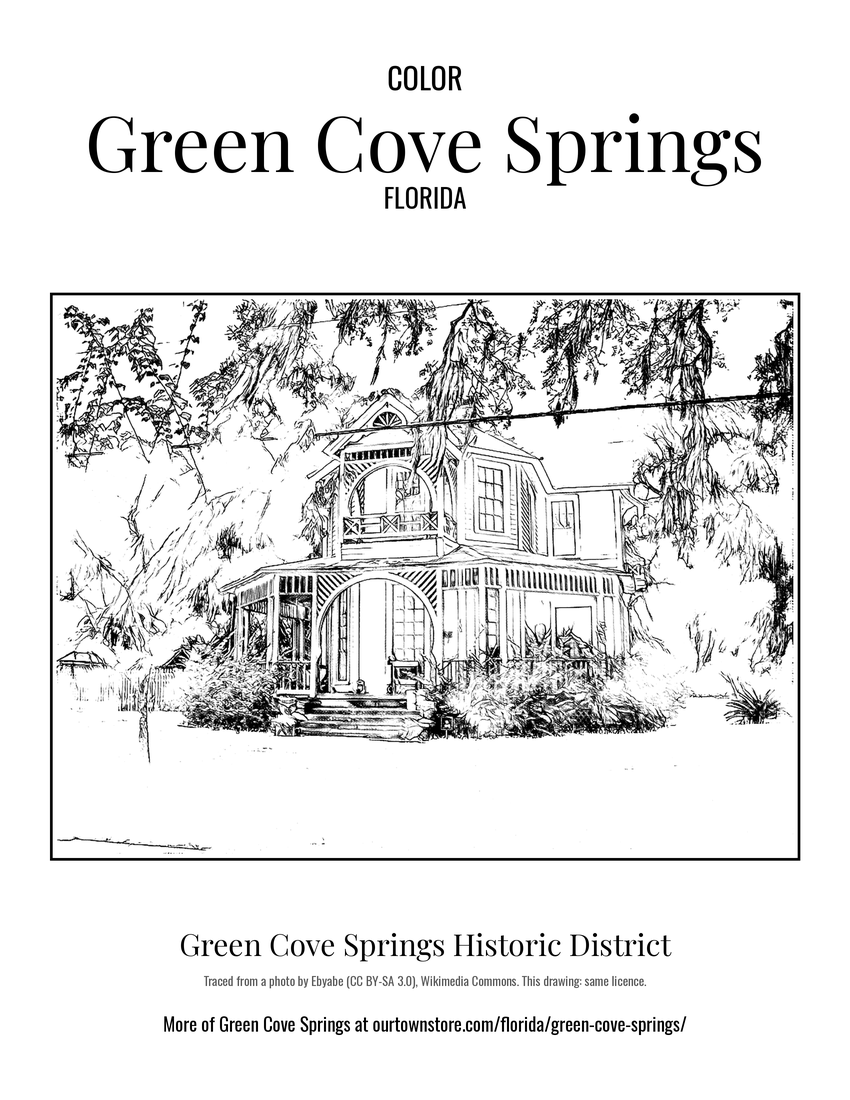 Green Cove Springs Historic District
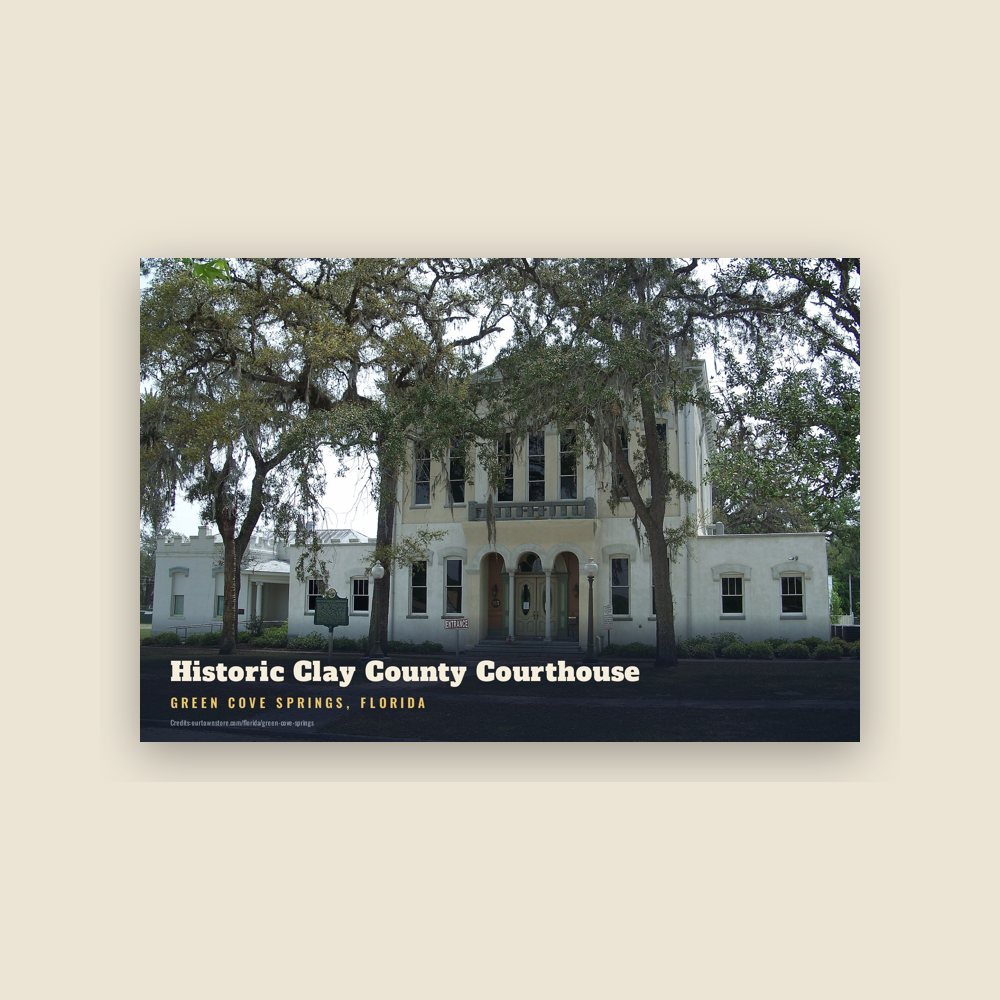
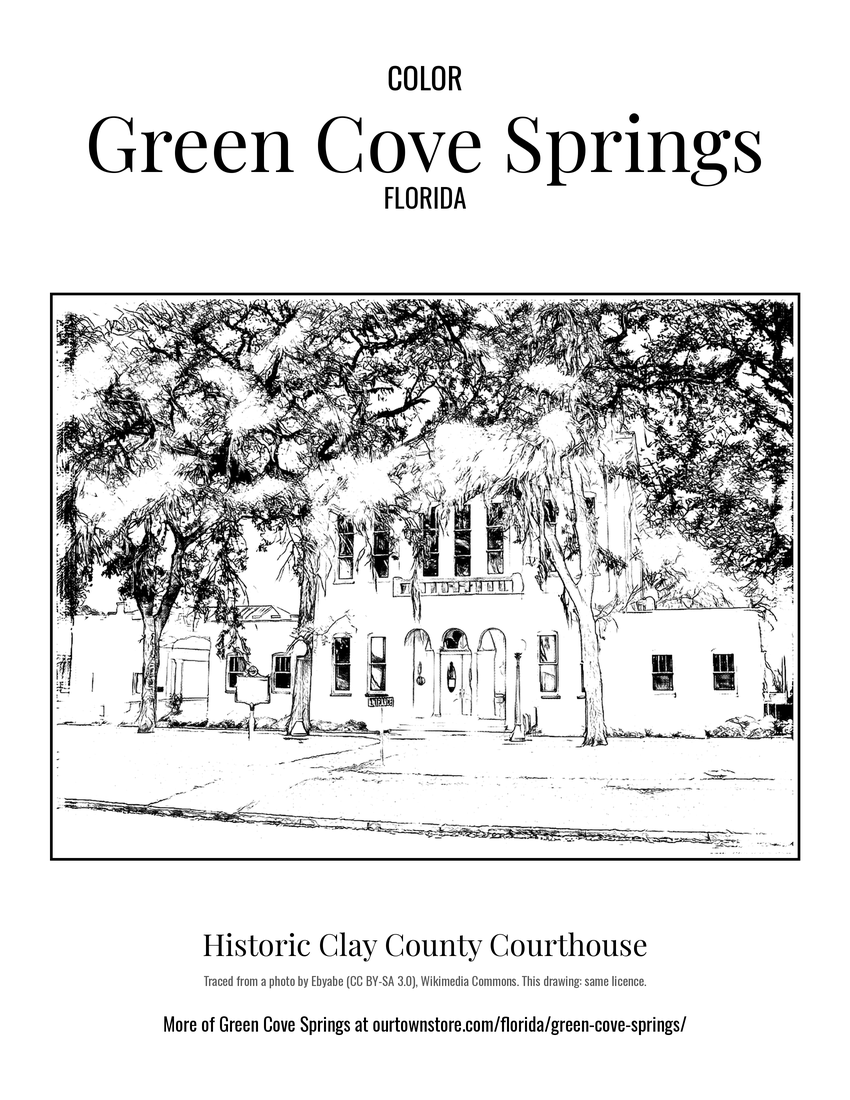 Historic Clay County Courthouse
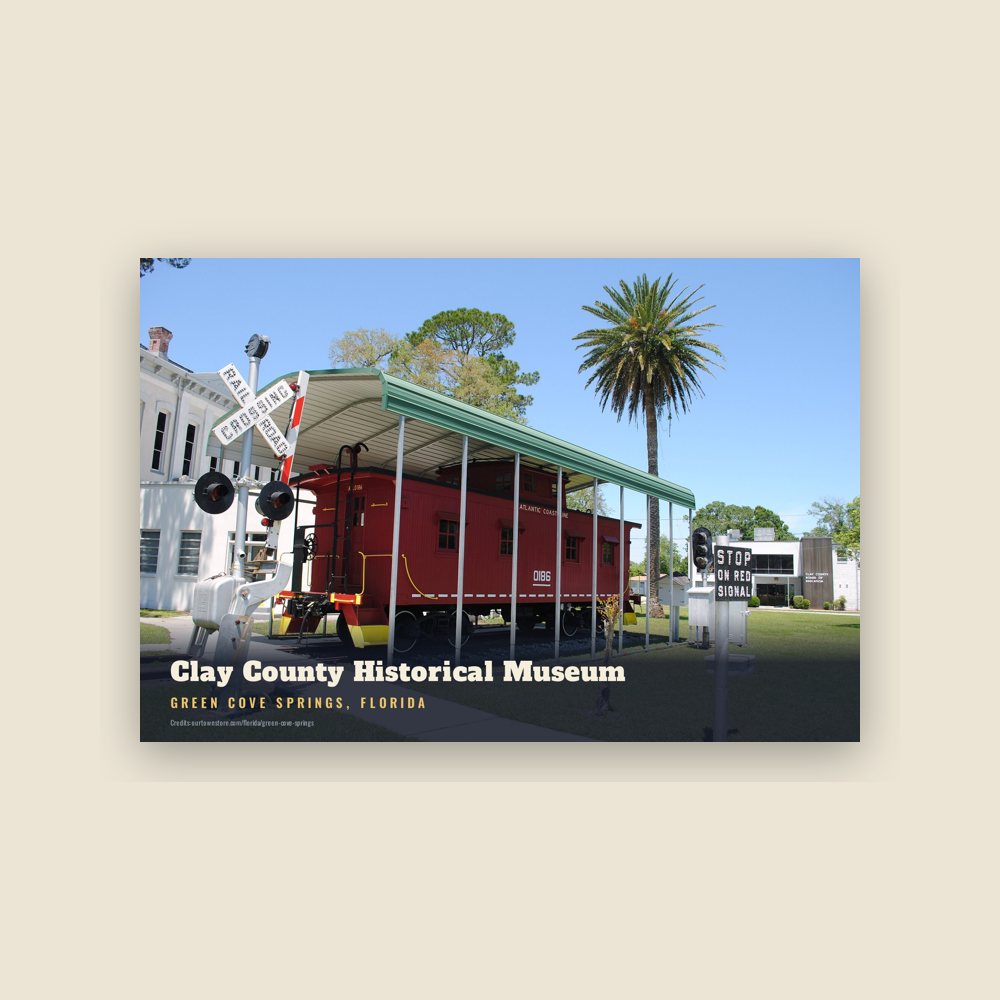
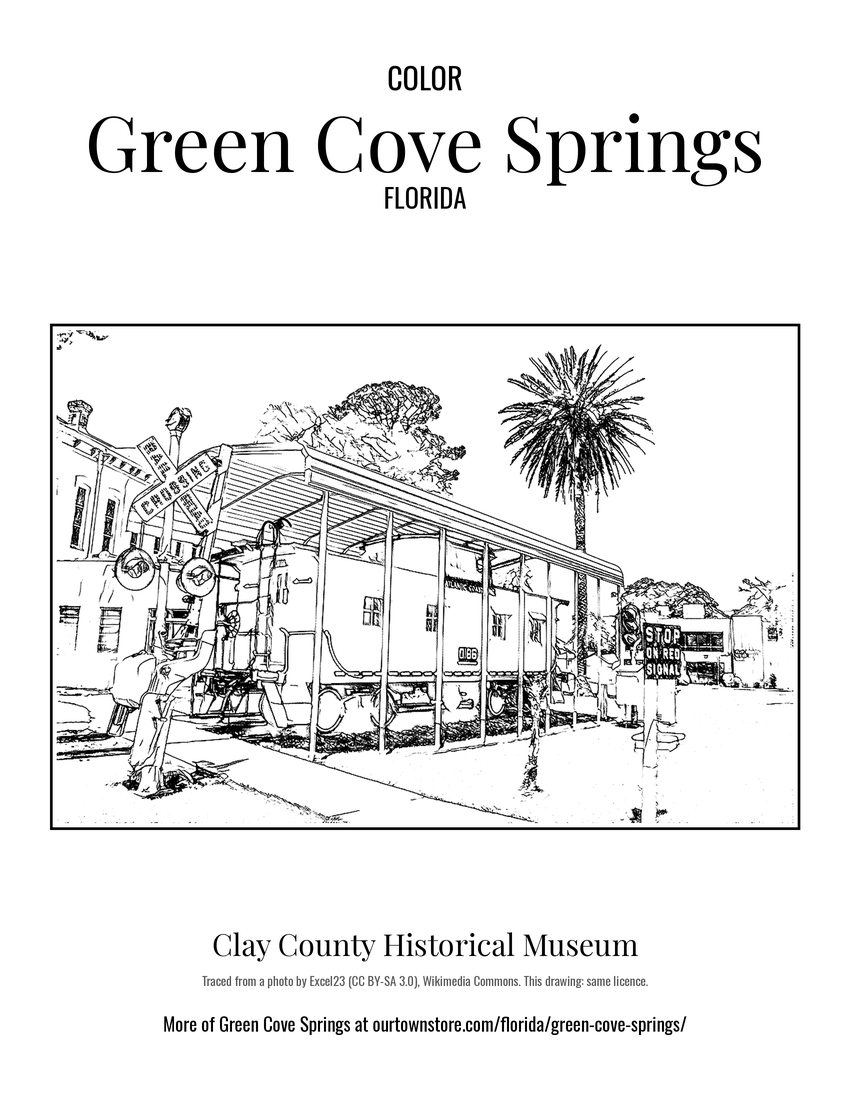 Clay County Historical Museum