A short history of Laurel
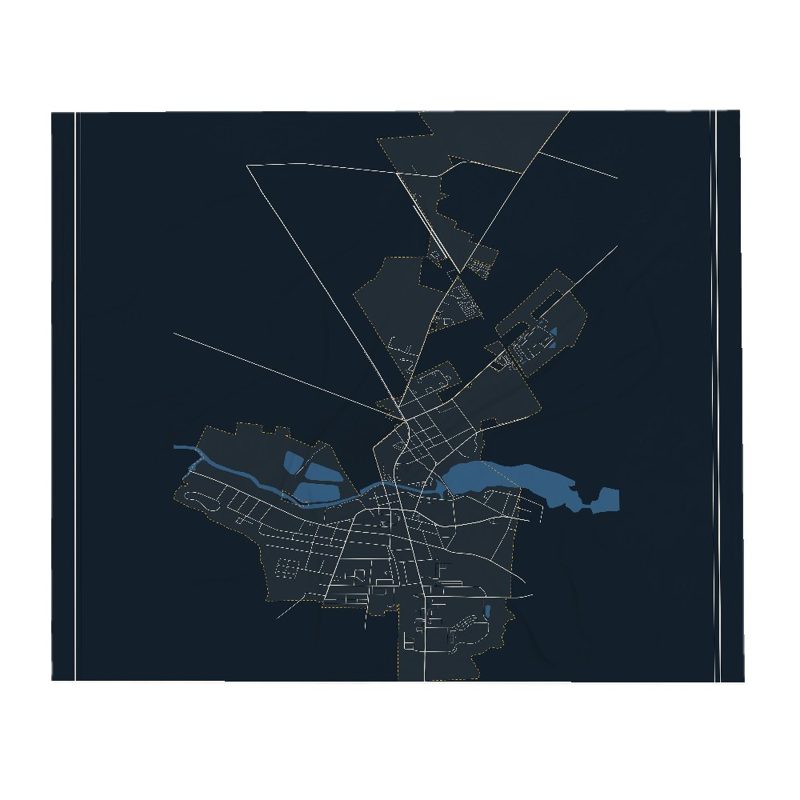
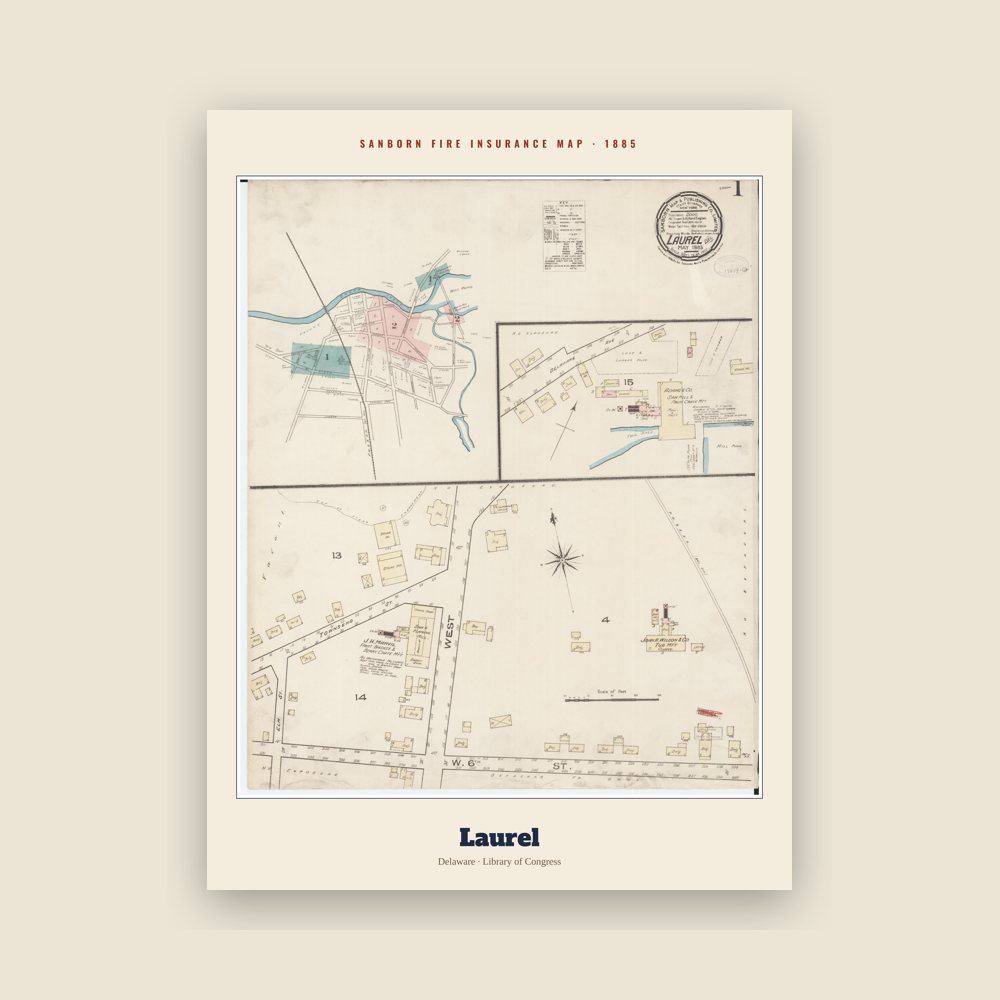
The site of the town of Laurel was a Nanticoke settlement known as Broad Creek Town during most of the eighteenth century. Its Nanticoke name is unknown. The Indian settlement was created on tracts known as Bachelor's Delight and Greenland in 1711 when the government of Maryland, who originally claimed this part of Delaware, set aside land for the Nanticoke tribe. Nearly all the Indian residents left within 50 years, relocating to western Pennsylvania. The present town was laid out along the Broad Creek in the 1790s and was named for the laurel bushes that grew alongside the creek.
On March 29, 1929, the town was merged with the neighboring town of North Laurel which comprised most of the current town north of Broad Creek (then known as Laurel River). This merger was not properly reported to the United States Census Bureau, which resulted in the North Laurel's population not being included with the population of Laurel in the 1930 United States census. As such, the US Census Bureau did not immediately make a change to the 1930 population statistics once the error was discovered, however it acknowledged in 1940 that the correct population for Laurel in 1930 was 2,542.
West Laurel is one of Delaware's oldest free Black communities. According to the Delaware Historical Society, West Laurel dates back to the 1790s. At some point in the 1870s Captain Theodore Marsh settled in West Laurel, brought property, broke the property down into plots and sold them to his shipmates. The graveyard for New Zion United Methodist church in West Laurel, which has been around since the early 1800s is the resting place of Marsh and his shipmates.
Adapted (trimmed) from the Wikipedia article Laurel, Delaware, revision 1379047279 by its contributors, licensed CC BY-SA 4.0.
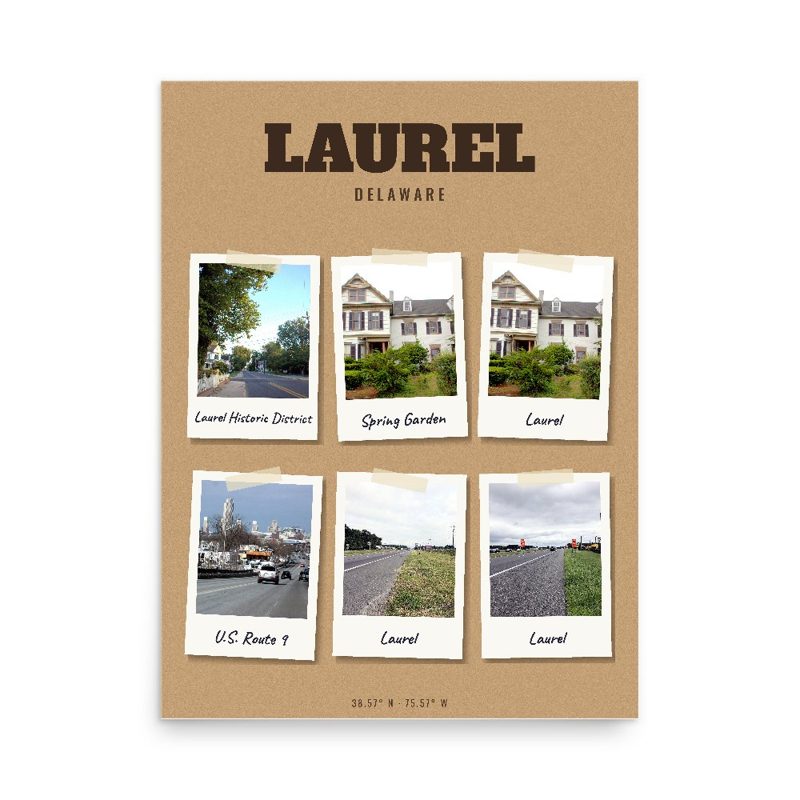
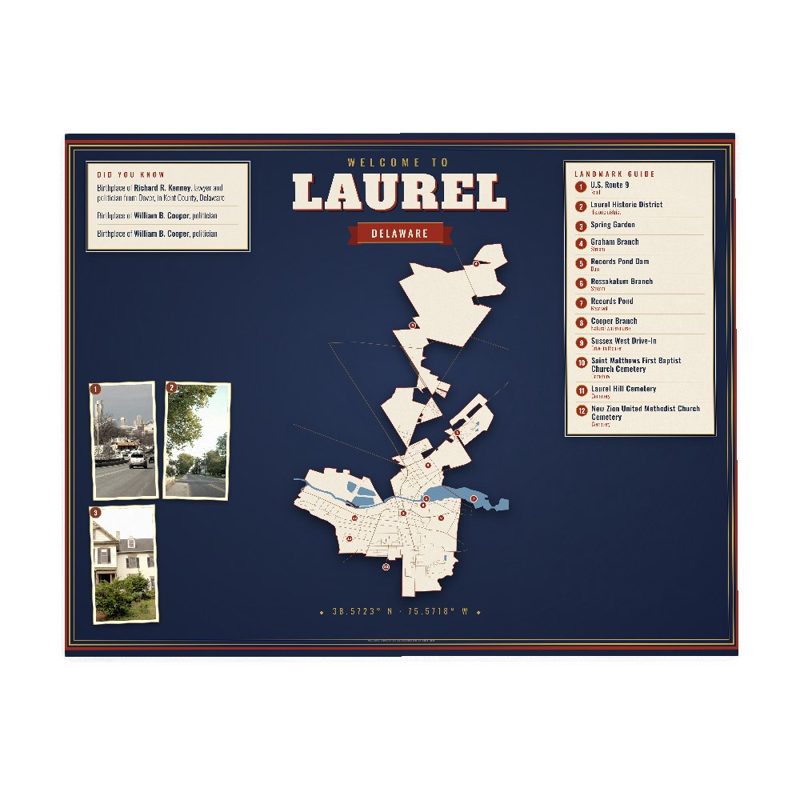







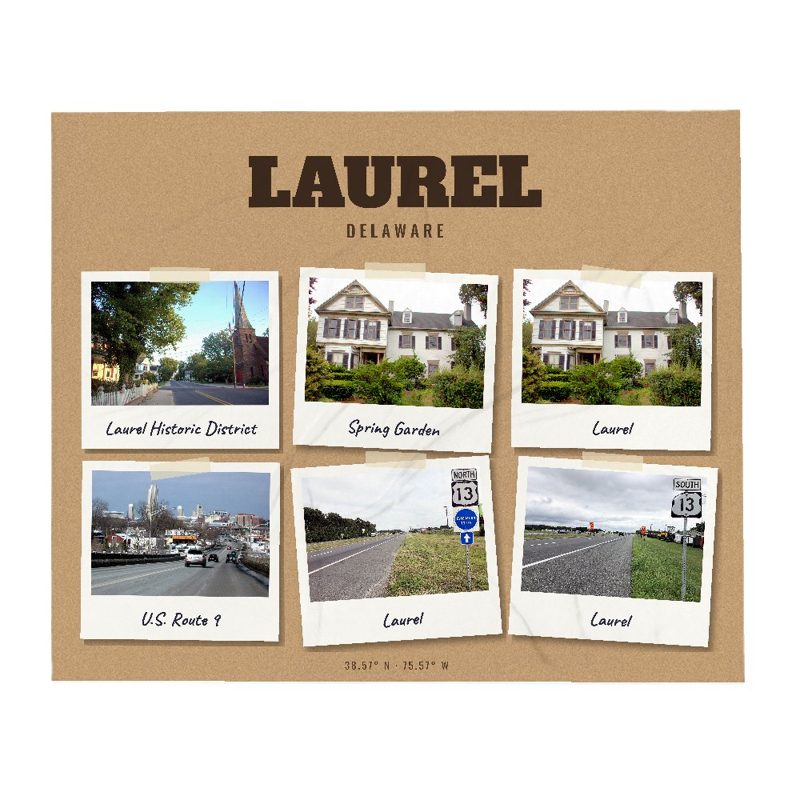
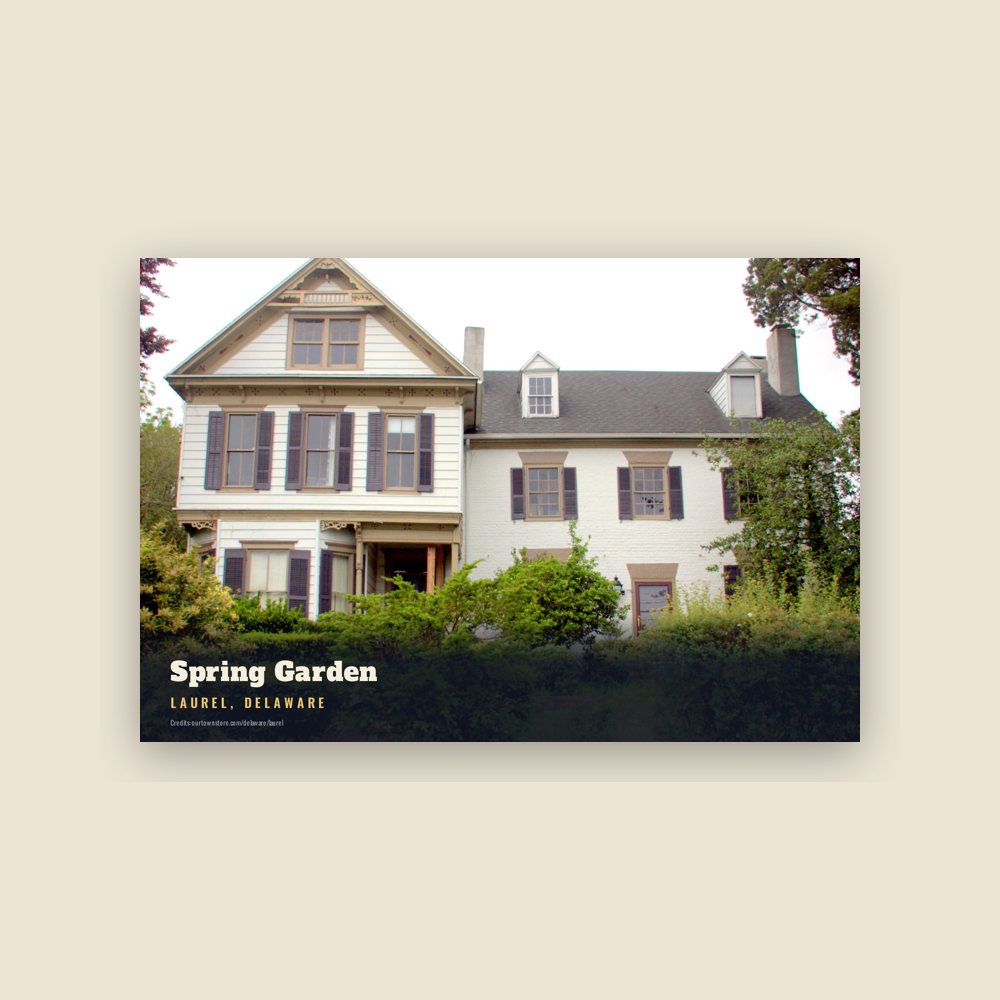
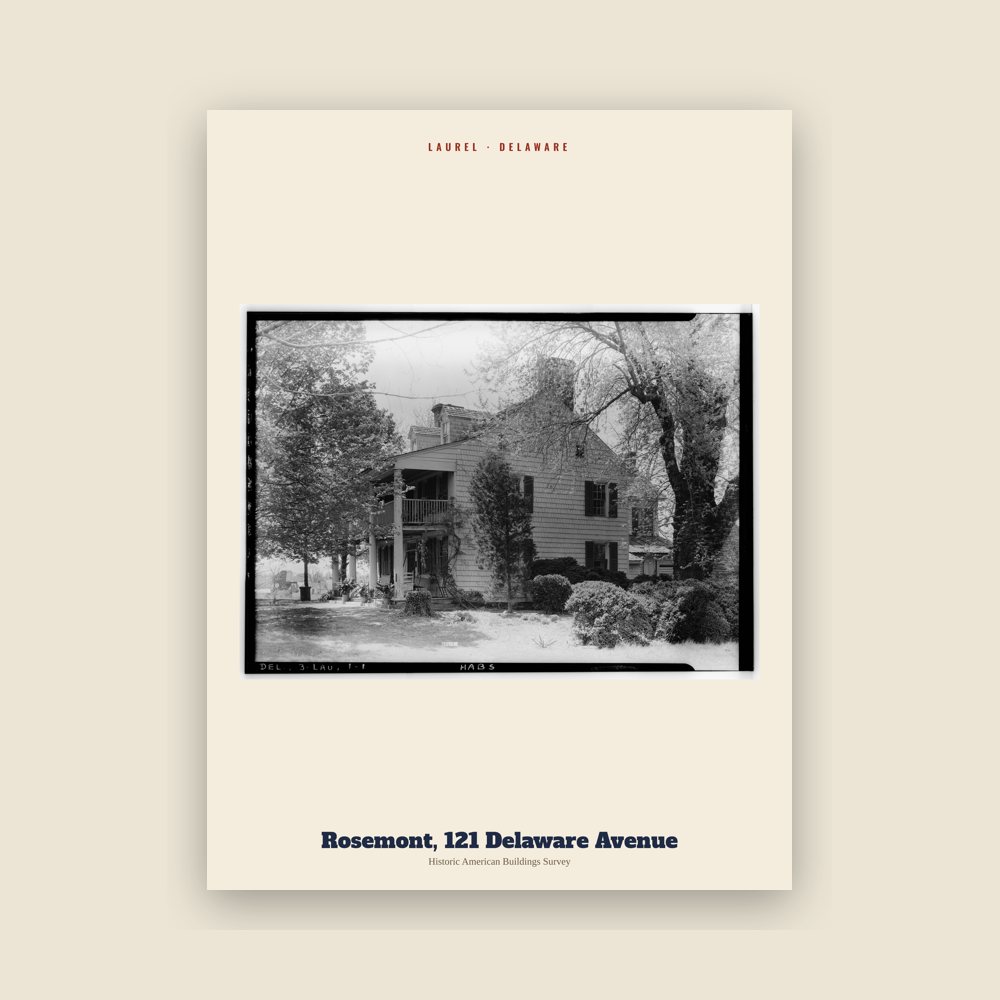
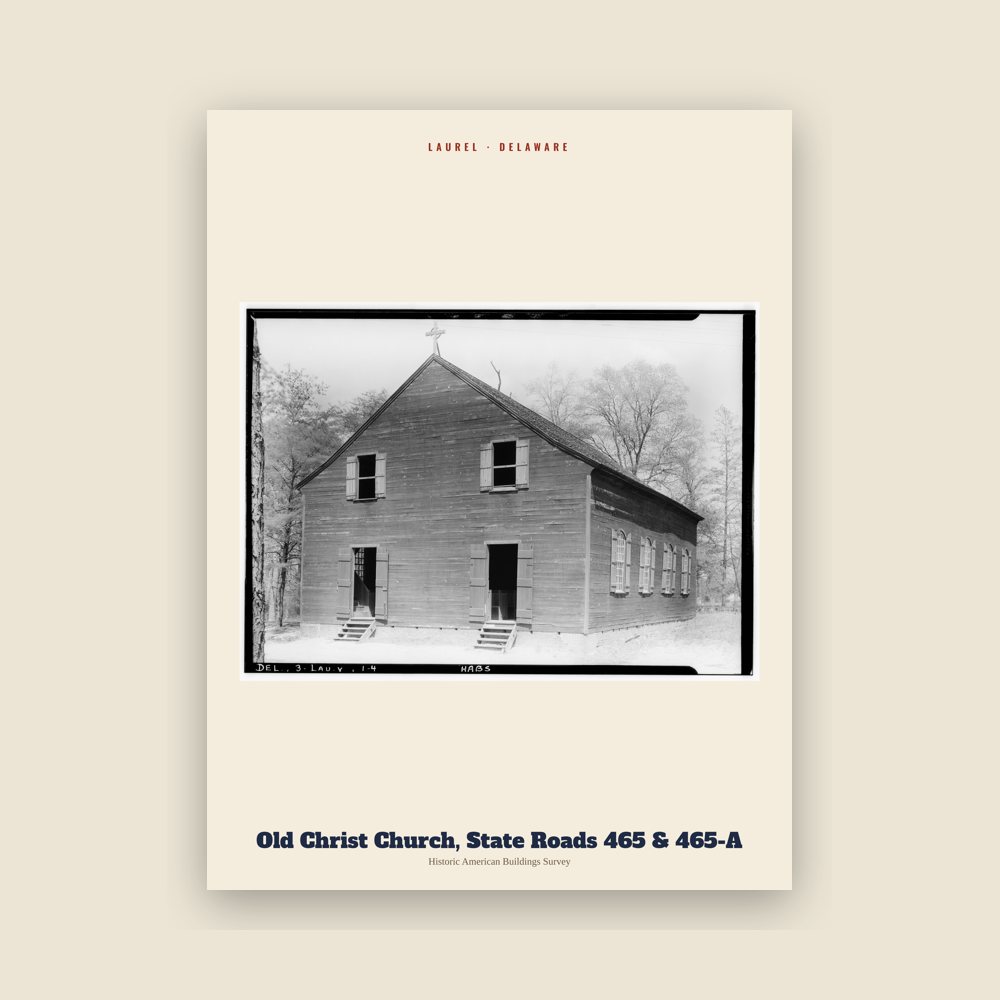
 Spring Garden
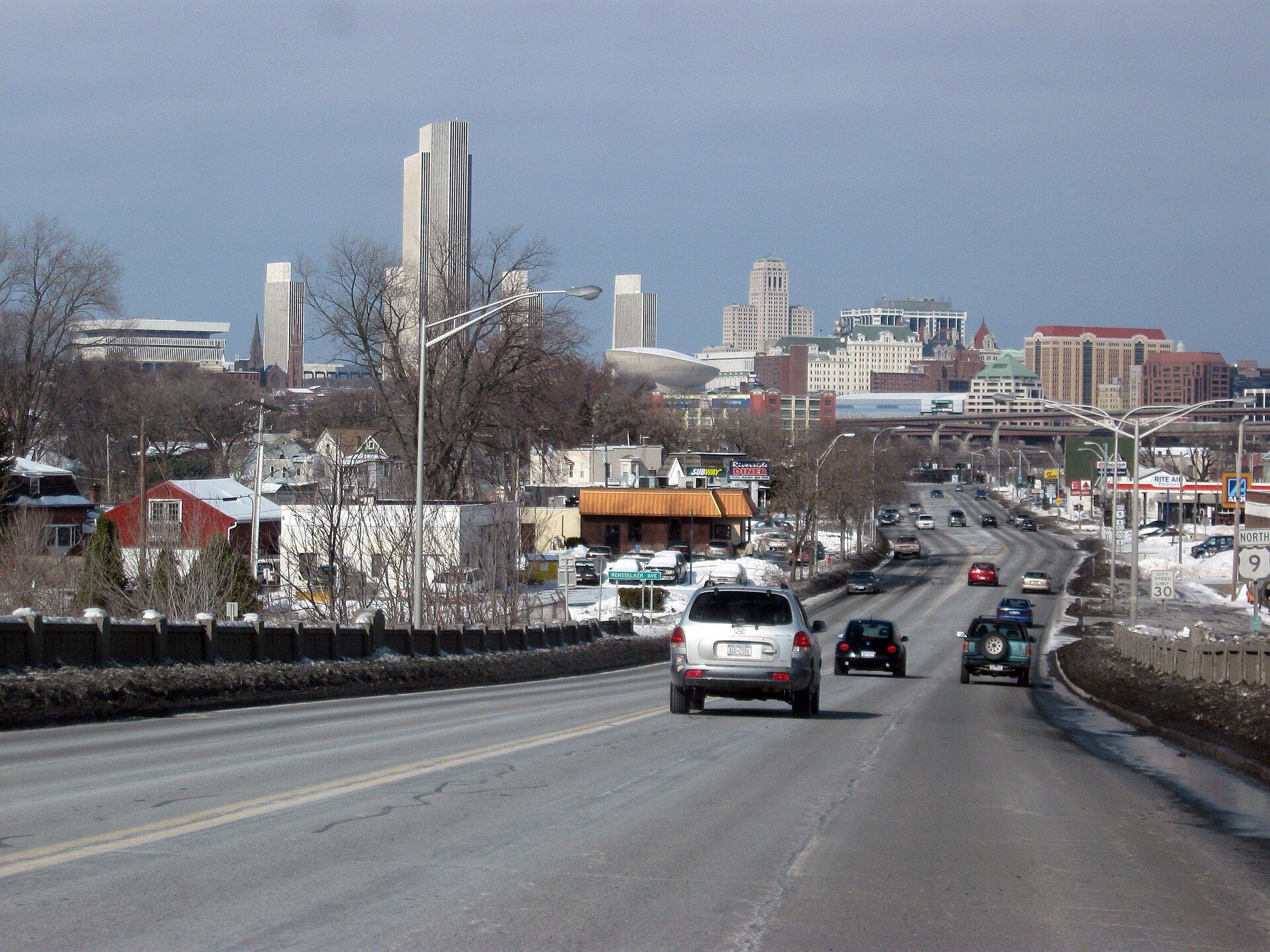
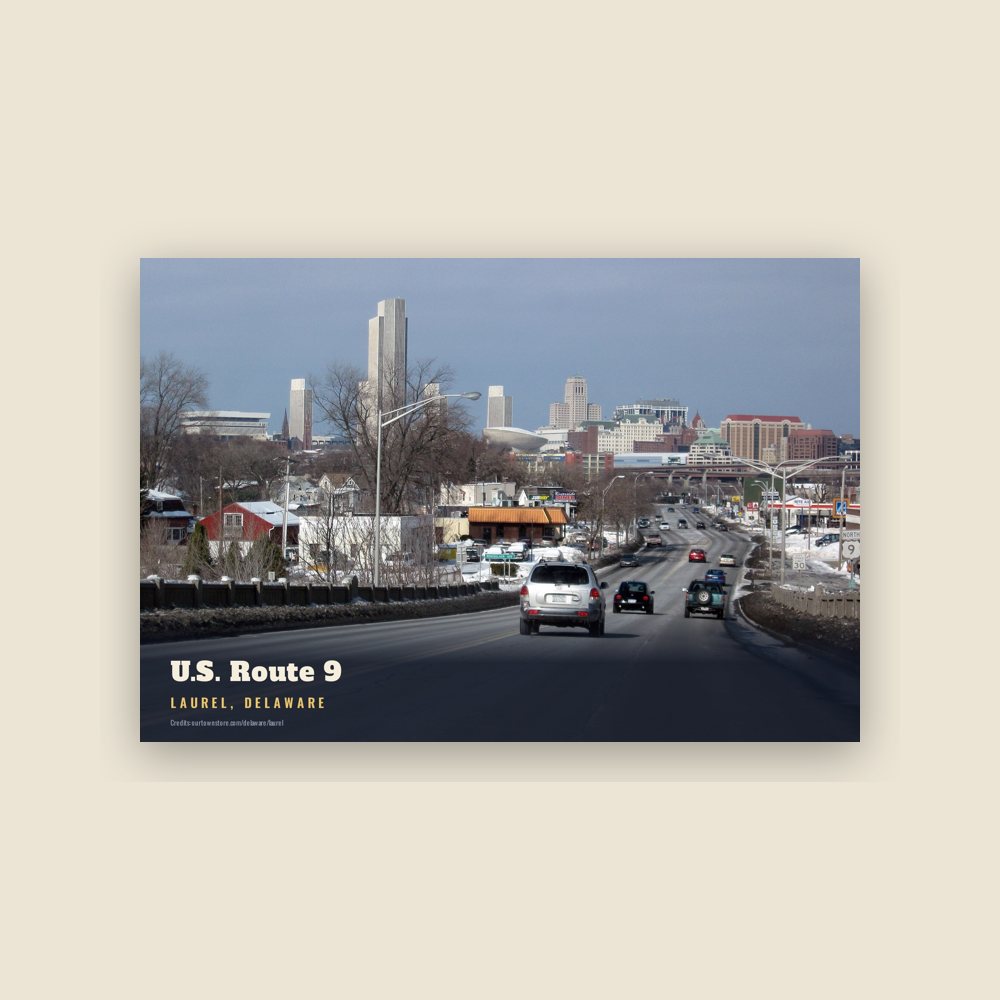
 U.S. Route 9
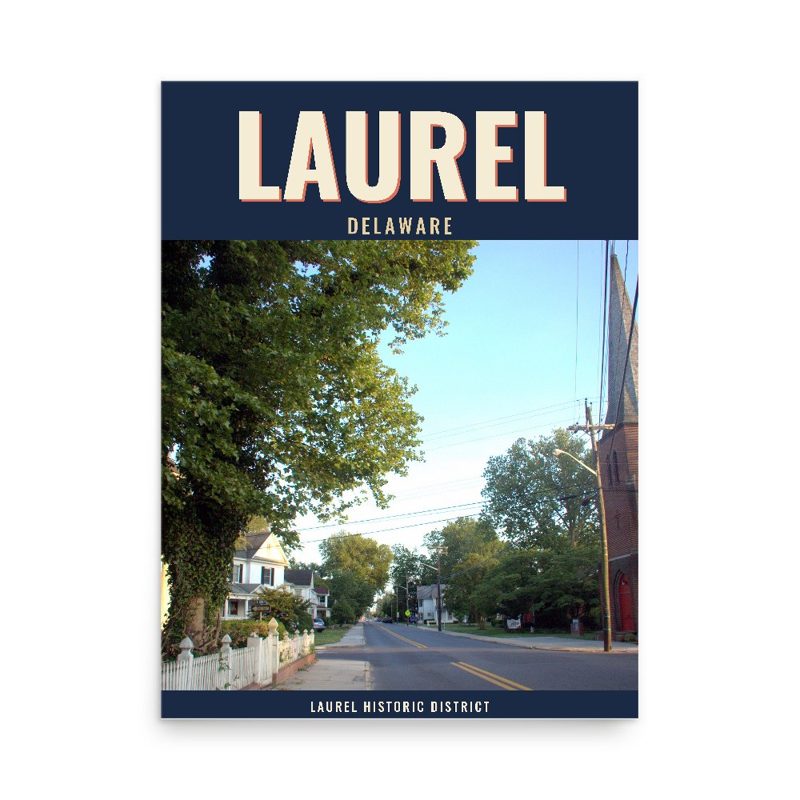
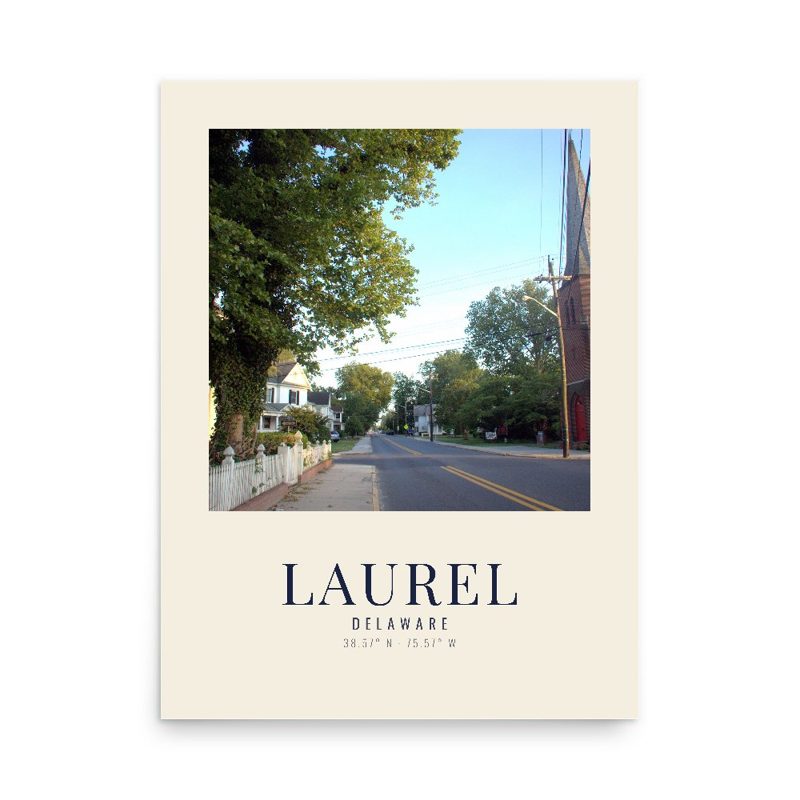
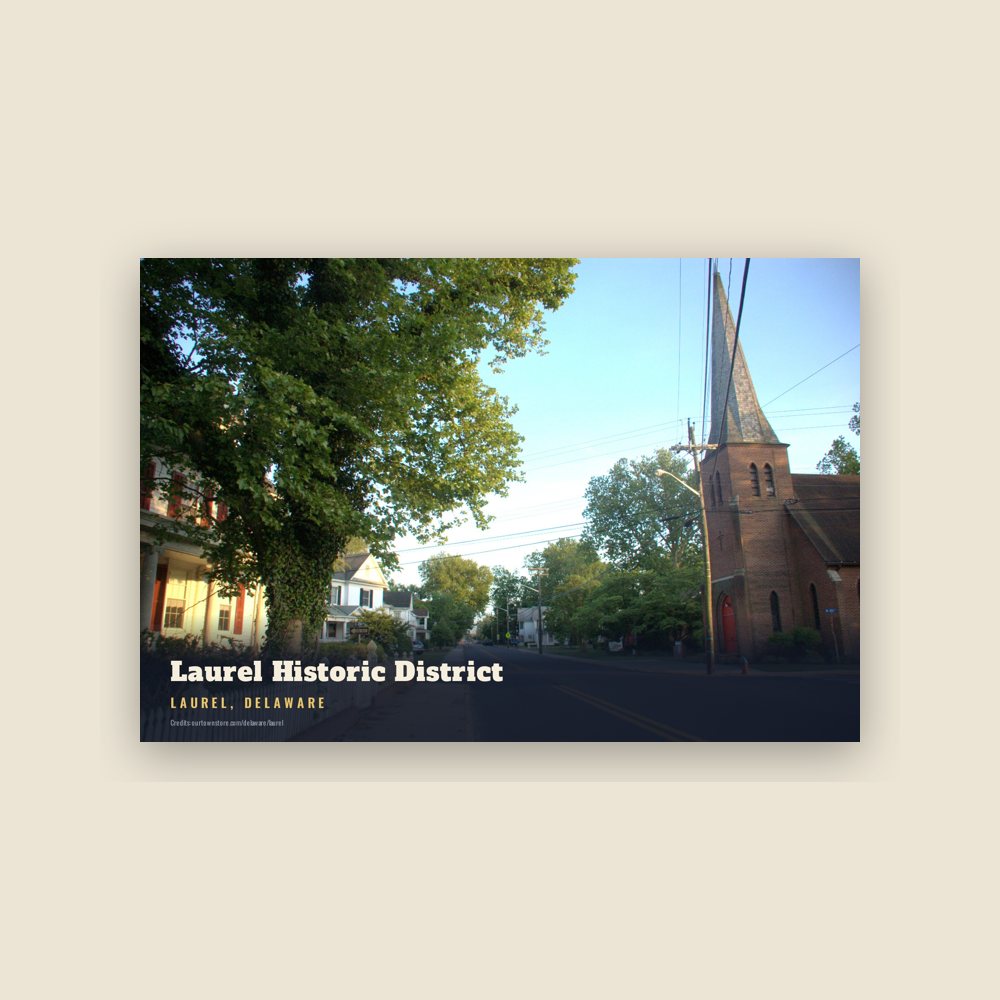
 Laurel Historic District
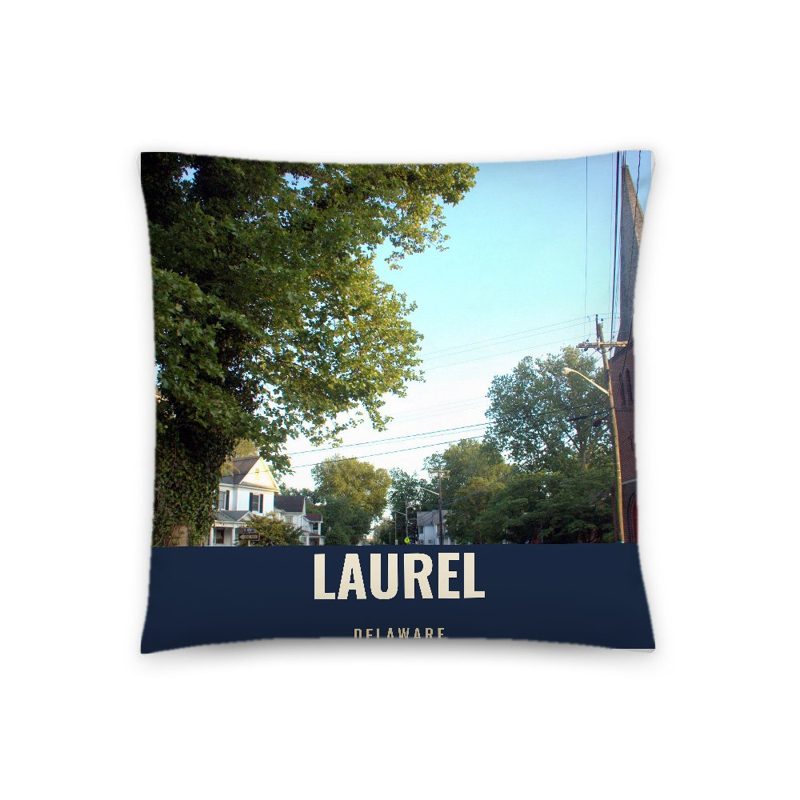
 A view of Laurel