Since 1702
A short history of Mansfield
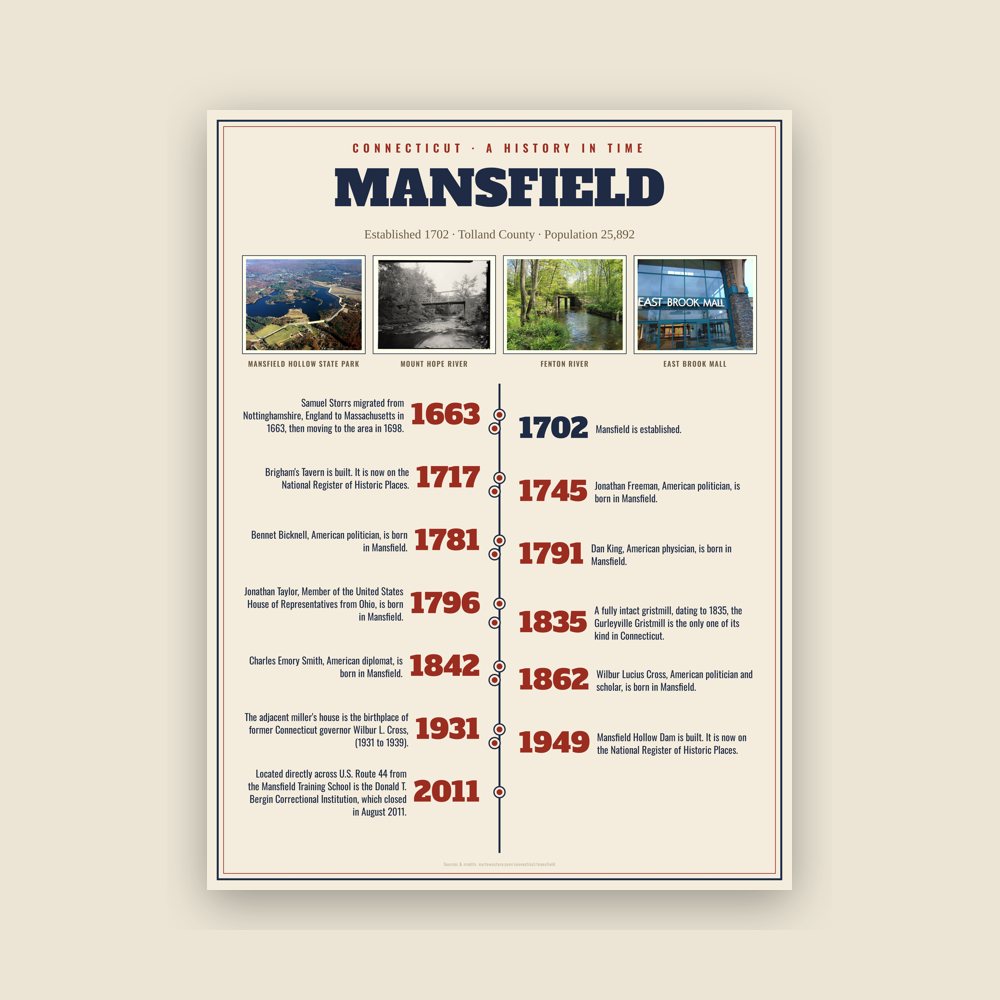
English settler-immigrants arrived in the area that is now Mansfield in the late 17th century. The Town of Mansfield was legally incorporated in 1702, and the Storrs family history dates back to that time. Samuel Storrs migrated from Nottinghamshire, England to Massachusetts in 1663, then moving to the area in 1698.
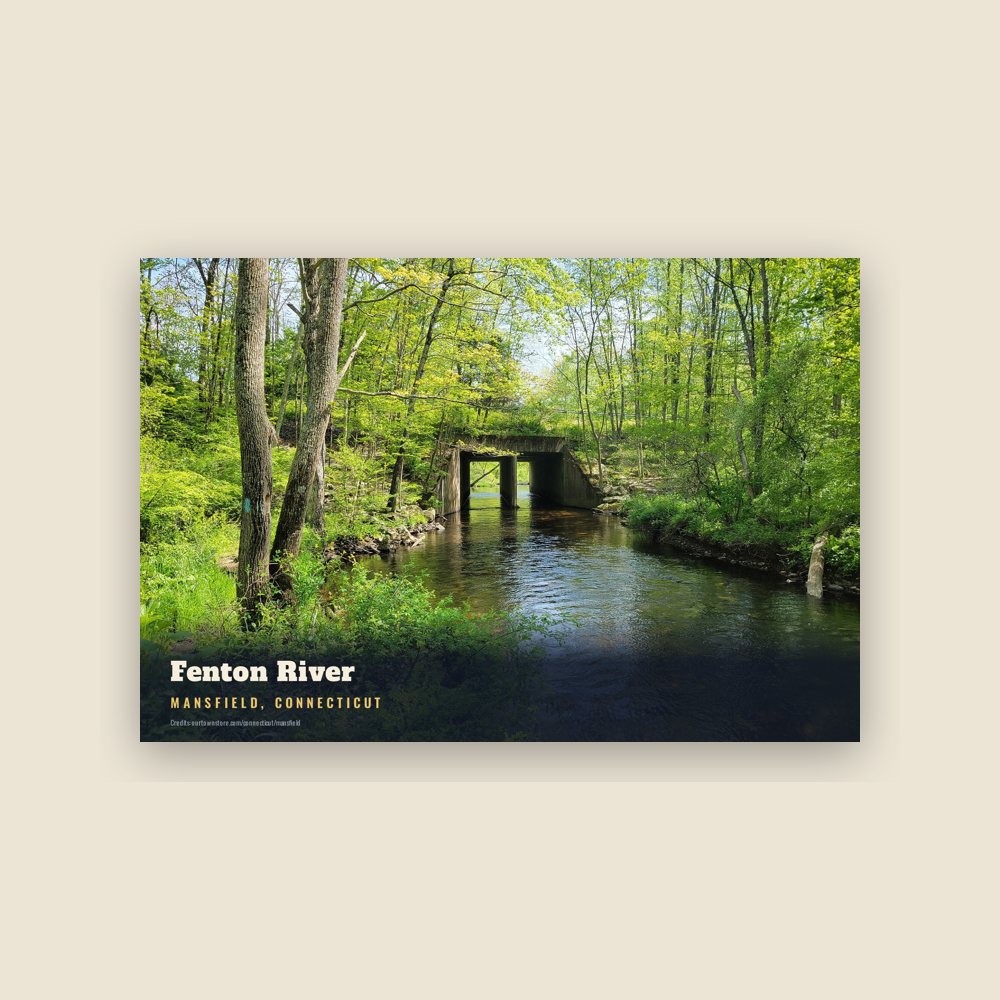
The first silk mill in the United States was constructed in Mansfield and financed by Pilgrim descendant William Fisk. The town, along with neighboring Willimantic, played an important role in the manufacture of thread and other textiles. Though nothing but the foundation remains of the mill, Mansfield has held onto several other historic landmarks. A fully intact gristmill, dating to 1835, the Gurleyville Gristmill is the only one of its kind in Connecticut. Built on the Fenton River, this stone grist mill remains intact with the original equipment. There are tours available May through October. The adjacent miller's house is the birthplace of former Connecticut governor Wilbur L. Cross, (1931 to 1939). More recent yet rare nonetheless, the Mansfield Drive-in, a drive-in movie theater, and Lucky Strike Lanes, a duckpin bowling alley, are among the last of their breed in the nation, with only 41 congress-certified alleys currently (2016), down from 450 in 1963.
The Mansfield Training School and Hospital, situated on more than 1,000 acres (4.0 km2) and encompassing 85 buildings, was operated by the Connecticut Department of Developmental Services until its closure, after legal challenges, in 1993. Four years later, the former director and a once staunch advocate of the school declared, "The Mansfield Training School is closed: the swamp has finally been drained." Since then, the site has been allowed to deteriorate, though the University of Connecticut has been slowly finding uses for and fixing up many of the buildings. The school, with its eerie overturned wheelchairs and neo-classical hospital, remains a magnet for adventurous locals, the police, and amateur photographers.
Located directly across U.S. Route 44 from the Mansfield Training School is the Donald T. Bergin Correctional Institution, which closed in August 2011. The Level 2 facility housed approximately 1,000 inmates. It served as a pre-release center for inmates who were approaching the end of their sentence or a period of supervised community placement.
On the Northeastern edge of town (Mount Hope Village), the playwright, actor and producer Willard Mack owned a large estate (originally built by William Fisk). Mack permitted his other various friends and associates to board and breed their thoroughbreds on his property. One of these, boxing legend Jack Dempsey, made continual use of these facilities until Mack's death in the mid-1930s. During Mack's stewardship of this property, the famous Arabian Stallion "Broomstick", sire of numerous Kentucky Derby and Triple Crown winning thoroughbreds, was also a temporary resident. The property has since been purchased and maintained by private owners.
Development has increased in recent years, leading to the imposition of a temporary moratorium on new subdivisions, as well as additional land acquisition. Town-provided services, including free community wireless Internet access became available at the Mansfield Community Center, the Mansfield Town Hall, the Mansfield Senior Center, and the Mansfield Public Library in the late 2010s.
Media outlets have previously reported Mansfield to be a safe place. In 2005, Slate named Storrs "America's Best Place to Avoid Death Due to Natural Disaster." and in 2025, rankings webpage Niche included Mansfield and the village of Mansfield Center in its list of the top 100 places to live in Connecticut.
Read the full history
On the National Register of Historic Places
University of Connecticut Historic District-Connecticut Agricultural School, roughly Route 195/Storrs Rd. at North Eagleville Rd.
Adapted (trimmed) from the Wikipedia article Mansfield, Connecticut, revision 1374537697 by its contributors, licensed CC BY-SA 4.0.
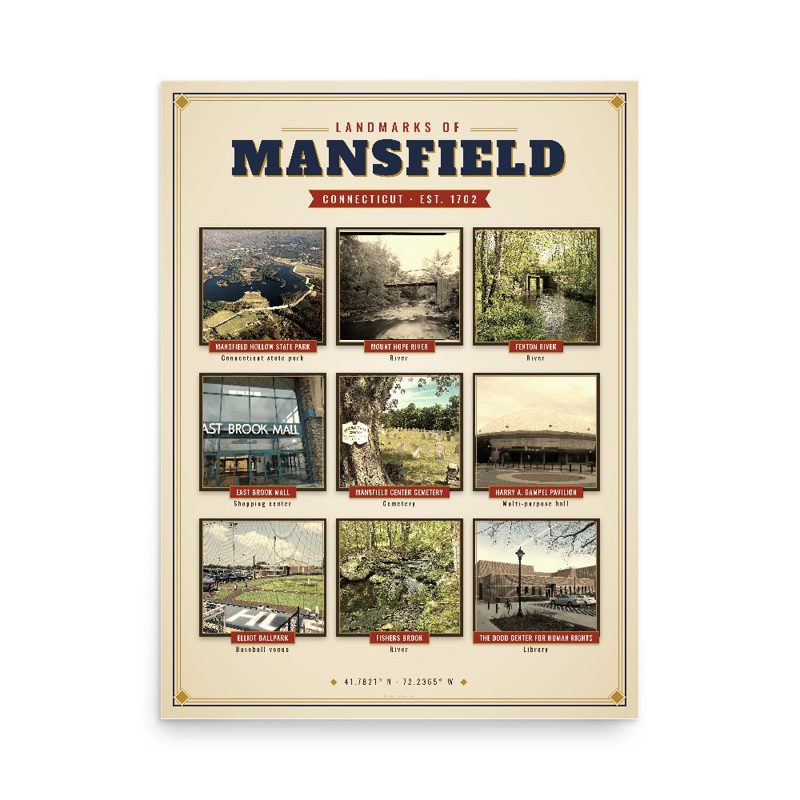
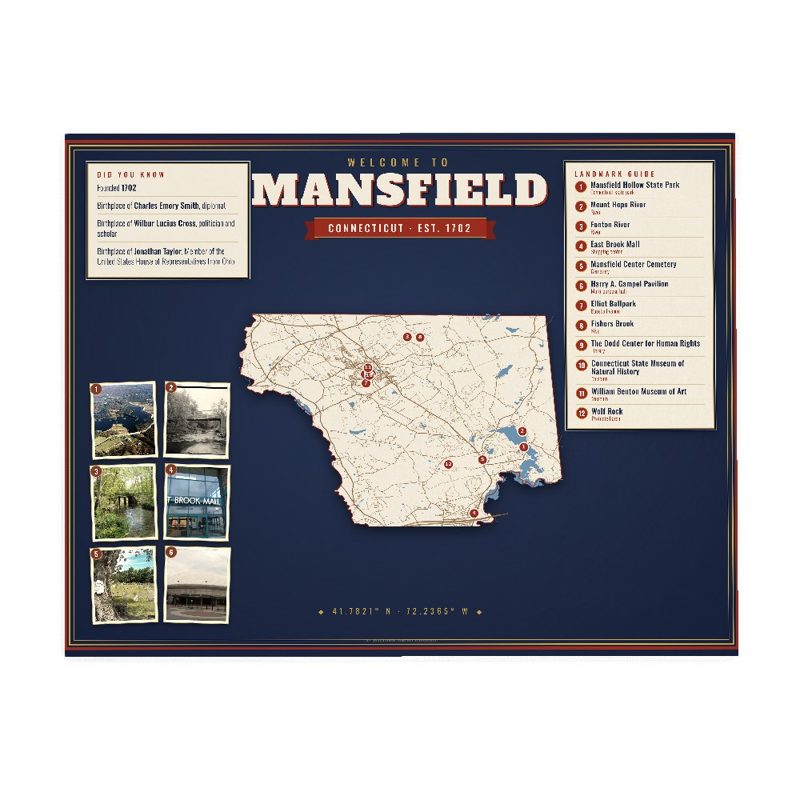





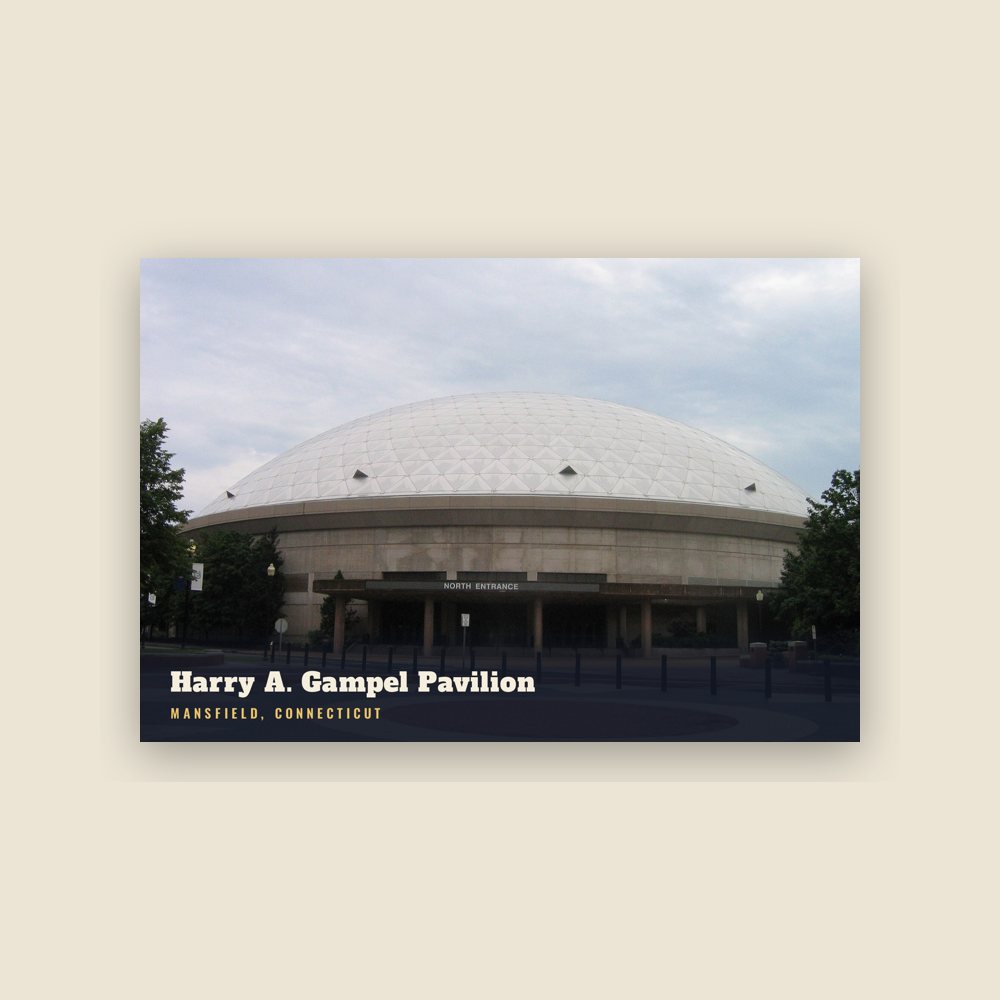
 Harry A. Gampel Pavilion
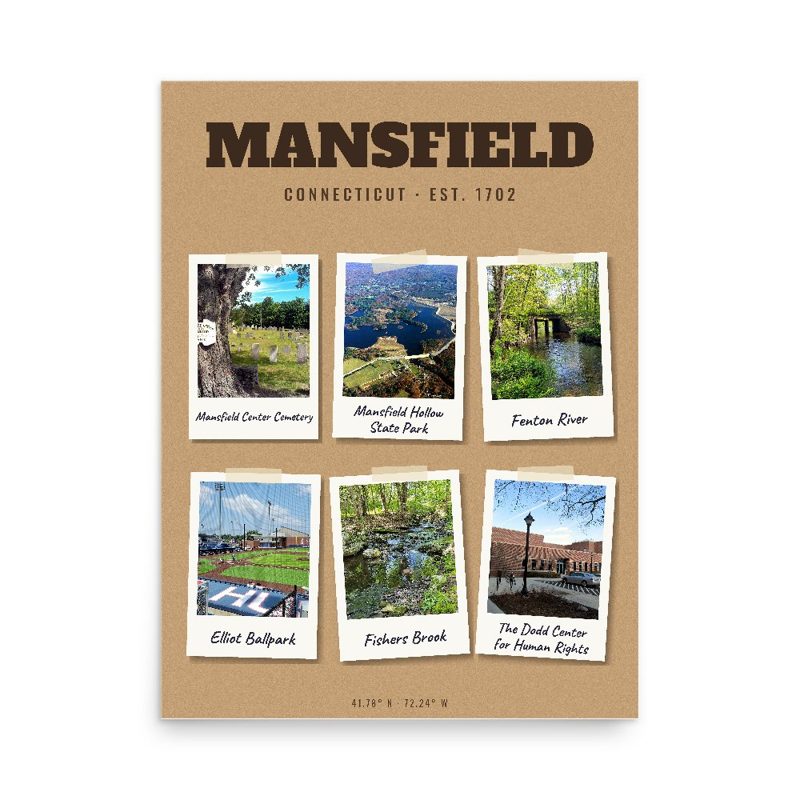
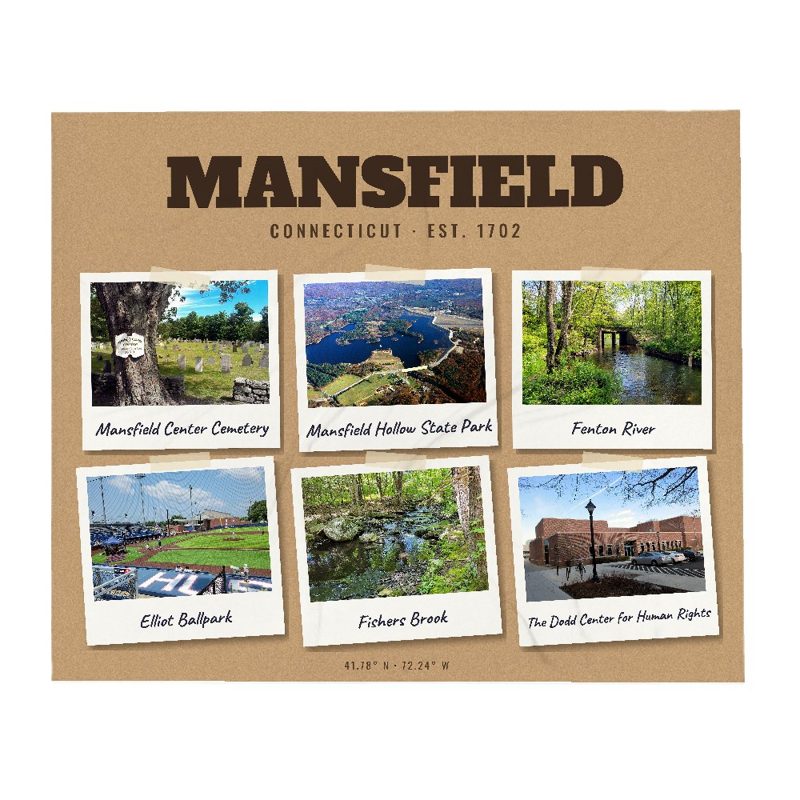
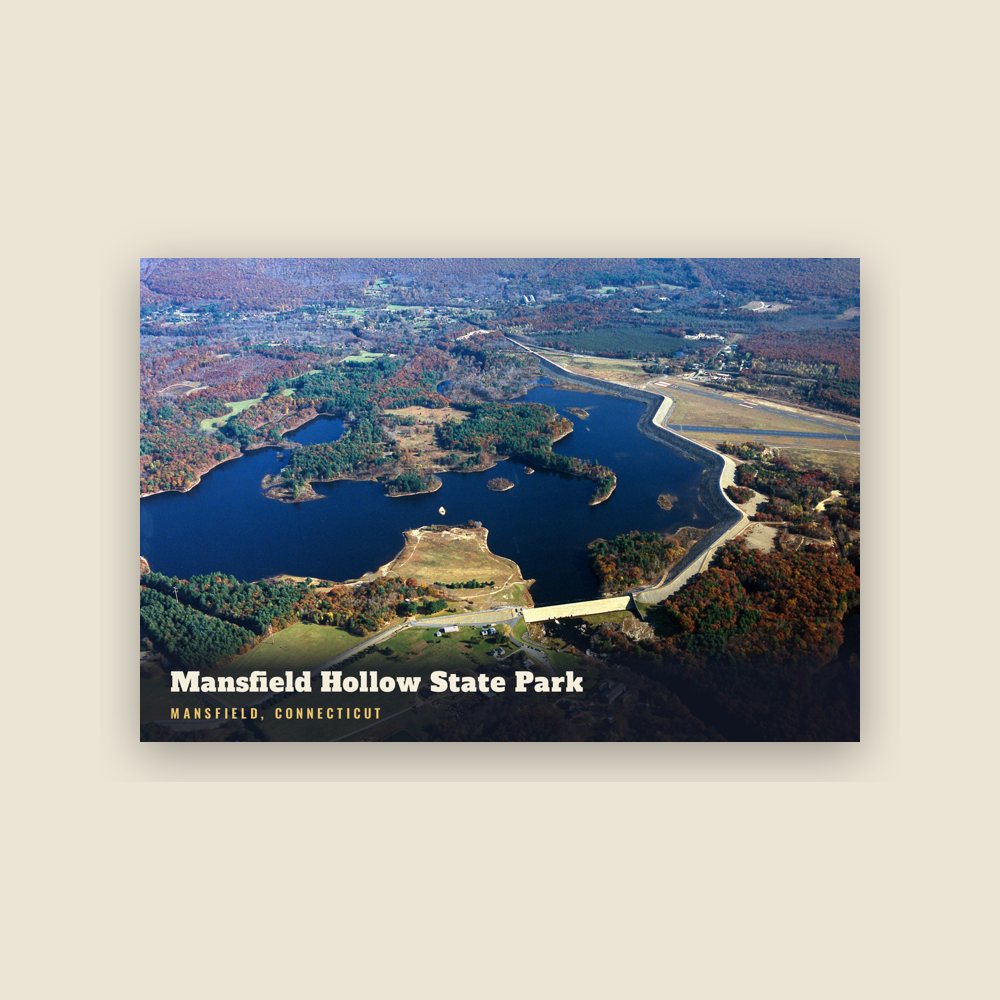
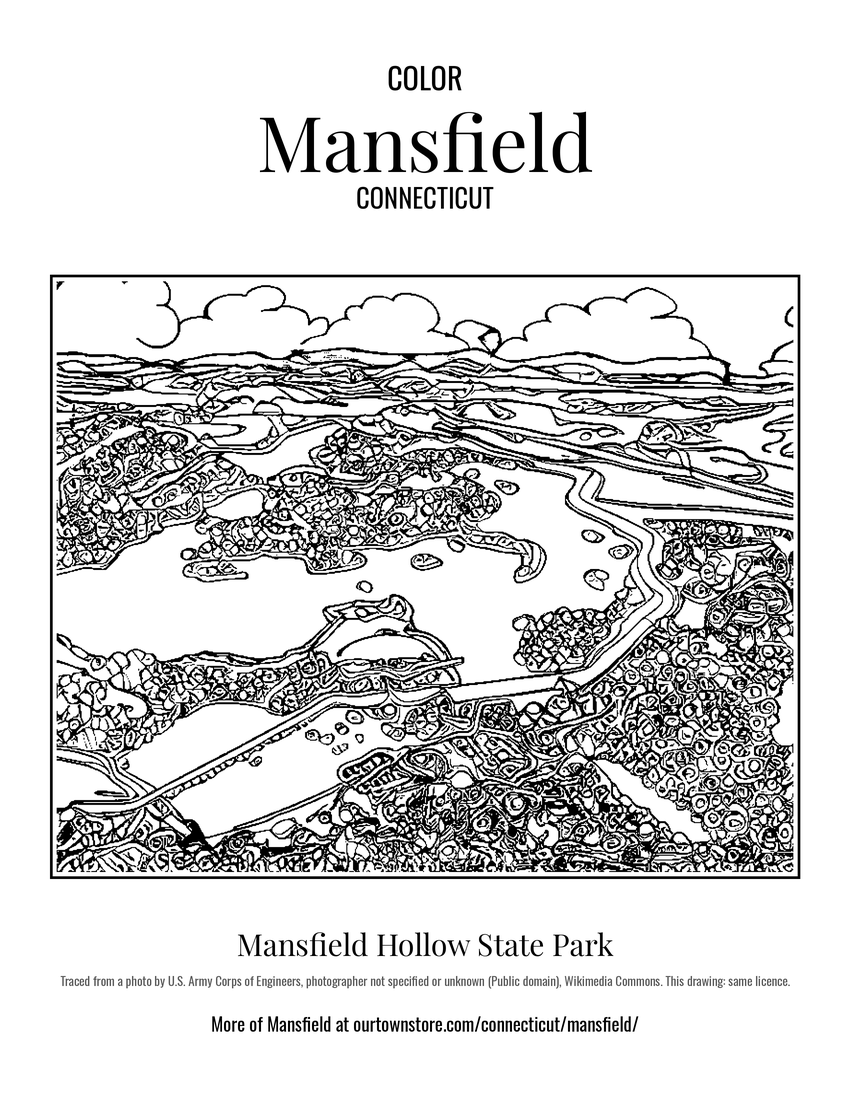 Mansfield Hollow State Park
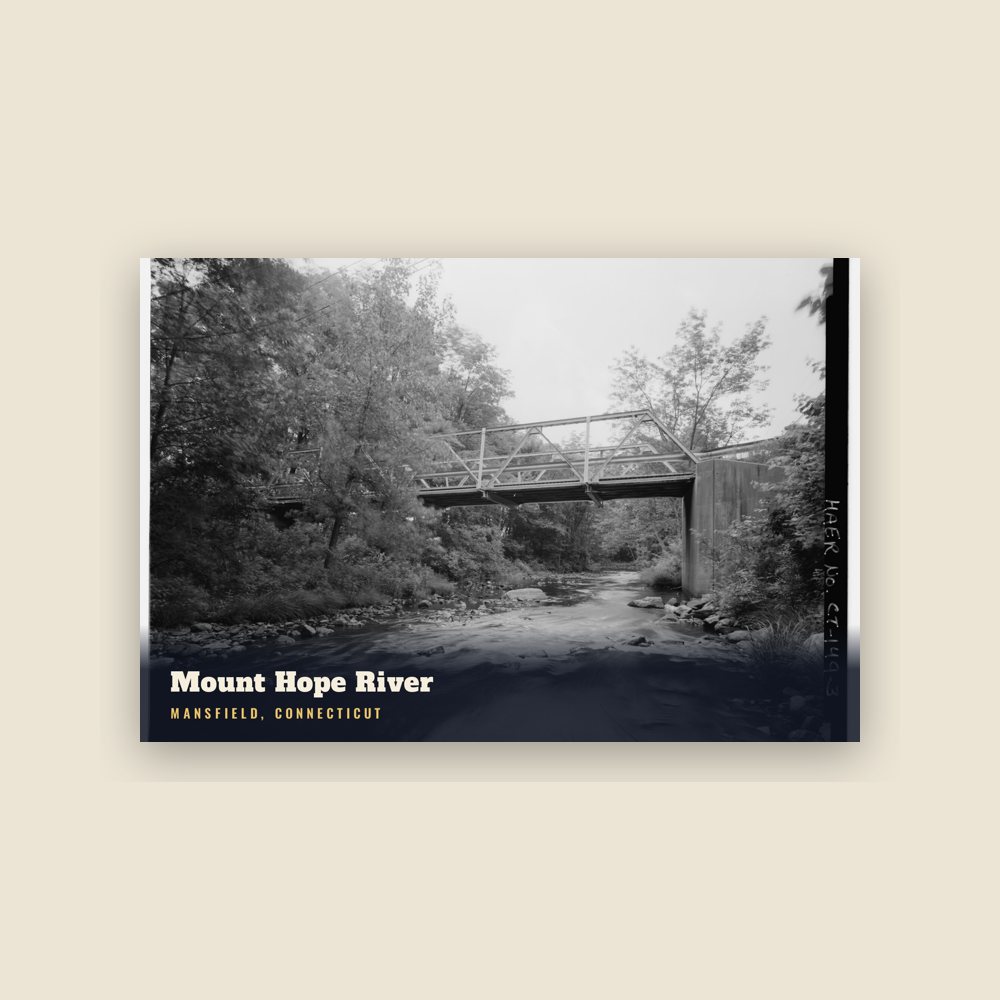
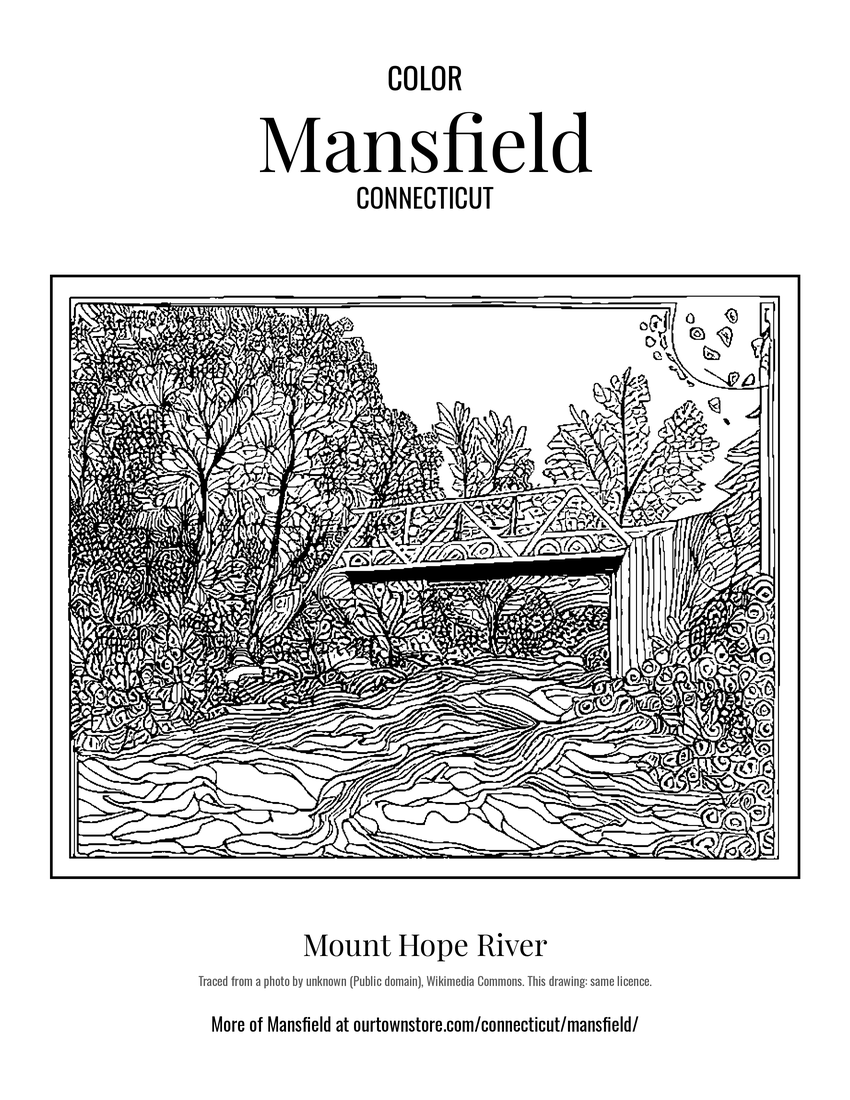 Mount Hope River
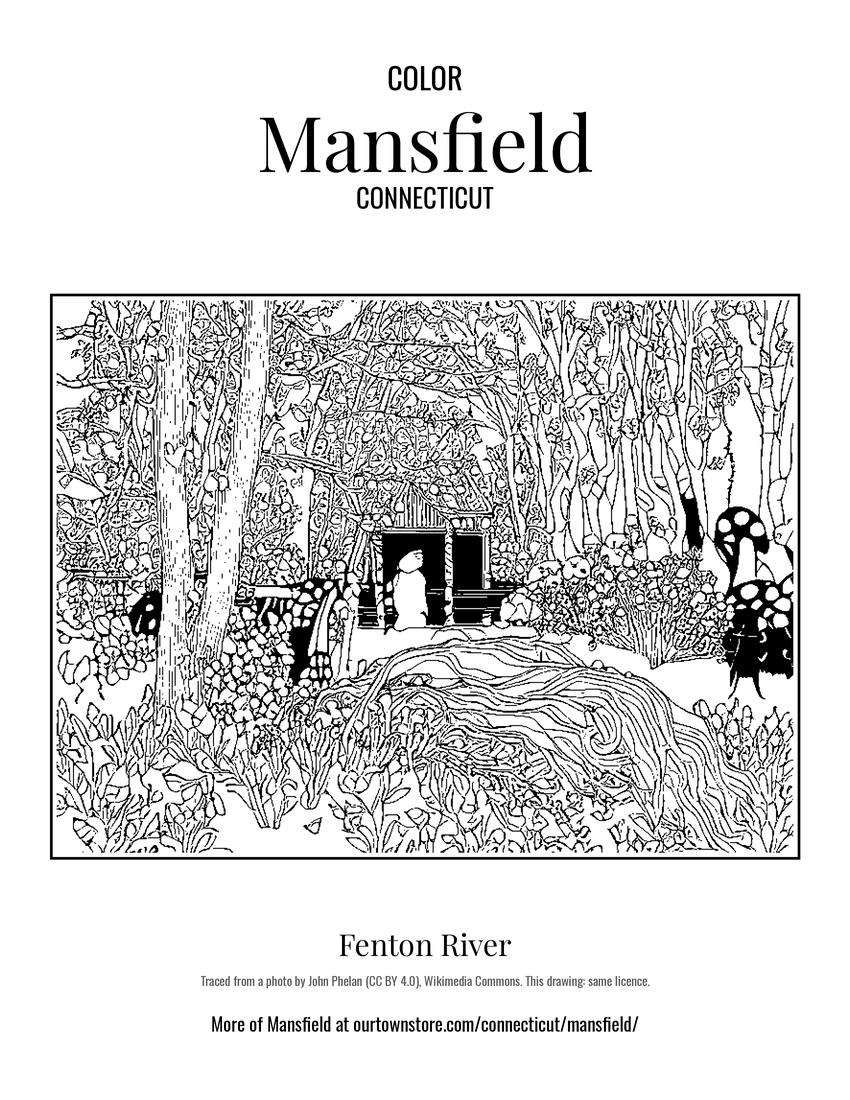 Fenton River